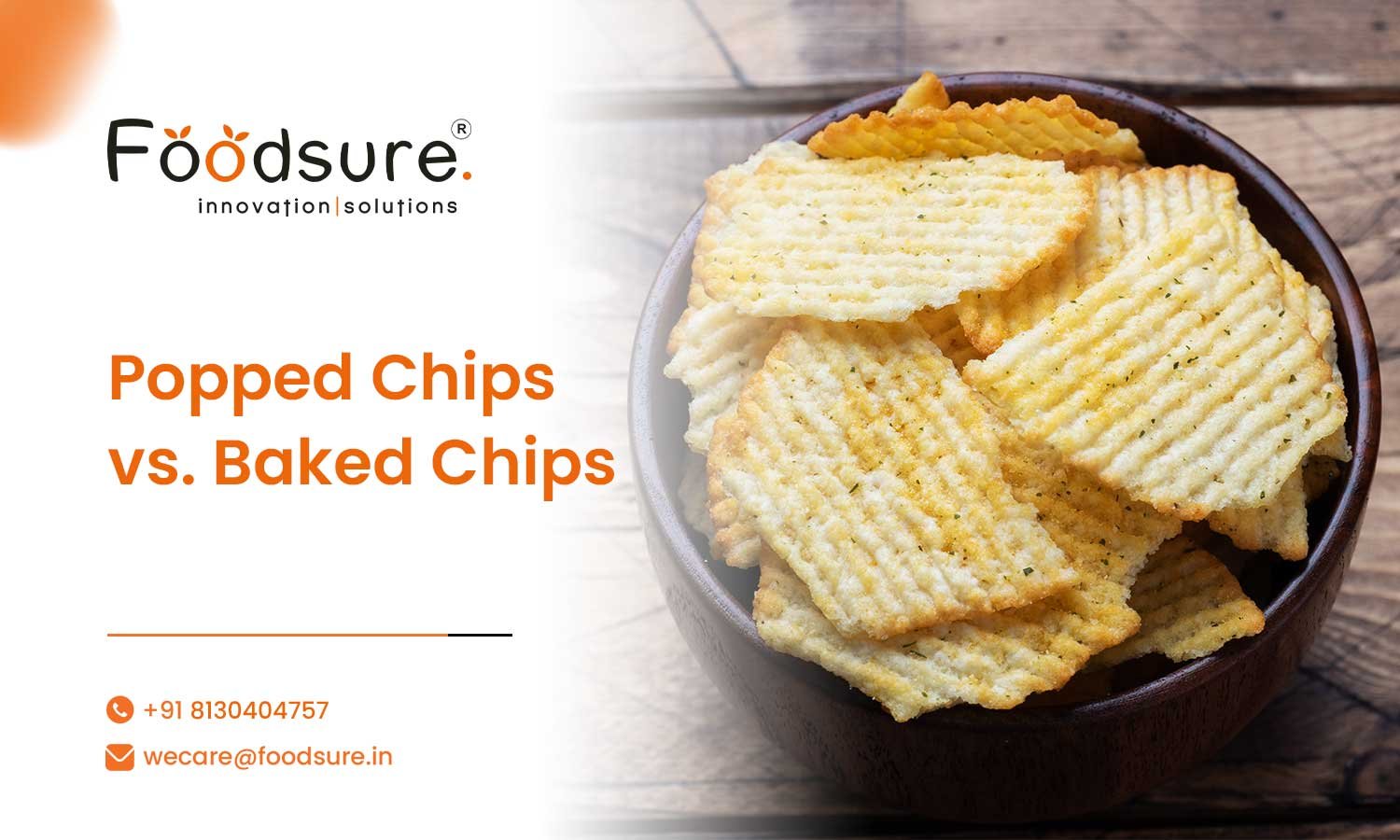
Should you go with popped chips that feel modern and light? Or choose baked chips that are easier to make and have a familiar taste for the consumers?
We have an answer to this question. In this blog, we have a complete breakdown of popped chips vs. baked chips, from nutrition, production, shelf life, to market positioning, so you can launch the chips that perfectly fit your vision, budget, and consumers.
Let’s get into it.
Popped Chips vs. Baked Chips – The Science Behind The Crunch
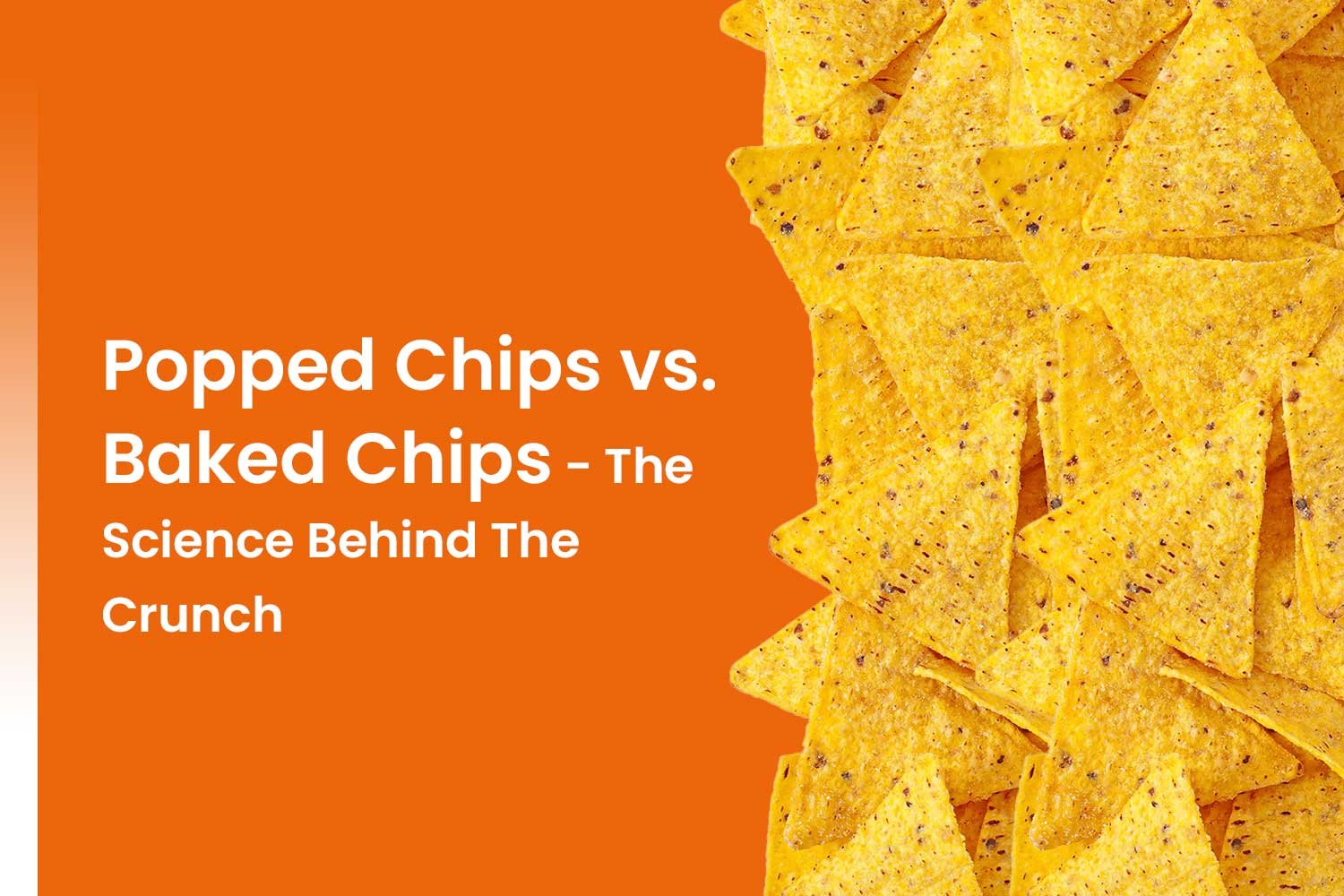
Popped Chips
The popped chips recipe formulation is done by applying high heat and pressure to the starch-rich ingredients, such as potato or lentil flour. When the pressure is suddenly released, the moisture inside them expands, causing the chip to ‘pop’ into a light, airy texture, hence reducing it to fry.
- Scientific Insight – The heat and pressure make the starch in the ingredients puff up and dry, giving the chips a light, crispy texture with very minimal oil.
- Common Ingredients – Potato flour, cornmeal, lentil flour, and chickpea flour.
Baked Chips
The baked chips recipe formulation is done by slicing vegetables or forming dough sheets, which are then coated with oil and baked in ovens at a moderate temperature. This baked chips formulation process removes the moisture and creates a crunchy bite.
- Scientific Insight – Baked chips recipe development uses even heat to make the chips crispy and bring out their colour and flavour. The final texture depends on the slice thickness, moisture level, and kind of starch used.
- Common Ingredients – Potato, sweet potato, and multigrain mixes.
Popped vs Baked Chips – Which Is Healthier?
| Nutritional Parameter | Popped Chips | Baked Chips |
|---|---|---|
| Calories | 120 kcal per 28g serving | 130-150 kcal per 28g serving |
| Total Fat | 4g per 28g serving | 5g per 28g serving |
| Saturated Fat | 0-0.5g per 28g serving | 0.7g per 28g serving |
| Sodium | 190mg per 28g serving | 150mg per 28g serving |
| Acrylamide Risk | Low | Moderate-High |
Food Formulation Consultant Verdict – Choose popped chips for a clean label, low-fat chip formulation aimed at wellness-conscious consumers. Baked chips suit brands balancing familiarity with moderate health benefits.
Formulation Of Ingredients And Clean Label Appeal
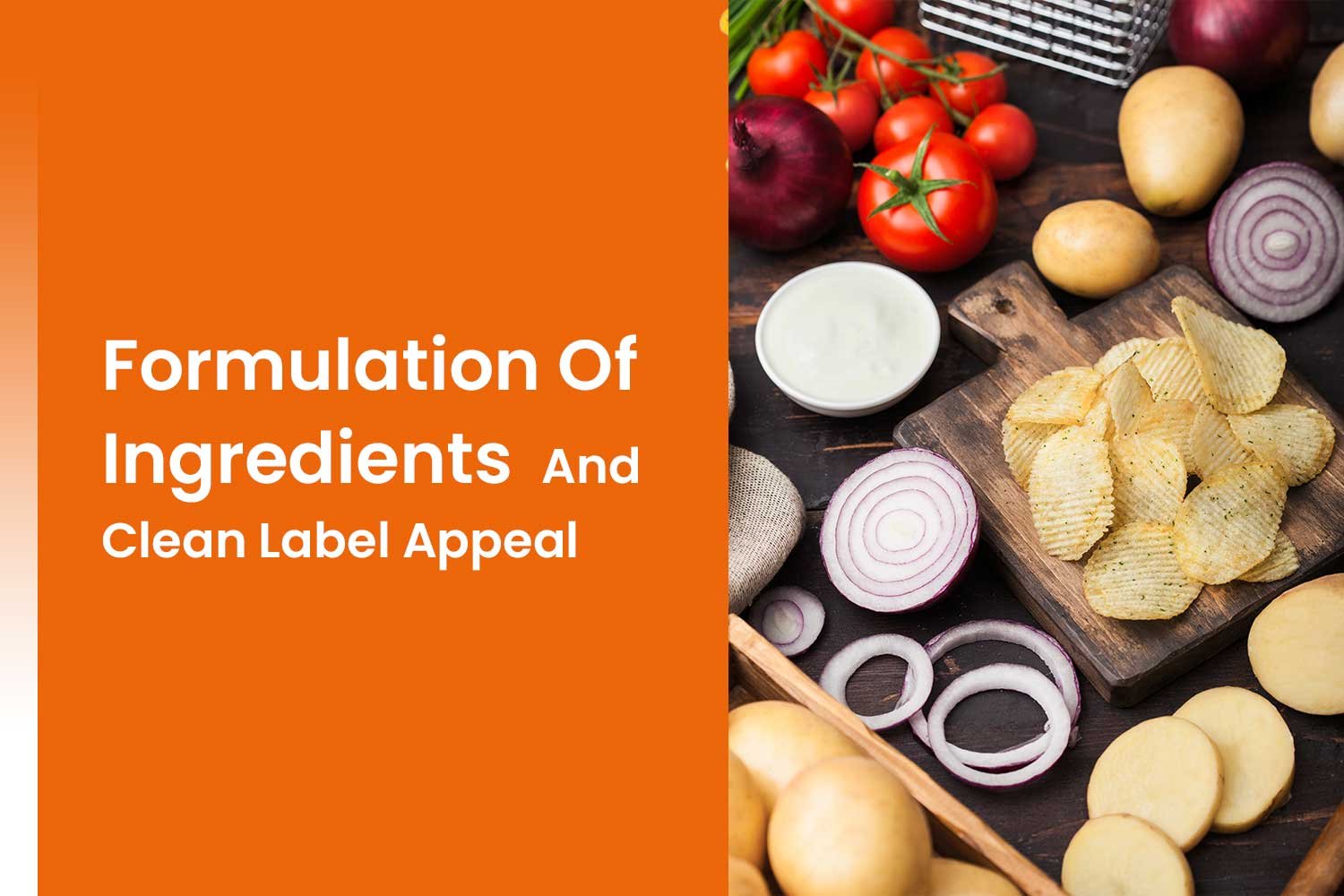
Popped Chips
- It allows mixing of lentil, chickpea, quinoa, or brown rice flours.
- Easily added with plant protein, prebiotics, or micronutrients.
- Seasoning mixes well due to the porous structure.
- Perfect for gluten-free, low-fat, and functional snack claims.
Baked Chips
- It relies on a whole potato or grain-based dough.
- You can not make so many changes to the recipe formulation as this changes the texture or colour.
- Oil is important for mixing flavour, hence, it limits the clean-label factor.
- Suitable for consumers preferring a familiar potato-based taste.
Popped Chips vs Baked Chips – Which Is Easier To Launch?
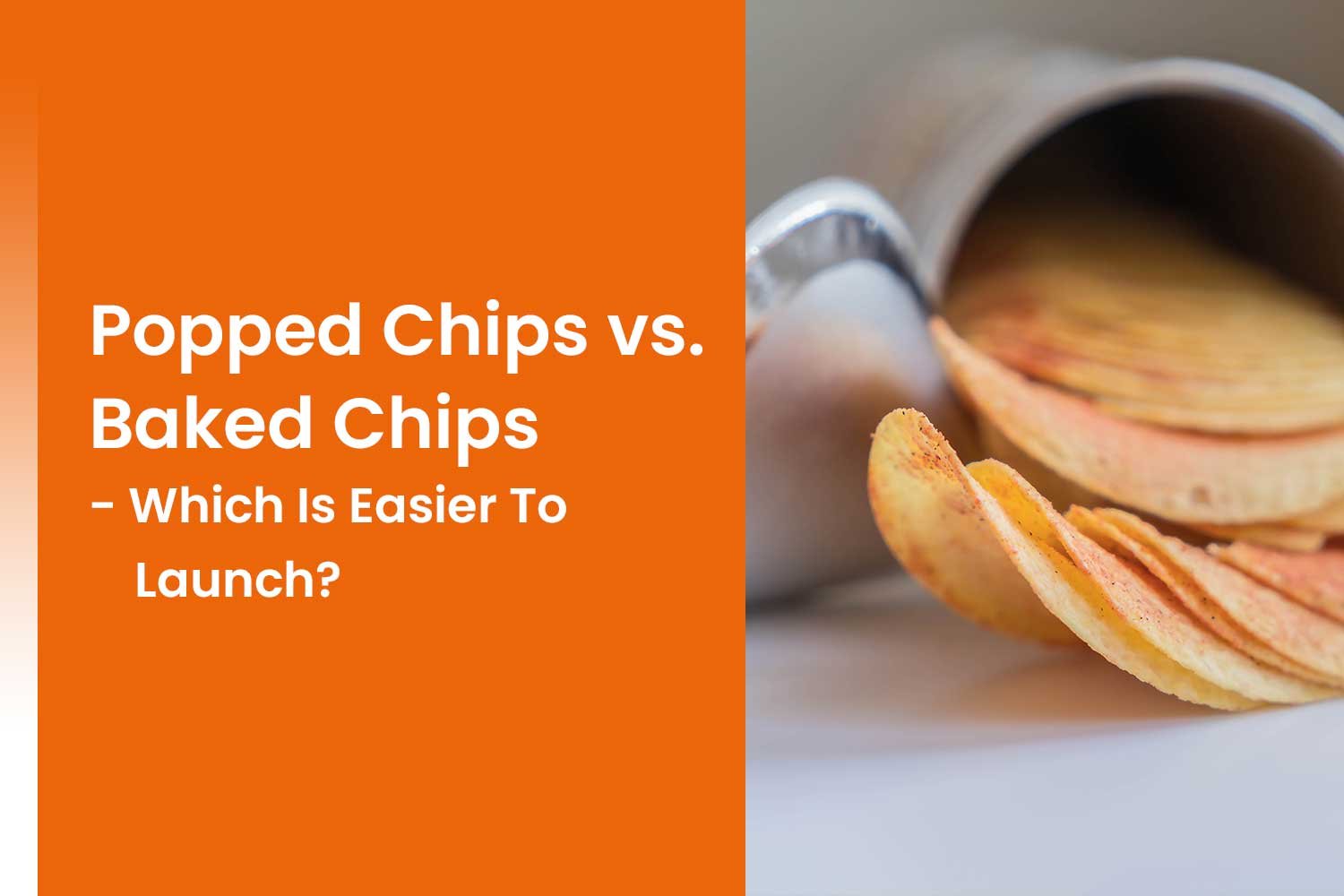
When launching a new snack product, especially a healthier one, the choice between popped chips and baked chips is not just about health benefits; it is also about how practical it is to manufacture, how much it costs to get started, and how quickly you can get to market. Both options come with their own scientific and operational considerations that can affect how quickly and smoothly you can launch.
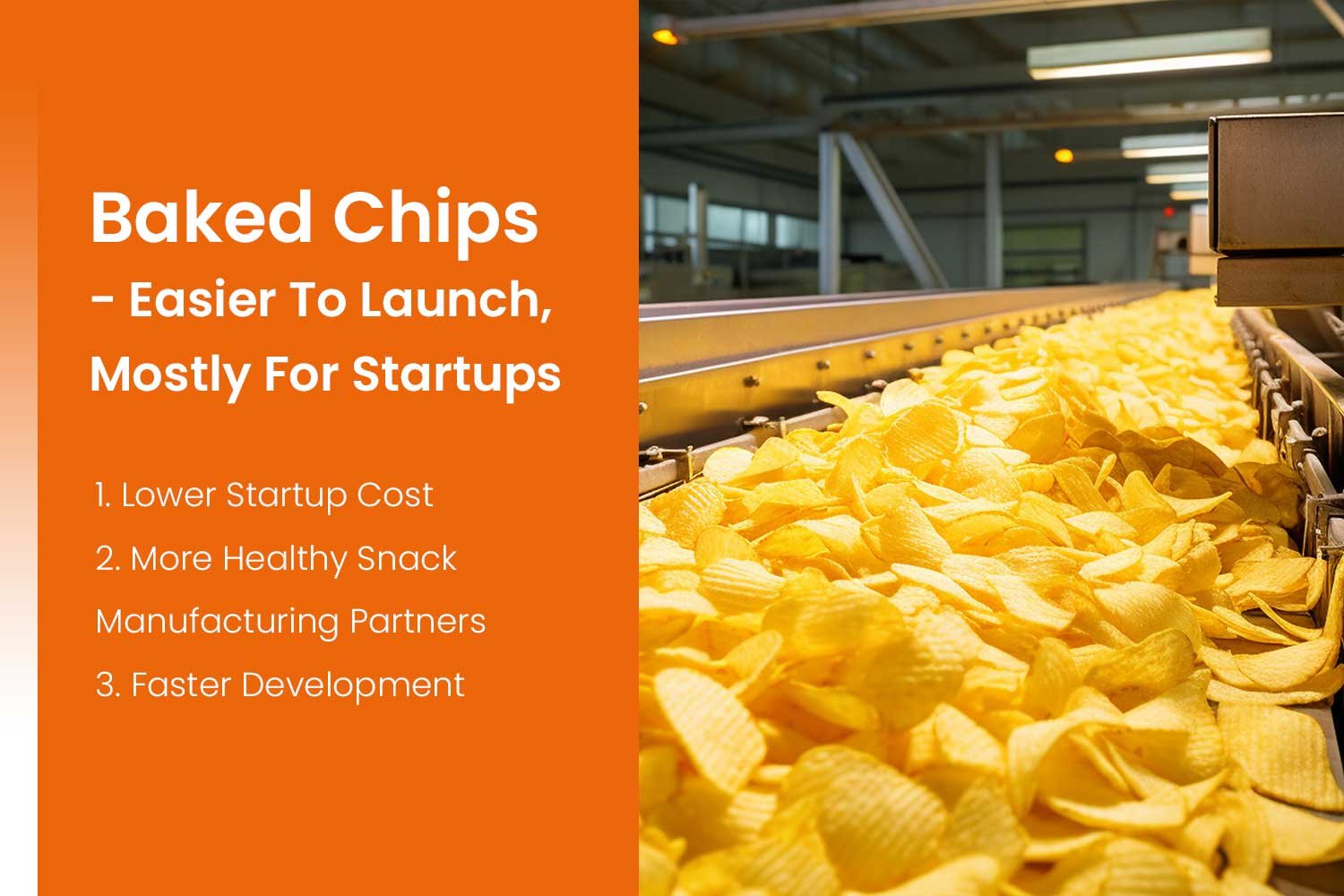
Baked Chips – Easier for Startups
- Simple Setup: Basic ovens and slicers are enough for baked chips production.
- Lower Investment: Equipment cost is affordable, making it startup-friendly.
- Faster Launch: Baked chips recipe formulation is easier to test and scale.
- Wide Manufacturing Options: Many facilities already produce baked chips.
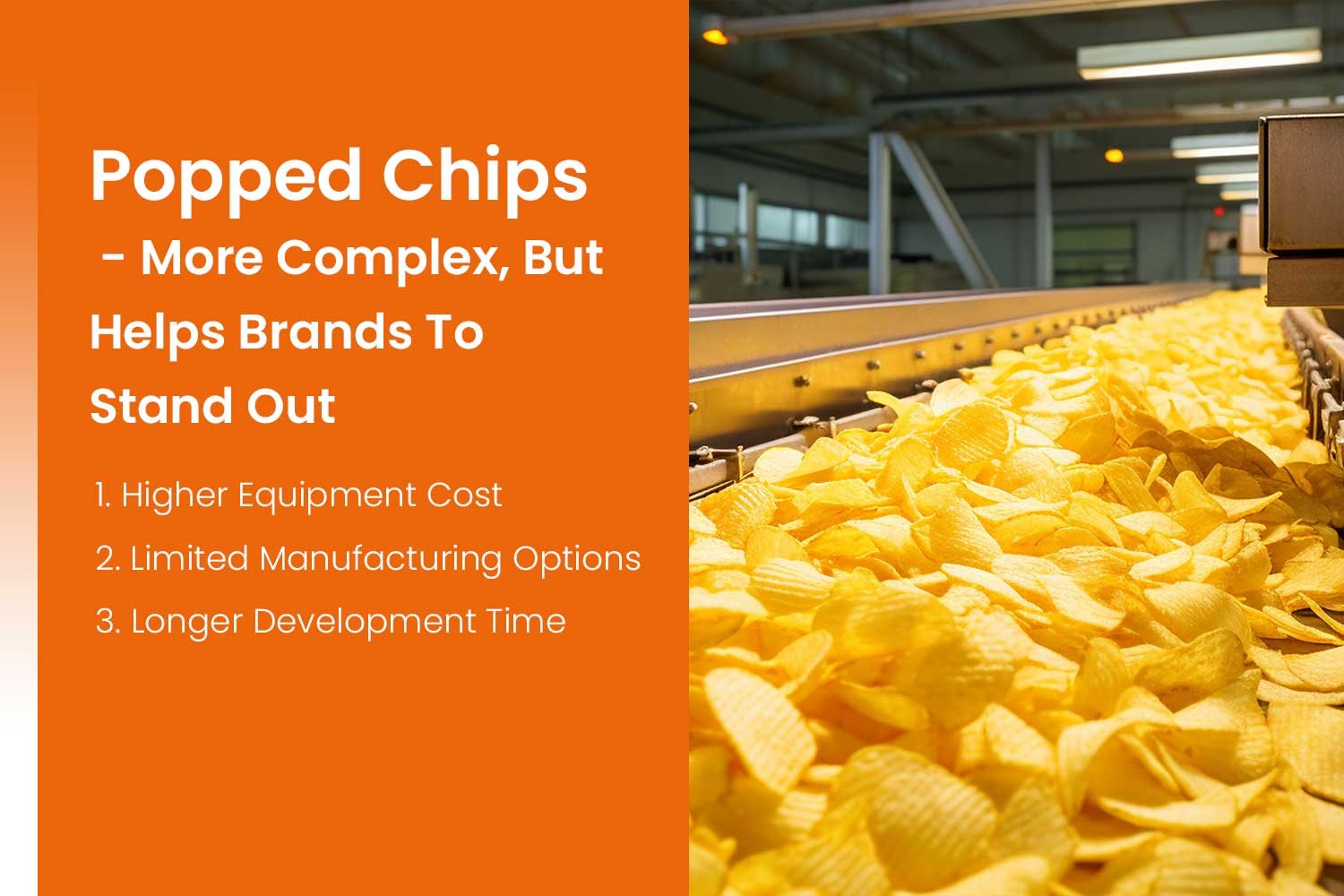
Consultant Tip: Though complex, popped chips help brands stand out in the clean-label, low-fat category, perfect for premium and health-focused markets.
Shelf Life, Packaging & Storage Of Popped Chips And Baked Chips

| Feature | Popped Chips | Baked Chips |
|---|---|---|
| Shelf Life | Longer shelf life (9 – 12 months) | Shorter shelf life (6 – 9 months) |
| Oil Content | Minimal oil, less risk of rancidity | Higher oil content, spoils faster |
| Packaging Needs | Basic nitrogen flushing to maintain crispness | Requires antioxidants and protective packaging |
| Storage & Shipping | Stable in strong metallic or multi-layer pouches | More sensitive to heat and light during transit |
Popped Chips vs Baked Chips – Which Will Fit Your Brand?
Choosing between popped chips and baked chips is not just about recipe formulation; it is also about where and how you will sell your product. Your target audience, sales channel, and pricing strategy all influence which chip type is the better fit.
| Category | Popped Chips | Baked Chips |
|---|---|---|
| Positioning | Clean-label, low-fat, health-focused snacking | Slightly healthier alternative to fried chips |
| Best For | Online stores, D2C brands, health outlets, gyms, modern retail, export markets | Local shops, general trade, schools, offices, and affordable snack ranges |
| Target Audience | Fitness-focused buyers, young professionals, health-conscious families | Families, kids, shoppers in smaller cities, and everyday snack consumers |
| Budget Suitability | Premium or mid-premium positioning | Budget-friendly and mass-market positioning |
| Texture & Appeal | Light, airy, modern snack appeal | Familiar taste with traditional crunch |
Your first batch is not just a trial; it’s your starting point, your investor sample, and the first taste your customers will remember.
We don’t just help you mix clean-label snack ingredients. We, the best snack recipe formulation consultants, work with you to create a chip that tastes great, meets real demand, and is ready to scale. Whether you’re making a clean, modern snack or reworking a classic, we’ll guide you with practical know-how and hands-on support. Send us your query on +91 8130404757.
Let’s make sure your first batch hits the mark. Book your consultation today.

FAQs
1. What is the main difference between popped chips and baked chips?
Popped chips use high heat/pressure for airy, low-oil texture; baked chips slice, oil-coat, and oven-dry for denser crunch.
2. Which is healthier: popped chips or baked chips?
Popped chips: lower calories (120kcal/28g), fat (4g), saturated fat, and acrylamide risk vs. baked.
3. Are popped chips easier to produce than baked chips for startups?
No, baked chips are simpler with basic ovens and lower costs; popped needs specialised machines.
4. How do the shelf lives of popped and baked chips compare?
Popped: 9-12 months (minimal oil); baked: 6-9 months (higher oil spoilage).
5. Can popped chips support clean-label and functional claims under FSSAI?
Yes, gluten-free flours, proteins, and a porous structure aid seasoning without excess oil.
6. Which chips suit health-focused consumers or premium markets?
Popped for D2C/gyms (low-fat, modern); baked for mass retail/families.
7. How can SMEs launch popped or baked chips successfully?
Start baked for ease, scale to popped; consult for FSSAI recipes and small-batch trials.