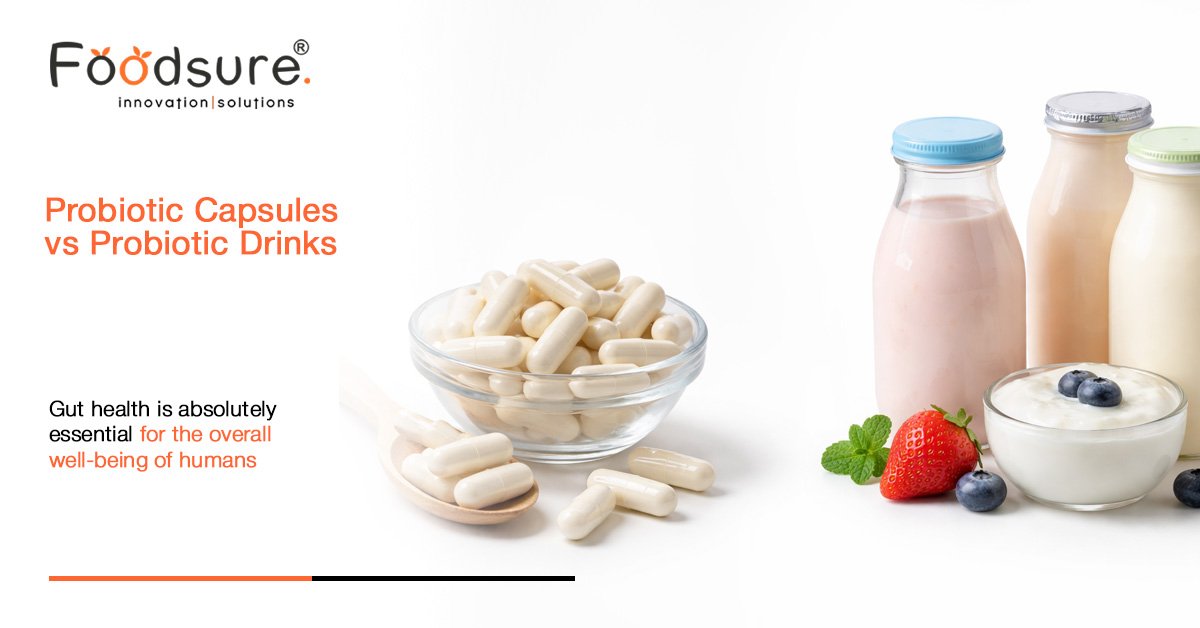
Gut health is absolutely essential for the overall well-being of humans. It is a tough call for today’s consumers when it comes to choosing the best gut supplement on the market. The debate on the best mode of delivery is always evolving in the scientific community around the world. It is extremely important to analyze the difference between Probiotic Capsules vs Probiotic Drinks. There is a common query in the minds of the consumers regarding the format of the supplement that is more beneficial in terms of digestion.
The debate on the difference between the two formats of the probiotic supplement is more focused on the benefits of the long-term use of the supplement. It is extremely important to understand this complex scenario in order to choose the best probiotic form India has to offer. The official size of the global probiotics market was recorded at USD 58.17 billion in the year 2022.
What Is the Difference in Probiotic Capsules vs Probiotic Drinks?
The first step in this wellness journey is to grasp the fundamental biological differences. An examination of Probiotic Capsules vs Probiotic Drinks shows that each of these products has distinct and fundamental differences. While probiotic capsules contain only freeze-dried bacteria safely locked in a protective shell, waiting to become active when ingested, probiotic drinks contain highly active cultures locked in a wet environment, usually milk or water. The key medical focus is on the probiotic capsule stability which has a long shelf life.
On the other hand, the short probiotic drink shelf life means that it must be kept cold at all times. By understanding the basics of probiotics, we can now better evaluate the probiotic capsule vs probiotic drink debate.
Analysis of Probiotic Capsules vs Probiotic Drinks for Daily Use
In comparing and contrasting the two products, we need to examine them on a deeper, daily usage level. People need the health benefits of the product without having to go through a complicated storage process. Obviously, the known stability variance is a huge contributing factor to maintaining the viability of the product over a period of several months. A probiotic bioavailability comparison clearly illustrates that capsules have a significantly greater chance of surviving stomach acid.
| Feature | Capsules | Drinks |
| Core Format | Dry Powder | Liquid State |
| Daily Storage | Room Temp | Constant Refrigeration |
| Expected Longevity | High Stability | Low Stability |
| Acid Resistance | Strong Protection | Weak Protection |
Market Trends for Probiotic Capsules vs Probiotic Drinks
The huge global supplement industry is constantly changing according to the preferences of consumers today. Currently, a competitive global wellness market favors products with high convenience and clinical efficacy.
- Demand for convenience increases.
- Consumers favor dry formats.
- Liquid formats are challenged.
- Focus on Gut Health.
- Scientific support is a priority.
- Clean ingredients are a priority.
We at Foodsure have seen that the brands that prioritize stability-first formulations tend to perform better in terms of long-term consumer retention
Core Components of Probiotic Capsules vs Probiotic Drinks
An analysis of these novel wellness products indicates a completely different global manufacturing philosophy in place for each of these products. The completely dry formats depend on outer shells for protection and a completely moisture-free environment for viability, whereas the liquid formats depend on fresh water or standardized dairy bases for maintaining the highly active bacteria. The probiotic capsule shelf life necessitates the use of high-quality natural excipients and a highly controlled level of ambient moisture in the final product.
| Component | Capsules | Drinks |
| Main Base | HPMC Shell | Water Base |
| Active Fill | Lyophilized Bacteria | Active Cultures |
| Common Additives | Prebiotic Fillers | Sugar Flavoring |
| Extra Preservatives | None Required | Heavily Required |
Stability & Shelf-Life Challenges
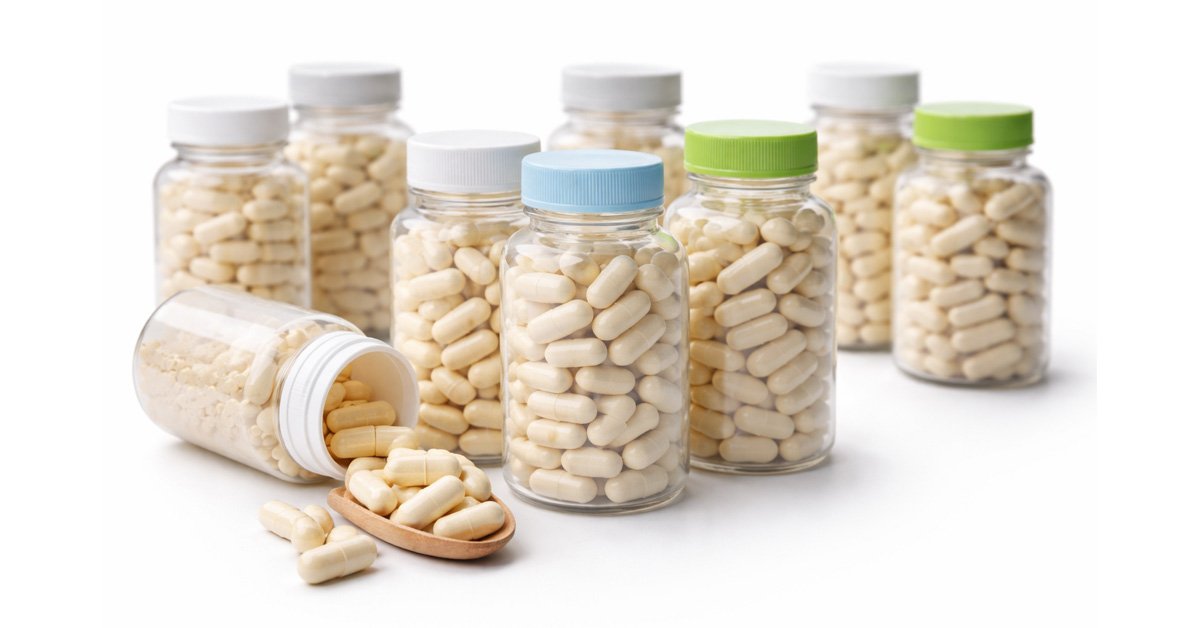
Global manufacturers must ensure that sensitive bacteria survive factory production, global transit storage, and extremely hostile human digestive processes. These are enormous challenges, which, in turn, make the capsule vs liquid probiotic formulation process extremely complex in scientific terms. More than 33% of the consumers are willing to pay more for the products they value, such as health and wellness solutions.
- Moisture kills live strains.
- Heat damages active cultures.
- Liquids ferment too quickly.
- Acidity affects survival rates.
- Oxygen damages cells.
- Stomach acid kills bacteria.
Development Stages of Probiotic Capsules vs Probiotic Drinks
The actual stages in the development of Probiotic Capsules vs Probiotic Drinks may be used as a perfect example to clearly show the actual differences in the manufacturing processes, which are essentially required in the current market scenario. It is clearly evident that the dry format has been designed and developed to concentrate on the actual use of advanced freeze-dried technology and the complete exclusion of moisture to perfectly preserve the extremely delicate biological strains.
| Stage | Capsules | Drinks |
| Phase One | Strain Selection | Liquid Formulation |
| Phase Two | Freeze Drying | Active Fermentation |
| Phase Three | Blending Powders | Flavor Addition |
| Phase Four | Encapsulation Step | Bottling Phase |
Formulating Approaches
For the top international wellness brands, the only thing that must be fully focused on is the maximum live bacterial cell survival from the factory directly into the gut. When comparing Probiotic Capsules vs Probiotic Drinks, the ultimate shelf life comparison is heavily reliant on the extremely specific clinical procedures that were intentionally selected during this absolutely critical development process.
- Selecting resilient bacterial strains.
- Controlling moisture in the production process.
- Managing pH in liquids.
- Testing survival under stress.
- Applying protective enteric coatings.
- Ensuring strict temperature control.
Clean Label Considerations
The massive global clean label movement has forced modern manufacturers to rethink their traditional synthetic health formulas today. Smart health buyers are becoming increasingly critical of every single ingredient list, desperately seeking highly recognizable and natural botanicals globally. The increasingly popular consumer movement strongly impacts the capsules vs liquid probiotic daily wellness debate.
- Removing artificial colors from the health supplement.
- Avoiding excessive added sugars.
- Plant-based capsule shells.
- Non-GMO ingredients.
- Removing unnecessary synthetic fillers.
- Providing transparent strain information.
Manufacturing Insights for Probiotic Capsules vs Probiotic Drinks
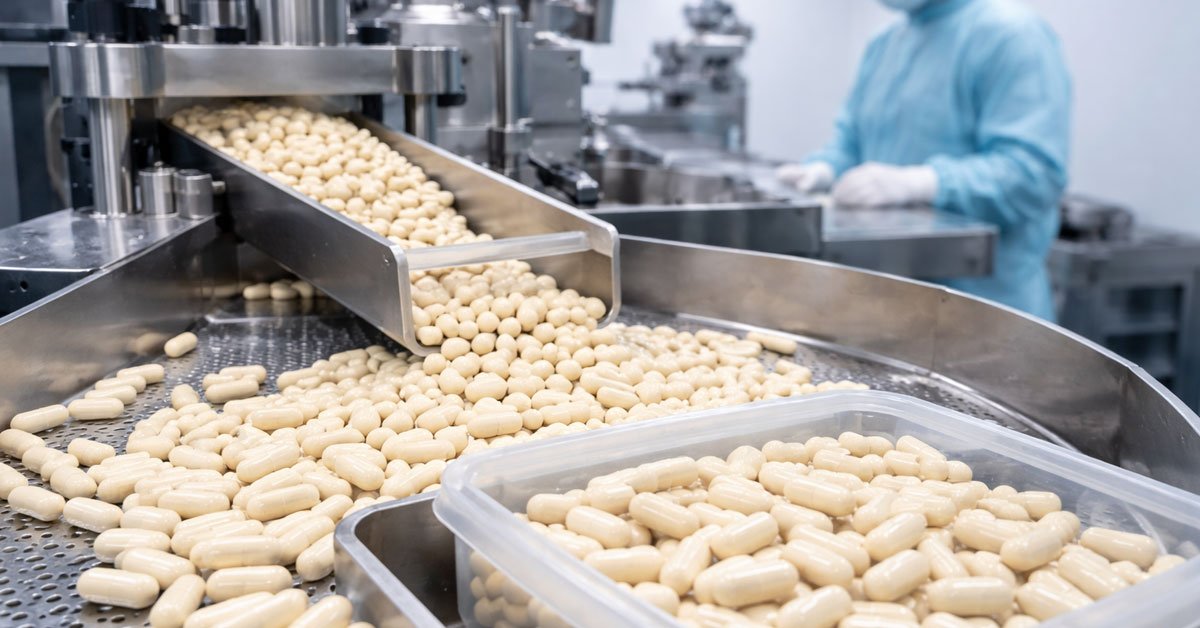
An in-depth examination of the international manufacturing of these uniquely specific delivery systems clearly illustrates the enormous logistical manufacturing challenges facing the world today. Dry powder facilities absolutely and totally require incredibly massive industrial dehumidification systems solely in order to effectively prevent premature activation of the bacteria cells. Wet liquid facilities absolutely and totally require incredibly vast continuous refrigeration systems solely in order to effectively halt the natural fermentation process of the bacteria cells. From a manufacturing point of view, Foodsure works closely with the facility to ensure strict environmental controls during the production process, as even slight exposure to moisture can trigger or harm the probiotic strains prematurely
Final Verdict: Probiotic Capsules vs Probiotic Drinks
A perfect recipe for a product is not just about taste and general form. It is, in fact, a deeply scientific concept, and a perfect recipe is a mix of biological efficacy, texture, costs, and shelf life. It is also a recipe that strictly considers the Indian climate and consumer preferences. Companies that focus on a perfect recipe deliver products that last for years, not products that go out of the market after a few months of their initial release.
At Foodsure, we help brands design scientifically stable and scalable supplement formulation tailored for real-world conditions.
Looking to create a stable, scientifically-supported probiotic formula?
Get in touch with Foodsure to create formulas that actually work!
FAQs
What packaging protects probiotics best in India’s heat?
Blister-packed capsules with moisture-barrier foils and desiccant inserts offer superior protection against India’s high humidity and temperatures, ensuring probiotic viability throughout the supply chain without refrigeration.
How can liquid probiotics avoid spoilage in transit?
Use ambient-stable formulations with spore-forming strains, natural preservatives like rosemary extract, and opaque PET bottles to block light and oxygen, maintaining efficacy up to 6 months unrefrigerated.
Why do capsules outperform liquids in gut survival?
Capsules with enteric coatings dissolve post-stomach, shielding probiotics from pH 2 acid; liquids mix immediately, reducing 70-90% survival. Solids deliver 10x more live cultures to intestines.
What’s India’s top probiotic format for stability?
Spore-based Bacillus strains in nitrogen-flushed, HDPE-sealed capsules withstand 45°C heat and 80% humidity, retaining 95% viability for 24 months—ideal for local retail shelves.
Liquid probiotics vs capsules: key decision factors?
Assess logistics, capsules need no cold chain; liquids require it unless spore-enhanced. Factor cost, consumer preference, and compliance; test shelf-life in real Indian conditions first.
Can unrefrigerated liquid probiotics last in summer?
Yes, with heat-tolerant Lactobacillus spore hybrids, ferulic acid stabilizers, and microencapsulation—survives 40°C for 90 days, but monitor pH below 4.5 for optimal safety.
How long to develop a stable probiotic product?
8-12 weeks for lab formulation, stability testing, and pilot scaling; add 2-4 weeks for FSSAI validation and spore strain optimisation in India’s variable climates.