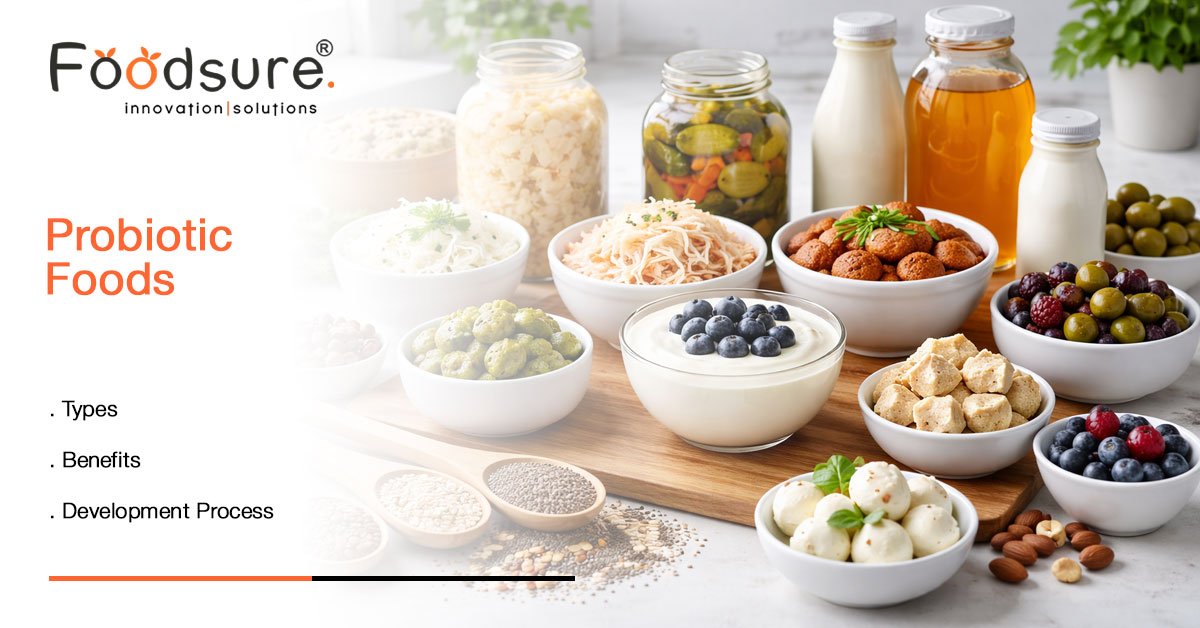
Probiotic foods refer to foods, which have live healthy microorganisms that maintain your gut microbiome and general health. When taken in sufficient quantities, these living bacteria and yeasts are beneficial to the digestive system, immunity, mood and even heart condition.
There are trillions of microbes present in the human body, and they are referred to as the microbiome. This balance is what is needed to stay healthy. It is where Probiotic foods for gut health play a significant role in day to day nutrition and preventive healthcare.
We will discuss in this blog what probiotics are, the physical and mental health advantages of probiotics, the most suitable natural probiotic food, Indian food rich in probiotics, the shelf life of probiotics and information into the formulation and development of probiotics products.
The Gut-Brain Connection
The connection between the gut and the brain is clear in what scientists refer to as the gut-brain axis.
There are neurotransmitters like serotonins and dopamine made by the digestive tract that affect mood. There is also the vagus nerve which links the gut and brain and permits a two-way communication.
That is why digestive imbalance may worsen anxiety or depression, while Probiotic foods for gut health may help support both mental and physical wellbeing.
Physical Health Benefits of Probiotic Foods
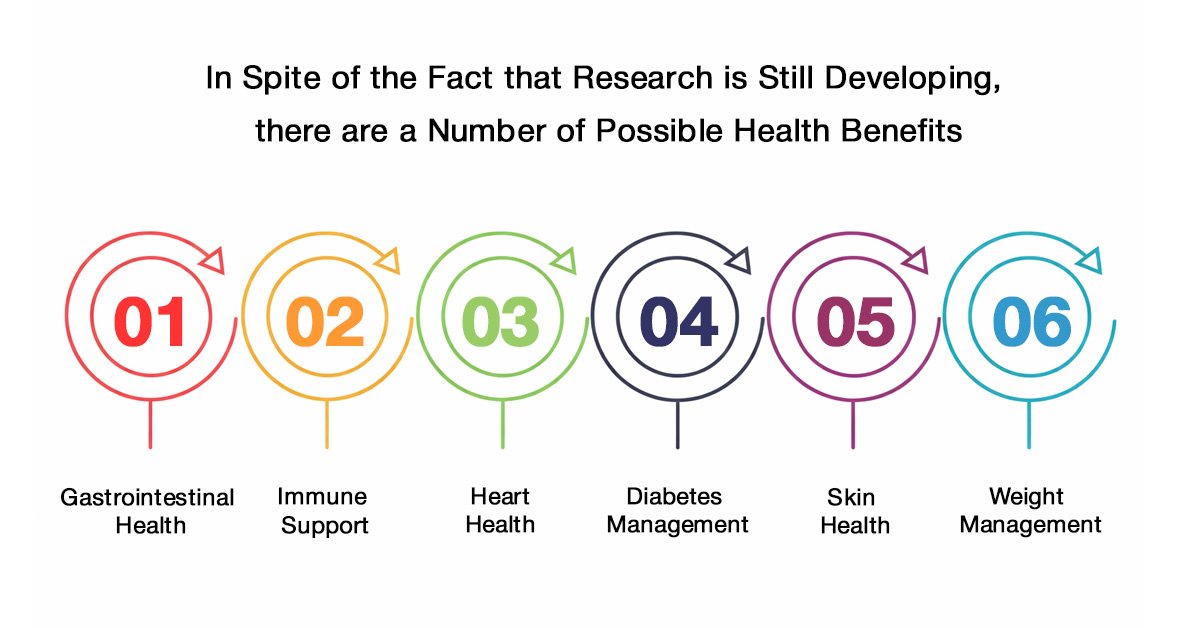
In spite of the fact that research is still developing, there are a number of possible health benefits associated with the consumping probiotic foods for gut health.
1. Gastrointestinal Health
Probiotics may help manage:
- Irritable Bowel Syndrome (IBS)
- Constipation
- Ulcerative colitis
- Antibiotic-associated diarrhoea
They aide in digestion and aid in the establishment of microbial balance.
2. Immune Support
Probiotics enhance the immune system by supporting the good microorganisms and reducing the bad microbes.
According to the best natural probiotic foods, the number of infections can be decreased.
3. Heart Health
Some probiotic strains may:
- Lower cholesterol
- Reduce blood pressure
- Promoting cardiovascular health.
4. Diabetes Management
Studies indicate that probiotics can help to control the levels of blood sugar in individuals with prediabetes or Type II diabetes.
5. Skin Health
Probiotics can decrease inflammation that is related to:
- Acne
- Rosacea
- Psoriasis
They can also be used to keep skin hydrated.
6. Weight Management
There are probiotic strains that could help manage health weight in combination with exercise and healthy nutrient intake.
Nevertheless, probiotics do not make the weight-loss easy.
Mental Health Benefits of Probiotic Foods
Because of the gut-brain axis, Probiotic foods for gut health may also influence emotional wellbeing.
- Improved Mood: There is research indicating that probiotics have the potential to decrease fatigue, anger and depressive symptoms.
- Anxiety and Depression: There are anti-inflammatory effects of some of the strains that could be helpful in promoting emotional health.
- Cognitive Effect: Studies have shown that some of the probiotics can help older adults to be flexible and retain their memory.
Effects of Taking Probiotics with Antibiotics
Antibiotics kill both the bad and good bacteria and this may cause disturbance in the gut balance.
Certain researches indicate that certain strains of Lactobacillus and Bifidobacterium have the potential to decrease antibiotic-associated diarrhoea.
If taking both:
- Take antibiotics first
- Allow 2-6 hours to elapse between probiotic foods or supplements.
Nevertheless, benefits can be different to different people.
Best Natural Probiotic Foods
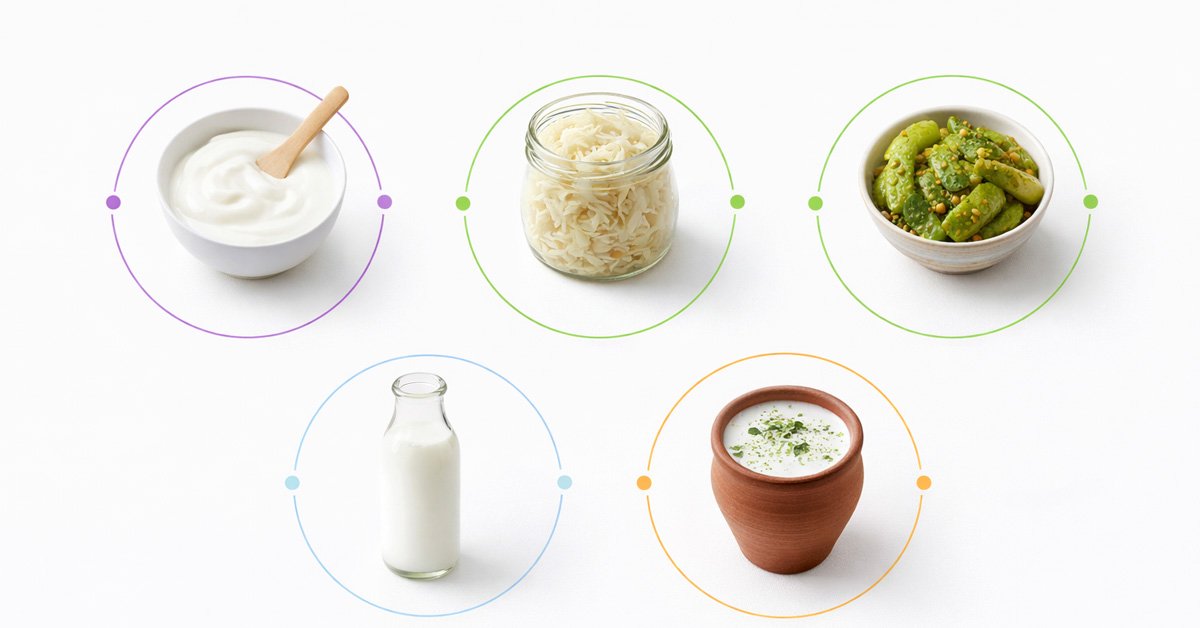
Fermented foods are a natural way to boost the number of beneficial bacteria.
Below is the list of fermented probiotic foods:
- Yogurt (with live cultures)
- Kefir
- Buttermilk
- Cottage cheese
- Miso
- Kimchi
- Sauerkraut
- Kombucha
- Tempeh
These are the superior natural probiotic foods since they are live cultures that are naturally found in them.
Probiotic Rich Indian Foods
The tradition of fermented foods in India is high and naturally the focus of gut health.
Indian foods that are usually rich in probiotics are:
- Curd (Dahi)
- Buttermilk (Chaas)
- Idli and Dosa batter
- Kanji
- Pickled vegetables
- Fermented rice (Pakhala / Pazhaya Sadam)
These are the traditional options that can be added and enhance the microbial diversity.
Shelf Life of Probiotic Foods
The probiotic foods shelf life is dependent on:
- Storage temperature
- Moisture levels
- Packaging type
- Strain stability
Live cultures can inhibit with time particularly when subjected to heat or oxygen.
Viable storage would often require refrigeration.
Stability of Probiotics in Packaged Food
The stability of probiotics in processed food is an issue of great concern in the food industry.
Some of the factors that influence stability include:
- Processing temperature
- Moisture activity
- Oxygen exposure
- Packaging barrier properties
Manufacturers should make sure that the viable cells are enough till expiry.
Probiotic Product Formulation & Development
Probiotic product formulation and innovation are becoming increasingly popular in the brands as more companies get a need to capitalize on the demand in the gut-health products.
Some of the major factors to consider during formulation are:
- Strain selection
- Process viability.
- Food compatibility with ingredients.
- Dosage per serving
- Stability during storage
Professional probiotic products development services helps to create to be stable, compliant, and effective as:
- Probiotic beverages
- Dairy products
- Functional snacks
- Dietary supplements
Formulation should be in line with regulatory requirements and stability requirements to guarantee purported benefits.
Potential Risks of Probiotic Consumption
Even though it is safe in most cases, probiotics can cause:
- Temporary bloating or gas
- Mild digestive discomfort
- Sensitive people experience headaches.
Individuals who have a compromised immune system should seek the advice of a medical practitioner before taking probiotics.
How to Add Probiotic Foods to Your Diet
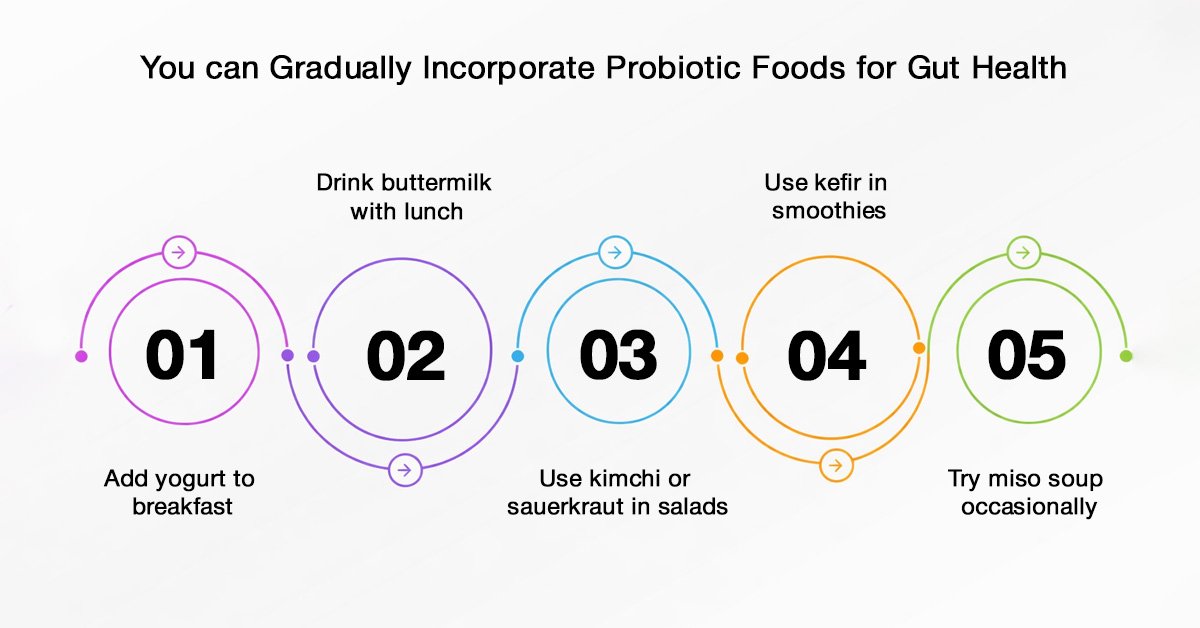
You can gradually incorporate probiotic foods for gut health into your daily meals:
- Add yogurt to breakfast
- Drink buttermilk with lunch
- Use kimchi or sauerkraut in salads.
- Use kefir in smoothies
- Try miso soup occasionally
Fermented food should be introduced slowly so as not to cause digestive distress.
Conclusion
Probiotic food promotes intestinal stability, immunity, mood and health. Traditional fermented products, as well as new functional products, are becoming part of daily nutrition as probiotics. With the proper approach, the health of the gut is highly maintainable.
In case you are intending to formulate probiotic products, or enhance the formulation stability, we are ready to assist.
Call us at +91-9870533566 now!
FAQs
Q1. What are the probiotic foods and their mechanism of action?
Probiotic foods are fermented food containing live beneficial bacteria that aid in digestion and main the microbiome in the gut.
Q2. What are the foods that are naturally rich in probiotics?
Naturally occurring sources of probiotics are yogurt, kefir, kimchi, sauerkraut, miso and buttermilk.
Q3. Do Indian diets with high levels of probiotics benefit the gut health?
Yes, such foods as curd, chaas, kanji, and fermented rice aid in the maintenance of the gut balance.
Q4. What is the shelf life of probiotic foods?
Their storage and packaging determine their shelf life. Majority of them need refrigeration to maintain activity of bacteria.
Q5. Do probiotics survive in the packaged foods?
Stability is dependent on temperature, exposure to moisture and oxygen and quality of packaging.
Q6. Probiotic supplements vs. probiotic foods: Which is superior?
Probiotic foods contain other natural nutrients whereas supplements contain specific strains.
Q7. Is there evidence of probiotic food enhancing mental health?
They can promote mood and alleviate anxiety in the gut-brain relationship.