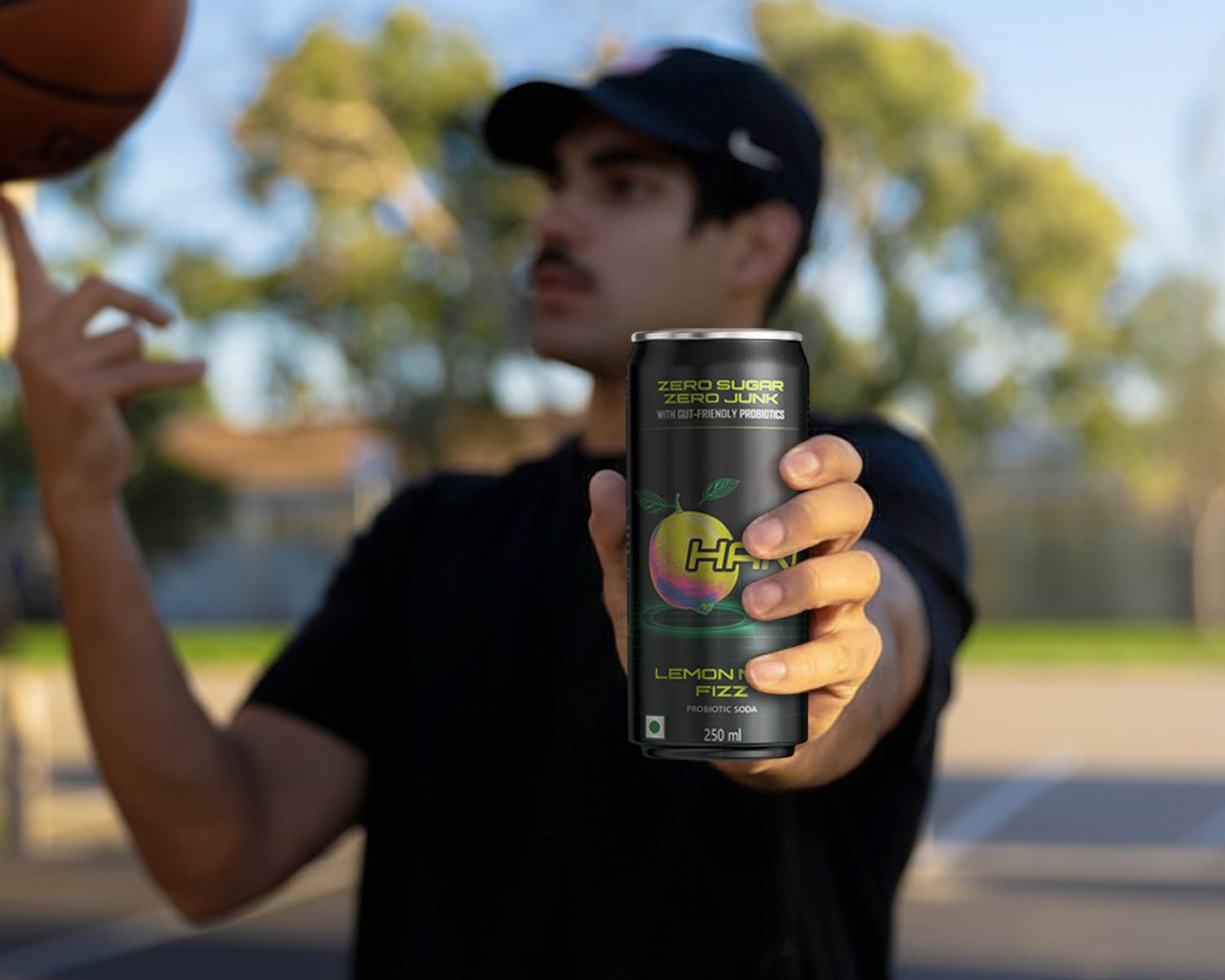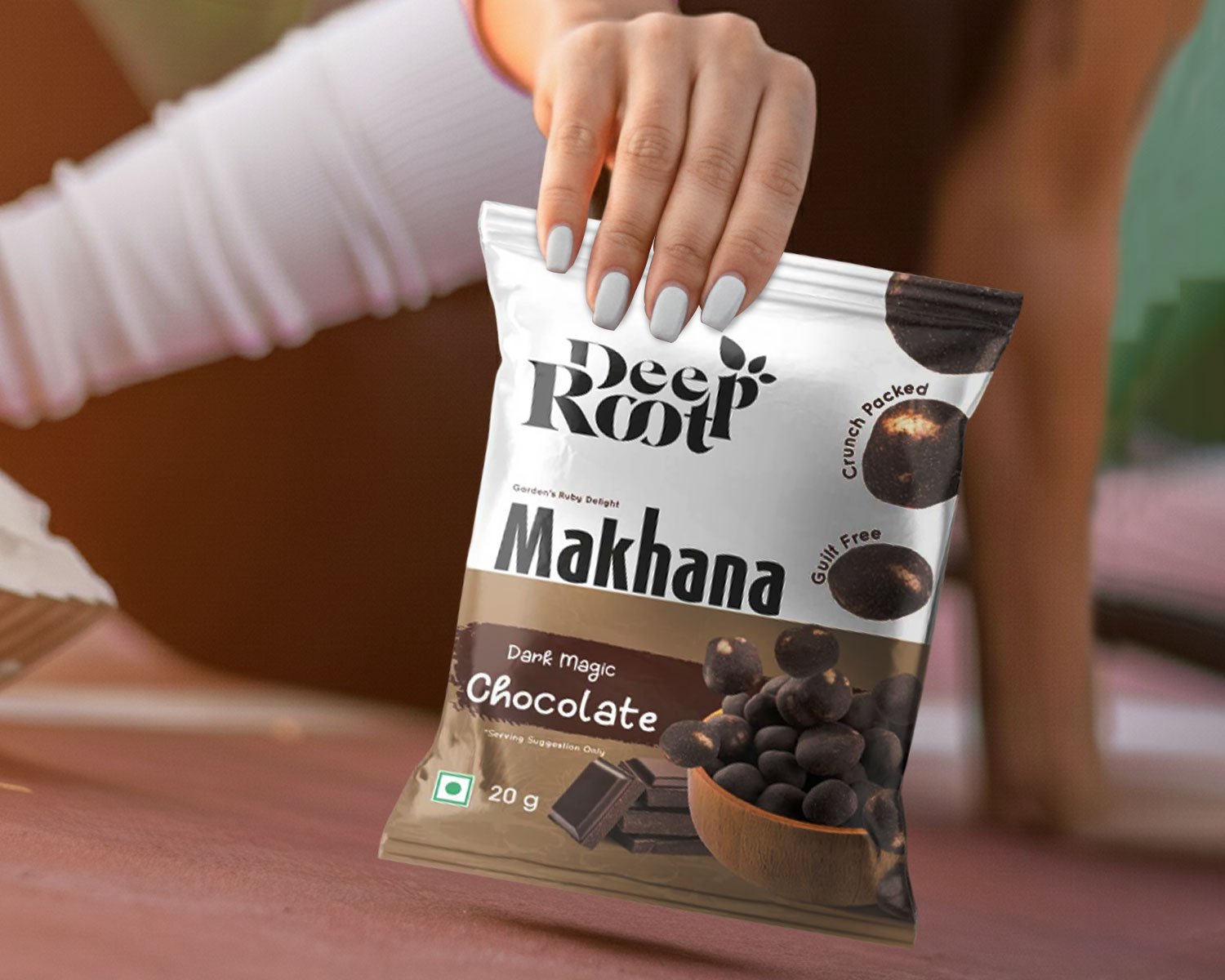
In a health-conscious society today, people are on the move to find probiotic foods that will improve the health of their gut, immunity and well-being. Probiotic-based products are no longer on the fringe, but are central to the mainstream; it is evident in yoghurt substitutes and fermented beverages, as well as functional snacks. Effective probiotic foods do not simply involve the addition of the good bacteria, though. It entails scientific formulation of recipes, food formulation, and systematic food product development in order to have safety, stability, taste and proven benefits.
This blog is based on the psychology of the demand of probiotic foods, the advantages, the problems that the companies may encounter, and a stepwise approach to the development of a recipe that includes probiotic food, as well as how to facilitate the development of nutrition products
Why Are Consumers Choosing Probiotic Foods Today?
In modern society, consumers have been educated more than ever. The digestive discomfort, stress, low immunity and lifestyle disorders have made people actively seek functional foods that offer them some health advantages over simple nutrition. Probiotic foods can easily fit into such a mode of thinking since they are marketed as a natural way to support your gut without the use of pills or any other types of supplements.
Consumers today look for:
- Minimally processed foods and clean-label foods.
- Herbal digestive health preparations.
- Preventive medicine instead of reactive medicine.
- Eats that suit the lifestyle.
Nevertheless, they are also highly tasteful, convenient, and safety-conscious, which is why the responsibility of formulating recipes is a very important success factor of the probiotic food brands.
Key Benefits of Probiotic Foods
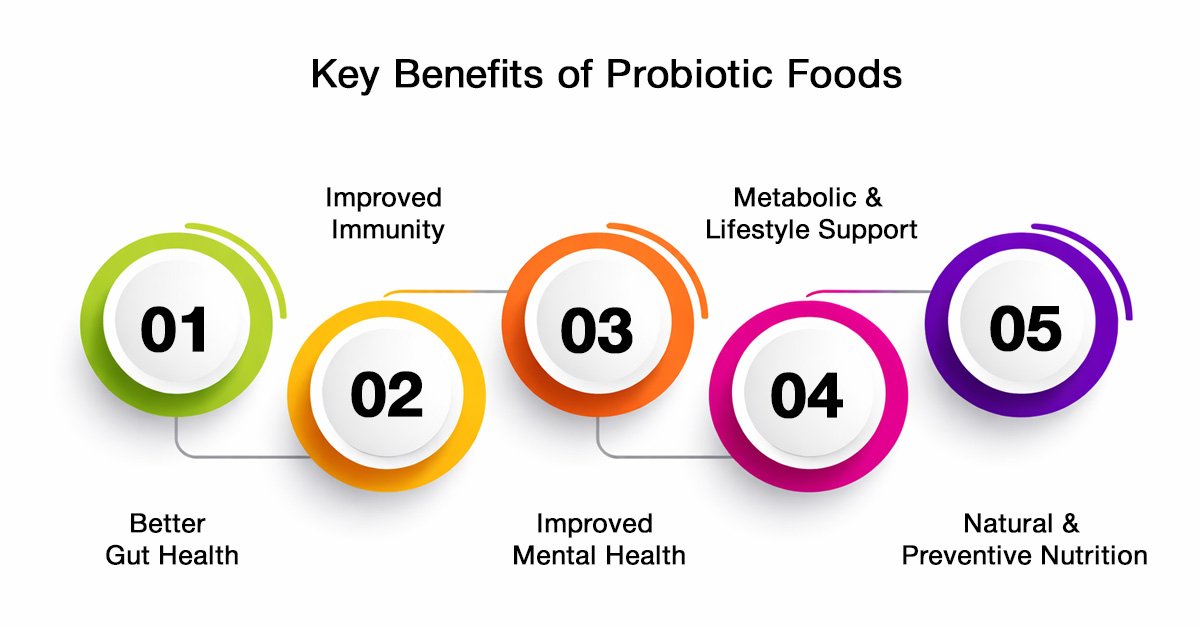
Probiotic foods, when developed properly, present potent health benefits with an appeal that resonates with the current generation of consumers:
- Better Gut Health: Probiotics facilitate an equalisation of gut microbiota, enhancing digestion and nutrient uptake.
- Improved Immunity: A healthy gut boosts immunity and resists infection.
- Improved Mental Health: The gut-brain connection essentials recommend probiotics to be helpful in mood and stress management.
- Metabolic & Lifestyle Support: There are some probiotic strains that help in weight control and management.
- Natural & Preventive Nutrition: Probiotic foods are in line with the clean dieting and long-term health trends.
The advantages lead to high demand; however, only when the product is supported by solid food formulation and stability-oriented recipe development.
Why Probiotic Foods Often Fail Without Expert Formulation
Most of the brands cannot be successful with probiotic foods despite high demand because of formulation challenges:
1. Probiotic Survival
Probiotic strains are vulnerable to heat, moisture, oxygen, and pH. When formulated poorly, there will be low viable counts prior to the nature of the product reaching the consumers.
2. Taste & Texture Issues
Fermentation and probiotics are known to produce sour, bitter or off-notes which influence consumer acceptance.
3. Shelf-Life Instability
One of the greatest challenges to food product development is the ability to maintain live cultures during shelf life.
4. Ingredient Compatibility
Sweeteners, preservatives or some processing conditions may antagonise probiotics.
5. Regulatory & Labelling Risks
False strain claims, CFU counts, or health claims may also result in compliance problems.
That is why probiotic foods cannot be made based on trial and error only, they need the development of nutrition products led by professionals.
How to Start Developing Probiotic Foods?
The brands should also establish a firm base before leaping into formulation:
- Target consumer (kids, adults, seniors, athletes, vegans)
- Determine the type of product (beverage, dairy-free yogurt, snack, powder)
- Choose the functional advantage (immunity, digestion, women’s health).
- Determine the positioning of the market (clean label, vegan, sugar-free, premium)
As soon as the strategy is understood, the formulation of the recipes will be focused, cost-effective, and scalable
Process of Probiotic Foods Recipe Formulation
| Step | Stage | Key Focus Area | Purpose in Food Product Development |
|---|---|---|---|
| 1 | Probiotic Strain Selection | Functional benefit & strain stability | Delivers targeted health outcomes |
| 2 | Base Recipe Development | Dairy or plant-based food matrix | Supports probiotic survival & taste |
| 3 | Ingredient Compatibility | Sweeteners, fibres & stabilisers | Prevents probiotic degradation |
| 4 | Processing Optimisation | Heat, pH & moisture control | Protects live probiotic cultures |
| 5 | Sensory Optimisation | Flavour, texture & mouthfeel | Ensures consumer acceptance |
| 6 | Shelf-Life & Stability Testing | CFU count & microbial safety | Maintains label claim till expiry |
| 7 | Regulatory & Label Compliance | Claims, safety & legal standards | Enables safe market launch |
This structured recipe formulation approach ensures market-ready probiotic foods.
Our Role in Perfect Probiotic Food Formulation
At Foodsure, probiotic foods are created through a market-oriented and science-based approach. We mediate the interrelation between commercial food production and nutrition science.
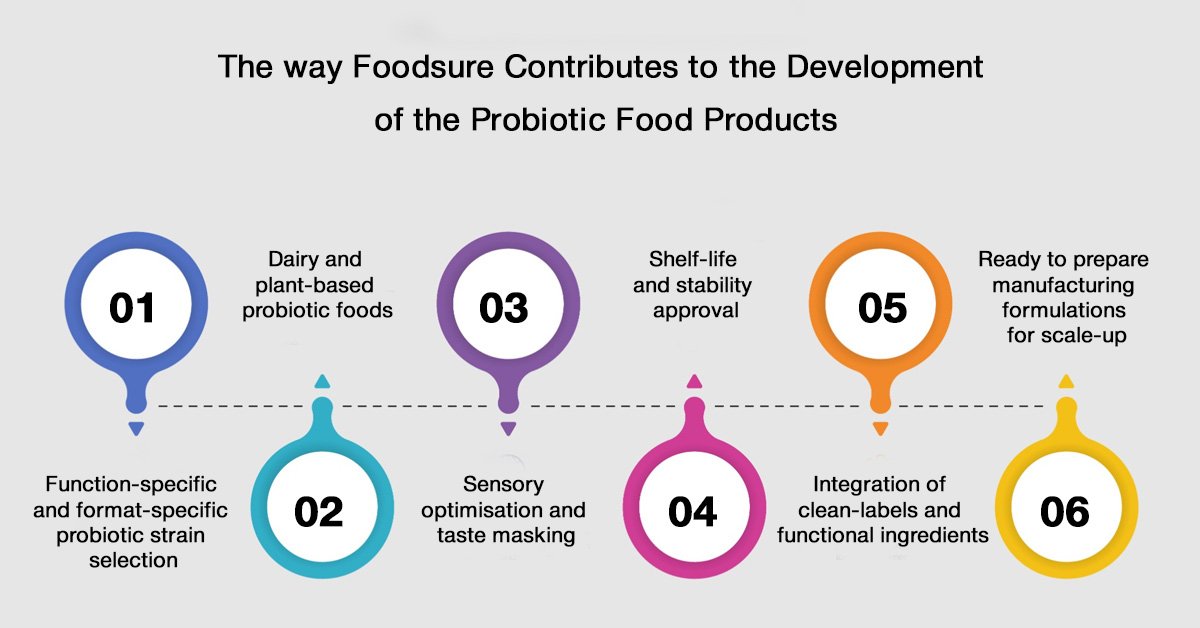
The way Foodsure contributes to the development of the probiotic food products:
- Function-specific and format-specific probiotic strain selection.
- Dairy and plant-based probiotic foods: Advanced recipe development.
- Sensory optimisation and taste masking.
- Shelf-life and stability approval.
- Integration of clean-labels and functional ingredients.
- Ready to prepare manufacturing formulations for scale-up.
- Labelling and regulatory advice.
We are also experts in food formulation and the development of nutrition products; therefore, probiotic foods will not only be healthy, but also profitable.
Why Do Probiotic Foods Need Expert Formulation?
To food entrepreneurs and founders, probiotic foods are an enormous opportunity, which is also a risky category when managed in the wrong way. The role of probiotic foods to be successful lies not in trends but in scientifically proven recipes.
By investing in the appropriate formulation partner, the time saved, the failures are minimised, and brand credibility is raised. The development of food products today will result in consumer confidence and increase.
Ready to Build Your Probiotic Food Brand?
Do not leave guesswork to chance in case you are planning to launch or enhance probiotic foods. Collaborate with specialists in recipe formulation, food formulation science and nutrition product development.
Currently connected with Foodsure to create stable, compliant, and loved by consumers probiotic foods that will be unique in the market.
FAQs
What is the significance of recipe formulation in probiotic foods?
Correct formulation of the recipe guarantees the survival of probiotics, taste, and shelf life.
Which are the optimal probiotic strains in food products?
The selection of strains will be based on health benefits, conditions of processing and regulations.
Are probiotic foods vegetarian?
The answer to this is yes, probiotics can be developed successfully in plant-based food matrices.
What are the common issues with the formulation of probiotics?
Probiotic stability, taste problem, shelf life and ingredient compatibility.
What is the duration of action of probiotics in food items?
This is dependent on the formulation, packaging, storage and the strain type.
What is the role of Foodsure in the development of probiotic food?
Foodsure offers food end-to-end recipe development, testing of stability and scale-up.