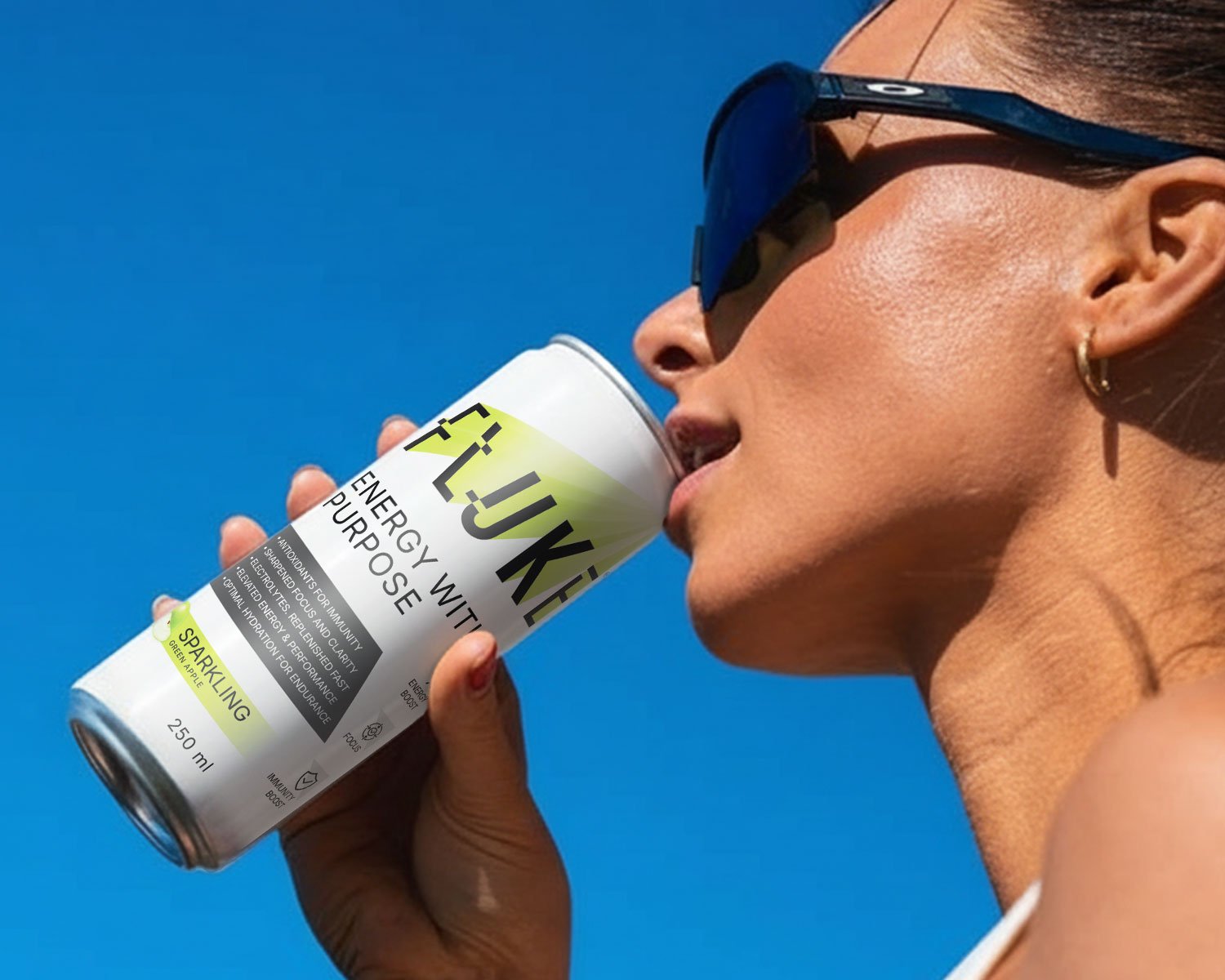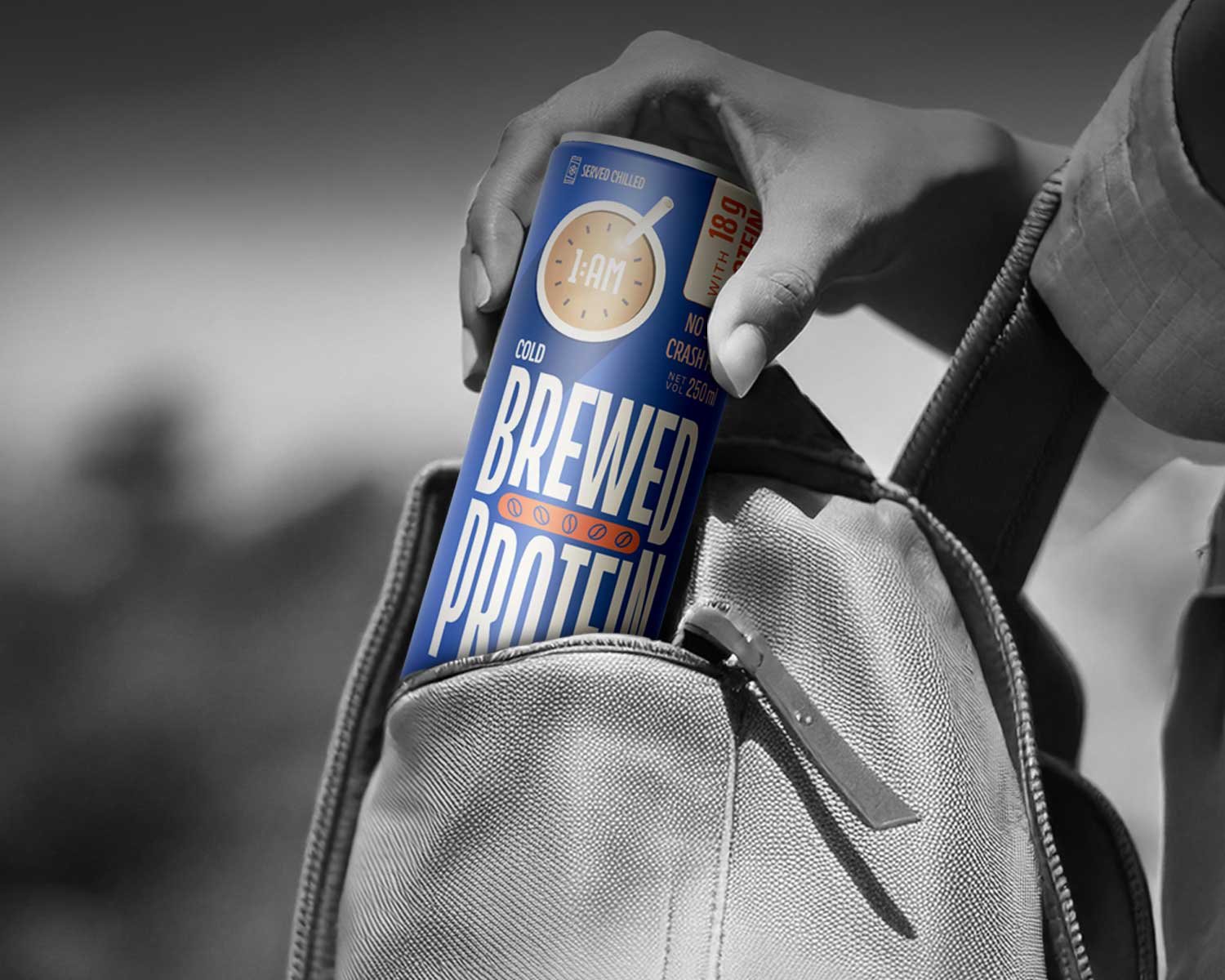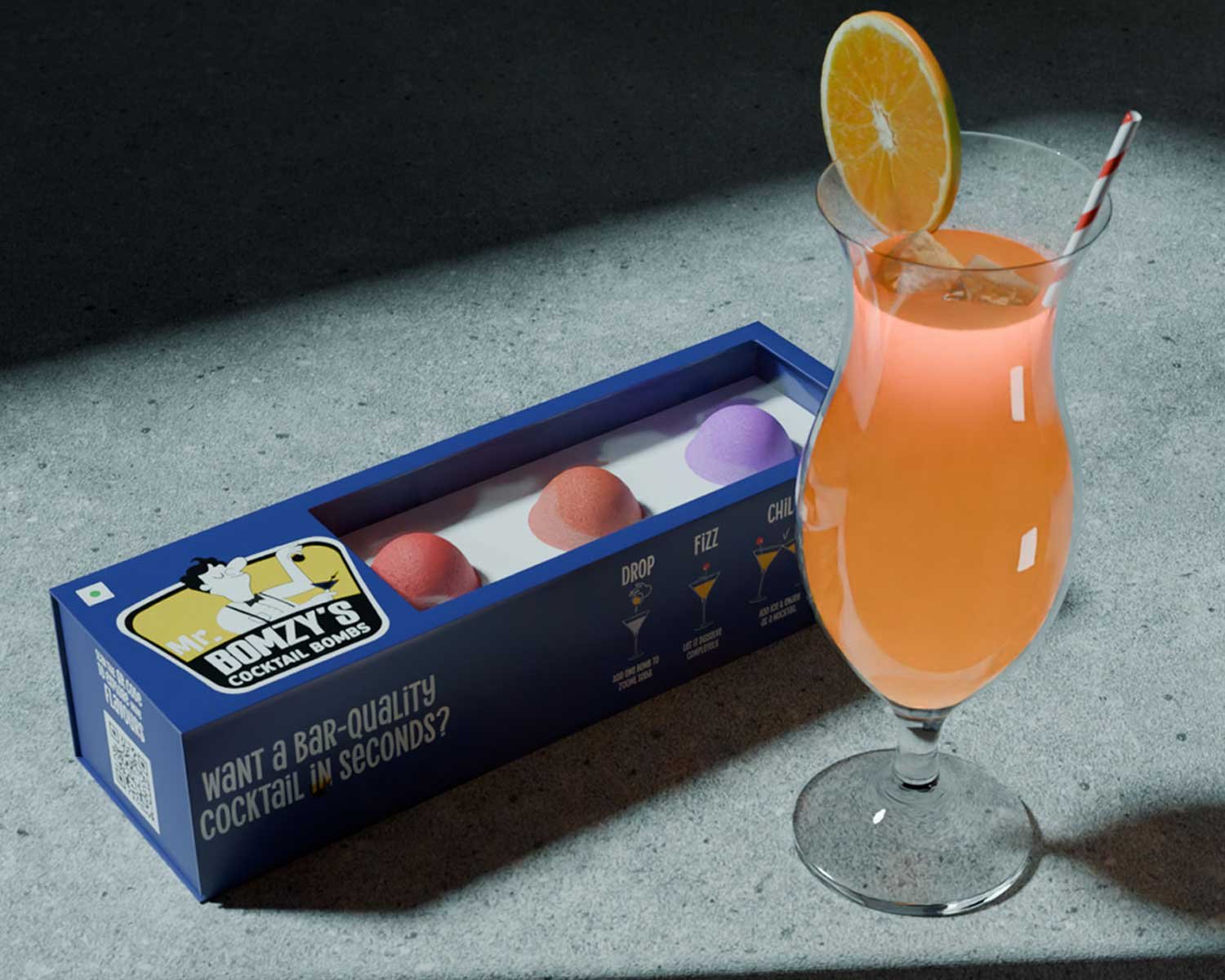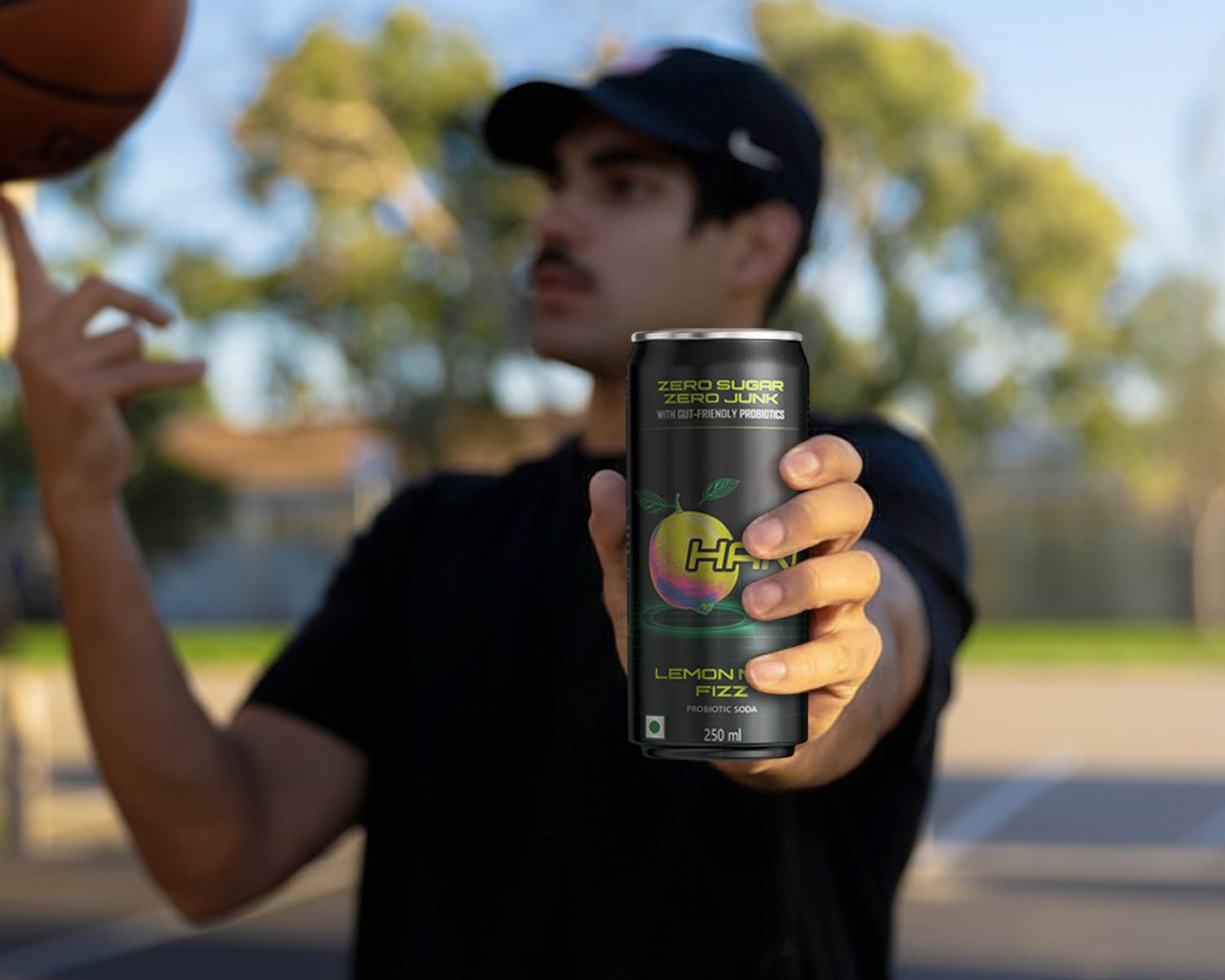
Sometimes, product recipe formulation in food and beverage can appear to be simple. A recipe is tested in small batches, receives great feedback, and gets early traction in the market. First sales come in, distributors show interest, and the product looks like it has been validated in the early stages of food product development.
However, the real challenge is when food production quantities go up.
In the food and beverage industry, it is common for many pilot batch products that perform well to start showing problems during scale-up. Flavour differences occur, the texture becomes uneven, the shelf life goes down, and the costs become uncontrollable. Such failures are not limited to any specific category. They occur due to product formulation being handled like a recipe, rather than a scalable food formulation system.
Want Custom Product Recipe Formulation?
The Illusion of Early Success in Food & Beverage Products
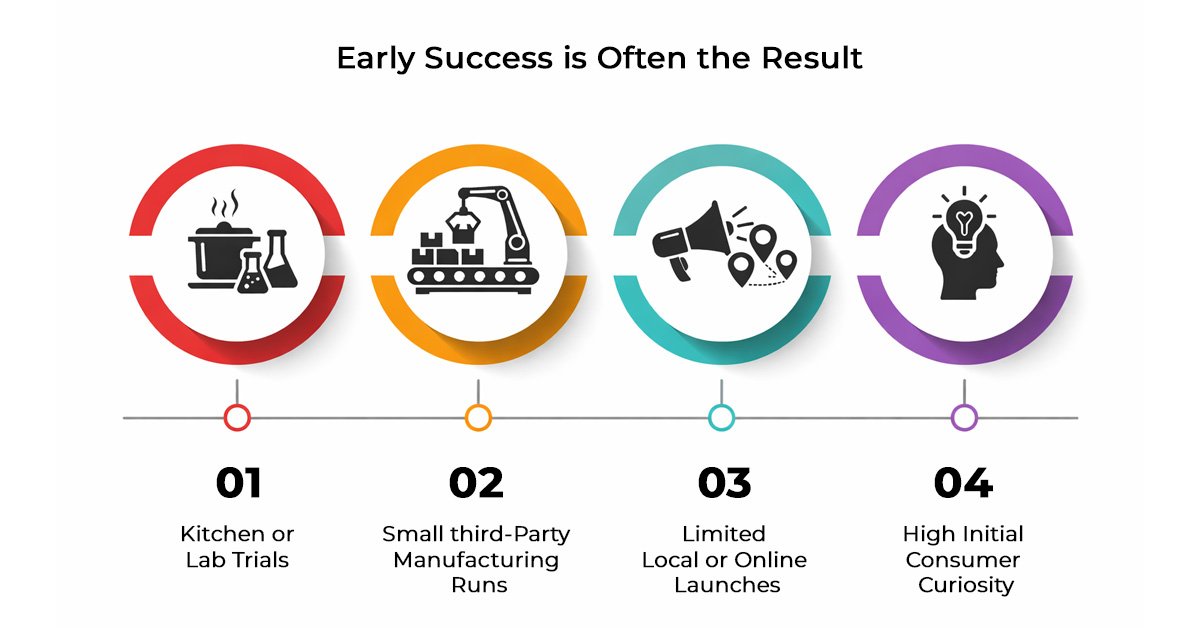
Early success is often the result of:
- Kitchen or lab trials
- Small third-party manufacturing runs
- Limited local or online launches
- High initial consumer curiosity
During early food formulation, these limitations are not really appealing since production is at a very low volume.
Nevertheless, as volumes increase, various problems appear:
- Inconsistent flavour profiles
- Texture degradation over time
- Moisture or oil instability
- Shelf life failures
- Cost and margin mismatches
A weak formulation cannot be improved by scale; Instead, it reveals its deficiencies.
Reasons Food Products Fail During Scale-Up
1. Home-Style Recipes Used for Commercial Production
Many brands try to scale up their products by using recipes that are meant for small, batch preparation. This method hardly succeeds in commercial food production settings.
Home-style recipes:
- Rely to a great extent on human judgment
- Do not consider moisture migration
- Ignore the risk related to oxidation and stability
- Are lacking of ingredient tolerance definitions
Commercial product development calls for controlled inputs, repeatable processes, and measurable outputs. Designers have to replace intuition with process design.
2. Absence of a Defined Product Development Process
In many food businesses, formulation decisions remain undocumented and loosely defined during early food product development.
| Area | Common Practice | What Is Actually Required |
|---|---|---|
| Mixing | “Mix well” | Defined time–speed SOP |
| Heating | “Heat properly” | Validated temperature–time control |
| Ingredients | Visual estimation | Percentage-based formulation |
| Cooling | Often skipped | Moisture stabilisation before packing |
| Packaging | Standard sealing | Barrier-driven protection |
Without a structured food product development process, consistency across batches cannot be achieved.
3. Recipe Not Aligned With Production Setup
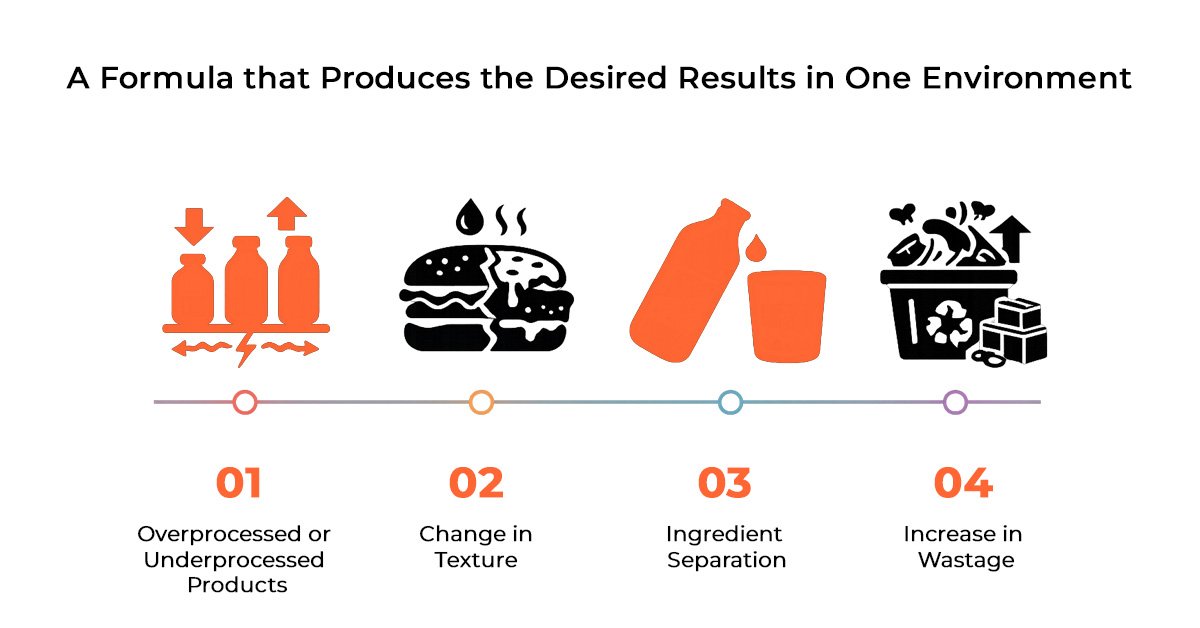
A formula that produces the desired results in one environment may not do so in another. Various factors, such as the design of equipment, the size of the batch, heat transfer, and handling methods, are very instrumental in determining the quality of food products during large-scale production.
Effects of misalignment:
- overprocessed or underprocessed products
- Change in texture
- Ingredient separation
- Increase in wastage
Efficient product formulation is based on the manufacturing setup rather than being a reaction to problems that have already occurred.
Home Recipe vs Commercial Product Formulation
| Parameter | Home Recipe | Commercial Formulation |
|---|---|---|
| Ingredient control | Visual judgment | Percentage-based |
| Moisture | Ignored | Precisely controlled |
| Stability | Short-term | Shelf-life focused |
| Process | Flexible | SOP-driven |
| Costing | Rough estimate | Margin-aligned |
| Scalability | Limited | Built-in |
Brands that do not redesign their food formulation for scale typically face silent failures rather than visible collapses.
Case Studies Showcasing Successful Product Recipe Formulation
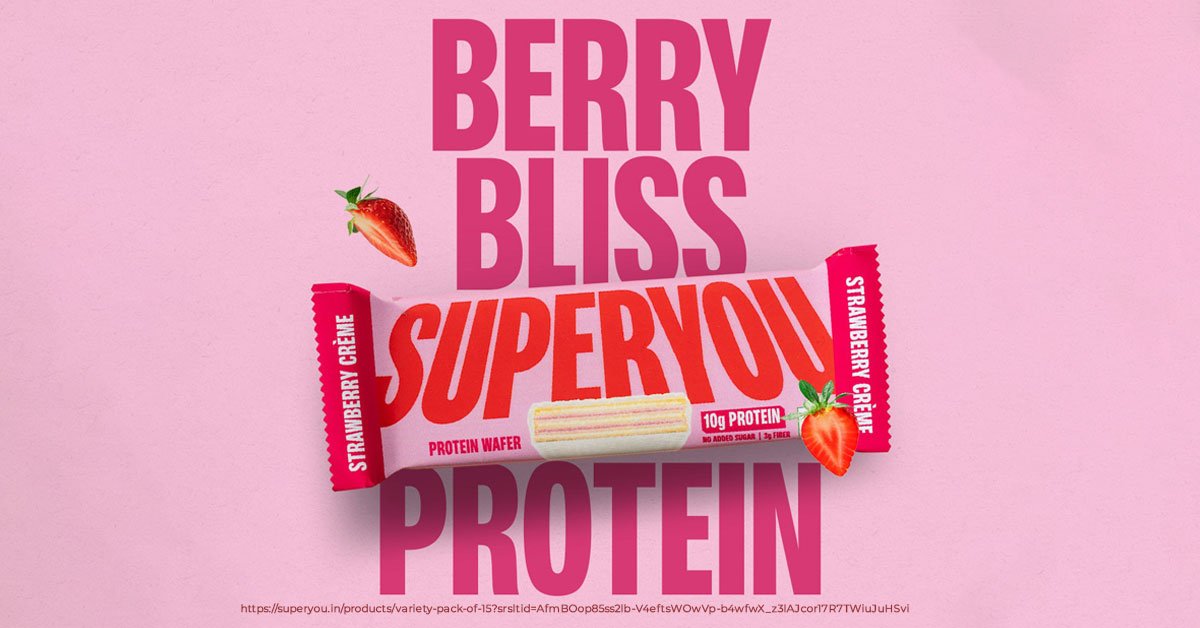
SuperYou Protein Wafers
Challenge: Texture & Shelf-Life Stability
Protein wafers are technically complex and often face:
- Moisture absorption
- Loss of crispness
- Uneven protein distribution
- Taste fatigue
SuperYou achieved consistent crunch and shelf stability by balancing protein with structural carbohydrates, controlling fat movement, and stabilising moisture, proving that in protein wafers, texture engineering matters more than protein percentage.
Max Protein High-Protein Snacks
Challenge: Scale-Up & Sensory Control
During scale-up, high-protein snacks commonly struggle with:
- Chalky mouthfeel from protein isolates
- Flavour masking at higher protein levels
- Texture breakdown during storage
Max Protein succeeded by treating formulation as a repeatable system, optimising ingredient interactions and aligning recipes with large-scale production rather than relying on fixed ingredient lists.
Foodsure’s Product Formulation Framework
Foodsure follows a structured, scale-ready approach to product formulation and food product development.
| Stage | Foodsure Controls |
|---|---|
| Raw Material | Defined quality specifications |
| Recipe Design | Scale-ready formulation |
| Processing | Time–temperature SOPs |
| Stability | Shelf-life validation |
| Costing | Commercial feasibility checks |
| Packaging | Product–pack compatibility |
| Quality Control | Taste, texture, and consistency benchmarks |
This framework ensures that products are not only launch-ready but also stable during growth and expansion.
Final Thoughts
Food and beverage is an industry that has been continuously growing; however, the achievement of an enduring success relies on formulation discipline. The essential point is not if a product will be sold today but if its food product formulation can endure additional volumes, longer shelf life, and wider distribution.
Product formulation decides this result well before scale-up is initiated.
Brands that are experiencing formulation problems or are planning to scale up or open new food product development can save them from making expensive mistakes and help them grow sustainably at a faster pace.
Foodsure supports brands end to end—from formulation audits and scale-up support to complete new product development. Speak directly with our consulting team to get expert guidance tailored to your product.
Connect with us at +91 81304 04757
Launch your Own Product Recipe With Us
Great taste alone does not ensure product success. Effective product recipe formulation focuses on stability, shelf life, scalability, compliance, and consistent consumer experience.
FAQs (Frequently Asked Questions)
What does product recipe formulation mean in the context of food and beverages?
Product recipe formulation is the process of designing food or beverage recipes that retain desired taste and quality while ensuring stability, shelf life, and commercial feasibility at scale.
Why does a product that works well in small batches often fail at scale?
Small-batch recipes usually lack process controls. Minor variations during large-scale production can cause major issues in consistency, quality, and shelf life.
When should a brand hire professional product formulators?
Brands should seek formulation experts before launch or when facing issues like inconsistency, rising costs, shelf-life complaints, or scale-up challenges.
What is the difference between product formulation and food product development?
Product formulation focuses on recipe stability and processing, while food product development includes market fit, packaging, regulatory compliance, and commercial planning.
Can product formulation extend shelf life without using preservatives?
Yes. Shelf life can be improved through formulation optimisation, moisture control, process adjustments, and well-aligned packaging—without adding preservatives.
Does product formulation impact production cost and profit margins?
Yes. A strong formulation reduces wastage, stabilises yields, controls costs, and directly improves profitability.
How does Foodsure support brands with product formulation?
Foodsure offers end-to-end formulation consulting including recipe optimisation, scale-up readiness, SOP creation, shelf-life validation, and feasibility analysis.
Is formulation consulting useful for products already in the market?
Yes. Reformulation can significantly improve consistency, stability, shelf life, and cost efficiency even for existing products.
Which food and beverage products need formulation consulting?
All commercial food and beverage products benefit from formulation support, especially as production volumes increase.
How can a brand start a formulation consultation with Foodsure?
Brands can initiate a consultation by sharing product details, current challenges, and production plans for a comprehensive formulation review.