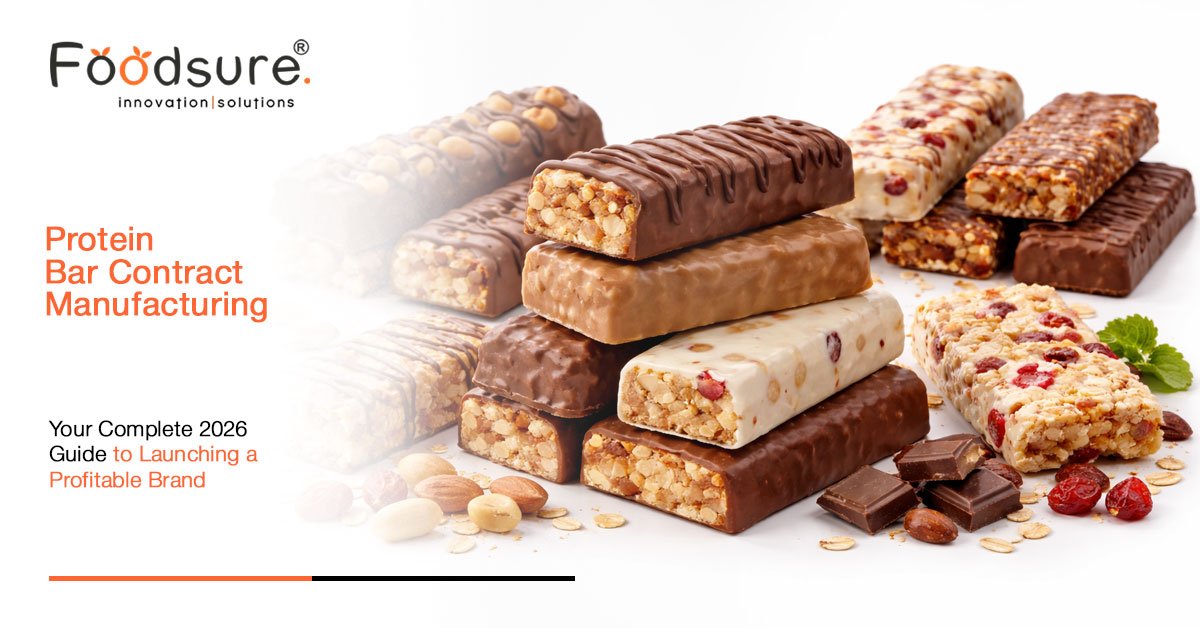
The concept of protein bar contract manufacturing has emerged as a game-changer for brands entering India’s fast-growing health and wellness industry. Instead of investing heavily in infrastructure, startups and established brands alike can leverage Protein Bar Manufacturing experts to develop high-quality products while focusing on branding, marketing, and distribution.
Why Protein Bar Contract Manufacturing Matters
India’s nutrition bar market is expanding rapidly, driven by fitness trends and evolving urban snacking habits. Protein bar contract manufacturing allows brands to bypass significant upfront investments in machinery and R&D facilities.
With Protein Bar Manufacturing partners, brands can:
- Launch products faster
- Ensure compliance with FSSAI regulations
- Reduce production costs by 40 – 60%
- Access proven formulations (whey, plant-based, vegan)
For startups in cities like Delhi and Mumbai, protein bar contract manufacturing offers a competitive edge against established players like RiteBite and Yoga Bar.
The Step-by-Step Manufacturing Process
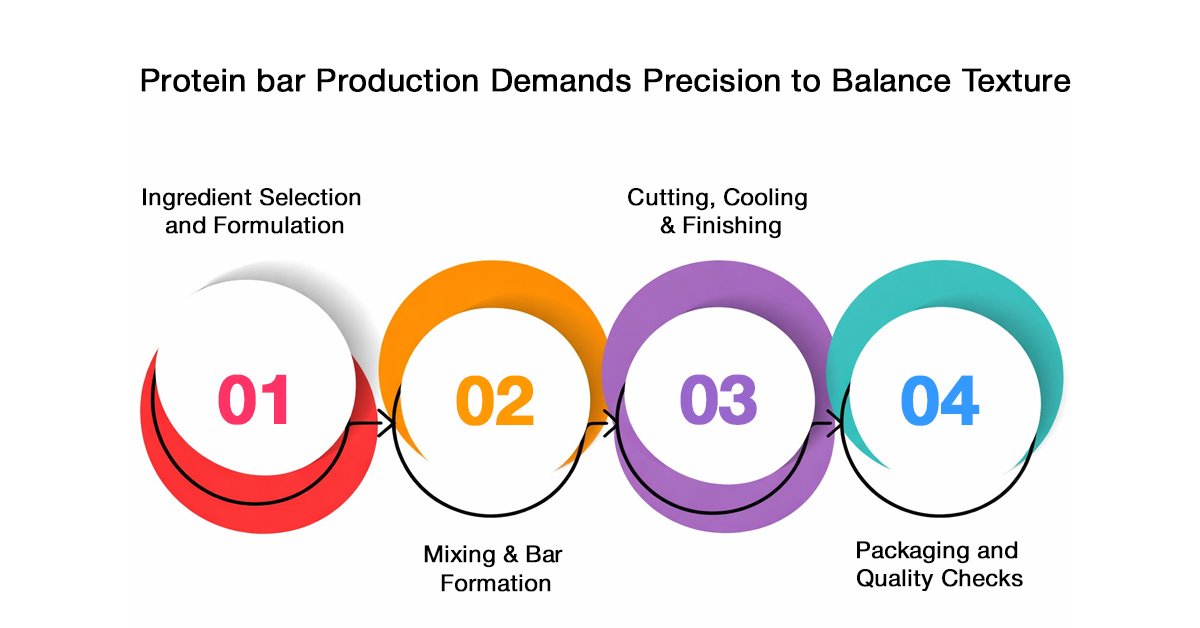
Protein bar production demands precision to balance texture, nutrition, and flavor. Here’s how top contract manufacturers execute it impacting the protein bar cost India.
Ingredient Selection and Formulation
In Protein Bar Manufacturing, selecting the right ingredients is critical:
- Protein sources: whey isolate, pea protein, soy protein
- Binders: dates, honey, glycerin
- Add-ons: nuts, seeds, superfoods
Most protein bar contract manufacturing facilities develop formulations with:
- 15 – 30g protein per bar
- Low sugar content
- Clean-label positioning
Custom variants such as keto, gluten-free, and high-fiber bars are also developed under controlled, FSSAI-compliant environments.
Mixing & Bar Formation
In professional Protein Bar Manufacturing, precision mixing ensures consistency:
- Dry ingredients blended first
- Liquid binders added gradually
- Cold-forming techniques preserve nutrients
Experienced protein bar contract manufacturing units use specialized equipment to maintain ideal texture and chewiness.
Cutting, Cooling & Finishing
The formed mixture is:
- Extruded into slabs
- Cut into uniform bars (40–60g)
- Stabilized using cooling tunnels
Advanced Protein Bar Manufacturing setups also include enrobing systems for chocolate-coated bars, ensuring a uniform finish and premium quality.
Packaging and Quality Checks
Reliable protein bar contract manufacturing includes:
- Nitrogen-flushed packaging
- Flow-wrap sealing for a 6 – 12 months shelf life
- Metal detection and microbial testing
Each batch in Protein Bar Manufacturing comes with proper documentation, essential for e-commerce and exports.
Benefits of Partnering with Contract Manufacturers
Outsourcing through protein bar contract manufacturing offers multiple advantages:
| Benefit | Description | Impact on Your Brand |
| Savings on Cost | No capex on Rs 5-10 crore equipment | 50% lower production costs |
| Market Growth | From recipe to shelf in 3-6 months | Beat competitors in trending flavors |
| Scalability | Ramp from 5,000 to 5 lakh bars/month | Handle festive demand spikes |
| Expertise | FSSAI, HACCP, ISO 22000 certified facilities | Compliant, export-ready products |
| Customization | Vegan, organic, low-cal options | Target gym-goers, diabetics, kids |
These perks let you focus on marketing via Instagram reels or LinkedIn posts.
Key Trends Shaping Protein Bar Production in 2026
The protein bar contract manufacturing landscape is evolving with:
- Sustainable packaging (compostable wrappers)
- Small-batch production for startups
- Innovative flavors (mango-chia, masala protein)
- 30% YoY growth in plant-based Protein Bar Manufacturing
- Ingredient upcycling (e.g., peanut flour)
These trends are shaping the future of Protein Bar Manufacturing in India.
Choosing the Right Protein Bar Contract Manufacturing in India
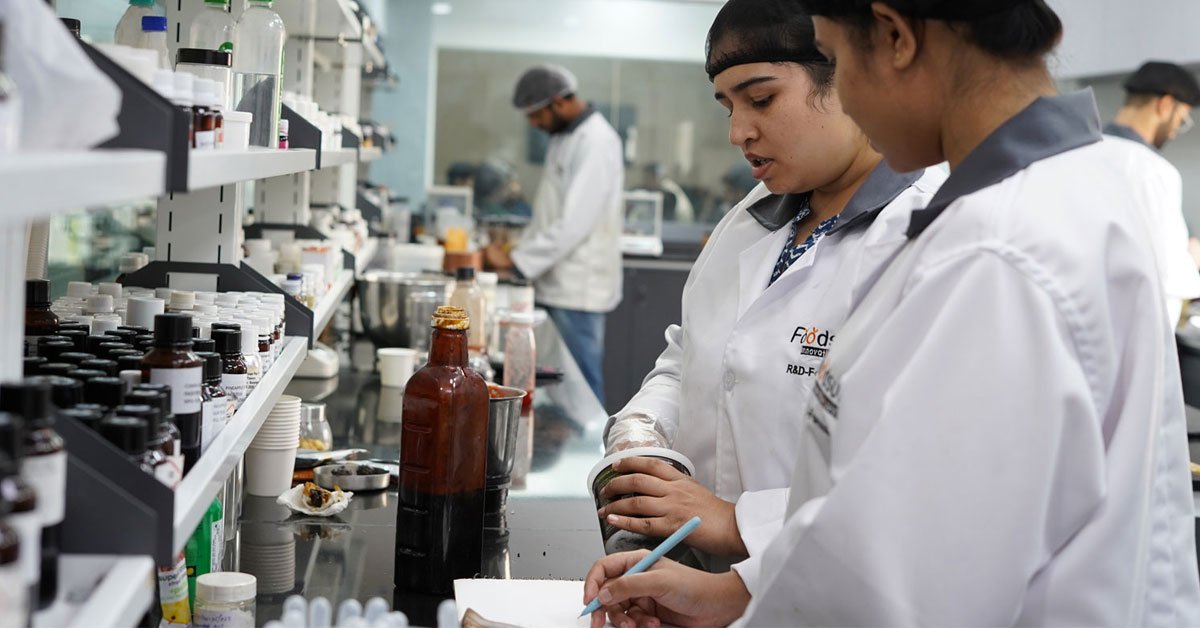
As you know, its a good idea to select the right manufacturing partner since not every manufacturer can meet your expectations. To help you find the most suitable manufacturing partner, here are some of the key elements to focus on:
- Regulatory Certifications: A reliable manufacturer will have the fundamental licenses such as FSSAI and GMP certification. Halal certification is also a great plus if you intend to cater to a wide range of consumers.
- Flexible Production Quantities: A dependable production partner is the one that should be willing to do smaller batches for initial orders around 1,0005,000 bars instead of insisting on very large-scale orders like 50,000 units right away.
- R&D Capabilities: Finding manufacturers with a product development supportive mind-set is a great idea. This includes their willingness to work on formulations based on your needs without hitting you with huge charges.
- Strategic Location: Logistics and operational costs for brands in North India can be greatly reduced by establishing production facilities in Delhi-NCR.
- Operational Transparency: Do not settle for anything less than a personal tour of the production unit and verification of authenticity through genuine client reviews.
- Industry Insight: Food Innovators and Helenz Pharma are well-established companies in the area that can assist with everything from product development in the laboratory all the way to large-scale manufacturing.
- Avoid Common Pitfalls: You need to be very vigilant about hidden charges. For example, the cost of syrup and additional testing, such as solubility analysis, is very often not included in the initial quotation. Don’t forget to ask for product samples and a detailed cost breakdown before making your final decision.
Cost Breakdown for Protein Bar Production
For protein bar contract manufacturing, here’s a realistic estimate (10,000 bars/month):
| Component | Cost per Bar (Rs) | Total for 10k Bars |
| Ingredients | 15-25 | 1.5-2.5 lakh |
| Manufacturing | 10-15 | 1-1.5 lakh |
| Packaging | 5-8 | 50k-80k |
| Testing/Compliance | 2-3 | 20k-30k |
| Total | 32-51 | 3.2-4.8 lakh |
Retail price: Rs 60-100 yields 40-50% margins. Scaling to 50k units drops costs 20%.
Regulatory Compliance: Understanding FSSAI Guidelines
Compliance is critical in protein bar contract manufacturing:
- Proper labeling (“Not for medicinal use”)
- Accurate nutritional claims
- Batch testing and traceability
Professional Protein Bar Manufacturing partners handle regulatory complexities, reducing the risk of recalls or penalties.
Success Stories from Indian Brands
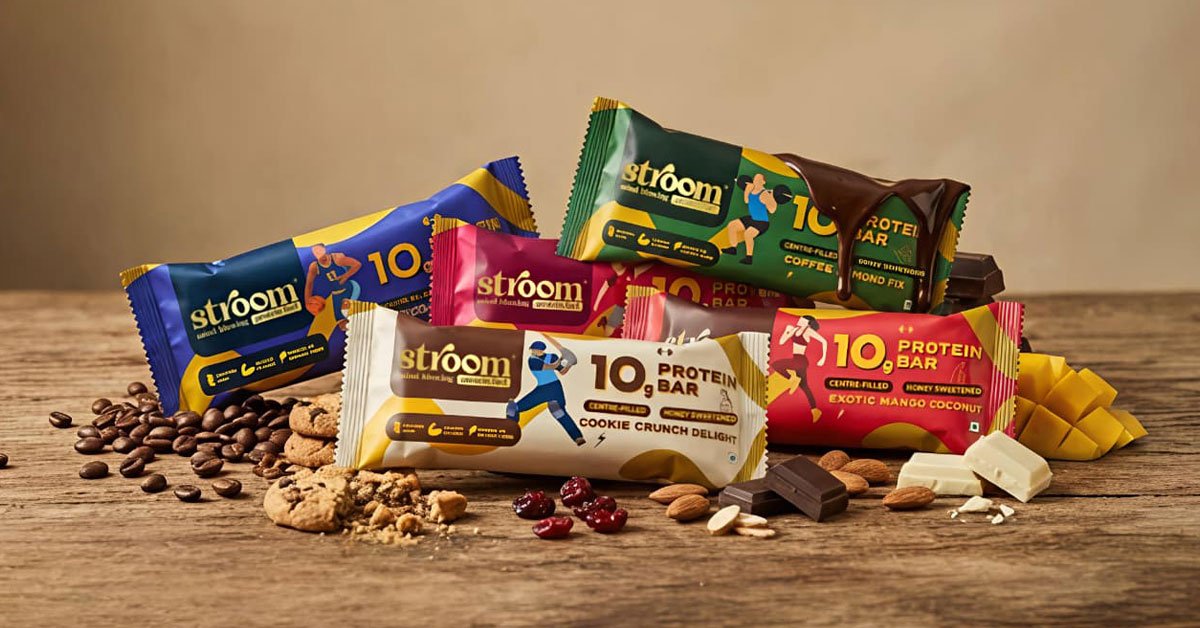
Many Indian startups have used contract manufacturing successfully to enhance their growth very quickly. A vegan bar brand based in Delhi has made 5 crore in revenue in its second year. And also, one company, after launching the low-sugar variants of its products, doubled its sales on Amazon. These stories are examples of outsourcing production that can speed up growth without requiring founders to give up equity.
If you want your success stories to be heard, contact us at +918826313121.
FAQs
What is the MOQ for the protein bar contract manufacturing?
All the reliable protein bar companies in India offer flexible MOQ, which is between 1,000 and 5,000 units, which is good for startups.
How long does it take to get a custom-made protein bar into the market using contract manufacturing?
It takes 3-6 months to get into the market after finalizing the recipe, which is good.
Is the contract-manufactured protein bar FSSAI compliant?
Yes, as the company has its top manufacturing partners, which include FSSAI, GMP, HACCP, and ISO, which include everything from the claim on the label to the nutritional content and stability of the product itself.
What is the cost of protein bar contract manufacturing in India?
The cost of manufacturing a protein bar in India is between Rs 32 and Rs 51, depending upon the scale, i.e., 10k units, which is a mid-scale production.
Can I get any flavor of my choice along with private labeling for my protein bar brand?
Yes, the company offers R&D on any flavor of your choice, whether it is vegan, keto, or even exotic flavors like mango-chia.