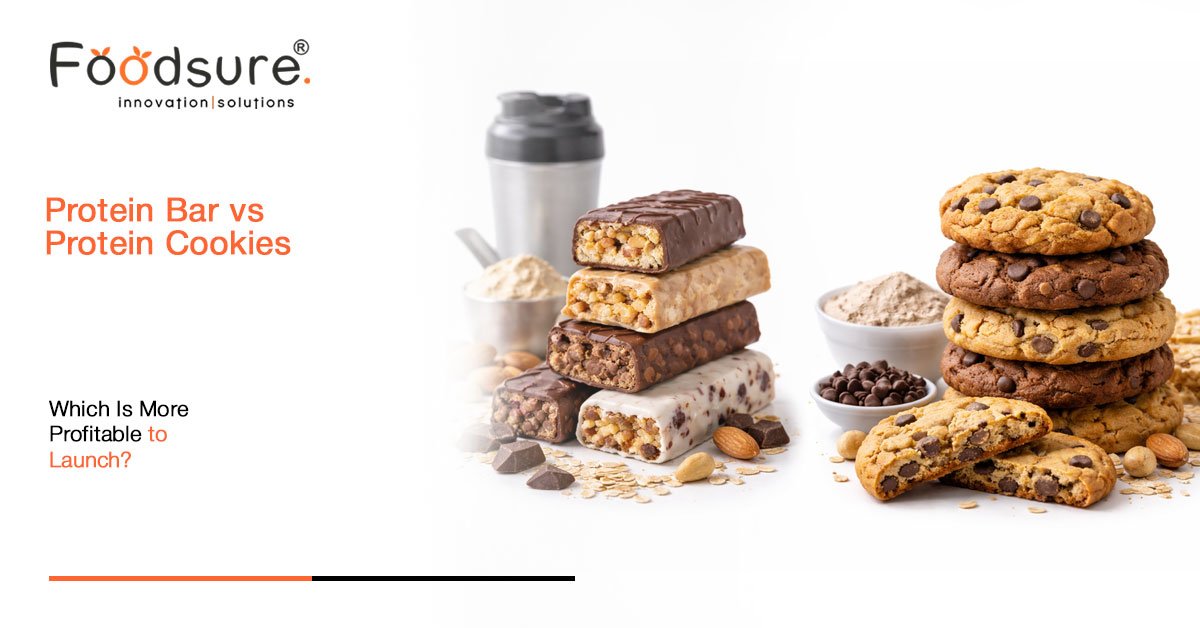
The fitness food sector is booming. It is a tough call to decide on the most profitable product to launch. The debate on the most lucrative format in the snacks sector is changing. It is essential to understand the market situation between Protein Bar vs. Protein Cookies. There is a general question about the format that is best suited to ensure a high ROI. It is essential to understand this situation to launch a successful high-protein snack startup. The global protein snacks market size was valued at USD 4.22 billion in 2022.
What Is the Core of Protein Bar vs Protein Cookies?
The first step is to understand the structural differences. Understanding the complexities involved in the manufacture of both products is crucial. While a standard protein bar has dough in a wrapper, protein cookies have functional ingredients in a softer texture. The key business model is the protein cookie business model. This allows companies to charge premium prices. Understanding the protein snack launch cost India involves optimising supply chain costs. By understanding these protein snacks, we can evaluate their profitability.
Profit Analysis: Protein Bar vs Protein Cookies
In order to compare these two products, we have to compare them at a business level. For that, we need to understand how the founders will benefit from these products without going through a complicated process. Of course, the known variance of the margin is a large factor in sustaining the business for a number of months. Comparing the protein bar vs protein cookie profit is a clear case that extruded bars have more opportunities to scale cheaply. Understanding this in the early stage separates a thriving high-protein snack startup from one that avoids these analyses.
Feature | Protein Bars | Protein Cookies |
| Production Style | Cold Extrusion | Thermal Baking |
Texture Profile | Chewy Dense | Soft Crumbly |
| Shelf Life | Twelve Months | Six Months |
| Setup Expense | High Machinery | Medium Ovens |
Market Trends for Protein Bar vs Protein Cookies
The global nutrition market is shifting in response to consumer demands. The competitive market is all about convenience and indulgent taste. To build a successful high protein snack business, one must monitor these shifts.
- The demand for indulgence is rising.
- Consumers prefer soft textures.
- Plant proteins are on the rise.
- Gut health is becoming a focus.
- Functional add-ins are preferred.
- Clean ingredients are a priority.
Taste-first formulations lead to successful consumer retention.
Ingredient Base for Nutrition Snacks
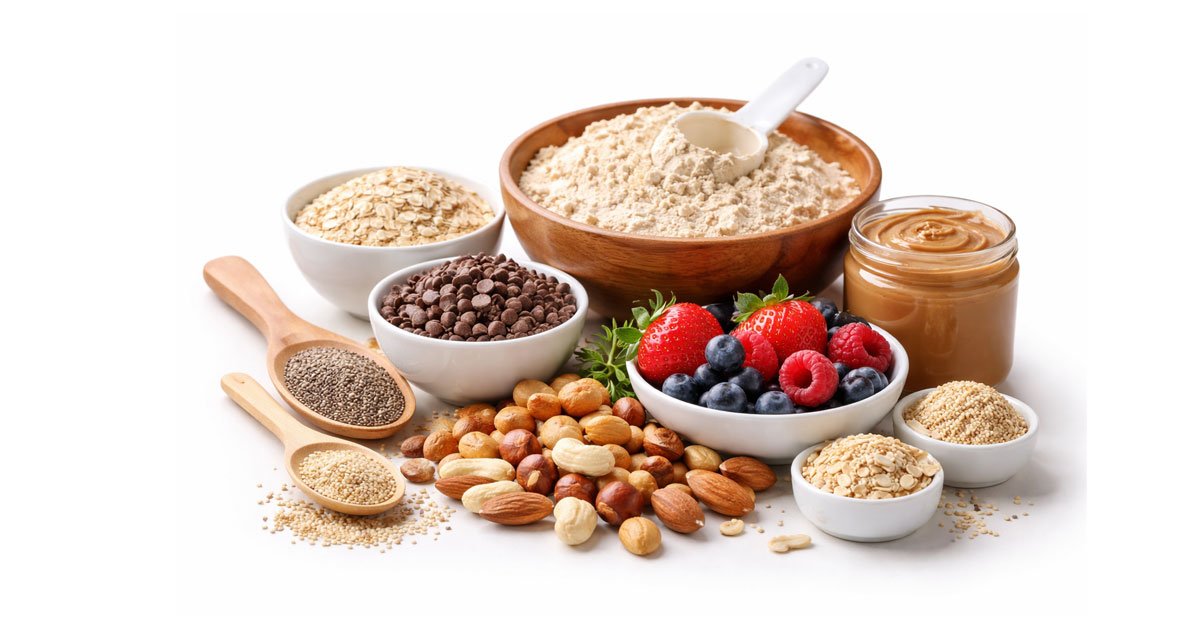
The analysis of these health and wellness products reveals an entirely different philosophy in product development. Dough formats are dependent on specific binders and moisture levels to provide chewiness. Baked formats are dependent on flour alternatives to provide softness in the product. Successful protein bar manufacturing India requires excipients and ambient humidity in the product.
Component | Protein Bars | Protein Cookies |
Main Base | Whey Isolate | Almond Flour |
Binder Used | Tapioca Syrup | Nut Butter |
| Texture Agent | Crisp Soy | Chocolate Chips |
| Moisture Control | Glycerin Liquid | Natural Fats |
Challenges in Snack Development
The challenge lies in ensuring that sensitive protein material withstands manufacturing conditions, international transportation, as well as extreme Indian climate conditions. These are huge challenges that make the process scientifically complicated. Over 45% of consumers prefer taste over protein. A high protein snack launch cost in India has the potential to destroy margins for a new product.
- Whey becomes hard.
- Baking destroys some vitamins.
- Syrups make machinery sticky.
- Chocolate melts at high temperatures.
- Plant protein has a bitter taste.
- Texture becomes dry.
Stages of Product Creation: Protein Bar vs Protein Cookies
The actual steps involved in the development of these snack foods clearly indicate the differences in the manufacturing process that is essentially required in the market today. Analysing the Protein Bar vs Protein Cookies will enable brands to focus more on advanced technology in baking to maintain the delicate nutritional profiles.
| Stage | Protein Bars | Protein Cookies |
| Phase One | Protein Blending | Dry Mixing |
| Phase Two | Syrup Heating | Wet Blending |
| Phase Three | Cold Extrusion | Thermal Baking |
| Phase Four | Flow Wrapping | Pouch Sealing |
Developing Approaches in Snacking
The only focus for top international wellness companies is the highest taste profile survivability from the factory to the customer. The ultimate cost comparison is dependent on specific business processes, which have been intentionally chosen in this absolutely critical development approach. Your protein cookie business model relies on this absolutely.
- Choosing high-quality blends.
- Managing moisture in dough.
- Controlling baking times.
- Testing texture under stress.
- Using premium chocolate coatings.
- Controlling temperature.
Emerging Format in Protein Snacks
Apart from the traditional protein bar vs. protein cookies debate, an exciting innovation in protein formats is taking place. Brands are launching protein brownie bites, no-bake protein balls, high-protein granola clusters, and protein wafers with layers. Each emerging protein format possesses its own protein cookie business model or protein bar-like profit structure. A comprehensive protein bar vs protein cookie profit breakdown at this stage is what helps founders set realistic MRP and margin goals before entering the market
The flexibility in the protein cookies space provides an opportunity for brand extensions without investing heavily in protein bar manufacturing infrastructure in India.
Manufacturing Insights for Protein Bar vs Protein Cookies
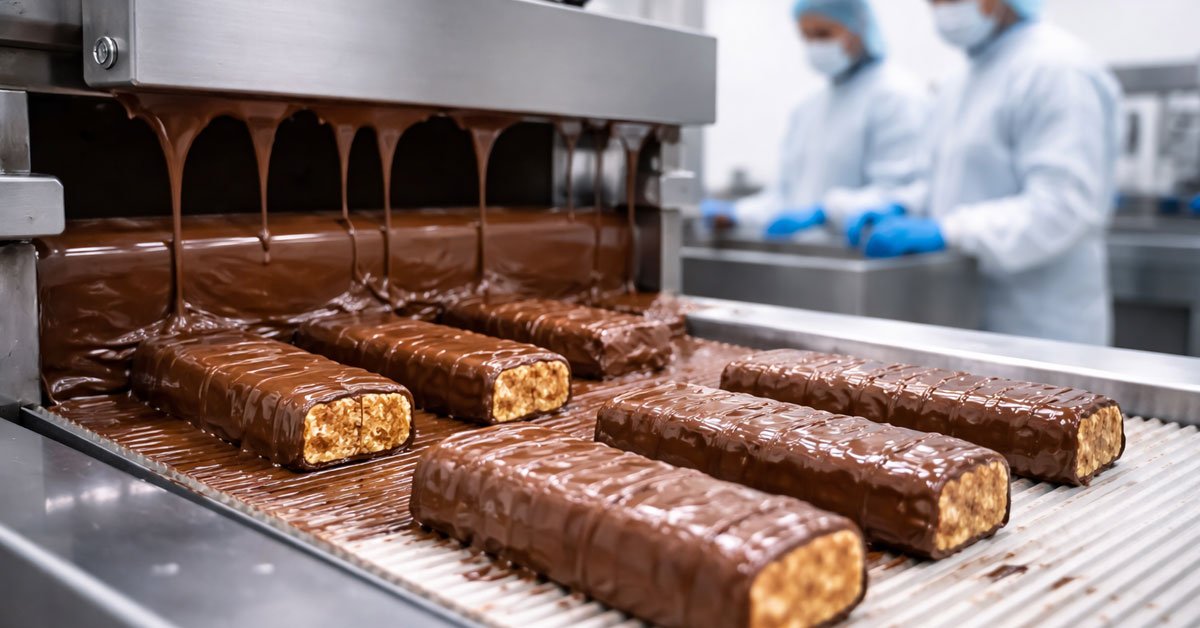
Manufacturing needs are a key factor that determines the profitability equation for protein bars vs protein cookies. Protein bar manufacturing needs include cold-pressing or enrobing machinery, which are costlier to procure. Protein cookie manufacturing needs are more ubiquitous across Indian co-manufacturers.
The cost to market protein snacks in India for a cookie SKU could be as low as ₹15-₹20 per unit, while protein bars could be as high as ₹25-₹35 per unit, depending on protein content. (Source: McKinsey Food & Consumer Packaged Goods Report)
At Foodsure, we assist brands in finding manufacturing partners, agreeing on MOQs, and creating cost-efficient product formulations that support profitability at every stage.
Conclusion: Protein Bar vs Protein Cookies
The choice between protein bar vs protein cookies ultimately comes down to your target audience, distribution strategy, and availability of capital. Protein bars have an advantage over protein cookies when it comes to brand prestige and fitness. Protein cookies have an advantage over protein bars when it comes to ease of consumption, lower production costs, and higher acceptance rates among consumers.
Both protein bars and protein cookies have huge potential to create a profitable high protein snacks business when done right. At Foodsure, we assist brands in developing scientifically sound protein snack formulations that are market-ready, targeting the Indian market.
Ready to launch your protein snacks brand? Get in touch with Foodsure to create a profitable protein snacks brand right from day one.
FAQs
What is the relative manufacturing cost of protein bars versus cookies?
Cookies have a relatively low protein snack launch cost in India due to their relatively simple equipment and ingredients.
What is the average shelf life of protein bars in India?
The average shelf life of most protein bar manufacturing India products is 6 to 12 months.
Can a protein cookie business achieve scale?
Yes. However, the protein cookie business model will require extended shelf life formulations to achieve scale.
Which business model has higher profit margins?
Protein bar vs protein cookie profit analysis reveals that protein bars have higher MRP value; however, protein cookies have relatively low production costs.
How long does it take to develop a protein snack?
The development of a high protein snack business typically takes 8-16 weeks to achieve full formulation to production readiness.
Which business model is more likely to achieve success in online channels?
Cookies are more likely to achieve success in online channels; however, the protein bar vs protein cookies split varies for different online platforms.
Do protein bars and protein cookies require FSSAI approval for protein claims?
Yes. All protein bar manufacturing India products require mandatory FSSAI approval for protein claims.