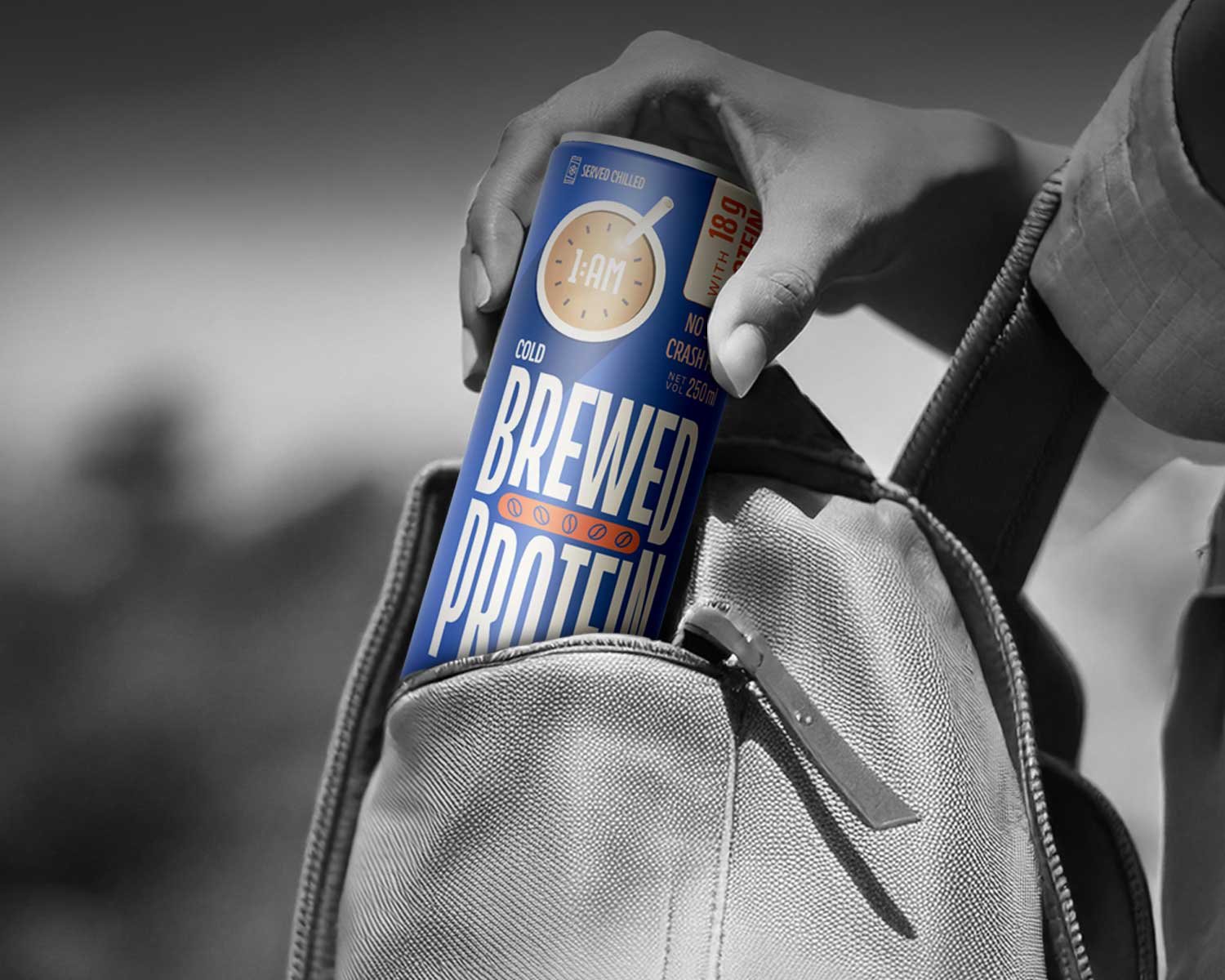
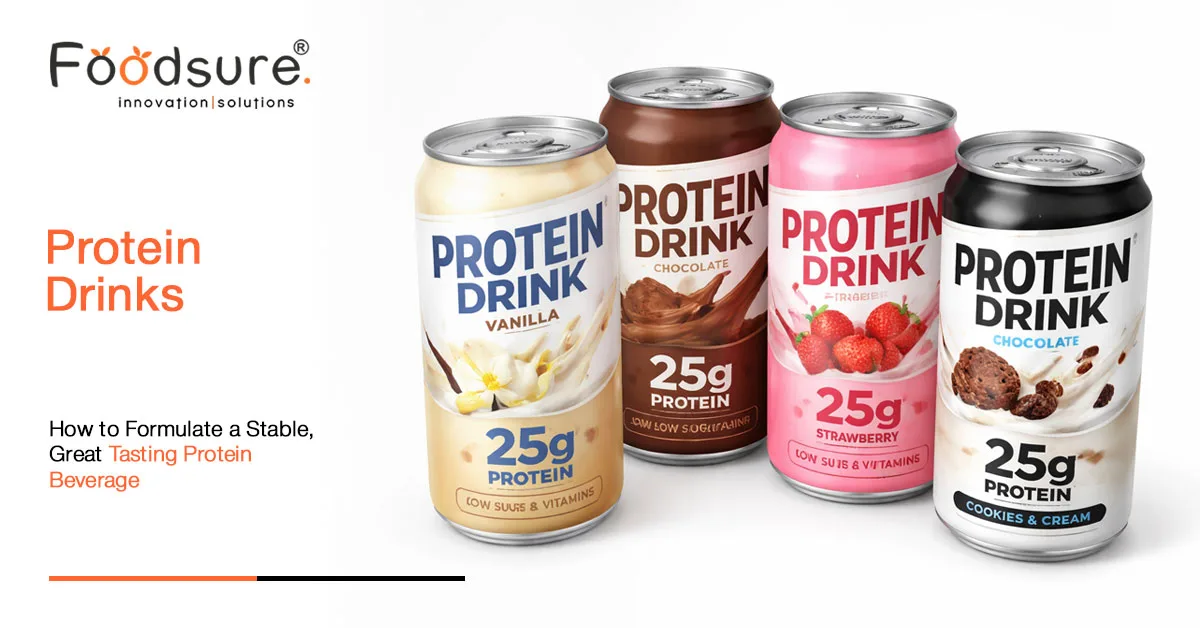
There are usually two basic demands for anyone who buys a protein-based drink from a store shelf. First, the product must be palatable, and secondly, the actual protein content needs to work as described on the label. Balancing these two requirements while making sure that the product remains effective for an entire year under commercial filling conditions in packaging that neither separates nor becomes chalky poses some extremely tough technical challenges.
The global protein drinks market was valued at USD 29.5 billion in 2024 and is projected to grow at a CAGR of 9.7% through 2031. The segment of RTD beverages constitutes one of the most rapidly growing formats in the protein drinks category. Nevertheless, there exist a huge number of cases when new protein drinks become failures during their 1st year on the market, not because of the branding itself, but due to improper formula development.
Thinking of launching your own protein drink?
Get expert guidance on formulation, taste & compliance — without the guesswork.
Why Protein Drinks Are So Hard to Get Right
Protein is not just a passive ingredient. In the aqueous drink system, the protein acts like a chemical. It reacts with pH, temperature, minerals, processing, and time. The formulation seems to work fine on the bench but then causes precipitation by the third month. An oral sensation feeling clean from bench trials turns into an unpleasant astringency after UHT treatment. These are not accidents. These are simply the outcomes that one would expect from formulations that were not built for longevity.
These issues are three fold, namely: making sure the proteins do not settle or separate from solution ,maintaining a good flavor profile while dealing with the unpleasant flavors of the natural proteins used,and making sure that the process conditions necessary for shelf stable products do not compromise the sensory approval achieved in laboratory scale.
Why Most Protein Drink Formulations Break Down
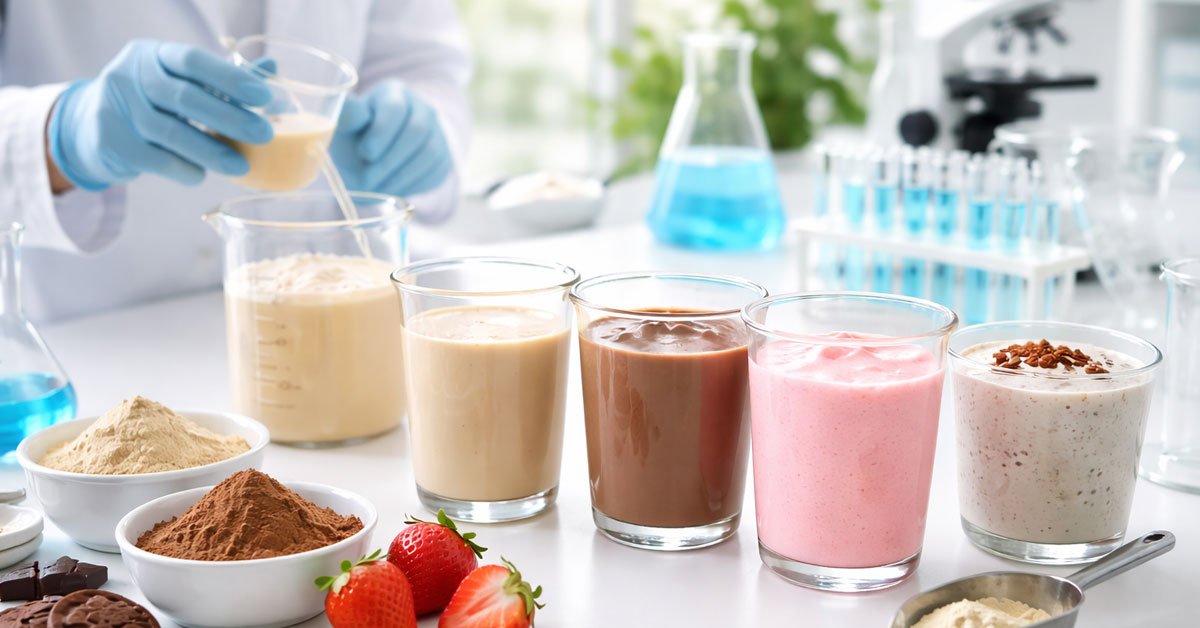
The most frequent issue associated with designing protein shakes is opting for a protein due to affordability or fashion without comprehensively understanding its behavior in the chosen beverage system. Whey protein isolate will behave entirely differently than casein when it comes to the low acid RTD formulation. Pea protein will have a different performance level at a neutral pH compared to when the formulation contains an acid. Soy protein comes with a distinctive flavor note of beany that needs masking.
The second mistake is thinking that the flavour and protein systems are two separate things. When creating a protein drink, selecting the flavour and protein elements is just one step. There are some flavour elements that react with the proteins and enhance astringency or bitterness. Some types of sugar systems increase the chalkiness of minerals when mixed with high protein contents. The key to proper tasting is developing the flavour system according to the protein characteristics.
Where Founders and Developers Lose the Most Ground
- Protein source chosen without verifying its heat stability at target temperature
- pH not verified against the isoelectric point of protein resulting in aggregation and precipitation
- Flavour system tested on unprocessed and undiluted samples kept in a laboratory at ambient temperature
- Stabilizer and emulsifier systems not verified throughout the complete shelf-life span
- Protein loading set in order to achieve label claim without verification if target solubility can be achieved
- Plant protein source used without prior enzymatic treatment to minimize beany/bitterness notes
- Mineral additions for nutritional positioning leading to protein/mineral interaction leading to formulation instability
What Founders Experience When Protein Drink Formulation Goes Wrong
- Commercial batch exhibits visible sedimentation after six weeks of manufacture, pictures from consumers emerge
- Taste of bench approved formula is entirely lost once subjected to UHT processing
- Plant based source of protein beverage carries a lingering beany character that cannot be masked
- Shakes made from protein exhibit separation into a liquid and solid state during transit
- Buyer from retail asks for independent sensory evaluation, and the shake falls short in mouthfeel and aftertaste
- Formula reformulation necessary following the first run, leading to a delay of five months in re launching
- Repeat purchasing by consumers is rare because the beverage serves its purpose in workouts yet is not enjoyable
Protein Sources in Beverage Formulation: What Each One Does and What It Costs You
Each protein source incorporated into nutritional beverages will have its own unique properties. The knowledge of the various characteristics that each protein source will offer must be known prior to choosing one for use.
| Source of Protein | Solubility Profile | Heat Stability | Sensory Challenge | Format |
|---|---|---|---|---|
| Whey Protein Isolate | High | Moderate, aggregates above 65°C at neutral pH | Mineral chalkiness at high dose | Clear protein drinks, RTD shakes |
| Whey Hydrolysate | High and very soluble | Better than WPI due to smaller peptides | Bitter peptide notes at high hydrolysis | Clear protein waters, acidic drinks |
| Casein | Lower and pH sensitive | Poor in acidic conditions | Thick, paste-like mouthfeel | Creamy opaque shakes, meal replacements |
| Soy Protein Isolate | Moderate | Moderate with proper processing | Beany & slightly bitter | Opaque shakes with strong flavour masking |
| Pea Protein Isolate | Moderate to good | Good at acidic pH with correct grade | Earthy, grassy & astringent | Plant based RTD & opaque nutrition drinks |
| Rice Protein | Low to moderate | Moderate | Gritty if particle size not controlled | Blended plant protein systems |
| Milk Protein Concentrate | Moderate, slow hydration | Fouling risk if not pre-hydrated | Creamy, neutral, clean at low dose | Dairy style RTD nutrition drinks |
How to Build Stability Into a Protein Drink Formula
Protein drink stability refers to the maintenance of protein distribution without any aggregation or phase separation for the period indicated by the shelf life of the drink. It is important to understand that such stability needs to be engineered into the formula rather than tested.
pH Is the Most Powerful Stability Lever
Each protein has its own isoelectric point – this is where its charge is zero and where it tends to precipitate and settle out of solution. The isoelectric point of whey protein is at about pH 5. Developing a protein drink with an isoelectric point formulation will result in a product that will settle. Developing a product formulated below pH 3.5 or above pH 6.5 ensures that the protein is not close to its isoelectric point and therefore more soluble. This is the reason whey protein drinks have low pH levels of between 3 and 4.
Heat Treatment and Protein Denaturation
Every protein based drink needs to be subjected to some form of heat treatment to ensure safety from microbial contamination. In case of low acid drinks, this can only mean either UHT or retorting. In acid drinks, HTST pasteurization should be applied. Heat denatures protein molecules. This requires appropriate heat treatment times based on the specific denaturation properties of the protein molecule. Whey protein denatures at temperatures greater than 65 degrees Celsius under neutral pH conditions. Applying HTST at 72 to 75 degrees Celsius for 15 to 30 seconds allows for adequate safety without causing the extensive aggregation of retorting. Failure to achieve this will result in an unsafe drink with bad heat-denatured flavor and texture.
Stabilisers and Emulsifiers
Phosphate buffers are added to prevent protein-mineral interaction leading to gelation and precipitation, while the chelating effect of phosphate helps maintain pH levels within acceptable parameters. Carrageenan and gellan gum provide suspension to dairy based protein shakes during the shelf life period. Lecithin is an effective emulsifier since it enables even distribution of proteins in the mixture, while preventing the chalky and mouthcoating effects associated with certain protein shakes. The stabilization process has to be balanced according to the type of protein in question as excessive use of stabilizers leads to undesirable mouth feel.
How to Get Taste Right in Protein Shakes and Nutrition Drinks
Flavourless protein shakes are never purchased again. This may seem apparent, but there is a surprisingly high number of nutritional shakes that enter the market with a flavour spectrum that was accepted during the development phase but which have been severely compromised as a result of production and storage processes. Protein shakes have three specific flavor issues, and each has its own formulation remedy.
Chalkiness and Mineral Notes
The chalky texture found in protein shakes is caused by undissolved protein particles and the mineral composition of calcium phosphate that occurs naturally in dairy proteins. The whey protein isolate, being more purified than the concentrate, contains lesser minerals and offers a smoother taste profile. Utilizing whey protein isolate instead of whey protein concentrate in high protein formulations yields a significantly better sensory experience. In terms of plant based proteins, minimizing particle sizes through instantization improves dispersibility in water to minimize grittiness.
Off Notes from Plant Proteins
The protein from peas has a distinct earthy/grassy off flavour, which increases with increasing levels. Soy protein has a beany/bitter taste at levels higher than 4 to 5 percent. These off flavours cannot be totally masked without resorting to using some flavours, something that would go against the clean label position taken by most companies. In formulating, the best approach is the enzymatic treatment/hydrolysis of the plant protein used, where the bitter compounds have been broken down. This, combined with the right type of flavours, should solve any problems. Plant protein off flavours are better masked by chocolate/cocoa or nut-based flavours as opposed to fruity/citrus flavours.
Processing Induced Flavour Degradation
Heat treatment modifies flavor. The interaction between protein and reducing sugars results in caramelization and a cooked flavor that can be tasted in the final product at even lower concentrations. Whey protein hydrolysates contain a stronger bitterness from the peptides formed than the intact WPI does. Controlling changes in flavor due to processing involves matching the thermal process with the type of protein used, utilizing sweetening systems without reducing sugars if possible, and conducting pilot studies of heat treatments prior to full scale production.
The Protein Drink Formulation Process: Stages and Key Decisions
| Stages | Key Decisions | Deficiency does |
| Protein Source Selection | Source & grade & form matched to format and pH target | Stability failure or off-notes at commercial scale |
| pH Mapping | Target pH set away from protein isoelectric point | Aggregation and sedimentation on shelf |
| Stabiliser System Design | Phosphate, hydrocolloid & emulsifier system optimised for protein | Phase separation or excessive viscosity |
| Flavour Development | Flavour system designed around protein off note profile | Chalk & beany or bitter taste at effective protein dose |
| Heat Treatment Validation | Processing temperature and time matched to protein denaturation profile | Heat damaged flavour and gritty texture |
| Shelf Life Testing | Real and accelerated testing under transit conditions | Sedimentation or separation discovered post launch |
| Scale Up Trial | Formula validated on co packer equipment before commercial run | Batch inconsistency between bench and commercial product |
Helpful Guide:- Custom Drink Formulation Cost in India
How Foodsure Formulates Protein Drinks That Survive Scale Up and Shelf Life
At Foodsure, the formula for protein drinks begins with the protein ingredient and its processibility, not the label protein claim or the taste description. Prior to lab work, the protein’s isoelectric point, heat stability characteristics, and taste sensitivity are mapped relative to the product format, required pH, and desired shelf life. These factors dictate the choice of stabilizer systems, processing temperatures, and flavor systems before the first trial is produced.
Formulations range from whey protein isolate ready to drink shakes to plant-based nutrition drinks, clear protein waters, dairy like meal replacement beverages, and high protein beverages. Each formula is developed using accelerated stability studies, process condition flavor trials, and pilot runs with the co-packer before any commercial production is done. The outcome is a protein drink that behaves the same from the initial batch to the final unit sold.
What Every Protein Drink Brand Needs to Understand About Formulation
Protein shakes which are technically right but have a bad flavor profile will not create a brand. Those who purchase a protein shake for the first time and feel that it tastes chalky, beany, or gritty, despite having a high percentage of protein or the benefit mentioned on the front panel, will not go back to buying it again. Taste and stability are not afterthoughts in the product development phase; it is what makes the formula.
The companies who are creating a brand for themselves by investing in their products in the protein shakes sector know that they must start with formulating the right ingredients first and then move onto branding their product. This is how you make sure your product succeeds.
Top Trending Guide:- Focus Drink Contract Manufacturing for Modern Brands in 2026
Build a Protein Drink That Customers Love Instantly
From taste perfection to regulatory compliance — our experts help you create a market-ready protein drink that stands out & sells fast.
📞 Talk to Expert💬 WhatsApp Now
Free consultation • Fast response • End-to-end support
FAQ’s (Frequently Asked Questions)
Q1. Why do most protein drinks taste chalky or gritty?
Chalkiness is due to the presence of undissolved protein particles along with minerals present in the proteins found in milk. Whey protein isolate and particle size regulation play important roles in minimizing chalkiness.
Q2. Which protein is most suitable for making a clear and shelf-stable protein drink?
A protein obtained from whey protein isolate or hydrolysate at an acidic pH range (3–4) would give the best results.
Q3. How can you avoid sedimentation of proteins in shakes during shelf life?
Avoiding formulations around the isoelectric point of the protein, maintaining pH using phosphates, and proper selection of hydrocolloids are effective techniques.
Q4. What is the difference between protein drink and protein shake in formulation terms?
Each is talking about protein beverages from RTD beverages, but their approaches to formula development depend on protein content, clarity (opaque or clear), and application (performance or meal replacement).
Q5. What influence does heating have on the flavor of protein beverages?
Heating promotes protein clumping and Maillard reaction resulting in cooked, chalky and bitter flavors, the temperature of processing needs to correspond to protein source’s denaturation characteristics.
Q6. Is it possible for plant based nutrition beverages to be comparable to whey-based beverages in terms of flavor?
It certainly can with high quality protein grade (enzymatic protein treatment or protein hydrolysis) and corresponding flavor systems and stabilization.