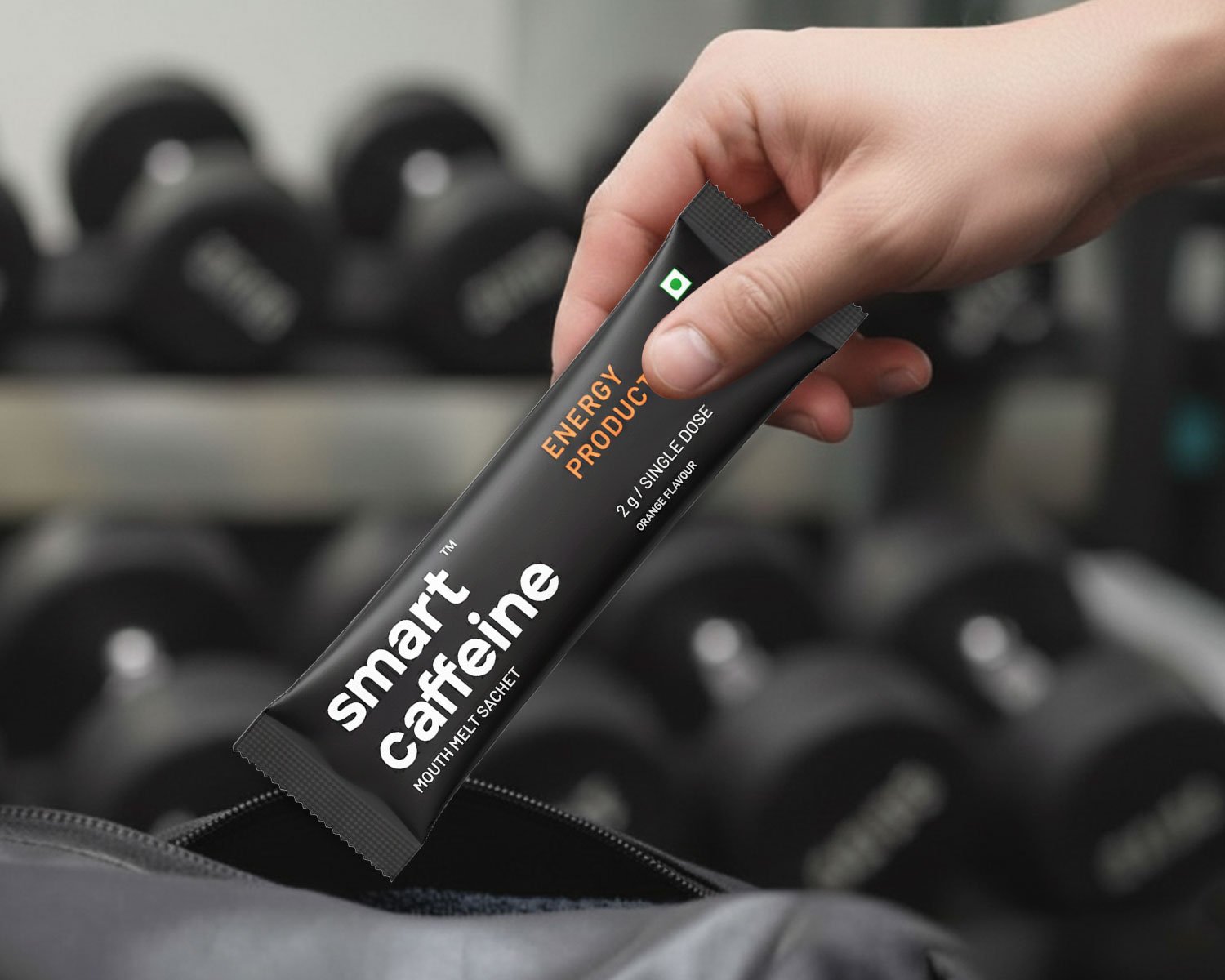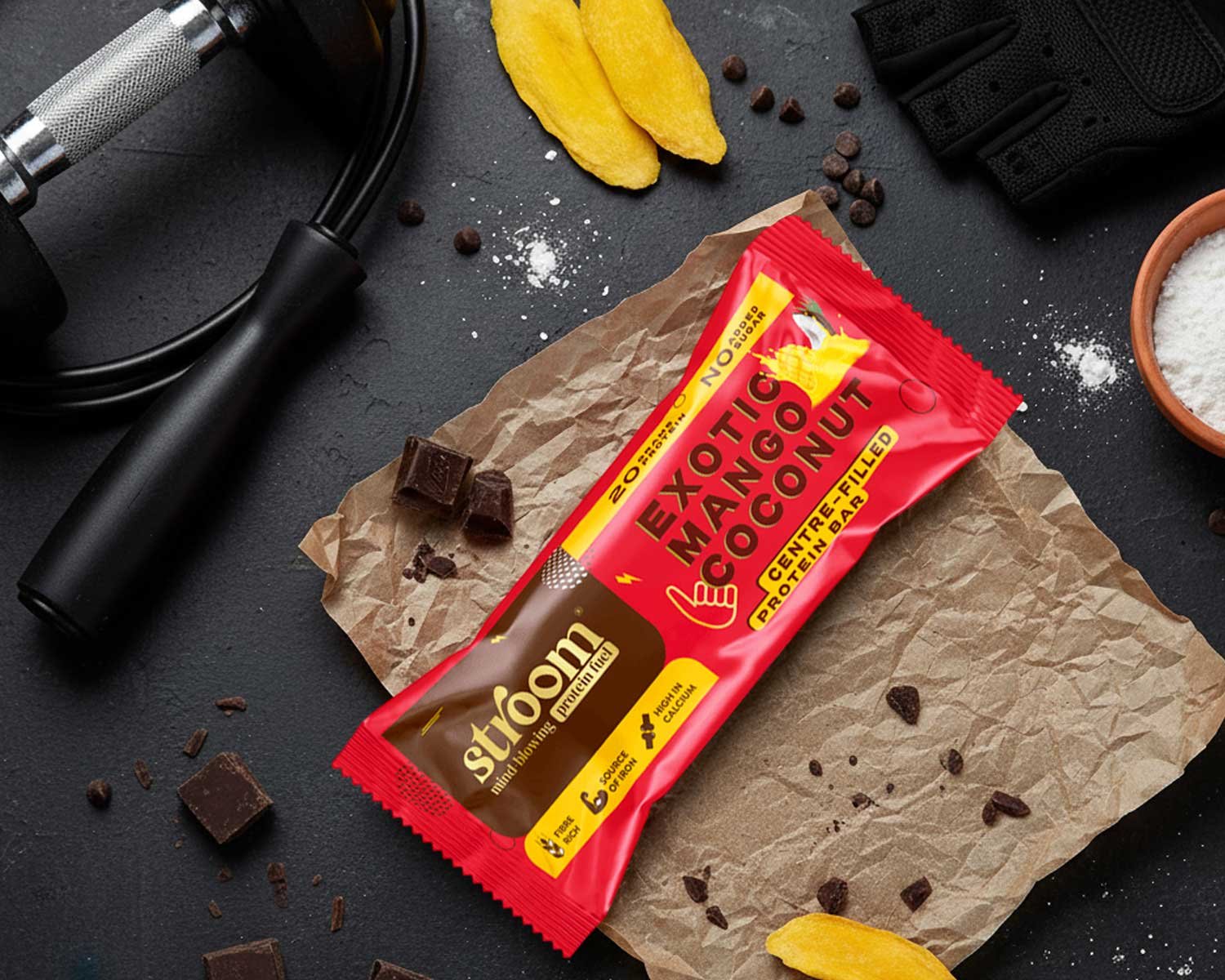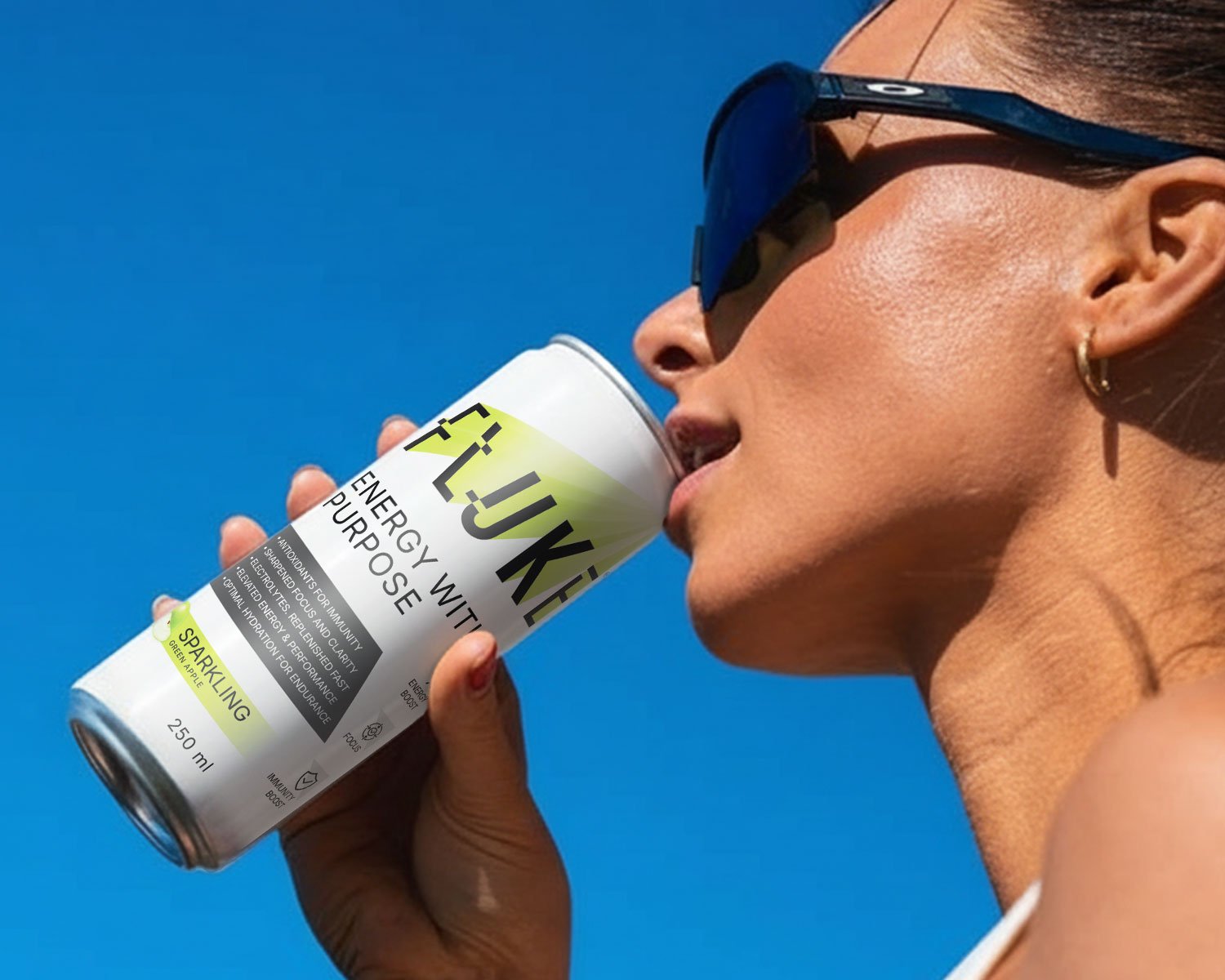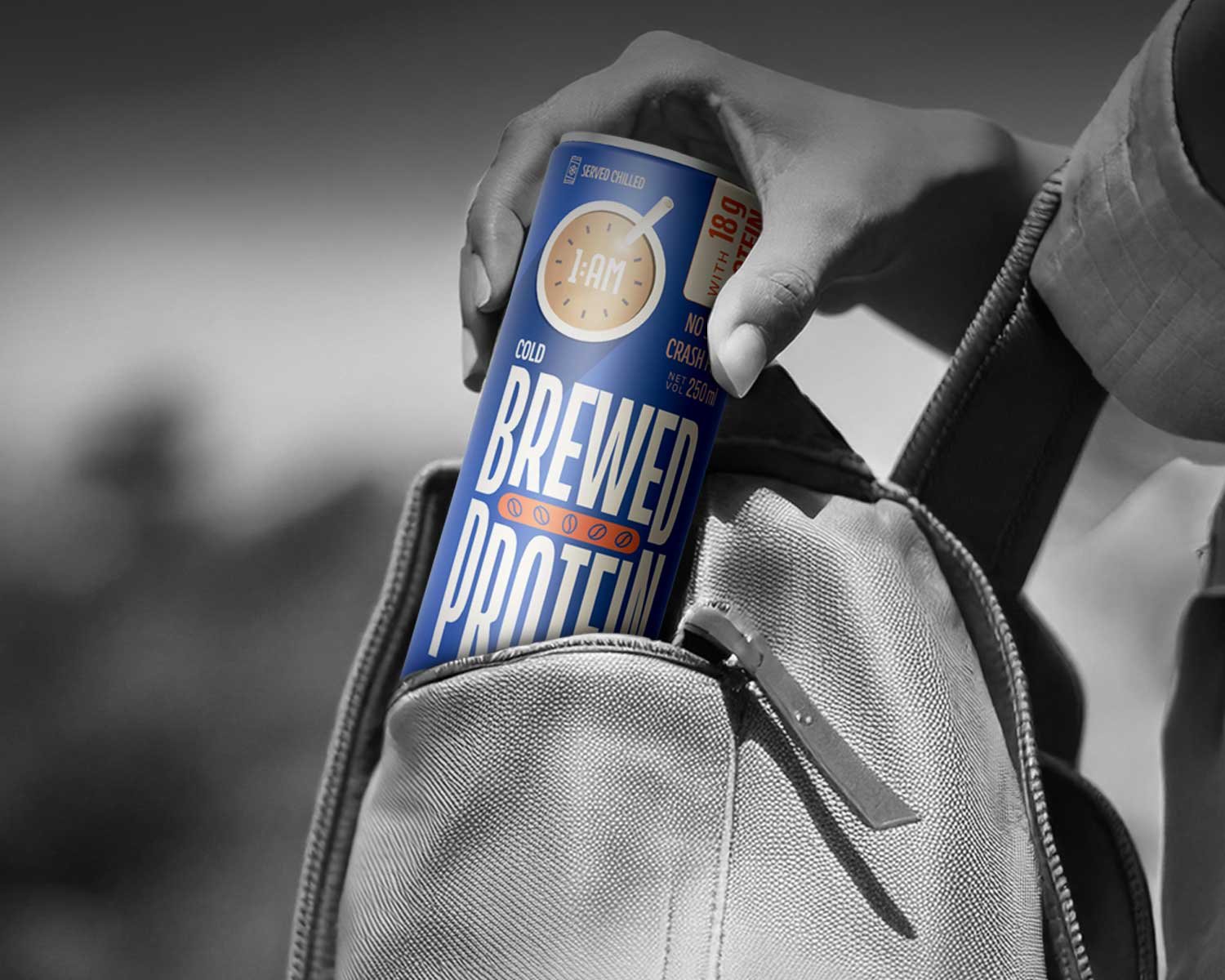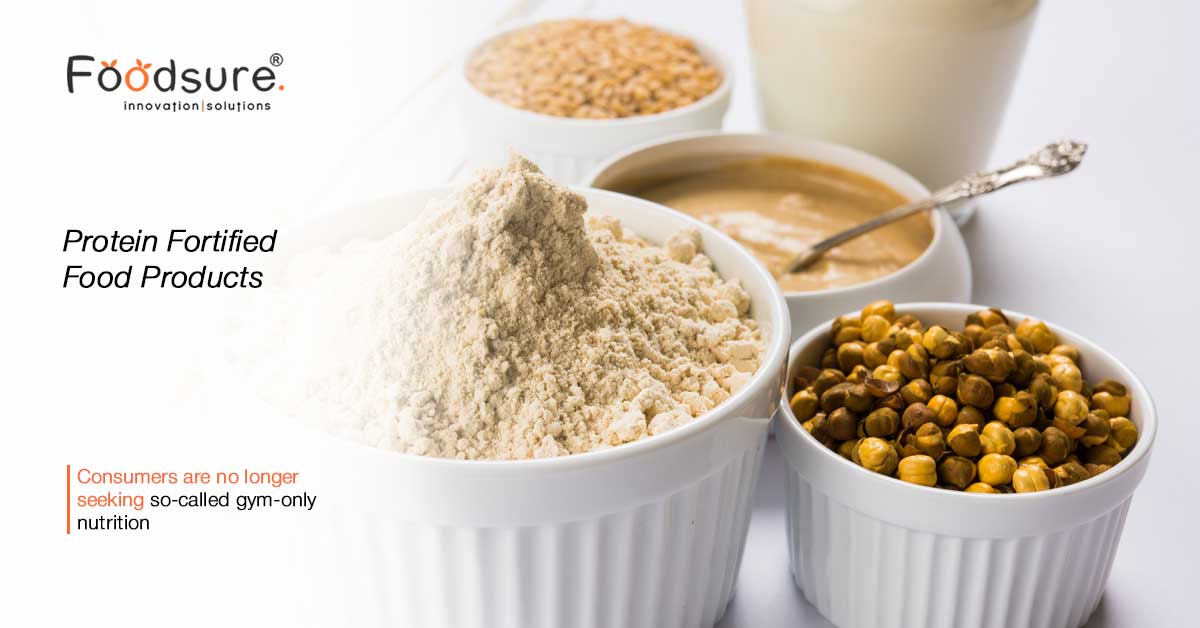
What would happen to your daily snack that could fix your protein deficiency, but quietly, you do not have to rely on shakes and powders, or radical changes to your diet? That is precisely the reason why protein fortified food products are increasingly becoming popular nowadays. Consumers are no longer seeking so-called gym-only nutrition; they would prefer convenient protein incorporation into their daily foods.
Protein is being repackaged into forms that are already popular amongst the patrons, such as beverages and cookies. It is no longer a matter of whether or not protein is important, but how creatively it can be put across without resorting to taste, cost, and scalability.
The Rise of Protein Fortified Food Products
The transition into protein is no trend, but an evolutionary shift in the market structure.
- The protein-enhanced food products market is projected to hit up to 66.8 billion USD in the global world, and is projected to reach close to 101.6 billion USD at a CAGR of 6.2 in 2023.
- The protein snacks market will have over 120 billion dollars in 2034 with a CAGR of over 9%.
- Protein bars are the most prevalent format with nearly one-third share of the segment.
Why this growth?
- Change from curative to preventive health
- Emerging trend of millennial fitness and Gen Z
- On-the-go nutrition demand
- Growth of plant-based diets
This is a gigantic market, not just in the case of supplements, but in the case of mainstream food innovation.
Where Protein Fortification Is Happening
Protein is no longer an athletic product; it is moving to the prosaic consumption category.
Science Behind High-Protein Snack Formulation
To create a good design of gym nutrition food or mass-market snacks, several variables should be taken into consideration and balanced:
1. Protein Source Selection
2. Protein Functionality
Protein is not just a nutrient: It influences:
- Texture (chewy vs crunchy)
- Water binding
- Shelf life
- Flavor masking
Cases: Protein bars can cause too much protein in recipes that use them, which can cause:
- Hardening over time
- Chalky mouthfeel
3. Taste vs Nutrition Trade-off
Among the biggest reasons for product failures:
- High protein, good product
Successful brands optimize:
- Flavor masking systems
- Systems of natural/artificial sweeteners.
- Fat balance for mouthfeel
4. Processing Considerations
- Extrusion (for chips/snacks)
- Cold forming (bars)
- Baking (cookies/biscuits)
- Emulsification (beverages)
Each method affects:
- Protein stability
- Digestibility
- Final sensory output

Protein Bar Recipes: Basic Formulation Framework
That is why the simplified industrial formulation model can be presented as follows:
Key Insights:
- Optimal protein quantity: 15 – 25g/bar
- A sensitive area in shelf life is moribund
- Stabilization of texture is normally the most difficult
Whey Alternatives Snacks: The Next Big Opportunity
The future is the plant-based and alternative proteins.
The reason why whey substitutes are increasing:
- Lactose intolerance
- Vegan demand
- Sustainability concerns
Popular Alternatives:
- Pea protein snacks
- Chickpea-based snacks
- Lentil extruded snacks
- Seed-based protein blends
In response to the trends in the industry market, more and more heavily on an alternative source of protein, which is the use of plant-based foods, including pea and soy, to meet the requirements of clean label and vegan foods.
Formulation Challenges in Protein Fortified Food Products
What Makes a Successful Protein Snack?
A winning product is not a high-protein product only.
It must deliver:
- Eat first, then nutrition second.
- Clean label positioning
- Affordable pricing
- Functional benefits (energy, satiety, recovery).
- Scalable manufacturing

Market Gap: Everyday Protein vs Gym Protein
There is still a great gap in India:
- The products mostly focus on bodybuilders and athletes
- Few choices on what to consume daily
Opportunity:
- Snacks made of protein on the go
- Kids nutrition products
- Indian standard (laddoo, namkeen, breakfast products, etc.)
Future Trends in Protein Fortified Foods
- Protein + functional combo (gut health + protein)
- Blends (plant and dairy hybrids)
- Personalized nutrition
- Traditional foods contain protein
- Minimal ingredients and clean-label products
Call Foodsure for Professional Food & Beverage Product Development
Protein fortified food products do not just come into being by simply adding protein, but they need to be scientifically formulated, tested in terms of stability and sensory optimization, as well as pass regulatory hurdles.
At Foodsure, we help brands:
- Prepare protein bars with high performance
- Develop whey alternative snacks on a large scale
- Prepare specialized gym nutrition food
- Pilot trials/ shelf-life validation
- Make sure that there is complete compliance with FSSAI
If you make a protein snack brand or add to the portfolio, we will develop your idea into a scalable product on the market.
Protein Fortified Foods and High Protein Snack Formulation Guide
Develop protein fortified foods and high protein snacks with balanced nutrition, superior taste, and improved texture for health-conscious consumers. Create market-ready products using advanced protein ingredients, functional formulations, clean-label concepts, and scalable manufacturing solutions designed for fitness brands, modern retail, D2C businesses, and export opportunities.
FAQs
What are the food products fortified with proteins?
Protein fortified food products are ordinary foods that are added with extra protein to enhance their nutritional value.
What is the amount of protein to be included in a snack?
To the extent that the general consumers are concerned, it is best that 10 -20g per serving be used and up to 25g in case of fitness-oriented products.
Which are the most appropriate sources of protein snacks?
The most common types of proteins include whey, soy, and pea, as well as rice proteins, which depend on their cost and target audience.
Do plant-based protein snacks work?
Yes, but most particularly when mixed in the proper ratios to make a complete amino acid balance.
What makes protein bars hard after some time?
Loss of moisture and reaction of proteins lead to hardening of the texture- this needs formulation control.
What are the substitute snacks?
Just snacks prepared with what are known as plant-based proteins, such as pea, soy, or lentils, instead of whey.
What would be the start-up cost of a protein snack business in India?
You require formulation development, pilot testing, FSSAI approval, and scalable manufacturing assistance. The collaboration with such specialists as Foodsure will make it easy.