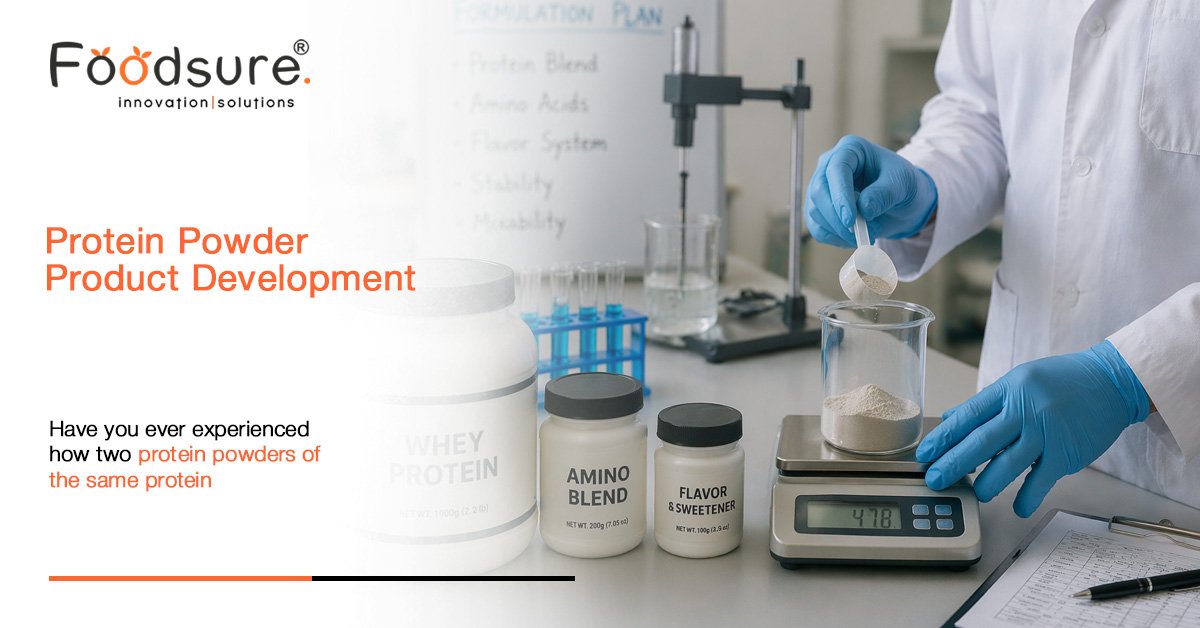
Have you ever experienced how two protein powders of the same protein percentage can have entirely different flavors, or one be better than the other, one being premium and the other being chalky and boring? That’s not luck. It is science, strategy, and clever product development at work.
With the current health market boom, there is no longer a need to add protein when developing protein powder products; it is all about creating an experience that customers believe in, enjoy, and will buy again. Starting with food formulation to flavouring to regulatory compliance, each step makes or breaks your product to either be branded or another SKU.
The Growing Opportunity in the Protein Powder Market
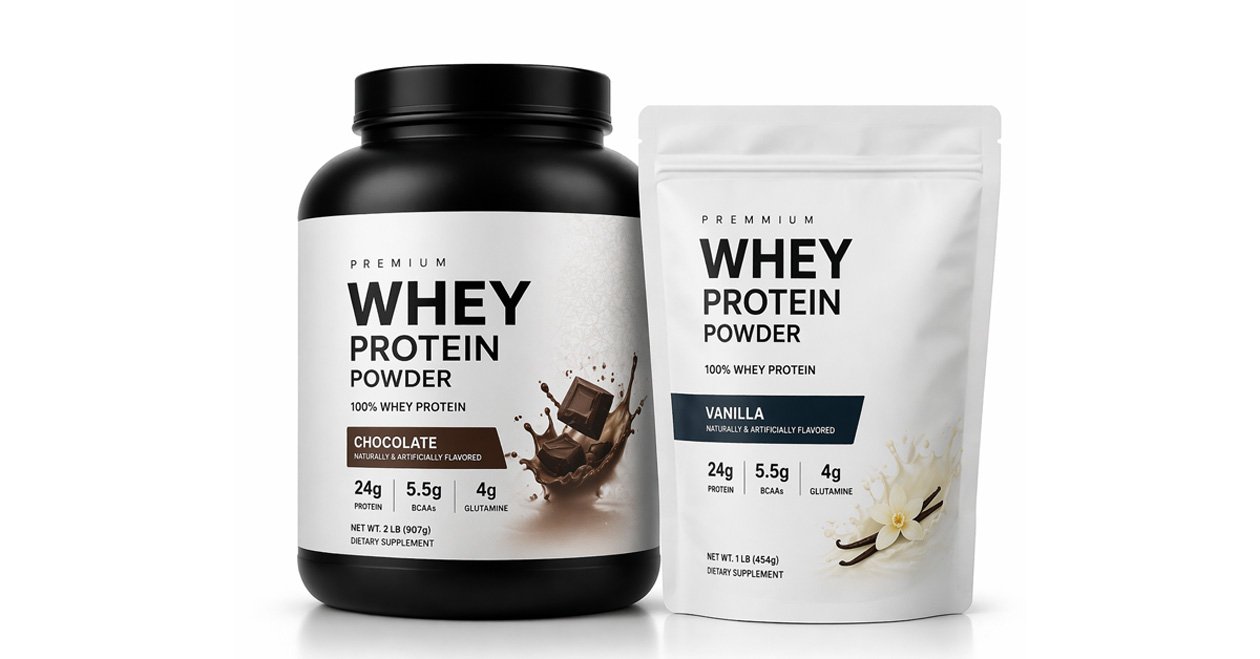
The protein consumption gap in India is enormous, and it is driving an increase in demand.
- The protein supplement market in India is estimated to have a CAGR of ~13%.
- By 2033, the sports nutrition segment should reach USD 2,711.2 million.
- There is a growing trend of urban consumers moving to preventive health and fitness.
- Increased demand for plant-based proteins and clean labels.
This is an opportunity, but this is stiff competition. Winning brands are those with a combination of scientific formulation + great taste + strict compliance.
Protein Powder Product Development: Core Foundations
1. Choosing the Right Protein Source
Any product is based on its protein base. Digestibility, cost, positioning, and target audience are determined by your choice.
Common protein types:
Whey Protein (Concentrate, Isolate, Hydrolysate)
Fast absorption
Perfect for fitness and sports users
Whey protein powder is popular in India
Plant Proteins (Pea, Rice, Soy, Hemp)
Vegan-friendly
Increasing demand in urban India.
Plant protein powder formulation key India
Blended Proteins
Combines fast + slow digestion
Enhances protein composition
2. Nutritional Formulation Strategy
Protein percentage is not the only thing in a protein powder. Smart brands optimize towards:
- Protein: 20 – 30g per serving (industry standard)
- Amino acid profile: BCAAs ( Leucine, Isoleucine, Valine) in particular.
- Digestibility: Enzymes such as protease or lactase.
- Functional additions:
- Vitamins & minerals
- Fiber (to promote gut health)
- Adaptogens (ashwagandha, etc.)
This is where sports protein powder launch India will be competitive; performance claims have to be supported by formulation science.
3. Texture and Solubility (Underrated but Critical)
Protein powders can be judged by consumers at first sight based on:
- Mixability
- Foam formation
- Mouthfeel
Some of the pitfalls to be avoided are:
- Chalky texture
- Sedimentation
- Clumping
Solutions:
- Take lecithination (soy/sunflower lecithin)
- Optimize particle size
- Balance hydrocolloids
Flavoring: The Real Differentiator
Admittedly, protein powder is sold on taste.
The most scientifically developed product will fail even if consumers do not like drinking it on a daily basis.
Popular Flavor Trends in India
- Chocolate variants (still #1)
- Cold coffee and Cafe Mocha
- Mango, Kesar Pista (localized flavours)
- Cookies & Cream
- Clean-label (unflavored)
It is at this point that the flavored protein powder India brand strategy will be used.
Flavoring Challenges
Protein powders have a notorious tendency to be hard to flavor since:
- Whey contains a natural dairy aftertaste
- Plant proteins may be earthy or bitter
- The level of protein influences taste
Smart Flavoring Techniques
- Prophylaxis to decrease bitterness
- Depending on brand positioning, natural vs artificial flavors
Sweeteners:
- Sucralose (common)
- Stevia (natural and difficult to balance)
- Monk fruit (premium positioning)
In India, clean-label brands are moving to no-added-sugar + natural sweeteners.
Protein Supplement FSSAI Compliance India
It is no longer a matter of choice but a competitive edge to be regulated.
Protein supplement FSSAI compliance India has become an issue of survival for brands due to stricter scrutiny in 2026.
Key FSSAI Requirements
Product Classification
Protein powders fall under:
Health Supplements
Nutraceuticals
Before you launch, you must classify.
Ingredient Approval
Only permissible ingredients are used
Sources of proteins should be safe
Additives (sweeteners, flavors) should be compliant
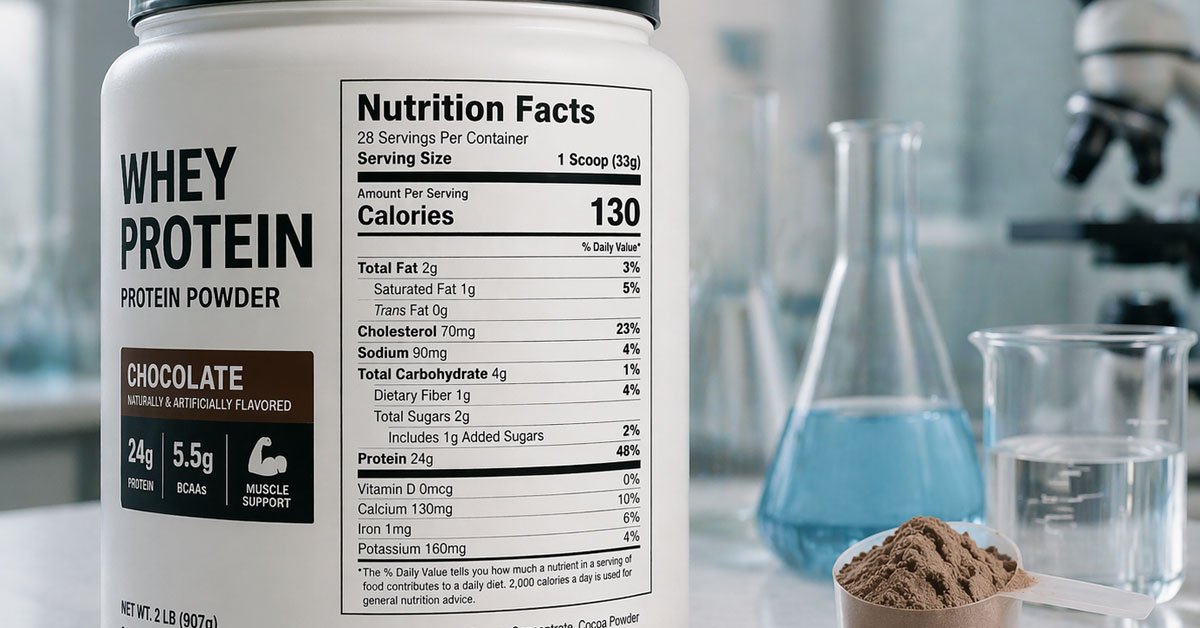
Labeling Requirements
Mandatory elements include:
Nutritional information
Ingredient list
Allergen statement (milk, soy, etc.)
Recommended usage
Disclaimer: Not for medicinal use
Claims & Marketing
Strictly regulated:
No over-the-top muscle-building promises
None of the disease treatment claims
Scientific backing required for functional claims
Licensing
Central FSSAI License needed for the pan-India operations
The production plant should be hygienic
Failure to comply will result in recalls or even bans of products; this is the reason why regulatory alignment should commence during development and not later.
Manufacturing Considerations
Scalability is determined by manufacturing after formulation and compliance is locked.
Key Factors
- Outsourcing vs in house
- Batch consistency
- Quality control (microbial + heavy metals test)
- Packaging (moisture barrier is important)
Protein powders are also susceptible to moisture; improper packaging = risk of spoilage.
Costing and Pricing Strategy
An effective product balances the price and the value.
Cost Drivers
- Whey protein source (isolate > concentrate)
- Flavor system
- Packaging
- Certifications (organic, vegan, etc.)
Pricing Strategy
- Mass market: ₹1,500 – ₹2,500/kg
- Premium: ₹3,000 – ₹5,000/kg
Indian consumers are price-conscious and ready to pay for trust + taste + results.
Go-To-Market Strategy
Introducing a protein powder is not merely a production process, but a marketing one.
Key Channels
- E-commerce (Amazon, Flipkart, D2C)
- Gyms & fitness centers
- Nutritionists & trainers
Branding Focus
- Clean label
- Transparency
- Performance-driven messaging
This category is dominated by influencer marketing, particularly fitness influencers.
Common Mistakes in Protein Powder Development
- Focusing only on protein %
- Disregarding taste and texture
- Weak compliance understanding
- Overcomplicated formulations
- Poor differentiation
Consumers do not purchase protein; they purchase results + experience.
Call Foodsure for Professional Food & Beverage Product Development
To launch a successful protein powder, it takes more than an idea, it takes knowledge of formulation, flavoring, compliance, and scale.
Foodsure helps you:
- Develop market-ready formulations
- Create winning flavor profiles
- Make sure it is FSSAI compliant
- Optimize cost and scalability
- Start up quicker with less risk
Now is the time to take action if you are planning to launch or improve your protein line.
Collaborate with Foodsure to develop a high-performance, compliant, and consumer-adored protein brand.
FAQs
What does protein powder product development mean?
It involves the development of a protein supplement, its formulation, flavoring, testing, compliance, and manufacturing.
What is the best protein to use among Indian consumers?
Female consumers are popular with whey protein, whereas plant protein is on the rise because of vegan and lactose-free demand.
What is required for Protein supplement FSSAI compliance India?
You must be properly licensed, use approved ingredients, be properly labeled, and meet health claims.
What is the best way to enhance the taste of protein powder?
Optimized sweeteners and balanced flavor systems enhance taste by using flavor masking agents.
How much does it cost to start a brand of protein powder in India?
It is based on formulation and scale, though start-up costs may be 5-25 lakhs.
What are the typical problems in whey protein powder formulation India?
The major challenges are taste masking, solubility, and nutritional stability.
Is the profitability of the plant protein powder formulation India?
Yes, it is one of the fastest-growing segments because of the growing vegan and clean-label trends.