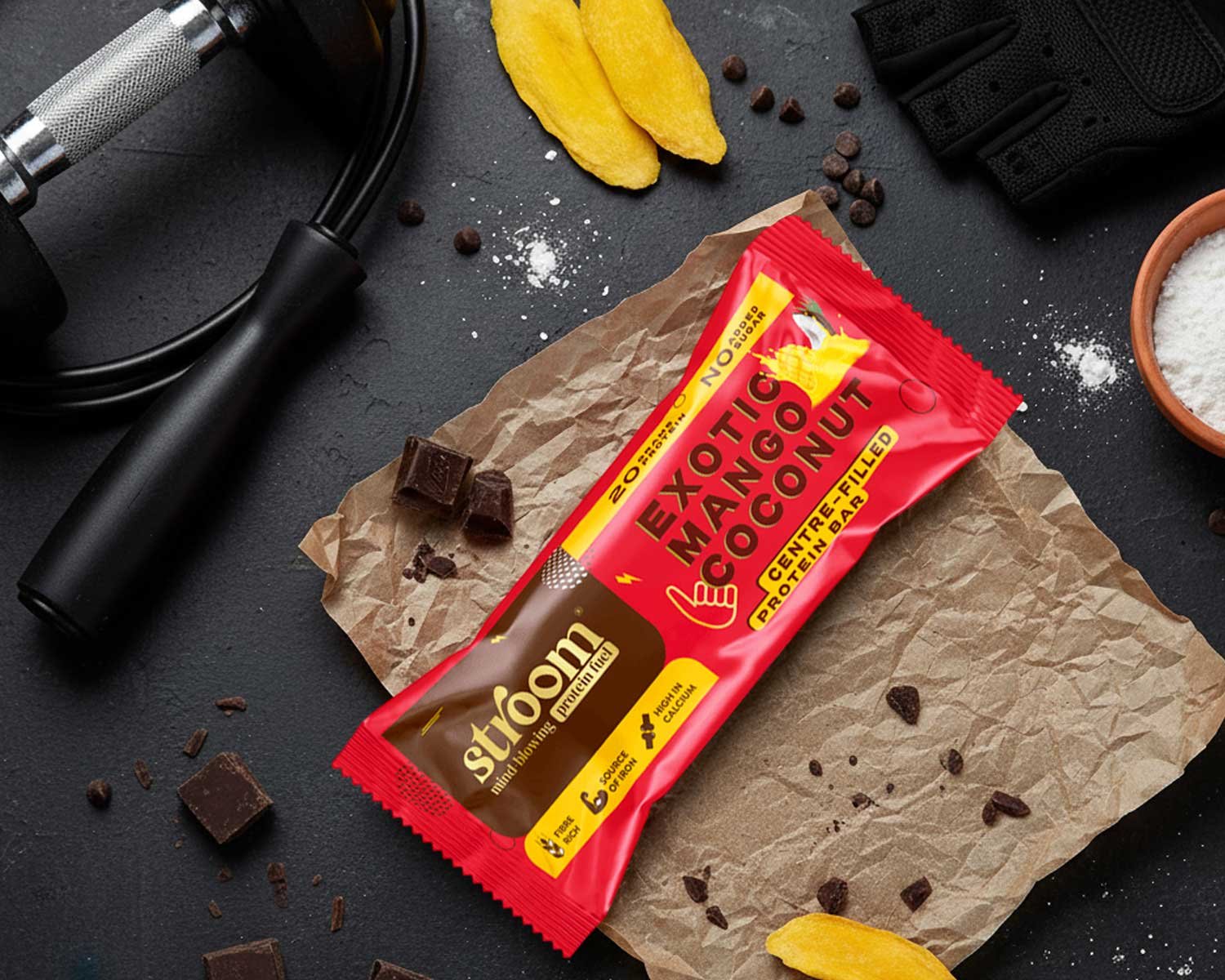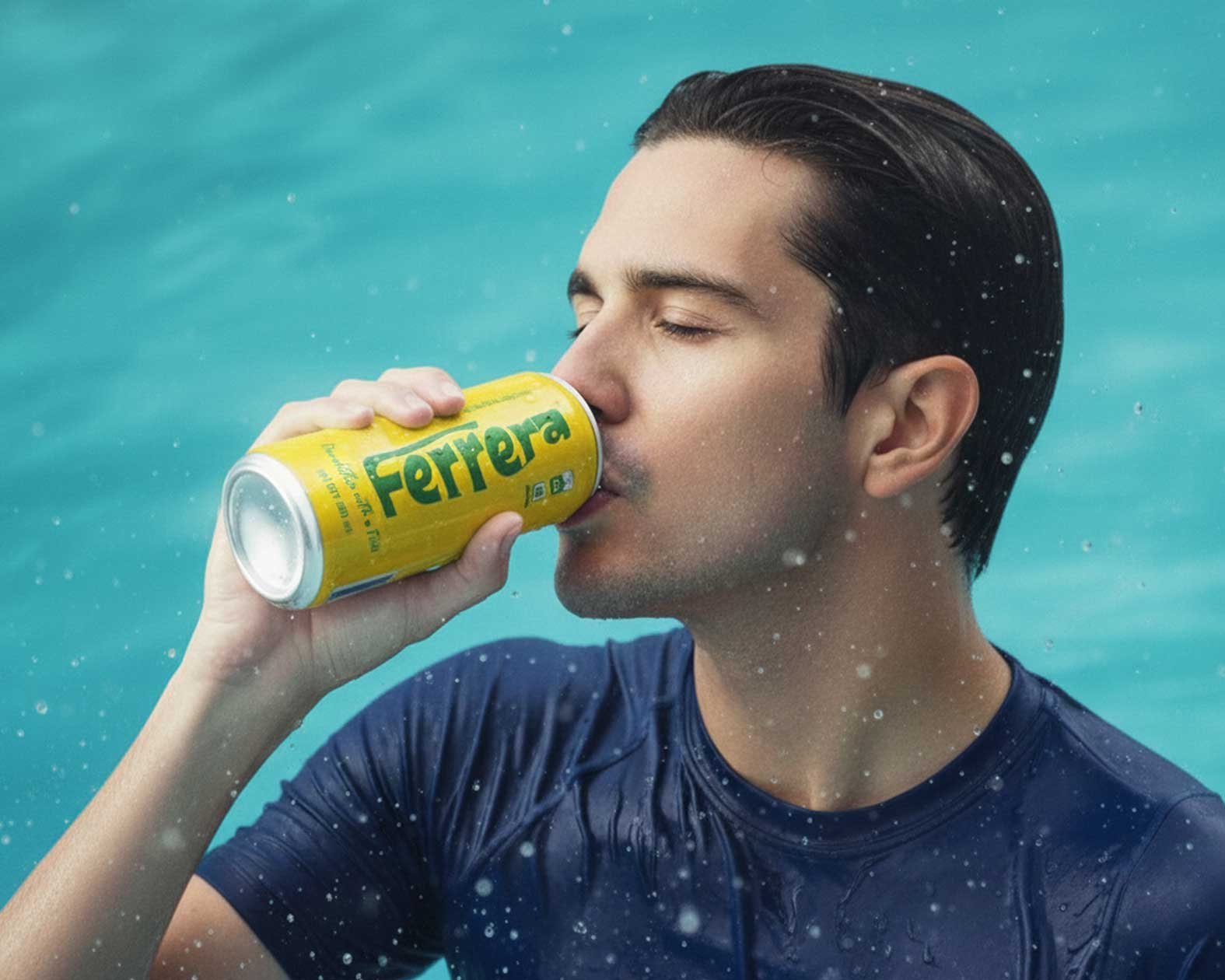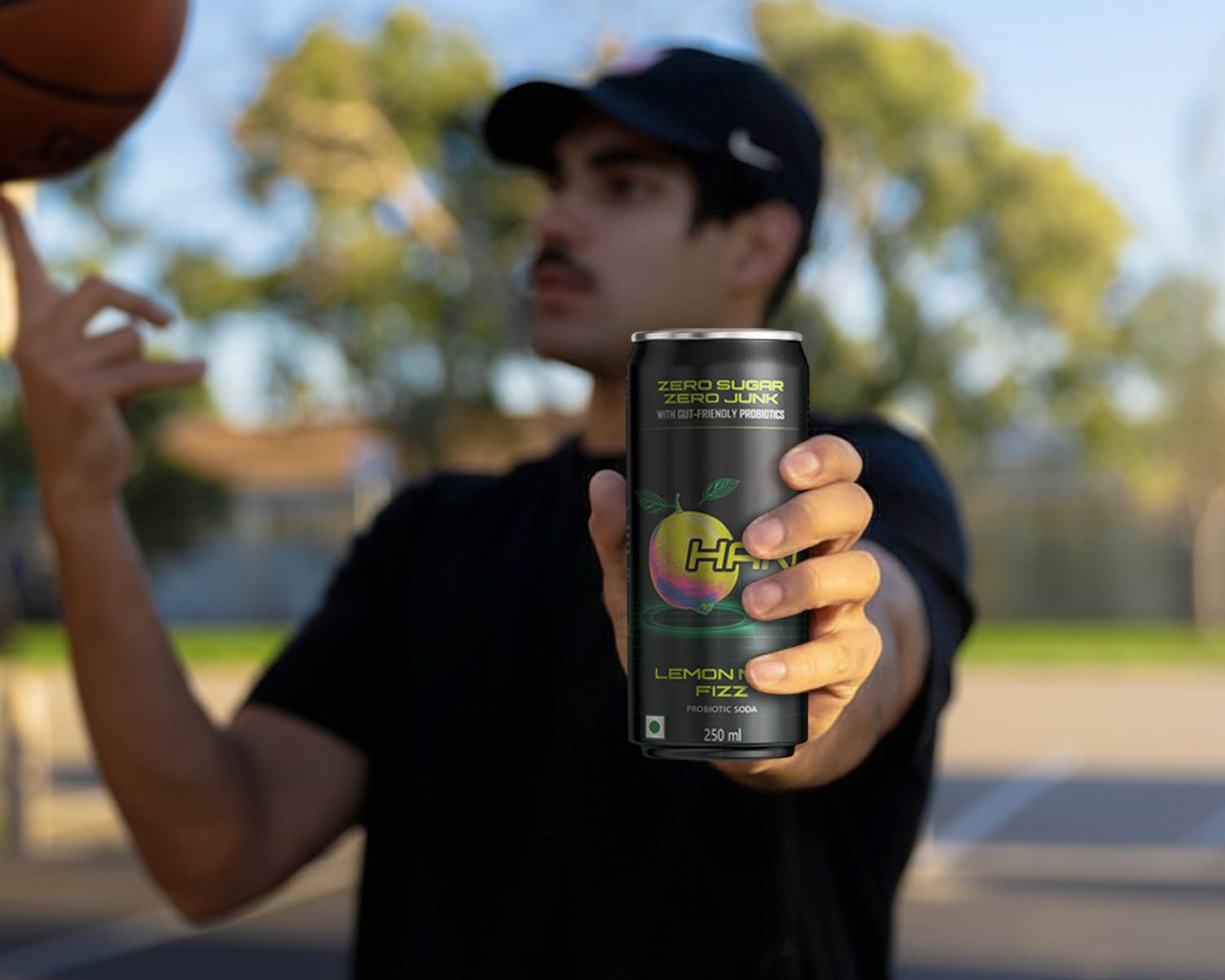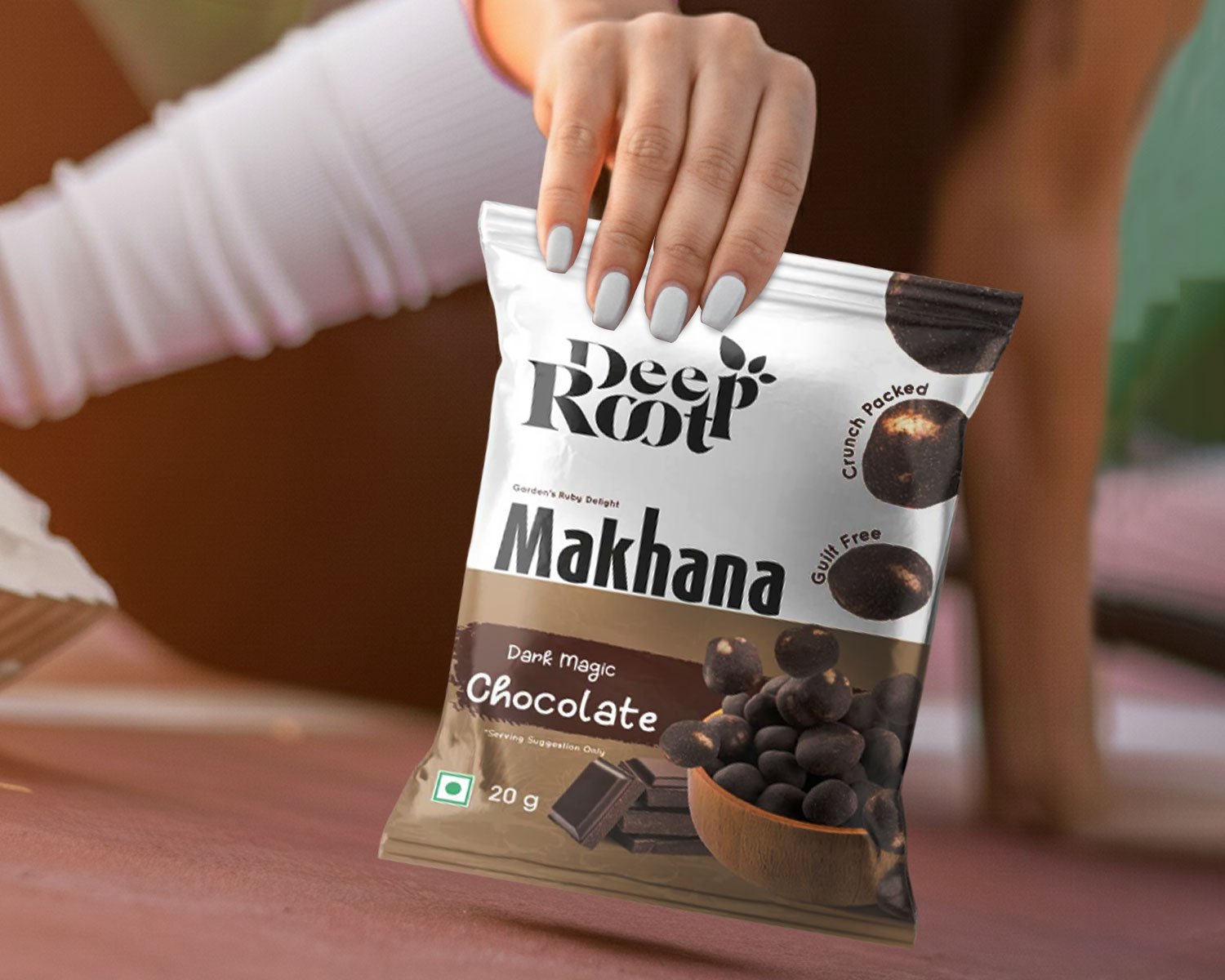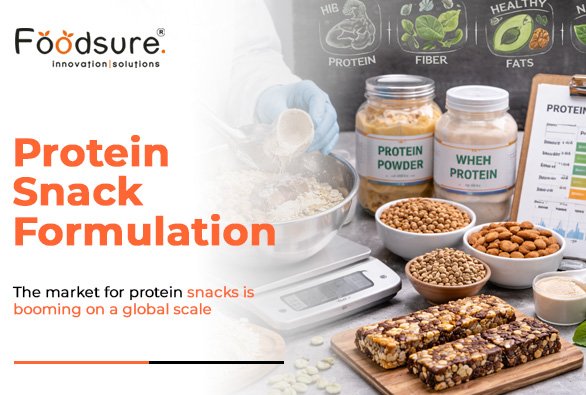
The global demand for protein snacks is rising rapidly as consumers increasingly look for healthier and more functional food options. What was once a gym-focused trend has now become a mainstream dietary habit among working professionals and families. As a result, the market is expanding with innovations such as snacks combining protein & functional fruits and other protein synthesis snack concepts designed for better daily nutrition.
However, despite strong demand, many products fail shortly after launch. In most cases, the problem is not marketing but weak protein snack formulation. Issues like poor taste, texture breakdown, shelf-life instability, and rising production costs often appear later, forcing brands into costly reformulation or product withdrawal. Scientific formulation is what ultimately determines whether a protein snack succeeds or fails in the market Food Consultant.
Want to optimise your Food Business? Request a free consultation!
Food Product Development Services – Click Here
The Core Reasons Protein Snacks Fail
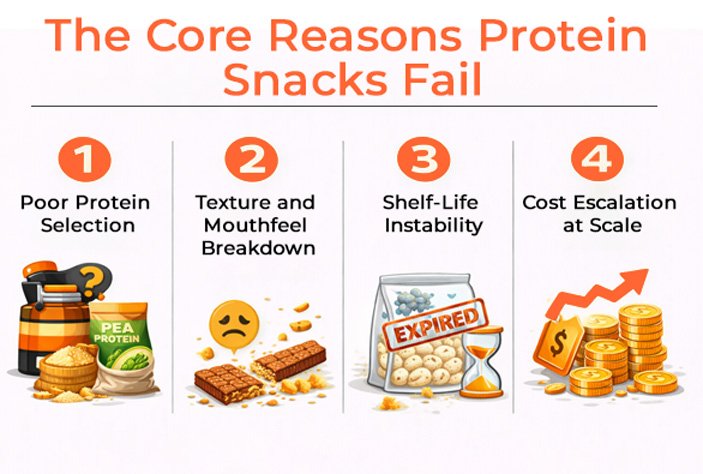
1. Poor Protein Selection
Protein snack formulation should never be treated as a simple ingredient addition. Proteins are complex functional ingredients that behave differently depending on their origin, processing method, and interactions with other ingredients.
Many brands underestimate how proteins react to heat, moisture, and mechanical stress during production.
For example:
- Whey proteins can denature during baking or extrusion
- Plant proteins can introduce bitterness, grittiness, or colour changes
- Some proteins interact poorly with sugars or fats
If protein functionality is not evaluated early during protein snack formulation, these issues usually appear only during scale-up production.
2. Texture and Mouthfeel Breakdown
Consumers may accept functional foods, but they rarely tolerate poor eating experiences.
Common complaints from failed protein snacks include:
- Dryness
- Excessive hardness
- Chew resistance
- Chalky aftertaste
Most textural failures occur because of unbalanced moisture systems, incorrect fat distribution, or unsuitable protein particle size. If the snack becomes harder during storage, repeat purchase rates drop significantly.
Strong protein snack formulation ensures proper control over these variables, especially when developing innovative products such as protein & functional fruits snack combinations.
3. Shelf-Life Instability
Many protein snack formulation concepts appear stable during short pilot runs but fail during real-world storage.
Typical problems include:
- Moisture migration
- Fat oxidation
- Protein cross-linking
- Flavour degradation
These issues usually appear after 30–60 days of storage. When shelf-life stability is not tested under varying temperature and humidity conditions, brands face product returns, distributor complaints, and loss of consumer trust.
This becomes even more important for modern concepts such as protein synthesis snack products that combine protein with functional ingredients.
4. Cost Escalation at Scale
A protein snack formulation that performs well in a lab environment may not remain profitable at commercial scale.
Ingredient price fluctuations, expensive proteins, or specialised stabilisers can make production financially unsustainable. As a result, brands are forced into reactive reformulation, which leads to inconsistent product quality and weakens consumer confidence.
Effective protein snack formulation balances functionality, nutrition, and cost efficiency from the beginning.
You May Also Like: Art and Science of Food Formulation
How Scientific Formulation Solves These Problems
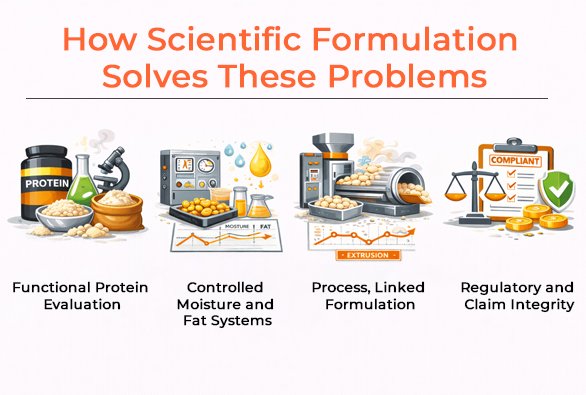
1. Functional Protein Evaluation
A successful protein snack formulation begins with a deep understanding of the protein being used.
Developers evaluate proteins based on:
- Hydration rate
- Thermal stability
- Binding capacity
- Interaction with fats and carbohydrates
Blending multiple protein sources is often used to balance nutrition, texture, and cost while reducing bitterness or grittiness.
This approach is especially useful when developing products that combine protein & functional fruits for enhanced nutritional benefits
2. Controlled Moisture and Fat Systems
Water activity control is essential for stable protein snacks.
Scientific protein snack formulation defines precise targets for:
- Water activity levels
- Fat distribution ratios
- Humectant systems
These parameters help maintain product softness without compromising shelf life.
Instead of relying on assumptions, formulations are validated using accelerated stability testing to ensure long-term performance.
Process, Linked Formulation
A scientifically designed protein snack formulation always considers the real production process.
Important factors include:
- Mixing time
- Shear force
- Extrusion temperature
- Baking profile
- Cooling rate
When formulation and processing parameters are aligned, products behave consistently from pilot trials to large-scale production.
This consistency is critical when developing advanced products like protein synthesis snack formats designed for modern functional nutrition.
Regulatory and Claim Integrity
Protein claims must remain valid throughout the product’s shelf life.
Scientific protein snack formulation ensures that:
- Declared protein levels remain accurate
- Clean-label requirements are maintained
- Allergen controls are properly managed
This prevents regulatory risks and expensive relabelling in the future.
Why Brands That Invest in Formulation Win Long-Term
Successful products are not always the fastest to launch. A strong protein snack formulation requires proper testing, pilot trials, and optimisation for large-scale production.
As the market grows, innovations like protein & functional fruits snacks and protein synthesis snack concepts are emerging. In this competitive category, scientific formulation is essential for building trust and ensuring long-term success.
 Featured Insight on LinkedIn
Learn why R&D is the real backbone of every successful food brand launch?
This thought-leadership article published on LinkedIn explains how research-driven decisions support innovation, regulatory compliance, and long-term growth in the food industry.
Need Expert Help to Launch Your Food Product Legally & Successfully?
Foodsure supports food brands with FSSAI-compliant labelling, pre-launch checks, and regulatory compliance to ensure a smooth and legal food product launch. We help prevent penalties and delays before your product enters the market.
What We Help You Solve
FSSAI label review and correction
Nutritional panel accuracy and ingredient validation
Claim verification and compliance
Packaging artwork and readability checks
Audit, inspection, and documentation support
Who We Work With
Startups launching new food products
FMCG and D2C food brands
Private label and co-manufacturers
Importers, exporters, and suppliers
FAQ’s (Frequently Asked Question)
What are plant-based high-protein snacks?
They are snacks formulated using plant protein sources such as pea, soy, rice, or legumes to deliver higher protein content without animal ingredients.
Why are plant proteins challenging to use in snacks?
Plant proteins interact differently with heat, moisture, and fats, often affecting flavour, texture, and shelf stability.
Which plant proteins are most commonly used in high-protein snacks?
Pea, soy, rice, chickpea, lentil, and fava bean proteins are widely used due to availability and nutritional value.
How can bitterness in plant-based protein snacks be reduced?
Bitterness is managed through protein blending, flavour-masking systems, and controlled processing conditions.
Why do plant-based protein snacks feel dry or gritty?
High protein levels can interfere with starch and fat systems, leading to poor moisture distribution and rough mouthfeel.
How is texture improved in plant-based high-protein snacks?
Texture is optimised using fine protein particle sizes, functional fibres, and precise control of processing parameters.
Do plant-based high-protein snacks have a shorter shelf life?
They can be moisture-sensitive, but proper formulation and high-barrier packaging significantly extend shelf life.
Is blending different plant proteins beneficial?
Yes — protein blends improve amino-acid balance, functionality, flavour, and overall product performance.
Are plant-based high-protein snacks considered clean-label?
They can be clean-label when formulated with natural stabilisers, flavours, and minimal additives.
What is the biggest mistake brands make in plant protein snack development?
Focusing only on protein percentage instead of balancing formulation, sensory quality, and stability.