A big change is happening in the Indian pantry because “snackification” is taking the place of traditional meal times. Not just a place for bodybuilders anymore, protein snacks in India have become a common need. At Foodsure, we are seeing a big change in protein going from being a supplement to a staple. This is because almost 70% of people don’t get enough protein every day. For B2B companies and food entrepreneurs, the best way to take advantage of this high-intent opportunity is to come up with new ways to fill this nutritional gap.
In this Blog we Covers Protein Snack Market Trends in 2026
The State of the Market: High Protein Snacks India
The demand for high protein snacks in India is no longer just a problem in big cities. Bengaluru and Mumbai are at the front of the pack, but Tier-2 cities are quickly adopting protein-rich diets. This change across the country is happening because more and more people are becoming aware of the lack of protein in their diets. As more people get access to the internet, people in smaller towns are putting healthy protein snacks that are easy to get and good for you at the top of their lists. As a result, protein snacks are becoming more popular in India, which means that brands that are willing to adapt their distribution strategies have a huge opportunity.
The Rise of Protein Snacks in India’s Changing Food Culture
India’s eating habits are evolving as snackification is taking over meal patterns. Consumers are increasingly deciding for convenient, smaller eating occasions throughout the day. In this change, protein snacks in India are turning a modern diet staple rather than a niche category of fitness enthusiasts. People have realized the importance of protein in energizing a body, supporting an active lifestyle, and balanced nutrition, which is causing a growing demand for healthy snack options. Food brands are responding to this trend by developing products that offer nutrition, taste, and convenience at one go. Protein chips made up of chickpeas, lentils, and soy are becoming a favorite snack item because they provide the traditional crunch of Indian namkeens along with the nutritional benefits. Meanwhile, protein bars and ready to eat snacks, are preferred by busy professionals and students for their quick and wholesome food choices. The Numbers Behind the Protein Snacks India Trend are as follows:
- Market Scale: By 2025, India’s healthy snack market is expected to be worth about $4.4 billion. Protein-rich snacks will grow 3.5 times faster than regular snacks.
- The Growth Engine: Quick commerce (10-minute delivery) has solved the problem of getting things to people, so busy professionals and urban students can get healthy protein snacks right away.
Key Segments: Beyond the Rise of the Protein Chips Market
The protein chips market is one of the most exciting changes happening right now. Indian customers have always liked the “crunch” of namkeens and potato chips. Brands are now giving the same sensory experience with a functional upgrade by using ingredients like chickpeas, lentils, and soy. Market Insight says that By 2030, protein chips and crisps are expected to bring in almost $100 million in sales. The fastest growth is happening in pea protein chips and crisps.
Surging Protein Bar Demand in India
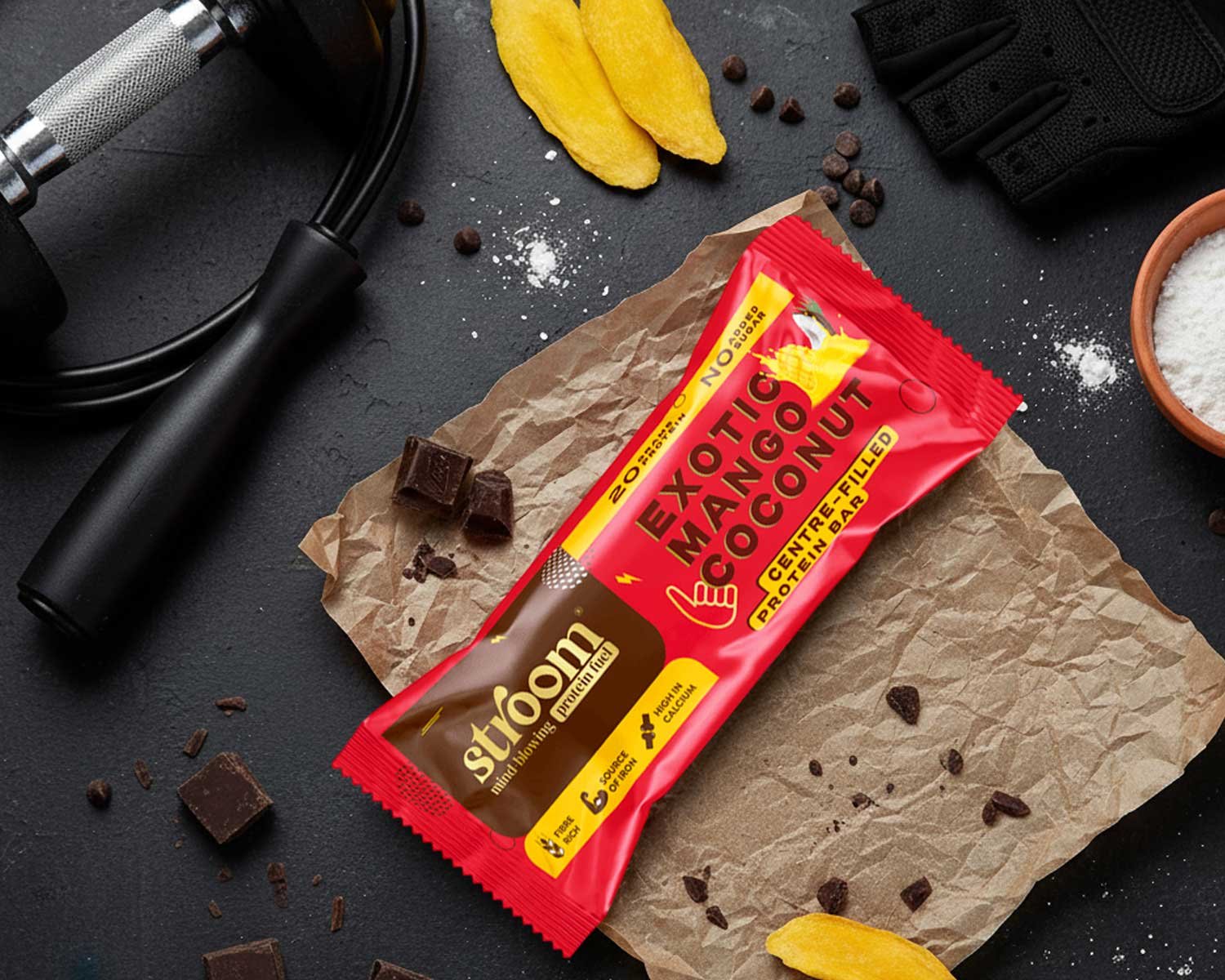
The protein bar demand in India is still a key part of the industry. Bars will be worth more than $130 million in 2025. They are the main “on-the-go” meal replacement for people who work in offices. The trend is moving toward “clean-label” bars, which don’t have any hidden sugars or fake binders.
2026 Trends Protein Snacks India to Watch
Food brands need to keep up with these changes in order to stay competitive protein snack trends:
- Plant-Based Dominance: Plant-based sources (Pea, Soy, Brown Rice) now make up more than 60% of the protein snack market share. This is because there are a lot of vegetarians and flexitarians in India.
- Dessert-Inspired Flavors: Innovation is going in the direction of “indulgence without guilt.” Think of protein bars that taste like chocolate fudge brownies or protein shakes that taste like kulfi.
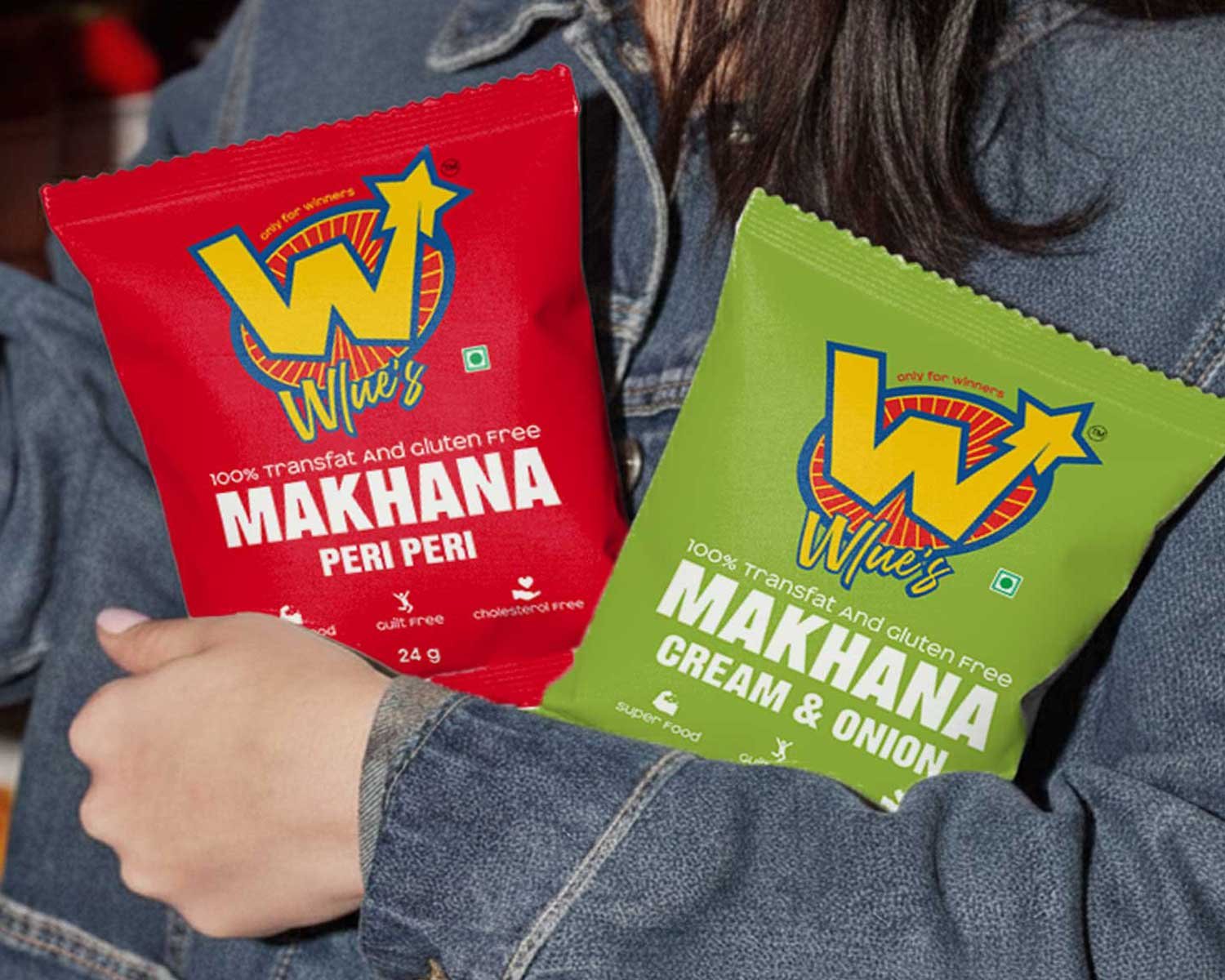
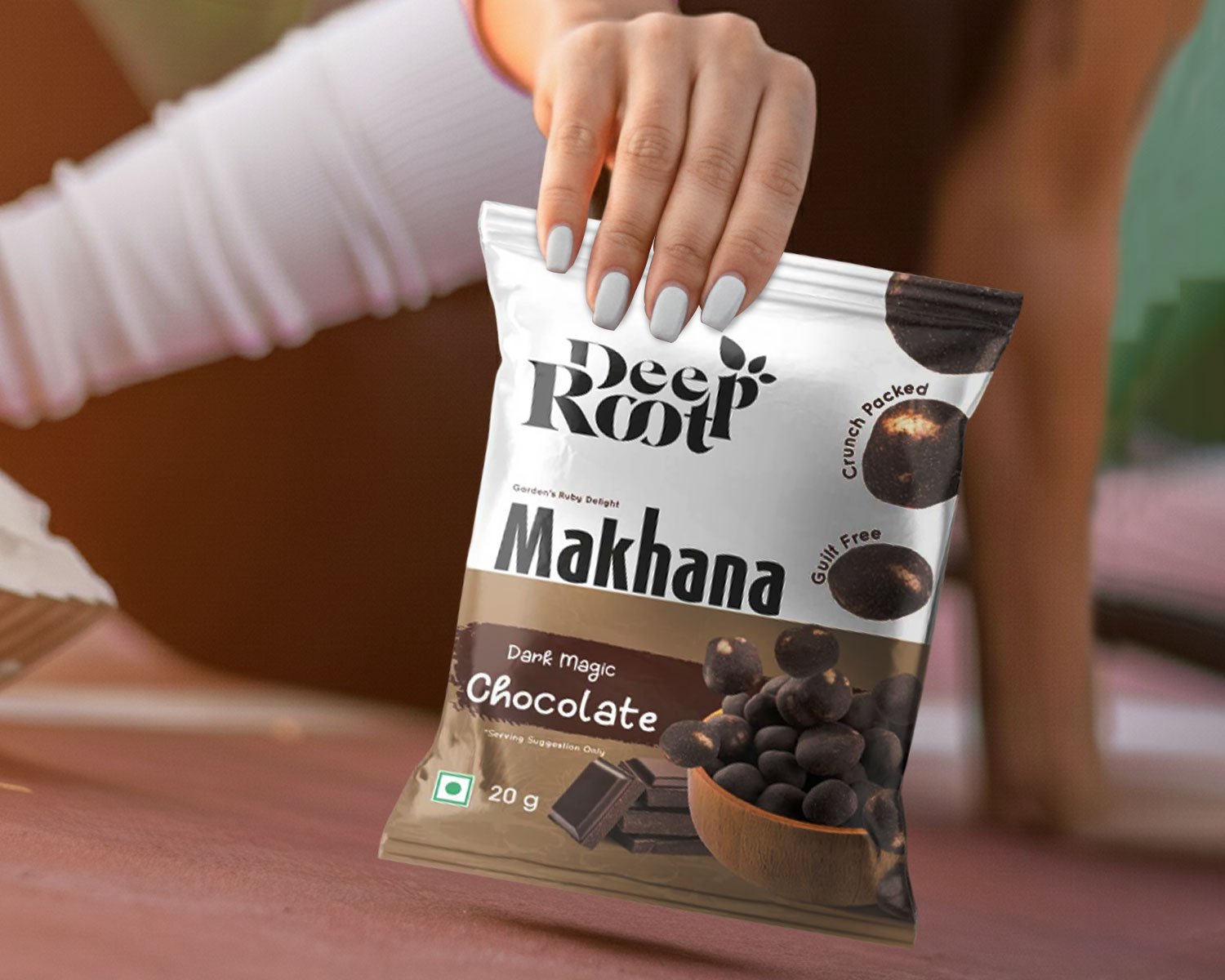
- Fortified Staples: We are seeing the “snackification” of staples, like high-protein roasted makhanas, cookies with extra protein, and even savoury protein-rich crackers.
- Functional Blends: People now want “Protein PLUS.” Products that have fibre, probiotics, or adaptogens in them to help with gut health and stress management are selling well.
How Foodsure Accelerates Your Entry into the Protein Snacks India Space
Making a product that has a lot of protein and also tastes good to Indian people who like “chatpata” or sweet flavours is a technical challenge.Foodsure gives you the B2B knowledge you need to turn these trends into profitable SKUs.
Our Specialized Services:
- Advanced Formulation:We fix the “chalky” texture that high-protein products often have, so your healthy protein snacks taste just as good as regular ones.
- Sourcing Strategy: We make sure your supply chain runs as smoothly as possible, from high-quality whey isolates to affordable local plant proteins.
- Market Readiness: We help you follow FSSAI’s strict 2026 rules for labelling protein claims, making sure your packaging is both legal and eye-catching.
Conclusion
The “Protein Gap” in India is the food industry’s biggest chance for the next ten years. Brands that put taste, transparency, and accessibility first will do well in the market as people switch from empty calories to foods that are high in nutrients.
Ready to dominate the Indian protein snack market?
Contact us at +918130404757 today to consult with our food technologists and start your journey from concept to consumer.
FAQs
Are the rules for protein snacks in India different from those for regular snacks?
Yes, starting in 2026, FSSAI will require strong scientific proof and lab-validated data for any “High Protein” or functional health claims on packaging.
What is causing the protein chips market to grow so quickly?
“Permissible indulgence” is what is driving the growth. This is when people trade in high-carb potato chips for lentil, chickpea, or soy-based crisps that have a familiar crunch and more nutrition.
Why are corporate professionals in India buying more protein bars?
Protein bars are now the most popular meal replacement for people who work in cities because they are easy to carry, last a long time, and give you energy for long hours at work.
Can plant-based foods meet India’s growing need for high-protein snacks? Definitely! New pea, soy, and brown rice proteins let brands make snacks that are just as good as animal-based ones for India’s large vegetarian population.
What is the hardest part about making healthy protein snacks?
The main problem is keeping the taste and texture “non-chalky,” which needs expert formulation to find the right balance between high protein levels and moisture and natural flavours.