Making a new food product used to take forever, sometimes months or even years. But things have changed. People’s food choices are changing super fast, and there’s a lot of competition out there. That’s why food companies are now using something called rapid prototyping in food product development.
It’s a faster, smarter way to try out new food ideas. Now, things have become easy and fast because of rapid prototyping in food product development. It helps brands create samples quickly, test them, fix what’s not working, and launch sooner, all without spending too much money. Whether you’re a new startup with a cool snack idea or a big brand working on the next big thing, rapid prototyping is making food development quicker, easier, and way more exciting.
What Is Rapid Prototyping In Food Product Development?
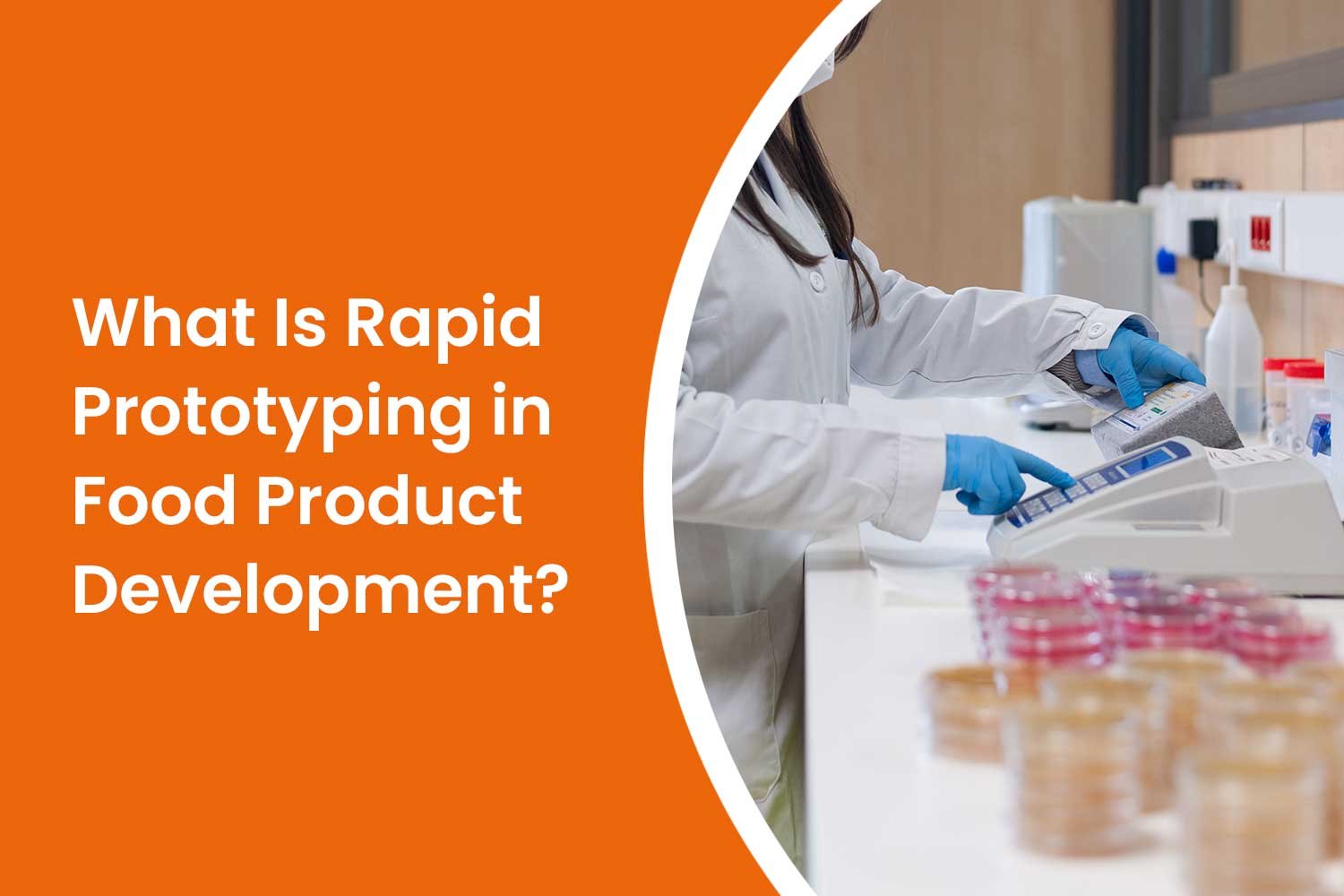
Before moving ahead, let’s understand rapid prototyping in the food industry. It means creating small-scale batches or a prototype food product to quickly test taste, texture, shelf life, packaging, and consumer appeal during food product development.
Unlike traditional trial-and-error methods, rapid prototyping in food development enables faster iterations, real-time feedback, and better market alignment. With nearly 80% of new launches failing, rapid prototyping in food and AI-driven tools make food prototype development smarter, reduce risk, and speed up success.
Instead of taking 6-12 months, you can develop and test a product in just 2-4 weeks.
Why the Shift? Global Trends Driving Rapid Prototyping In Food Development
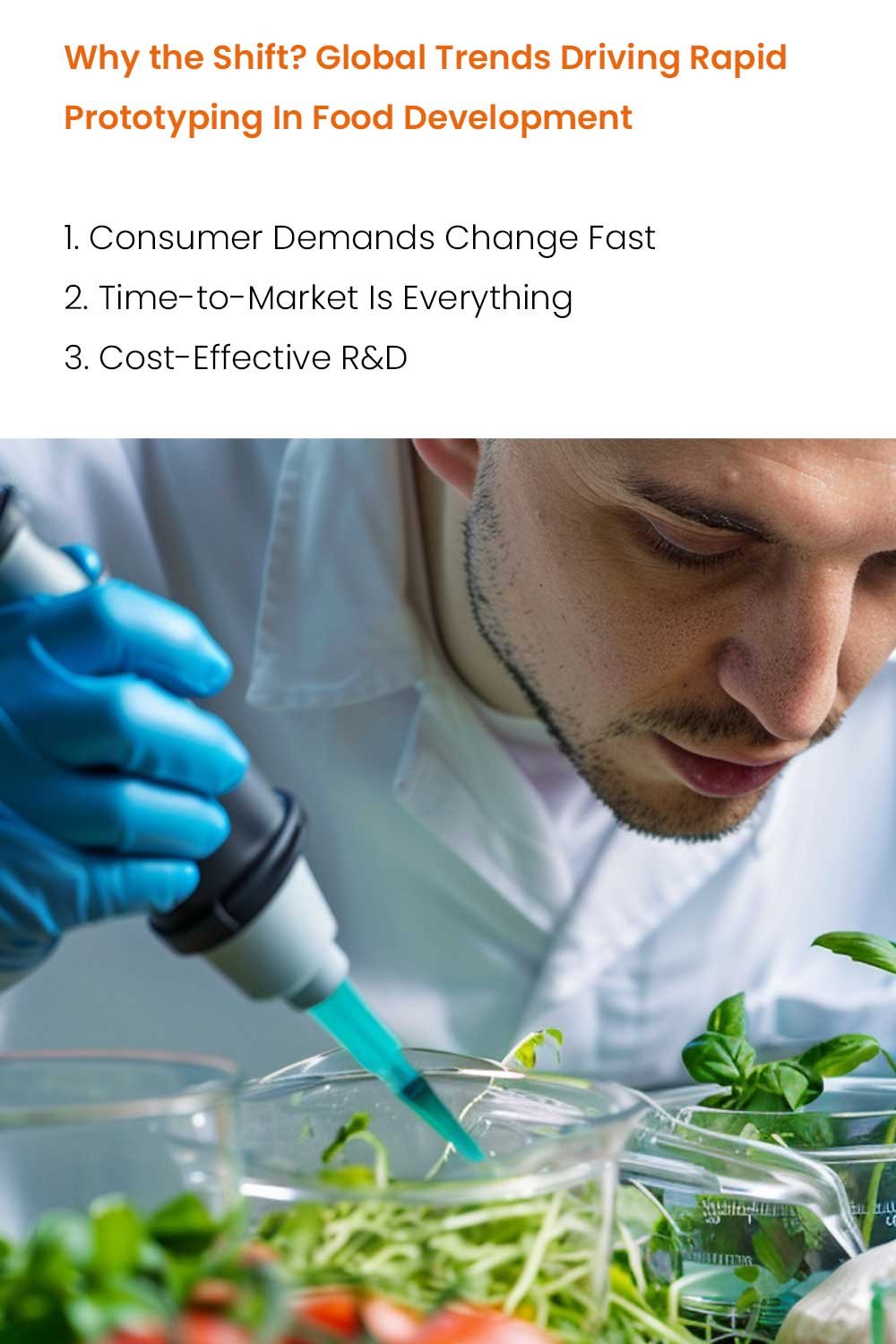
1. Consumer Demands Change Fast
Mintel Research shows that 73% of Canadian consumers enjoy exploring global flavours, highlighting a strong demand for new and innovative food products. This reflects a global trend of consumers constantly seeking fresh tastes.
Without rapid prototyping in the food industry, brands risk launching products that are outdated by release. As consumer preferences evolve quickly, fast prototyping is essential to stay relevant and competitive.
2. Time-to-Market Is Everything
In today’s competitive market, speed matters more than perfection. Rapid prototyping in food product development enables a fail-fast, learn-fast approach, allowing brands to test multiple versions quickly and select the best one before full-scale launch. This process reduces risk, saves time and cost, and helps companies bring innovative products to market faster.
3. Cost-Effective R&D
Traditional food product development can be time-consuming and costly. Rapid prototyping in food development reduces waste, lowers ingredient costs, and shortens R&D cycles.
With modern tools like small-batch equipment and 3D food printers, brands can quickly test recipes, textures, and formats without large-scale production. This enables faster learning, lower costs, reduced food waste, and quicker market launch.
How Does Rapid Prototyping in the Food Industry Work?
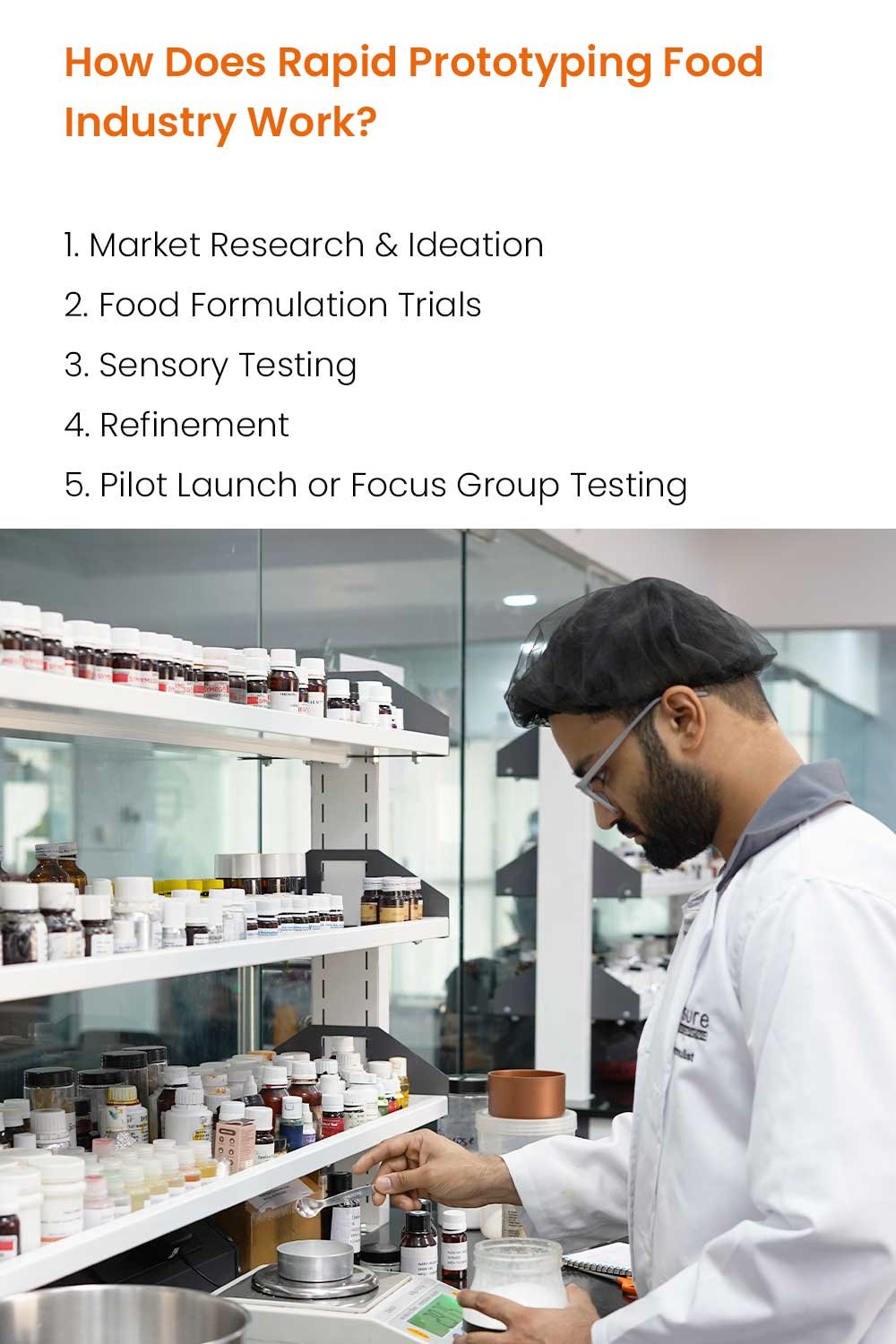
Here’s a simplified step-by-step flow:
1. Market Research & Ideation: Understand current trends like high-protein snacks or gut-friendly foods. Accurate market research can take you to the sky. To make innovation research and perfect ideation planning requires.
2. Food Formulation Trials: Create small prototypes using bench-top equipment. Trials are the step where you can check the flavour, aroma, and everything, and come up with the best.
3. Sensory Testing: Run internal and external tasting panels for feedback. Sensory panel gives you a real review, but also, you should also take reviews from consumers who are actually going to be your target audience.
4. Refinement: Quickly improve texture, flavour, ingredients, and nutrition. After the review process, work on the gaps and make things perfect with the research and development teams.
5. Pilot Launch or Focus Group Testing: Share with a small target audience or retailers.
This iterative process helps in reducing risk and making evidence-backed decisions. If you want to make an impact in less time, seek expert help for rapid prototyping in food product development Today! Don’t waste the time.
Real-World Examples Of Rapid Prototyping In Action
- Open Meals uses 3D printing to create a digital recipe database, supporting global food product development through rapid prototyping in the food industry.
- NotCo & Perfect Day combine AI with rapid prototyping in food development to speed up innovation in food and improve plant-based formulations.
- Impossible Foods tested 100+ prototype food products before launching its burger, showing how rapid testing strengthens success and reduces risk.
Benefits Of Rapid Prototyping In Food Development
| Benefit | Impact |
| Faster Time-to-Market | Launch in weeks instead of months |
| Lower Development Costs | Reduce waste and unused batches |
| Real-Time Consumer Feedback | Quickly adapt to likes/dislikes |
| Greater Innovation Freedom | Test bold ideas with high risks |
| Agile and Scalable Process | Easy to replicate and expand across SKUs or regions |
Technologies Supporting Rapid Prototyping in the Food Industry
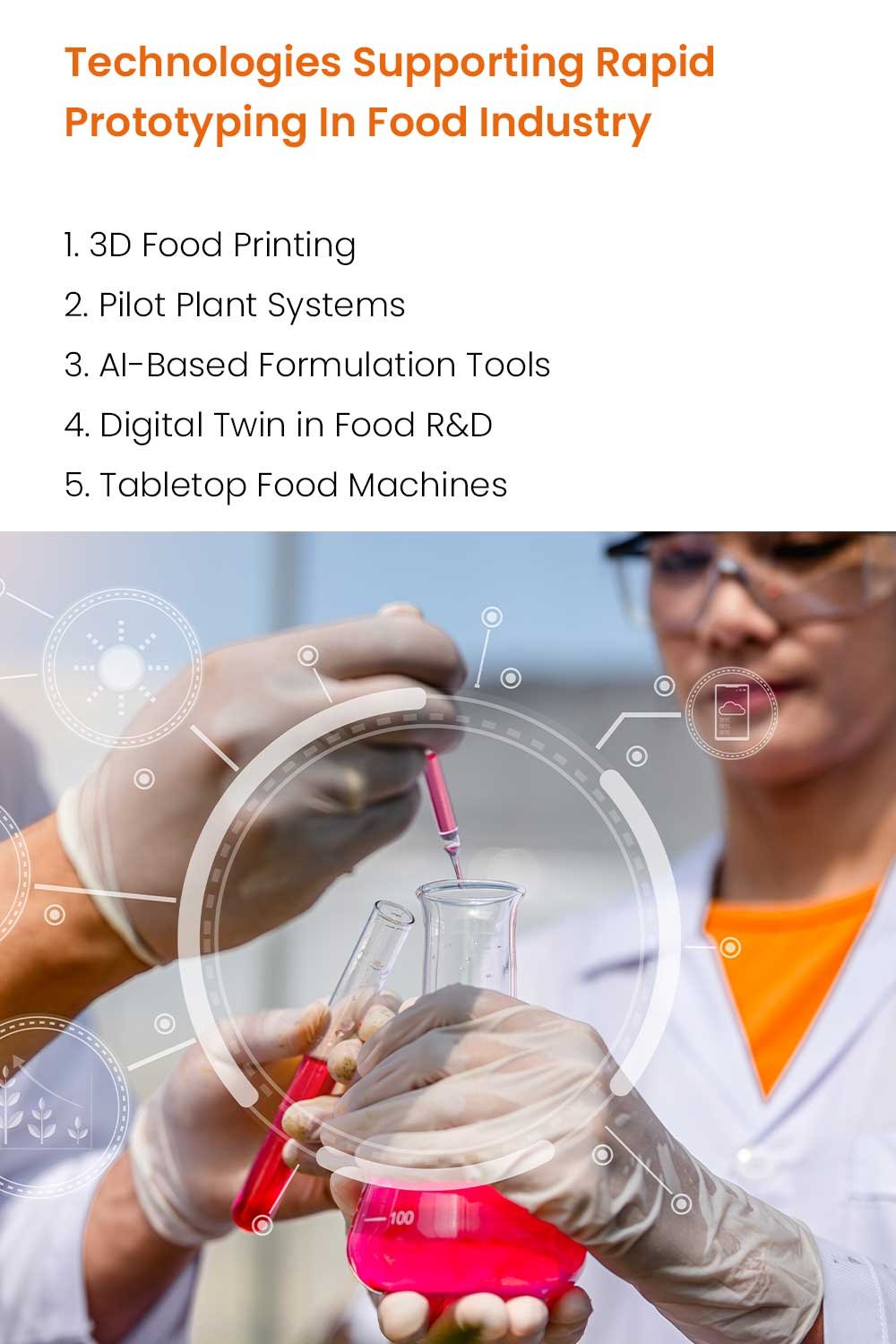
1. 3D Food Printing: Enables custom shapes, edible layers, and personalisation in food product development through rapid prototyping in food.
2. Pilot Plant Systems: Small-scale, production-like setups that support rapid prototyping in food development before full commercialisation.
3. AI-Based Formulation Tools: Software-driven solutions that enhance innovation in food by suggesting optimised ingredient combinations.
4. Digital Twin in Food R&D: Simulation technology that improves food prototype development, shelf-life prediction, and product performance.
5. Tabletop Food Machines: Compact equipment for bars, powders, beverages, and sauces, enabling faster prototype food product testing in the food industry.
| Technology | Role in Food Prototyping | Example Use Case |
| 3D Printing | Creates complex shapes, textures, and personalised foods | Printing plant-based meats or decorative desserts |
| Artificial Intelligence | Predicts consumer trends, optimises recipes and speeds up ingredient discovery | AI platforms like Giuseppe for plant-based recipes |
| Computer-Aided Design (CAD) | Designs food shapes and structures digitally before printing | Custom chocolate moulds or pasta shapes |
Challenges To Keep In Mind
While the advantages are strong, there are also some challenges that you should keep in mind for the perfect plan execution. A few limitations exist:
- Shelf-life testing can’t be rushed.
- Regulatory approvals (like FSSAI and FDA) still take time.
- Taste and texture may vary at scale.
- Investment in pilot labs or contract food labs might be needed initially.
Still, these hurdles are far fewer than those in traditional food development.
Rapid Prototyping Is Not Just for Big Brands
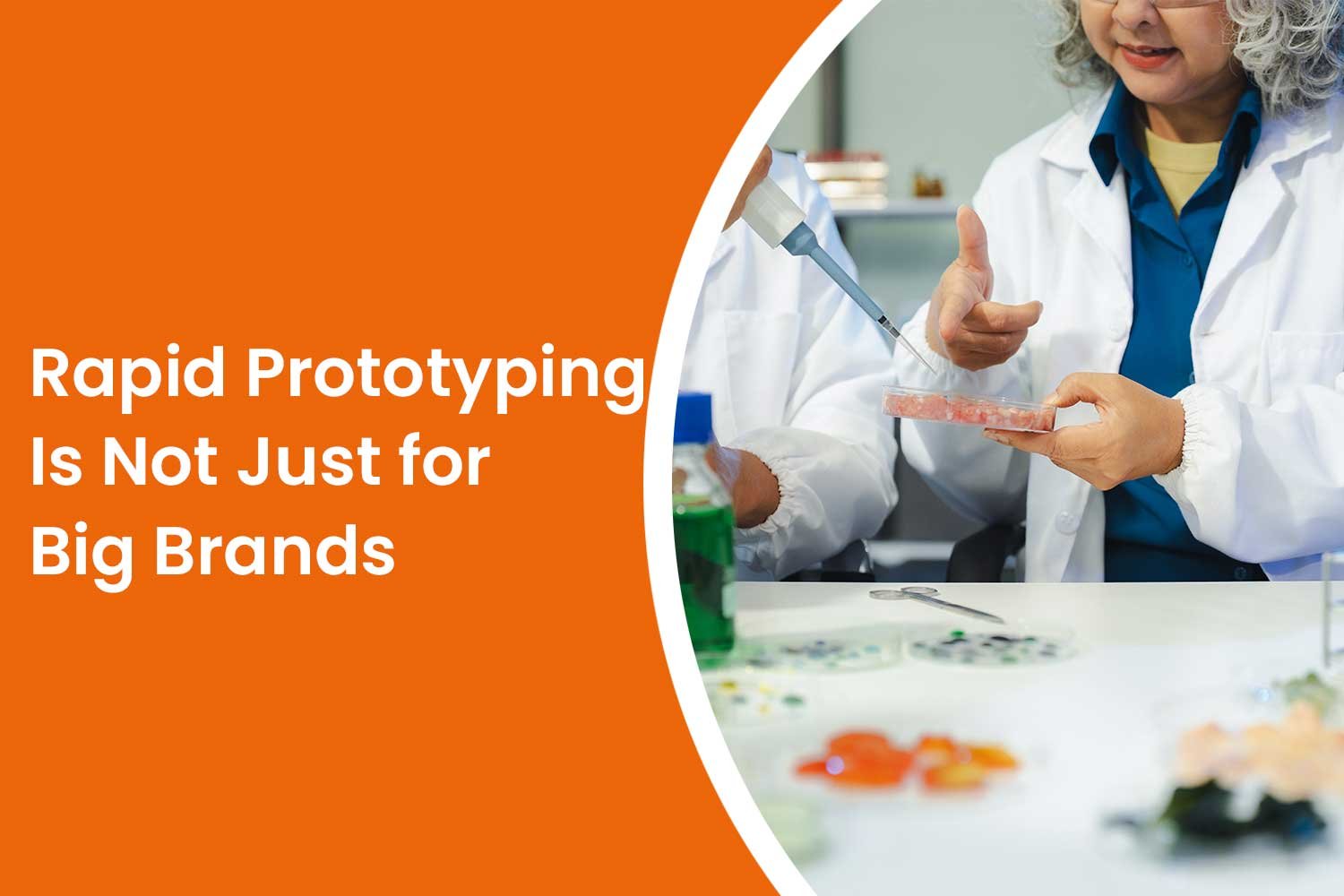
Even if you are a startup, you still need rapid prototyping in food and AI-driven innovation in food product development to stay competitive. With access to shared food labs, co-manufacturers, and expert formulation consultants, even small brands and D2C startups can leverage rapid prototyping and sustainable development strategies to turn ideas into successful products faster.
The Future Of Food Belongs To The Fast
For companies still relying on slow, traditional product development methods, it’s important to rethink the process. Rapid prototyping provides a smarter, more efficient path to innovation, one that keeps pace with today’s dynamic food trends and market demands. Rapid prototyping in the food industry is not just a passing trend; it’s a major shift in how food products are developed today.
If you’re in the food business and still following the old-school food R&D playbook, it’s time to rethink. Contact Foodsure to stay ahead in the food market. Call us at +91 8130404757
The global food industry is evolving, are you?
FAQs
Q1. What is rapid prototyping in food product development?
Rapid prototyping means quickly creating small-scale food samples or mock-ups to test taste, texture, packaging, and consumer appeal before full-scale production.
Q2. Why are food companies shifting to rapid prototyping?
Because it drastically reduces development time, lowers R&D cost, and allows faster launch compared to traditional months-long processes.
Q3. How quickly can a prototype be ready compared to traditional development?
Instead of 6-12 months, a prototype can be developed in as little as 2–4 weeks using rapid prototyping.
Q4. What are the main benefits of using rapid prototyping in food development?
Faster time-to-market, lower waste and cost, real-time feedback, flexible recipe iterations, and quicker scaling decisions.
Q5. What does the rapid prototyping process typically involve?
Steps include market research & ideation, small-batch formulation trials, sensory testing, refinement, pilot testing/focus groups, and then scale-up.
Q6. Is rapid prototyping suitable even for small startups or D2C food brands?
Yes, even small brands can use shared kitchens, small-batch tools or external labs to prototype without heavy investment.
Q7. Can rapid prototyping help reduce product failure risk?
Yes, by testing and refining early, companies can detect flaws, get feedback and improve before committing to large-scale production.
Q8. What types of food products work well with rapid prototyping?
Snacks, beverages, health foods, plant-based items and other innovative or trend-driven products fit especially well for rapid prototyping.
Q9. What are some limitations or challenges with rapid prototyping in food development?
Challenges include ensuring shelf-life and stability, regulatory compliance, and taste or texture changes when scaling from prototype to full production.
Q10. Why is rapid prototyping becoming essential in the modern food industry?
Because consumer demands change quickly, rapid prototyping helps brands stay agile, launch timely products, and stay ahead of the competition.