India’s food-tech industry is growing quickly, and brands now need to launch healthier, safer, and more innovative food products. With people choosing high-protein snacks, clean-label foods, plant-based meals, and functional drinks, companies must work smarter to stay ahead. This is why smart R&D labs, built with automation, data systems, and modern testing tools, are changing the way Food Product Development happens in India.
These labs help food companies create new products faster, reduce guesswork, improve quality, and bring ideas to the market more quickly than old-style R&D methods.
1. Food Product Development With Automation
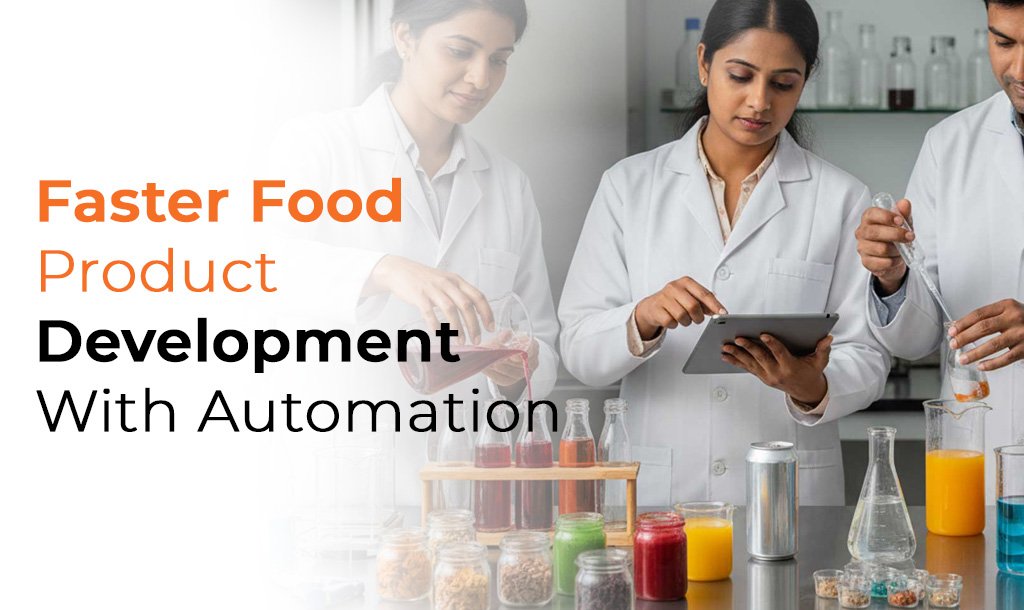
Traditional R&D relies heavily on manual trials, which increases time, cost, and inconsistency. Smart labs transform food product development by integrating:
- Automated formulation and batching tools
- Digital recipe storage with version tracking
- Ingredient modelling and substitution analysis
- Multiple parallel product trials
- Real-time documentation for product development compliance
This reduces human error, improves accuracy, and shortens time-to-market. Brands can quickly validate concepts like millet-based snacks, protein drinks, or fortified foods while ensuring early-stage food product compliance and smoother regulatory approvals.
Also learn about: Trends in Food Product Development.
2. Data Systems Help Understand Indian Consumer Choices
Modern smart labs use data intelligence to align food product development with real consumer demand. They evaluate:
- Regional and cultural flavour preferences
- Urban vs. rural buying behaviour
- Nutritional gaps and wellness trends
- Clean-label and natural ingredient demand
- Allergen and ingredient sensitivity patterns
By combining market data with formulation science, brands reduce guesswork and increase product success rates. This approach strengthens food regulatory compliance, ensures accurate labelling, and helps create products that truly fit India’s evolving health-conscious market.
Also learn about: The Real Cost of Food Product Development.
3. Better Quality, Consistency & Shelf Life
Consistency is critical for scalable food product development. Smart R&D labs use automation and controlled testing environments to improve:
- Ingredient measurement precision
- Mixing, heating, and processing controls
- Texture and sensory consistency
- Stability testing and shelf-life prediction
- Microbiological validation for food product compliance
This minimises batch variation and reduces product recalls. It is especially valuable for dairy products, ready-to-eat meals, nutraceutical beverages, snacks, and plant-based alternatives where stability and safety are essential for food regulatory compliance.
Also learn about: MVP in Food Product Development.
4. Helping Brands Meet Clean-Label and Safety Rules
With increasing consumer awareness and stricter FSSAI norms, smart labs play a vital role in ensuring food regulatory compliance. They help brands:
- Develop clean-label formulations
- Replace artificial additives with natural alternatives
- Validate ingredient sourcing and safety
- Maintain detailed documentation for audits
- Conduct required lab testing before market launch
This structured system strengthens food product compliance, simplifies approvals, and builds long-term consumer trust. As demand for transparent and healthier products grows, smart R&D ensures innovation does not compromise safety or quality.
5. Lower R&D Costs for Startups and Manufacturers
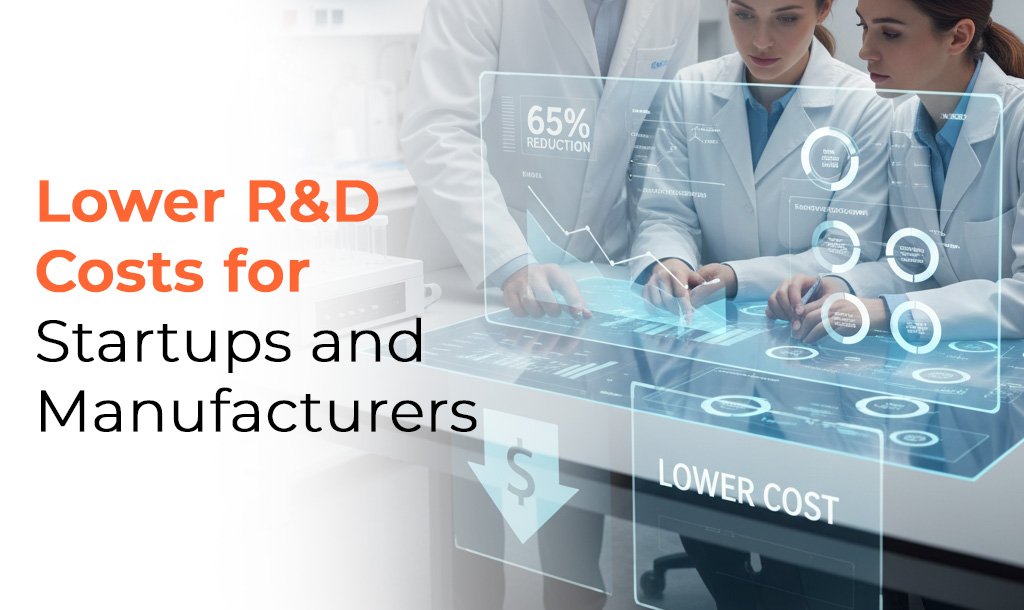
Many food-tech startups in India operate with limited budgets, making cost control critical in food product development. Smart R&D labs help reduce expenses while improving efficiency and ensuring food product compliance and smooth food regulatory compliance.
They lower costs by:
- Cutting down failed trials and reformulations
- Reducing ingredient waste through precise measurements
- Automating repetitive formulation and testing processes
- Accurately scaling products from lab to factory without quality loss
By improving efficiency and maintaining strong product development compliance, smart R&D systems make innovation faster, safer, and more affordable for small and mid-sized food brands looking to grow sustainably.
6. Scalable Innovation for India’s Food-Tech Future
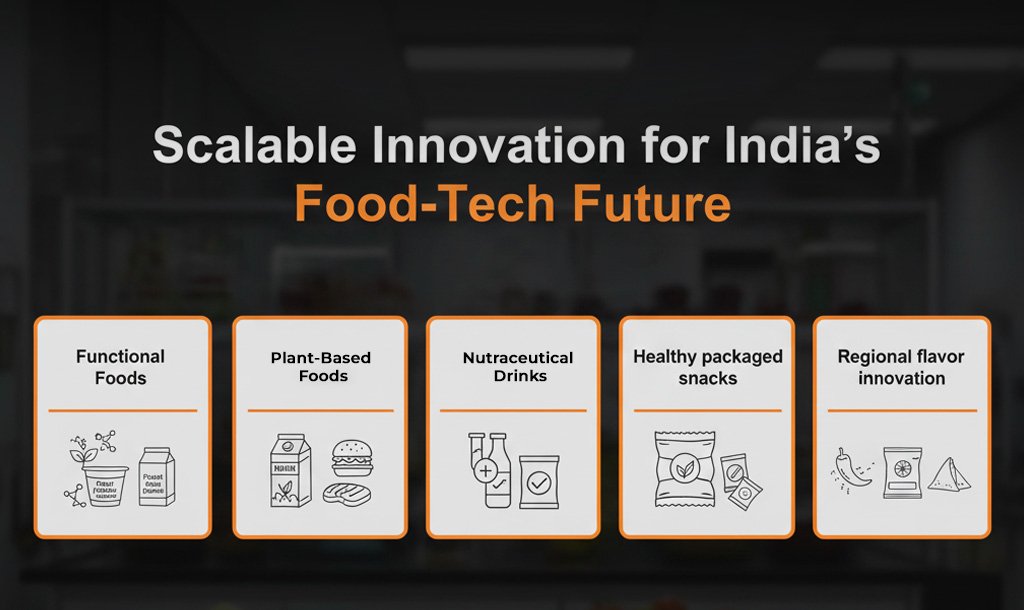
Technology will shape the future of India’s food industry. Smart R&D labs ensure that a product developed in the lab can be scaled commercially without compromising taste, texture, nutrition, or safety. This strengthens food product development, improves food product compliance, and supports faster food regulatory compliance approvals.
These advanced systems are driving growth in:
- Functional foods
- Plant-based foods
- Nutraceutical drinks
- Healthy packaged snacks
- Regional flavour innovation
By integrating automation, digital documentation, sensory evaluation, shelf-life validation, and regulatory testing, smart labs enhance product development compliance while reducing time-to-market and production risks.
Conclusion
Smart R&D labs are transforming Food Product Development in India, helping brands innovate faster, improve quality, reduce costs, meet evolving consumer demands, and stay compliant with safety regulations.
As India’s food-tech industry grows rapidly, companies that adopt smarter, structured R&D systems will lead the future of food innovation.
Ready to build your next successful food product? Our team at Foodsure combines smart R&D, regulatory expertise, and advanced lab support to turn your idea into a compliant, market-ready product, faster and smarter.
Call us today at +91 8130404757 and start innovating with confidence!
Launch Your Food Product with Zero Compliance Hassles – Get Expert Help Today!
(4.8 Rating)
FAQs
Q1. What are smart R&D labs in food product development?
Smart R&D labs use automation, advanced testing equipment, and data intelligence to create accurate, compliant, and market-ready food products faster.
Q2. Why are smart R&D labs important for food startups in India?
They reduce trial-and-error, speed up innovation, ensure FSSAI compliance, and help startups launch products quickly in India’s competitive food market.
Q3. How does automation improve food product formulation?
Automation ensures precise ingredient measurement, batch consistency, reduced wastage, and faster prototype testing.
Q4. How does data intelligence help food brands?
Data analytics identifies consumer trends, flavour preferences, nutrition demands, and pricing insights to build high-demand products.
Q5. Can smart R&D labs help with clean-label product development?
Yes, they support additive-free formulations, natural ingredient validation, and transparent labelling compliance.
Q6. Do smart labs ensure food regulatory compliance?
Advanced labs conduct required microbiological, chemical, and stability tests to meet FSSAI and safety standards.
Q7. How do smart R&D labs reduce time-to-market?
Faster testing, digital documentation, and automated trials significantly shorten product development cycles.
Q8. Are smart R&D labs cost-effective for food companies?
Yes, they reduce raw material waste, minimise reformulations, and lower long-term production costs.
Q9. What technologies are used in modern food R&D labs?
AI-driven analytics, automated mixing systems, rapid testing equipment, and digital quality monitoring tools.
Q10. How can food brands benefit from partnering with a smart R&D lab?
Brands gain expert formulation support, regulatory compliance assurance, faster approvals, and market-ready product development.