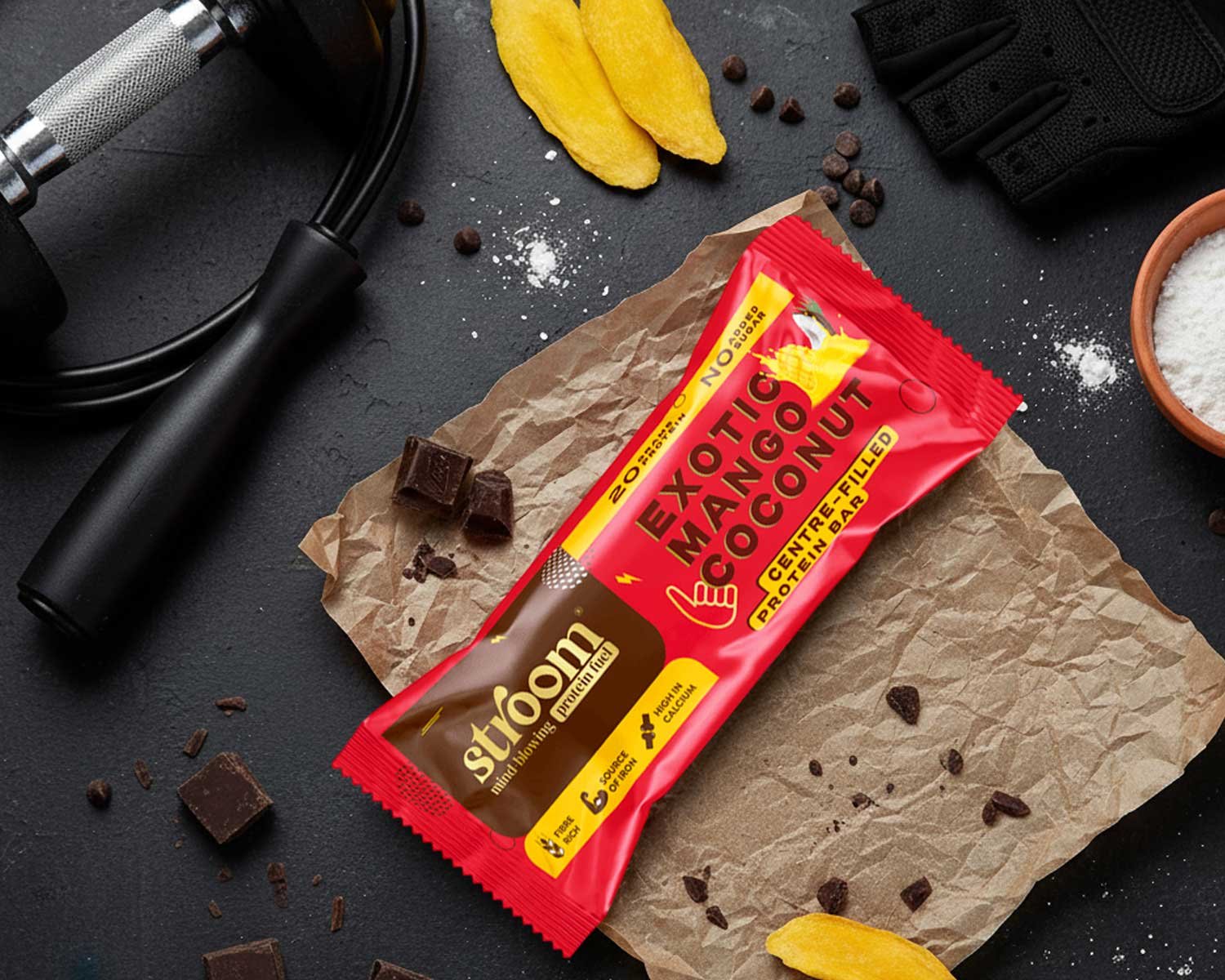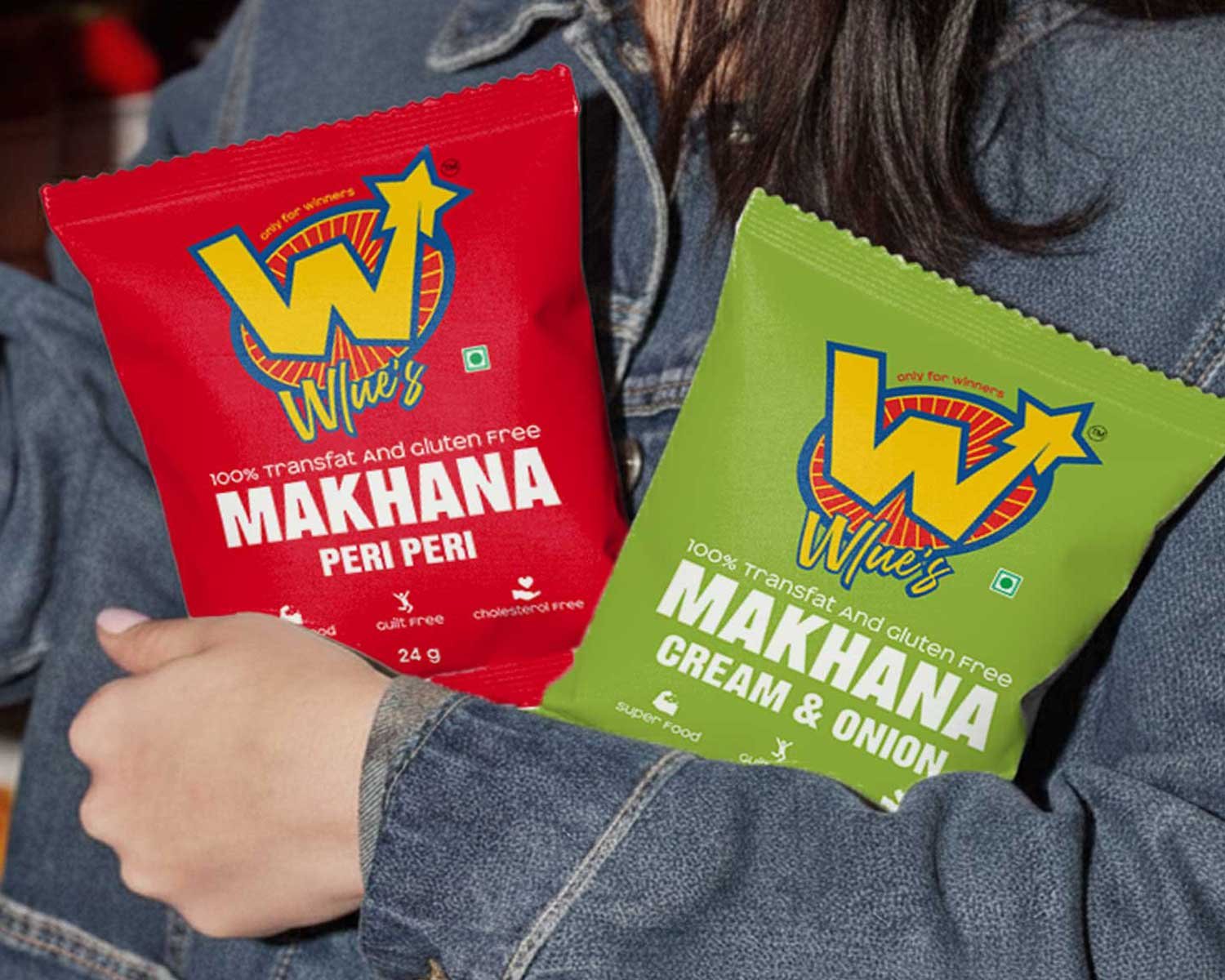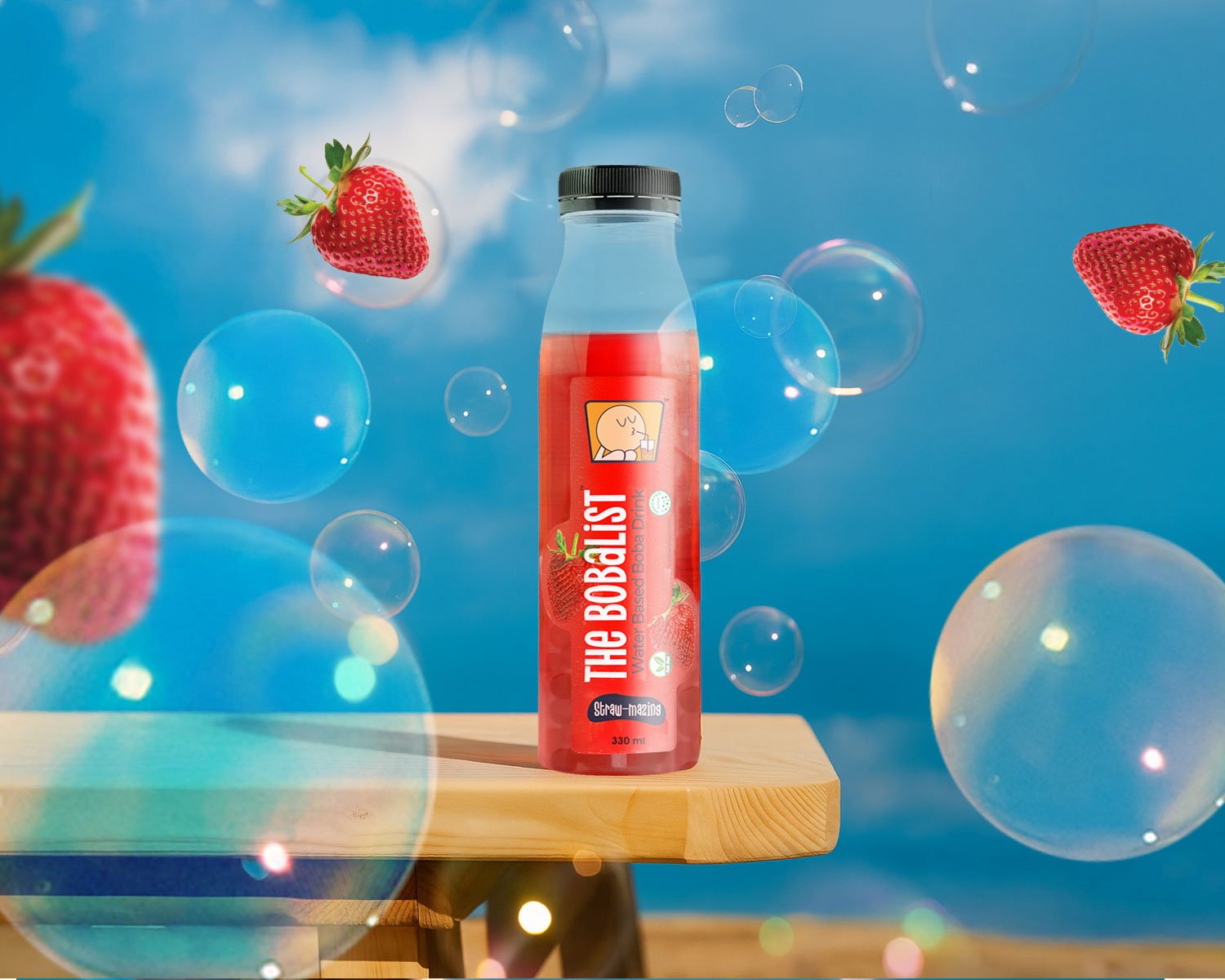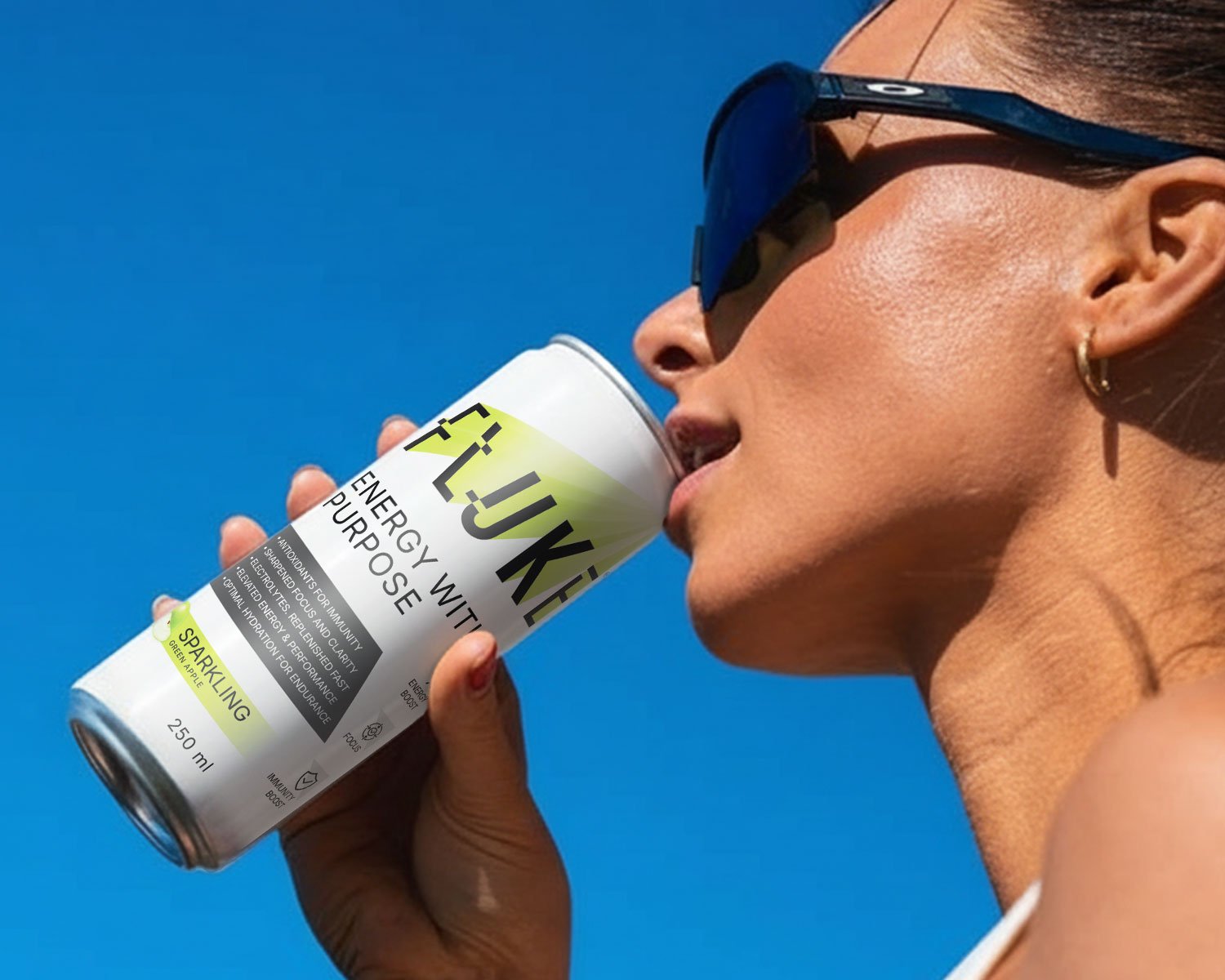
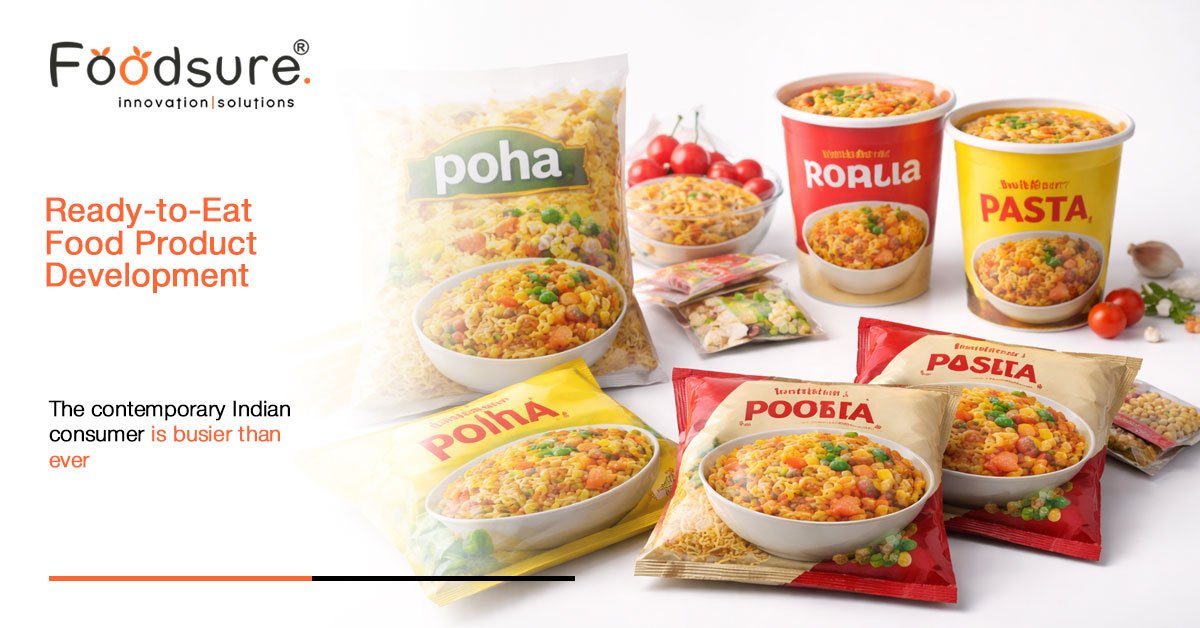
Consumers are no longer purchasing food, but convenience, trust and consistency. The contemporary Indian consumer is busier than ever, but is healthier and quality-conscious. It has been seen that ready-to-eat food product development is one of the rapidly growing opportunities in the food industry.
The need to have fast, clean and storeable food is on the rise in the case of working people, students, and nuclear families. Still, behind any successful RTE product, there is an organised process, which is a process that balances formulation science, compliance, shelf-life stability, and market positioning.
Why the RTE Market in India Is Growing Rapidly
The ready-to-eat segment in India is no longer niche, and it is growing at a rapid pace.
- The Indian RTE food market will reach $3.41 billion in FY2032.
- Growing at a CAGR of 16.40%
- The demand in the urban sector makes up more than 65% of total sales.
- Adopting more in the Tier 2 and Tier 3 cities because of e-commerce penetration.
Key Growth Drivers
| Factor | Impact on Market |
| Busy lifestyles | High demand for convenience foods |
| Nuclear families | Increased dependence on packaged meals |
| E-commerce growth | Wider accessibility across India |
| Health awareness | Rise of clean-label & functional RTE foods |
| Travel & on-the-go eating | Growth in portable meal formats |
This increases the level of competition that the ready-to-eat food startup in India is a good opportunity, but a competitive one.
Ready-to-Eat Food Product Development: Step-by-Step Process
1. Product Ideation & Market Validation
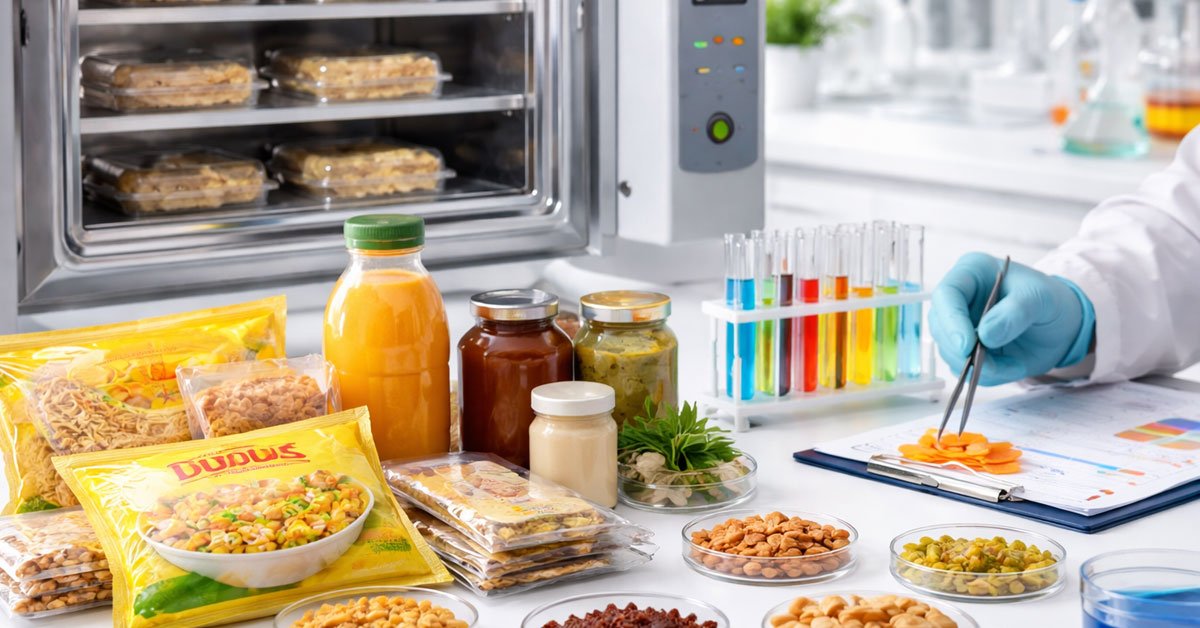
Validating before leaping into development:
- Who is your target audience?
- What problem are you solving?
- What gap exists in the market?
Example ideas:
- Protein-rich ready meals
- Local Indian food (dal, poha, biryani).
- Keto and vegan meals (diet-oriented meals).
Health + convenience + regional familiarity products are seen to be the best in India.
2. RTE Food Product Formulation India
Any successful product is founded on its formulation.
Key Considerations:
- Ingredient compatibility
- Retention of texture following processing.
- Taste stability over time
- Nutritional positioning
- Cost optimization
Common Challenges:
| Challenge | Impact |
| Ingredient degradation | Loss of taste & nutrition |
| Water activity imbalance | Microbial growth risk |
| Oil oxidation | Rancidity in shelf life |
| Flavor loss | Reduced consumer repeat rate |
The RTE food product formulation India strategy will make sure that your product is the same from batch 1 to batch 10000.
3. Processing Technology Selection
The selection of the appropriate processing process determines your shelf life and the quality of the product.
Common RTE Technologies:
| Technology | Shelf Life | Use Case |
| Retort processing | 6 – 12 months | Curries, rice meals |
| Aseptic packaging | 4 – 9 months | Dairy-based RTE |
| Freeze drying | 12+ months | Premium/export products |
| Vacuum packaging | Short-medium | Semi-RTE |
The segment of shelf-stable RTE food in India is characterised by affordability and scalability, which makes Retort technology dominate the market.
4. Shelf Life Development & Stability Testing
Shelf life does not guess; it is scientifically proven.
Testing Includes:
- Microbial stability
- Sensory analysis (taste, smell, touch)
- Packaging interaction
- Temperature resistance
Shelf Life Factors:
- Moisture content
- pH level
- Barrier properties of the package.
- Storage conditions
Without proper testing, your product risks:
- Spoilage
- Customer complaints
- Regulatory issues
5. Packaging Strategy for Ready-to-Eat Foods
Packaging is not only about aesthetics, but it is also about functional protection.
Key Packaging Formats:
| Format | Benefit |
| Retort pouches | Lightweight, long shelf life |
| Trays (microwaveable) | Convenience-focused |
| Cans | High durability |
| Stand-up pouches | Cost-effective & portable |
The results of Good Packaging:
- Maintains sterility
- Prevents contamination
- Enhances shelf life
- Enhances consumer convenience.
6. RTE Food FSSAI Compliance India
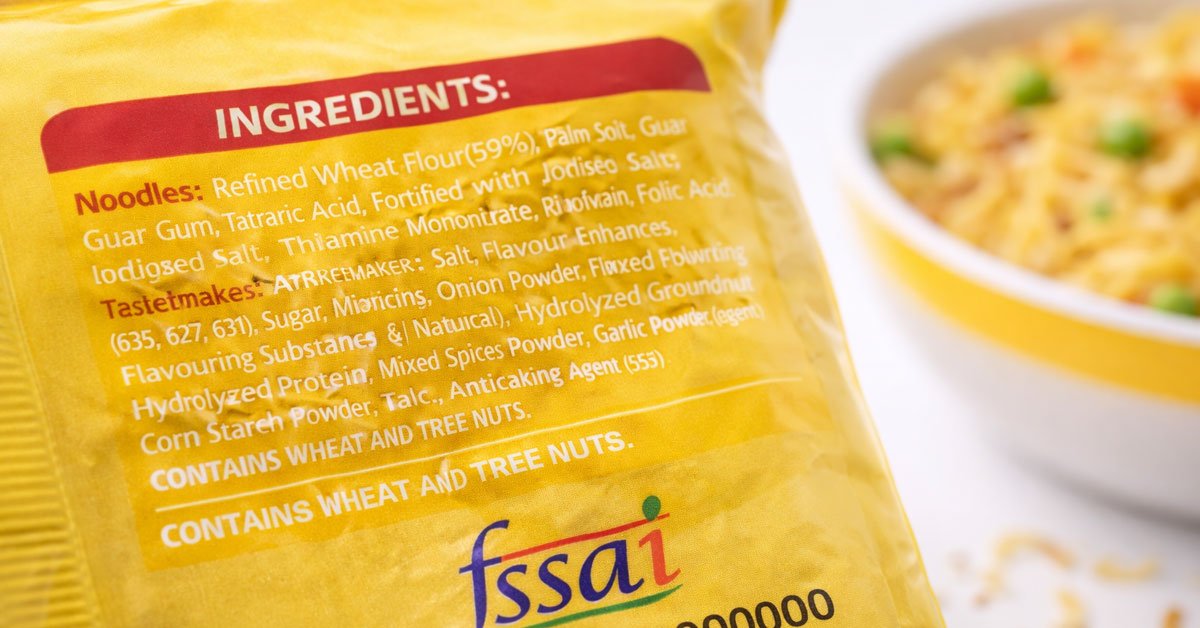
No product can be introduced without regulation.
Key Compliance Requirements:
- FSSAI license
- Approval of product (where necessary)
- Labeling compliance
- Ingredient validation
- Shelf-life declaration
Label Must Include:
- Ingredient list
- Nutritional information
- Allergen declaration
- Manufacturing & expiry date
- FSSAI license number
RTE food FSSAI non-conformity failure in India may result in:
- Product recalls
- Legal penalties
- Brand damage
7. Costing & Commercial Viability
An excellent product cannot succeed when economics are not successful.
Cost Components:
| Cost Type | Description |
| Raw materials | Ingredients & sourcing |
| Processing | Manufacturing cost |
| Packaging | Material + printing |
| Logistics | Transportation & storage |
| Marketing | Branding & promotions |
Ideal Pricing Strategy:
- Gross margin to sustainability 40 – 60%
- Competitive against the established brands
- Reasonable (value, health, convenience, quality)
8. Ready-to-Eat Food Brand India Launch Strategy
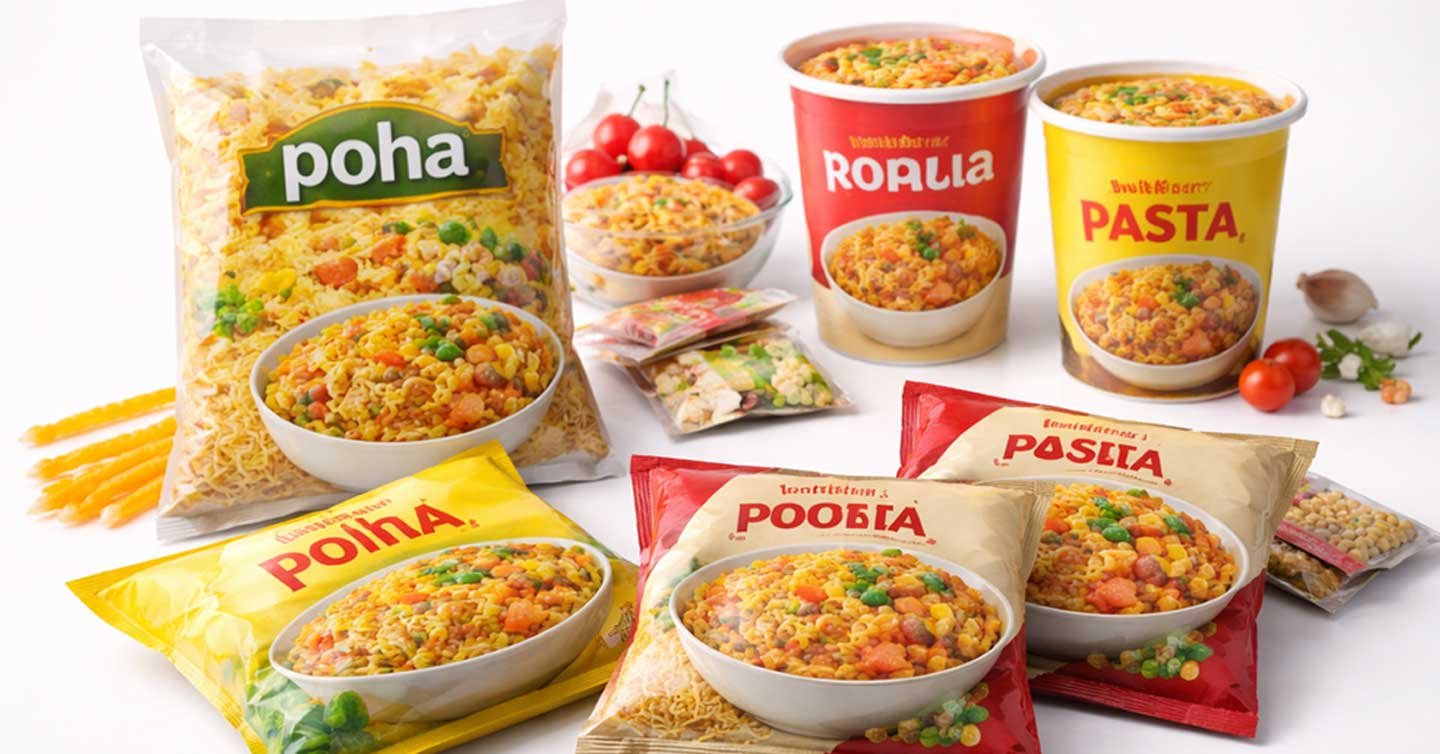
Most startups fail at launching, not due to the product, but positioning.
Key Launch Channels:
- D2C website
- Amazon / Flipkart
- Contemporary trade (Reliance, Big Bazaar)
- Fast shopping (Blinkit, Zepto)
Go-To-Market Strategy:
- Start with 2 – 3 SKUs
- Focus on one niche audience
- Build trust through content
- Apply sampling and influencing marketing.
Indian consumers are strong believers in reviews and word of mouth as far as the products of RTE are concerned.
Common Mistakes in Ready-to-Eat Food Development
- Violation of shelf-life verification.
- Overcomplicating formulations
- Poor packaging selection
- Non-compliance with FSSAI
- Lack of strong differentiation in the market
These errors could save months and lakhs of money, which can be avoided.
Call Foodsure for Professional Food & Beverage Product Development
The creation of an effective RTE product is not a trial-and-error process but a planned, technical and compliance process.
Foodsure helps you with:
- End-to-end development of a ready-to-eat food product
- Formulation of Indian food products and formulation of RTE food products.
- Shelf life stability testing.
- Selection and optimisation of packaging.
- Full compliance with the RTE food in India.
- Introduction plan of the ready-to-eat food brand in India.
Whether you’re building your first SKU or scaling an existing product, Foodsure ensures your product is market-ready, compliant, and profitable.
Contact Foodsure today to launch your RTE food brand with confidence!
FAQs
What is ready-to-eat food product development?
It is the operation of making shelf-stable and ready-to-eat food items, which involves formulation, processing, packaging, and compliance.
What is the duration that is required to develop an RTE product in India?
Normally, 60 – 120 days based on complexity, shelf life test and compliance.
What is the shelf life of the RTE food in India?
Depending on processing technology and packaging, shelf life is between 3 months and 12 months.
Do RTE foods require FSSAI approval?
Yes, FSSAI licensing and labelling are mandatory for all RTE food products in India.
How expensive is it to start a ready-to-eat food business in India?
It may go between ₹5 lakh and ₹50 lakh depending on the size, the type of the product and the manufacturing facility.
What technology is the most suitable for shelf-stable RTE food in India?
The most common one is retort processing because it is relatively cheap and has a high shelf life.
What will be the process of launching a ready-to-eat food brand in India?
You require product development, FSSAI, packaging, a manufacturing facility and a good go-to-market strategy.