There has been a surge of opportunities in the Indian condiments industry. Whether it is hot sauces, tamarind dips, or handmade chutneys, customers have never been more interested in experiencing flavorful food products. But launching a Sauce & Condiment Brand in India requires much more than coming up with a delicious product formula.
Just as aspiring entrepreneurs exploring how to establish a snack brand in India come across strict regulations, condiment makers are faced with a similar situation. The India condiments market is projected to grow from 707.08 USD Million in 2025 to 1176.0 USD Million by 2035. Namkeen packaging and understanding the science behind its shelf life have enabled the creation of packaging guidelines that condiments can now learn from.
What Is a Sauce and Condiment Brand in India?
Sauce & Condiments Brand in India is a registered food company manufacturing, packaging, and selling liquid or semi-liquid foods like ketchup, mayonnaise, hot sauce, chutney, or dressings. This clearly brings us under the domain of FSSAI, which means we have to abide by FSSAI standards of sauces prior to making any sales commercially.
Testing for shelf life in condiments is an absolutely essential task to undertake before launching. Each one should be able to prove its stability in terms of pH, temperature, and microorganisms. We cannot proceed without establishing these basic premises of safety.
Homemade vs. Commercial: Building a Sauce and Condiment Brand
Many entrepreneurs start out working in their own kitchens but have to move on to professional manufacturing. This table outlines some of the key distinctions.
| Feature | Homemade Setup | Commercial Setup |
|---|---|---|
| Scale | Small Batch | Large Volume |
| Shelf Life | 7-15 Days | 6-24 Months |
| Compliance | Informal | FSSAI Mandatory |
| Packaging | Basic Jars | Labelled Retail |
| Testing | None Required | Lab Certified |
Key Trends Shaping the Sauce and Condiment Brand Space Today
The brand space for Sauce and Condiments in India is undergoing rapid transformation. Entrepreneurs need to keep an eye on some of the following developments in the Sauce and Condiment Brand Market:
- Increasing consumer preference for formulations of sauces without chemical preservatives
- Development of regional flavors – Raw Mango Sauce, Tamarind Chili Sauce, Kokum – entering the mass market
- D2C Sauce brands taking up private label manufacturing on a large scale
- High pricing of clean label condiments with minimal sugar content
- Conducting shelf life studies of condiments early during Research & Development, not at launch
- Consistent FSSAI compliance guidelines for sauces
Entrepreneurs who comply with these factors will be future winners in the condiment market of India.
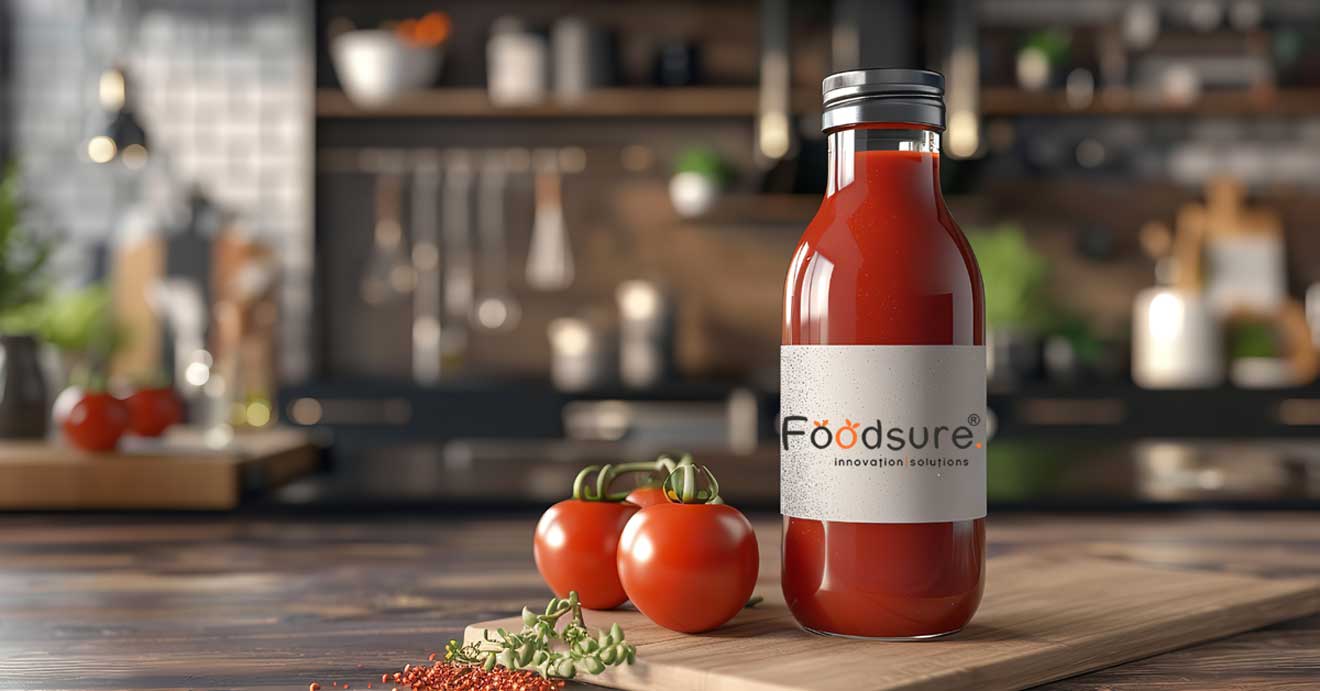
Core Components of a Successful Sauce and Condiment Brand
All Sauce and Condiment Brands that perform well have highly controlled core systems. Every system component impacts the product safety, compliance position, and shelf life stability.
| Component | Formulation | Packaging |
|---|---|---|
| Main Focus | pH Balance | Barrier Protection |
| Active Step | Lab Testing | Material Selection |
| Common Goal | Shelf Stability | Consumer Safety |
| Extra Support | Preservative Study | Seal Integrity |
It is imperative that the condiment production process works together. Any deficiency in any one of these areas will result in non-compliance, defective products, or expensive market recalls.
Common Problems Brands Face When Starting a Sauce and Condiment Brand
Those venturing into this industry commonly commit the same errors that cost them. These issues commonly include:
- Lack of shelf life testing for condiments prior to market entry
- Use of unapproved preservatives in their commercial sauce formulation
- Wrong initial classification of their products under the FSSAI
- Inability to manage the pH levels resulting in contamination and rejection
- Ineffective packaging material in terms of barrier properties
- Insufficient documentation leading to compliance delays
These could all be avoided if they were guided properly from the start.
Development Stages for Launching a Sauce and Condiment Brand
The production of condiments needs to be properly structured from concept to shelf placement. The table presented below indicates the stages required in developing these products.
| Stage | Activity | Output |
|---|---|---|
| R&D Phase | Recipe Development | Stable Formula |
| Testing Phase | Lab Analysis | Shelf Life Data |
| Compliance Phase | FSSAI Filing | License Issued |
| Production Phase | Batch Manufacturing | Consistent Output |
| Launch Phase | Market Entry | Brand Presence |
Proper documentation is needed at each stage before proceeding to the next stage. Cutting corners in each of these stages results in reformulation, recall, and regulatory fines.
Foodsure’s Process and Approach for Strong Commercial Sauce Formulation
What distinguishes scalable brands from fleeting success is having a methodical system in place. When formulating your sauce strategy, you must ensure that all elements of sauce formulation are consistent with respect to flavor, safety, and stability.
- Specify target pH range prior to initiating the formulation process
- Use only FSSAI-certified preservatives at acceptable concentrations
- Perform accelerated stability trials in diverse temperatures
- Confirm that the product is free from microorganisms across different batches
- Provide full formulation documentation when applying for an FSSAI license
- Make amendments as soon as changes happen within the product or process
The above method takes inspiration from the methodological rigor displayed by entrepreneurs learning about starting a snack business in India, where the FSSAI licensing process is just as stringent.
Clean Label Sauces: Challenges for Every Sauce and Condiment Brand
The trend of clean label marketing has gained momentum in recent years. However, clean labeling continues to pose a major challenge of compliance. Claims such as “preservative free” and “100% natural” resonate well with consumers but are not recognized by existing FSSAI rules for sauces.
Making use of these claims in the absence of appropriate scientific validation can lead to legal issues. When it comes to condiments, shelf life management assumes greater importance because clean label sauces, lacking preservatives, will need to be managed through pH control or refrigeration.
In essence, similar issues exist as far as namkeen packaging and shelf life management are concerned.
Emerging Formats in the Condiment Manufacturing Process
New opportunities for innovation in condiment manufacturing are providing some exciting ways forward when it comes to new product formats. From pouches of sauce and squeeze bottles to individual sachets and high-end glass jars, all are finding greater prominence on store shelves and quick commerce outlets.
Entrepreneurs launching a start-up namkeen business venture or those involved in the development of condiment manufacturing may not fully realize the impact packaging format has on shelf life results. Different types of packaging will require different barriers, different filling methods, and different seal validation – all of which need to be tested through condiment shelf life testing.
Manufacturing, Scaling, and FSSAI Guidelines for Sauces
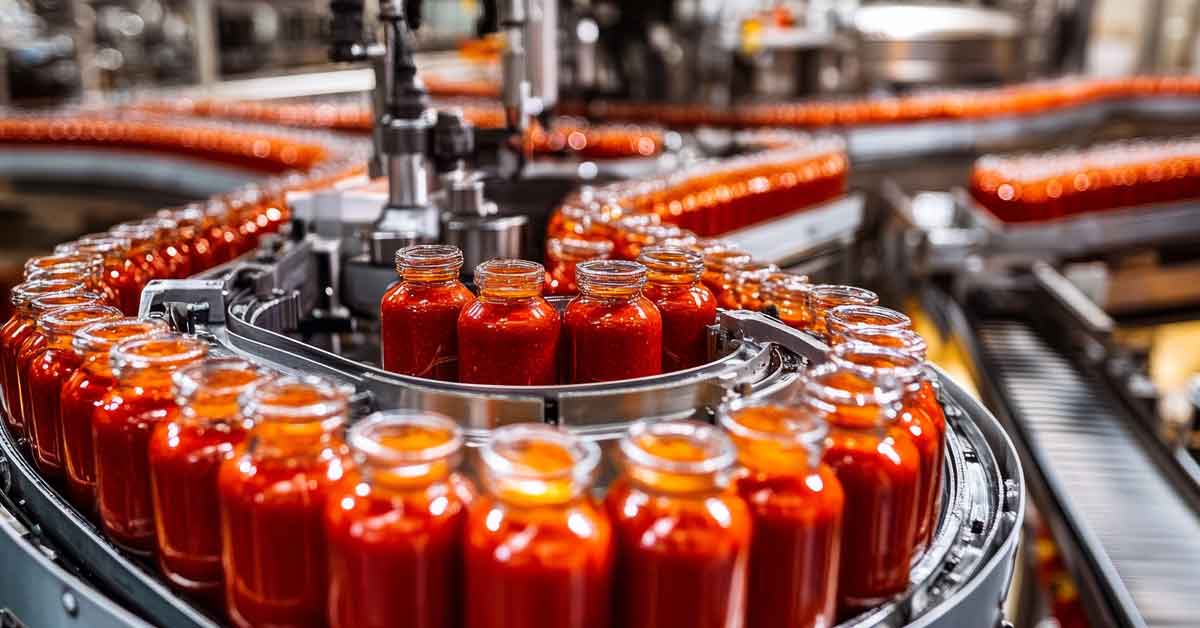
Scale manufacturing requires quality management processes. Controlled temperature processing areas, standardized batch cards, and regular ongoing testing are all essential parts of the requirements of the FSSAI when it comes to manufacturing sauces.
Change in suppliers, processes used, or even the materials used to pack the food items changes its food safety profile and compliance status completely. The packaged food industry in India is seeing a compounded annual growth rate of 6.3%, and till 2028. The enforcement of regulations is happening proportionately to the growth of the market.
Brand names that do not consider compliance a continuous exercise will always be violators. Internal audits, laboratory testing, and legal compliance checks need to be an ongoing process for every credible Sauce and Condiments brand name out there.
In addition, the owners who have planned to manage a small-scale namkeen business along with a sauce line should treat these products separately and comply separately.
Foodsure helps Sauce manufacturers with formula, shelf life testing for condiments, and compliance services in an end-to-end manner.
Conclusion: Build a Compliant and Scalable Sauce and Condiment Brand
Building a Sauce & Condiment Brand in India is both exciting and challenging because it’s a highly regulated industry. Knowing how to formulate sauces commercially, conducting shelf life testing for condiments, and complying with all requirements for sauces according to FSSAI guidelines for sauces are three essential aspects of building a legal and well-established brand.
Those brands who can capitalize on their foundations, i.e., science, safety, and process, are going to come out ahead in this dynamic Indian condiment market.
Regardless of whether you have started your journey from a home setup or as a complete D2C brand, establishing the process for condiment manufacturing is one of the most crucial initial steps for you.
Foodsure helps food brands create products that meet all criteria in terms of compliance, shelf stability, and commercialization.
Ready to build a brand that’s market-ready? Contact Foodsure now.
How to Start a Sauce and Condiment Brand in India — Formulation & Shelf Life
Learn how to develop sauces and condiments with the right formulation, preservation techniques, and shelf-life stability for successful market launch.
FAQs
What kind of license is required for setting up a Sauce and Condiment Brand in India?
A food business license from FSSAI and state registration before manufacture is required.
How many weeks will be enough to conduct a shelf life test of condiments?
For shelf life tests, condiments generally require four to eight weeks.
What should be the pH of the sauce in order to guarantee its microbial safety?
Commercial sauce requires a pH of 4.6 or less for microbial safety.
Are there any special guidelines in FSSAI regarding sauces and preservatives?
Only FSSAI approved preservatives in specified quantities may be added in the sauce.
How long will the shelf life of a commercial condiment?
Six months to two years are the average shelf life of a commercial condiment.
Can I produce a Sauce and Condiment Brand in my kitchen?
No, it cannot be done as it requires a proper manufacturing unit.
At what intervals do I need to conduct an audit of the condiment manufacturing process?
Audit needs to be done once every year.