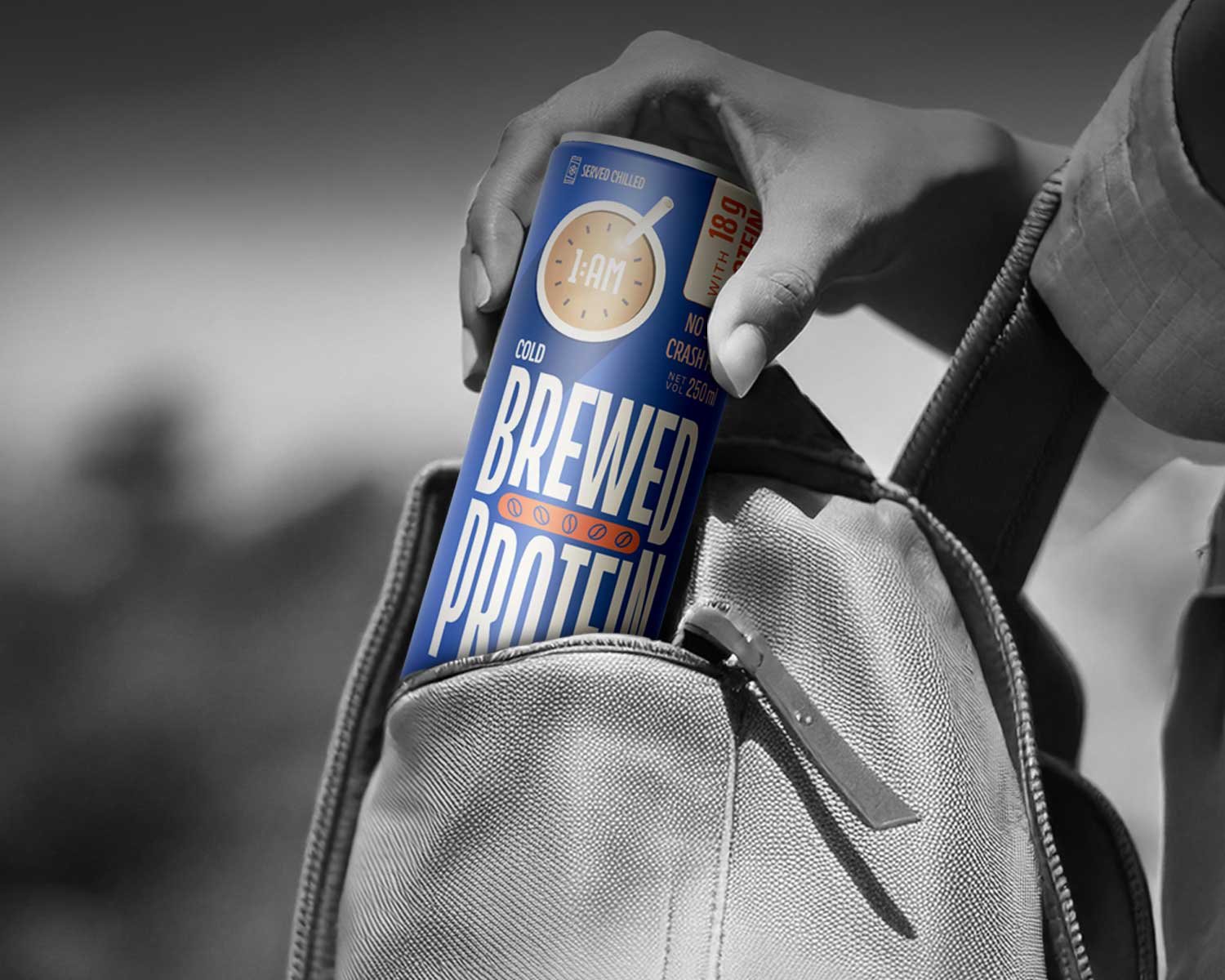
The demand for protein snacks is no longer limited to gym-goers. Today’s consumers want convenient, high-protein foods that can be consumed at work, during travel, or between meals. Because of this shift, protein snack product development requires a more technical approach compared to traditional snack product development.
Unlike regular snacks that focus mainly on taste, developing a protein snack product involves careful research on ingredient functionality, texture stability, and shelf life. Companies that succeed in protein product development invest early in R&D to understand how protein ingredients behave differently from traditional snack ingredients.
This blog explores the key stages involved in protein snack product development, from market research to commercial production.
Want to optimise your Food Business? Request a free consultation!
Explore Our Exclusive Food Product Development
Understanding the Market Before Development Begins 

A successful snacks developer begins by identifying the target audience. A protein snack for athletes will differ from one designed for office workers, children, or seniors.
Market research during snack product development helps answer:
- How much protein consumers expect per serving
- Which format fits their lifestyle (bar, puff, cookie, chips)
- Which claims attract consumers (high protein, plant-based, low sugar)
This helps guide the entire protein product development process.
Explore Now: Trending and Market Leading Food Business Ideas
Selecting the Right Protein Source
Choosing the right protein is a critical step in protein snack product development. Many companies now use protein blends instead of a single protein source to balance nutrition, flavour, and texture.
During R&D, developers evaluate proteins based on:
- Solubility and hydration behaviour
- Particle size
- Interaction with fats and carbohydrates for R&D
These factors influence the performance of the final protein snack product.
Managing Particle Size and Texture
The way of protein snack product development textures feel in the mouth (i.e. “mouthfeel”) and the structure/integrity of protein, are directly affected by the size of the protein particles used in the products. Larger particles may give the product a gritty texture, while ultra fine powders may attract too much water, causing hard, dry products to form.
In the research and development of protein snacks, particle size analysis is key to establishing how:
- Texture is influenced when chewing a bar or baked product
- Extruded products expand
- The amount of energy required to press them together when compressed
Early particle size optimization allows developers to create products with consistent, even mouthfeels without the use of artificial textures.
Balancing Fat, Protein, and Carbohydrates
Protein snacks require precise formulation during snack product development.
- Protein provides nutrition but may cause hardness
- Fats improve softness and flavour
- Carbohydrates for R&D provide structure and sweetness
Finding the right balance ensures the protein snack product maintains texture and stability throughout its shelf life.
Moisture Binding and Shelf Stability
Controlling moisture is the main obstacle in making healthy snacks. Proteins are hygroscopic substances, so proteins attract and absorb moisture. Unmonitored moisture during processing and storage will bring changes in texture, a risk of microbial contamination, or the product may collapse due to moisture loss.
A proper moisture binding system may incorporate natural binds (fibres, polyols) or a combination of binds that maintain moisture activity without being detrimental to product labelling claims. Product Development and Research conduct both water activity testing and textural analysis to determine moisture levels throughout the product’s intended shelf life and shelf stability.
Processing Conditions and Equipment Selection
Protein snack quality depends heavily on processing conditions, as extreme temperatures, shear force and/or long cooking times may cause proteins to denature. This results in low textural quality, off-flavours and nutritional loss. Examples of protein snack processing include but are not limited to the following methods: 
- baking for bars and cookies
- Extrusion for puffs and crisps
- Cold pressing for nutrition bars
- Roasting for clusters and bites
During pilot trials, R&D adjust parameters including temperature, shear force, mixing speed and residence time to maintain protein functionality while optimising for commercial efficiency.
Flavour Development and Masking Strategies
Many protein ingredients naturally contain bitter or beany notes, especially plant-based proteins. Managing these flavours is a critical part of protein snack product development.
Instead of simply masking these flavours, snacks developers create balanced flavour systems using:
- Natural flavour combinations
- Acids and sweeteners
- Fat-based flavour carriers
Sensory evaluation panels are used to analyse aroma, aftertaste, and overall consumer acceptance. The goal is to ensure that the final protein snack product tastes enjoyable and does not feel like a functional or medicinal product.
Learn More: Art and Science of Food Formulation
Nutritional Validation and Label Accuracy
After finalising the formulation, the next stage in protein product development is nutritional validation.
Laboratory testing is conducted to confirm:
- Protein levels per serving
- Macronutrient distribution
- Calorie values
These results support on-pack claims such as high protein or low sugar.
During this stage, developers also review allergen declarations, ingredient lists, and regulatory compliance requirements. Accurate labelling is essential for maintaining consumer trust and ensuring the protein snack product meets regulatory standards.
Shelf-Life Testing and Stability Trials
Before launch, snack product development includes shelf-life testing to evaluate.

Testing focuses on:
- Texture changes over time
- Flavour stability
- Moisture migration
- Microbial safety
These trials help define realistic best-before dates and identify packaging requirements such as barrier films or modified atmosphere systems.
Scaling from Pilot to Commercial Production
A formulation that performs well in a laboratory environment does not always behave the same way at commercial scale.
During large-scale protein snack product development, differences may occur in ingredient mixing, heat transfer, and equipment performance.
Pilot production trials allow the snack product development team to adjust processing parameters and ensure that the final protein snack product maintains consistent quality while optimising yield and production efficiency.
Conclusion
Successful protein snack product development requires expertise in food science, nutrition, and processing technology. By investing in R&D, brands can create protein snacks that deliver both nutritional value and great taste.
A well-developed protein snack product not only meets consumer expectations but also builds long-term brand trust in the growing health-focused snack market.
Need Expert Help to Launch Your Snack Product Legally & Successfully?
Foodsure supports food brands with FSSAI-compliant labelling, pre-launch checks, and regulatory compliance to ensure a smooth and legal food product launch. We help prevent penalties and delays before your product enters the market.
What We Help You Solve
FSSAI label review and correction
Nutritional panel accuracy and ingredient validation
Claim verification and compliance
Packaging artwork and readability checks
Audit, inspection, and documentation support
Who We Work With
Startups launching new food products
FMCG and D2C food brands
Private label and co-manufacturers
Importers, exporters, and suppliers
FAQ’s (Frequently Asked Questions)
What is protein snack product development?
It is the R&D process of formulating, testing, and scaling protein-rich snacks for taste, stability, and nutrition.
Which protein is best for snack formulation?
The best protein depends on the product format, processing conditions, and target consumer profile.
Why are protein blends used in snacks?
Protein blends balance nutrition, texture, flavour, and cost more effectively than single-source proteins.
What challenges occur with high-protein snacks?
Common challenges include hardness, moisture migration, off-flavours, and reduced shelf life.
How does processing affect protein snacks?
High heat and shear can denature proteins, impacting texture, taste, and nutritional quality.
Are plant proteins suitable for snack products?
Yes — but they require careful formulation to manage bitterness, texture, and colour changes.
What role does R&D play in protein snack success?
R&D ensures product stability, regulatory compliance, and a consistent consumer experience.
How is shelf life tested for protein snacks?
Through controlled storage trials evaluating texture, flavour, moisture, and microbial safety.
Why is moisture control critical in protein snacks?
Proteins bind water easily, which can cause spoilage or texture failure if not managed properly.
Can protein snacks be clean-label?
Yes — with the right ingredient systems and processing strategies developed during R&D.