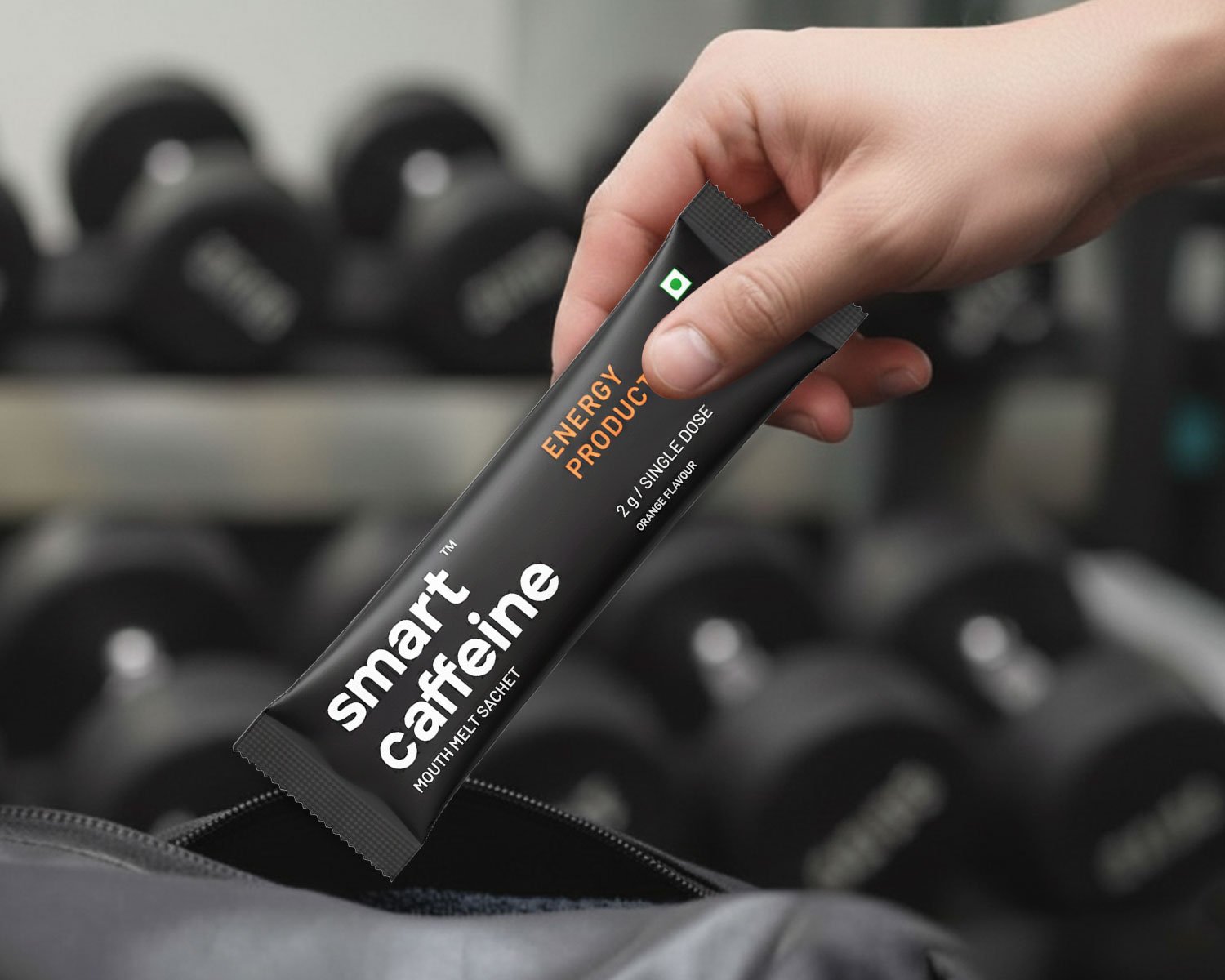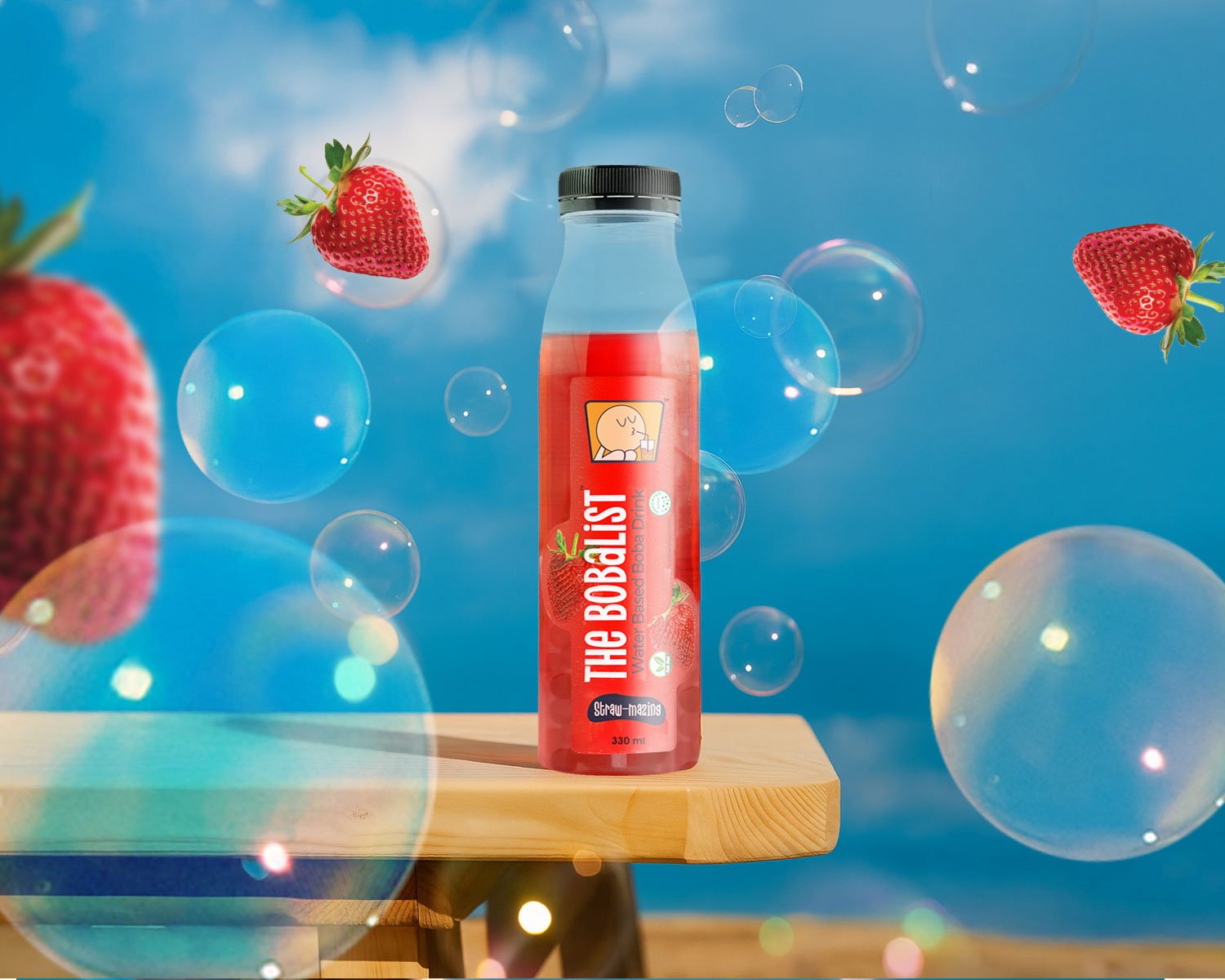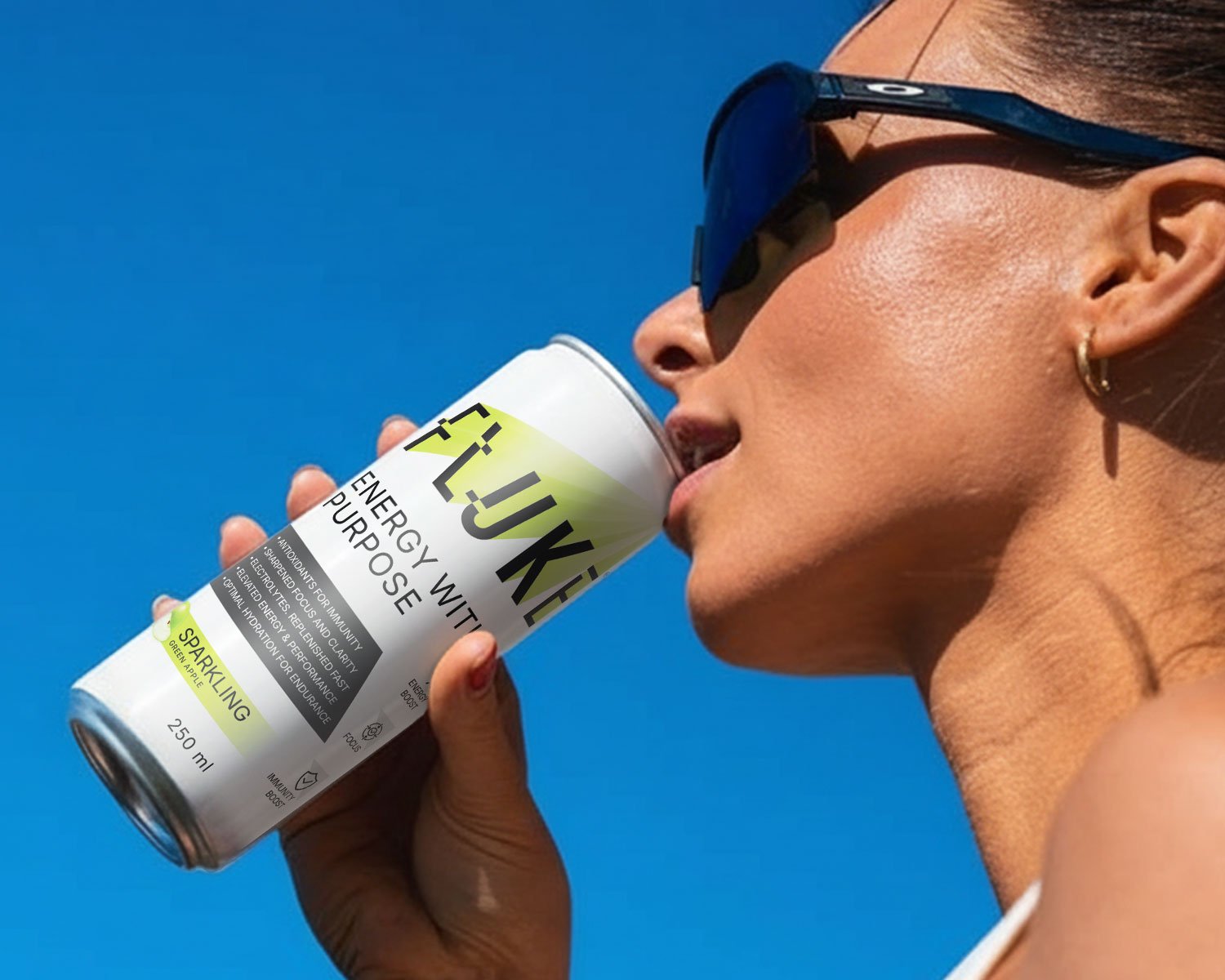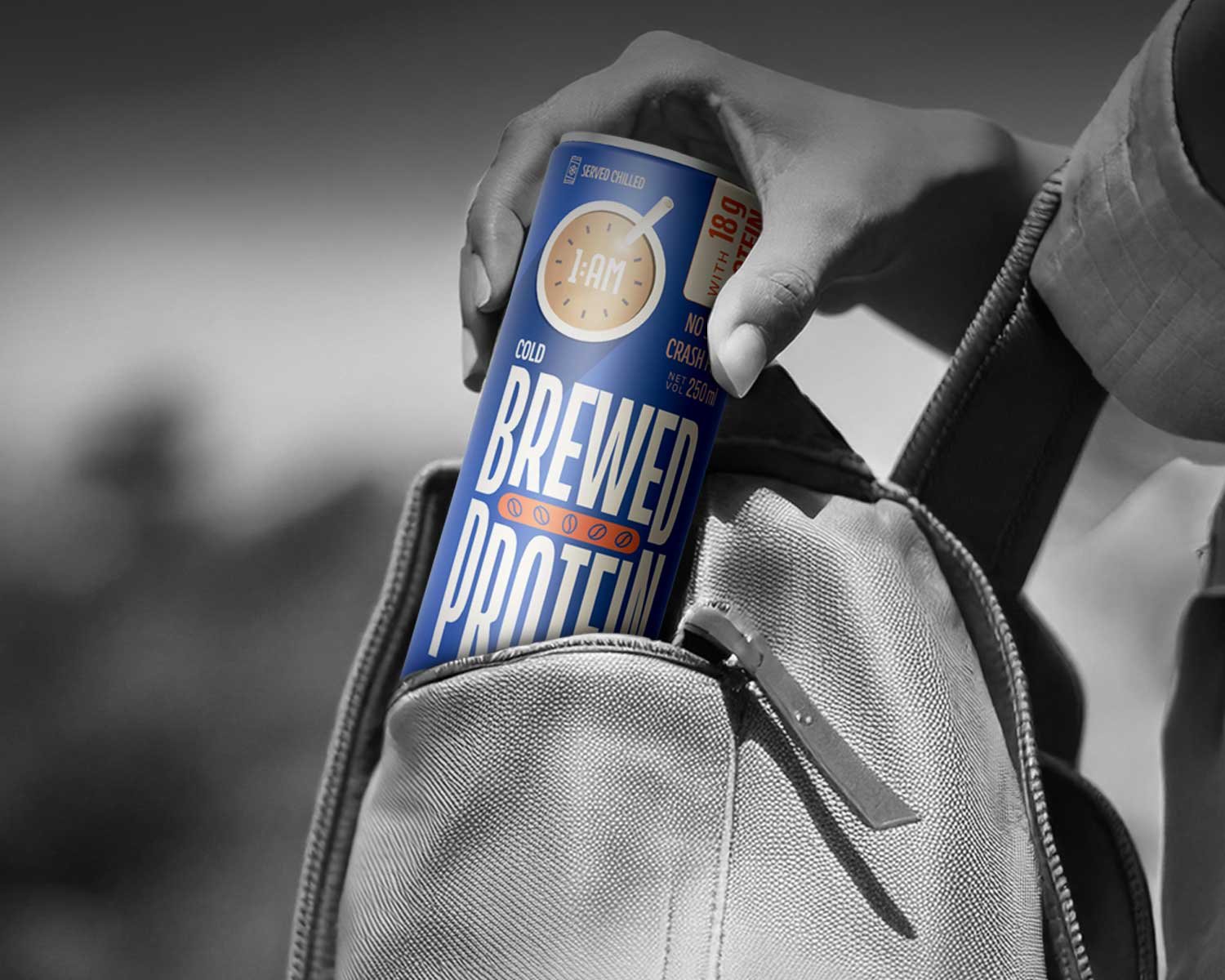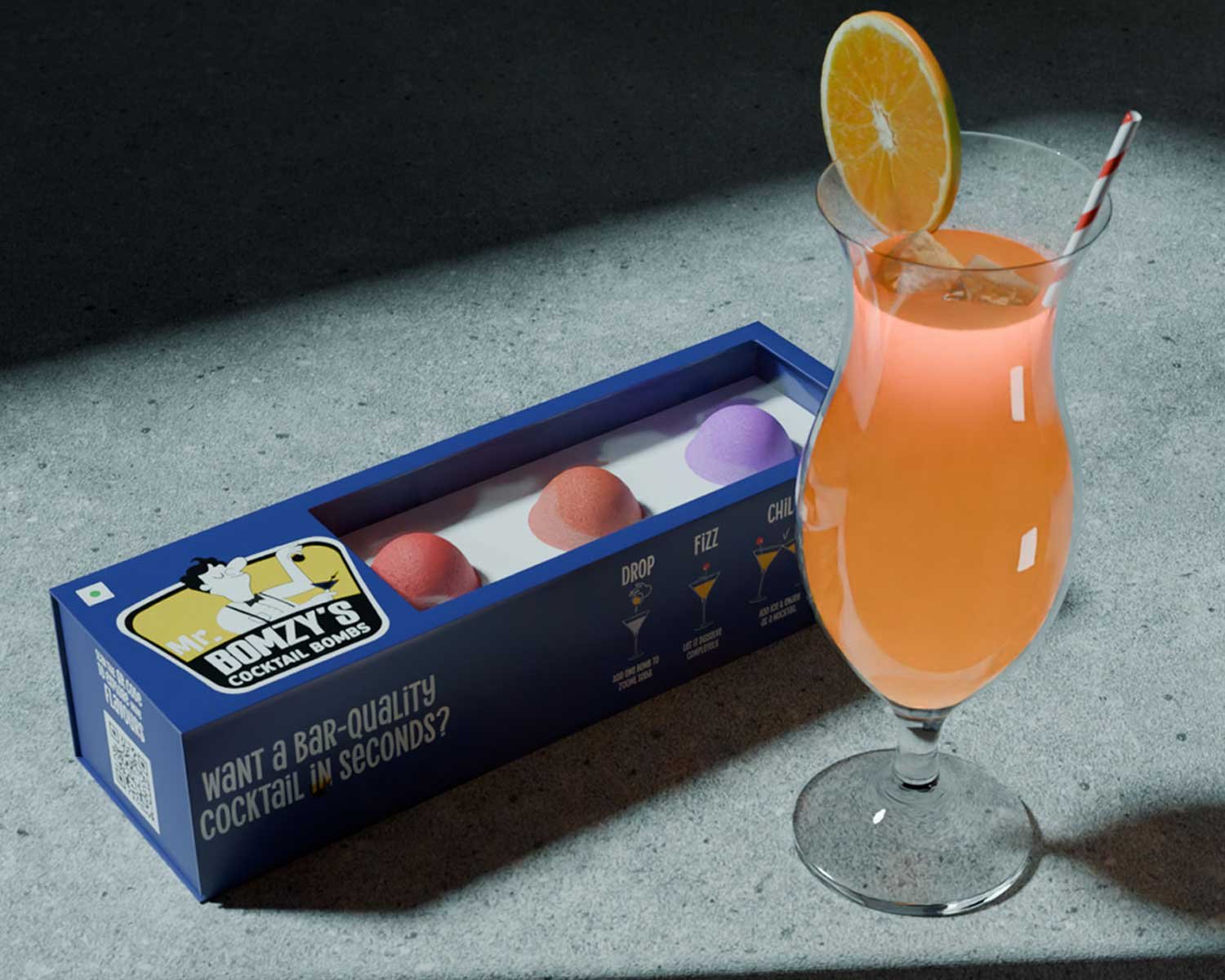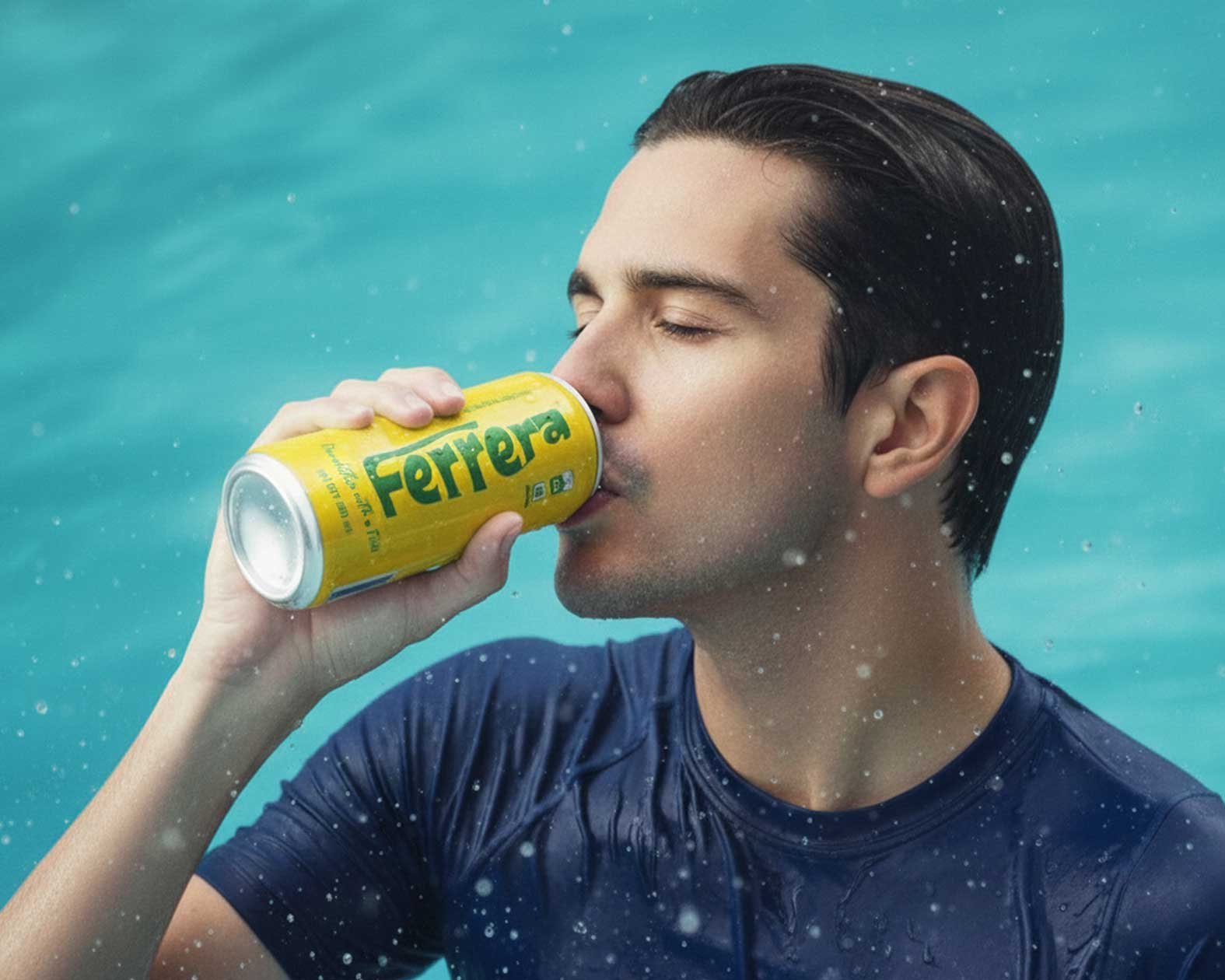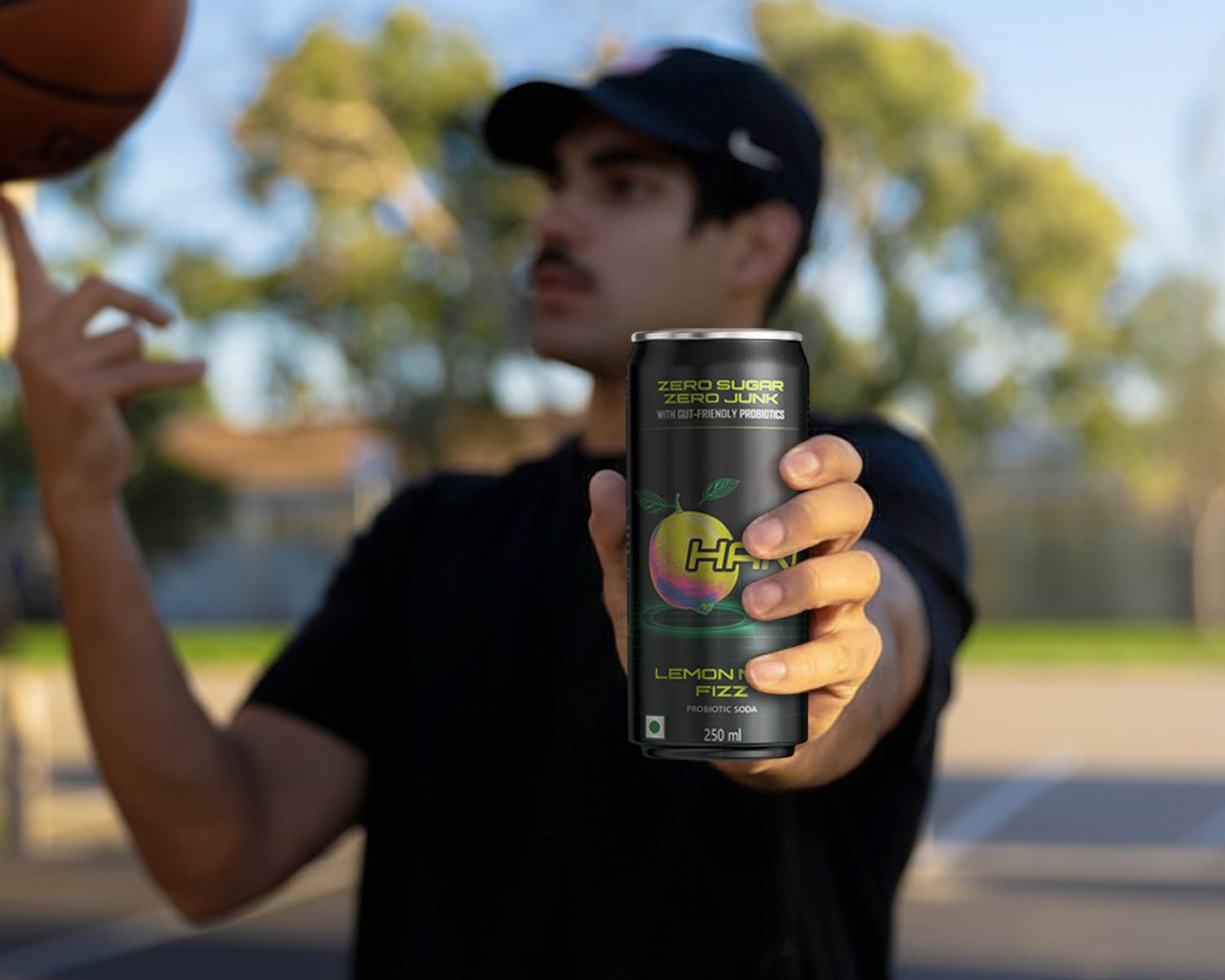
Consumer beverage preferences are changing because people who want better health choose to drink less alcohol. Many consumers are choosing non-alcoholic beverages that offer both refreshing taste and functional benefits. The soft beverages market now includes more products because of the current drink trends, which are expanding beyond typical soda options.
Consumers are now searching for beverages that deliver both hydration and natural components and health advantages. For beverage founders, understanding how soft beverages and soft drinks fit into this evolving market is an important starting point.
Key Challenges in the Soft Beverages Market for New Brands
Founders of beverage startups face product development challenges because the technical aspects of their products create significant hurdles.
The main obstacles that founders encounter include:
- Founders who prioritise product taste and marketing instead of scientific product development
- The process of maintaining product taste and product quality at stable levels
- The process of validating product components to maintain their operational stability
- The process of extending product shelf life while maintaining product quality
BUILD YOUR BEVERAGE BRAND
Turn Your Beverage Idea Into a Market-Ready Product
From beverage formulation and ingredient optimization to scalable manufacturing, Foodsure helps founders develop stable and commercially viable drinks through expert beverage product development and testing support.
Understanding the Complexity Behind Soft Beverage Development
The drink needs proper management of both technical aspects and formulation elements to maintain its stability and safety, and consistent performance throughout its entire shelf life.
The main reasons for this decision are:
- Liquid formulations react differently to sweeteners, acids, and stabilisers
- The taste balance of a product will change when any part of its formula undergoes modification
- Carbonated beverages require proper management of carbonation stability
- Beverages must maintain their shelf-life effectiveness throughout their shelf life.
Top Challenges Beverage Founders Face in the Soft Beverages Market
Beverage founders commonly face several challenges during product development:
- The correct soft beverage category needs to be selected
- The team needs to find a balance between taste and sweetness and product performance
- The team needs to build products that have a stable shelf life through testing
- The team needs to choose ingredients and additives that work well together
Soft Beverages vs Soft Drinks: What’s the Difference?
Many people use the terms soft beverages and soft drinks interchangeably, but they actually represent different levels within the beverage category.
Soft beverages refer to all non-alcoholic drinks, while soft drinks typically refer to carbonated and sweetened beverages such as sodas.
Comparison Table
| Category | Meaning | Market Insights | Examples |
| Soft Beverages | All non-alcoholic drinks | Market valued at USD 14.95 billion in 2024, and is expected to reach USD 22.81 billion by 2030, rising at a CAGR of 7.36% | Juice, sports drinks, kombucha, energy drinks |
| Soft Drinks | Carbonated sweetened beverages | Market valued at USD 21.5 billion in 2025 and is projected at USD 32.9 billion in 2034 with a CAGR of 4.50%. | Cola, soda, lemon drink |
In simple terms, soft beverages refer to all drinks that do not contain alcohol, which include juices, sports drinks and functional beverages. Soft drinks, on the other hand, usually refer to carbonated and sweetened beverages like sodas.
Major Categories of Soft Beverages
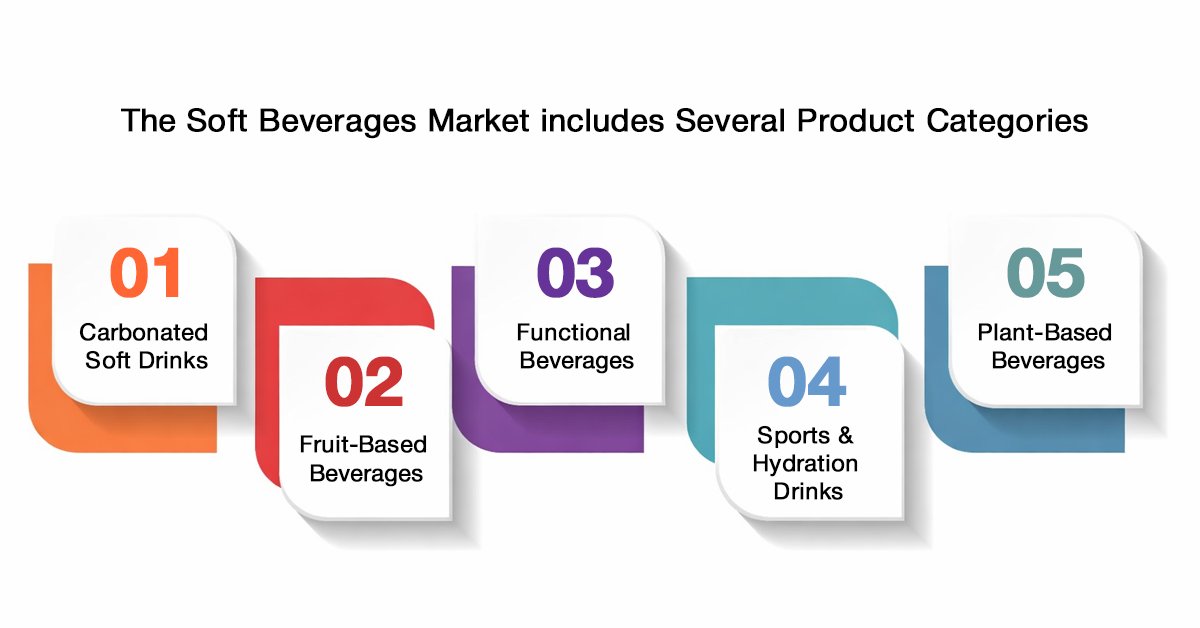
The soft beverages market includes several product categories designed to meet different consumer preferences.
Carbonated Soft Drinks
Carbonated beverages contain dissolved carbon dioxide, which produces their typical bubbling effect.
Examples include:
- Cola beverages
- Lemon-lime sodas
- Orange soda
- Tonic water
Many brands now offer low-sugar or natural carbonated drinks to match changing consumer preferences
Fruit-Based Beverages
Fruit beverages are made using fruit juice, concentrates, or fruit pulp.
The following items serve as examples of the category:
- Packaged fruit juices
- Juice drinks
- Fruit nectars
- Smoothies
The drinks present themselves to customers as refreshing beverages that provide hydration through their fruit-based ingredients.
Functional Beverages
Functional beverages provide additional health advantages that extend beyond their basic hydration properties.
The following beverages serve as examples:
- Energy drinks
- Probiotic beverages
- Vitamin drinks
- Adaptogenic drinks
These drinks provide solutions that help customers achieve their requirements for energy enhancement, immunity support and digestive system wellness.
Sports & Hydration Drinks
Sports drinks are designed to help with hydration and body performance.
Common ingredients include:
- Electrolytes
- Sodium and potassium salts
- Carbohydrates
- Vitamins
Athletes and fitness enthusiasts are largely users of these drinks.
Plant-Based Beverages
Vegetarian drinks are becoming popular as people are interested in natural and eco-friendly drinks.
Examples include:
- Coconut water
- Almond drinks
- Oat beverages
- Herbal drinks
These drinks tend to focus on clean label and natural formulations.
Emerging Trends in the Soft Beverages Market
The future of the soft beverages industry is being determined by a number of trends.
- Low Sugar Beverages: Consumers are limiting the amount of sugar that they consume because of health reasons. Due to this, several brands are entering the low-sugar and sugar-free beverages with other low-calorie sweeteners such as stevia.
- Functional Drinks: The functional beverages give advantages in the form of energy support, hydration, immunity, and gut health.
- Clean Label Ingredients: Customers are more willing to consume beverages that contain natural ingredients and a small amount of additives.
Trend Overview
| Trend | What It Means | Example |
| Low Sugar | Focus on reducing caloric intake and glycemic impact using natural or alternative sweeteners. | Stevia-sweetened sodas, monk fruit blends |
| Functional Drinks | Beverages formulated to provide specific health benefits beyond basic nutrition. | Probiotic seltzers, electrolyte waters, protein shakes |
| Clean Label | Products with simple, recognisable, and “all-natural” ingredients; no artificial additives. | Botanical infusions, cold-pressed juices with no preservatives |
Packaging Trends in the Soft Beverages Market
Packaging plays a crucial role in soft beverage success because it determines both product safety and how customers view the product.
Different beverage categories require different packaging formats, which depend on the specific product type and its required shelf-life.
| Packaging Type | Common Use | Example |
| PET Bottles | Lightweight, resealable containers for mass-market distribution. | Cola, fruit beverages, bottled water |
| Aluminium Cans | Excellent for carbonation retention and rapid cooling; highly recyclable. | Energy drinks, sparkling water, sodas |
| Glass Bottles | Often used for high-end branding due to its weight and “purity” (no flavour transfer). | Craft sodas, premium mineral water |
| Cartons | Multilayered (aseptic) packaging designed to keep perishable liquids shelf-stable. | Fruit juices, oat or almond milks |
Modern beverage brands are also exploring sustainable packaging options because they want to meet environmental requirements through recyclable materials and lightweight bottle solutions.
Positioning Strategies in the Soft Beverages Market
Well-defined product positioning can assist the brands of the soft beverages market to compete in the crowded market. Even a mature beverage might fail when the consumers fail to comprehend its exclusive value.
Very successful brands tend to develop positioning based on certain lifestyle advantages or health advantages.
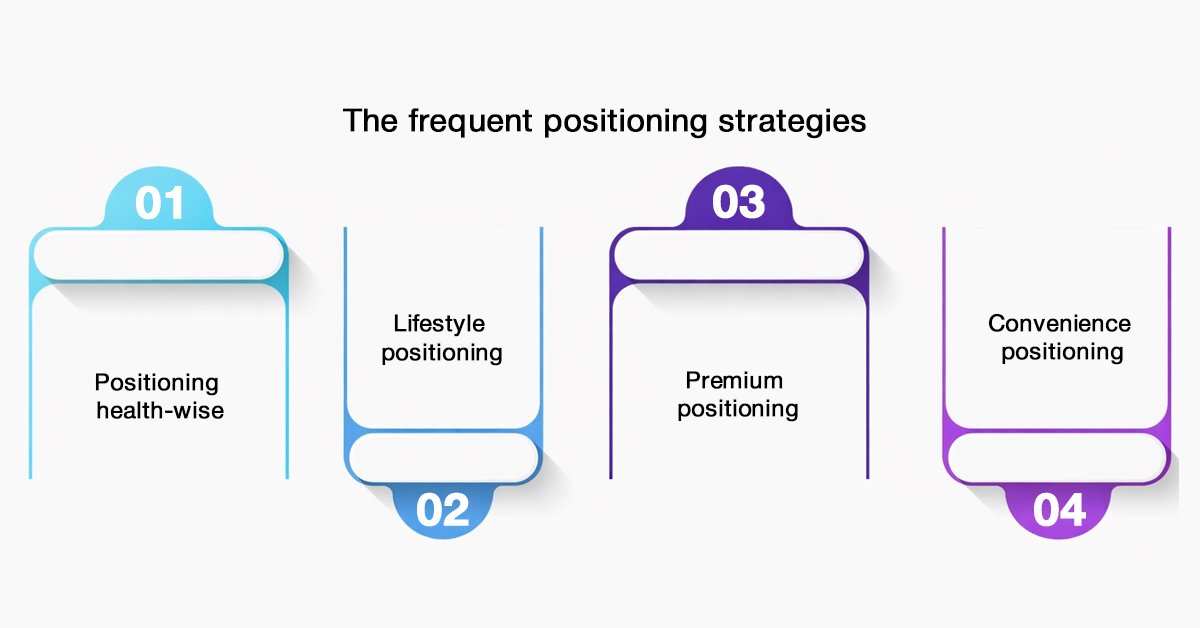
The frequent positioning strategies are:
- Positioning health-wise: low sugar, natural ingredients, functional benefits.
- Lifestyle positioning: Fitness, hydration, energy support.
- Premium positioning: make sodas, botanical drinks, and premium mocktails.
- Convenience positioning: ready-to-drink drinks to be used on-the-go.
A great positioning makes consumers grasp the reason why a given drink is different in a very short period of time.
Key Strategies That Drive Success in the Soft Beverages Market
The brands of beverages that succeed tend to have a systematic product development strategy and not just creative ideas.
A normal beverage development process involves:
- Market positioning: targeting the appropriate category and segment.
- Ingredient system design: compatibility of ingredients.
- Flavour development: formulation trialling to balance the taste.
- Stability Testing: stability and product safety.
Those brands that undertake appropriate development procedures have a higher chance of developing successful soft drinks that can be successful in the market.
Role of Beverage Development Experts in Soft Beverage Innovation
Formulation science, ingredient mechanisms, and manufacturing are essential in developing a successful beverage product. Foodsure collaborates with beverage founders and assists them in developing their product using services that include beverage formulation, ingredient optimisation, stability testing, manufacturing support, and regulatory guidance.
Such a planned strategy can assist in mitigating the risks of development and make the concepts of beverages pass from the idea to commercial manufacturing without any problems.
Key Takeaways for Soft Beverage Founders
The soft drinks sector is still expanding, with customers becoming more health-conscious and in search of more functional drinks. Nevertheless, to create a brand of drinks that sells, it is not just the convincing taste or appealing branding.
Our team collaborates with beverage founders to aid in product development, including formulation and assists in transforming beverage concepts into scalable, market-ready products.
In case you intend to introduce a soft drink or a functional drink, professional advice can guide you in executing your idea from development to a successful commercial launch.
LAUNCH A STABLE BEVERAGE PRODUCT
Need Expert Help With Your Drink Formula?
From formulation and shelf-life validation to contract manufacturing strategy, Foodsure supports beverage startups and brands in launching reliable, scalable products.
Related Beverage Industry Insights
FAQs
What are soft beverages?
Soft beverages are non-alcoholic drinks that include juices, sports drinks, functional beverages, and carbonated drinks.
How are soft drinks different from soft beverages?
Soft drinks broadly refer to non-alcoholic drinks, while soft beverages typically describe carbonated and sweetened drinks such as sodas.
What are the major categories of soft beverages?
The major soft beverage categories include carbonated soft drinks, fruit drinks, functional beverages, sports drinks, and plant-based drinks.
Why is the soft beverages market growing rapidly?
The soft beverages market is expanding due to rising demand for healthier, low-sugar, and functional non-alcoholic drinks.
What are functional soft beverages, and why are they popular?
Functional soft beverages contain added ingredients such as vitamins, probiotics, electrolytes, or botanicals that offer additional health benefits.
What challenges do beverage startups face when developing soft beverages?
Beverage startups often face challenges related to formulation, shelf-life stability, ingredient compatibility, and scalable production.
How can founders successfully launch a soft beverage brand?
Founders can succeed by focusing on strong beverage formulation, proper product testing, clear brand positioning, and scalable manufacturing strategies.