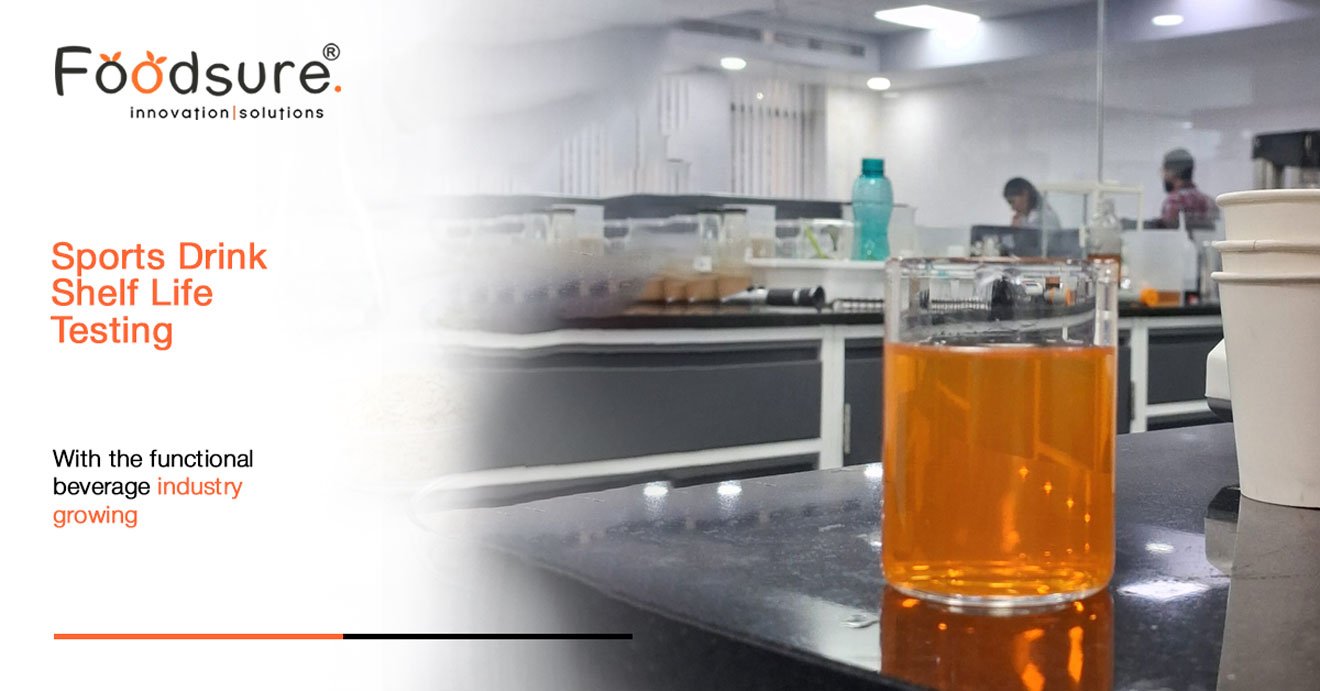
With the functional beverage industry growing at a fast rate, manufacturers need to ensure their beverages have good quality and will be safe for their consumers. One of the most important parts of producing these functional beverages will be sports drink shelf life testing. If you are a new or expanding brand that has produced or is producing a new hydration functional beverage, understanding how to do sports drink shelf life testing is critical — so that you can provide consistent flavours, safety, and performance throughout the entire shelf life of your product. This comprehensive guide covers everything you need to know about sports drink shelf life testing — how it’s done, how much it costs, and where to get it done in India.
What is Sports Drink Shelf Life Testing?
The goal of shelf life testing for sports beverages is to measure the time frame in which a given sports beverage will still be safe, stable, and effective when kept at certain storage conditions. Shelf life testing allows you to evaluate product safety (microbial growth), nutrition stability, flavour, colour and odour changes, and package integrity. By conducting an effective beverage stability study, the performance of a sports drink can be predicted and tested from production until consumption.
Why Sports Drink Shelf Life Testing is Important
| Reason | Why It Matters |
|---|---|
| Consumer Safety | Ensures your sports drinks do not spoil or become contaminated before they reach consumers |
| Regulatory Compliance | FSSAI has established shelf life testing guidelines that must be followed in India |
| Brand Trust | Tested and consistent shelf life increases confidence and credibility in your brand |
| Market Expansion | Retailers demand accurate shelf life data before listing your sports drink |
Understanding shelf life testing also connects directly to the broader isotonic sports drink formulation guide — the formulation decisions you make at the development stage directly affect the stability results you will see at the testing stage.
Key Factors Affecting Sports Drink Shelf Life
| Factor | Impact on Shelf Life |
|---|---|
| Ingredients | Electrolytes, sugars, artificial sweeteners, and preservatives all directly affect stability test results |
| pH Level | A low pH contributes to resistance to microbial growth — producing a longer shelf life for a hydration drink |
| Packaging | PET bottles, cans, or pouches — each affects how much light and oxygen get into the beverage |
| Storage Conditions | Temperature, relative humidity, and light exposure are the three most significant environmental variables |
Types of Sports Drink Shelf Life Testing
| Testing Type | Method | Best For |
|---|---|---|
| Real-Time Testing | Products stored in ambient conditions over months to years | Most accurate — validates actual shelf life under real conditions |
| Accelerated Testing | Elevated temperature and humidity conditions applied | Faster results — provides early indications for launch timelines |
| Microbiological Testing | Tests for harmful bacteria and yeast | Assures beverage does not contain harmful microorganisms |
| Sensory Evaluation | Taste, smell, and colour evaluations | Retaining consumer acceptance throughout the shelf life period |
Need guidance on shelf life testing for your beverage?
Write to our team — wecare@foodsure.in
How to Test Sports Drink Shelf Life in India
| Step | Action |
|---|---|
| Step 1: Define Product Composition | Create a list of all ingredients, preservatives, and packaging types |
| Step 2: Choose Test Method | Real-time for accuracy, accelerated for quicker results — both methods used together for best data |
| Step 3: Select a Certified Lab | Use a lab that is FSSAI-approved to test functional beverages |
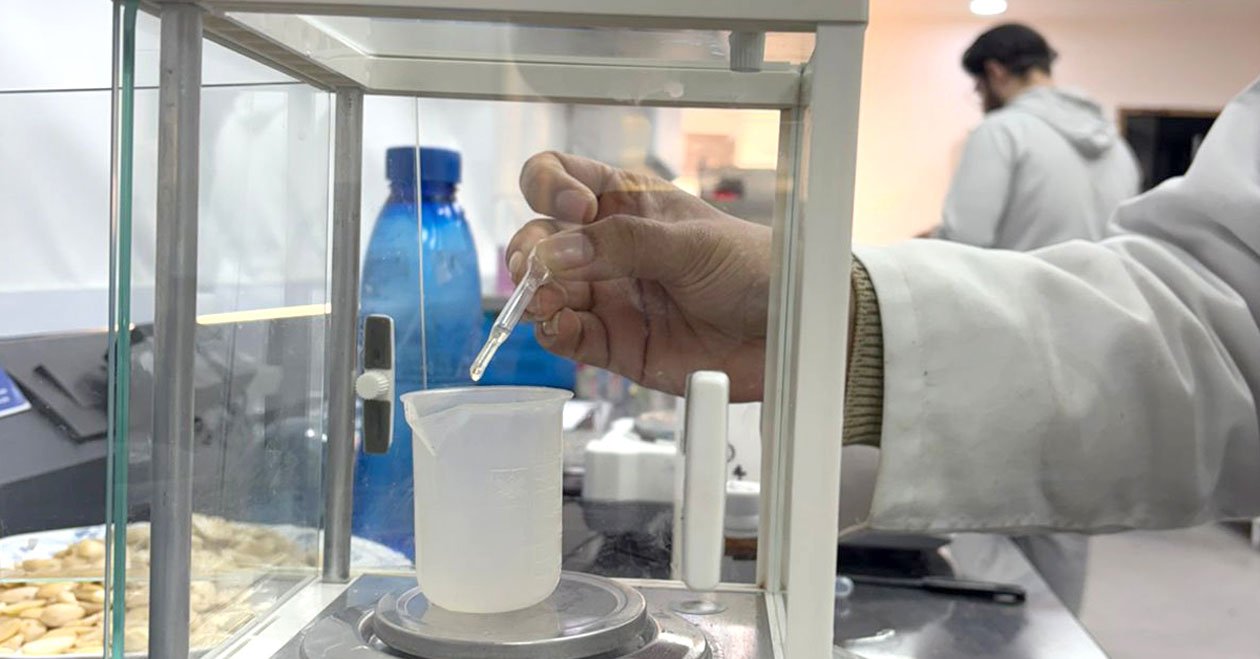
| Step 4: Conduct Stability Study | Chemical and microbial testing plus sensory tests as part of the beverage stability study |
| Step 5: Analyse Results | Determine the final shelf life of the sports drink according to stability study results |
| Step 6: Label Declaration | Use the results of the shelf life study to declare a compliant expiry date on the label |
For brands conducting shelf life testing alongside formulation — the beverage regulatory compliance guide covers exactly what FSSAI requires in terms of stability documentation before a sports drink can be commercially launched in India.
Parameters Measured in Sports Drink Stability Testing
| Parameter Category | What Is Tested |
|---|---|
| Physical Parameters | Colour changes, sedimentation, clarity |
| Chemical Parameters | pH levels, vitamin degradation, electrolyte stability |
| Microbiological Parameters | Bacterial growth, yeast and mould counts |
| Packaging Interaction | Tests the interaction between packaging material and the beverage — affects hydration drink shelf life |
Shelf Life of Different Sports Drink Types
| Sports Drink Type | Approximate Shelf Life | Key Stability Factor |
|---|---|---|
| Powdered Sports Drinks | 12–24 months | Moisture control and packaging seal integrity |
| Ready-to-Drink Beverages | 6–12 months | pH, preservatives, and packaging format |
| Natural/Organic Drinks | 3–6 months | No preservatives — cold chain and aseptic packaging critical |
For brands also assessing the cost of shelf life testing, the typical range for a beverage stability study in India is ₹15,000 to ₹1,50,000 depending on complexity, number of parameters tested, and whether real-time or accelerated methods are used.
Common Challenges in Sports Drink Shelf Life Testing
| Challenge | Impact |
|---|---|
| Degraded flavour | Electrolytes and vitamins will change the taste of a drink after absorption by the beverage matrix over time |
| Microbial growth | Inadequate sealing on a bottle or can could affect stability testing results |
| Packaging problems | Light exposure of a beverage can cause a breakdown in nutrients, affecting hydration drink shelf life |
| Ingredient interactions | Various additives interact differently over time — making beverage stability studies essential |
Best Practices for Improving Shelf Life
- Use effective preservatives appropriate for the formula
- Optimise pH levels — acidic pH significantly extends shelf life
- Use good, appropriate packaging for the product format
- Conduct regular functional beverage testing throughout production
- Store in controlled environments during the testing period
Brands that plan their packaging alongside their formulation — rather than after — consistently achieve better shelf life results. The sports drink packaging India guide covers exactly how PET, cans, and pouches differ in their impact on shelf life and stability.
Plan Your Sports Drink Shelf Life Testing
Stability Study, FSSAI Compliance, Lab Selection — Foodsure Guides Your Shelf Life Testing in India.
From formulation-stage stability planning and FSSAI-approved lab coordination to accelerated and real-time testing execution — Foodsure helps sports drink brands get shelf life right before commercial launch.
Regulatory Guidelines in India
As per the Food Safety and Standards Authority of India (FSSAI) guidelines, sports drinks sold in India must adhere to FSSAI requirements, meet appropriate labelling regulations, comply with food safety standards, and have documentation from a beverage stability study before launching a product commercially.
Conclusion
The testing of the shelf life of sports drinks is an essential part of building a successful, trustworthy beverage brand. Every aspect of your beverage’s safety, taste, and nutrition depends on the results from rigorous testing. By investing in sports drink shelf life testing, doing appropriate stability testing of sports drinks, and following a systematic beverage stability study, you can bring to market an exceptional beverage product during an increasingly competitive time. Learning how to conduct shelf life testing of sports drinks in India and to effectively manage beverage shelf life study costs will give you a significant competitive edge.
Get Your Shelf Life Testing Right
Stability Study, Lab Coordination, FSSAI Compliance — Foodsure Guides Your Shelf Life Testing in India
From stability planning and FSSAI-approved lab coordination to accelerated testing and label declaration — Foodsure helps sports drink brands get shelf life right before commercial launch.
Or email us — wecare@foodsure.in
Related Reads
- Sports Drink Label FSSAI India: Claims, Compliance & Requirements
- How to Formulate Isotonic Sports Drink: Step-by-Step Guide
- Sports Drink Packaging India: Slim Cans, PET & Pouches Guide
- Beverage Regulatory Compliance: What Every Brand Must Know
- Launch Sports Drink Brand India: Step by Step Guide 2026
Frequently Asked Questions
What is sports drink shelf life testing?
Sports drink shelf life testing determines how long a sports drink remains safe and effective under specific storage conditions.
How long does sports drink shelf life testing take?
Real-time sports drink shelf life testing can take 6–12 months, while accelerated testing can provide results in weeks.
What is included in sports drink stability testing?
Sports drink stability testing includes physical, chemical, and microbiological analysis as well as sensory evaluation and packaging interaction testing.
How much does beverage shelf life study cost in India?
Beverage shelf life study costs range from ₹15,000 to ₹1,50,000 depending on complexity and the number of parameters tested.
Why is functional beverage testing important?
Functional beverage testing ensures product safety, stability, and compliance with FSSAI regulations before commercial launch.
Can shelf life be extended after testing?
Yes, by improving formulation and packaging based on the results from sports drink shelf life testing, shelf life can often be extended significantly.