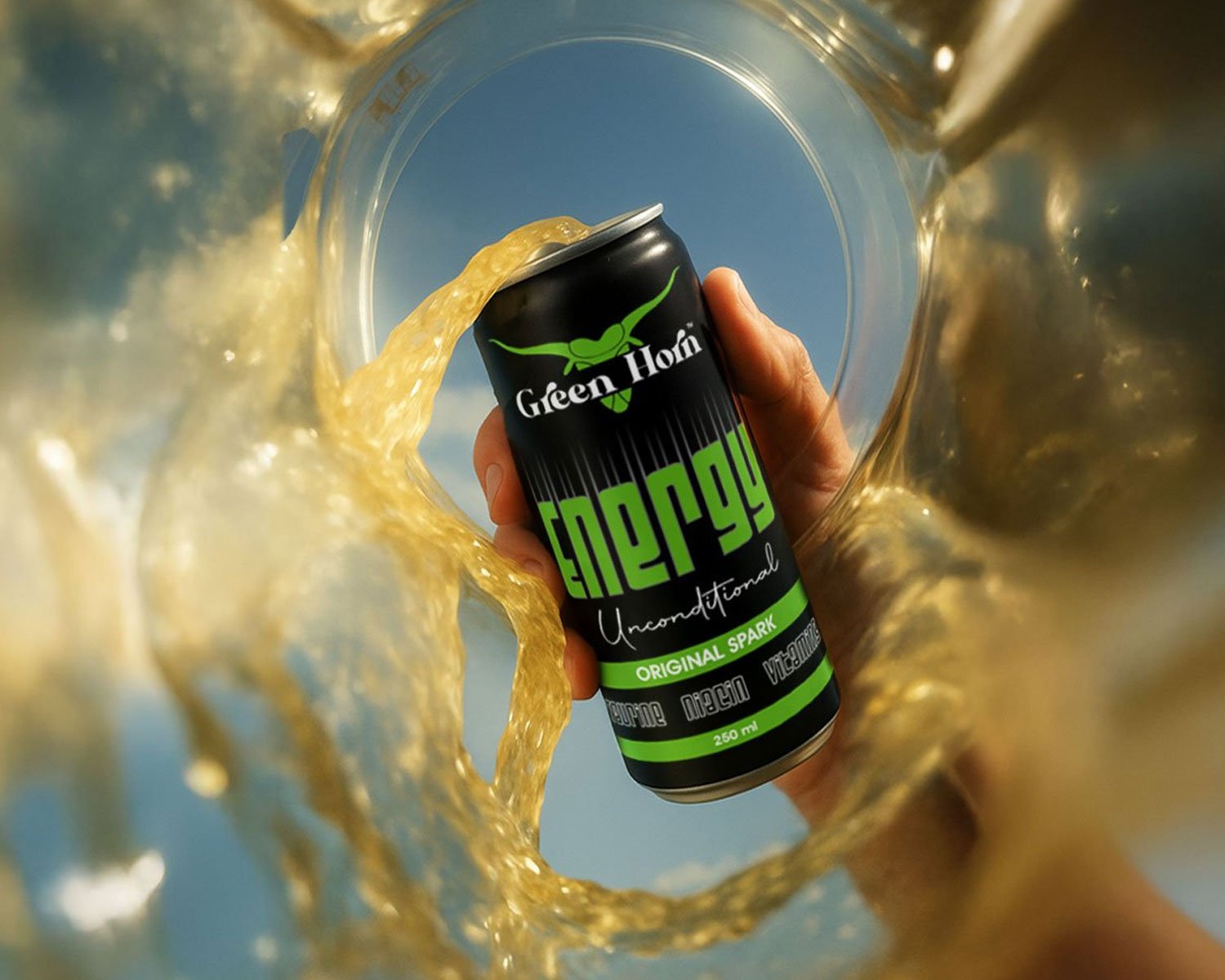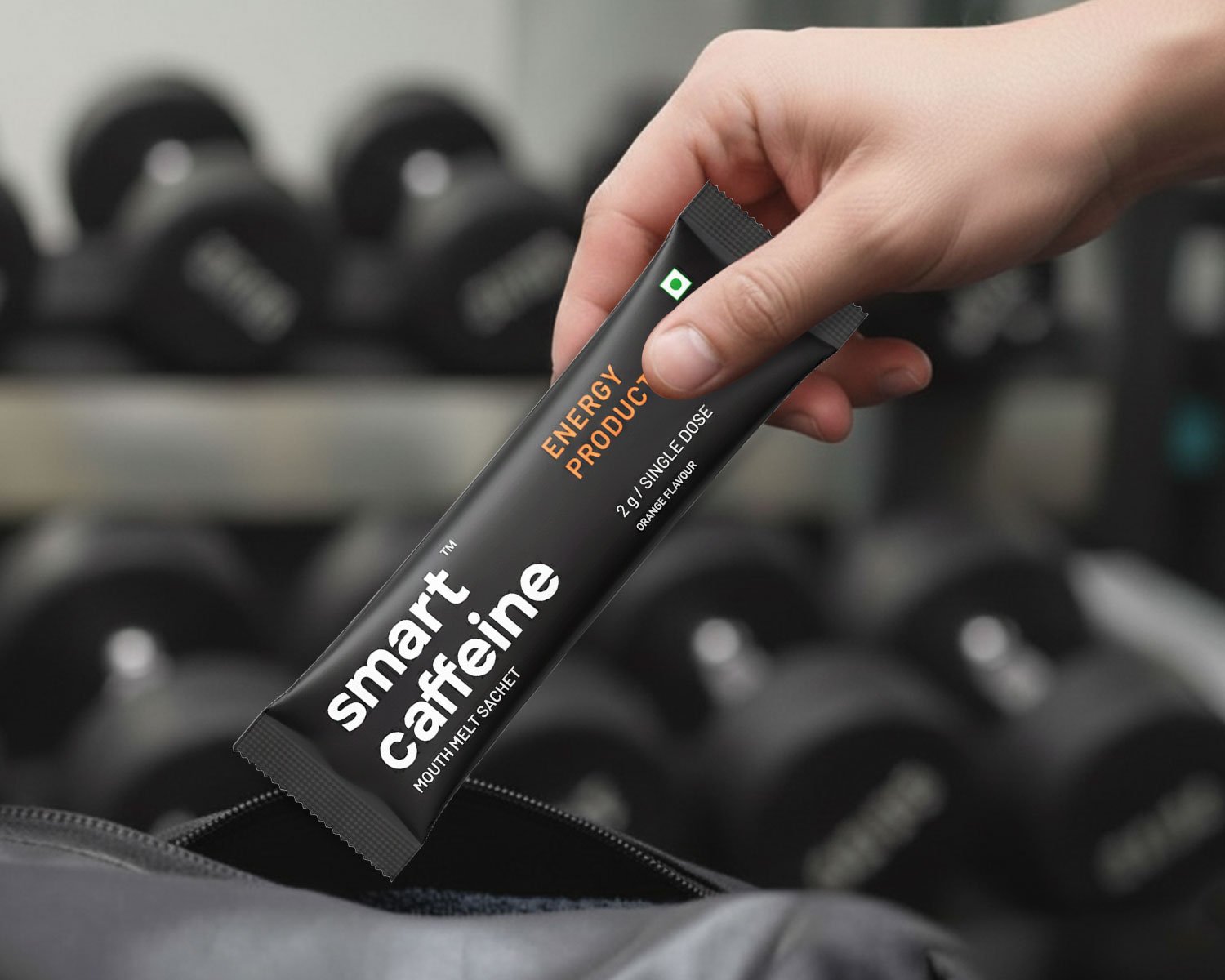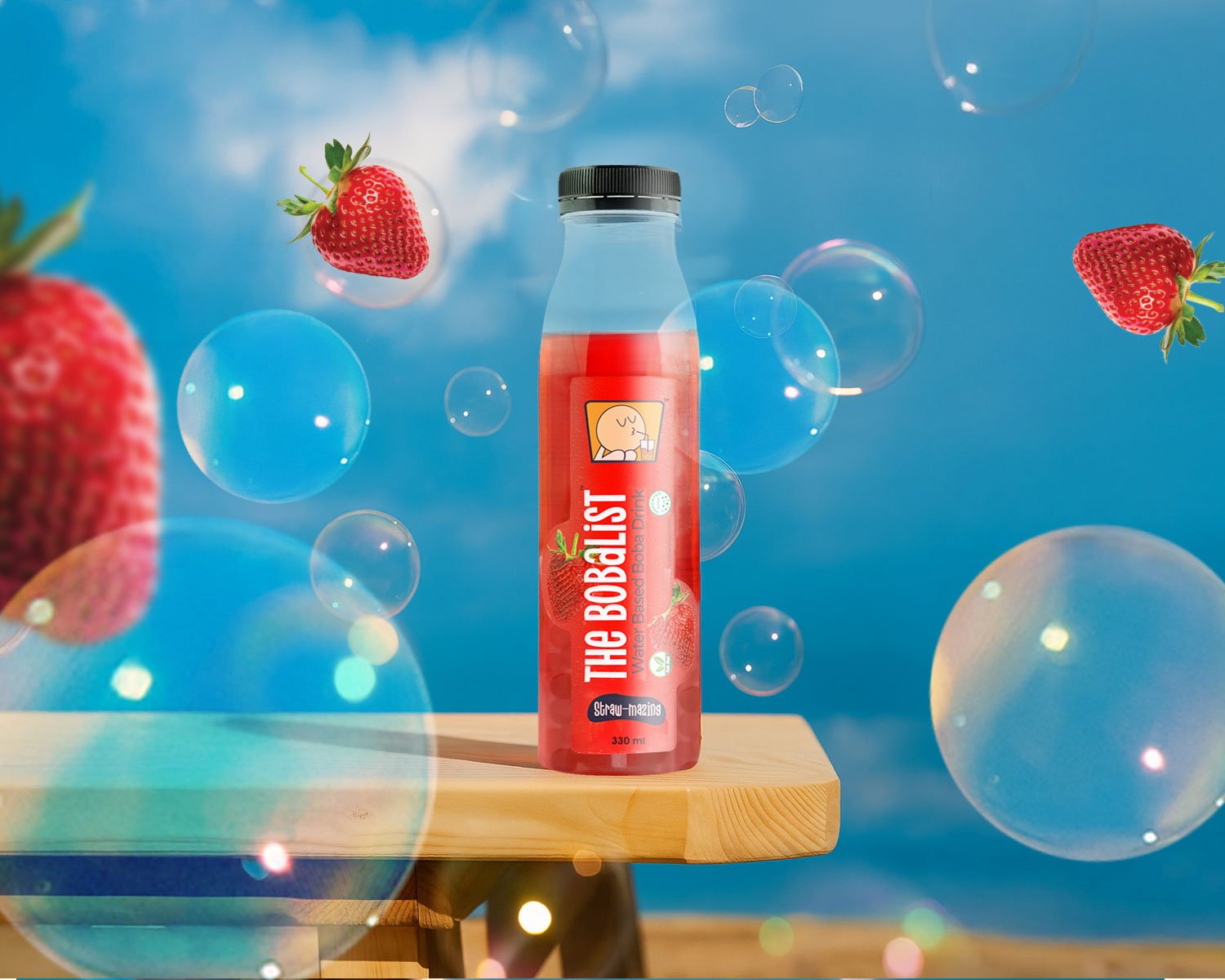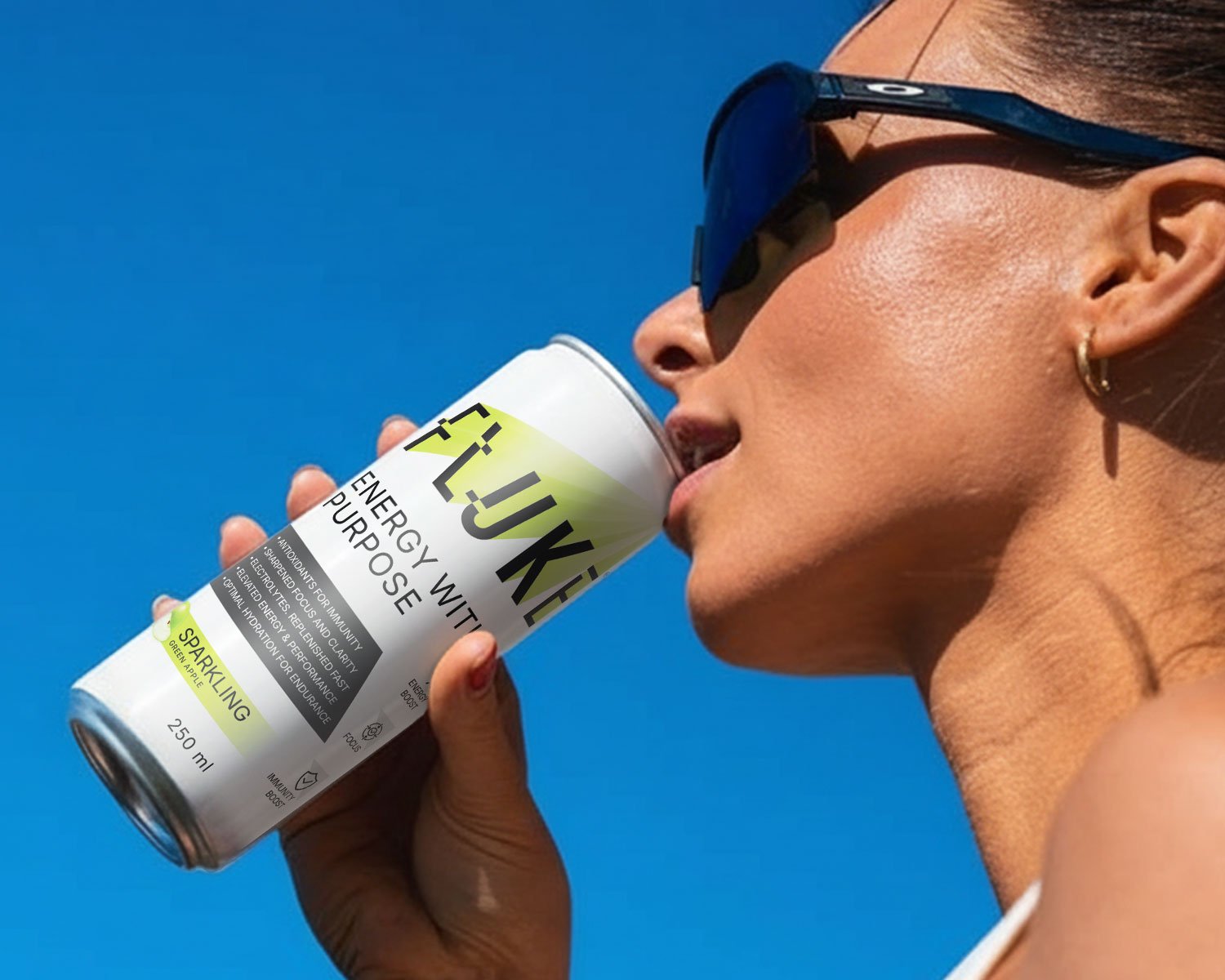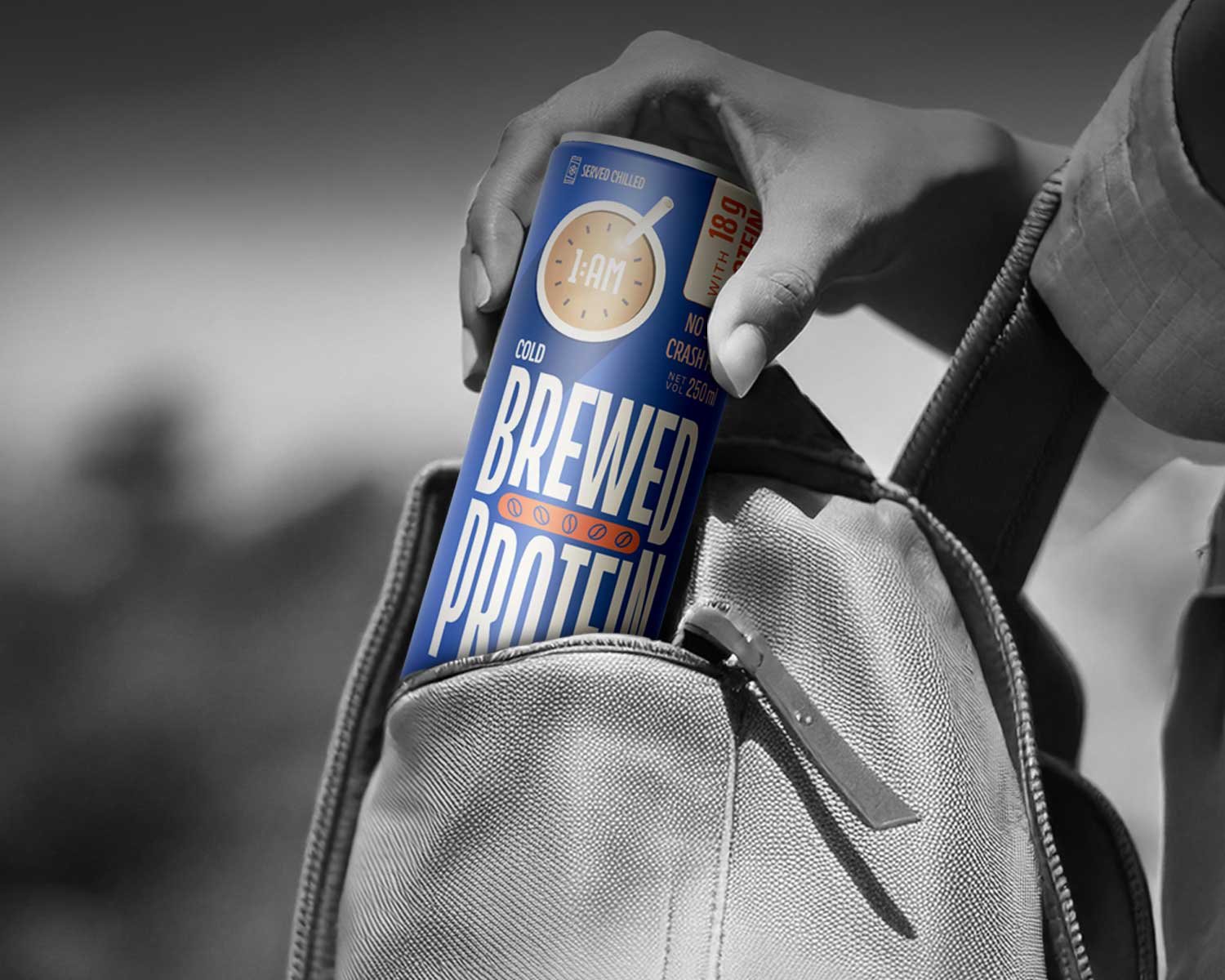
Two main considerations need to be met for sugar free energy drinks when compared to regular energy drinks. Firstly, the product needs to offer the same performance regarding energy levels, but, most importantly, it has to taste at least as well as traditional energy beverages, or better still, without sugar content. Reaching both goals at once is one of the toughest obstacles in today’s beverage production.
Sugar is more than just a sweetener. It has an important role in creating the body, feel and balance of flavors in a drink. Without it, there will be a complete restructuring of its structure. That is why most of the low sugar drinks and dietary beverages lack the characteristics of their regular analogs due to exposed bitter notes, lack of body and mouthfeel, and unbalanced flavors.
The rise of sugar free energy drinks is dictated primarily by increased customer interest and awareness concerning sugar consumption, calories, and metabolism issues. Still, their successful launch into the market fully depends on the quality of taste and product stability during the whole period of shelf life.
Working on a sugar-free energy drink? We help you balance sweeteners, taste, and performance—without the typical aftertaste challenges.
Talk to an expert →
Why Sugar Free Energy Drinks Are Difficult to Formulate
Sugar adds much more than sweetness to the beverage system. The substance increases the perception of flavor, suppresses bitterness, and creates the necessary viscosity. Without sugar, all these functions will fail simultaneously. Thus, we will get a drink formula without sweetness, with poor flavor and low viscosity, which will create an unpleasant experience for consumers.
Most energy drinks have a lot of functional ingredients like caffeine, taurine, B-vitamins, and amino acids. All these components give their bitter and astringent taste notes. When sugar is added to the composition, it successfully covers these unpleasant tastes. But when you switch to sugar free formulas, they become more apparent, making taste optimization difficult.
Artificial sugars are used as sugar substitutes. They have different temporal profiles; some give a sharp peak of sweetness, while others are delayed and leave the aftertaste effect. Thus, it will be necessary to carefully combine them to get the right taste sensation.
The last significant problem related to artificial sugars is the maintenance of taste properties during storage. The interaction of sweeteners and flavors with other ingredients may affect the shelf life of the drink.
Why Most Sugar Free Formulations Fail
Most sugar free energy beverages have failed due to the lack of sophistication in formulating products without sweetness. The use of only one artificial sweetener leads to an imbalance in the flavor structure, which does not add up to the complexity of the drink. Consumers can easily detect the difference between the sweetness from sugar and that from the artificial sweeteners used in the formulation.
Another problem is that of insufficient masking of bitterness. Caffeine and some vitamins, which serve functional purposes in energy drinks, will be more noticeable in formulations that do not contain sugar.
Formulations are also commonly evaluated only in the first phase without assessing their performance when used for an extended period of time. It may be possible that a drink tastes fine once manufactured, but will later develop a bad taste or even lose some flavor components.
The mouthfeel of the formulation can also go unnoticed, as sugar creates a certain amount of body. A sugar free beverage would lack a body and would therefore feel more like water.
Helpful Guide:- Aerated Drinks Recipe Formulation: From Idea to Commercial Beverage Production
Understanding Sweetener Systems in Sugar Free Energy Drinks
Selection of sweeteners and their combinations is perhaps the most important factor when creating sugar free energy drinks. These include artificial sweeteners like sucralose, aspartame, and acesulfame potassium. They provide the drinker with a very high sweetness level without adding much calories.
Sucralose has a more sugar-like flavor, however, it cannot compete with the body experience that real sugar can give. Aspartame also offers a better flavor without any unpleasant aftertaste, but the downside is that it is not very stable during the food production process. Acesulfame potassium works well by providing immediate sweetness, although it tends to become bitter at high doses.
Mixing the above sweeteners results in a better balance of sweetness levels. The mixing of a rapid action sweetener with one that is slow acting produces results similar to sugar’s action.
Some of the naturally occurring sweeteners include stevia that is becoming popular in the manufacture of low sugar drinks . Stevia is, however, associated with a bad aftertaste that needs to be taken care of by mixing. It is necessary to have the right formulation when using stevia.
How to Achieve the Right Taste Without Sugar
A comprehensive strategy must be employed for making an energy drink that is sugar free and tastes great. Simply adding sugar would not suffice, but one needs to design the whole flavor profile to balance out the lack of sugar.
Among the most efficient ways to do so is to employ combinations of sweeteners. It is quite possible to recreate the initial kick, the crescendo, and the aftertaste of the sweetness from sugar when employing multiple sweeteners.
The use of flavoring systems is another aspect that should be considered. Citrus fruits, berries, and tropical fruits are the most common sources of flavors. They make the drink refreshing while masking any potential bitter taste of the sweeteners.
The bitter taste masking is an essential part of product formulation. It can be done using particular flavor enhancers, manipulation of acid content, and the addition of certain ingredients that can lessen any off taste that may arise. It does not mean that all bitterness should be removed but should rather balance the whole mouthfeel.
Mouthfeel is something that also needs to be considered. For instance, ingredients like polyols or hydrocolloids can be added to give a mouthful sensation similar to that provided by sugar.
Helpful Guide:- Custom Drink Formulation Cost in India
Stability Considerations in Sugar Free Energy Drinks
Stability is one of the significant factors that can impact the success of sugar free energy drinks in the market. As opposed to sugar, which is a stable component, artificial sweeteners can be unstable under some conditions. Such instability may result in the decrease in sweetness level and change in taste.
The pH of the product should be carefully controlled to ensure its stability. The vast majority of energy beverages have an acidic pH, as it allows maintaining their taste and inhibiting the development of any microorganisms. At the same time, the selected value should be suitable for the used sweetener system and other components.
The process of production also needs to be properly developed, including pasteurization and hot filling. Overly high temperatures can negatively impact some sweeteners and flavors, causing off notes or low sweetness levels. Thus, the process should be selected wisely.
Proper packaging is needed to guarantee the stability of the final product. Light and oxygen exposure can have a negative effect on taste and appearance.
The Sugar Free Energy Drink Formulation Process
The formulation procedure starts with setting the taste profile and functional properties of the product to be developed. These include the amount of sweetness required, type of flavor used, and the amount of energy provided.
This is followed by choosing and optimizing the sweetener matrix for use in the product. Following that, a flavor matrix is chosen based on the sweetener used to enhance the product taste. Compatibility of both flavor and sweeteners should be considered.
Stability studies are then carried out to evaluate the performance of the product under varied storage conditions. Factors such as taste stability, sweetness, and visual appearance should be considered. Shelf life studies are critical in ensuring the consistency of the product.
Scale up studies are then carried out for validation purposes.
What Brands Must Understand About Sugar Free Energy Drinks
Sugar free energy drinks are not merely sugar reduced versions of regular beverages. Rather, their formulations have to be approached from scratch, considering the lack of sugar right from the start.
A beverage that is good for you but bad tasting will never make it on the market. People can give your beverage a try once, but they won’t go back to buying it if it does not taste good.
Companies that have succeeded in making energy drinks that sell do understand that the key to their success lies in formulating beverages properly.
Top Trending Blog:- Focus Drink Contract Manufacturing for Modern Brands in 2026
Create a Sugar-Free Energy Drink That Still Tastes Great
From sweetener selection to flavor balancing, we help you develop energy drinks that deliver performance without compromising on taste.
Trusted by beverage startups and functional drink brands across India
FAQs (Frequently Asked Questions)
Q1. Why do sugar free energy drinks taste different from regular ones?
They don’t contain sugar, affecting taste and texture. Therefore, other systems should be used.
Q2. What artificial sweetener should be used in sugar free energy drinks?
There is no one that would be great, several artificial sweeteners combined or combined with other solutions work better.
Q3. Can artificial sweeteners have an impact on shelf life?
Some sweeteners may have a negative effect due to their sensitivity to temperature and pH changes.
Q4. How can bitterness be reduced in diet beverages?
The bitterness can be controlled using techniques like flavor masking, pH modification, and effective sweetener blends.
Q5. Do sugar free energy drinks make for better health than normal ones?
They lower calories and sugar but should be consumed moderately because of their caffeine content.
Q6. Could the natural sweeteners replace artificial sweeteners completely?
Yes, but only through proper formulating to control aftertaste and balance flavors.