By the end of 2026, the Indian nutraceutical market will be worth around $10 billion, which means that the supplement manufacturing cost will become the most important indicator for fledgling founders. As D2C channels continue to explode, and with the insanity of quick-commerce platforms such as Blinkit, unit economics is now not only a nice thing to know, but a survival necessity.
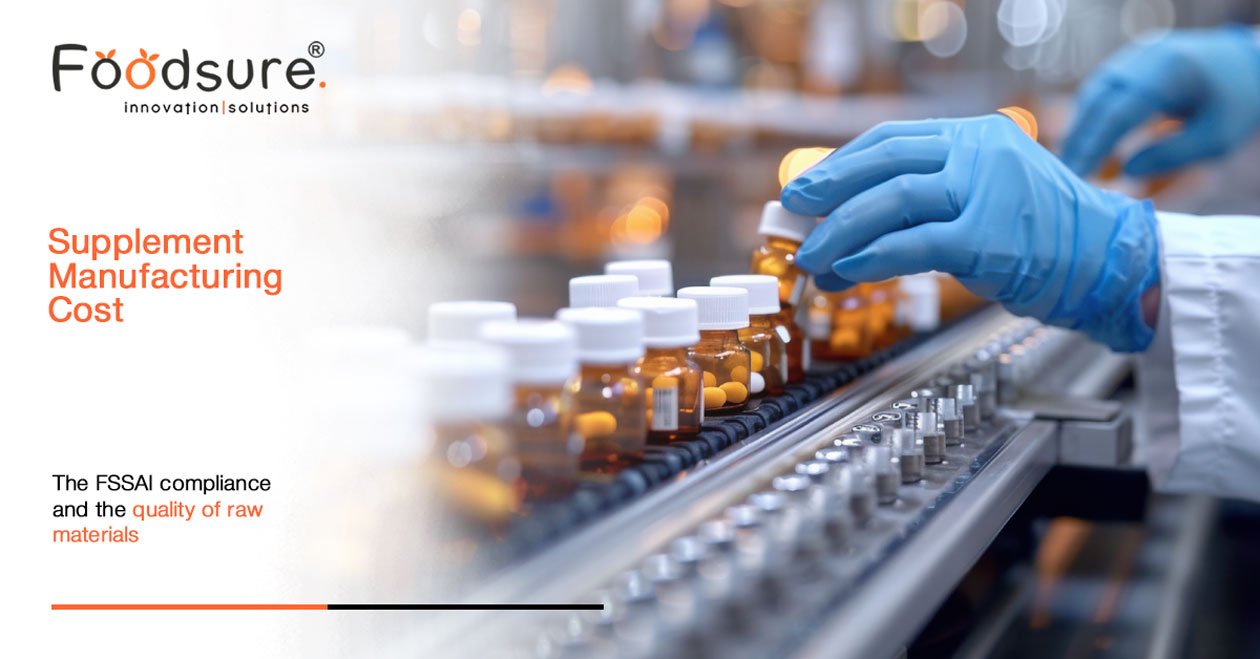
The FSSAI compliance and the quality of raw materials must be weighed in an effort to navigate the nutraceutical supplement manufacturing cost India. In the analysis of protein powder production cost India or lean private-label models, these variables can be mastered to enable the startups to scale effectively. In 2026, the transition from concept to market launch is all about the maximization of your production investment.
Understanding the Landscape of Supplement Manufacturing Cost
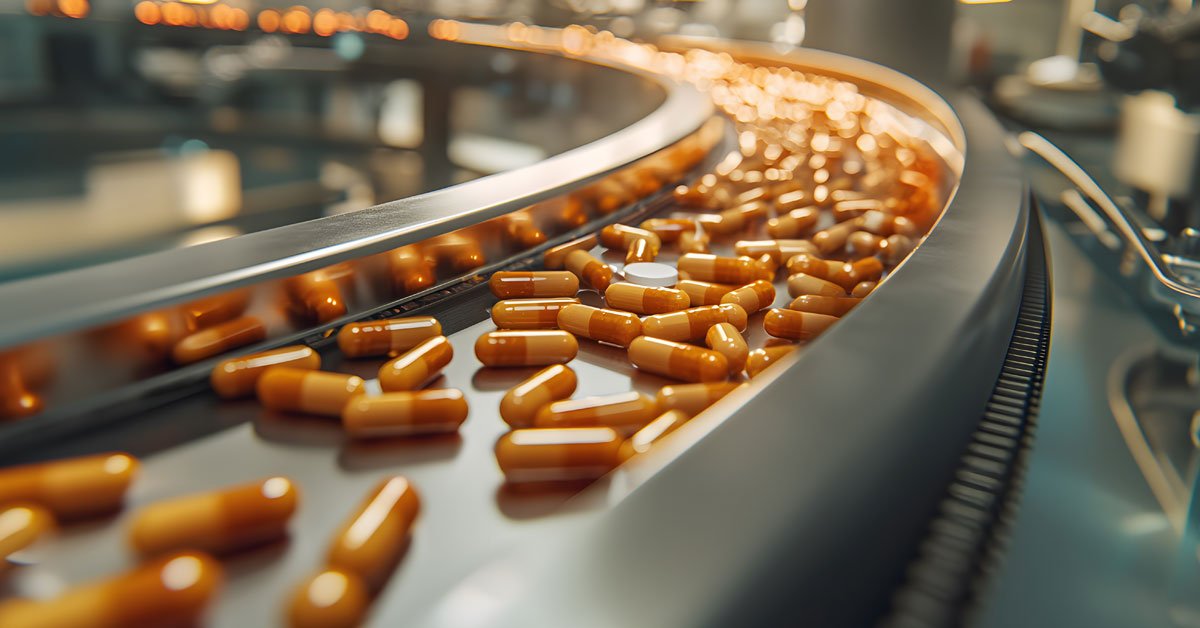
The supplement manufacturing cost cannot be a one-size-fits-all figure in the year 2026. According to a recent survey of third-party manufacturers in 2025, it has been found that costs in the industry are indeed very much based on the model of Relabeller/Marketer, when any brand can possibly launch without the need to own a single piece of machinery.
The investment is normally split into:
- Formulation Development: R&D on custom blends.
- Raw Material Sourcing: 60 – 70% of the total COGS (Cost of Goods Sold).
- Conversion Cost: The price that is paid in the factory to be processed.
- Packaging and Labelling: Brand identity and FSSAI compliance.
Per-Product Breakdown: What Does It Really Cost?
In order to give you a definite example of cost to manufacture nutraceutical India, we have categorized the three most popular categories based on the current market trends and Minimal Order Quantity (MOQs).
1. Capsule & Tablet Manufacturing Cost
Capsules allow the best entry point to new brands since there are lower MOQs, and because the storage of capsules is convenient.
- MOQ: Typically 50,000 to 100,000 capsules.
- Average Cost per Bottle (60 Caps): ₹120 – ₹280.
- Variables: Herbs (like Ashwagandha or Curcumin) or the synthetic vitamins. The cost of high-quality HPMC (Veggie) capsules is equal to or more than aromatic gelatin capsules by 20-30%.
2. Protein Powder Production Cost India
Protein will be the queen of supplements because fitness is now a popular way of life among Indians. It, however, requires maximum business investment in India regarding the volatility of raw materials.
- MOQ: 500kg to 1,000kg.
- Average Cost per kg (Whey Concentrate): ₹1,100 – ₹1,500.
- Variables: Sourcing (Imported vs. Domestic Whey), type of sweetener (Stevia vs. Sucralose), and packaging (HDPE Jars vs. Gusset Pouches).
3. Gummies and Modern Formats
The Indian market has been increasing by 45% year-on-year with Gummies.
- MOQ: 1,000 to 3,000 units.
- Average Cost per Jar (30 Gummies): ₹180 – ₹350.
Private Label Supplement Cost India: The Quick-Start Model
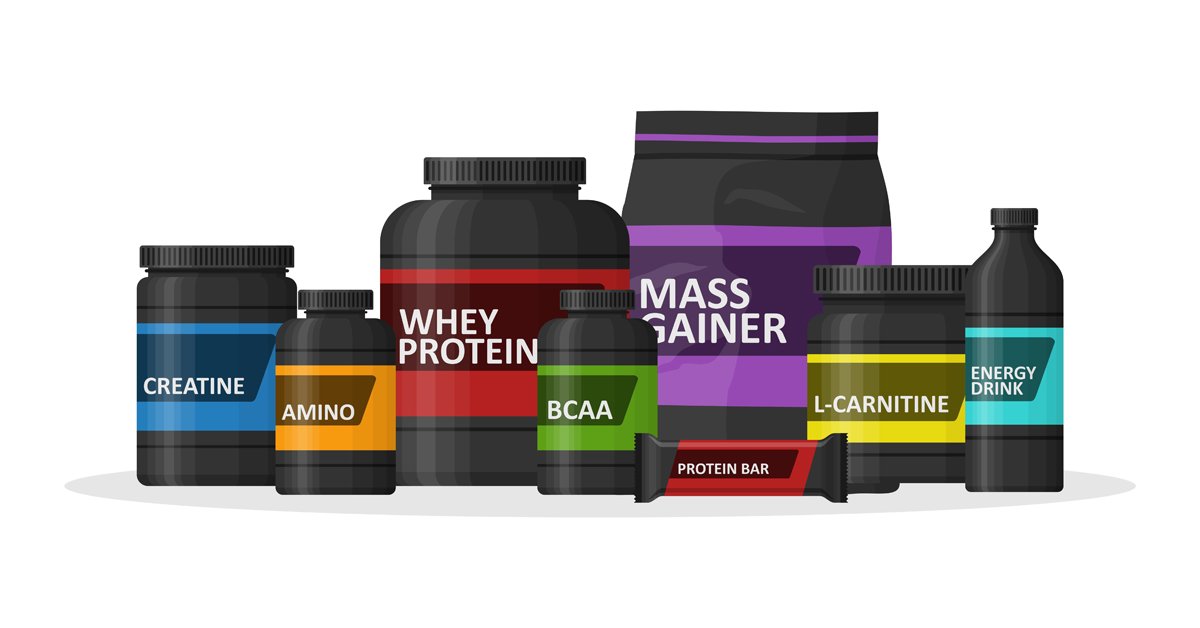
The interested people wishing to evade the R&D process can easily do so in India using the private label supplement. In this model, you stole an already certified formula of a manufacturer and imprinted your branding on it.
- Setup Fee: This can be free when one uses house formulas.
- Design & Compliance: 15000 -25000 to design labels and file FSSAI license -relabeller.
- Minimum starting inventory: A 2,000,000- 5,000, 000 beginning inventory is usually capable of launching a private label line.
Authentic Research & 2026 Market Insights
According to recent statistics of the Indian nutraceutical trade association, cost of production of nutraceutical India has been sustained due to global fluctuation of supply chains. A survey of internal contract manufacturers (2026) highlighted:
- Digitization Impact: The automated blending and filling has reduced 12% of the conversion costs as a result of labor.
- Sustainability Premium: The price of environmentally friendly packaging is no longer 8% higher than that of conventional plastic, as it was 20% higher in 2023.
- Fast Commerce Requirement: Brands are selecting smaller, trial-size formats that can be used within the size of an impulse-buy format of 10-minute delivery apps.
Key Factors Influencing Your Investment
- FSSAI Licensing: A central license is obligatory for a marketer/relabeller. The government fee is about 7500/year; however, professional filing will not make you fail.
- Testing and Analysis: Each batch should have a Certificate of Analysis (COA). The approximate cost of third-party lab testing is 3,000 -7,000 per batch.
- Marketing vs. Manufacturing: The most common one is to allocate 90% of the budget on product and 10% on marketing. A 40/60 divide should be proposed in the 2026 landscape.
Launch Your Brand with Confidence
Launching a supplement brand in India is a profitable business, yet it needs a collaborator, who will be able to comprehend the interplay of food science, legal regulations, and market dynamics.
Whether it is finalizing your supplement manufacturing cost and getting your FSSAI registration, and being a Relabeller legally, professional advice is the most important factor in scaling without hassle.
Complex cost structures should not be used to restrain your vision. We offer the end-to-end service to startups and businesses of any size interested in pivoting to wellness, regardless of whether you are a founder or an established company.
Get a tailored manufacturing quote now and begin your wellness today!
FAQs
How much does the minimum investment in a business in India require in terms of start-up?
Although this depends, a lean D2C brand can start with a private label model with about 3 to 5 Lakhs, including initial inventory, simple marketing, and legal registration.
Is the protein powder production cost India higher for imported whey?
Yes, Whey (imported in either the US or Europe) is not only subjected to importation duties and currency fluctuations, but it is also 25-40% pricier than locally processed whey protein.
What is the cost of FSSAI registration for a supplement brand?
The Central FSSAI License has a government fee of about 7500 per year. Nonetheless, the overall expenses can be higher when you have to obtain professional help with documentation as a Relabeller.
Will I be able to lower the cost of producing capsules in India through bulk ordering?
Absolutely, Economies of scale play a major role in manufacturing. A change of MOQ of 50,000 to 200, 000 capsules can, in many cases, cut the unit price by 15-20%.
What is the difference between Third-Party and Private Label manufacturing?
Third-party manufacturing is where you start with a blank sheet of paper and make your own formula, whereas with private label, you can place your brand on an existing formula that is owned by the manufacturer.
Is there a secret price in the nutraceutical manufacturing cost India?
Typical expenses that are not seen are shipping/logistics, GST (typically 18% on supplements), and the cost of mandatory laboratory batch testing (COA).
What is the time lag between the payment of manufacturing costs and the launching of the product?
The first batch, which involves formulation approval, printing of labels, and production, takes 30 to 45 days. Subsequent orders are usually faster.