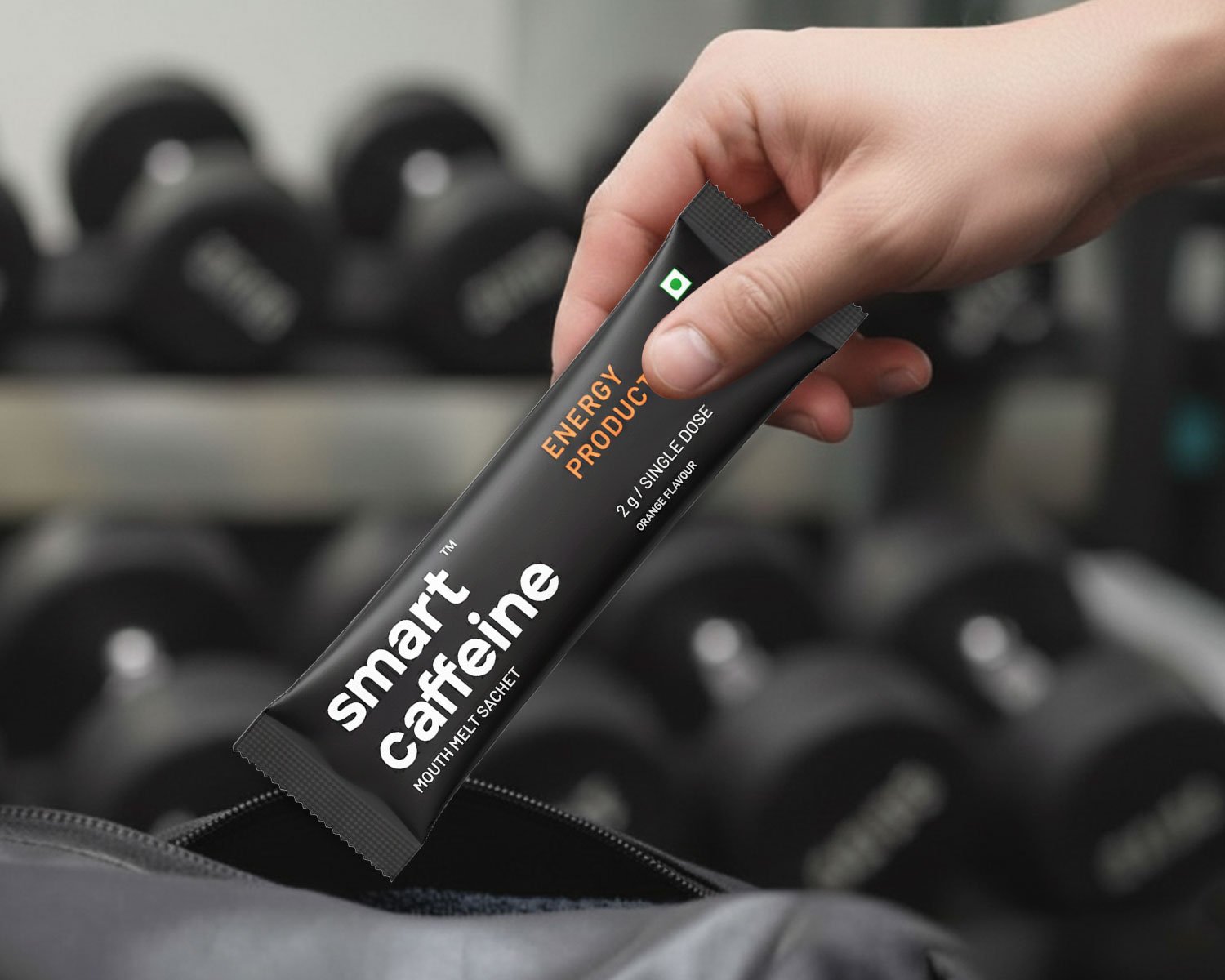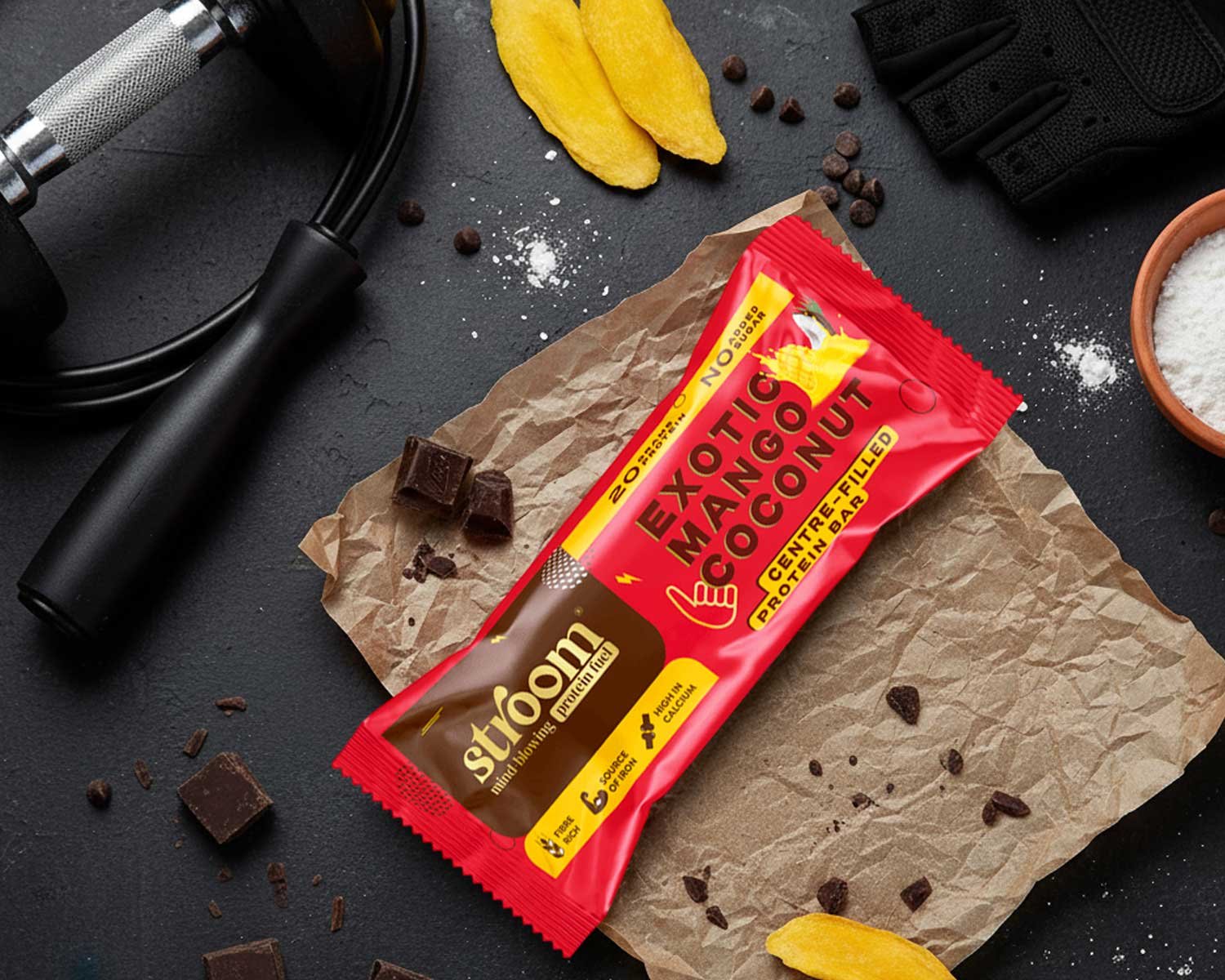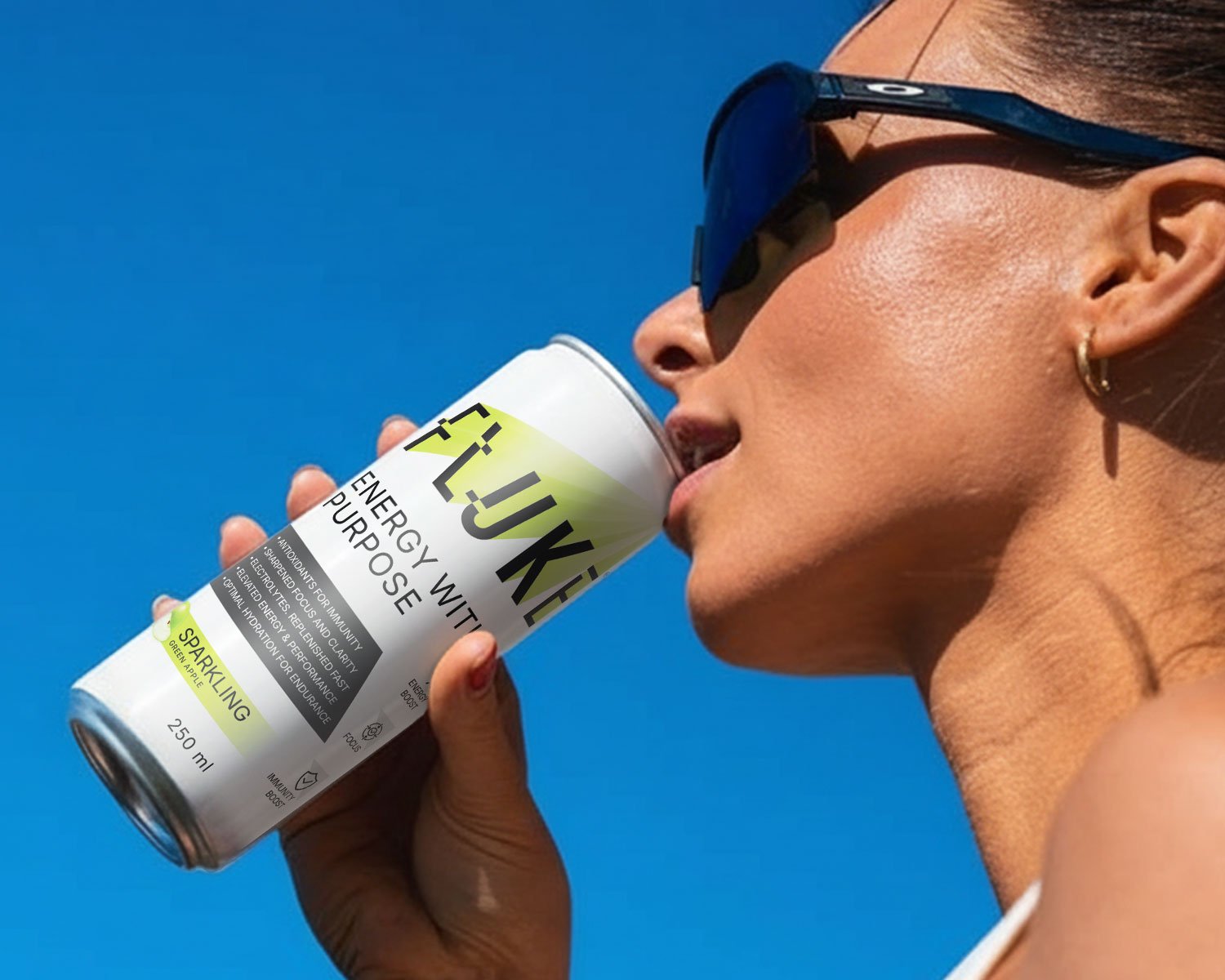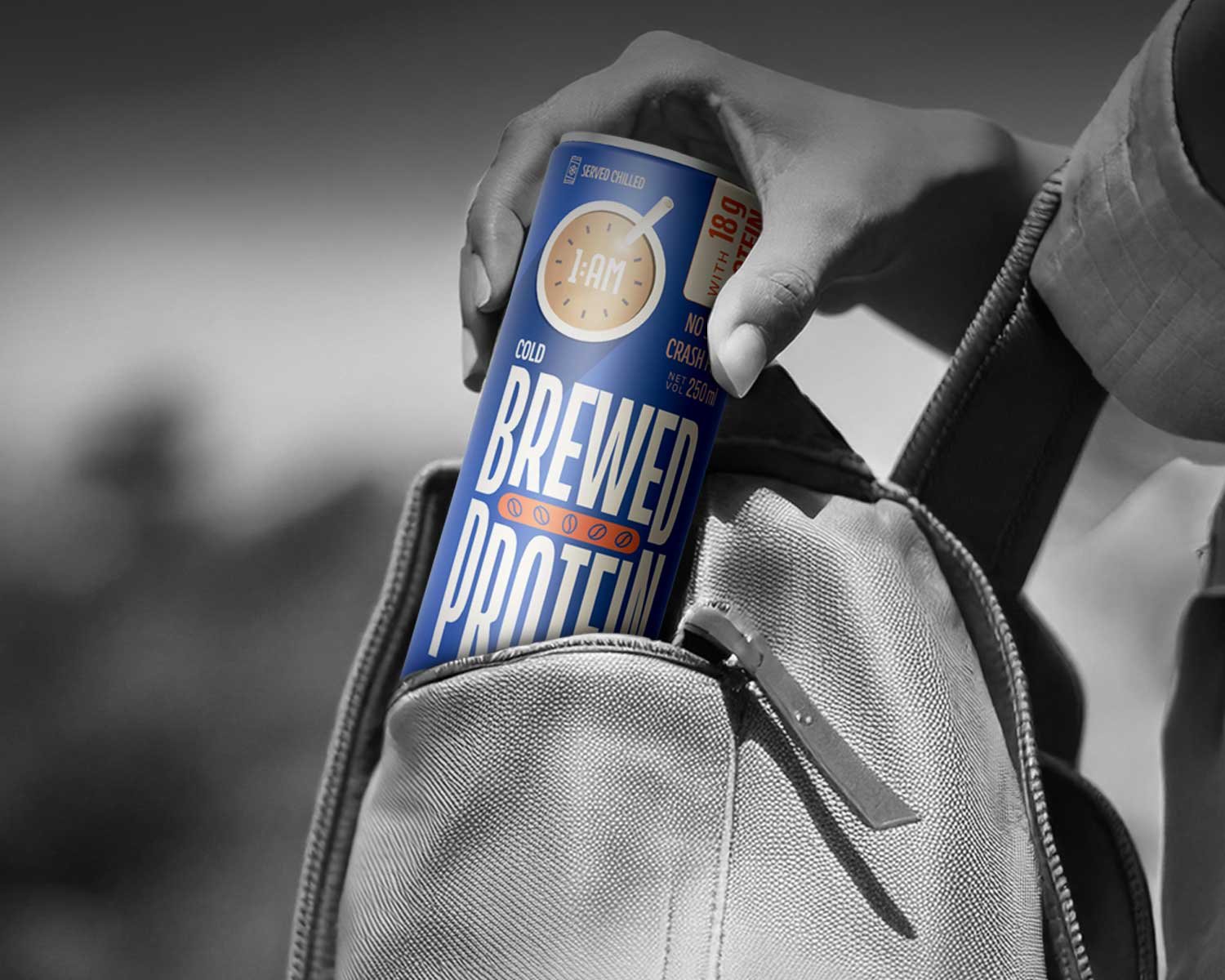
India consumes more tea than the rest of the world put together, but the way people take their tea is evolving very quickly – this evolution often goes unnoticed even by established brands. The traditional morning ritual of gulping down tea made from crushed tea leaves (or CTC tea) is still very much around. Yet, the availability of various kinds of tea, instant tea premixes, functional wellness teas, tea enriched with protein, and small packets of iced tea, which provide your tea ready-to-go in less than 30 seconds to a very young generation is now sharing space with the more ‘traditional’ forms of the drink in the marketplace. Typically, these ‘best tea company’ articles just list the names of the market leaders. This article is better than that, as it gives us a breakdown of *which tea product category* is responsible for India’s booming tea market over the next ten years – CTC tea, tea premix, functional tea premix, protein tea premix, iced tea premix and other categories. The writer also discusses how one can go about creating a tea product that can be a runaway success in a particular category.
India’s Tea Market in 2026: The Numbers That Matter
The total Indian tea brands market is expected to grow to USD 11.86 billion in 2025 and further expand consistently with CAGR estimates between 2.9% and 4.5%. Black tea is the backbone of this market, and the CTC tea type, which covers about 68% of the market, is the primary component. The Assam region and Dooars, Terai belt of West Bengal are still the top production areas, and So, India’s traditional black tea is the basic component of Indian’s tea-drinking habit. The rising trend, however, lies in non-tea-based drinks.
The Indian beverage premix market for tea, coffee, and functional drink mixes is projected to be around USD 1.8 to 2.2 billion by 2026. It is forecasted to grow at an estimated 11-13% CAGR and be worth USD 5.5- 6.5 billion by 2035 if the trend continues. In the fast-evolving market, the portion of nutritional and functional formats has already been around 20- 25% of the total market, making them one of the segments with the fastest growth in the market. Movement toward ready-to-drink products is another transformation that is taking place in the tea consumption sector. India’s instant tea premix industry is anticipated to grow at a CAGR of 8.5- 9% with common flavors like cardamom as a mainstay. It’s estimated that cardamom-flavored tea premix alone accounts for a 22.6% share, and because of this, it shows that consumers are not, in fact, turning away from conventional Indian tea flavors but instead they just prefer them to be served in a faster and more effortless medium. The change in consumers’ preferences can also be observed in cold tea-drinking habits. If current trends persist, India’s chilled and ready-to-drink tea market will grow at 12.6- 18.6% CAGR till 2030. Among different formats, powdered and premix versions are preferred since these require less care, space, and are more economical for storage and transport.
Such a scenario is not exclusive to India. Overall, the function-based tea brands category is anticipated to go from USD 2.4 billion in 2026 to USD 3.8 billion in 2033, which is a global growth of around 6.8%. That also indicates the trend among consumers for drinks that provide benefits other than just flavor, which include energy, digestion, relaxation, immunity, wellness, and nutritional aspects.
- What the figures say: consider that India’s tea consumption is not just increasing.
- It also highlights where this extra demand is. While traditional tea has a huge base, novel forms are setting the stage for rapid change.
- CTC tea is still in the top position, and it is the tea of every day. Tea premixes are gaining popularity as they make the tea-making and drinking process faster and more convenient.
- Functional tea premixes have taken advantage of the growing interest in the health and wellness trend. Protein tea offers a new combination where drinks and food nutrition converge.
- Iced tea premixes are helping tea reach new consumption opportunities, like cold drinks after a hot day in the office or at home. Unique or purpose-driven formats are enabling businesses to identify niche customer segments.
How Tea Taste Has Evolved: From Tradition to Gen Z Trends
Tea has taken so much more shape than just a heat-up-and-enjoy hot drink; the evolution of its flavor from bitter medicinal tones to the smooth, layered, and experience-centered ones that today’s consumers fancy is pretty amazing. The reasons that made tea a good product in the first place are no longer the main attractions. Personality, fresh look, and multifunctionality are the new selling points, In particular for Gen Z who keep reinterpreting the tea culture with their taste for cold-brewed teas, matcha lattes, bubble teas, tea blends flavored with fruits, and wellness-related infusions. Their generation does more than indian tea brands they expect it to be refreshing, have personal notes, look nice, and suit a modern lifestyle. That is why tea companies are trying out new types and even playing with bolder flavor notes. To put it in other words, the history, the emotions it can stir up, the way we take it or the new flavors we are open to are the elements that make tea’s flavor change from the days when it was only a drink one could warm the body with.
Mass-Market CTC Leaders
By leveraging their extensive distribution networks, consumer trust, and product quality consistency, tea brands like Tata Tea and Brooke Bond Red Label have established their dominance in India’s tea market. Their success is based on offering a consistent experience that millions of households get through their products, which makes formulation consistency the most critical factor.
The taste, aroma, colour, strength, and brewing experience should be exactly the same when a product is brewed in large numbers through machines or by hand. Their formulation challenge mainly concerns maintaining a delicate balance between strong tea and the spices such as cardamom, ginger, cinnamon and clove.
Regional Leaders: The Power of Local Consumer Preferences
In addition to these brands, we can also see that some other well-known brands have a dedicated customer base and perform nicely without even competing on the national level. Take for instance, Wagh Bakri from Gujarat and Society Tea from Maharashtra. These are great examples of local brands doing well by sticking to regional niches and not even worrying about national-level competitors.Their strength likely comes to them from such deep understanding of local preferences, taste preferences and other customer habits etc, to a point that they have been able to develop products and services that exactly match what is liked and expected from their products in a place by people living there. These stories of Wagh Bakri and Society Tea clearly indicate that even if a brand can’t dominate the whole country, it can still obtain huge success through maintaining a strong presence in a particular market.
Flavoured Tea Challengers: Making Familiar Flavours Scalable
Girnar Tea, for instance, has made its way to prominence by emphasizing the use of traditional Indian tea ingredients rather than relying heavily on large amounts of marketing advertisement to differentiate itself. Girnar has shown us the possibility of converting an old tradition into a modern-day business, making it affordable, scalable, and consistent.
Premium and Global Entrants: Selling Experience, Not Just Tea
This means that the brand needs to master the art of not only using Indian spices and traditional teas but also creating a new formula for the consumer that is appealing for flavour, strength, and aroma. For the consumers of premium and international tea brands in the country such as Twinings India and Typhoo, the tea is not just any tea but a complete package that includes the heritage, the origins of the leaves used, the tea-making process presentation etc. So for the producers, tea-making is a fine art that takes knowledge of not only the tea leaves and the process of making the drink but also a keen understanding of the consumers’ perception of the drink in its whole. The formulation of products that have to be sold to the customers directly is really important if the seller has to compete successfully with those who are able to use traditional channels of distribution to reach their customers through the use of advertising.
Functional and Wellness Tea Pioneers
With Organic India’s efforts, herbal teas containing tulsi have not only become very popular but also a wellness genre almost everywhere. Its example demonstrates how through offering other benefits besides the product quantity and availability, a tea company can go national. The creation of functional tea involves, at the most fundamental level, questioning whether the ingredients can be combined easily without compromising the taste stability liking, and other such factors.
Common Factor in Every Successful Tea Brand
Eventually, every tea brand will be confronted with a formulation-related task before distribution challenge can be met. For some, the formulated issue will be to keep the blend the same, while for others, issues in flavour stability, ingredient compatibility solubility shelf life, or health-claim compliance might pose challenges. A brand may have very good packaging and good distribution, but if from one batch to another the taste changes, the flavour disappears, the product doesn’t dissolve, or the functional ingredients create a sensory experience that is displeasing, purchasing the product again will hardly be a possibility.
Niche of Opportunity
Indian tea industry’s development after the transition from the standard CTC tea to the different tea formats will be in such areas as instant premix tea, Function tea, protein-added tea, Iced tea-premixes, the specialty blends, and other consumer driven formats. These product categories mainly reflect the changing consumer preferences for convenience health nutrition, premium quality, and the likes. Because of this, the potential is now not just a matter of the setting up of another tea brand but reaching the stage of producing a tea product that really meets the consumers’ needs through the proper balance of ingredients, packaging design, marketing, and the other factors.
The Tea Categories Actually Driving Growth in India (2026)
CTC Tea Still India’s Volume Backbone
A major factor why CTC tea is one of the staple products in the Indian market is its affordability, fast preparation and strong flavor. CTC tea is a type of loose leaf tea made in two or more pieces per sheet of black tea. The major source of CTC volume for the local domestic use of India are Assam plus Doooars-Terai belt of west Bengal and these two together account for a big share of the total tea production in the country. The North Indian regions alone contribute around 30% of the total Indian tea consumption, mainly due to Truth is per capita tea consumption is quite high alongside tea drinking culture being pretty strong here.
The real challenge is not invention of a new recipe; it is consistency in mass production. The level of tea leaves, mixing proportions, and moisture management and the ability to recreate the same flavor again and again play a deciding role in whether consumers will repurchase the product or the CTC brand will lose shelf space and give space for yet another brand that has come through private label. Foodsure offers support to CTC brands with maintaining the quality in production, conducting tasting test with customers before launching, packaging that safeguards from the factory to cup etc.
Tea Premix: The Convenience Revolution
The Indian instant tea brands that provides premix market is expected to grow at the rate between 8.5% to 9% over the coming years mainly due a increase in disposable incomes as well as a rise in e-commerce reach, the fastest growing distribution channel at 9.8% growth, and the consumers’ tendency toward “just add hot water” kind of convenience. Masala chai, ginger, and cardamom remain the leading flavors; of this cardamom premix alone accounts for almost 22.6% of the market share.
The challenge of developing an attractive tea premix product involves not only the flavor but also the solubility and the mouthfeel aspects. The product must dissolve perfectly without forming any residue, taste exactly like and have the ‘feel’ of the real tea, and most important of all the drink has to maintain its quality over months when being stored at room temperature. Exactly the way to convert a formula of a product to a powder that won’t spoil even after a long period of storage the work of Foodsure’s R&D team is daily.
Functional Tea Premix: Wellness Becomes the Growth Engine
Functional and nutritional formats already make up 20–25% of India’s beverage premix market, its fastest-growing segment as tulsi, turmeric, ginger, ashwagandha, and moringa move from home remedies into branded, repeat-purchase products. The global functional tea market’s climb toward USD 3.8 billion by 2033 confirms this isn’t a passing trend.
The hard part is formulating efficacy and taste at the same time. Adaptogens and Ayurvedic actives are often bitter or earthy, degrade with heat and light, and require label claims that are both compelling and FSSAI-compliant.
Foodsure’s Lab → Pilot → Scale model is built specifically for this: taste-masking actives, stabilizing them through shelf life, and validating the health claim before a single commercial batch is run.
Protein Tea Premix: India’s Newest Fusion Category
Protein has become one of the fastest-moving trends in Indian food and beverage from protein milk and protein lassi to protein water, and tea is now part of that wave, with high-protein tea premix already listed by manufacturers serving the Indian market. It sits at the intersection of two of India’s biggest 2026 consumer trends: functional wellness and high-protein nutrition.
This is one of the hardest formulation categories to get right. Achieving instant solubility without clumping in a high-protein powder mix requires advanced agglomeration and encapsulation techniques, and protein itself can clash with tea’s tannins, affecting both taste and texture. Foodsure has direct formulation experience in this exact intersection, including RTD and powder format high-protein beverage development, making protein tea premix a natural extension of existing capability rather than an experiment from scratch.
Iced Tea Premix The RTD & QSR Opportunity
India’s iced/RTD tea market is projected to grow at a striking 12.6–18.6% CAGR through 2030, and powdered iced tea premix formats are gaining specific traction for their shelf stability, low logistics cost, and suitability for QSR, cloud kitchens, and café chains that want consistent iced tea without cold chain dependency.
The formulation challenge is cold solubility a premix that dissolves cleanly in cold or room-temperature water/milk, without the grittiness or separation that plagues many instant iced tea powders, while still delivering bright, nonbitter flavor. Foodsure’s format-agnostic R&D covers this coldbeverage formulation work alongside its hot beverage premix capability.
And the Categories Right Behind Them
Green & Matcha Tea Premixes are on the same wellness wave track as functional tea and are experiencing increased cafe/D2C demand. Masala Chai HORECA Sachets are single-serve, foodservice-grade premix formats available for cafs, QSR chains, and cloud kitchens.
Kombucha Tea & Fermented Tea is an exciting new functional beverage category emerging quickly from its early-stage in urban India. Each of these is smaller but at the same time, an earlier opportunity where it may be easier to take the lead in the category. One of the reasons to become a top player so early is that there are still fewer formulation-ready players competing for them.
Case Study: Formulating a Functional Tea with Foodsure R&D
Why Tea Brands Across Every Category Choose Foodsure Research & Formulation House
Whichever category a brand competes in CTC, premix, functional, protein, or iced tea the formulation problems above eventually land on the same desk. Foodsure Research & Formulation House is built to solve all of them under one roof through a Lab → Pilot → Scale model:
- 300+ brands developed and 120+ success stories across food and beverage categories
- 200+ products launched, including work with 50+ international clients
- 12+ years of food science and formulation expertise
- 100% regulatory compliance support: FSSAI approvals and label claim substantiation
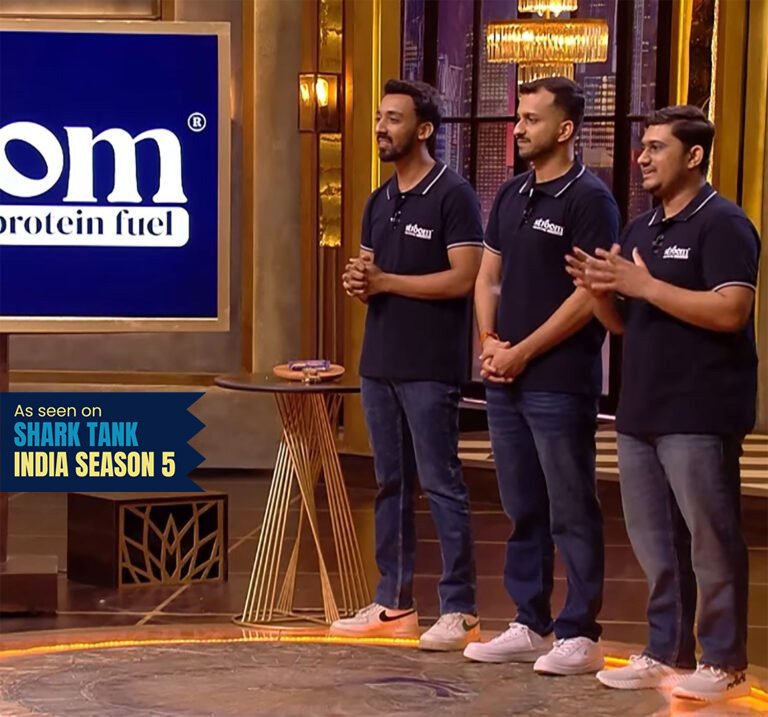
Proven track record scaling brands that went on to feature on Shark Tank India, including Stroom, Vold, and 3 Sisters. In-house capability spanning recipe formulation, commercial kitchen trials, packaging, and contract manufacturing: CTC blend standardization, premix powder engineering, functional ingredient stabilisation, protein beverage solubility, and cold/RTD formulation, all under one team. For a brand entering tea premix, functional tea, or protein tea, that means a single partner who can solve the formulation problem in the lab and then reproduce it, batch after batch, at commercial scale without the recipe drifting between pilot and factory floor.
The 2026 Formulation Playbook By Category
- CTC: Keep things consistent at each blending station and also moisture level controlled. A really good chai product with varying batches quickly leads to losing repeat customers.
- Tea Premix: Solubility must be a priority with mouthfeel being true-to-the-source. After the base powder has been perfected you will find it very easy to add different flavor variants.
- Functional Tea Premix: Do not just focus on the health benefit but also develop the recipe together. If an FSSAI compliant product is launched retrofitted it will become very expensive and will also be slow.
- Protein Tea Premix: Invest initially in the agglomeration/encapsulation technology if you do not want to face the situation where after adding your proteins and tannins, your product clumps and gets off-notes which is the main reason for failure for scale.
- Iced Tea Premix: Perform the cold-water solubility test. It won’t pass QSR or RTD use case if a premix only functions in hot water.
- Pilot run is essential for every category: before a contract to manufacture in commercial-scale is made. Only through small lot trials a company is able to identify problems which may later prove to be expensive if unresolved.
Ready to Formulate Your Tea Category’s Next Leading Brand?
From the dominance of Tate Tea’s CTC to the concept of functional tea made by Organic India, most tea brands leading in India in 2026 had succeeded on product formulation long before their brand was marketing. If you are in a position of product design, tea premix, functional tea, protein-infused tea or iced tea market and need an R&D partner that can take you concept-wise from design to an FSSAI-compliant and ready-for-shelf product, Foodsure Research & Formulation House is your partner.
Frequently Asked Questions
What does a tea formulation and R&D company like Foodsure actually bring to the table for a tea brand?
Foodsure is basically a One-Stop solution for the tea brand to go through the entire process from a mere idea to the shelf-ready product. This includes recipe development, purchasing of raw materials, making flavor blends, testing for stability and shelf-life, FSSAI certification, designing, and manufacturing packages – all while following a Lab – Pilot – Scale approach. This way, the Tea Company gets to skip the hassle of multiple vendors at different stages.
Approximately, how much time is required from concept to launch of a new Tea Premix?
Durations may differ as per the product line. But a regular premix like CTC, masala chai or functional tea goes from the very beginning lab stage to pilot validation and ends with the commercial-scale production within only a couple of months. The final time may be affected by a few flavor/ingredient versions and the speed of finalizing compliance documentation.
How much is it going to cost me to develop a Tea Premix with either functional ingredients or proteins in India?
There are different cost factors in this matter: how expensive the ingredients are (e.g., adaptogens or protein isolates will run your project for much more money as they are costlier than simple ones like tea leaves), the quantity of the batch, and the type of packaging; and also, the requirement of substantiating of claimed health benefits on the lab. We assist entirely with regulatory compliance, FSSAI approval, and also verifying the truthfulness of claims on product labels. For example, the claims on immunity, protein, or adaptogenic benefits, etc. These are Most of all vital for functional tea, where the claims are the most scrutinized.
Is there a minimum order quantity (MOQ) to start the development of a tea product with Foodsure?
We collaborate with both the start-ups and the bigger brands; we first run trial productions of small batches in a lab before moving to manufacturing on a large scale – so the brands can confirm for themselves the taste, the stability, and marketability before agreeing on a big batch with a major contract.
Why is there a need for distinction between the tea premix and the functional tea premix?
Tea premix like instant masala chai or cardamom tea is Mostly made to consumption ease and consistent taste. Then again, functional tea premix introduces an additive which may include tulsi turmeric ashwagandha or other ingredients formulated to a specific health benefit. This kind of tea So calls for additional work on the areas of taste, stability and compliance.
Does Foodsure have a solution for iced tea or RTD tea that doesn’t require a fridge?
They can produce freeze-dried iced tea and RTD tea that are very easy to solubilize in and have an shelf life at room temperature. This way, not only are they free from the cost of cold-chain, they are also suitable for QSR, caf, and cloud kitchen applications.
How do you prevent the clumping and solubility issues caused by the mix of protein and tea?
Protein tea premix needs to go through advanced agglomeration and encapsulation processes mainly aimed at preventing powder clumping, and at avoiding protein-tannin reactions that lead to undesirable taste. This is Foodsure’s one of strengths in formulations and it is drawn from prior high-protein beverage development work.
Is Foodsure doing only R&D or it can also help with scaling after the formulation is done?
Foodsure is capable of carrying the whole value chain from conceptual formulation on its own through validation and commercial kitchen trials on food service samples. It also offers contract manufacturing of the recipe approved for commercial launch by the client so that the client can have the same quality of product after scaling up with the formulation pilot-scale version as the product in their pilot plant.
Does Foodsure only assist startups and new brands, or major companies too?
They assist both. Foodsure has helped launch 300+, covering 120+ case studies from small startups to big companies, and among them, there are startups that have made it onto Shark Tank India (e.g. Stroom Vold, 3 Sisters) and established ones expanding into new tea categories like functional and protein premixes.
Get in touch: [email protected]