Food is never simply food. Everything has its purpose, and each element will respond uniquely within a system. The texture, flavour, and shelf life are defined by carbohydrates, proteins, and fats. Nutrition, stability, and nutritional positioning are determined by vitamins, minerals, and additives. Even cooking, fermenting or preserving the product can change the final product radically.
Understanding the types of food and their interactions across different types of food turns food product development into a structured strategy rather than intuition.
This blog explains the classification of food with examples, and why food consultants evaluate every stage to create products that are not only delicious but also stable, scalable, and market-ready.
Classification of the Different Types of Food
1. Macronutrient-Based Types
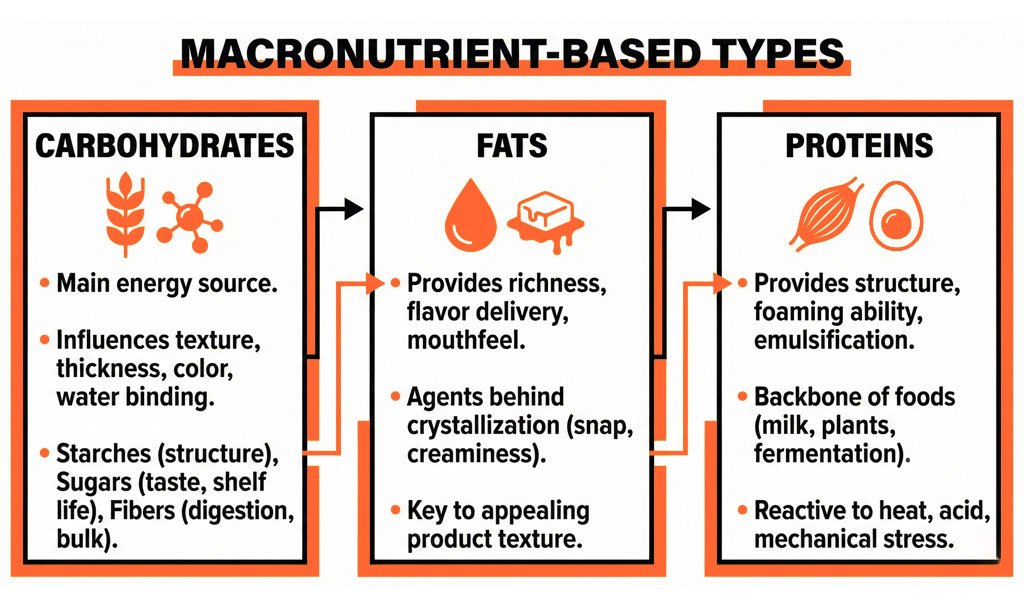
Carbohydrates
Carbohydrates are the primary energy source, but in food systems, they do much more. They influence structure, viscosity, colour, sweetness, and moisture retention.
- Examples: Rice, wheat, starches, sugars, dietary fibre
- Starches provide structure in baked goods
- Sugars contribute to flavour, browning, and shelf life
- Fibres improve texture and digestive value
Carbohydrates form the foundation of many food types, defining the overall eating experience.
Fats
Fats are critical for richness, mouthfeel, and flavour delivery. They also control crystallisation, which determines texture.
- Examples: Butter, vegetable oils, cocoa butter, ghee
- Influence creaminess, spreadability, and melting behaviour
- Carry fat-soluble flavours and aromas
The right fat system often differentiates a premium product from an average one.
Proteins
Proteins provide structure, emulsification, and foaming properties, making them essential across multiple food categories.
- Examples: Milk protein, soy protein, pea protein, egg protein
- Enable gel formation, stability, and aeration
- Highly sensitive to heat, pH, and processing conditions
Proteins are among the most technically complex components in different types of food production.
2. Micro-Ingredient Categories
Vitamins
Vitamins define the nutritional value but are highly unstable.
- Examples: Vitamin C, Vitamin D, B-complex
- Sensitive to heat, light, and oxygen
- Require careful formulation for retention
Minerals
Minerals may seem simple but have a strong functional impact.
- Examples: Iron, calcium, zinc
- Affect pH, flavour, and protein interactions
- Can influence stability and taste
These micro-components play a crucial role in the classification and function of food.
You May Also Like: Trends in Food Product Development
3. Processing-Level Classification
Raw Foods
Raw materials determine the baseline quality and consistency.
- Examples: Fresh fruits, vegetables, grains
- Variability impacts final product predictability
Cooked & Heat-Treated Foods
Heat processing improves safety, flavour, and texture.
- Examples: Baked goods, pasteurised milk, cooked meals
- Requires control to ensure batch consistency
Preserved Foods
Preservation methods extend shelf life and define product identity.
- Examples: Pickles, dried foods, fermented products
- Methods: drying, fermentation, freezing, preservatives
Each processing method creates a distinct category of food with unique characteristics.
Want to optimise your Food Business? Request a free consultation!
Explore Our Exclusive Food Product Development
Types of Food Used in Food Production Systems
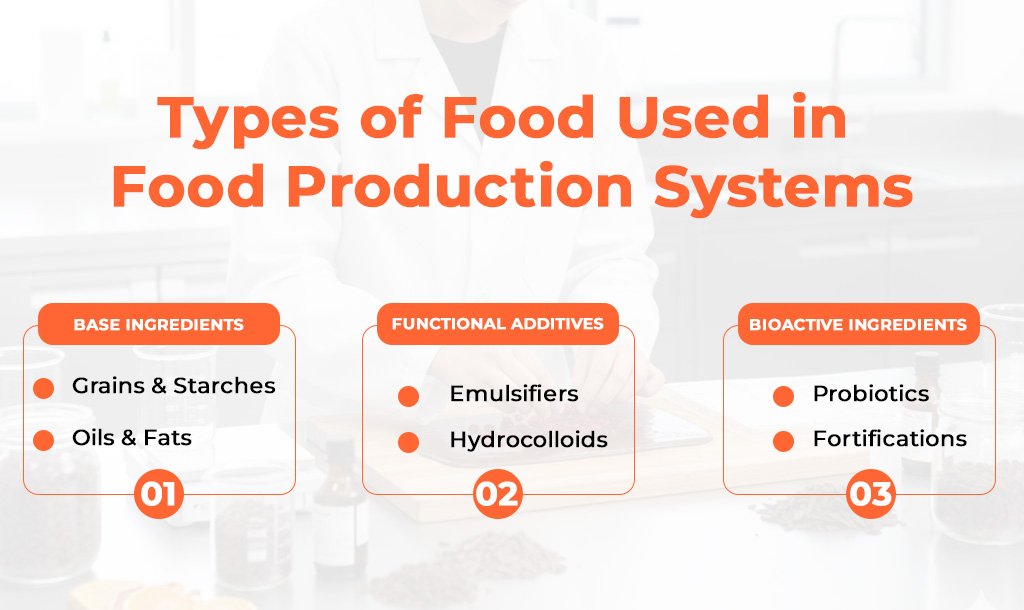
Base Ingredients
- Grains & Starches: Provide structure and bulk
- Oils & Fats: Enhance texture, lubrication, and flavour delivery
Functional Additives
- Emulsifiers: Stabilise oil-water systems
- Hydrocolloids: Control viscosity, texture, and moisture
Bioactive Ingredients
- Probiotics: Add functional health benefits but require controlled processing
- Fortification: Iron, omega-3, vitamins improve nutritional positioning
These components define how different types of food production systems are designed and optimized.
You May Also Like: Food Packaging and Labelling Regulations
Scientific Approach to Product Development
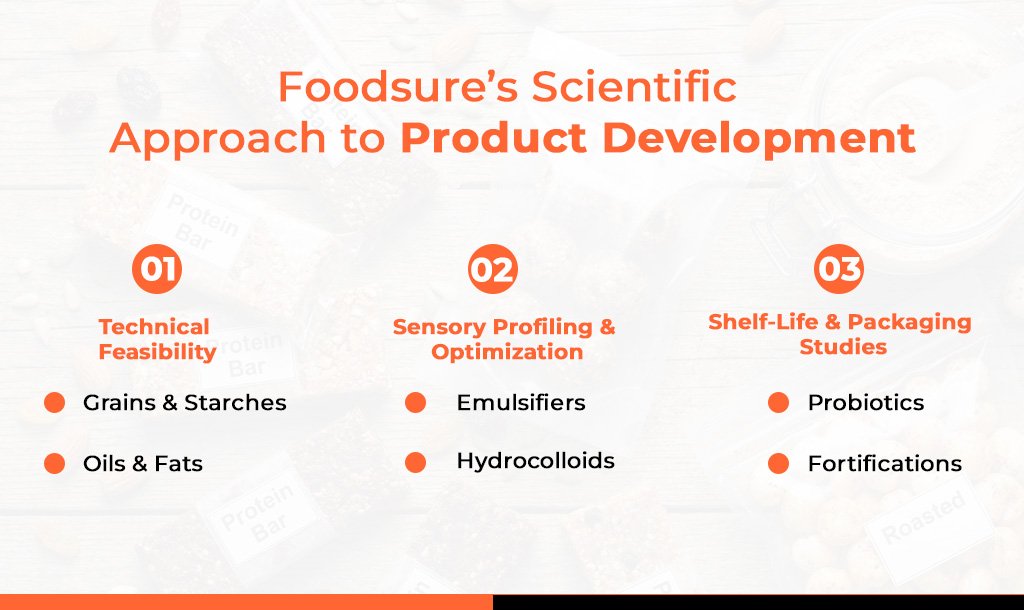
Technical Feasibility
- Ingredient Interactions: Ingredients do not often act separately. Proteins bind minerals. Fats affect the release of flavours. Starches are sensitive to moisture and heat.
- Stability Assessment: A product might look perfect on day one, then fall apart by week three. Predicting oxidation, moisture migration, and texture drift is essential.
Sensory Profiling & Optimisation
- Texture Sensory Tools: Texture defines a product as much as flavour. Tools like rheology curves or bite-force tests help quantify what the tongue already knows.
- Flavour Sensory Mapping: Flavour isn’t just taste; it’s aroma, mouthfeel, and after-notes. Mapping these elements helps refine a product until it hits the right balance.
Shelf-Life & Packaging Studies
- Chemical Stability: Oxidation, pH shifts, and nutrient degradation all shape shelf life. Good packaging slows these down.
- Microbial Stability: Safety validation is a way of adhering to compliance, and it safeguards brand credibility.
You May Also Like: Art and Science of Food Production
Create Your Signature Food Product Today!
From recipe to launch, our experts turn your Food idea into a market-winning product.
⭐ Rated 4.9/5 by 100+ D2C Founders & FMCG Brands
How Foodsure’s Food Consultants Evaluate Food Categories
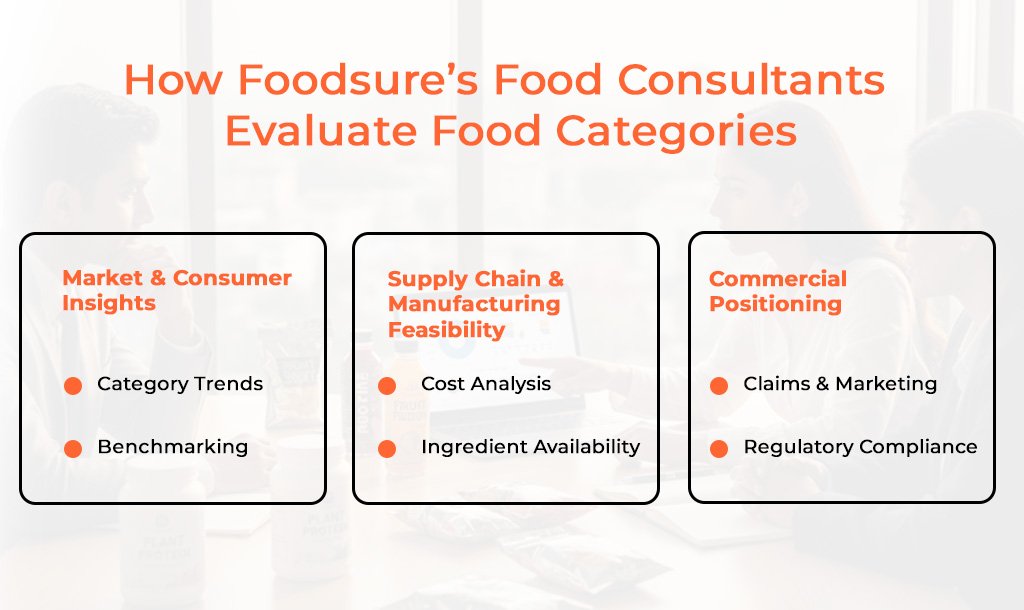
Market & Consumer Insights
- Trend analysis to identify high-growth food types
- Benchmarking against competitors
Supply Chain & Manufacturing Feasibility
- Cost modelling for profitability
- Ingredient availability for scalability
Commercial Positioning
- Claims validation (nutrition, clean label, functional)
- Regulatory compliance alignment
Every decision is aligned with both science and market demand.
Emerging Types of Foods Shaping the Industry: Plant-Based Proteins
Plant-Based Foods
- Meat alternatives using structured proteins
- Dairy alternatives requiring balance of taste, protein, and stability
Precision Fermentation Foods
- High-purity novel proteins
- Enzyme-driven texture and flavour modification
Sustainable Food Systems
- Upcycled ingredients with functional benefits
- Regenerative agriculture-based raw materials
These innovations are redefining what are the different types of foods in modern markets.
You May Also Like: Food Business Ideas
List of various Food Categories
Learning about the types of foods is beyond the identification of ingredients. It involves studying the reaction of components, processing changes in components and how stability influences the performance. Product development is scientifically evaluated, and it becomes organised, scalable, and business-oriented. Food is a system, and the secret of success in it is to know how the system functions.
Based on where they come from, how their body composition is, and whether people produce or eat them, foods may belong to various categories. When the categories of these foods are understood, it is an ideal way of constructing a nutritious and balanced meal and, at the same time, of being able to sample and appreciate an ever greater range of cuisines from different parts of the world. Here are the main types of foods and examples of each category.
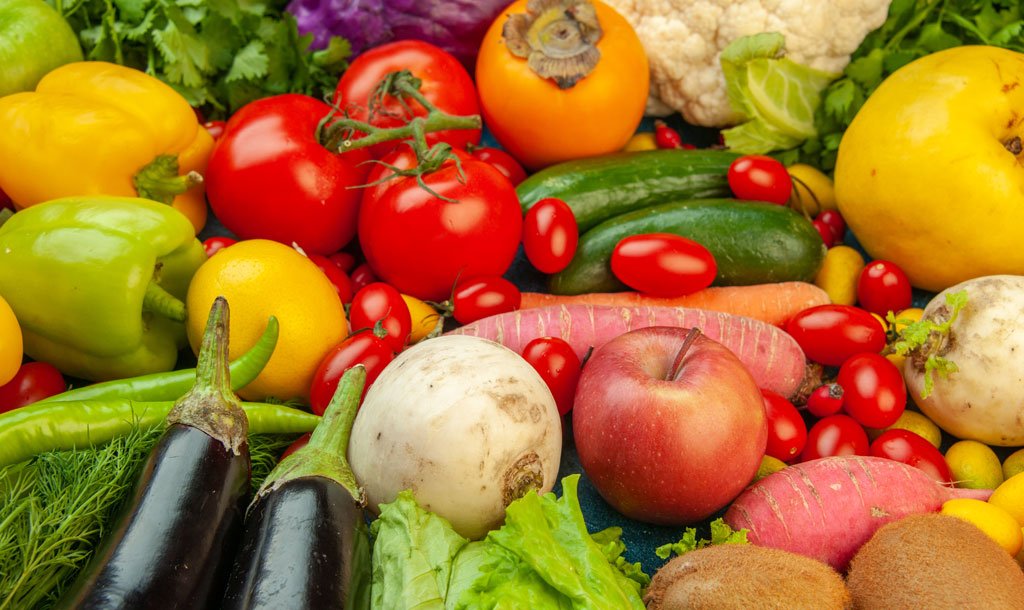
Leafy vegetables can be spinach lettuce kale, and fenugreek while root vegetables are carrots beetroot radish, and sweet potatoes. Cruciferous vegetables are broccoli cauliflower cabbage, and Brussels sprouts. Allium vegetables are onions garlic leeks, and shallots. Gourds are pumpkin, bottle gourd, zucchini, and cucumber.
Fruits can also be separated as citrus fruits (e.g. orange lemon lime grapefruit), berries (e.g. strawberry blueberry raspberry blackberry), fruits with stone or pit (e.g. peach plum cherry apricot), tropical fruits (e.g. mango pineapple papaya banana), and melons (e.g. watermelon cantaloupe, honeydew).
Grains & Cereals include whole grains viz. oats brown rice, barley, and whole wheat; refined grains like white rice, white flour, and pasta; and pseudo-grains namely quinoa, amaranth, and buckwheat.
Legumes, Pulses & Lentils include chickpeas, kidney beans, black beans, green peas lentils soybeans, and pigeon peas, valued for high protein and fibre content.
Meat & Poultry include bird like chicken turkey duck, and mammals like cattle lamb pork, and goat, all serving as a good source of protein and other vital nutrients.
Fish & Seafood refers to different species of fish like salmon tuna sardines, mackerel and seafood like prawns shrimp crab, oysters, and mussels, some of which are Mainly high in omega-3 fatty acids
Dairy & Dairy Alternatives comprise milk yogurt cheese, butter, and cream as well as their plant-based counterparts like soy milk, almond milk, oat milk, and coconut milk.
Eggs include chicken duck quail, and goose eggs, which are considered among the most versatile and nutritionally complete foods.
Nuts & Seeds include almonds walnuts pistachios cashews chia seeds flaxseeds pumpkin seeds, and sunflower seeds
Herbs, Spices & Condiments refer to the likes of basil mint coriander rosemary etc. and turmeric cumin black pepper cinnamon etc. alongside mustard vinegar soy sauce, and tomato ketchup. These are the ingredients which add the characteristic flavors and scents to food.
Fermented Foods refer to the traditional products including yogurt kefir kimchi, sauerkraut miso tempeh, kombucha and pickles that are known to support the digestive system.
Processed & Packaged Foods like breakfast cereals bread biscuits, instant noodles, frozen meals, ready-to-eat snacks, canned soups, sauces, and packaged beverages.
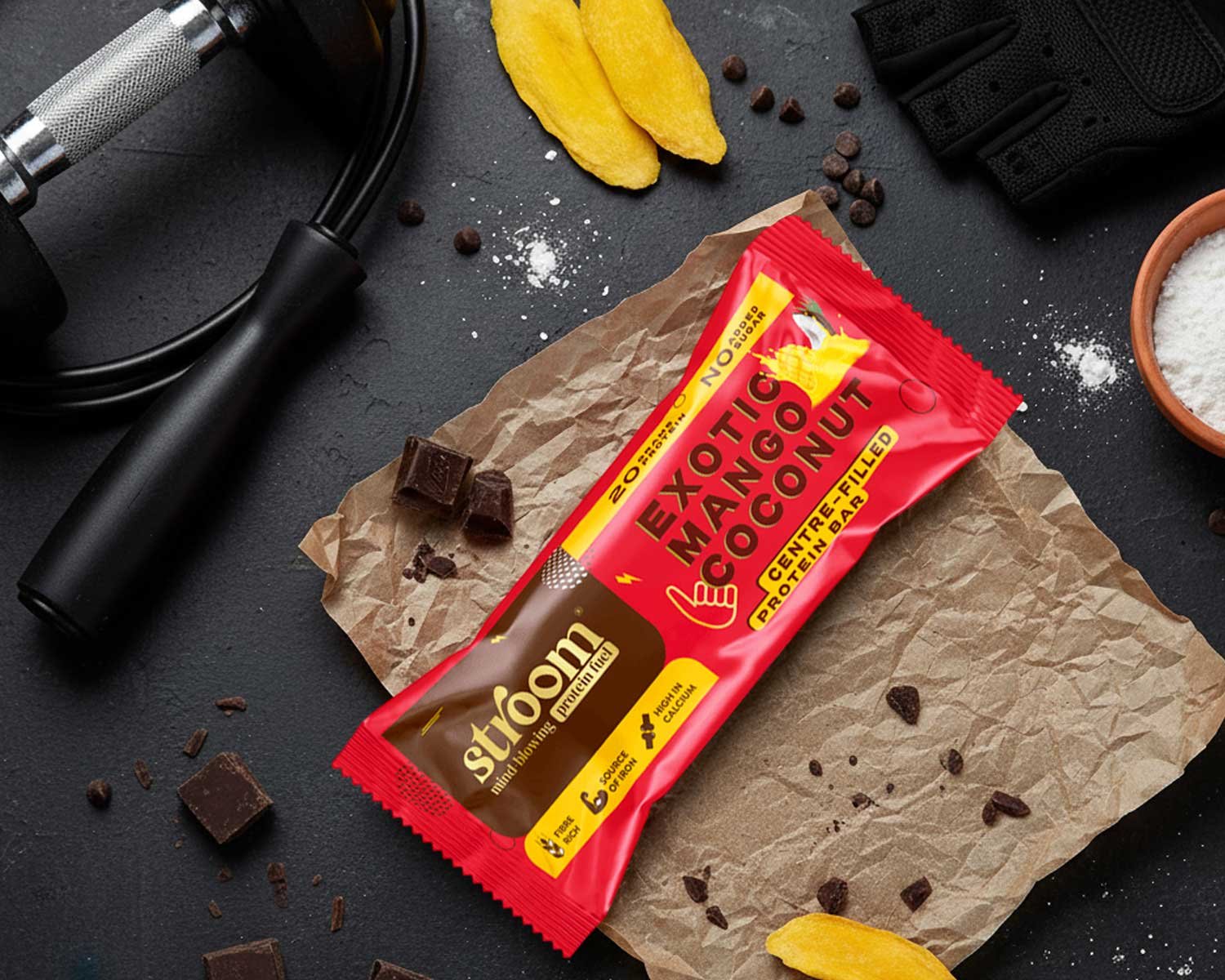
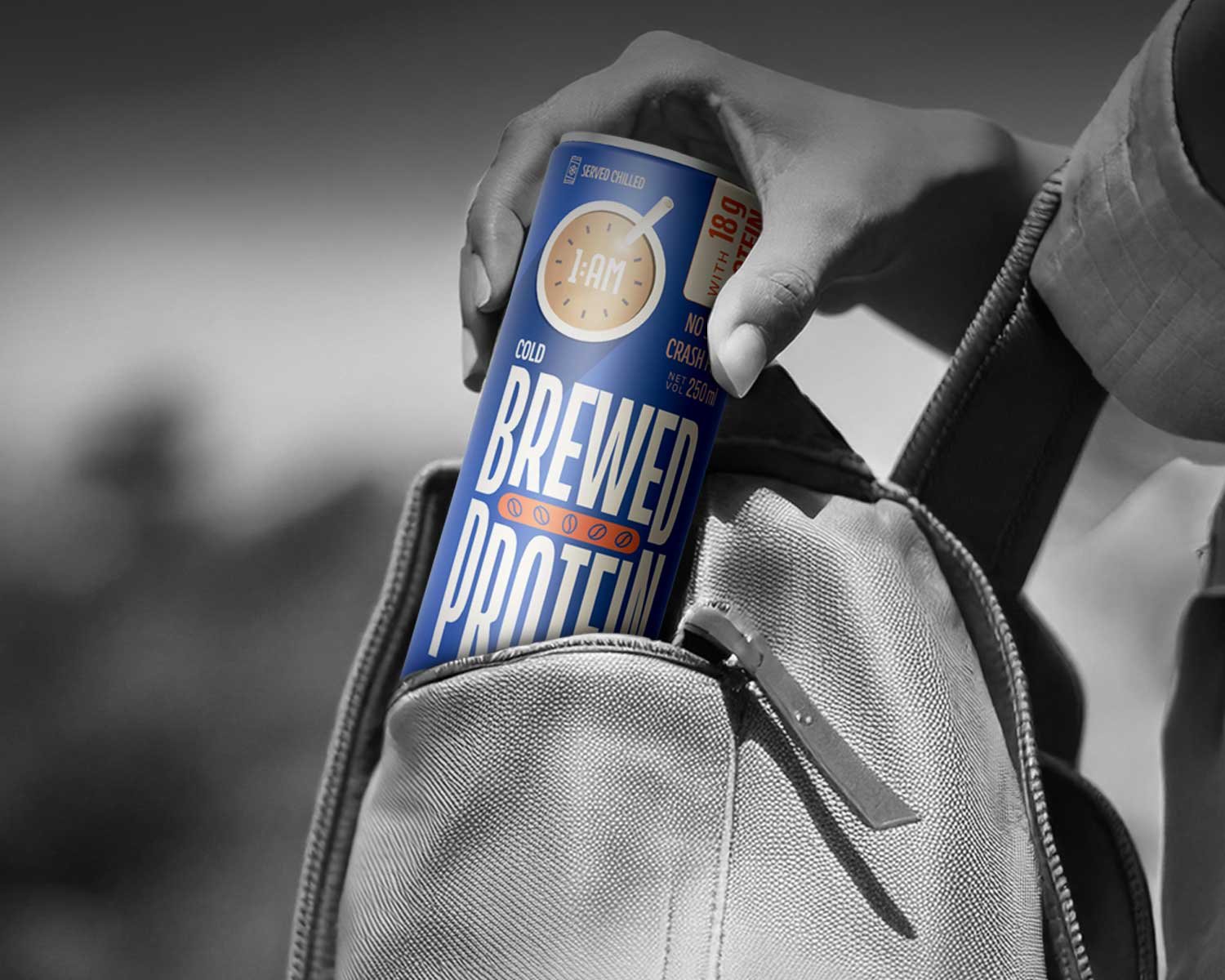
Functional &Fortified Foods include products like probiotic yogurt, protein bars, fortified breakfast cereals, vitamin-enriched milk, calcium-fortified juices, electrolyte drinks, and plant-based functional beverages. Besides the nutritional aspect, these products offer the consumer the additional health benefits and Because of this form one of the most rapidly growing food sub-sectors, where the involvement of experts in formulations, selection of materials and the development of products are essential to the launch of new, health-conscious products that meet the market needs.
Let’s bring your food idea to life and turn it into a market-winning product with the best Food Production Company in India.
Book a FREE call with our formulation expert. Contact now at +91 8130404757
“Read More Blogs Related to Food Product Development”
👉 10 Stages of Food Product Development
👉 Leading Food Testing Laboratory in India
Frequently Asked Questions
What are the main types of food?
The main types of food are carbohydrates, proteins, fats, vitamins, minerals, and water, each serving a unique role in nutrition.
What are processed foods?
Processed foods are foods that have been altered from their natural state, often for convenience, preservation, or flavour, like canned vegetables, chips, and ready-to-eat meals.
What is the difference between plant-based and animal-based foods?
Plant-based foods come from plants (fruits, vegetables, grains), while animal-based foods come from animals (meat, fish, eggs, dairy).
Why is it important to eat a variety of foods?
Eating a variety of foods ensures you get all essential nutrients, supports overall health, and reduces the risk of nutrient deficiencies.
What are examples of high-protein foods?
High-protein foods include chicken, fish, eggs, beans, lentils, tofu, and nuts. Protein is essential for muscle growth and repair.
What are examples of high-carbohydrate foods?
High-carbohydrate foods include rice, pasta, bread, potatoes, and cereals, which provide energy for daily activities.
What foods should be eaten in moderation?
Foods high in sugar, salt, and unhealthy fats, such as sugary drinks, fried snacks, and processed meats, should be eaten in moderation.
What are the 7 main food groups?
The 7 core food groups are vegetables, fruits, grains/cereals, proteins (meat, poultry, fish, and legumes) dairy fats/oils, and sugars. Most modern classifications add a eighth functional/fortified foods to reflect products formulated for a specific health benefit beyond basic nutrition.
What’s the difference between whole foods and processed foods?
Whole foods are consumed just as they are, e. g. fresh fruit, raw grains, unprocessed meat. Then again, processed foods have been altered through different methods like cooking, preservation, or formulation mainly for safety convenience taste, or shelf life, starting from minimal changes (frozen vegetables) to the extreme changes (packaged snacks with many additives).
What are functional foods, and how are they different from regular food?
Functional foods are the ones made for a specific health function that is in addition, of course, to the usual nutrition they supply. We take the examples of protein-rich snacks, probiotic drinks, and immunity-support products. On the flip side, the contrast between functional and ordinary foods lies in a sort of “by design – accidental” distinction. Functional foods are the ones that are “built around” a particular ingredient that is the active ingredient, and this design choice implies further work in masking the taste, ensuring stability of the product, with making sure that the labels are properly written with claims about ingredients.
What are fermented foods, and why are they considered a distinct food type?
They are made through a process of fermentation of the food by the microbes that results in the development of a special flavor and in some cases the presence of live bacteria which are functional for health benefits such as yogurt, kimchi, and kombucha that contain probiotic bacteria, for example). Because fermentation changes both the nutritional and safety properties of the product, these foods are kept in a separate category where they need specific handling, including controls of processing and shelf stability.
What are the different types of protein foods?
Protein foods are classified into two types: animal-based (meat poultry fish eggs dairy) and plant-based (soy pea lentils chickpeas nuts). Plant proteins are quite different from animal proteins in their use in formulations for example they often require more work in order that the taste can be made neutral and that the texture will be such that it will be indistinguishable from the mouthfeel which the consumers get from animal-based protein.
What are fortified foods, and what nutrients are commonly added?
Fortified foods are those which have extra nutrients added that were not present in them initially, or have their nutrients restored after processing. The usual ones that are added are iron calcium vitamin D, and omega-3s. Fortification is a whole formulation field of study; it must be such that the added nutrients remain stable after processing and their flavor and taste cannot be compromised, even if stored for a longer shelf life.
How does knowing the different categories of food help when creating a product?
Food categories like fermented foods, or fortified foods, plant-based proteins, all of which have formulation rules around stability, shelf life, and claims. Understanding the category of a product would guide ingredient, processing method, and regulatory approval paths before even a single batch is produced, it is the basis on which these key factors are chosen.