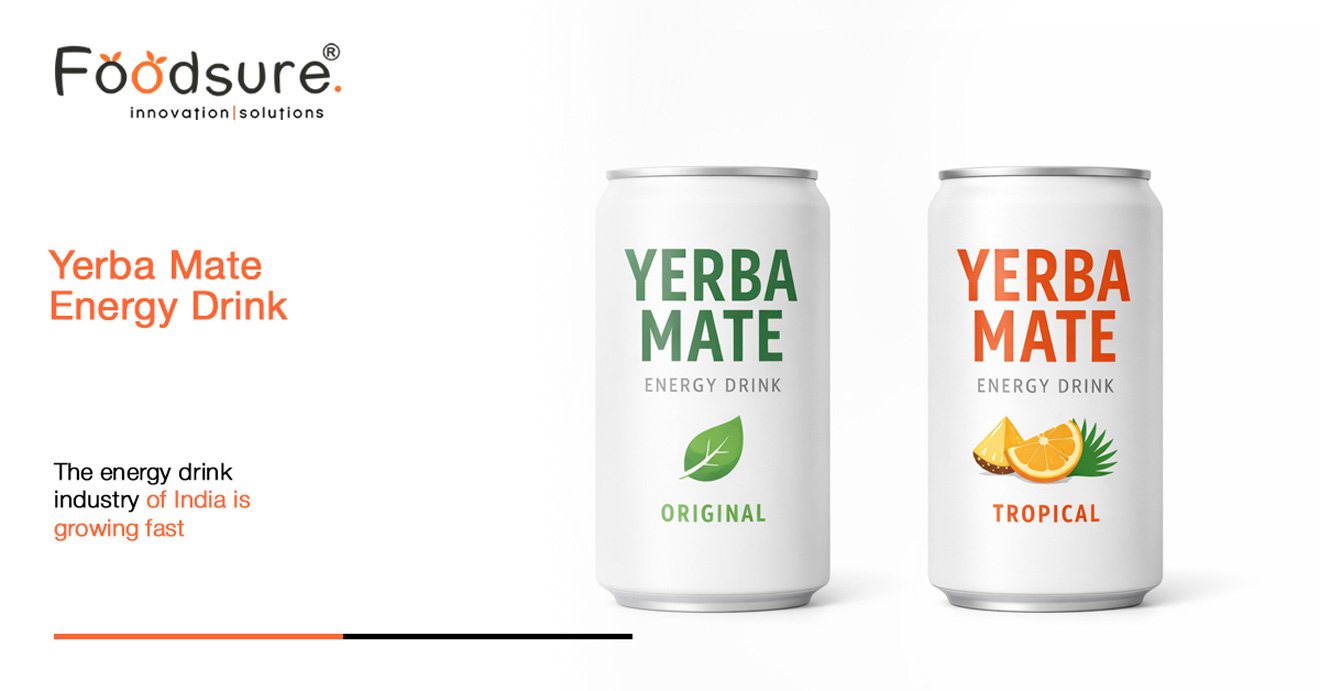
The energy drink industry of India is growing fast due to the changing demands of consumers for healthy options. A Yerba Mate Energy Drink features natural caffeine, antioxidants, and distinct flavours that would make this one of the best products to consider for the Indian market. Companies researching how to develop a yerba mate energy drink for the Indian market 2026 should think of sourcing, formulation, taste management, compliance, and positioning.
Due to rising demand for natural products and sources of energy, yerba mate can become a premium imported botanical drink because of its functional attributes. But companies need to take a strategic approach in launching yerba mate energy drinks in India — including choosing the right yerba mate extract green smoked beverage and complying with yerba mate FSSAI imported botanical drink regulations.
This blog provides an approach that enables brands and entrepreneurs to develop a Yerba Mate Energy Drink targeting India and covers all aspects related to launching the product by 2026.
Yerba Mate B2B Opportunity
The Indian beverage industry is witnessing increased attention to products such as botanical energy drinks. There are good prospects for the Yerba Mate Energy Drink in the B2B market segment as companies seek innovative beverages for their consumers.
| B2B Segment | Opportunity |
|---|---|
| Cafes and health-oriented retail | Consumers increasingly interested in nature-derived energy beverages |
| Fitness and wellness chains | Yerba mate provides clean energy without jitters — ideal pre/post workout |
| D2C and online retail | RTD formats consistent with consumer purchase behaviour trends |
| Private label collaborations | Personalised yerba mate energy drink formula for brand owners |
| Corporate and co-working facilities | Increasing need for healthier energy drink alternatives in offices |
| Luxury hospitality | Hotels and restaurants incorporating premium botanical beverages globally |
The B2B segment is an ideal ground for conducting product experiments and educating consumers on yerba mate. Considering the growing trend of herbal beverages, the Yerba Mate Energy Drink category has the potential to scale and differentiate itself in India’s energy drink market. Brands developing in this space should study what is already working in the herbal energy drink category — taste management and positioning lessons from adjacent categories directly apply to yerba mate development.
Sourcing Yerba Mate Extract (Green vs Smoked)
Choosing the right type of yerba mate extract — green or smoked — is the most critical early decision when formulating a Yerba Mate Energy Drink. Not only do the kind of extracts chosen affect the taste and aroma, but also the energy performance of the final drink.
| Extract Type | Flavour Profile | Best Use Case |
|---|---|---|
| Green Yerba Mate | Gentle, fresh-grassy — retains more antioxidants | Light RTD formulations, cold brew format |
| Smoked Yerba Mate | Intense earthy notes — can produce bitter aftertaste | Carbonated formats where bitterness is masked |
| Blend of Both | Balanced flavour with functional efficacy | Premium positioning with complex flavour story |
Additional sourcing considerations include standardised caffeine and polyphenol content, organic or clean label certification, and authenticated South American origin for brand credibility. Properly sourced extracts enhance product quality and help create a strong position for the brand within the competitive imported botanical drinks market.
Standardization of Caffeine Content
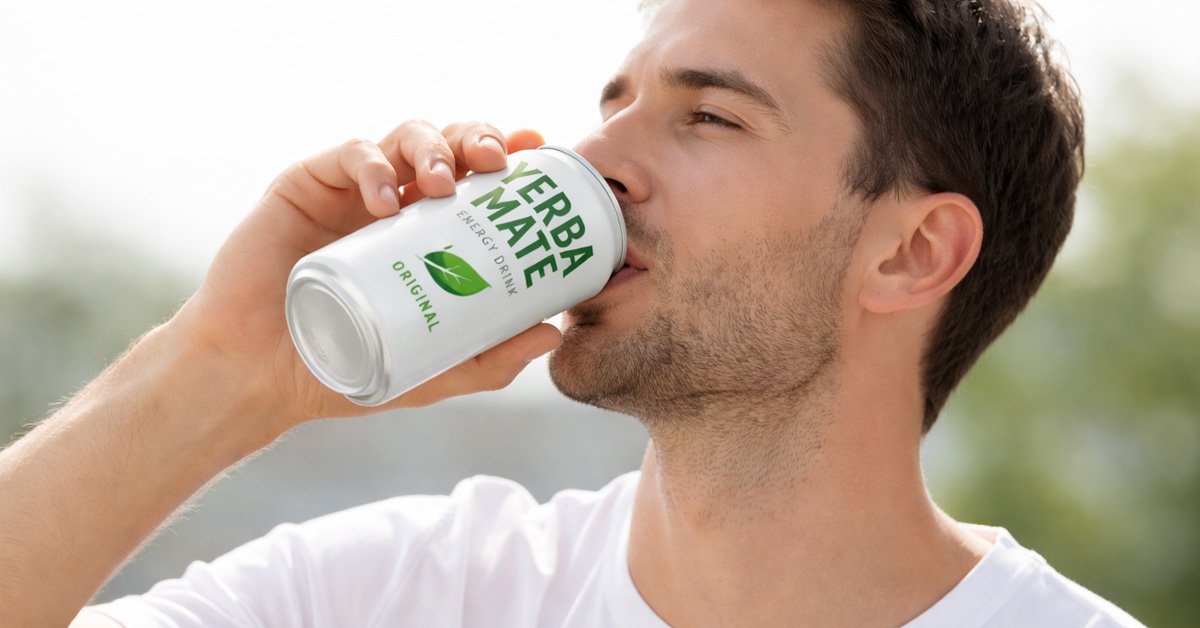
A constant level of caffeine in yerba mate energy drinks is required for regulation, safety, and consumer satisfaction. Since yerba mate is a naturally obtained product, there will be differences in caffeine levels depending on how it is extracted.
| Parameter | Detail |
|---|---|
| Typical caffeine range in extract | 0.5% to 1.5% — standardisation required for consistency |
| FSSAI caffeine limit | 145–300 mg/litre — must stay within this range |
| Batch consistency requirement | Same caffeine level across all production batches |
| Synergistic pairing | Caffeine becomes more effective when combined with B vitamins, adaptogens, and electrolytes |
Getting caffeine standardization right from day one is one of the most important steps in formulating a compliant and effective yerba mate energy drink. This directly connects to what brands need to know about energy drink ingredients — how natural caffeine from botanical sources behaves differently from synthetic caffeine in a beverage matrix.
Combining with Other Ingredients
Choosing the right ingredient combinations when making a Yerba Mate Energy Drink is very important. Besides enhancing the flavour and effectiveness, the right combinations increase the chances that the final product is truly differentiated from other energy drinks in India.
| Ingredient Category | Examples | Role in Formula |
|---|---|---|
| Natural sweeteners | Honey, stevia, jaggery, cane sugar | Counteracts bitterness while maintaining clean label |
| Adaptogenic herbs | Ashwagandha, tulsi, ginseng | Stress relief and overall wellness positioning |
| Functional vitamins and minerals | B-vitamins, electrolytes, magnesium | Supports metabolism and rehydration |
| Flavour enhancers | Citrus, mint, berries, tropical fruits | Covers bitter and grassy taste of yerba mate |
| Acidic substances | Lemon juice, natural acids | Changes flavour profile and enhances stability |
Taste Profile: Managing Bitter and Grassy Notes
One of the biggest formulation challenges in a yerba mate energy drink is managing the bitter, grassy flavour profile that many consumers find off-putting. Getting this right is the difference between a product that achieves repeat purchase and one that doesn’t.
| Technique | How It Helps |
|---|---|
| Mixing green and smoked extracts | Creates a balanced flavour profile ranging from light to earthy |
| Natural flavour balancing | Lemon, ginger, berries, or tropical fruits offset bitterness |
| Optimal brewing process | Adjusting temperature and soaking time reduces tannins and grassy flavour |
| Cold brewing | Creates a pleasant, less bitter flavour profile naturally |
| Carbonation management | Enhances flavours and reduces perception of bitterness |
| Micro-encapsulation or flavour masking | Advanced technique to manage bitterness release |
Brands that invest in beverage sensory validation early are far better positioned to solve the taste challenge systematically rather than through repeated trial and error post-launch.
Carbonated vs Cold Brew Format
| Factor | Carbonated Yerba Mate | Cold Brew Yerba Mate |
|---|---|---|
| Taste Profile | Crisp, fizzy, refreshing — carbonation masks bitterness effectively | Soft, smooth — pure flavour expression with less bitterness |
| Consumer Appeal | Popular among mass market carbonated beverage consumers | Draws health-conscious and premium beverage consumers |
| Bitterness Management | Carbonation helps hide bitterness | Less bitterness naturally from cold brewing process |
| Shelf Life | Generally longer with proper carbonation and preservation | May require stricter processing for stability |
Shelf Life and Stability
The stability of a yerba mate energy drink in India is extremely important for quality, safety, and efficacy throughout the product’s shelf life. Key considerations include pasteurisation and microfiltration to remove harmful microorganisms, optimal pH (generally acidic) to prevent microbial growth, appropriate packaging to prevent contamination, antioxidant preservation to retain polyphenols, minimal oxygen contact during production and packaging, and appropriate temperature conditions throughout the supply chain.
Brands should invest in proper beverage shelf life planning before scale-up — stability issues that appear only at commercial scale are among the most expensive problems a beverage brand can face.
FSSAI Compliance for Imported Botanical
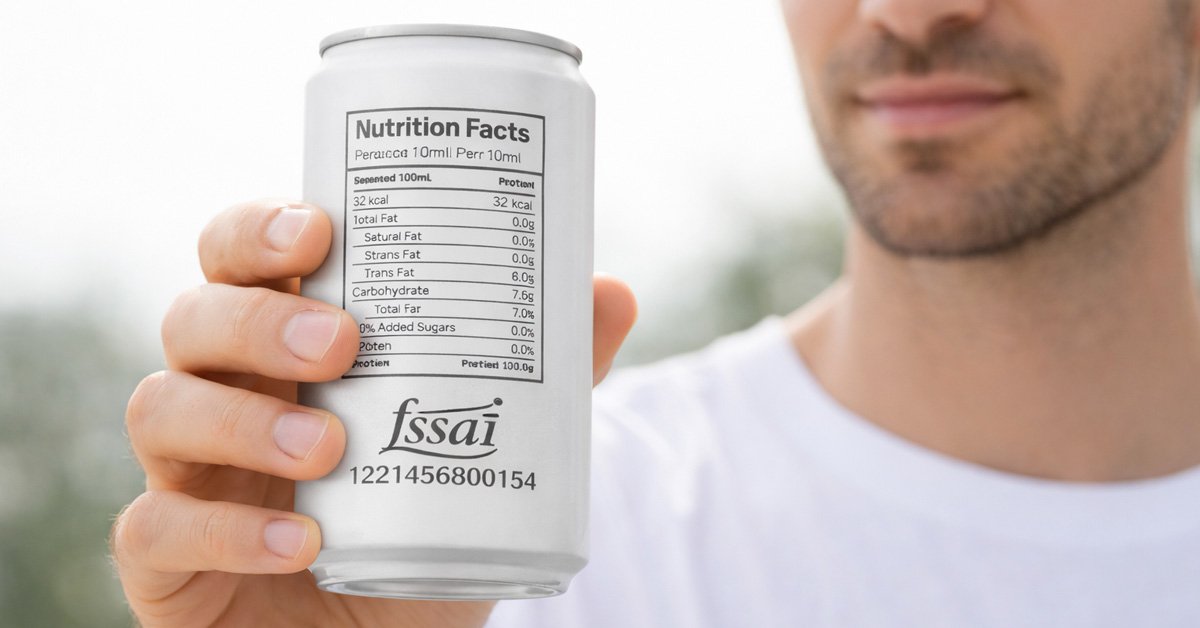
For FSSAI compliance of a yerba mate botanical energy drink for India imports, the following guidelines must be strictly adhered to:
| FSSAI Requirement | What It Means for Your Brand |
|---|---|
| Caffeine limits | 145–300 mg/litre — standardisation of extract is mandatory |
| Additive approval | Only FSSAI-approved sweeteners, vitamins, and additives can be used |
| Botanical ingredients | Yerba mate imported to India must be standardised botanical raw material or quantitative extract |
| Product classification | Must be classified as botanical beverage or herbal infusion — not as a standard energy drink |
Compliance with these regulations will facilitate your entrance into the market without legal complications and establish consumer trust. Full FSSAI compliance is a key requirement in developing your yerba mate energy drink in India for 2026. Foodsure’s beverage regulatory compliance service covers complete documentation, claim validation, and botanical ingredient classification for imported botanical drinks.
Develop Your Yerba Mate Energy Drink
FSSAI Compliant, Taste-Optimised, Market-Ready — Foodsure Builds Your Yerba Mate Drink for India.
From green vs smoked extract sourcing and caffeine standardisation to bitter taste management and FSSAI botanical compliance — Foodsure handles every technical challenge in yerba mate energy drink development for India.
Packaging and Brand Positioning
| Strategy | How to Execute |
|---|---|
| Premium botanical positioning | Position as a superior clean energy alternative to synthetic energy drinks |
| Multiple format options | Cans for convenience, D2C bottles, and cafe servings for channel flexibility |
| Eco-conscious visual design | Simple, nature-forward packaging attracts health and environment-conscious consumers |
| Usage-based positioning | Position as a healthy everyday drink — carbonated cold brew for daily consumption |
Foodsure Yerba Mate Drink Development
Foodsure’s assistance provides complete solutions for creating formulation strategies for Yerba Mate Energy Drink in India. These solutions range from sourcing green or smoked yerba mate extract, through choosing the appropriate beverage format, to standardising the amount of caffeine. Foodsure also helps in controlling the bitter taste, ensuring taste optimisation, and making sure the imported yerba mate botanical energy drink complies with FSSAI requirements.
Connect with Foodsure today to formulate your yerba mate energy drink for the Indian market in 2026.
Launch Your Yerba Mate Brand in India
Extract Sourcing, Taste Optimisation, FSSAI Compliance — Foodsure Builds Your Yerba Mate Energy Drink
From green vs smoked extract decision and caffeine standardisation to bitter taste management, stability testing, and contract manufacturing — Foodsure handles every step so your yerba mate energy drink reaches market compliant, great tasting, and commercially ready.
✓Caffeine Standardisation
✓Contract Manufacturing
Related Reads
- Herbal Energy Drink: Ingredients, Benefits and Formulation
- Natural Guarana vs Synthetic Caffeine: Which Is Better?
- Caffeine-Free Energy Drinks India: Natural Herbal Alternatives
- Adaptogenic Beverage Development: India’s Next Big Category
- FSSAI Compliant Functional Beverage: What Brands Must Know
Frequently Asked Questions
What is Yerba Mate Energy Drink?
Yerba Mate Energy Drink is an energy drink that uses yerba mate extract to produce a drink with natural caffeine, antioxidants, and long-lasting energy without the jittery effects of synthetic energy drinks.
What is yerba mate energy drink formulation India?
A good yerba mate energy drink formulation process involves obtaining quality extracts, balancing caffeine levels, addressing bitterness, and formulating with functional ingredients.
What is the difference between green and smoked yerba mate extracts?
Green has a mild, fresh taste while smoked has a strong, earthy, and sometimes bitter flavour profile.
Methods for resolving the problem of bitter taste in yerba mate energy drinks?
Formulators can use flavour masking, natural sweeteners, herbal extract blending, and cold brewing techniques.
What are the FSSAI guidelines for yerba mate drinks in India?
Key requirements include caffeine limits of 145–300 mg/litre, proper labelling, and classification as a botanical beverage or herbal infusion.
How can I position my yerba mate drinks brand in India?
Position as either a carbonated or cold brew format depending on target audience — premium botanical for health-conscious consumers, or fizzy refreshment for mass market entry.