

Regulatory Compliance ensures that beverage products meet all applicable legal, safety, and labelling requirements before entering the market. The process of beverage regulatory compliance depends on the successful management of product formulation and ingredient approval and documentation processes, which must comply with both FDA and TTB regulations that apply to specific beverages.
Regulatory frameworks vary depending on beverage type, ingredients, and market positioning. Brands can obtain suitable licenses and permits through category-specific requirement understanding, which helps them handle ingredient approvals and complete formula and label registration processes.
The process of beverage regulatory compliance establishes a systematic framework that guarantees that beverage products meet all necessary regulatory requirements, together with their labelling standards, safety measures and documentation obligations before they can be sold in the market.
The regulatory compliance process commences with the need to determine the regulatory route to follow depending on the beverage category, ingredients and target market. This would involve checking FDA requirements and deciding on whether the FDA and TTB regulations that beverages comply with apply to the product.
The review of ingredients, functional claims, and product positioning is done to make sure that they are in line with the regulatory standards. Premature testing assists brands in avoiding limited components and prepares the groundwork for formula and label registration.
Comprehensive compliance inspection reveals possible threats which may be unaccepted ingredients, misleading claims or labelling irregularities. This measure assists in reducing the regulatory risk where there is professional beverage compliance assistance prior to the product proceeding to production.
Regulatory provisions in different jurisdictions are charted to identify required licenses and permits of the beverage brands, including manufacturing licenses, product licenses and distribution licenses.
Regulatory submissions are fully documented, such as ingredient specification, safety data, formulation details, and compliance supporting records needed to obtain approvals for beverages.
Elements like ingredient statements, nutritional statements, allergen statements and product statements are scrutinised to make sure that they are in accordance with regulatory requirements and formula and label registration requirements.
The brand identity components such as product name, packaging and trademarks, are discussed and ready to be submitted in support of trademark registration to ensure the ownership of the brand and prevent conflict with the regulations.
The required licenses and permits of drinks brands are recognised and assisted to guarantee that there is clarity of the regulations of production, distribution, and sale in the appropriate markets.
The packaging formats are evaluated to be regulatory compatible, such as the mandatory declarations, compliance statements and labelling formats as specified in the beverage regulatory compliance guidelines.
Product prototypes also pass through regulatory checks before commercial production to make sure all labelling, disclosure of ingredients, and documentation are in compliance with regulations.
Plants and manufacturing procedures are examined to ascertain compliance with regulatory requirements and reports that are needed in the manufacture of beverages in accordance with the requirements of the regulatory bodies.
Every necessary form of documentation and regulatory filing is done to ready the product to take place in the market as a compliant commodity.
Regulatory surveillance also keeps the brands up to date with any changes in regulatory conditions, as new regulatory requirements and standards are introduced, which allows the brand to remain in compliance with the new regulations and standards of the beverages.
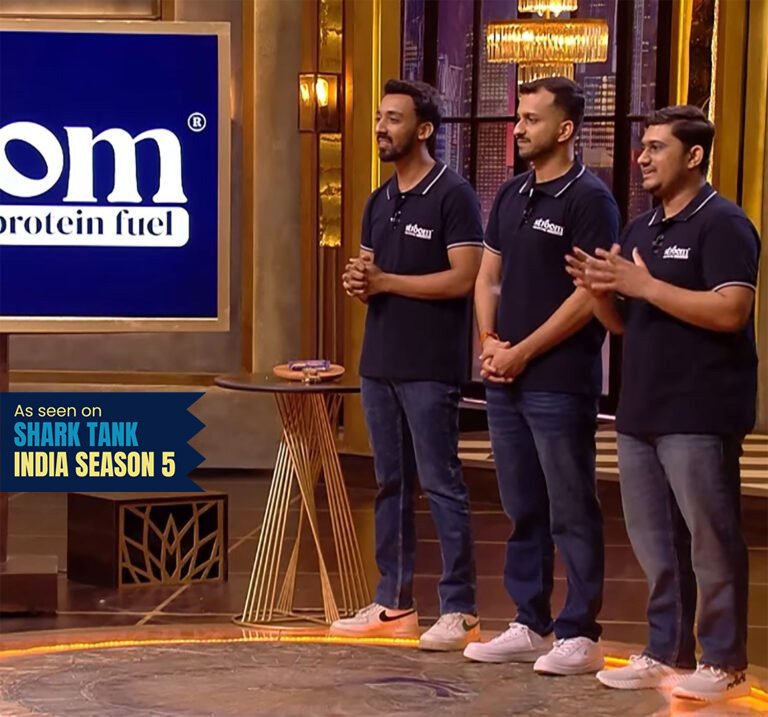
Vold’s energy drink was developed and industrialised by Foodsure, including a complete machinery setup, positioning the brand for Shark Tank with a strong formulation foundation, scalable manufacturing, and clear commercial readiness.
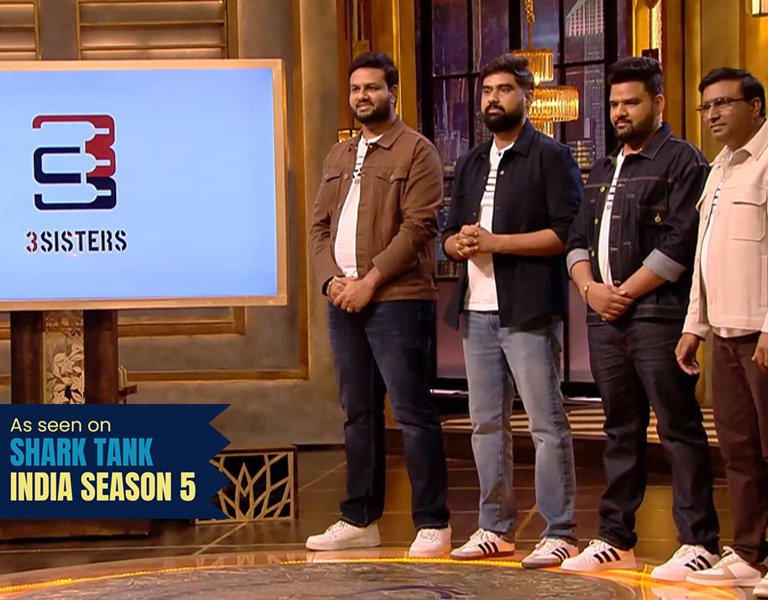
3 Sisters’ food products were conceptualised and scaled by Foodsure, with end-to-end machinery installation, preparing the brand for Shark Tank through robust R&D, operational efficiency, and market-ready product execution.
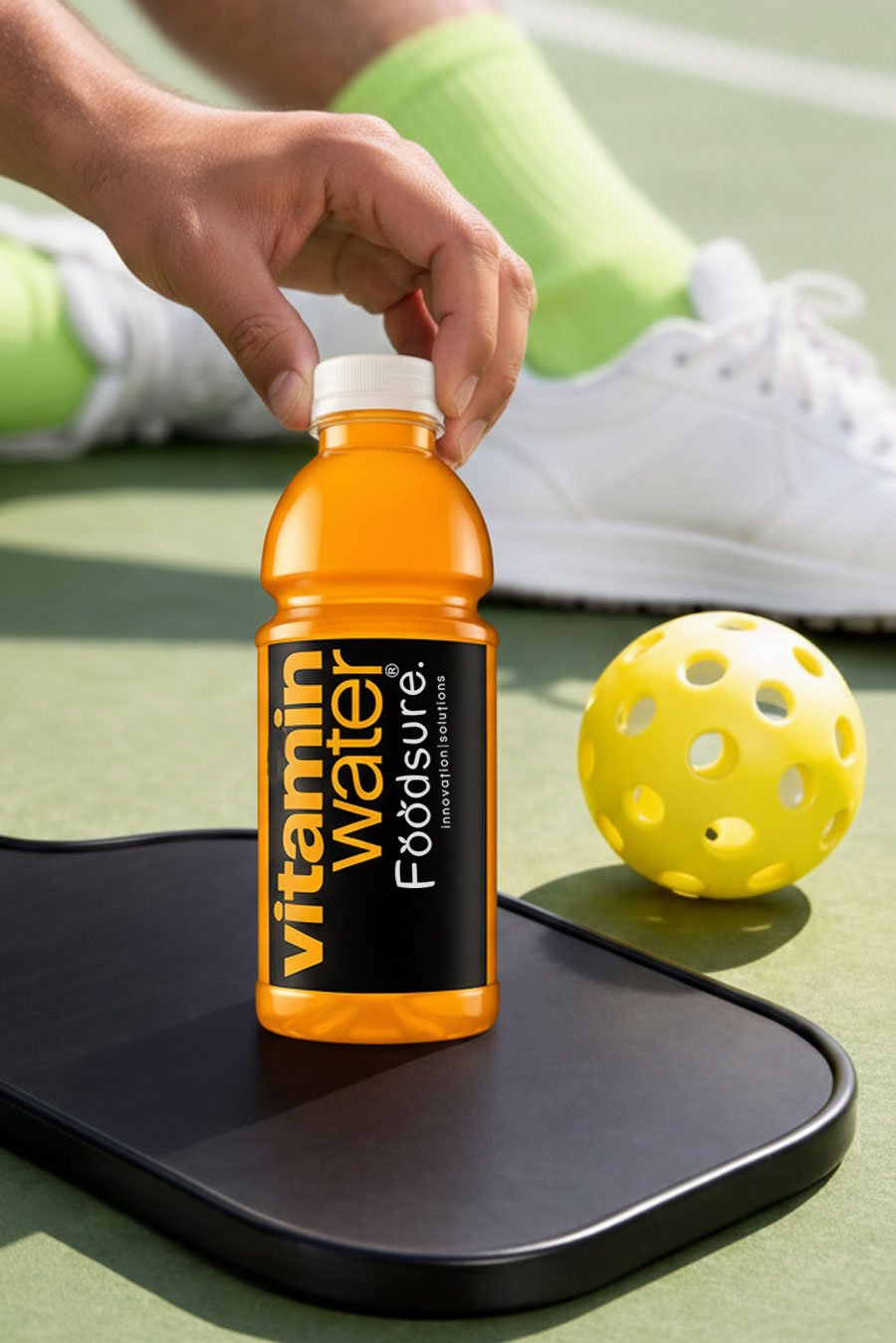
Real products developed by Foodsure experts — from concept and formulation to market-ready brands across beverages, nutraceuticals, and food products.
3 Sisters’ food products were conceptualised and scaled by Foodsure, with end-to-end machinery installation, preparing the brand for Shark Tank through robust R&D, operational efficiency, and market-ready product execution.
At Foodsure, we guide every beverage manufacturer through a clear and efficient beverage formulation project timeline. Our structured project timeline covers concept understanding, ingredient planning, lab trials, flavour refinement, and stability testing—so you always know what’s happening and when.
This streamlined approach reduces delays, lowers development risk, and helps you launch a high-quality, market-ready beverage faster and with complete transparency.
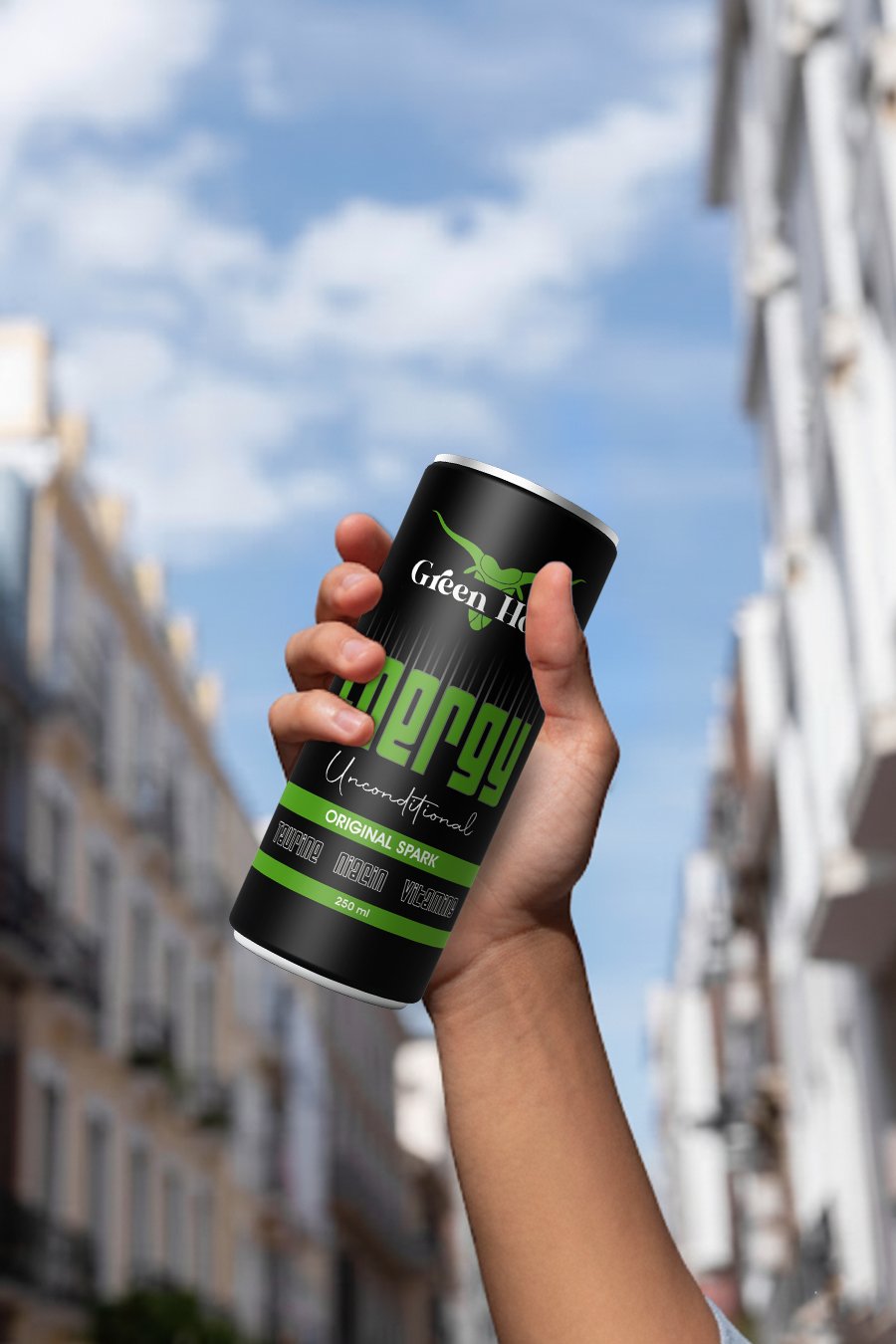
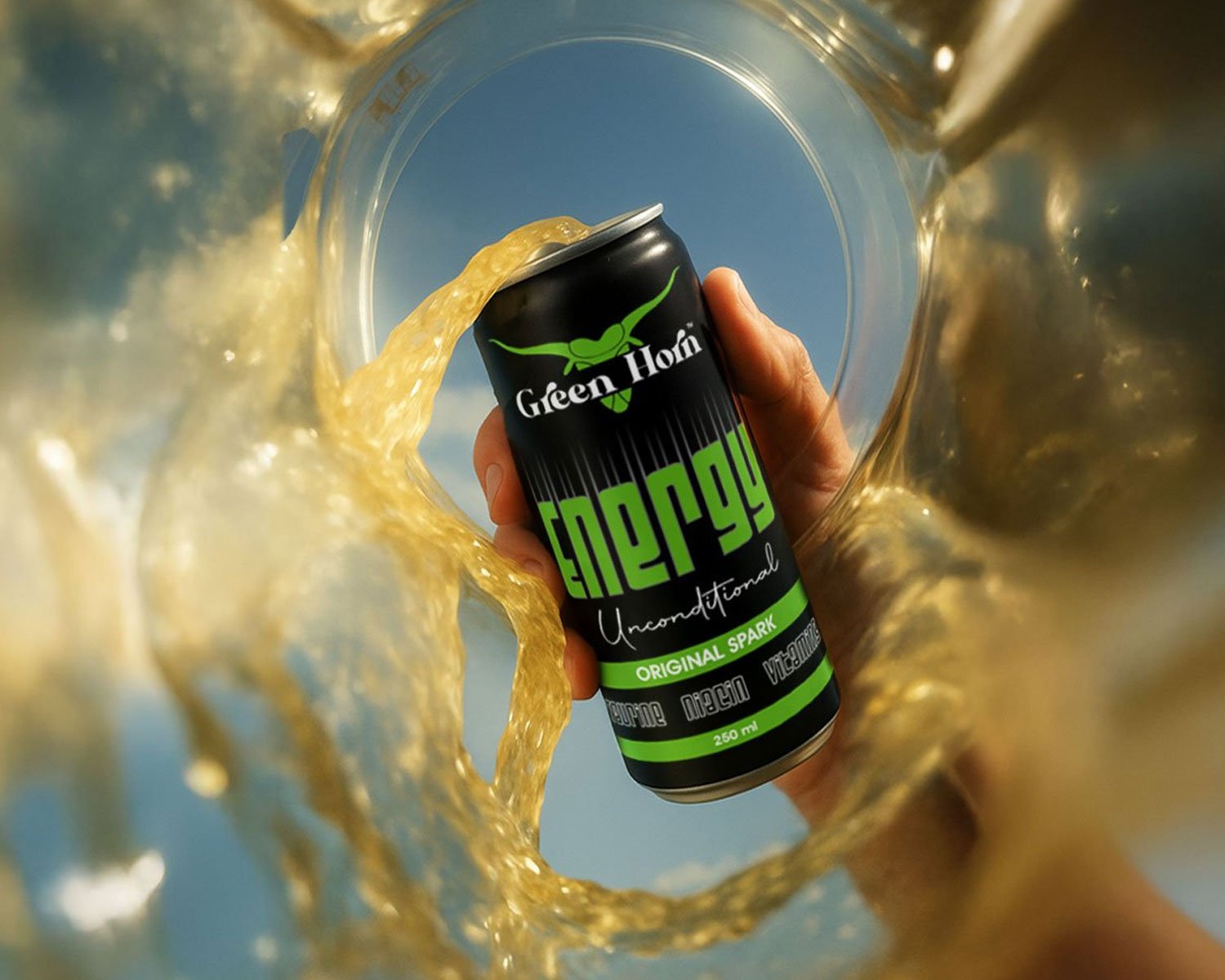
Green Horn has emerged as a new favorite energy drink among younger consumers, combining bold flavor with great performance, and has created an identified brand presence and customer loyalty across India.
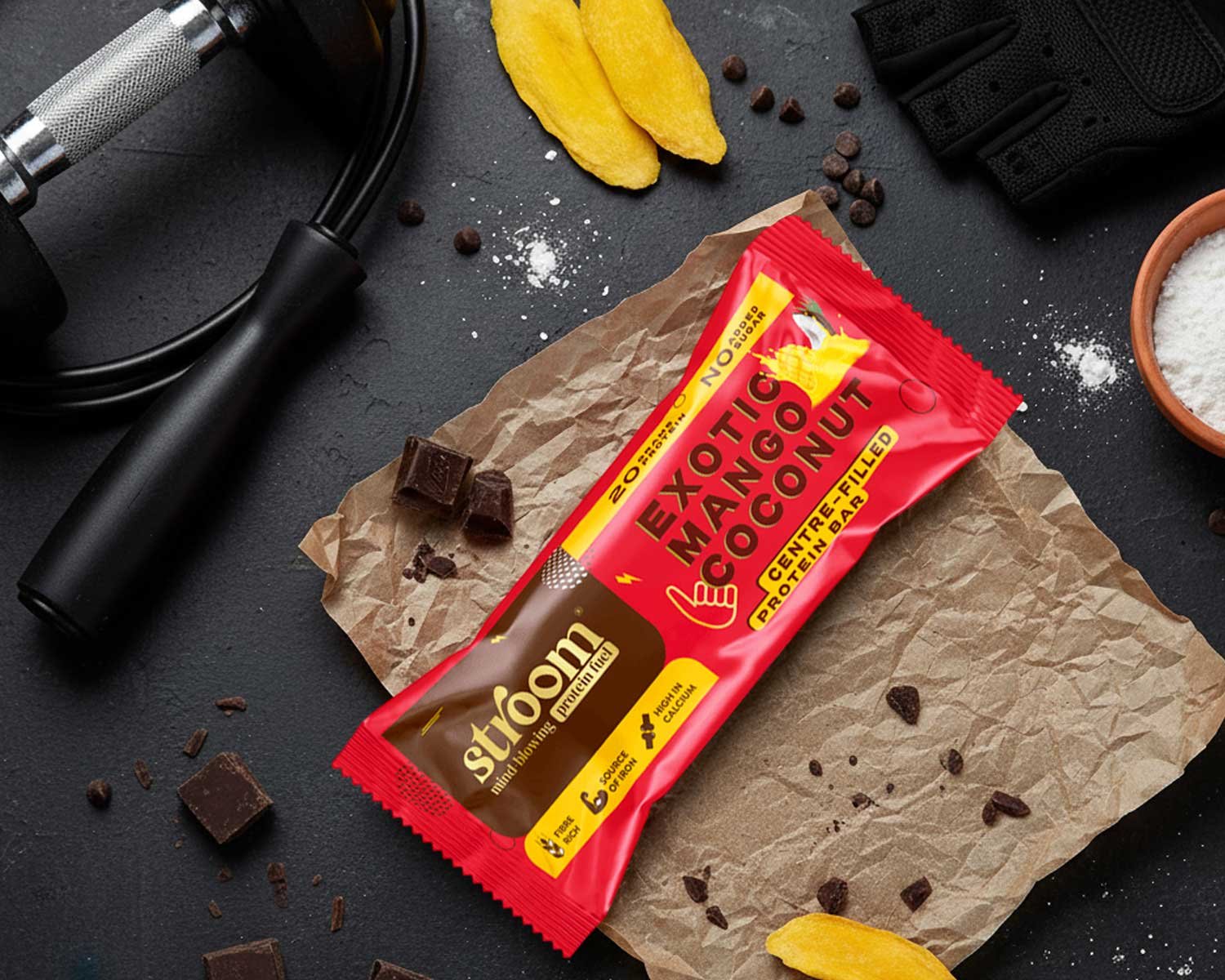
Stroom Protein Bar is a healthy snack brand focused on natural ingredients, great taste, and energy for active people. It promotes fitness, balance, and everyday strength.
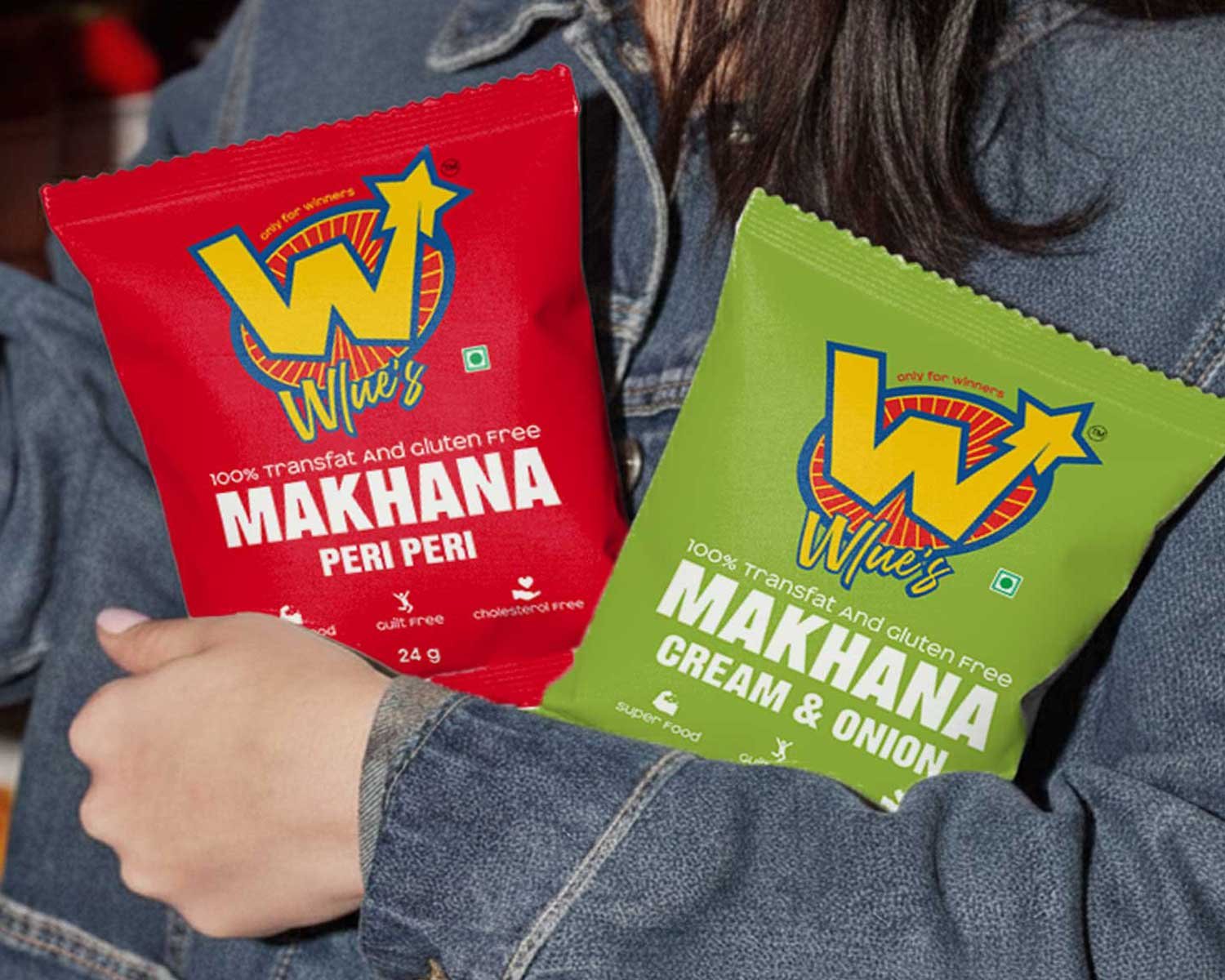
Wlue's has transformed healthy snacking in India by creating a trendy superfood out of fox nuts, through innovation, strong branding, and presence across retail locations nationally.
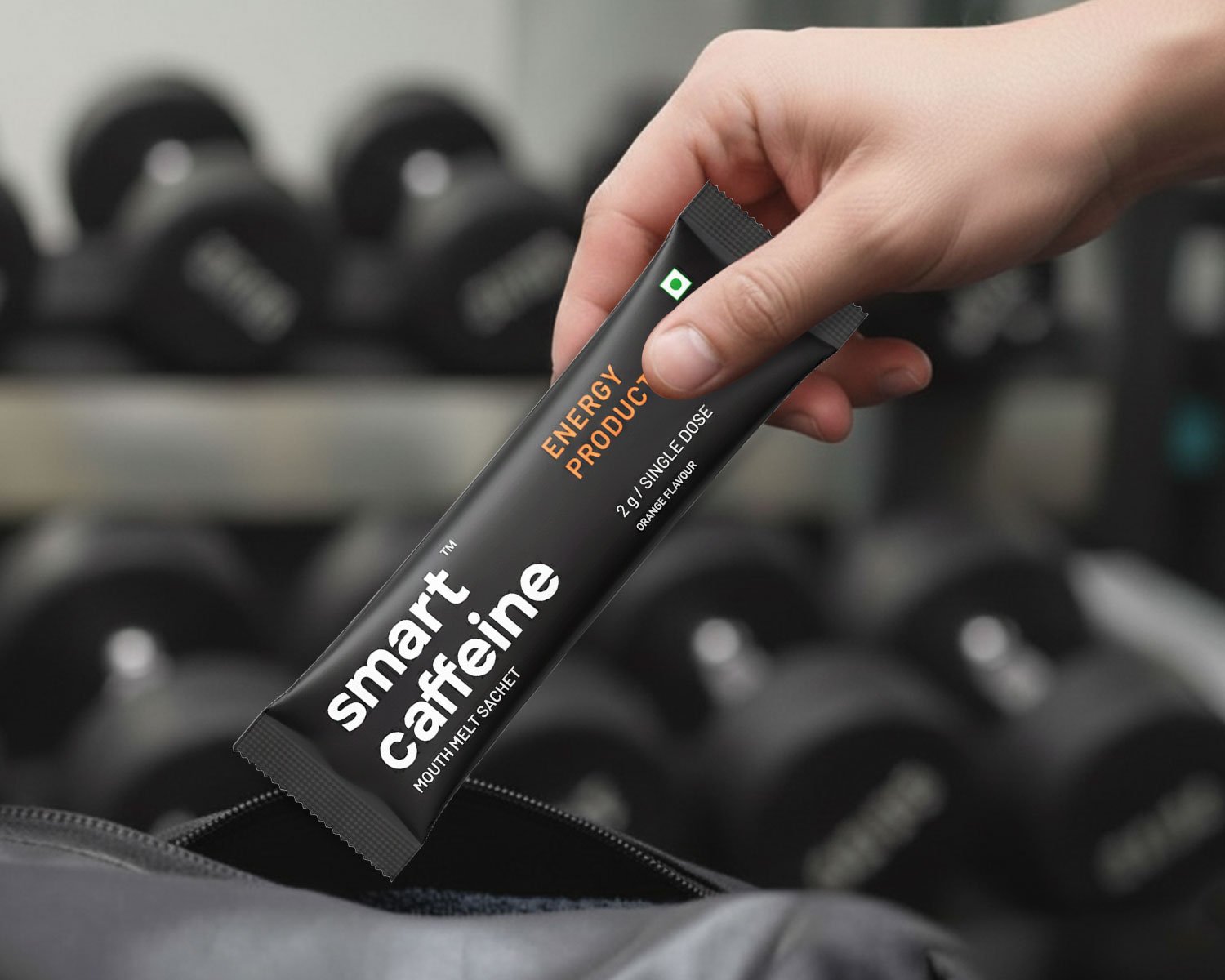
Smart Caffeine offers quick, clean energy through easy-to-use powder sachets. It helps people stay alert, focused, and active without the crash of regular caffeinated drinks.
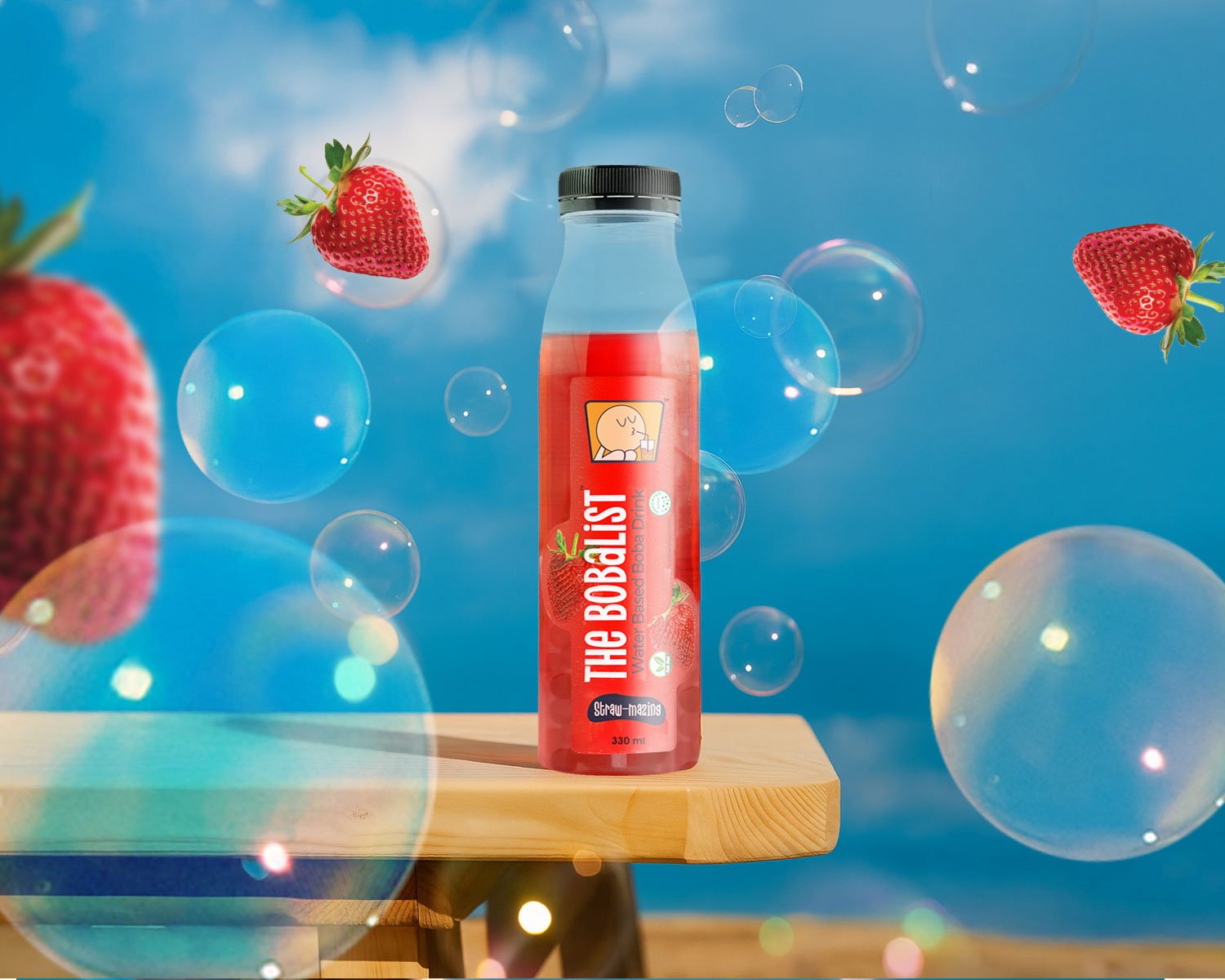
The Bobalist set itself as the first bottled popping boba drink in India, creating a disruptive product in the marketplace through innovation, bright and vibrant colors.
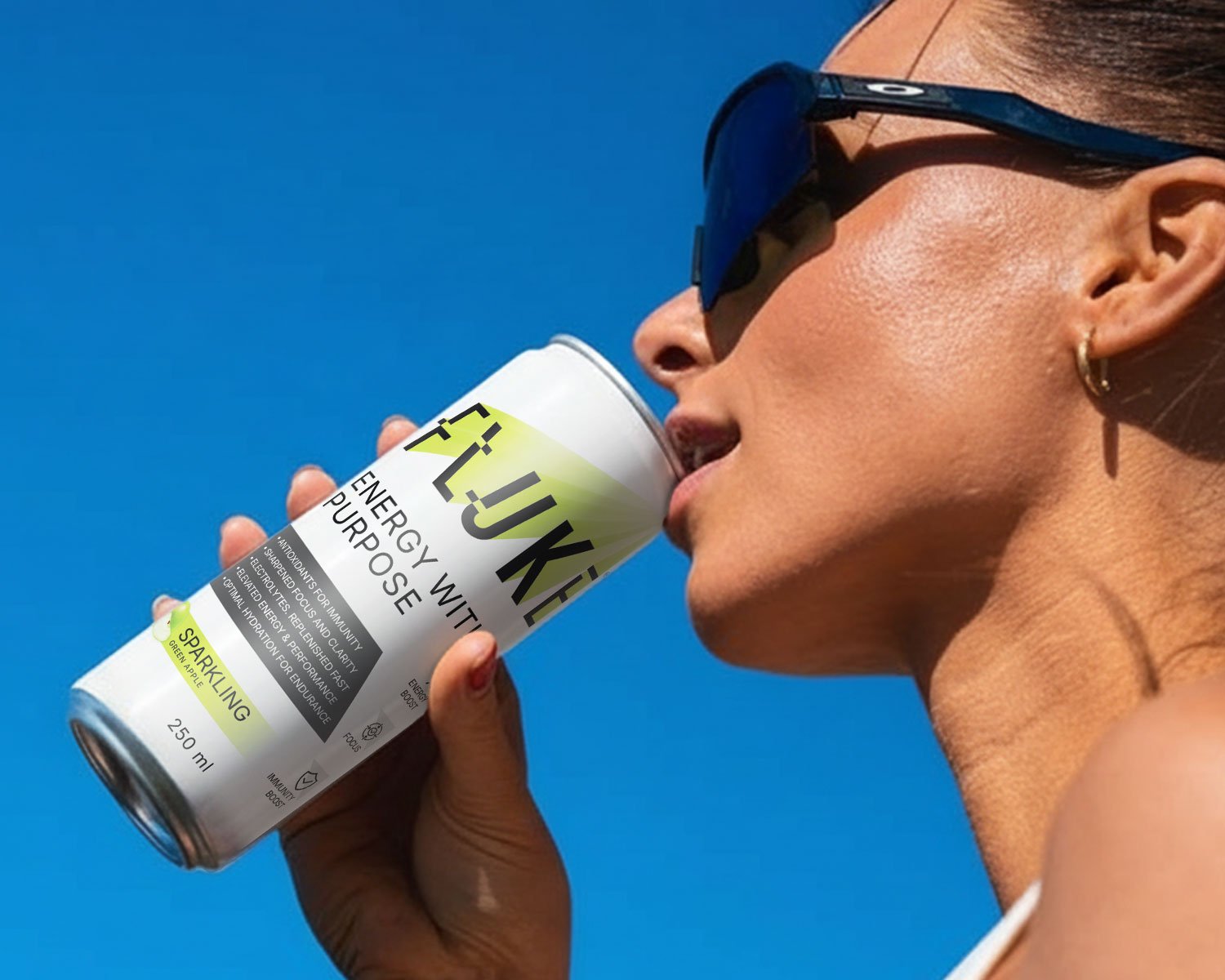
Fluke changed how people see energy drinks: clean, tasty, and functional. It quickly became a favorite for those who want real energy without the crash.
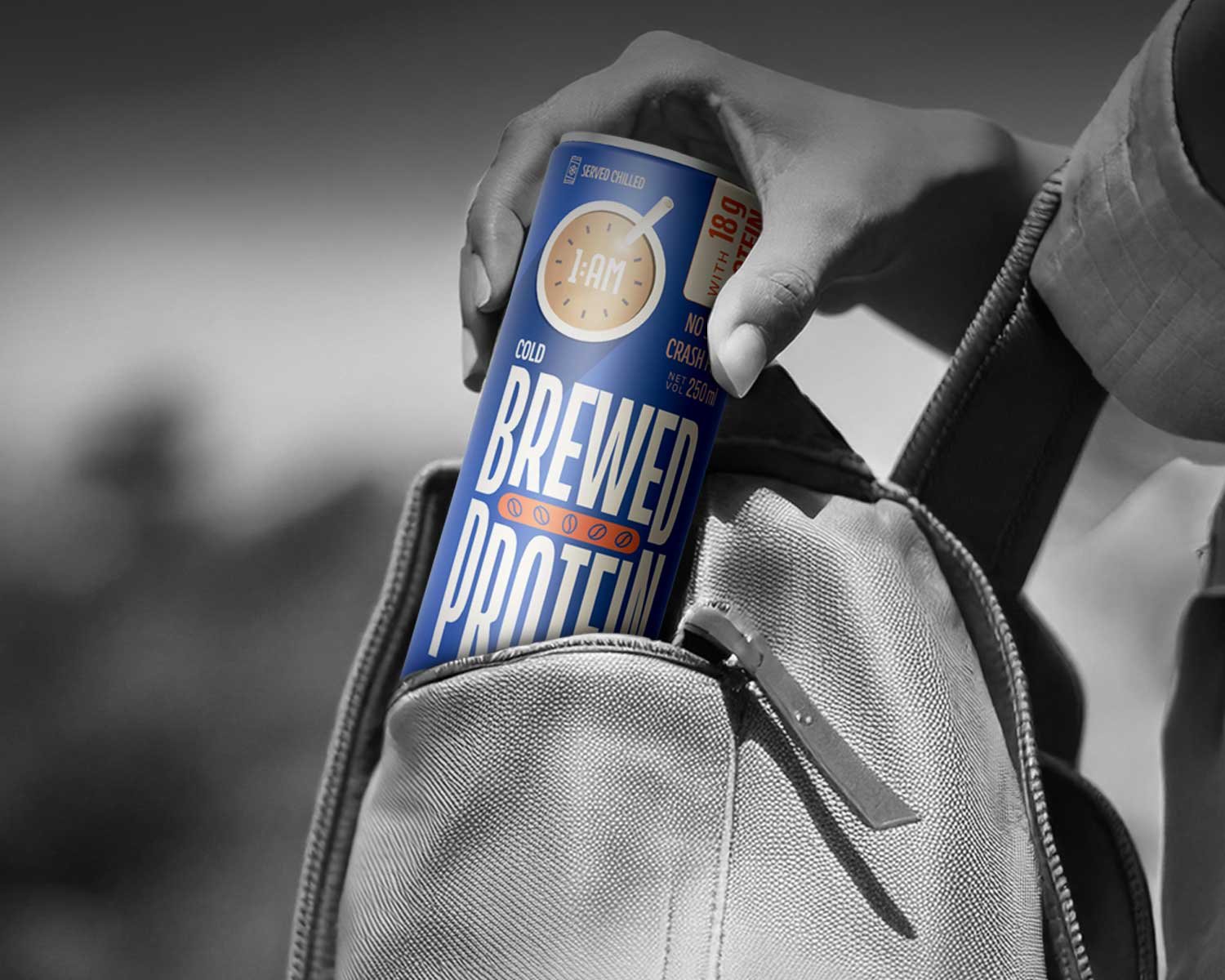
1 AM shook up the market with its lactose-free, protein-packed cold coffee, giving coffee lovers a smooth, healthy boost without the guilt or discomfort.
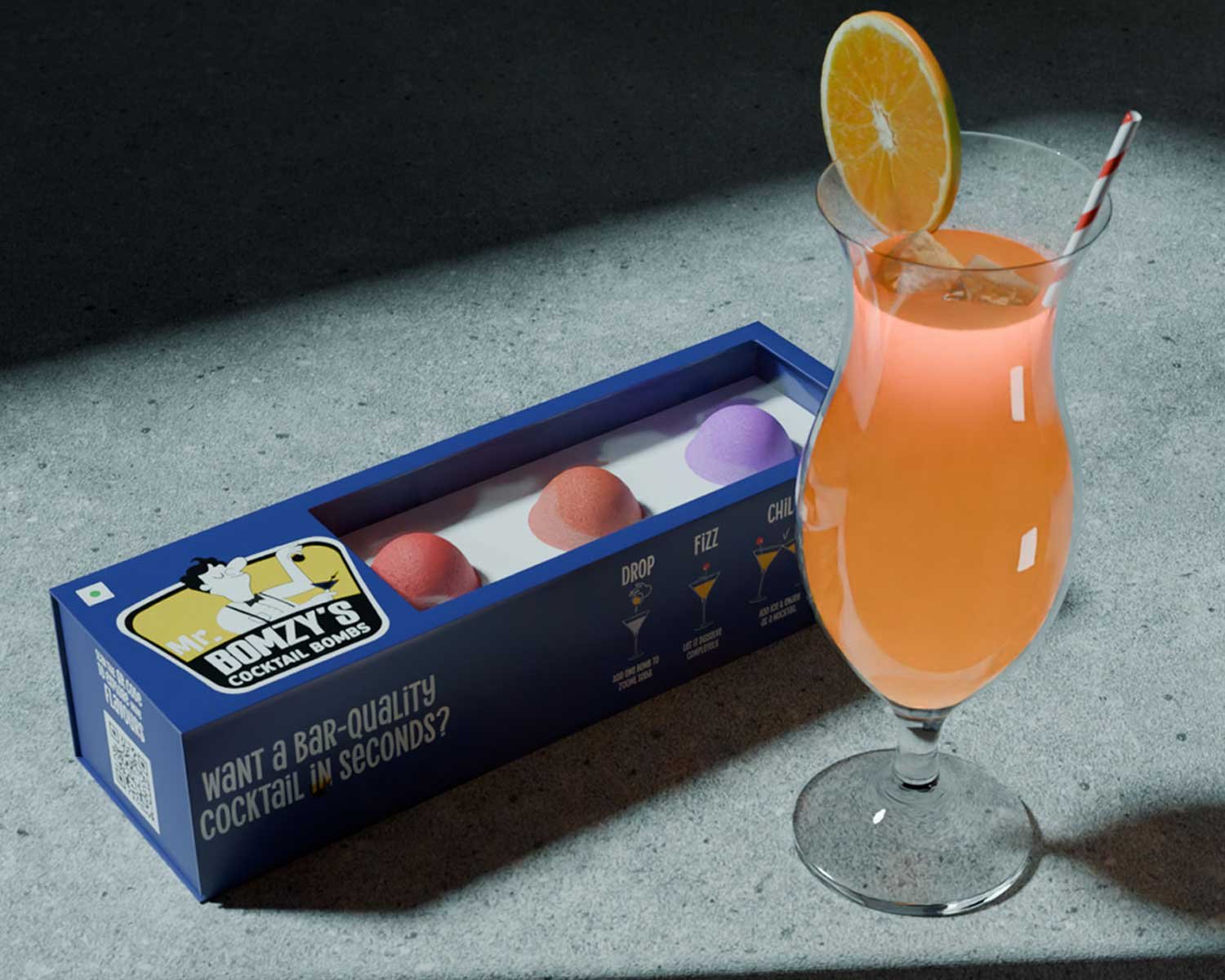
Mr. Bomzy changed the game for home mixology in India with innovative Cocktail Bombs to make premium, crafted cocktails using top-shelf quality spirits easy, affordable, and fun for celebrations.
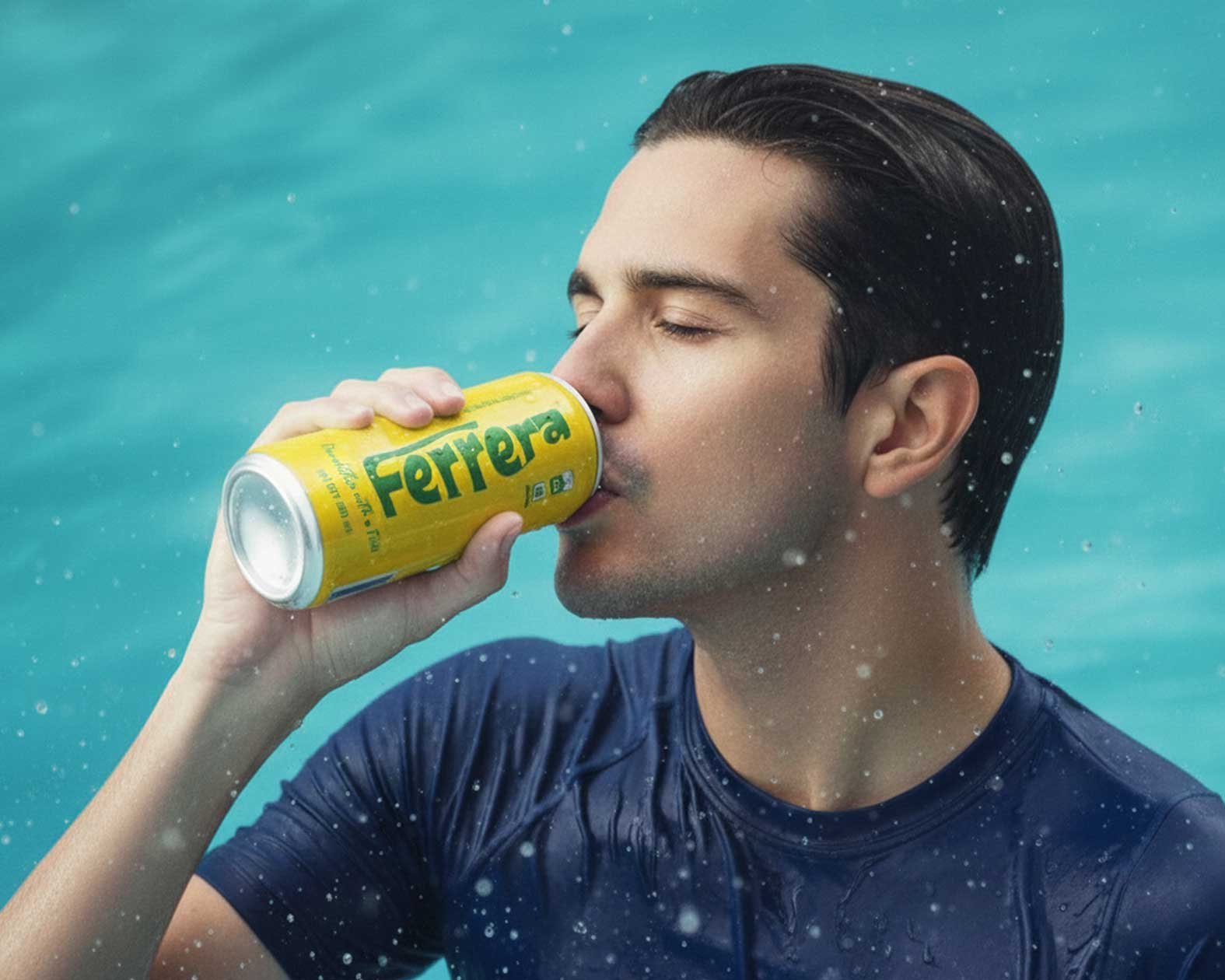
Ferrera expanded its reach by providing pure, vibrant flavors and a trendy, youth-driven branding, thus a mere fizzy drink was turned into a refreshing, health-leaning choice for the daily consumers.
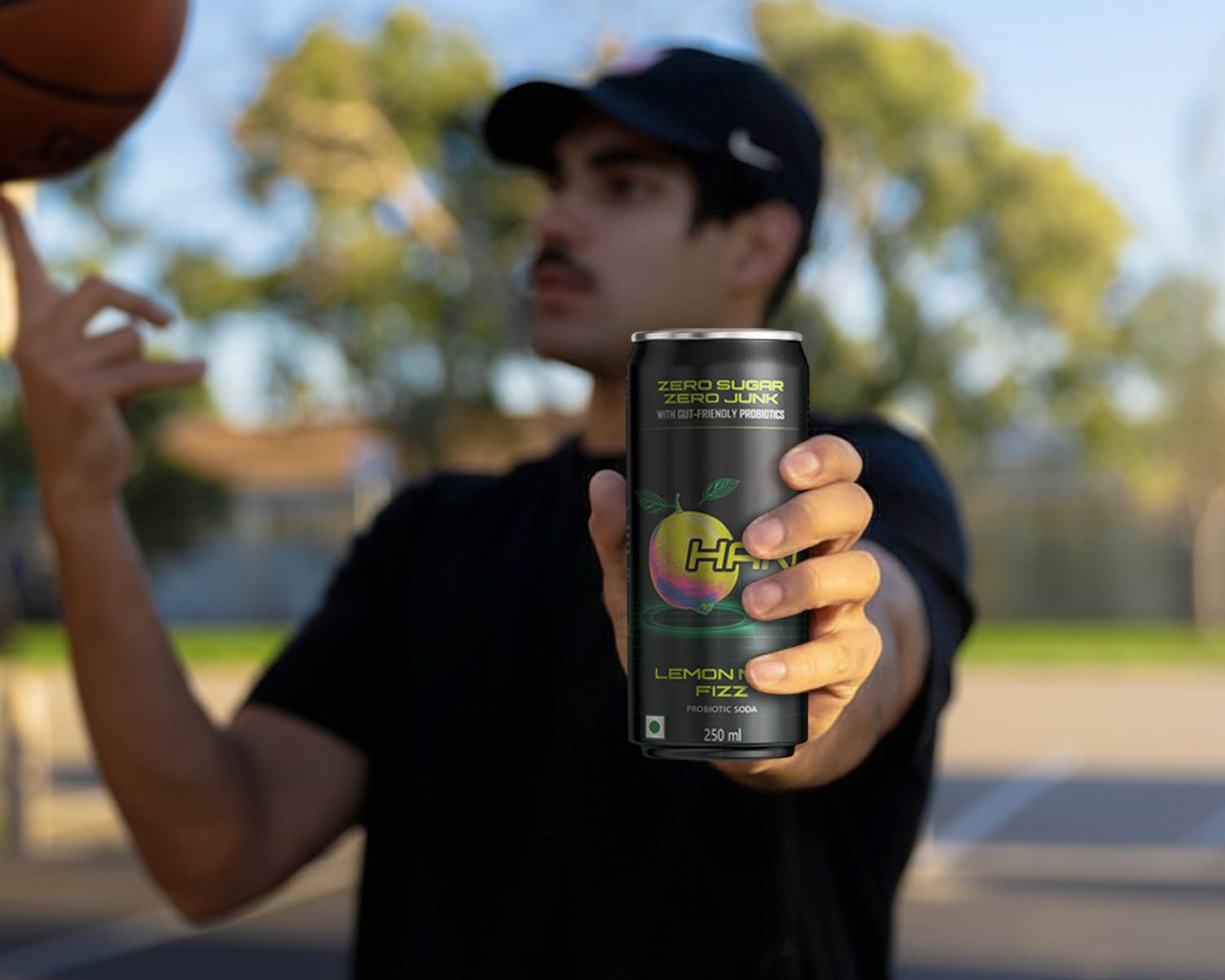
Haki combined probiotics with enjoyable fizz, thus educating the consumers through the wellness communities and quickly becoming trusted as a delicious, functional soda alternative.
Flipkart elevated the popularity of banana chips through excellent marketplace visibility, consistent quality, and customer trust, thus making them the most frequently chosen crunchy, everyday snack.
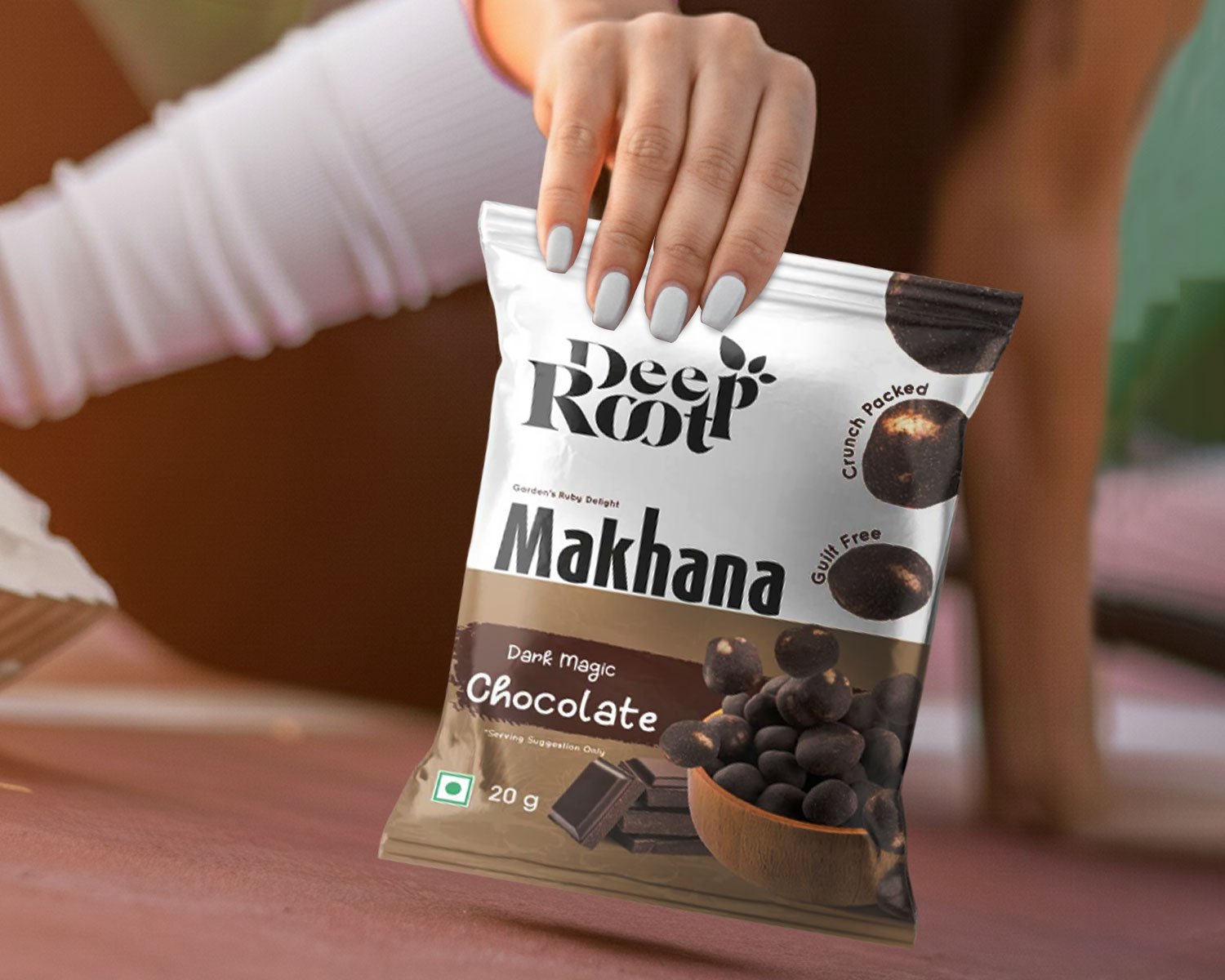
Deeproot transformed the traditional makhana by adding protein and chocolate, thereby attracting the fitness-conscious consumers who are looking for clean, tasty, and guilt-free snacking.
Lab To Pilot To Scale - One Roof Model
Green Horn has emerged as a new favorite energy drink among younger consumers, combining bold flavor with great performance, and has created an identified brand presence and customer loyalty across India.
Stroom Protein Bar is a healthy snack brand focused on natural ingredients, great taste, and energy for active people. It promotes fitness, balance, and everyday strength.
Wlue's has transformed healthy snacking in India by creating a trendy superfood out of fox nuts, through innovation, strong branding, and presence across retail locations nationally.
Smart Caffeine offers quick, clean energy through easy-to-use powder sachets. It helps people stay alert, focused, and active without the crash of regular caffeinated drinks.
The Bobalist set itself as the first bottled popping boba drink in India, creating a disruptive product in the marketplace through innovation, bright and vibrant colors.
Fluke changed how people see energy drinks: clean, tasty, and functional. It quickly became a favorite for those who want real energy without the crash.
1 AM shook up the market with its lactose-free, protein-packed cold coffee, giving coffee lovers a smooth, healthy boost without the guilt or discomfort.
Mr. Bomzy changed the game for home mixology in India with innovative Cocktail Bombs to make premium, crafted cocktails using top-shelf quality spirits easy, affordable, and fun for celebrations.
Ferrera expanded its reach by providing pure, vibrant flavors and a trendy, youth-driven branding, thus a mere fizzy drink was turned into a refreshing, health-leaning choice for the daily consumers.
Haki combined probiotics with enjoyable fizz, thus educating the consumers through the wellness communities and quickly becoming trusted as a delicious, functional soda alternative.
Flipkart elevated the popularity of banana chips through excellent marketplace visibility, consistent quality, and customer trust, thus making them the most frequently chosen crunchy, everyday snack.
Deeproot transformed the traditional makhana by adding protein and chocolate, thereby attracting the fitness-conscious consumers who are looking for clean, tasty, and guilt-free snacking.
It is a procedure of ensuring that the beverage products fulfil all the legal, safety, labelling and documentation requirements before entering the market.
Regulation normally entails government agencies that are in charge of food safety and alcohol regulation, such as agencies that regulate the FDA and TTB compliance of drinks, where necessary.
Licenses guarantee that the production, distribution, and sale of beverages are within the limits of governmental regulations and safety standards of the industry.
It also includes sending product formulation and packaging labels to the regulatory agencies to verify their legal compliance requirements.
Yes, trademarks assist in safeguarding brand name and no product names and labels will be registered under trademarks that have already been registered.
Through early compliance checks, license acquisition and proper documentation during the product development.
We’ve assembled our product portfolio, showcasing our previous launches and success stories. Please feel free to download it below to gain a deeper understanding of our journey and the path that has brought us to our current position.