

01. Research and Conceptualisation

02. Define Your Beverage Idea

03. Recognise the Gaps in the Market

04. Regulatory Knowledge

05. Functional Energy Drink Formulation

06. Taste, Flavour, and Texture Development

07. Shelf-Life, Stabilisers, and Additives

08. Packaging Design

09. Creating Brands and Labels

10. Prototype Evaluation

11. Manufacturing Setup

12. Production Launch

13. Market Entry & Support

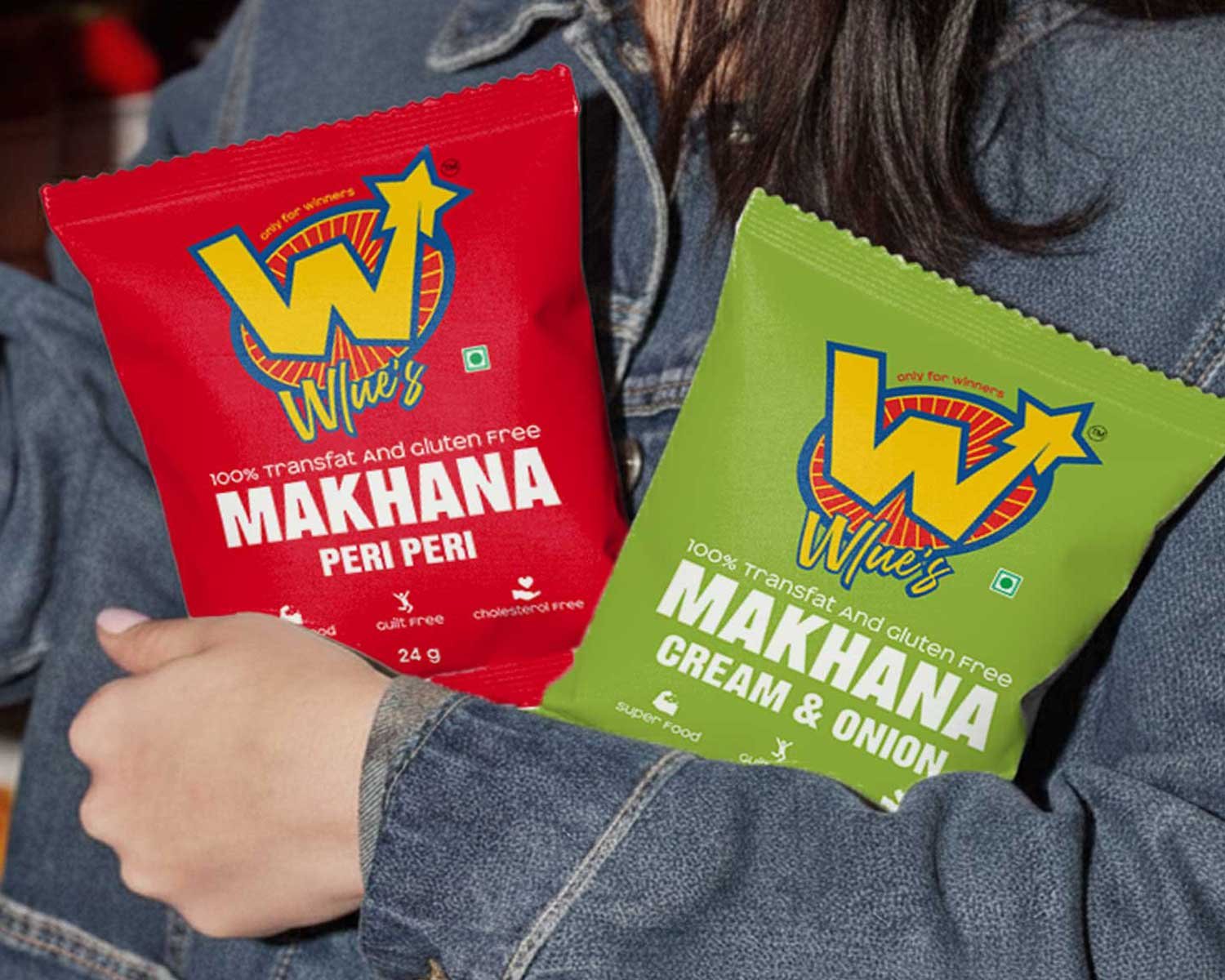
Wlue's
Wlue's has transformed healthy snacking in India by creating a trendy superfood out of fox nuts, through innovation, strong branding, and presence across retail locations nationally.
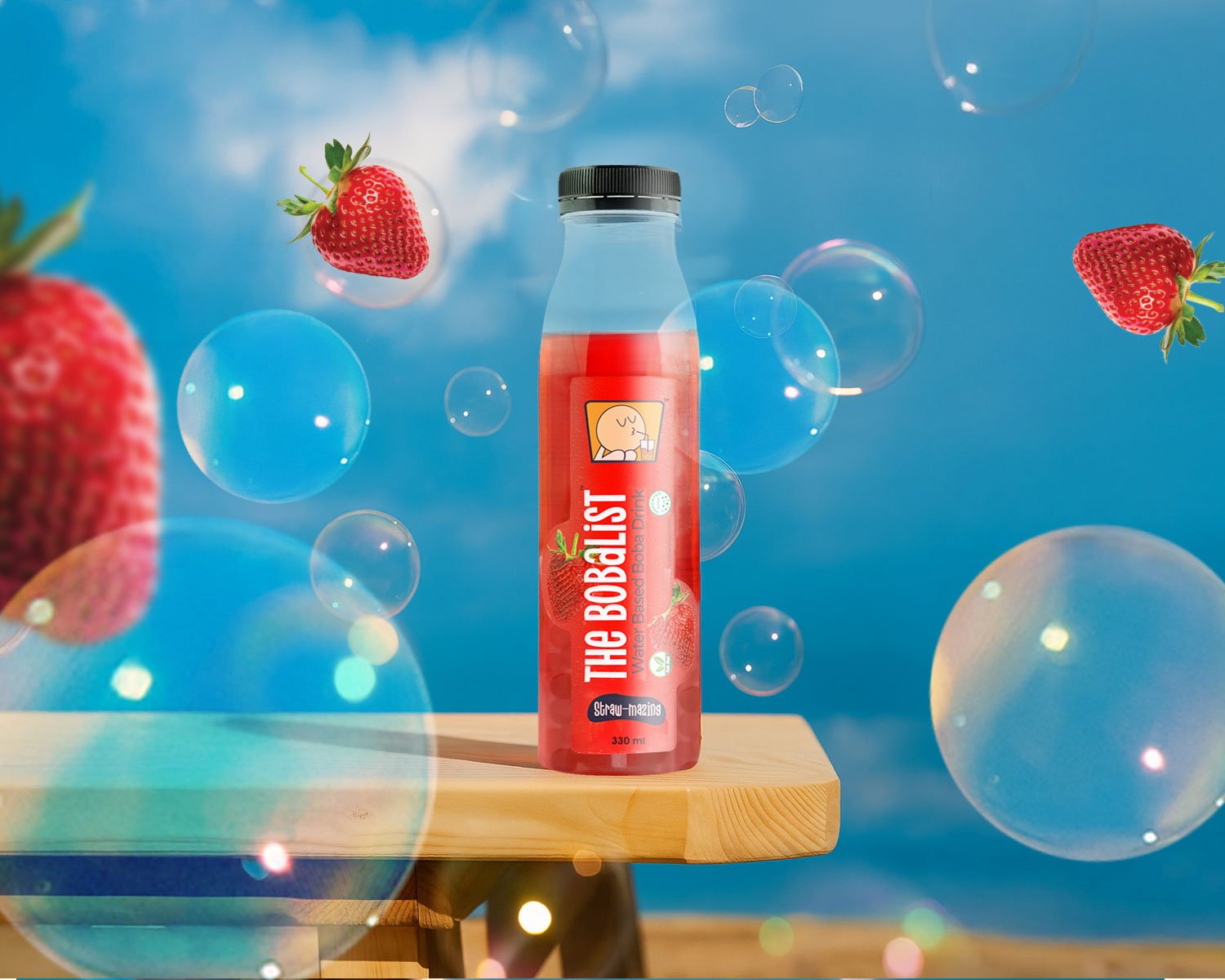
The Bobalist
The Bobalist set itself as the first bottled popping boba drink in India, creating a disruptive product in the marketplace through innovation, bright and vibrant colors.
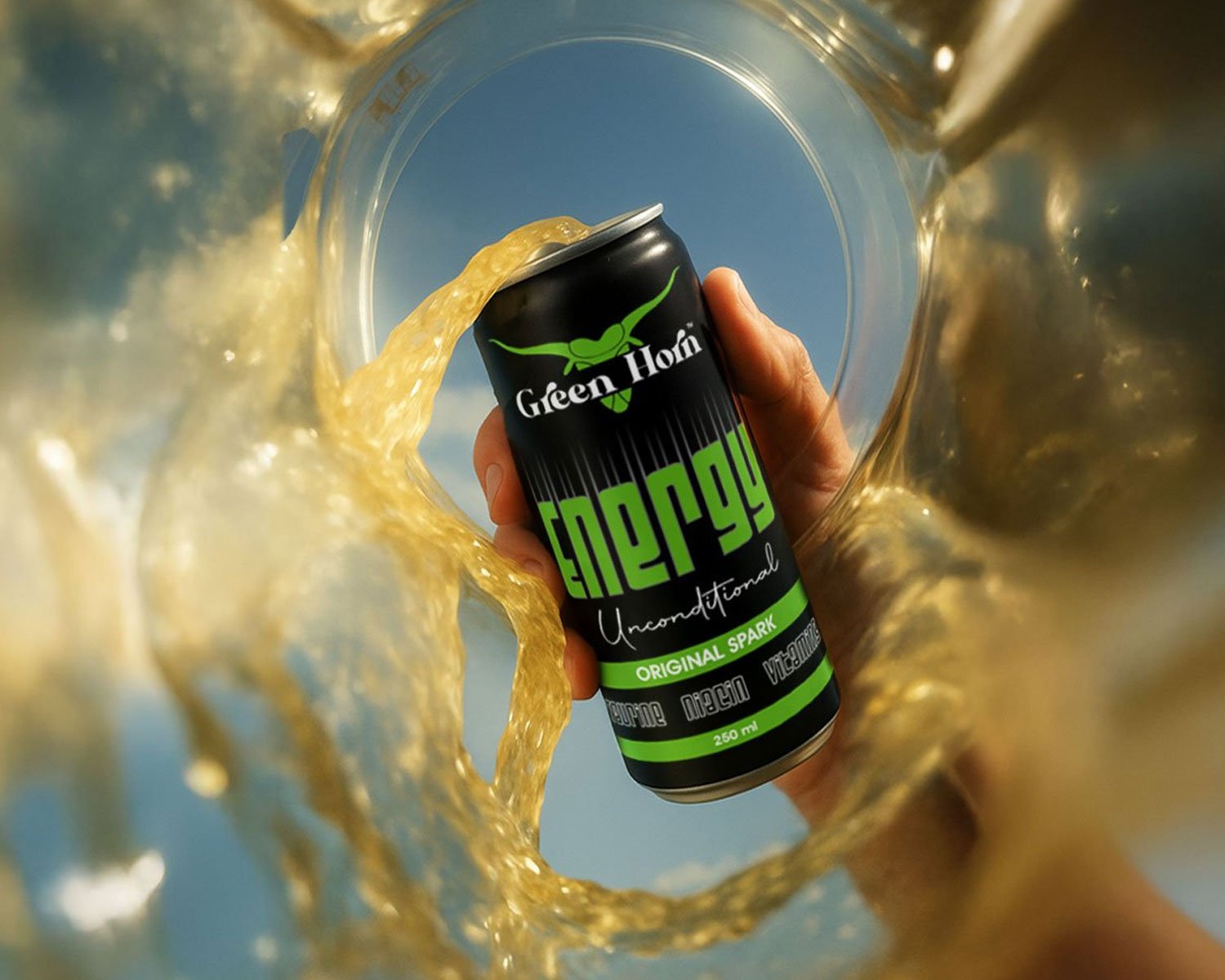
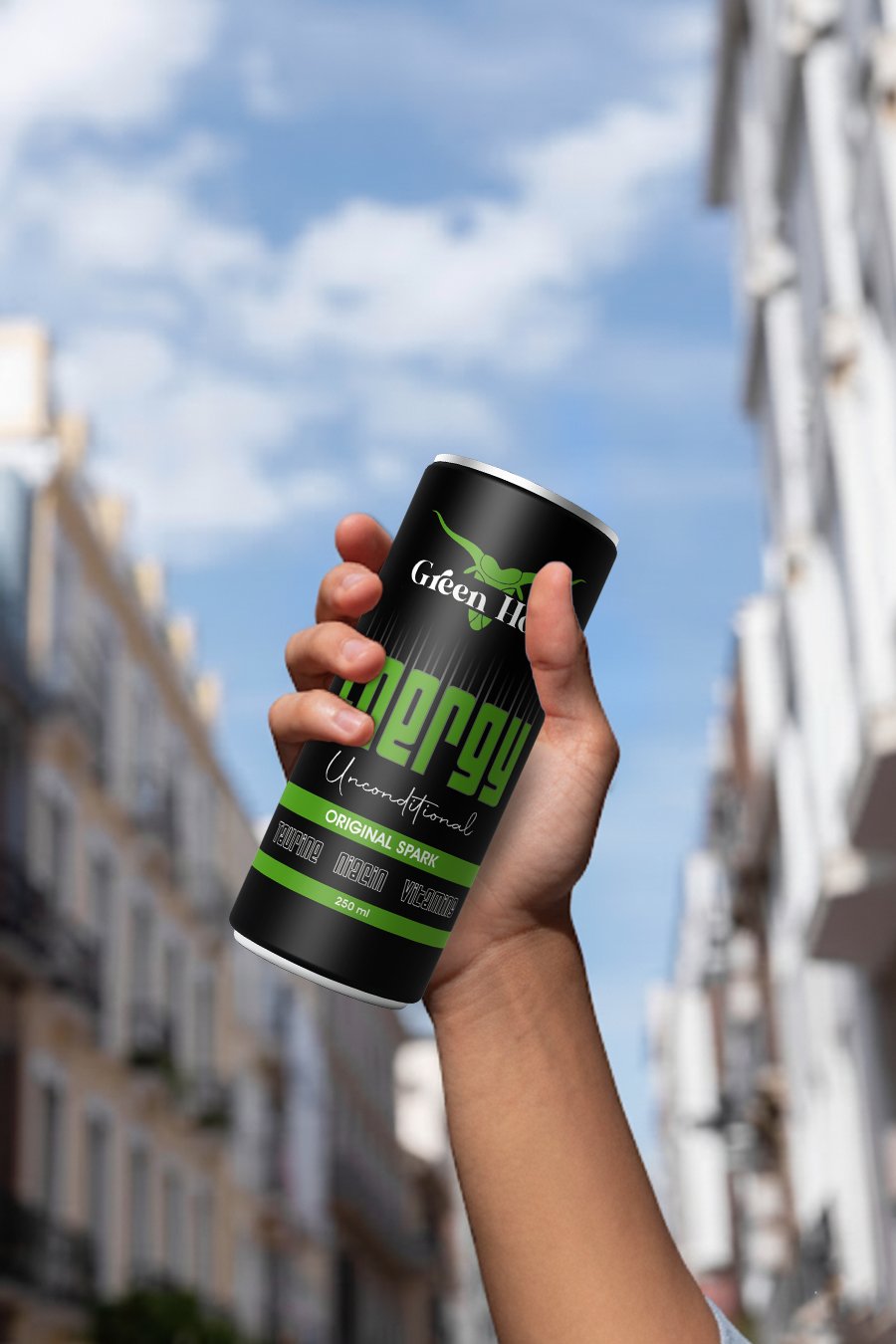
Green Horn
Green Horn has emerged as a new favorite energy drink among younger consumers, combining bold flavor with great performance, and has created an identified brand presence and customer loyalty across India.
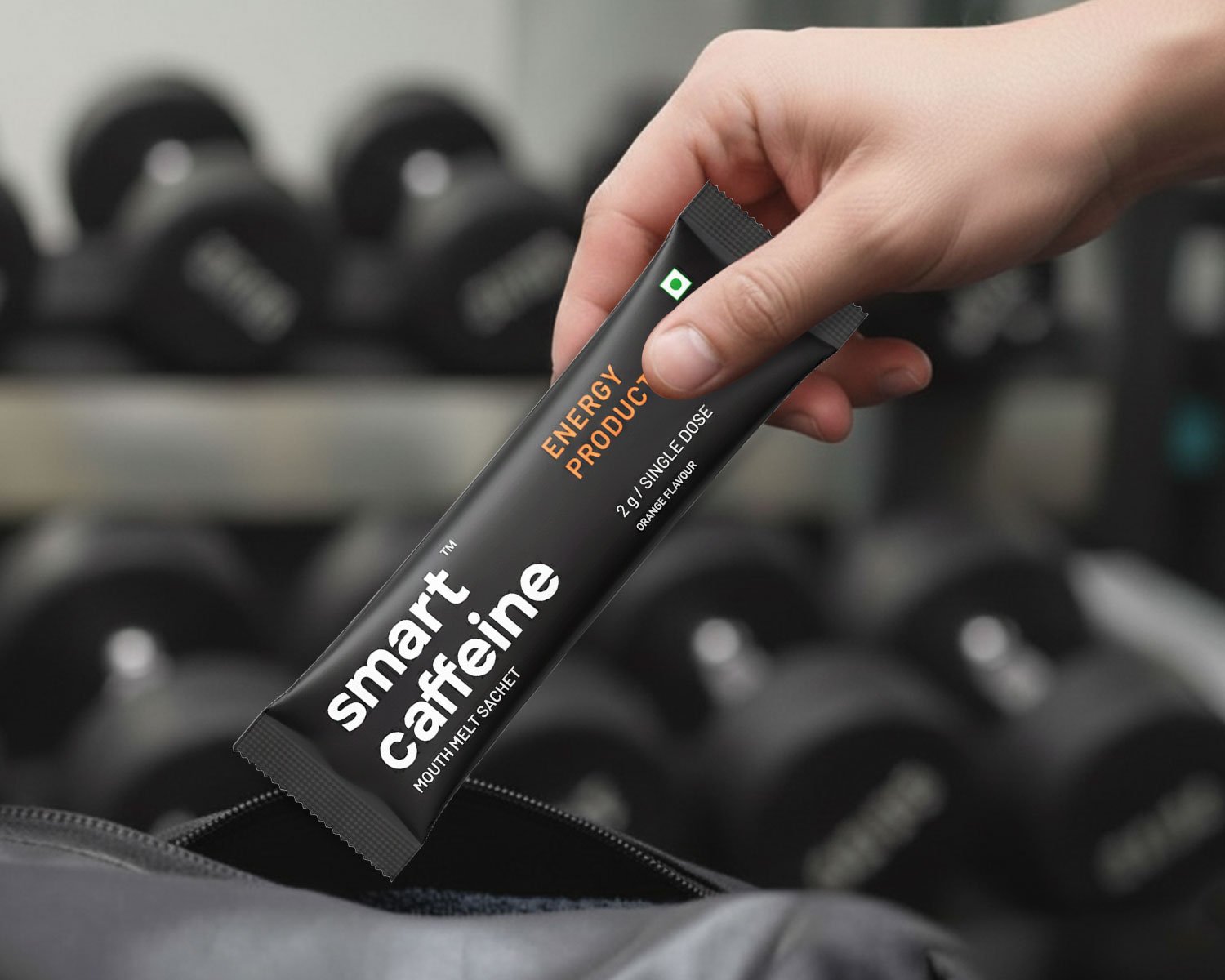
Smart Caffeine
Smart Caffeine offers quick, clean energy through easy-to-use powder sachets. It helps people stay alert, focused, and active without the crash of regular caffeinated drinks.
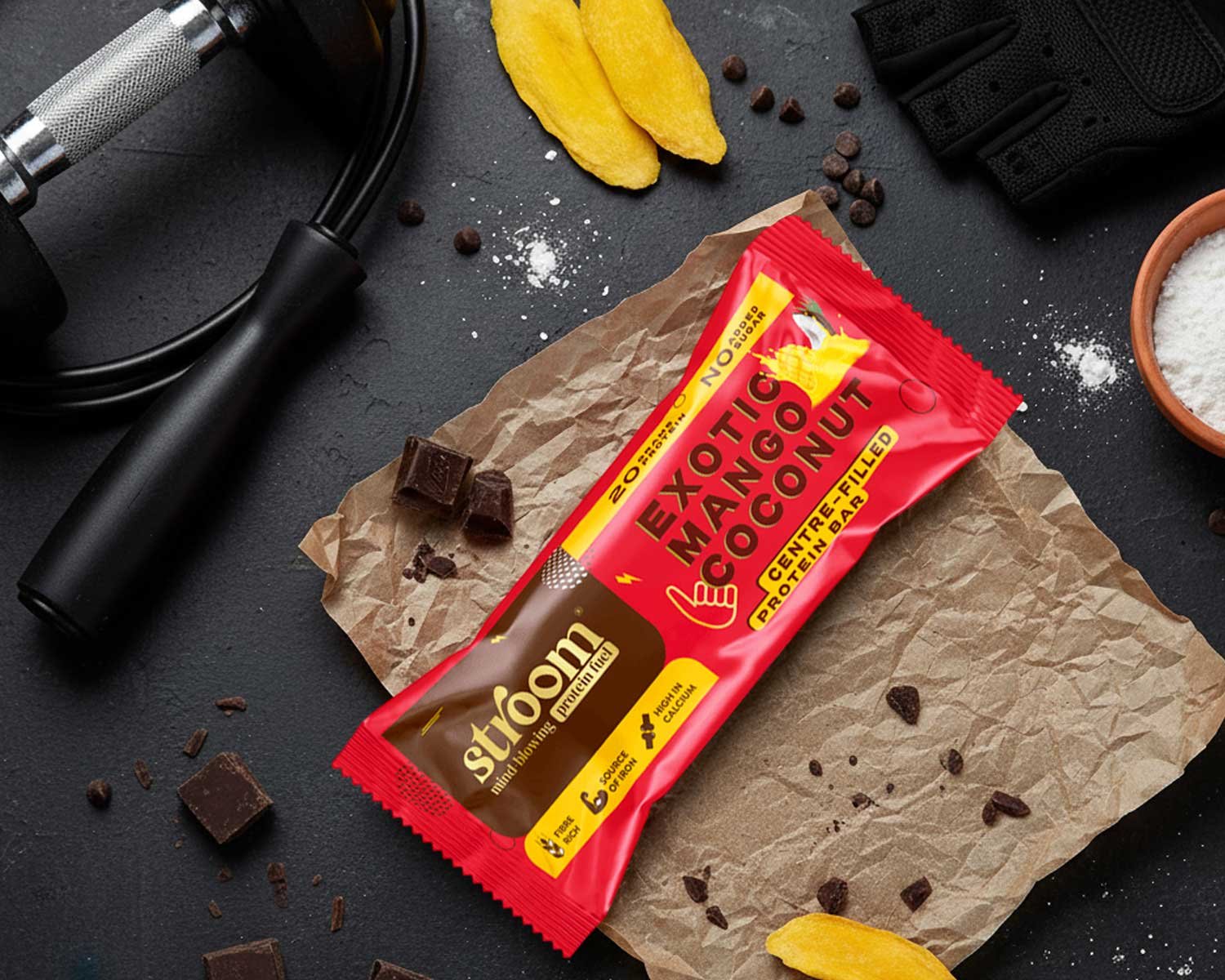
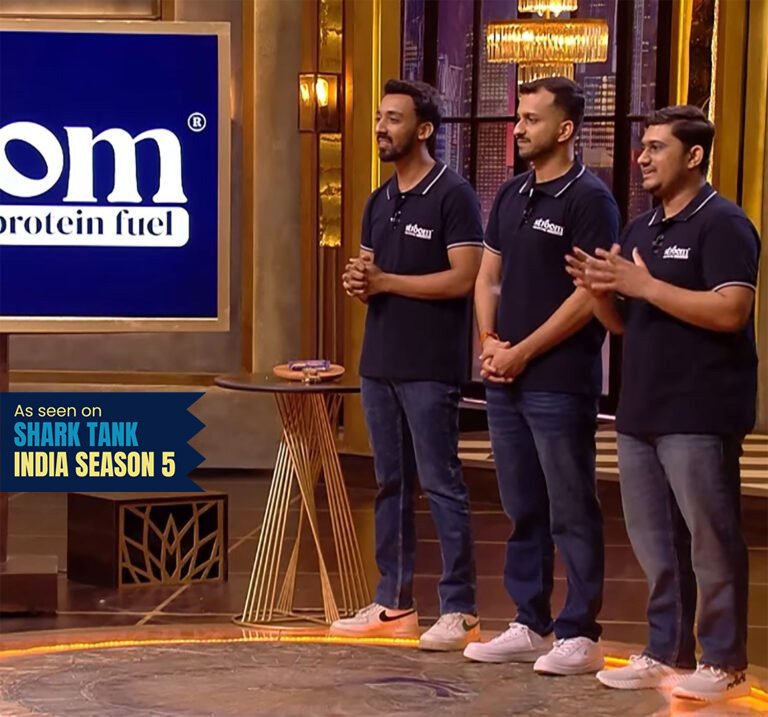
Stroom
Stroom Protein Bar is a healthy snack brand focused on natural ingredients, great taste, and energy for active people. It promotes fitness, balance, and everyday strength.
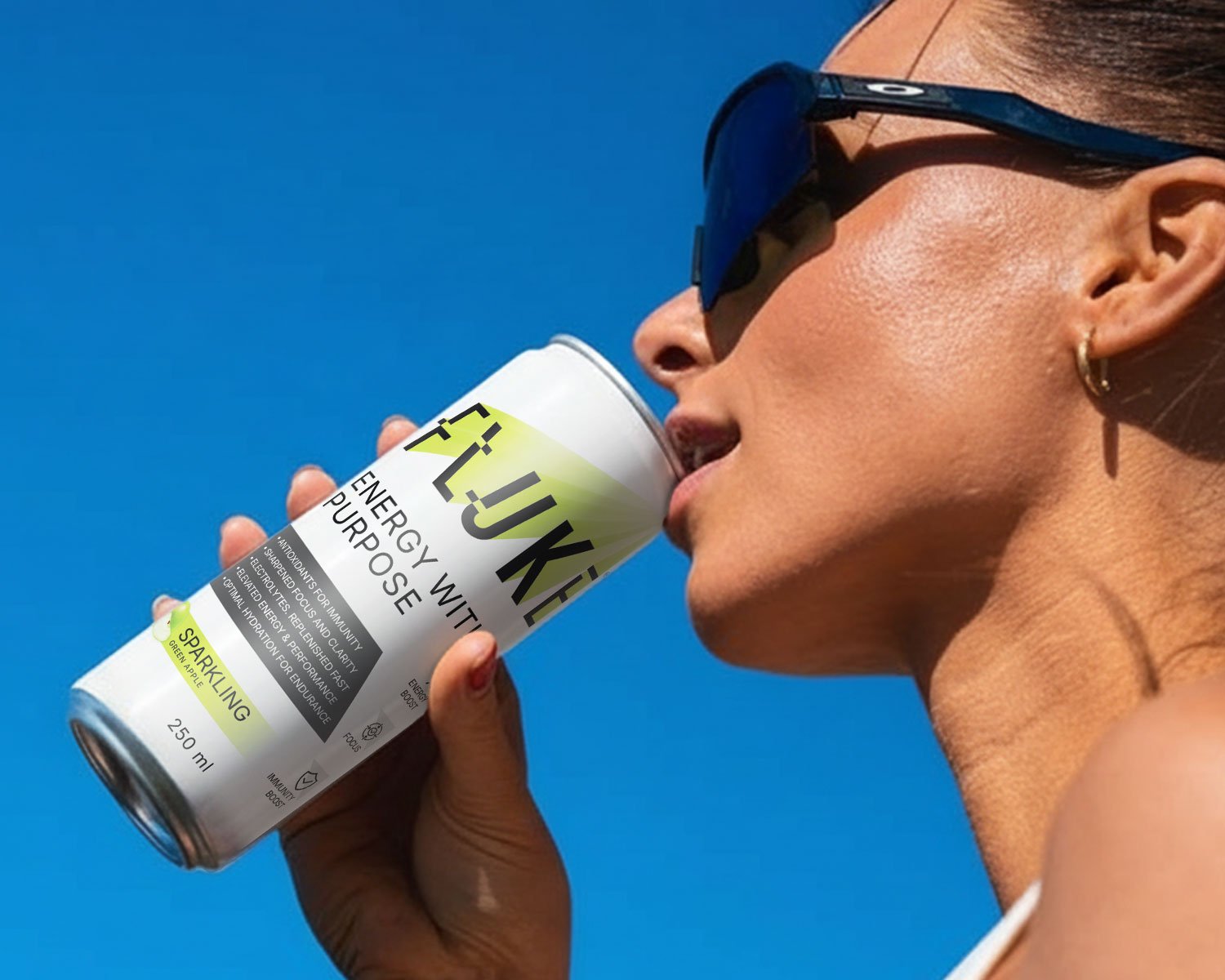
FLUKE
Fluke changed how people see energy drinks: clean, tasty, and functional. It quickly became a favorite for those who want real energy without the crash.
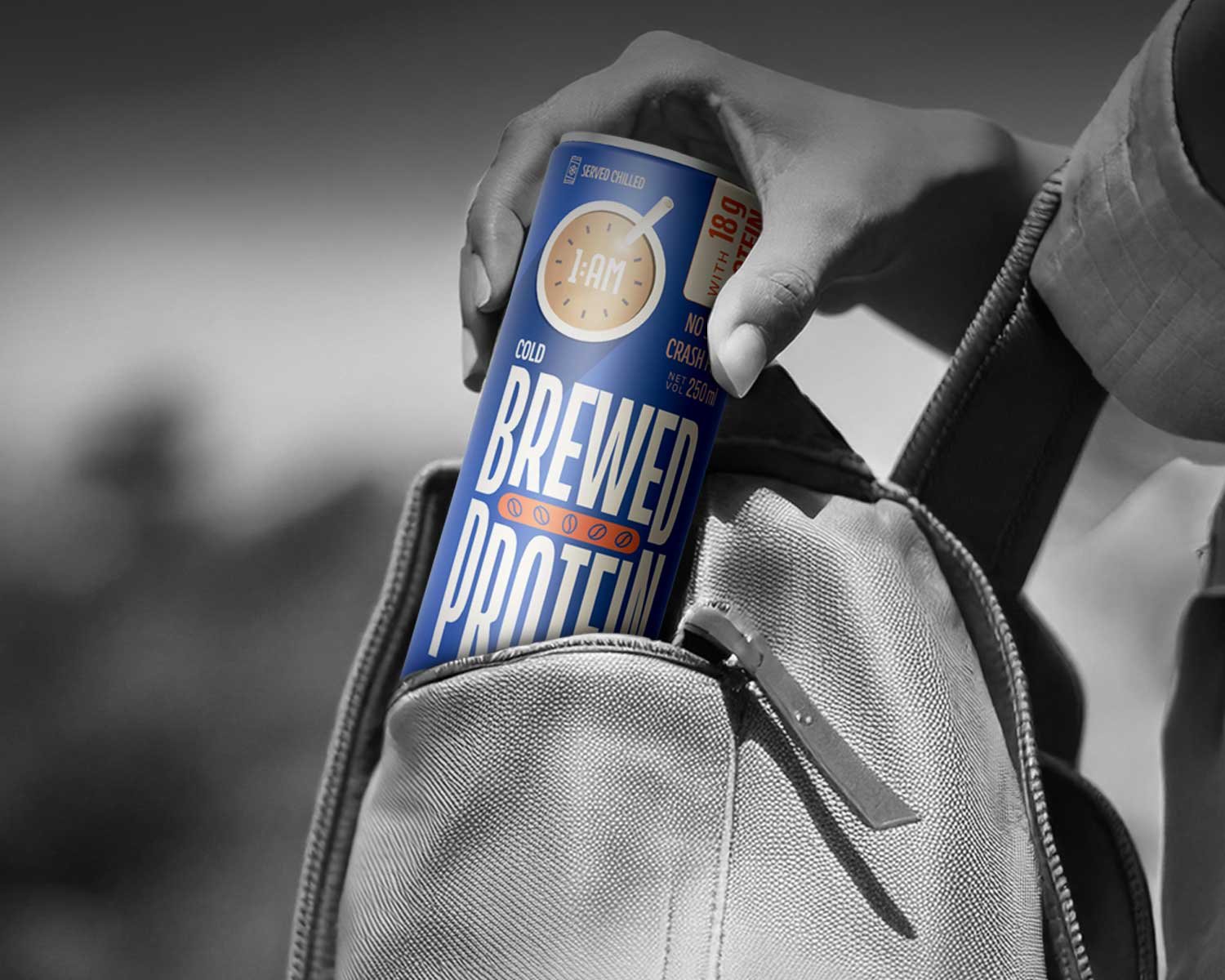
1 AM
1 AM shook up the market with its lactose-free, protein-packed cold coffee, giving coffee lovers a smooth, healthy boost without the guilt or discomfort.
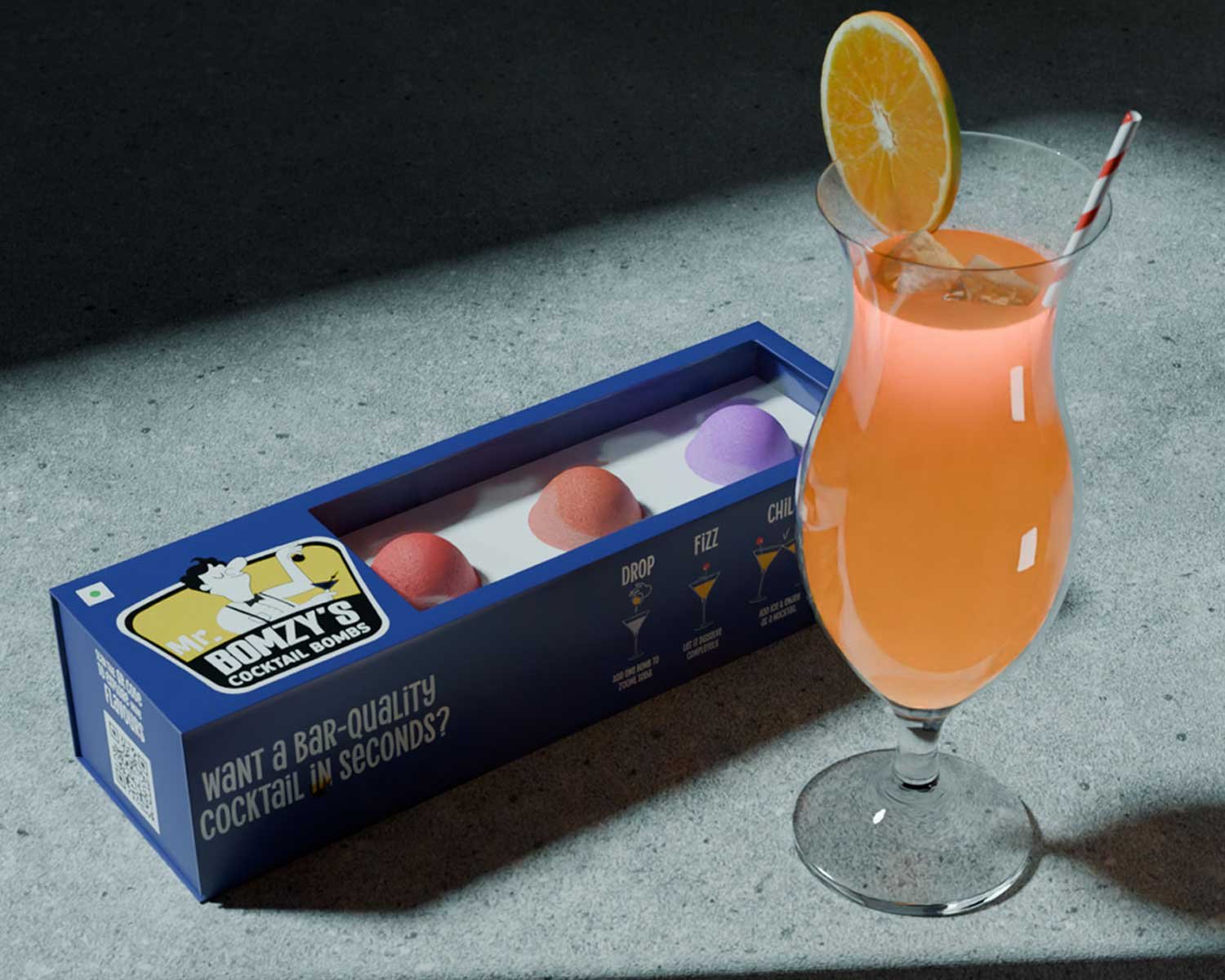
Mr. Bomzy
Mr. Bomzy changed the game for home mixology in India with innovative Cocktail Bombs to make premium, crafted cocktails using top-shelf quality spirits easy, affordable, and fun for celebrations.
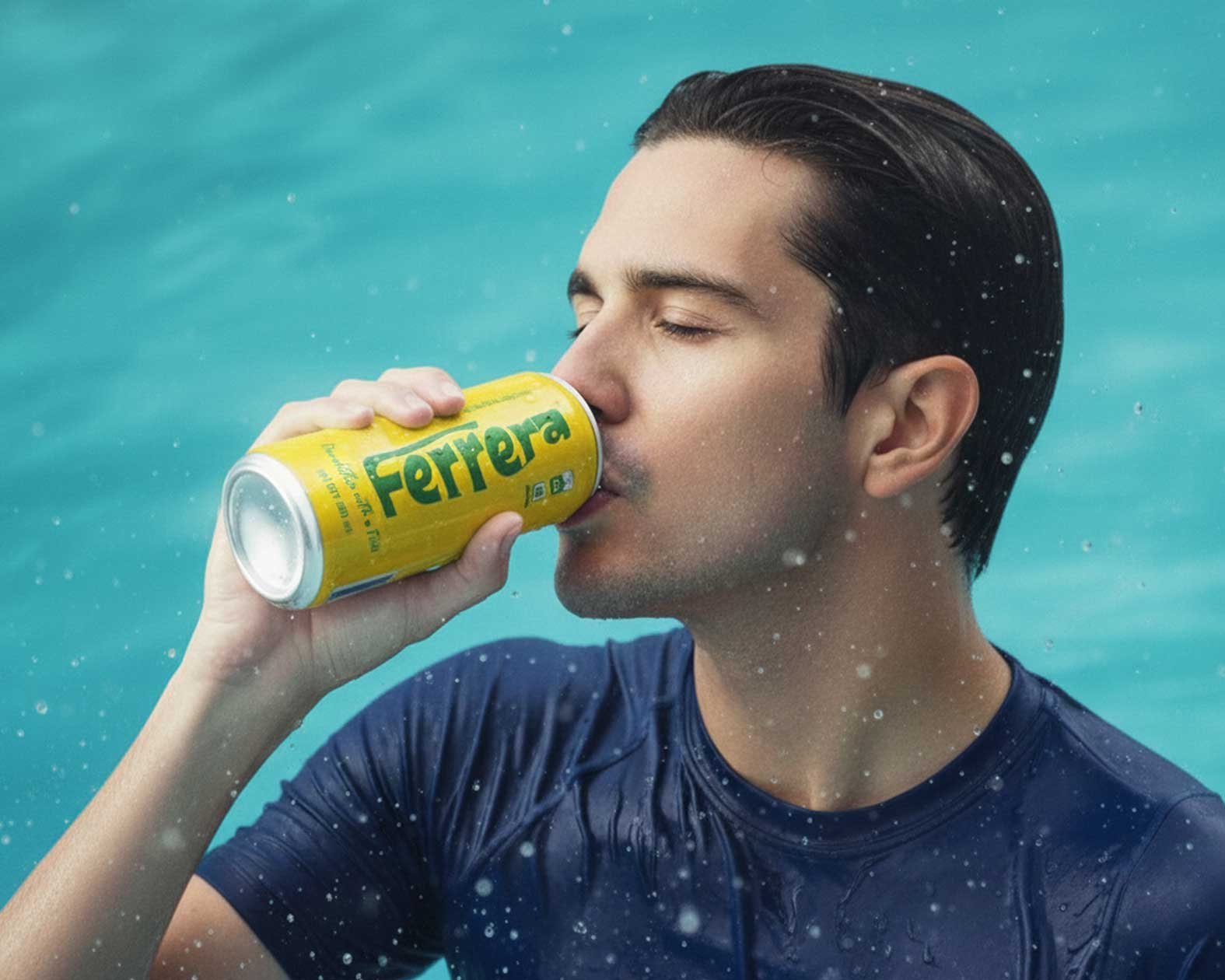
Ferrera Fizzy Drink
Ferrera expanded its reach by providing pure, vibrant flavors and a trendy, youth-driven branding, thus a mere fizzy drink was turned into a refreshing, health-leaning choice for the daily consumers.
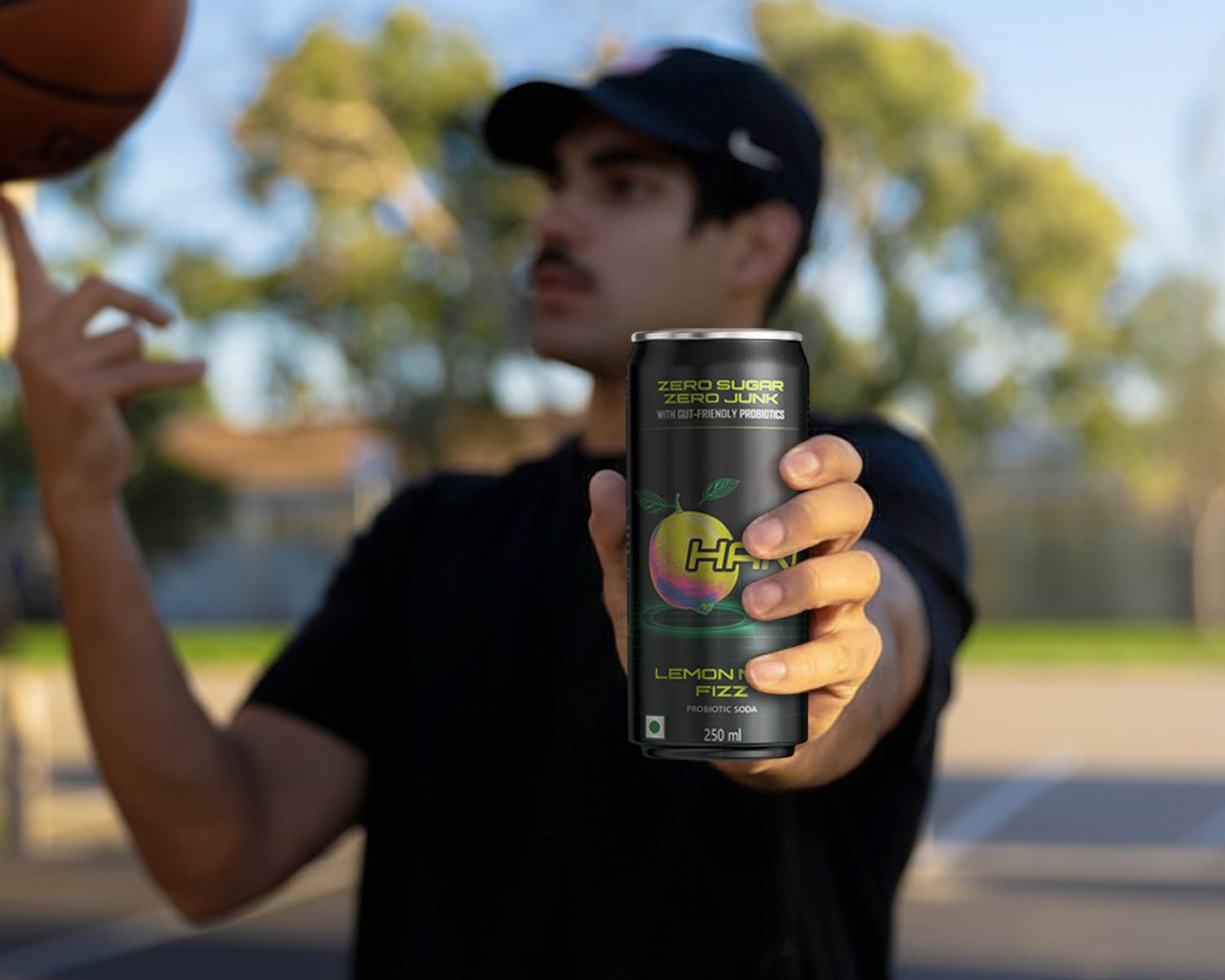
Haki Probiotic Soda
Haki combined probiotics with enjoyable fizz, thus educating the consumers through the wellness communities and quickly becoming trusted as a delicious, functional soda alternative.

Flipkart Banana Chips
Flipkart elevated the popularity of banana chips through excellent marketplace visibility, consistent quality, and customer trust, thus making them the most frequently chosen crunchy, everyday snack.
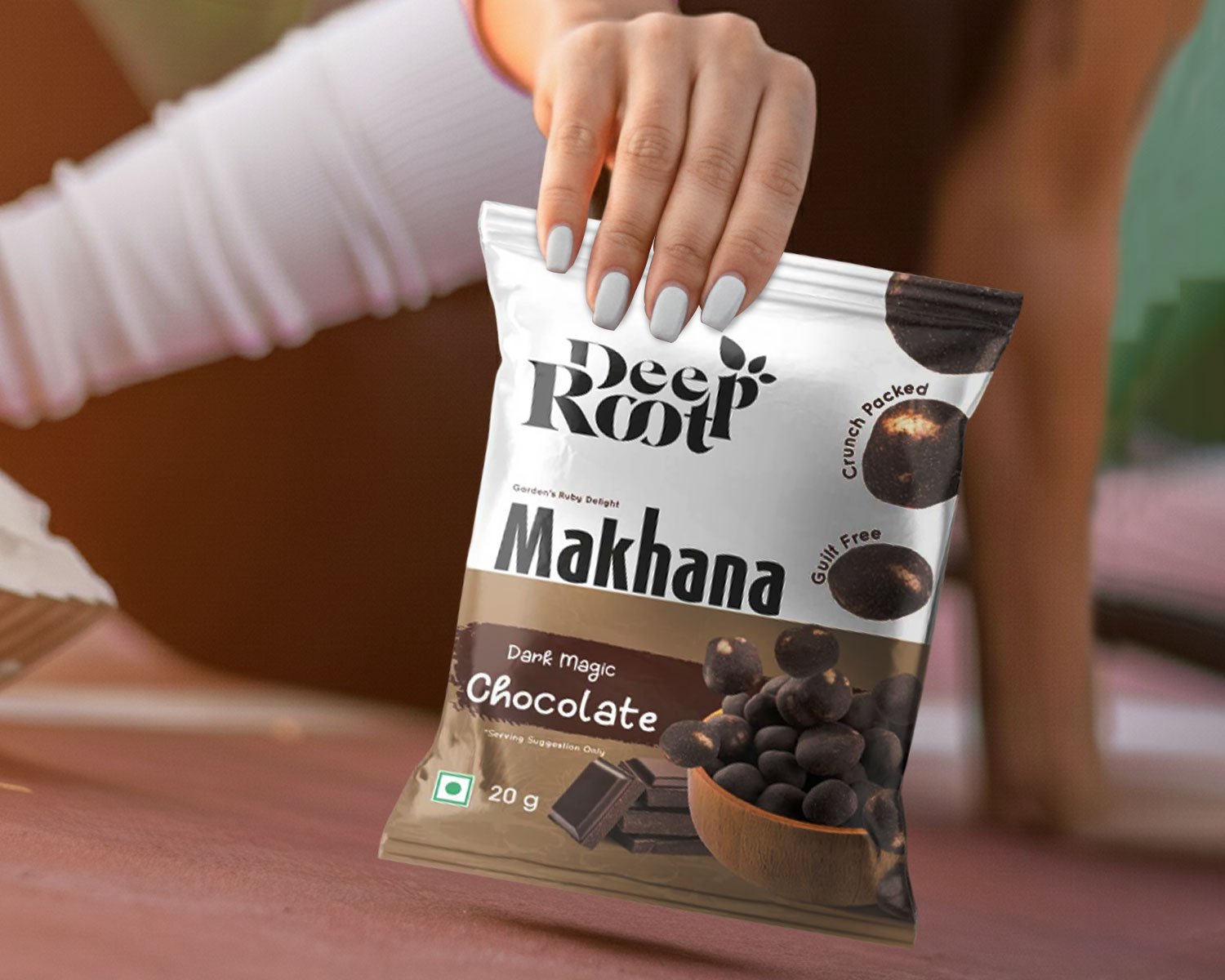
Deeproot Chocolate Protein Makhana
Deeproot transformed the traditional makhana by adding protein and chocolate, thereby attracting the fitness-conscious consumers who are looking for clean, tasty, and guilt-free snacking.
Green Horn
Green Horn has emerged as a new favorite energy drink among younger consumers, combining bold flavor with great performance, and has created an identified brand presence and customer loyalty across India.
Stroom
Stroom Protein Bar is a healthy snack brand focused on natural ingredients, great taste, and energy for active people. It promotes fitness, balance, and everyday strength.
Wlue's
Wlue's has transformed healthy snacking in India by creating a trendy superfood out of fox nuts, through innovation, strong branding, and presence across retail locations nationally.
Smart Caffeine
Smart Caffeine offers quick, clean energy through easy-to-use powder sachets. It helps people stay alert, focused, and active without the crash of regular caffeinated drinks.
The Bobalist
The Bobalist set itself as the first bottled popping boba drink in India, creating a disruptive product in the marketplace through innovation, bright and vibrant colors.
FLUKE
Fluke changed how people see energy drinks: clean, tasty, and functional. It quickly became a favorite for those who want real energy without the crash.
1 AM
1 AM shook up the market with its lactose-free, protein-packed cold coffee, giving coffee lovers a smooth, healthy boost without the guilt or discomfort.
Mr. Bomzy
Mr. Bomzy changed the game for home mixology in India with innovative Cocktail Bombs to make premium, crafted cocktails using top-shelf quality spirits easy, affordable, and fun for celebrations.
Ferrera Fizzy Drink
Ferrera expanded its reach by providing pure, vibrant flavors and a trendy, youth-driven branding, thus a mere fizzy drink was turned into a refreshing, health-leaning choice for the daily consumers.
Haki Probiotic Soda
Haki combined probiotics with enjoyable fizz, thus educating the consumers through the wellness communities and quickly becoming trusted as a delicious, functional soda alternative.
Flipkart Banana Chips
Flipkart elevated the popularity of banana chips through excellent marketplace visibility, consistent quality, and customer trust, thus making them the most frequently chosen crunchy, everyday snack.
Deeproot Chocolate Protein Makhana
Deeproot transformed the traditional makhana by adding protein and chocolate, thereby attracting the fitness-conscious consumers who are looking for clean, tasty, and guilt-free snacking.