Prebiotic Carbonated Beverage Recipe Formulation is devoted to creating prebiotic beverages and probiotic carbonated drink–inspired gut health sodas with digestive properties that preserve their taste, carbonation, and shelf life. This prebiotic beverage development concept will strike the perfect balance between functional prebiotic fibres and sensory delivery, making the prebiotic drink refreshing, safe, and commercially scalable.
Development of Prebiotic Carbonated Drinks and Prebiotic Soda
types of beverages Recipe Formulation
Prebiotic soda formulation makes stability of carbonation, compatibility of ingredients, digestive tolerance and balance of flavours essential in functional soda formulation.
Prebiotic Carbonated Beverage Formulation for Commercial Launch
Our Process
Prebiotic Carbonated Beverage Recipe Formulation is a highly sensitive process requiring careful and precise coordination of functional requirements, processing environment, and consumer experience, to guarantee the same performance both on pilot and commercial scales in prebiotic beverages development.
01. Research and Conceptualization
Prebiotic Carbonated Beverage Recipe Formulation process starts with the definition of the functional intent of the beverage. This consists of choosing the right prebiotic fibre, fructo-oligosaccharides, galacto-oligosaccharides, or resistant dextrins based on solubility, digestive tolerance, and stability in carbonated systems, which form the base prebiotic soda ingredients.
02. Define Your Beverage Idea
Dosage selection should be made correctly to ensure functional gains without causing sedimentation, undue viscosity, or food sensitivity in prebiotic drink development.
03. Recognize the Gaps in the Market
The compatibility with carbonation is addressed early in the development process. Prebiotic fibres may affect mouthfeel and foam behaviour, and it may be required to fine-tune CO₂ levels, particularly for prebiotic cola drink ingredients.
04. Regulatory Knowledge
The problem of acidity and pH control is guaranteed to provide product safety as well as digestive comfort for prebiotic beverages. The acid systems are adjusted in such a way that they do not over-acidify to a level that may irritate sensitive consumers.
05. Gut Health Beverage Formulation
The controlled carbonation helps to increase refreshment and inhibits excessive foaming during filling, enabling consistent sensory perception across shelf life in prebiotic soda formulations.
06. Taste, Flavour, and Texture Development
The Prebiotic Carbonated Beverage Recipe Formulation includes sweetness and flavour development as its key components. Given the potential of prebiotics to deliver low-sugar texture, most prebiotic beverages are formulated using reduced-sugar systems supported by natural sweeteners, fermentation flavours, or aroma systems. Fibre interactions—especially with fruit, citrus, and botanical profiles—are addressed using flavour-masking techniques.
07. Shelf-Life, Stabilizers, and Additives
Formulation optimisation is followed by processing and stability testing. Parameters such as heat and filling conditions are assessed to retain prebiotic integrity and carbonation. Shelf-life testing evaluates clarity, sediment formation, flavour drift, and carbonation loss, ensuring prebiotic drinks perform well in real storage environments.
08. Packaging Design
Even-handed acidity also helps to retain carbonation and enhance the overall flavour experience of prebiotic carbonated beverages.
09. Creating Brands and Labels
The controlled carbonation helps to increase refreshment and inhibits excessive foaming during filling, and allows a similar sensory perception during shelf life for prebiotic soda brands.
10. Prototype Evaluation
Formulation optimisation is followed by processing and stability testing to validate prebiotic beverage development.
11. Manufacturing Setup
Parameters, heat, and filling are assessed to retain prebiotic integrity and carbonation in large-scale prebiotic drink production.
12. Production Launch
The last phase in Prebiotic Carbonated Beverage Recipe Formulation is dedicated to scale-up preparation for commercial prebiotic beverages.
13. Market Entry & Support
The learned pilots are converted into production standards, ingredient specifications, and quality standards, reducing reformulation risks and enabling seamless transition to commercial prebiotic soda manufacturing.
It's the process of developing carbonated drinks containing prebiotic fibres while maintaining taste, stability, and digestive comfort, essentially defining how to make prebiotic drink systems scalable.
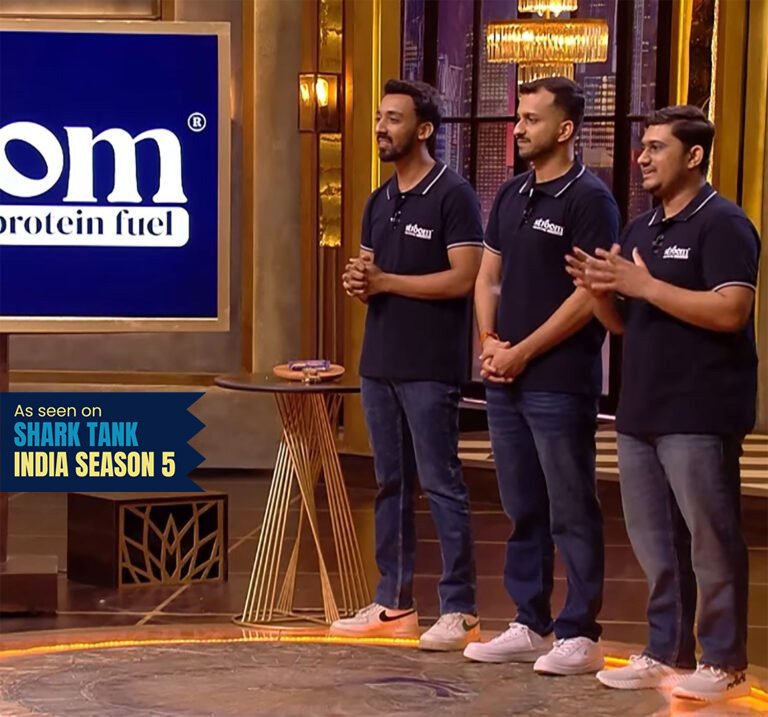
Stroom’s protein bar was formulated, piloted, and scaled by Foodsure along with a complete machinery setup, enabling a Shark Tank-ready brand built on strong innovation, manufacturing, and commercial confidence for nationwide growth.
Shark Tank India
Vold: Powering Modern Energy Consumption
Vold’s energy drink was developed and industrialised by Foodsure, including a complete machinery setup, positioning the brand for Shark Tank with a strong formulation foundation, scalable manufacturing, and clear commercial readiness.
Shark Tank India
3 Sisters: Thoughtful Beverages Innovation
3 Sisters’ food products were conceptualised and scaled by Foodsure, with end-to-end machinery installation, preparing the brand for Shark Tank through robust R&D, operational efficiency, and market-ready product execution.
Brands We’ve Built & Formulated
Real products developed by Foodsure experts — from concept and formulation to market-ready brands across beverages, nutraceuticals, and food products.
Stroom’s protein bar was formulated, piloted, and scaled by Foodsure along with a complete machinery setup, enabling a Shark Tank-ready brand built on strong innovation, manufacturing, and commercial confidence for nationwide growth.
Vold’s energy drink was developed and industrialised by Foodsure, including a complete machinery setup, positioning the brand for Shark Tank with a strong formulation foundation, scalable manufacturing, and clear commercial readiness.
3 Sisters’ food products were conceptualised and scaled by Foodsure, with end-to-end machinery installation, preparing the brand for Shark Tank through robust R&D, operational efficiency, and market-ready product execution.