The scorching summer in India renders the fizzy drinks nearly irresistible. Behind that chill and refreshing drink, there are some cold drink ingredients that are worth knowing.
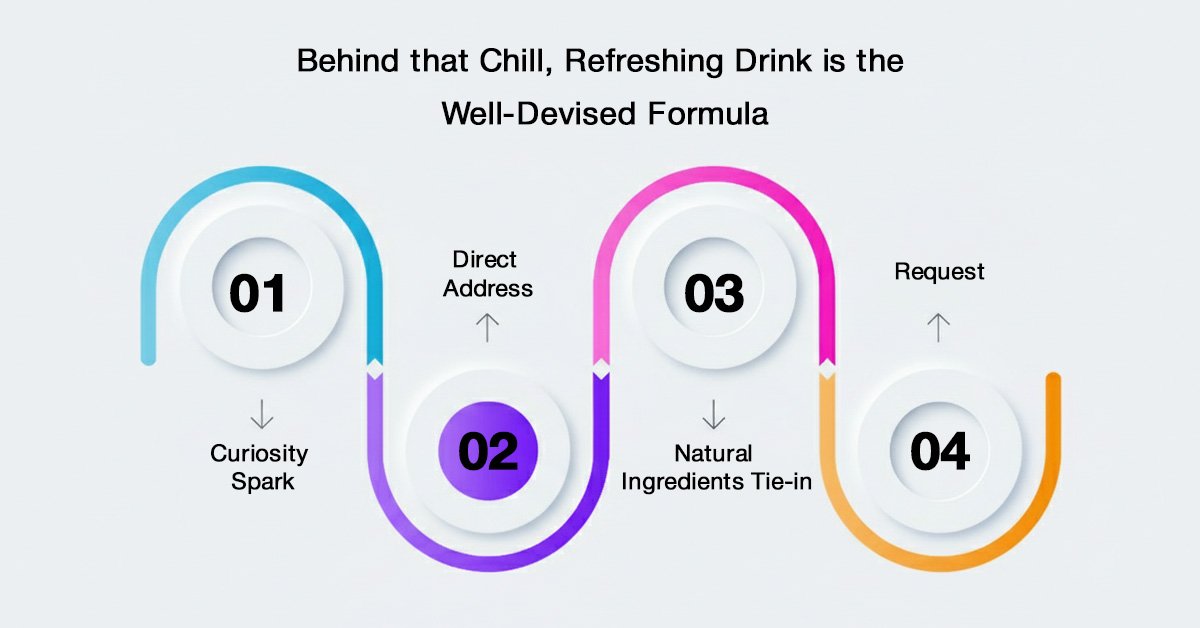
- Curiosity Spark: Have you ever wondered why your favourite fizz pop cracks with the addictive magic that your favourite alchemy does in the overheating summer in India?
- Direct Address: To those founders who are pioneering the next cold beverage hit, and those consumer savvy, have you looked behind the shiny paper in the commercial soft drinks?
- Natural Ingredients Tie-in: It is made using carbonated water, sugar or HFCS, citric acid, flavours, caffeine, preservatives and colours.
- Request: Unpack the truth to drink smarter and re-evaluate your beverage game.
The Confusion Around Ingredients of Cold Drinks in India
- Consumer Confusion: Behind their opaque labels that contain cryptic codes such as E102 (natural flavours) is the actual contents, sugars, acids, preservatives, raising questions on the health effects of sipping every day.
- Myths Uncovered: Diet versions may appear to be healthy, yet artificial sweeteners (aspartame) and long-tail soft drinks components, such as mysterious stabilisers, leave behind tastes and unsuspected dangers.
- Founder Struggles: Innovators do not have clear-cut formulations of compliant formulations, which places a hold on trust and beverage introductions.
- Call to Clarity: Decode to become smarter in innovation, and to create consumer confidence.
BUILD YOUR COMMERCIAL SOFT DRINK
Need Expert Help With Cold Drink Ingredients & Formulation?
From sweetener selection and acidity balance to carbonation stability and FSSAI compliance — we help brands design scalable, shelf-stable cold drink formulations built for Indian market conditions.
Why Cold Drink Ingredients Seem So Complicated
- Technical Formulation: Recipes of soft drinks require that mixtures of carbonated water (90-98%) and sugars (8-12%) are in a specific proportion to remain stable, taste, and fizzy.
- Interactions of Ingredients: Sweeteners, flavours, and preservatives (sodium benzoate) react unpredictably with Acids (citric /phosphoric, pH 2.5-4), giving them an erratic synergy or instability.
- Regulatory Framework: FSSAI allows 100+ additives (E102-E110 colours, stabilisers) in the category 2.10, yet unspecified labelling obscures concentrations and long-tail additives.
- Complexity Outcome: This obscurity strategy keeps trade secrets secret and generates confusion among both founders and consumers.
Challenges in Managing Soft Drink Formulation Ingredients
- Ingredient Confusion: The R&D is confused by the decoding of soft drink formulation ingredients such as E-numbers andstabiliserss instead of having their clear breakdowns.
- Regulation: The time required to navigate through 100-plus additives and labelling regulations of FSSAI postpones launches in India in a compliant manner.
- Taste Inconsistency: Sugars, acids, flavours, and other taste elements result in batch variation that murders the brand trust.
- Shelf-Life Problems: Preservation agents such as sodium benzoate collapse in the presence of heat/humidity, increasing the effect of spoilage.
Simple Breakdown of Soft Drink Formulation Ingredients
Moisture magic soft drinks like a rock band, all the ingredients in it are starring roles in that tasting moment. There is no jargon, and easy to identify with harmony to enhance retention.
- Carbonated Water (Drummer): 90-98% base; is hydrating and fizzy.
- Sugars/HFCS (Lead Singer): 8-12%: It is sugary, and everyone would love it.
- Citric/Phosphoric Acid (Guitarist): pH 2.5-4; gives a bite of acidity, not too excessive.
- Flavours (Lyrics): Natural/artificial essences; characterise cola, lemon or fruit vibes.
What Actually Works in Cold Drink Ingredients Formulation
Learn to master the commercial soft drinks by studying proven ingredient type categories that provide taste, stability and compliance. This preparation is based on essential cold drink components (90-98% of formula) and functional additives in FSSAI standards, and common percentages in a 100ml can of cola are around 10-11g of sugar.
Core Cold Drink Ingredients
| Ingredient | Typical % (w/v) | Role & Why Needed | Regulatory Relevance (FSSAI) |
| Water (Carbonated) | 90-98% | Base solvent for hydration, fizz delivery via CO2 (0.3-0.6%) | Potable quality; purified per IS 14543 |
| Sugar/HFCS | 8-12% | Primary sweetness; energy source, mouthfeel | Max 11.5g/100ml; labels total sugars |
| Carbon Dioxide | 0.3-0.6% | Effervescence for sensory appeal, refreshment | Pressure-regulated; no direct limits |
These comprise the easily digestible 99% backbone of it, water transports, sugar gratifies, and CO2 excites, seeing to it there is not a complex product that may confuse on the shelf.
Functional Ingredients
| Ingredient | Typical % (w/v) or ppm | Role & Why Needed | Regulatory Relevance (FSSAI) |
| Acidity Regulators (Citric/Phosphoric) | 0.05-0.3% | pH control (2.5-4) for tartness, microbial barrier | GMP; max 3g/L phosphoric |
| Preservatives (Sodium Benzoate) | 0.03-0.15% | Spoilage prevention in a low-pH environment | Max 600ppm benzoate |
| Flavoring Agents | 0.1-0.5% | Taste profile (cola essence, fruit oils) | Nature-identical permitted; no synthetic bans |
| Colorants (Caramel E150, Tartrazine E102) | 0-100ppm | Visual appeal, brand identity | Max 100ppm each; natural preferred |
Fine-tuning of functional layers acids stabilise, preservatives add life (up to 6-12 months), flavours repeat buys hook, colours sell visually
Commercial Carbonated Drink Ingredients Example (100ml Breakdown)
| Category | Ingredient Example | % Contribution | Notes |
| Base | Carbonated Water | 91% | Purified, CO2-infused |
| Sweetener | Sucrose/HFCS | 10.5% | ~42kJ energy |
| Acidulant | Citric Acid | 0.2% | pH 3.0 target |
| Functional | Sodium Benzoate | 0.1% | + Caffeine 0.01% (colas) |
| Flavor/Color | Cola Flavor + E150 | 0.1% | Trace emulsifiers |
It is a formula to achieve balanced fizz, sweetness and 6-month stability- scaled to heat/humidity in India. Resort to natural substitutes (stevia, extracts of fruits) in order to meet the trends without coming out of compliance.
Foodsure’s Approach to Cold Drink Ingredients & Beverage Formulation
Foodsure is your silent drink formulation partner that relieves the Indian founders of commercial soft drink hassles.
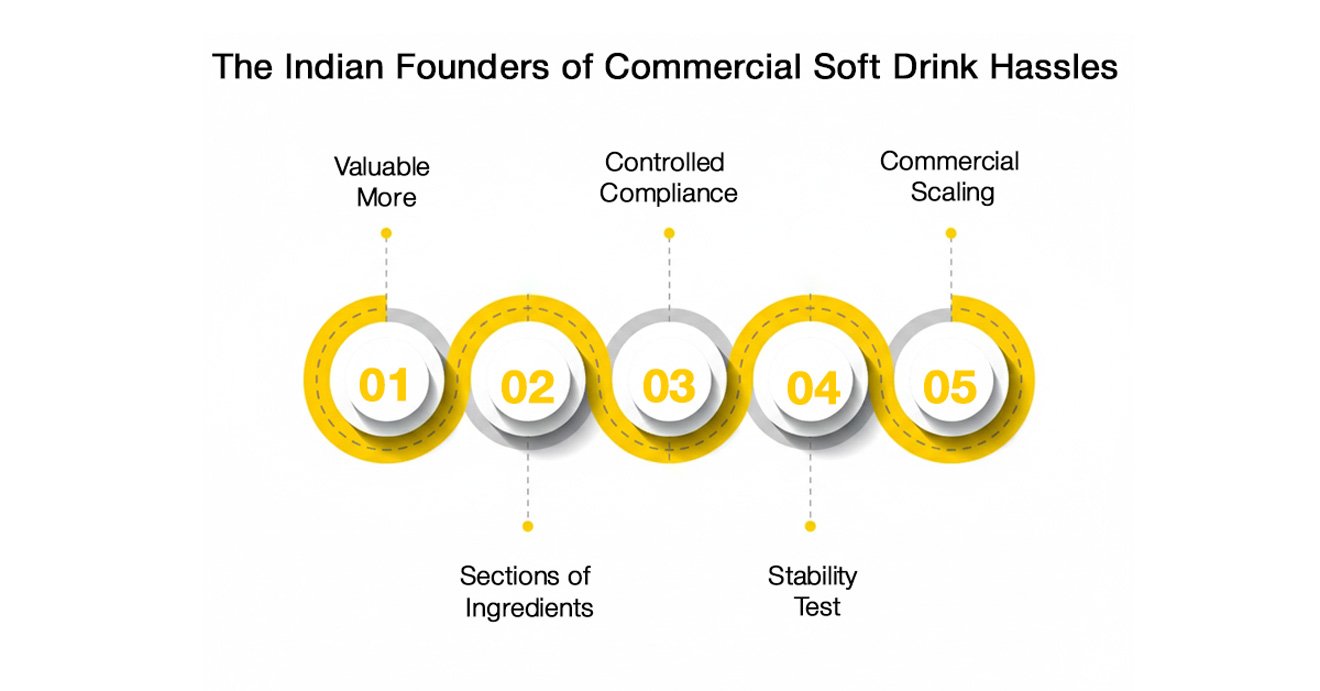
- Valuable more: Really, whatever you want, no heavy pitching.
- Sections of Ingredients: Select monitored sugars, flavours and acids, health taste-wise stabilisers and FSSAI balance.
- Controlled Compliance: Edict 100+ additives (e n. 600ppm benzoate limits) to pass through seamlessly with labelling/approvals.
- Stability Test: Confirm carbonation, shelf life in the face of heat/humidity in India, in order to confirm quality batches.
- Commercial Scaling: Commercialise lab recipes to production based on shortening timelines and reducing expenditure to deliver R&D results.
Result: Be creative, we deal with the technical labyrinth.
Founder Takeaway
- Understand Ingredient Function: Understand base (90-98%) and sweetness (8-12%): point of contact is water, roller is sugar, acid neutralises acid and base, and acids, bases each earns pairing as profit.
- Test Batches: Battery test small batches of carbonation to confirm carbonated nail retention and flavour conformity in the humid environment of India.
- Adhere to FSSAI Compliance: Do not go over labels and safety (600ppm benzoate, 100ppm colours)- do not fall into regulatory traps.
- Incorporating Existence on Consistency: Examine recipes to reduce differences due to batches, bag life, and customer confidence.
Searching to launch an upcoming carbonated drink?
Partner with Foodsure specialists to refine soft drink composition ingredients, including conforming sugars and acids to soda carbonation, which is stable.
Contact us to get a free formulation checklist and become a better refreshment game player.
Top Trending Guide:- Focus Drink Contract Manufacturing for Modern Brands in 2026
READY TO LAUNCH?
Scale Your Cold Drink With Commercial Stability
We support beverage R&D, ingredient optimisation, pilot trials, and full-scale production setup. Reduce reformulations. Minimise risk. Launch faster.
Related Blogs
- Carbonated Beverages: 7 Powerful Facts Every Brand Must Know
- Drink Formulation Cost in India: Complete Commercial Breakdown
- Cold Drink Recipe Formulation: From Lab Trial to Market Launch
- Zero-Calorie Beverage Formulation: Sweetener Systems & Stability Guide
- Energy Drink Ingredients & Commercial Formulation Strategy
FAQs
What components make up cold beverages?
Cold beverages contain basic elements which consist of water, sweeteners, flavouring agents, acid components, carbon dioxide and preservatives.
What are the ingredients of cold drinks in India?
The typical composition of cold drinks in India consists of carbonated water, and either sugar or artificial sweeteners, food acids, and FSSAI-approved permitted flavours and preservatives.
What components make up the formulation of soft drinks?
Soft drink formulation ingredients include base water, sweeteners, acidulants, flavours, carbonation, colours, and stabilisers for taste and shelf life.
What sweeteners are used in cold drink ingredients?
The beverage formulation determines which sweeteners cold drink products will use from a selection of sugar, high-fructose syrup, utevia aspartame and sucralose.
What components make up carbonated beverages?
A carbonated beverage contains its components as treated water with dissolved CO₂, sweeteners, acids, flavours, and optional caffeine or functional additives.
Are soft drink ingredients safe in India?
The FSSAI standards and approved beverage formulation regulations determine the safety of soft drink ingredients used in India.
How does beverage formulation affect cold drink ingredients?
Beverage formulation uses cold drink ingredients in specific ways to achieve desired effects on taste and fizz level, and sweetness, stability and shelf life.