The demand for low-calorie beverages is growing as consumers seek to reduce their sugar and calorie intake. The creation of sugar-free beverages and diet drinks requires more than just sugar elimination, as sugar affects their flavour profile, mouthfeel, and product stability. The successful development of products depends on a beverage formulation method that combines three elements: sweetness, mouthfeel, and clean-label ingredients.
This blog explores the key formulation challenges in low-calorie beverage development and the strategies brands use to create drinks that consumers enjoy.
Understanding the Consumer Shift Toward Low-Calorie Beverages
Today’s consumers want drinks that help them maintain their healthy eating habits.
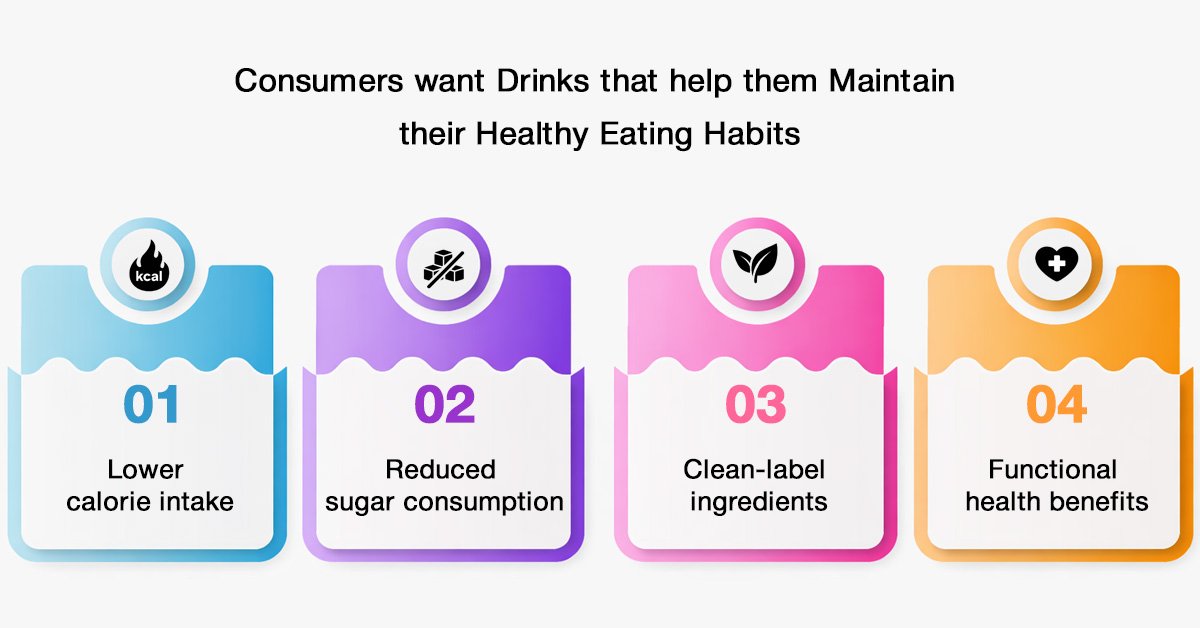
They are increasingly looking for drinks that provide:
- Lower calorie intake
- Reduced sugar consumption
- Clean-label ingredients
- Functional health benefits
The rising demand for clean-label products has become a key factor that beverage companies use to develop their new products.
Consumers now study ingredient labels more carefully, and they tend to choose drinks sweetened with natural ingredients rather than those containing synthetic substances.
The Problem with Simple Sugar Reduction
Many startups and beverage brands attempt to create low-calorie beverages by simply reducing sugar levels or replacing sugar with a single artificial sweetener.
The method produces multiple problems, which include:
- Bitter or metallic aftertaste
- Thin or watery mouthfeel
- Poor flavour balance
- Lack of consumer satisfaction
The use of artificial sweeteners creates a conflict with the rising need for clean-label beverage products, which leads to decreased consumer acceptance.
Many diet drinks fail to attract repeat customers because their initial concept seems appealing.
The reason for this occurrence exists because sugar provides several essential functions in beverage formulation, which extend beyond its ability to deliver sweetness.
DEVELOP LOW-CALORIE BEVERAGES
Struggling to Create a Low-Sugar or Zero-Calorie Drink?
Foodsure helps beverage brands design balanced sweetener systems using stevia, monk fruit, erythritol, and flavour modulators to develop clean-label low-calorie beverages with great taste and stability.
Why Sugar Is Important in Beverage Formulation
Sugar contributes to a large variety of important functionalities for beverages.
| Function | Role & Impact |
| Sweetness | Acts as the primary driver of taste; balances acidity and bitterness. |
| Mouthfeel | Provides “body” and viscosity; prevents a drink from feeling “thin” or watery. |
| Flavor Enhancement | Acts as a carrier, intensifying aromatic and fruity notes. |
| Stability | Supports shelf life by inhibiting microbial growth and maintaining clarity. |
| Consumer Satisfaction | Triggers the reward system for a generally more “craveable” experience. |
When sugar is removed from a beverage, the drink loses its original balance between flavours, its drinking qualities and its textural properties.
Beverage developers create sweetener systems to address these changes because they need more than one sugar substitute.
A sweetener system combines multiple ingredients to recreate the sweetness, mouthfeel, and sensory balance that sugar provides in traditional beverages.
Challenges that are faced by ventures in Low-Calorie Beverage Development
Beverage founders experience several technical difficulties during the process of creating sugar-free drinks and diet beverages.
The typical challenges that they encounter include the following:
- Achieving natural sweetness without sugar
- Managing bitterness from alternative sweeteners
- Maintaining mouthfeel and beverage texture
- Balancing acidity and flavour profile
Scaling the formulation for commercial production. The challenges that they face require both specialised formulation expertise and a systematic product development framework.
A Simple Way to Understand Low-Calorie Beverage Formulation
Beverage formulation can be compared to cooking. The entire dish’s flavour changes when salt is taken out. The complete taste of drinks changes after sugar is removed from their recipes.
Beverage makers create sweetener systems that use multiple ingredients to achieve the same sensory effects as traditional sugar.
The systems can use these components:
- Natural sweeteners
- Flavour enhancers
- Acidity regulators
- Texture stabilisers
Modern beverage brands also prefer clean-label sweetener systems, which use natural and recognisable ingredients that match consumer expectations for transparency.
What Actually Works in Low-Calorie Beverage Formulation
Successful low-calorie beverages rely on a carefully designed low-calorie beverage formulation strategy.
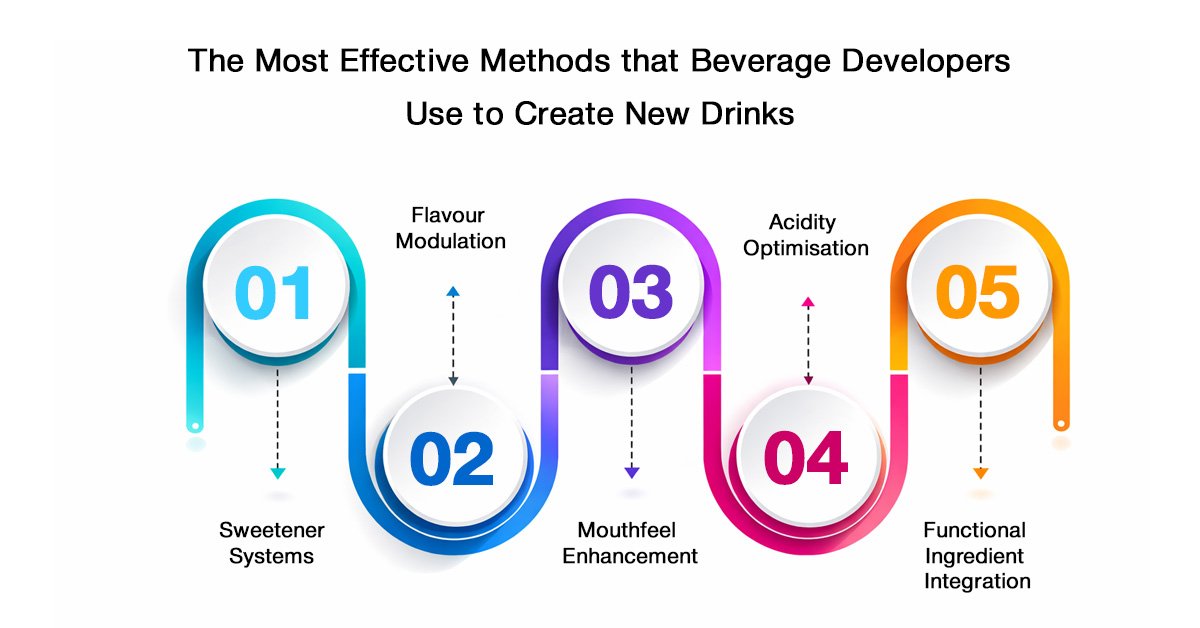
The following list contains the most effective methods that beverage developers use to create new drinks.
Sweetener Systems (Multi-Sweetener Strategy)
A combination of sweeteners frequently makes a better balance in taste compared with a single sweetening ingredient.
| Sweetener | Primary Benefit |
| Stevia | Natural high-intensity sweetness |
| Monk Fruit | Provides a cleaner flavour profile |
| Erythritol | Improves mouthfeel and sweetness balance |
| Allulose | Delivers sugar-like taste and functionality |
Sugar substitutes are graciously added to sweetener systems that replicate the taste and texture of sugar.
Many brands choose these ingredients because they support both low-calorie formulation and clean-label product positioning.
Flavour Modulation
- Flavour modulators are ingredients that enhance sweetness perception and reduce bitterness.
- The products find extensive application in sugar-free beverages and diet drinks to produce a more natural and smooth taste experience.
- The approach enables beverage developers to achieve sweetness through reduced sweetener usage, which results in cleaner ingredient lists.
Mouthfeel Enhancement
Beverages require sugar to achieve their full flavour because they become unappealing without it.
To recreate the lost texture, formulators commonly use ingredients such as:
- Soluble fibres
- Hydrocolloids
- Natural gums
The ingredients in this product create a full-body experience for the beverage, which preserves its low-calorie content.
Acidity Optimisation
The acidity level of a beverage determines how people experience its sweetness.
The formulators can achieve better taste balance and enhance flavour brightness by adjusting acids, which include:
- Citric acid
- Malic acid
- Tartaric acid
Functional Ingredient Integration
In an attempt to increase value, several beverage brands combine low-calorie positioning with specific functional benefits.
| Beverage Type | Functional Ingredient |
| Low-calorie Energy Drink | Natural Caffeine |
| Diet Hydration Drink | Electrolytes |
| Functional Soda | Prebiotics |
| Wellness Beverages | Adaptogens |
Company’s Role in Beverage Development
The creation of low-calorie beverages that succeed in the market needs professionals who understand three essential areas, which include ingredient interactions, sweetener systems and manufacturing processes.
At Foodsure, our team supports beverage startups through every stage of development, including:
- The development of a low-calorie beverage formulation strategy
- The creation of sweetener system solutions
- The process of choosing clean-label ingredients
- The process of developing optimal flavours and tastes
Our goal is to help brands develop scalable beverage products through a structured development process that uses scientific methods for development.
Founder Takeaway
The market for low-calorie beverages, sugar-free drinks, and diet beverages will continue to grow because consumers now want both healthy products and products with transparent ingredient lists. However, successful beverage brands understand that simply removing sugar is not enough.
Winning products are developed through carefully designed sweetener systems, clean-label formulation strategies, and balanced ingredient combinations that maintain taste, texture, and overall consumer satisfaction.
At Foodsure, our team combines beverage formulation expertise with commercialisation insights to help brands build market-ready beverage products.
Connect with us to turn your low-calorie beverage idea into a shelf-ready product.
LAUNCH A HEALTHIER DRINK BRAND
Turn Your Low-Calorie Beverage Idea Into a Commercial Product
From ingredient strategy and sweetener optimisation to pilot trials and commercial manufacturing scale-up, Foodsure supports startups building modern low-calorie beverage brands.
FAQs
What are low-calorie beverages?
Low-calorie beverages are drinks that use reduced sugar or alternative sweeteners for producing less calories while keeping the same flavour.
What is a sweetener system in beverage formulation?
A sweetener system combines multiple sweeteners to recreate sugar-like taste, balance, and mouthfeel.
How are sugar-free beverages formulated?
Sugar-free beverages are created using sweetener systems, flavour modulators, and texture enhancers.
What sweeteners are used in low-calorie beverages?
Common sweeteners include stevia, monk fruit, erythritol, and allulose.
What is a clean-label beverage formulation?
Clean-label formulation focuses on using natural, transparent, and recognisable ingredients.
Why is sugar reduction difficult in beverage formulation?
The complete removal of sugar creates technical challenges because it affects sweetness, mouthfeel, flavour balance, and stability.
How can beverage startups develop low-calorie drinks successfully?
Startups can succeed by using structured formulation strategies, optimised sweetener systems, and pilot batch testing.