
India’s beverage market is experiencing rapid expansion because energy drinks are the most rapidly growing product category. The increasing demand from students and gym individuals and gamers and working professionals has created a new market opportunity for entrepreneurs to investigate which energy drink manufacturing costs apply to 250 ml products in India. You need to examine energy drink manufacturing costs in India together with raw material costs and packaging expenses and marketing costs and factory construction costs before you can start your brand. Our comprehensive guide details all cost components needed to determine your 250 ml energy drink expenses and your expected profit margins.
What “250 ml” means for cost
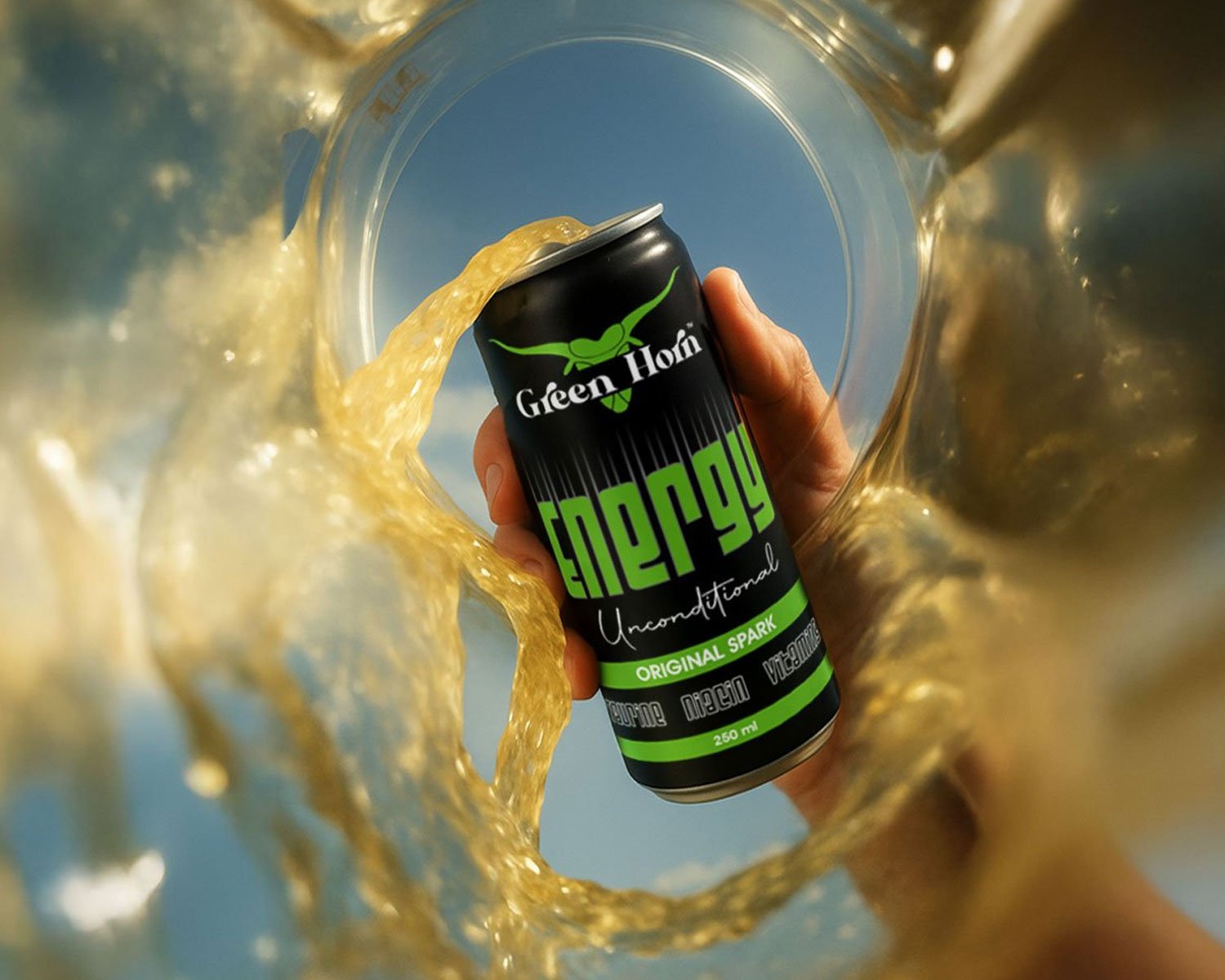
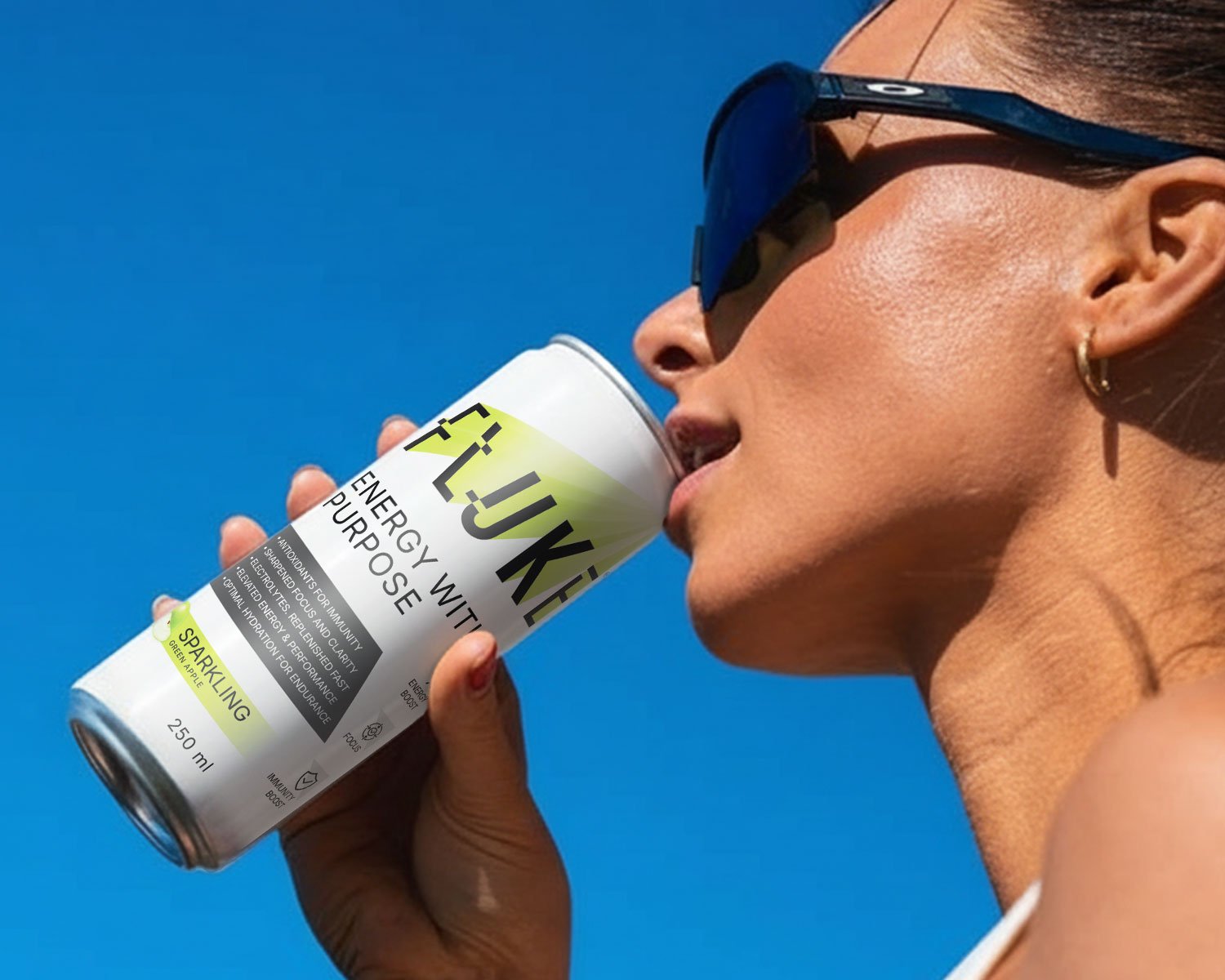
The 250 ml measurement represents the price which customers need to pay for energy drinks. Most energy drinks in India today are sold in 250 ml cans which include popular slim‑can variants that stand out on shelves. The 250 ml size sits in the “shot” category: enough to deliver a functional dose (caffeine, taurine, B‑vitamins, etc.) but small enough to keep per‑unit beverage production cost India manageable for brands and retailers. The 250 ml slim can energy drink manufacturing price per unit depends on several factors. These factors include production scale, ingredient quality, packaging type, and whether you use third-party manufacturing or set up your own plant.
The cost to produce a 250 ml energy drink in India ranges from ₹15 – ₹30 per unit at production levels because the 250 ml energy drink cost varies depending on ingredients, packaging, and manufacturing scale of different ingredients . Contract manufacturers in India typically charge ₹25 for each 250 ml can which does not include GST when customers order between 4,000 – 100,000 cans because they provide formulation assistance and production services along with essential packaging materials.
Typical cost breakdown per 250 ml can
Raw materials (liquid caffeine taurine B‑vitamins sweeteners, preservatives and other ingredients) account for 50 – 60% of the total unit cost. The overall beverage production cost India also includes packaging, transportation, and regulatory compliance
| Components | Estimated cost 250 ml |
| Ingredients (Caffeine, Taurine, Sugar, Flavors, Vitamins) | ₹8 – ₹12 |
| Slim Aluminum Can | ₹12 – ₹15 |
| Filling & Processing | ₹3 – ₹5 |
| Packaging & Labeling | ₹2 – ₹4 |
| Quality Testing & Compliance | ₹1 – ₹2 |
| Logistics (Ex-factory) | ₹3 – ₹5 |
Est cost per can : ₹25 + GST
Empty 250 ml slim can + lid + label/shrink sleeve: 25–35% of cost.
The cost for each can include labor and utilities and overhead which amounts to 10-15%.The manufacturing cost of a 250 ml slim can energy drink will reach its highest point when you select premium ingredients or “clinical-grade” ingredients or use imported flavors or choose special packaging options which include matte finish and easy-open lids.
PLAN YOUR ENERGY DRINK BRAND
Want to Calculate the Real Cost of Your Energy Drink?
From ingredient sourcing to slim-can packaging and production scale-up, our beverage experts help startups estimate the real manufacturing cost of a 250 ml energy drink and develop a market-ready formula.
Key Factors influencing Manufacturing Cost
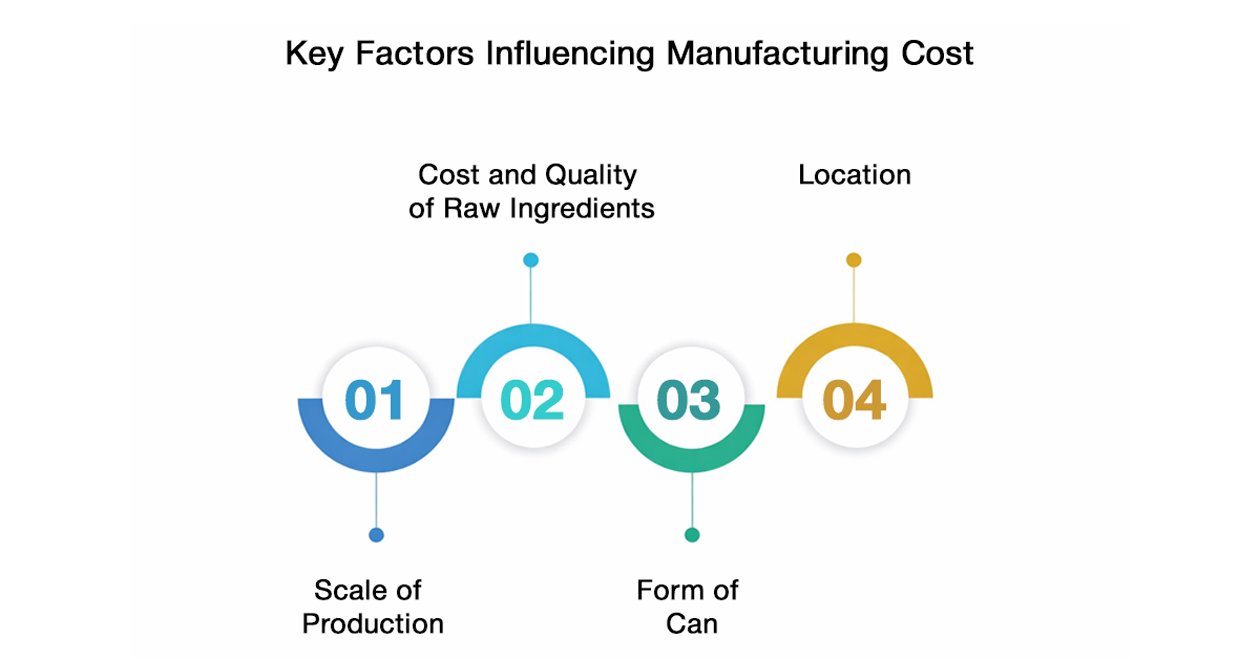
Scale of Production
Energy drink manufacturers can dramatically decrease their total manufacturing costs when they produce millions of cans on a yearly basis. Since manufacturers are generally able to deliver energy drink input materials using larger batches, their overall expenditure for input materials will always tend to be lower than they would have been if a manufacturer produced their input materials using smaller-size batches. Therefore, by producing many cans simultaneously, energy drink manufacturers can maximize their machine and equipment utilization as well. Although energy drink companies would incur significant costs in producing energy drinks on an assembly line (e.g., if an energy drink company produced 1,000 cans over a 12-hour period), energy drink companies must pay more for the same number of fixed and miscellaneous overhead costs related to the manufacture of each can than do large manufacturers.
Cost and Quality of Raw Ingredients
Sugar-based energy drinks generally cost less to produce than other forms of raw sugar-based sweetener(s) typically used to sweeten energy drinks. The use of stevia and other vegetable-based sweeteners will generally result in energy drink companies having higher manufacturing costs than if they were to use sugar as the basis for creating their energy drinks. This is especially true for energy drink manufacturers in India.
Form of Can
When an energy drink can be designed in an alternative form (e.g., tall and skinny versus regular form), the manufacturing cost(s) incurred in producing these energy drinks will typically be substantial. When an unusual can form is manufactured, production lines will generally operate at a slower speed than they would be operating if standard can forms were produced, and further costs would be incurred as manufacturers must adjust the tooling, which is necessary to provide the production tool capable of handling production of a nonconforming can. Additionally, The slim can energy drink price depends on aluminum cost, design, and labeling of the can form is unique to the manufacturer, changes made to the can form could ultimately affect the company’s manufacturing costs. Therefore, all of these costs will ultimately be reflected in the retail price of an energy drink purchased by consumers.
Location
The distance between the raw materials used to manufacture energy drinks from the source to the final destination of each ingredient used in the manufacturing of the final energy drink product will also contribute to the overall cost of producing energy drinks in India. The costs for producing energy drinks in developed economies will have significant implications on the costs incurred to transport the finished energy drinks from where the individual ingredients originated. Furthermore, manufacturers will pay significant shipping costs to transport finished energy drinks to their final destination.
Today, many entrepreneurs are opting for the contract (or co-packing) model for producing their energy drinks, rather than setting up their own manufacturing facility. Below is a breakdown of some of the similarities and differences between these two models.
Contract / Co-Packing Manufacturer Model table format
Aspect | Description |
Cost structure | Pay a “per_can” or “per_litre” service fee to the contract co‑packing manufacturer, plus the cost of raw materials and packaging supplies. |
Avg. 250 ml cost (today) | Around ₹20–₹30 per 250 ml can, excluding GST and logistics; varies by volume and packaging type. |
Capital requirement | Contract manufacturing keeps energy drink factory cost near zero, as you avoid buying land, equipment, or hiring permanent workers. |
Setting up your own energy drink factory
Many entrepreneurs ask how much does it cost to start an energy drink company in India, especially when using contract manufacturing. If you want to build your own, dedicated energy drink manufacturing plant (with a capacity of between 40 – 60 Million litres/year), the capital investment is estimated between ₹50 – ₹150 Crores+, depending on your level of automation/manufacturing capabilities, packaging line capabilities, and technology employed in production.
The cost of equipment needed to manufacture a 250 ml energy drink will include: blending tanks, carbonation units, filtration & purification units, sterilization lines, PET filling lines, FSSAI compliant laboratory facilities, utilities (boilers or chillers), etc. Thus, The energy drink factory cost can range from ₹50 crore to ₹150 crore depending on automation and production capacity.
As you will notice in most cases, once you have established an energy drink factory, your throughput (per unit operating expense at large scale) should be 20 – 30% less than using a contract manufacturer. However, the risk of investing in your energy drink factory is much greater than using a contract manufacturer initially due to all of the capital up front.
What is the investment required to establish an energy drink brand in India?
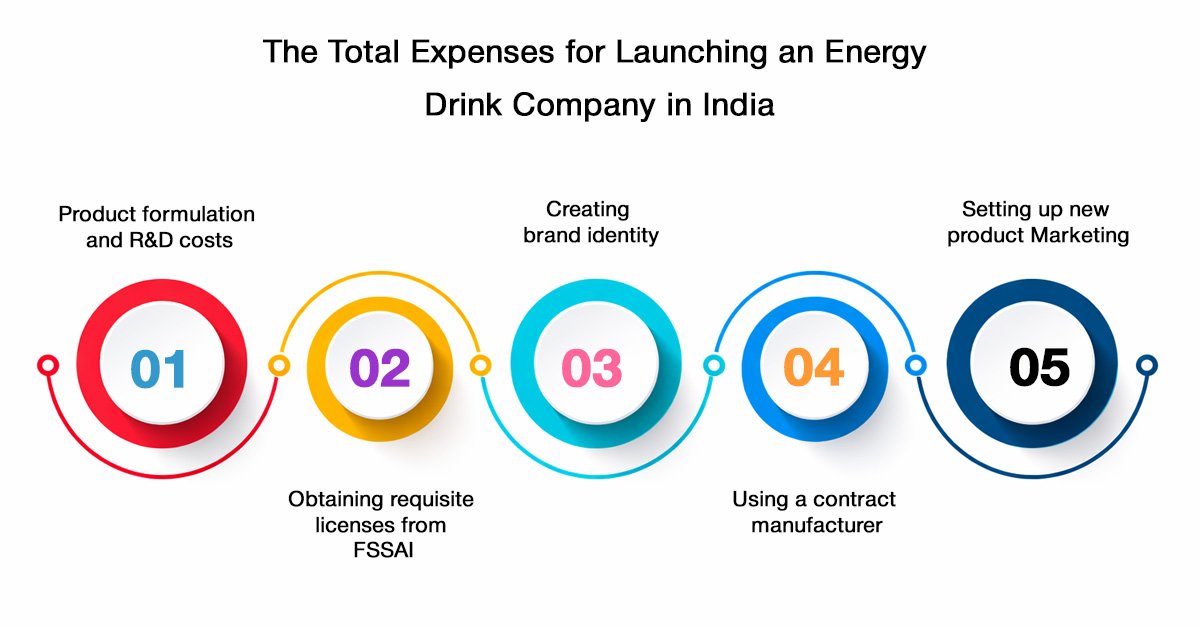
Apart from the production cost (per-can), here are the total expenses for launching an energy drink company in India:
- Product formulation and R&D costs, (devoted to lab trials, taste-testing, and regulatory documentation) will range from ₹2.5—₹5 Lakh.
- Obtaining requisite licenses from FSSAI, BIS, and other governmental authorities (costs vary based on product claims, type of product, and level of production) will be up to ₹18 k— ₹20k.
- Creating brand identity (design logo, artwork, product label, and digital assets) will cost ₹2.5—₹5 Lakh for branding and packaging design.
- Using a contract manufacturer for the production of the first 10,000-50,000 cans (250 ml each) will cost approximately ₹2.5 – ₹15 Lakh in production alone (not including sales or shipping costs).
- Setting up new product Marketing and distribution will incur another ₹5 – ₹20 Lakh (for launch Marketing campaigns, influencer Marketing, and new product channel development).
If you are still wondering “What will it cost to launch my energy drink company in India”, this is the amount you will probably need to spend by the end of the first year after launch for a small-scale private-label brand. The total cost range is approximately ₹10-₹40 Lakh depending on whether you choose to market as a premium, mass premium, or mass market product.
Conclusion
In summary, manufacturing a 250 ml energy drink in India today typically costs around ₹15–₹30 per can when produced through a contract manufacturer, excluding GST and logistics, depending on volume and packaging. Understanding the beverage production cost in India helps brands price their drinks competitively. The energy drink manufacturing cost India together with the possibility to maintain energy drink factory expenses at zero through co-packing enables startups to establish their brands with minimal startup costs while they pursue high retail profits in the rapidly expanding beverage market.
LAUNCH YOUR ENERGY DRINK
Turn Your Energy Drink Idea Into a Market-Ready Product
Whether you want contract manufacturing or a custom energy drink formula, Foodsure helps beverage startups with formulation, compliance, and commercial production planning.
FAQs
What is the typical cost to make a 250 ml energy drink in India?
The cost to make a 250 ml energy drink in India is around ₹15 -₹30 per can
What does it cost to make one 250 ml slim can of energy drink?
The cost to make one 250 ml slim can of energy drink is usually ₹20 – ₹35 per can.
How much money do you need to start an energy drink company in India?
You need roughly ₹10 – ₹40 lakh to start a small energy drink company in India
Is it cheaper to pay someone to make your energy drinks instead of building your own energy drink factory?
Yes, paying someone to make your energy drinks is cheaper
What is the average price of a 250 ml can of energy drink in stores in India?
The average price of a 250 ml can of energy drink in stores in India is typically ₹40 – ₹75 per can.