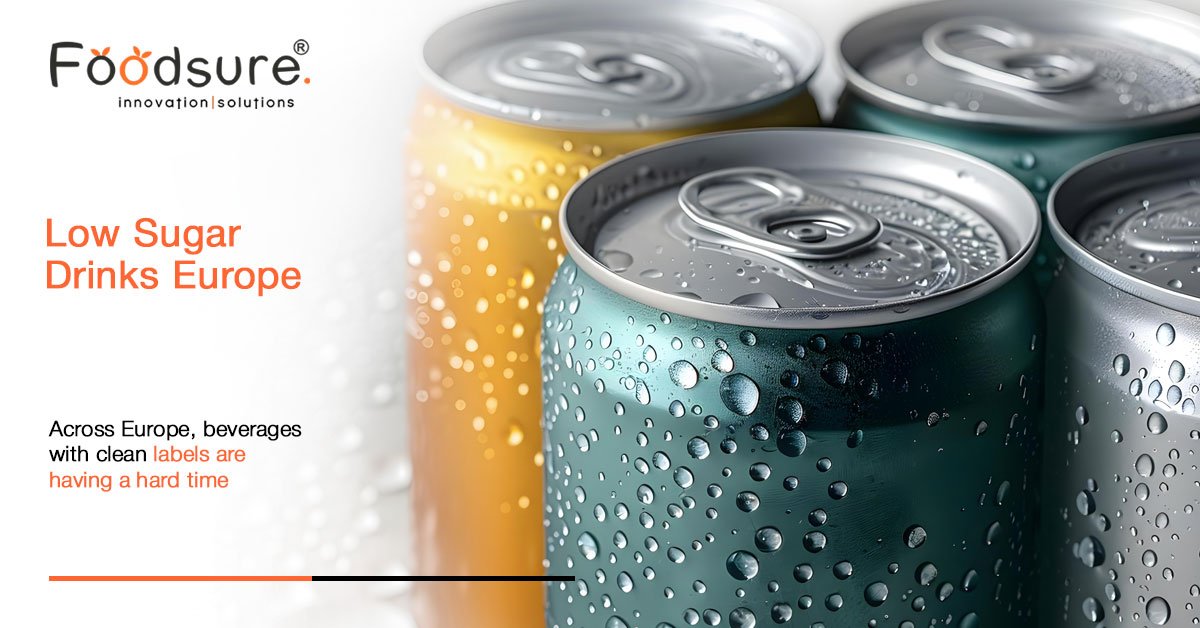
Amsterdam health coaches are a proponent of low sugar liquid intakes for their wellness clients, however they refuse to drink these drinks even after a single sip due to their chemical aftertaste. Across Europe, beverages with clean labels are having a hard time gaining consumer trust in both supermarkets and health stores. Founders who launch sugar-free drinks have to deal with three major challenges: Such technical obstacles are the main reason why quite a few startups fail to turn the initial interest into consistent retail success.
This blog provides step-by-step instructions that help founders develop their initial drink concept into a marketable cold drink product, similar to structured drink product development.
Low sugar drinks in Europe are rapidly growing due to increasing demand for clean label and healthier beverages. However, most sugar-free drinks fail because of poor taste, delayed sweetness onset, and lack of mouthfeel. Successful low sugar drink formulations in Europe use a combination of Reb-M, monk fruit, and bulking agents like erythritol and allulose to achieve natural taste, stability, and repeat purchase.
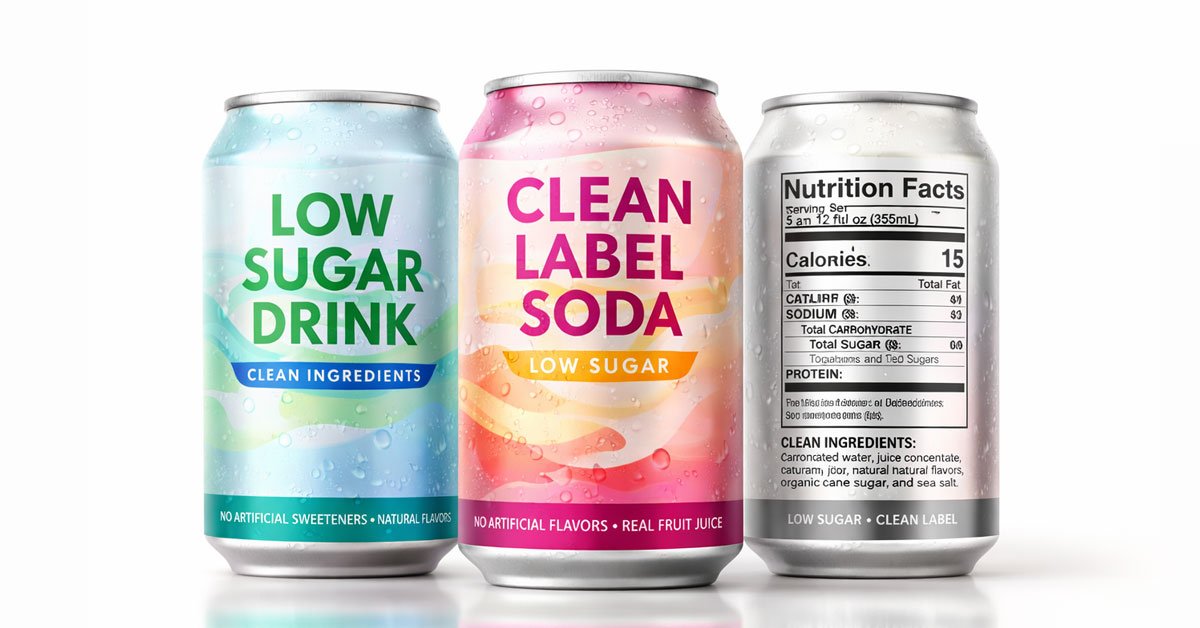
Low Sugar Drinks Europe Taste Expectation Crisis
Your Copenhagen millennial buys low-sugar European drinks. Sparkling lemonade taste is the expectation of a fresh drink. Their body is craving for a healthy, natural sweet beverage, which can be a daily ritual. The contradiction comes with the sweeteners in the beverages, which cause stevia bitterness and erythritol cooling effects.
- Sugar free hydration drinks with clean positioning
- Stevia lingering aftertaste
- Authentic natural drinks with simple expectations
- 18-ingredient label complexity
- Clean label beverages Europe trust gap
- Repeat purchase failure
- Poor taste due to stevia bitterness
- Delayed sweetness onset compared to sugar
- Lack of mouthfeel and bulk
- Stability issues in clean label beverages
- Low repeat purchase rates
These issues are commonly linked with repeat purchase failure in beverages.
Europe’s low sugar drinks segment experienced tremendous growth, almost doubling from USD 9.8 billion in 2025 to USD 14.2 billion in 2026 at 13.1% growth. Clean labels are expected to grow 4.3 times faster than full sugar beverages. Sugar-free hydration drinks get a premium price of around €2.85/unit as compared to regular ones of €1.40.
However, 66% of these fail due to sweetness onset delay (0.8s vs sugar 0.3s) and mouthcoating issues.
Start Your Low Sugar Drink Development
Build Clean Label, Low Sugar Drinks That Win in the European Market
From sweetener selection and flavour optimisation to stability testing and scale-up — Foodsure helps you develop low sugar drinks in Europe that deliver natural taste and strong repeat purchase.
Commercial Health Killers
- Reb-M aftertaste threshold >150mg/L
- Bulking agent synergy failure
- Natural flavor fade within 21 days
Why Healthy Beverage Trends Europe Taste Artificial
Sugar contributes to mouthfeel, bulk, and flavor release. In contrast, sugar alternatives lack viscosity and temporal sweetness profile.
- Stevia activates T2R receptors causing bitterness
- Monk fruit loses mogroside V at low pH
- Menthol cooling effect amplified by carbonation
These formulation gaps are also observed in functional beverage development.
Formulation Insights
3g acacia + chromium picolinate helped regulate blood sugar levels and reduced cravings by 38% for PCOS groups.
Clean label beverages Europe achieve sugar onset (0.3s) using Reb-M 120mg/L + monk fruit 80mg/L for 85% temporal match.
Sugar free hydration drinks allulose 15g/L delivers caramel notes without browning.
Healthy beverage trends Europe show fermented cane sugar masking stevia bitterness up to 92%.
Bulking Strategy
- Erythritol + allulose (65:35 ratio)
- Acacia gum 2g/L for mouthfeel
- Resistant maltodextrin for stability
Improper bulking often leads to beverage shelf life issues.
Retail-Proven Blueprint
- Sweetness: Reb-M + monk fruit + fermented cane
- Bulk: Erythritol + allulose + acacia
- pH Stability: 3.8–4.0
- Carbonation: 3.5 vol
Sustainability Sweetener Sourcing
Spanish date co-products replaced 35% of allulose, reducing carbon footprint by 43%. Rainforest-certified monk fruit supports regenerative clean label claims.
Precision Carbonation Sweetness Enhancement
3.5 vol CO2 + microbubble nucleation increases flavor intensity by 24%.
20% nitrogen hybrid prevents erythritol crystallization and improves clarity.
These optimizations are critical to avoid beverage scale-up failures.
Conclusion
Low sugar drinks in Europe are growing rapidly, but success depends on solving taste, stability, and formulation challenges. Founders who focus on clean-label formulation and ingredient synergy dominate the premium beverage segment.
Launch a Profitable Low Sugar Beverage Brand
Develop Low Sugar Drinks With the Right Taste, Stability & Commercial Strategy
Foodsure supports beverage founders with formulation, pilot trials, stability testing, and commercial production guidance to launch successful clean label beverages in Europe.
✓Low Sugar Drink Formulation✓Clean Label Compliance
✓Stability Testing & Pilot Trials✓Contract Manufacturing Support
Related Blogs
- Clean Label Beverage: How to Build Natural & Trustworthy Drinks
- Zero Calorie Beverage Formulation: Sweeteners, Taste & Stability
- Functional Beverage Ingredients: What Makes a Drink Perform
- Plant-Based Low Sugar Drinks: Formulation & Market Trends
- Top Drink Formulation Trends: What’s Driving Beverage Innovation
FAQs
Low sugar drinks Europe optimal Reb-M dosage?
Reb-M 120mg/L combined with monk fruit 80mg/L achieves a sugar-like onset of 0.3 seconds.
Best low sugar drink formulations Europe bulking ratio?
Erythritol and allulose in a 65:35 ratio provide sugar-like bulk and remain crystal-free at 5°C.
Clean label beverages Europe bitterness masking?
Fermented cane sugar at 50mg/L can block up to 92% of stevia bitterness.
Sugar free hydration drinks mouthcoating fix?
Acacia gum at 2g/L combined with 3.5 vol CO₂ significantly improves mouthfeel.
Healthy beverage trends Europe natural color stability?
Betacarotene with a pH range of 3.8–4.0 ensures stable natural colour.
Authentic natural drinks EU “no added sugar” claim?
Erythritol, allulose, and acacia together support compliance with EU “no added sugar” claims.
Sugar free beverage launch guide Europe retail pricing?
Average retail pricing is around €2.85, offering strong margins.