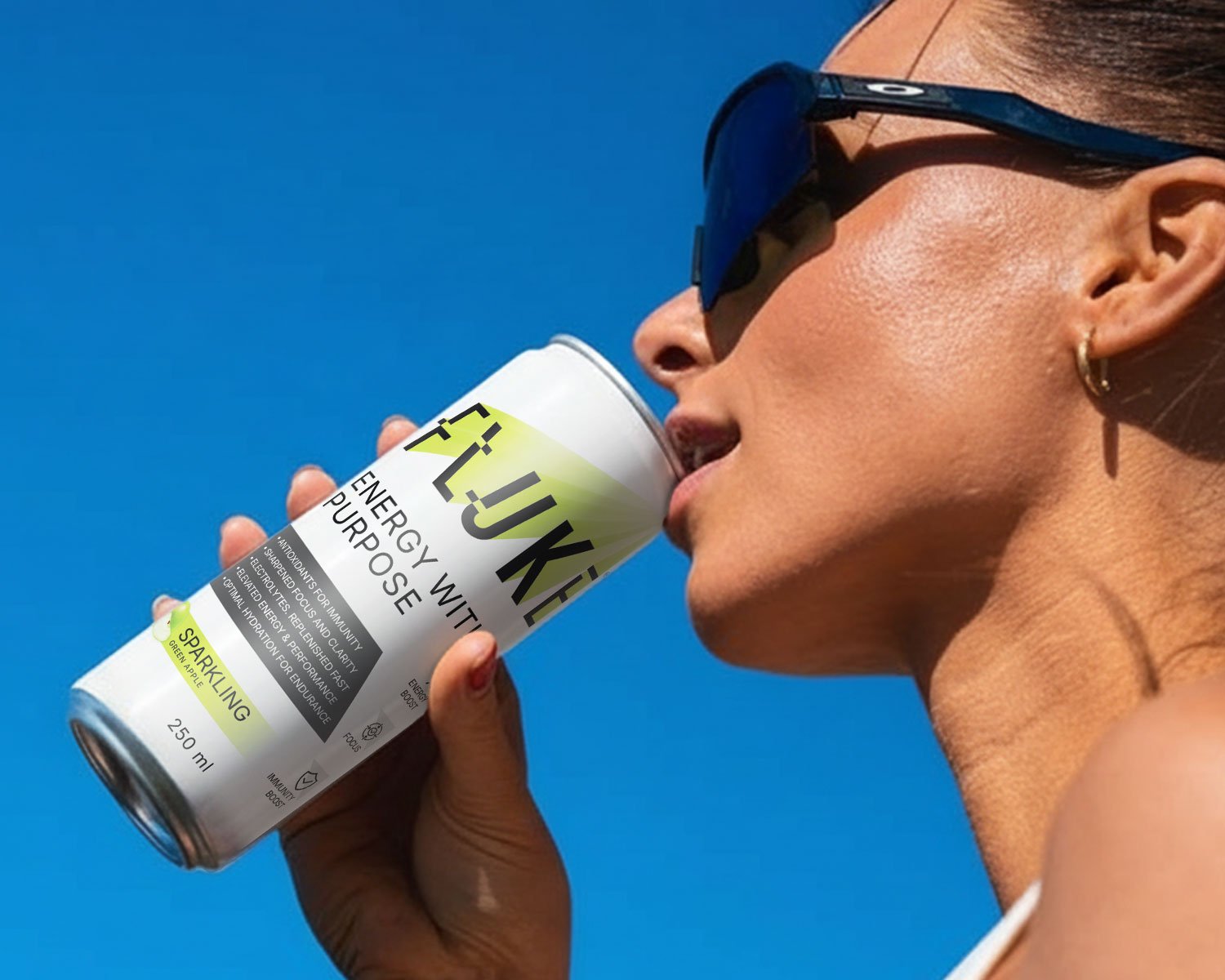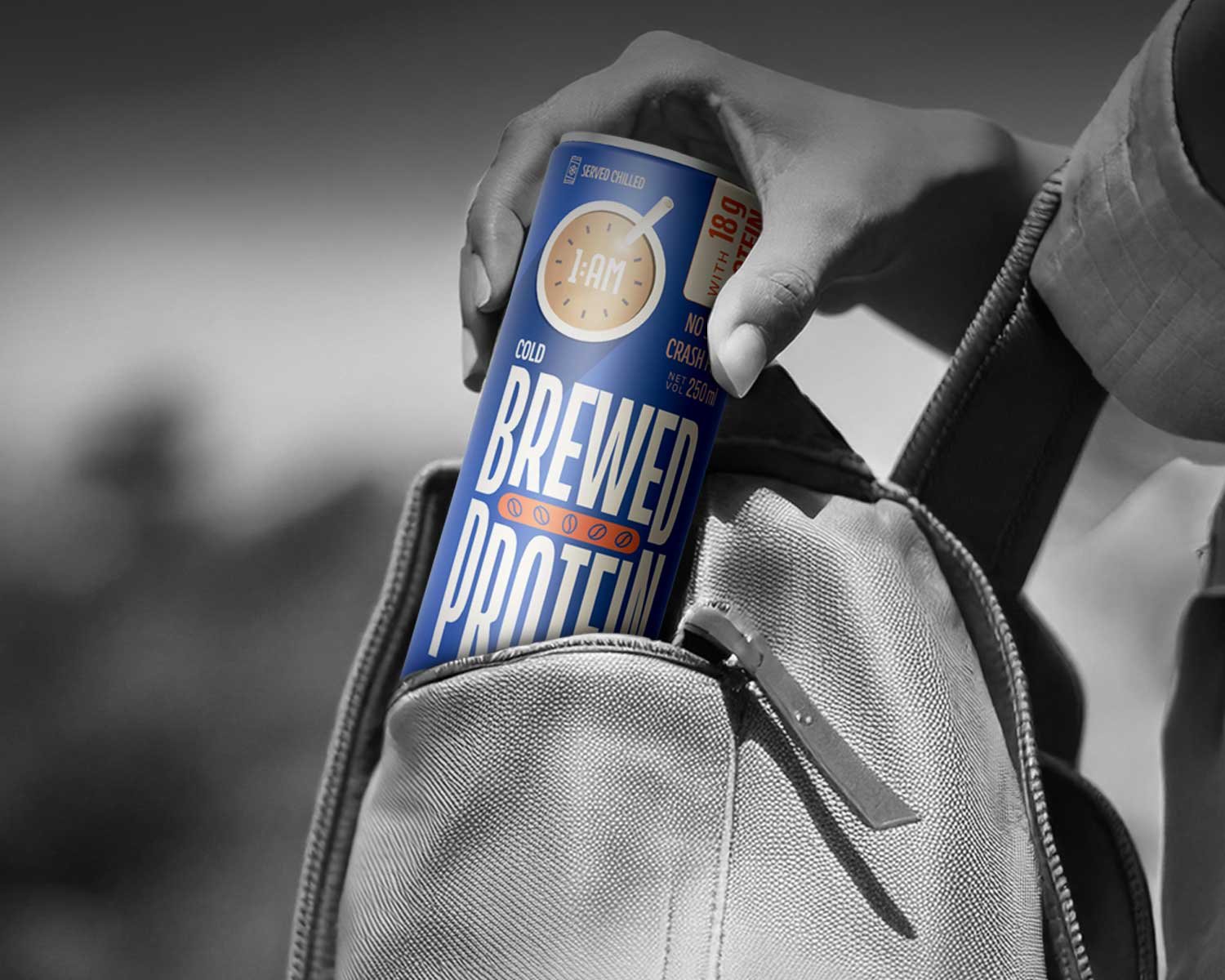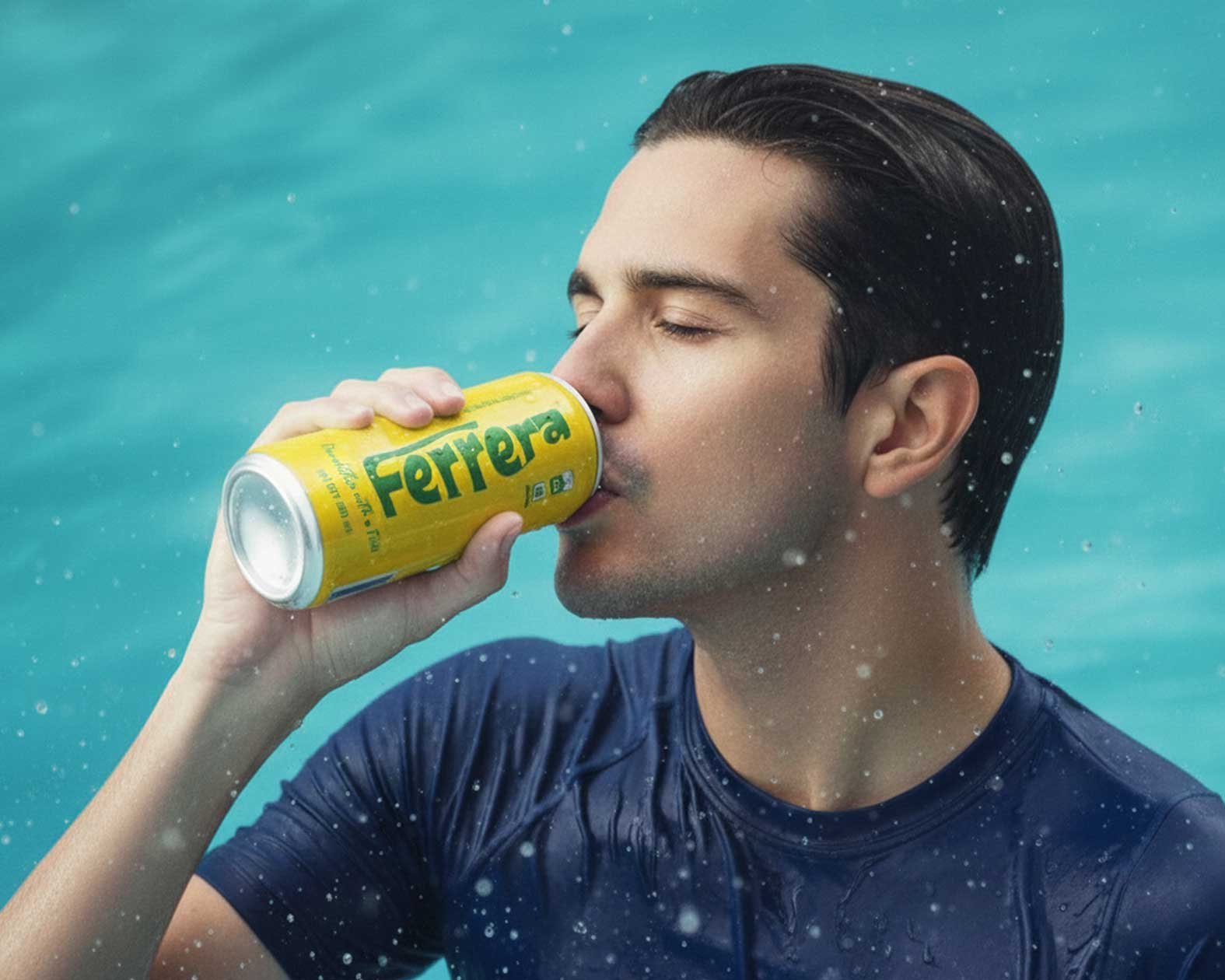
Entering the beverage market in India is no longer limited to big FMCG companies. Today many startups want to launch ₹99 MRP energy drink India because the price point fits perfectly with the country’s price-sensitive consumers. The ₹99 energy drink India model is an attractive one as it helps both the consumers and the beverage companies achieve their goals. It is, however, important to understand the pricing strategy of an energy drink in India, and the ₹99 MRP beverage model helps achieve the same. Many startups today want to launch ₹99 MRP energy drink India because the price point fits perfectly with Indian consumer psychology and impulse purchase behaviour. It ensures that all the parties involved in the sale of the beverage, like the manufacturer, the distributors, and the company, achieve their desired margins.
Ready to Launch Your ₹99 Energy Drink?
Get a clear breakdown of cost, margins, and formulation strategy before you start.
The ₹99 MRP Beverage Model in India
The ₹99 MRP beverage model is widely used by startups planning to launch ₹99 MRP energy drink India, as it allows brands to balance consumer affordability with distributor and retailer margins
| Stage | Stakeholder | Role |
| 1 | Manufacturer | Produces the energy drink |
| 2 | Brand Owner | Marketing, branding, distribution |
| 3 | Distributor | Supplies to retailers |
| 4 | Retailer | Sells to consumers |
| 5 | Consumer | Final buyer |
In this pricing model, every stakeholder in the process would require a margin. If the required margins are not met, the drink may not remain viable for distribution as well as for the retailer. The ₹99 MRP beverage model works because it aligns consumer affordability with distributor and retailer profitability.
Why ₹99 Works as a Price Point
India has a highly price-sensitive market. Consumers tend to buy a drink based on their perceived price rather than loyalty to a particular brand.
The price of Rs. 99 is advantageous for several reasons:
- Psychological Pricing: The price seems to be relatively lower when it’s Rs. 99 rather than Rs. 100. The difference is just one rupee, yet it’s a huge difference. Because of this psychological pricing advantage, many entrepreneurs choose this strategy when they plan to launch ₹99 MRP energy drink India
- Affordable Premium: The price range of an energy drink between Rs. 90 to Rs. 120 falls under the category of an ‘affordable premium’ product.
- Encouraging Impulse Purchases: When a consumer walks into a store or a college canteen, he or she might be willing to buy a drink that’s under Rs. 100.
Considering these points, many new startups planning to launch an energy drink India will find this to be a strategic pricing.
Energy Drink Pricing Strategy India: Understanding Profit Margins
India is a very price-sensitive market. In India, the beverage is often judged based on the perceived value rather than the brand. To make the ₹99 model work, the energy drink profit margin India needs to be designed. Maintaining a healthy energy drink profit margin India is essential for sustaining marketing and distribution expenses.
In the beverage industry, beverage retail margin India is one of the biggest factors that influence whether retailers promote a product.
| Stakeholder | Typical Margin |
| Distributor | 8–12% |
| Retailer | 18–25% |
| Brand Gross Margin | 35–50% |
The margins of the retailer play a particularly important role in the beverage sector as the retailer is interested in products that help him attain higher earnings. A successful energy drink pricing strategy India must balance distributor incentives, retailer margins, and manufacturing costs.
Distributor Margin for Energy Drinks
Distribution is one of the biggest challenges for beverage startups.
The distributor margin drinks structure typically falls within:
| Level | Margin |
| Super Stockist | 3–5% |
| Distributor | 6–8% |
| Retailer | 20–25% |
Distributors handle logistics, storage, and retailer management. If the margins are too low, distributors will favor established brands.
So, in the case of an energy drink pricing strategy in India, incentives for distributors need to be considered at the initial stages.
How to Price Energy Drink for Indian Market
They handle logistics, storage, as well as retailer relationships. If the margins are too low, they will favor established brands instead.
Hence, when developing an energy drink pricing strategy in India, distributor incentives must be factored in at an early stage in the planning process.
Example calculation for ₹99 MRP:
| Component | Approx Cost | Component |
| Retail Margin (22%) | ₹21.8 | Retail Margin (22%) |
| Distributor Margin (10%) | ₹9.9 | Distributor Margin (10%) |
| GST | ₹12 | GST |
| Brand Realization | ₹55 | Brand Realization |
From the ₹99 MRP, the brand typically receives ₹50–₹55 after taxes and trade margins.
This amount must cover:
- Manufacturing cost
- Packaging
- Logistics
- Marketing
- Brand profit
Without efficient cost management, the ₹99 pricing model becomes difficult to sustain.
₹99 MRP Energy Drink India Cost Breakdown
By understanding the breakdown of the 99 rupees energy drink, entrepreneurs would be able to gauge the feasibility of the business venture
Typical breakdown:
| Cost Component | Estimated Cost |
| Liquid formulation | ₹8–₹12 |
| Can or bottle packaging | ₹12–₹18 |
| Filling & manufacturing | ₹6–₹8 |
| Secondary packaging | ₹3–₹5 |
| Logistics | ₹4–₹6 |
| Marketing allocation | ₹5–₹10 |
| Total production cost | ₹38–₹55 |
As long as the production costs remain between 40 to 45 rupees, the energy drink business would remain profitable for the brand.
Key Factors That Impact Pricing Strategy
The launch of a drink for 99 INR is not just about the costs. There are various external factors that affect pricing.
- Packaging Type: The cost of an aluminum can is significantly higher compared to PET bottles.
- Ingredients: The launch of a drink for 99 INR is not just about the costs. There are various external factors that affect pricing.
- Packaging Type
The cost of an aluminum can is significantly higher compared to PET bottles.
- Ingredients
Energy drinks contain:
- Caffeine
- Taurine
- B vitamins
- Sugar or sweetener
The quality of the above-mentioned ingredients would definitely add to the manufacturing cost.
- Manufacturing Scale: The larger the batch size, the lower the manufacturing cost.
- Distribution Geography: The geographical scope of the distribution would add to the logistics cost.
Go-To-Market Strategy to Launch ₹99 MRP Energy Drink India
| Category | Strategy | |
| After determining the price, the next step is entering the market with a clear distribution and marketing plan for launching ₹99 MRP energy drink India. | |
| Start With Regional Distribution | Instead of launching across the entire country, start with a focused regional market to test demand and build distribution | |
| Distribution & Marketing Importance | A strong distribution network and marketing strategy are essential for brands | |
| Focus on High-Consumption Locations | Energy drinks sell best in locations where consumers seek quick energy boosts. | |
| Digital Branding | Young consumers discover new beverage brands primarily through digital platforms and social media. |
Regulatory Requirements Before Launch
| Regulation / Requirement | Details |
| FSSAI License | All beverage businesses must obtain an FSSAI license before launching or selling products like ₹99 MRP energy drink India. This ensures the product meets food safety and quality standards in India. |
| Nutritional Labeling | Every energy drink must include proper labeling on the packaging. |
| Ingredients | A complete list of all ingredients used in the beverage formulation. |
| Nutritional Panel | Nutritional information such as calories, sugar, carbohydrates, vitamins, and other components per serving. |
| Manufacturing Details | Information about the manufacturer including address, batch number, and manufacturing/expiry dates. |
| FSSAI License Number | The FSSAI registration or license number must be printed on the product label. |
| Caffeine Limits | Energy drinks must follow the caffeine limits specified under Indian beverage regulations to ensure safe consumption levels. |
Future Opportunity in India’s Energy Drink Market
The Indian energy drink market is witnessing high growth due to:
- Urbanization
- Growing fitness culture
- Increasing consumption among the youth
Functional beverages are also entering the market with:
- Natural caffeine content
- Low sugar content
- Functional ingredients
This is an opportunity for new startups looking to enter the market with the launch of the energy drinks named “₹99” in India.
Conclusion
A successful beverage brand requires more than just a quality product. A well-planned energy drink pricing strategy in India ensures that manufacturers, distributors, and retailers all earn a fair profit. The ₹99 MRP model works because it creates a win-win for everyone in the supply chain. Entrepreneurs should carefully plan distributor incentives, beverage retail margin in India, and the ₹99 energy drink cost breakdown. Using reverse pricing is often the best approach for founders who want to understand how to price an energy drink for the Indian market and launch successfully in the competitive beverage industry.
LAUNCH YOUR ₹99 ENERGY DRINK
From Idea To Market — Build a Profitable ₹99 Energy Drink
Planning to launch a ₹99 MRP energy drink in India? We help you optimize cost, margins, formulation, and scale for real market success.
✔ ₹99 Pricing Strategy & Cost Optimization
✔ Energy Drink Formulation & Stability
✔ Margin Planning (Distributor + Retail)
✔ Contract Manufacturing Support
Related Insights
- Energy Drink Manufacturing Cost in India (Full Breakdown)
- How to Price a Beverage in India (FMCG Pricing Guide)
- Steps to Start a Beverage Company
- Energy Drink Recipe Formulation
Frequently Asked Questions
Why is ₹99 a popular price for energy drinks in India?
₹99 creates psychological affordability while still positioning the drink in the premium segment.
What is the typical energy drink profit margin in India?
After trade margins and taxes, brands usually aim for a 35–50% gross margin.
What retail margin do beverage stores expect in India?
The typical beverage retail margin India ranges between 20–25%.
How much margin do distributors take for energy drinks?
The typical distributor margin drinks falls between 8–12%.
What is the biggest challenge in launching a ₹99 energy drink?
Balancing manufacturing cost with distributor and retailer margins while maintaining profitability.
How to price energy drink for Indian market?
By balancing manufacturing cost, distributor margins (8–12%), retailer margins (20–25%), and consumer affordability, often using a psychological price point like ₹99.