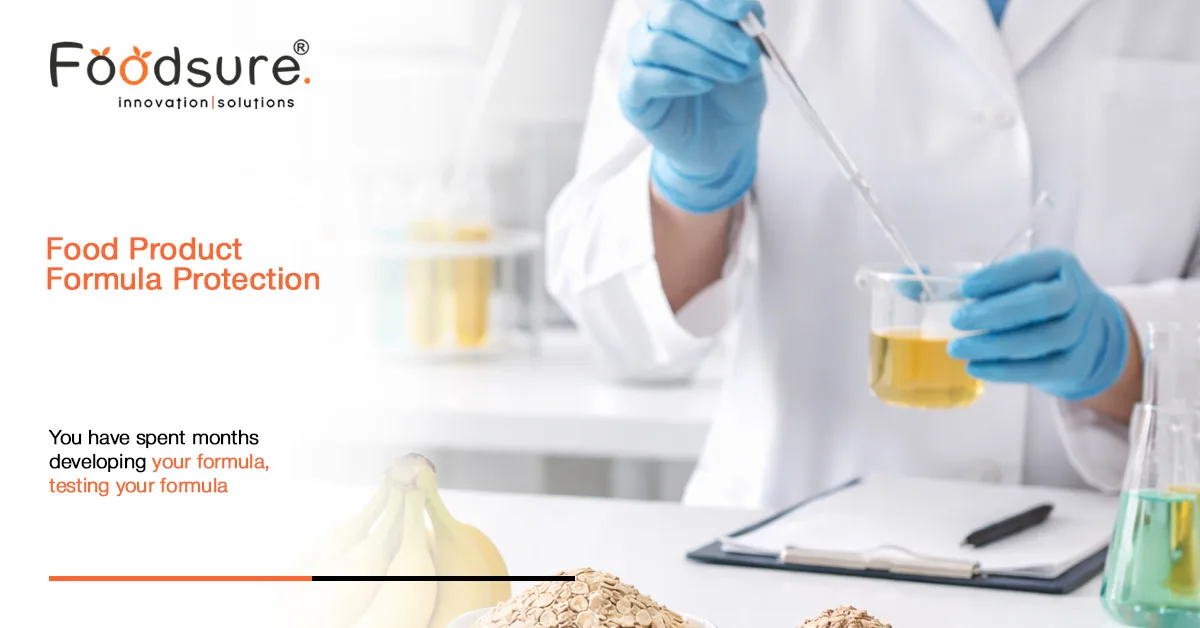
You have spent months developing your formula, testing your formula, refining your formula, developing a product based on your formula, sharing your formula with a manufacturer to get a quote, and then, six months down the line, the same product comes into the market with someone else’s name on it.
This is not an imaginary situation. This situation is the reality in the food industry. Most times, the food product founder does not even know how to protect themselves from this situation. Food product formula protection is not done because it is the law but because it is necessary to stay in business and for food recipe NDA India
Why Food Formulas Get Stolen and Why Founders Do Not See It Coming
IP theft including trade secret misappropriation costs the US economy an estimated $225 billion to $600 billion annually, roughly 3% of GDP.
Most food founders give away the formula too early, too often, and without the proper paperwork. The assumption is that the other party is honest, or the formula is too simple to steal. Neither assumption is true.
The problem with food formulas is food formula intellectual property India and they are not like patents. A patent does automatically grant one right. Once you give away your recipe or formula without the proper agreement, you have no rights to it if it is misused.
Why This Happens
- The founders believe this is enough with a simple verbal agreement
- NDAs are bypassed in order to expedite the process of enlisting manufacturers
- Formulas are shared through WhatsApp or email
- There is no clause with regard to ownership of IP in the agreement with the co-packer
- No distinction between sharing for production and sharing for evaluation
- The founders don’t know that food formulas are protected under trade secret laws
Helpful Guide:- Guide To Food Product Formulation: Concept To Market in 90 Days
Founder Pain Points
In a survey done among CFOs, 21.7% of them confessed to having cases of IP theft, but they did not have enough evidence to take any legal action.
- Shared formula with a contract manufacturer and lost exclusivity
- Co-packer was making the same product for a competitor
- Consultant’s knowledge of formulations was used to develop a competitor’s brand
- No paperwork was signed before production trial commenced
- Formula change made by the manufacturer without permission or recognition
- Cannot take action as nothing was documented
What Food Product Formula Protection Actually Means
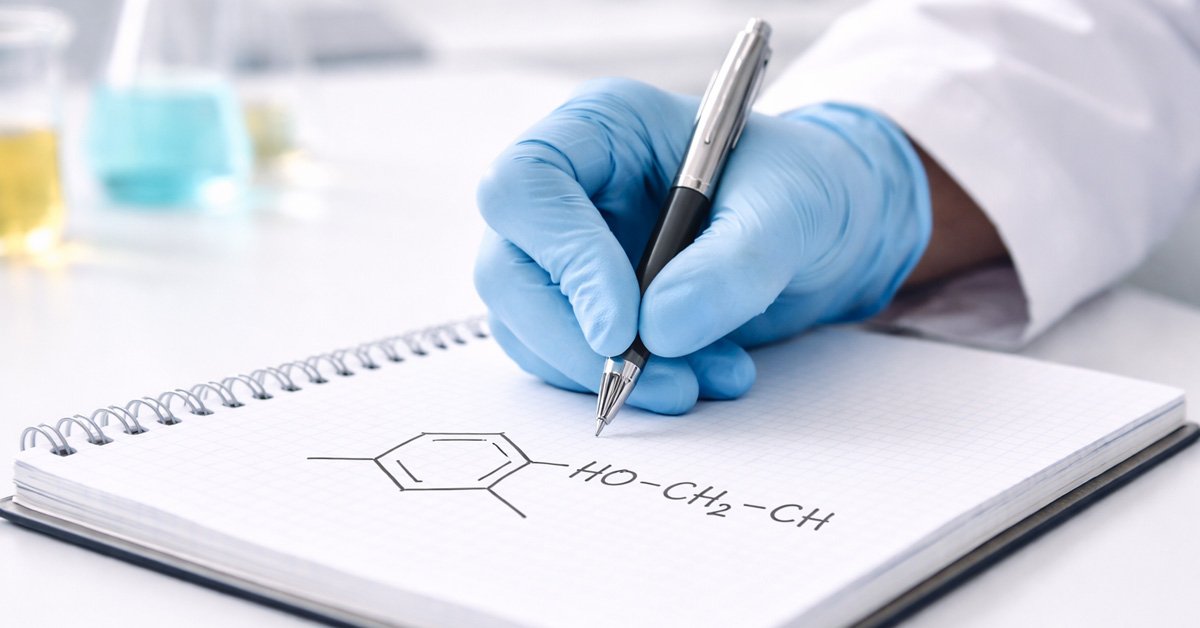
In most cases, food formulas are not patentable because they do not contain novelty and inventive steps. However, there are other ways for food product formula protection and they are : trade secrets,NDAs, and the inclusion of an IP ownership provision in the manufacturing contract.
The food technology industry reached an estimated $8 billion in 2022.
Each of these has a different use. The trade secrets will ensure your formula remains a secret forever, provided you do your part in keeping it a secret. The NDAs will ensure they agree not to use or disclose what they are given from you, provided they sign an agreement stating they won’t do so. The inclusion of an IP provision, on the other hand, will ensure what they come up with, even if they modify your formula, belongs to you.
| Protection Tool | What It Does | When to Use It |
|---|---|---|
| NDA (Non Disclosure Agreement) | Prevents the other party from sharing or using your formula | Before any formula sharing, evaluation, trials, or production |
| IP Assignment Agreement | Transfers ownership of any formula derived work back to you | With consultants, food technologists, and R&D partners |
| Trade Secret Protection | Keeps formula legally protected as confidential business information | Internally and in all third-party contracts |
| Manufacturing Agreement with IP Clause | Restricts co-packer from replicating or licensing your product | Before production begins with any contract manufacturer |
| Confidentiality + Non Compete Clause | Prevents employees and partners from using formula knowledge elsewhere | With full-time staff and retained consultants |
Helpful Guide:- How Nutrition Food Product Formulation Shapes Market Claims
What Actually Works ? Building a Legally Tight Formula Protection System

1. Sign an NDA Before Any Formula Sharing
An NDA for food product formula protection will have to answer three basic issues: what is confidential, what it is used for, and what if it is abused. There are generic NDAs on the internet, but they do not address issues of changes in recipe, batch history, process conditions, and ingredient suppliers. Your NDA must be specifically geared to your formula and situation.
2. Define IP Ownership in Every Manufacturing Agreement
Your co-packer agreement must include provisions that indicate that your formula, any changes to that formula that are made during production, and any batch records are to remain your intellectual property. If they are not included in the agreement,food product trade secret India and a co-packer who has improved your formula during scale up will have legitimate ownership of that improvement. This is a very common and costly error.
3. Treat Your Formula as a Trade Secret Operationally
Trade secret protection under Indian law involves taking steps to ensure confidentiality for food product formula protection. It involves limiting the number of people who know about your whole formula, maintaining records of people who know about your formula, and limiting access to your formula. If you have freely disseminated your formula, it will not be protected even if you claim it was done confidentially or not.
4. Use IP Assignment Agreements with Consultants and R&D Partners
Therefore, if you are working with a food technologist, formulation consultant, or a food science lab, what you need is an IP Assignment Agreement, not an NDA. While an NDA will protect you from disclosure, it will not give you any ownership rights. In an IP Assignment Agreement, the formula created while working with the consultant will be your property, not the consultant’s, although the formula was created for you.
5. Document Everything as Before, During, and After
However, legal protection exists only if one has the ability to prove what exists and when. Documentation of the formula before one decides to share it is important. Receipts and agreements through emails are important. The court has favored individuals with proper documentation in trade secrets in India.
| Stage | Legal Action Required |
|---|---|
| Before sharing formula for evaluation | Sign NDA formula specific, not generic |
| Before starting production trials | Sign manufacturing agreement with IP clause |
| Before engaging a food consultant or R&D lab | Sign IP assignment agreement |
| Before onboarding employees with formula access | Include confidentiality and non-compete in employment contract |
| After any formula modification by a third party | Document ownership of modified version in writing |
| During any legal dispute | Present signed agreements, version history, and sharing logs |
Helpful Guide:- Cost of Food Formula: Accurate Calculation Guide (2026)
The Foodsure and Legal4sure Role in Formula Protection
For Foodsure, every formulation engagement starts with a signed document. This is to ensure that the founder is protected and to establish ownership of the product developed. This is the heart of formulation work protecting your IP so it remains yours.
With regards to actual documents like NDA, IP, manufacturing, and trade secret agreements, Legal4sure helps food founders ensure that actual documents reflect the business. A formulation specific NDA is vastly different from a standard NDA, and it is far cheaper to get it right before you start sharing anything than it is to argue about it afterwards.
Founder Takeaway
Your formula is your product. Your protection is not an expense, it is the very essence of your brand’s competitive advantage. Getting the non disclosure agreement, the intellectual property provision in the manufacturing contract, and the process for maintaining trade secrets is not expensive. Getting it wrong is extremely expensive. Sign before you share. Always.
Key Takeaways
- It is not possible to patent food formula, and trade secrets, NDAs, and IP agreements should be utilized
- The NDA should be executed prior to disclosure of the formula, which will be tested, tried out, or manufactured
- The IP provisions should be included in the manufacturing agreement
- The IP assignment agreements should be executed prior to working with consultants or R&D partners, and NDA agreements alone will not be sufficient
- Trade secrets have an obligation to protect
- Documentation before, during, and after disclosure will be your best defense under the law
Top Trending Guide:- Focus Drink Contract Manufacturing for Modern Brands in 2026
Ready to Launch Your Food Product? Let’s Perfect Formula First
From R&D to sensory optimisation & FSSAI compliance—Foodsure brings your food product from concept to shelf-ready.
5000+ Recipes Formulated
FSSAI & Export Compliance
FAQ’s (Frequently Asked Questions)
Q1. Can a food product formula be patented in India?
Rarely . Because protection of a food recipe is not common; trade secrets and contracts are used more often
Q2. What should a food recipe NDA in India cover?
It must include formula, ingredient ratios, processing parameters, uses, and consequences of a breach.
Q3. What is the difference between an NDA and an IP agreement for food products?
An NDA is a promise to keep a secret whereas IP assignment agreement grants you ownership of the formula.
Q4. How does trade secret protection work for food formulas in India?
Restrict access, document sharing through a signed agreement, and maintain confidentiality at all times.
Q5. What IP clause should be included in a copacker or manufacturing agreement?
Stating the formula and all changes are your property, and you restrict the co-packer from supplying your competitors.
Q6. What happens if a manufacturer copies my food formula without an NDA?
Yes, unless you have a signed NDA, it is very difficult to take legal action, and documentation is your only protection.
Q7. Do I need separate agreements for employees who have access to my formula?
Yes, employment contracts need to have clauses regarding access to the formula, confidentiality, and non competition.