Sustainable packaging is no longer a luxury — it is a must-have in today’s market. A strong and resilient beverage brand cannot exist without it. Consumer environmental concern has fundamentally shifted brand decisions: packaging has become the deciding factor for customer trust, market positioning, and long-term brand value. With the Australian packaging industry actively moving toward fully recyclable and circular systems, brands that adopt sustainable solutions early are more likely to gain long-term competitive advantage and consumer trust.
This blog explores the sustainable beverage packaging Australia landscape — highlighting the main trends, materials, and strategic considerations to help brands make sound decisions. The same shift is reshaping global markets too — our guide to beverage packaging trends covers how this plays out across different geographies.
The Shift Toward Sustainable Beverage Packaging Australia
Consumers, retailers, and the government are all driving the rising demand for sustainability. More than 70% of Australian shoppers say that packaging plays a role in their purchase decisions, and retailers are progressively requiring packaging that can be recycled.
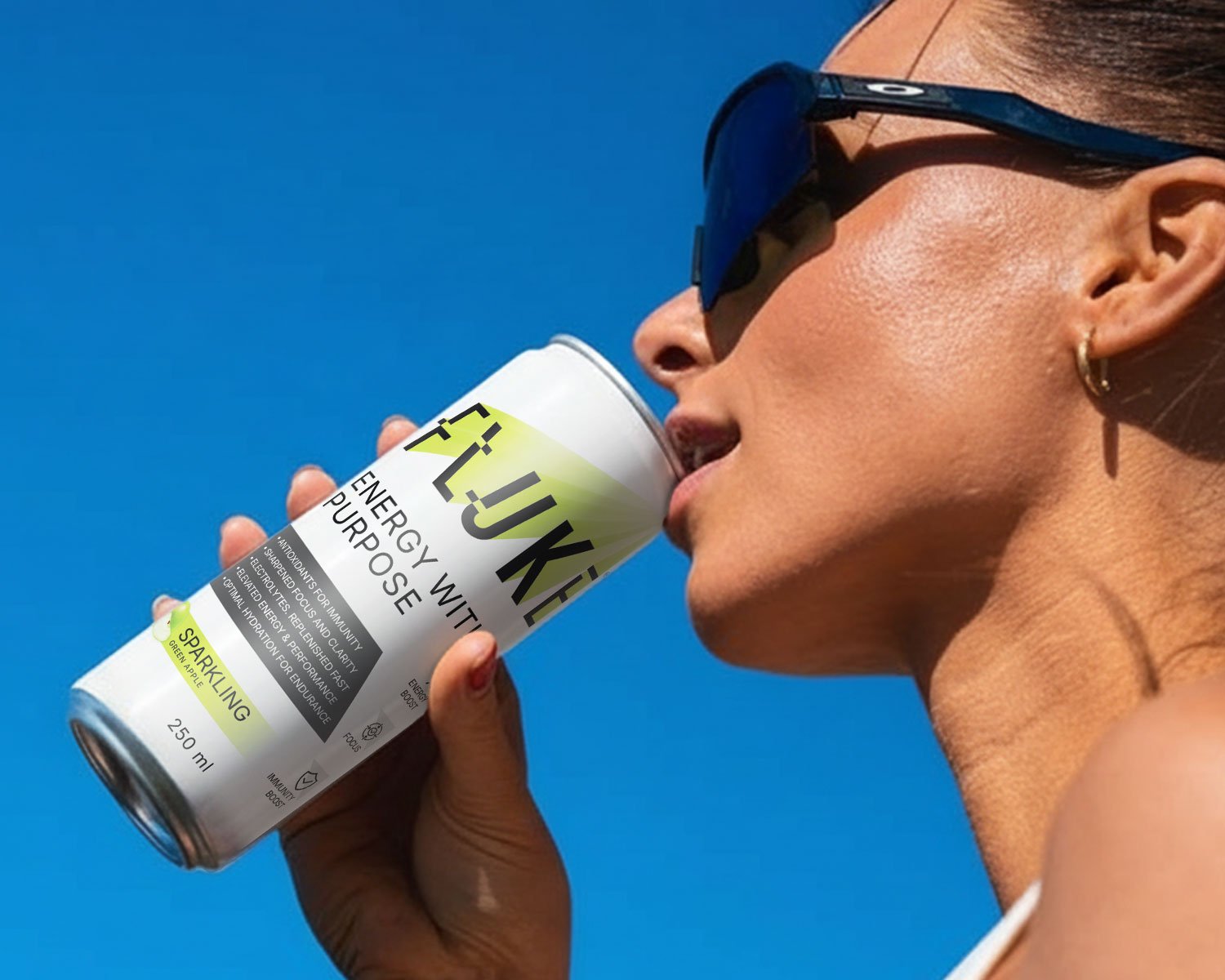
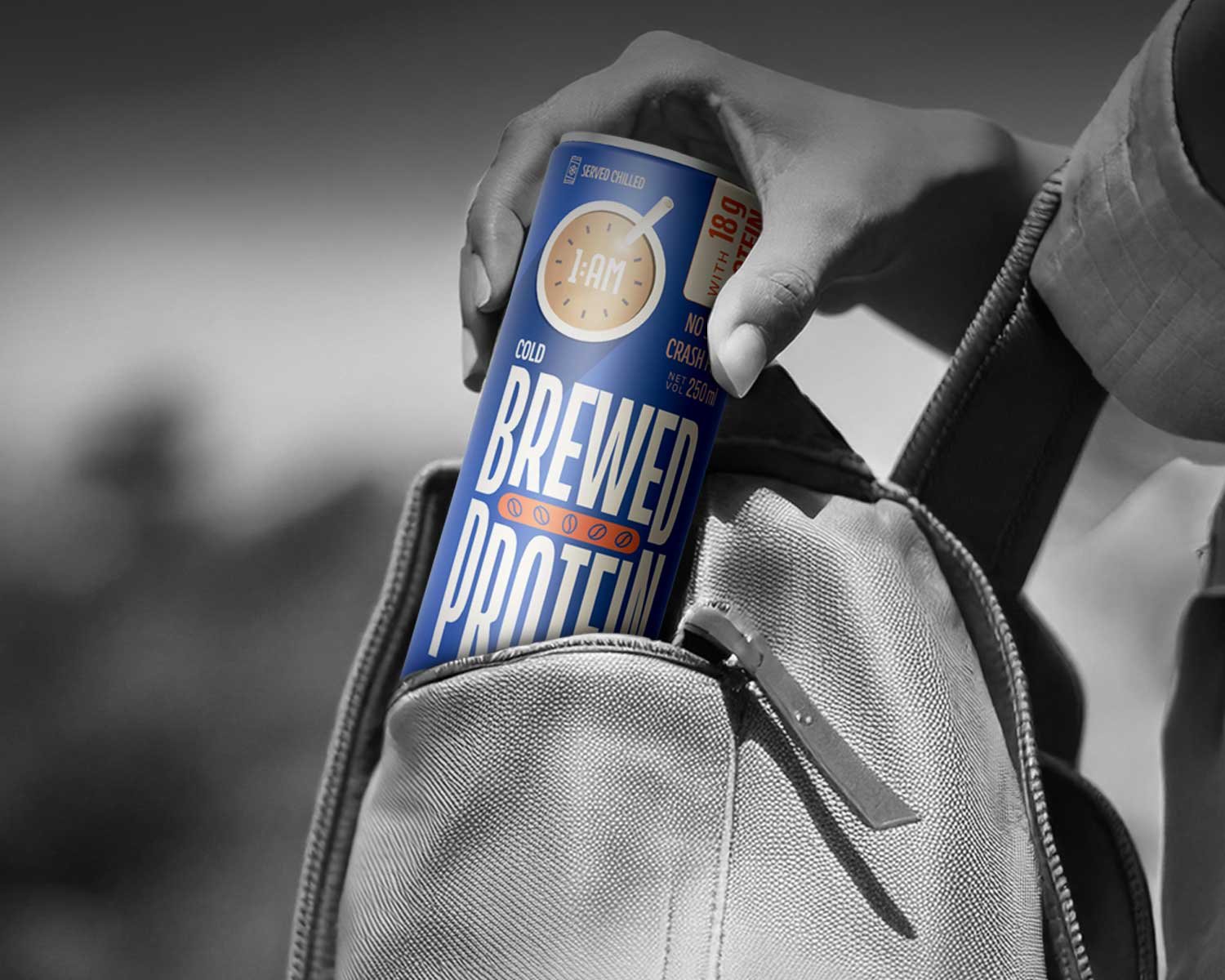
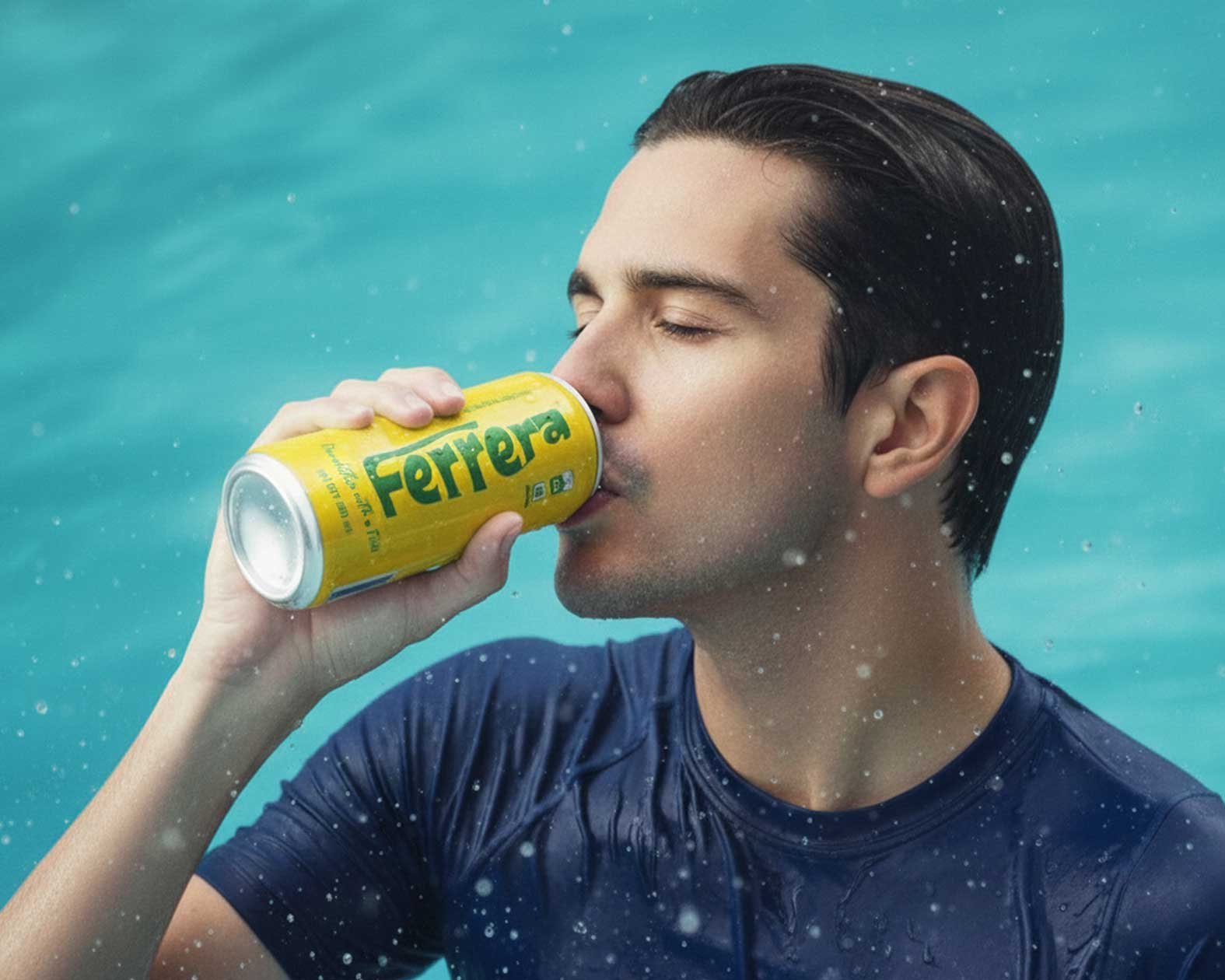
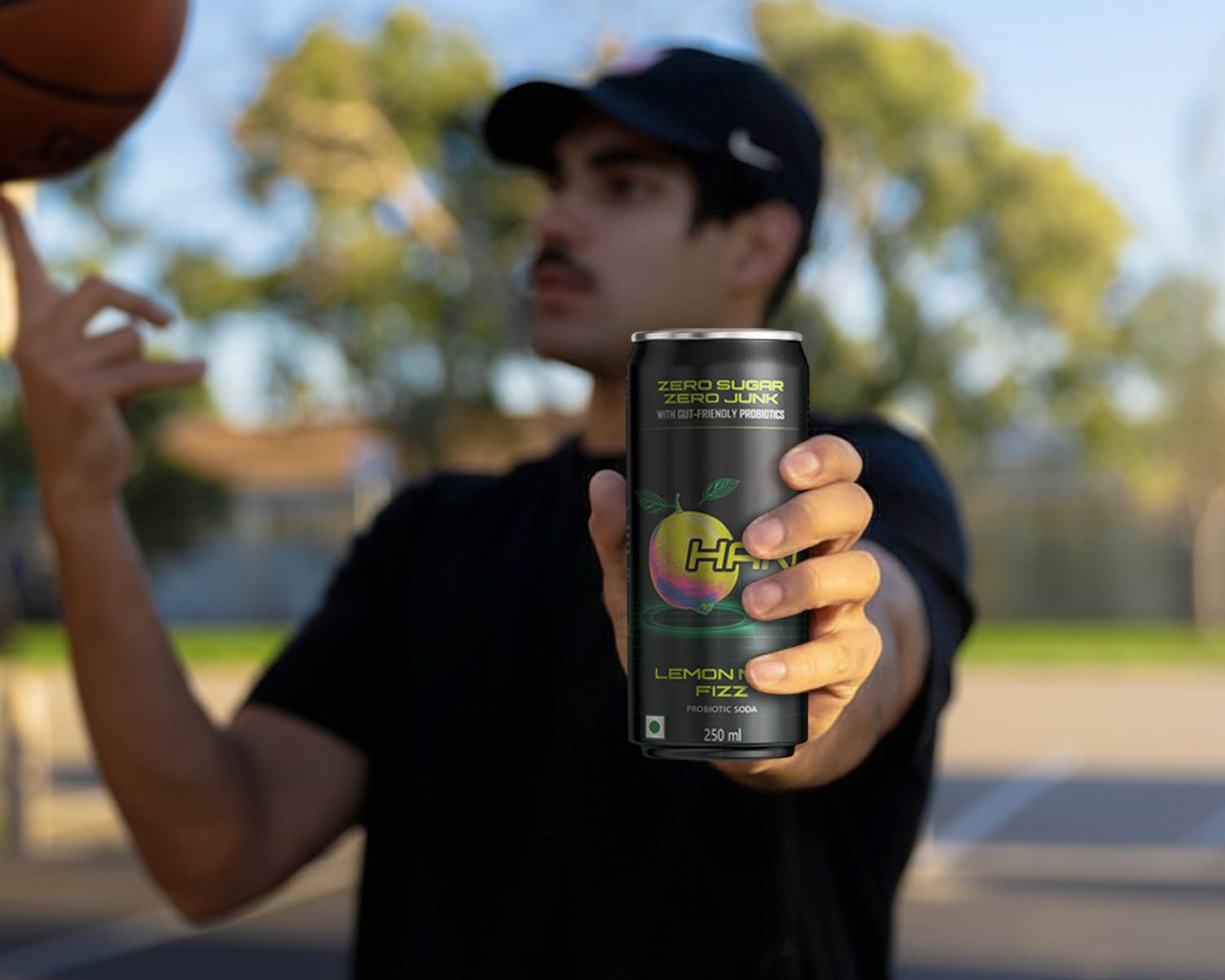
Sustainable beverage packaging Australia is growing at a very fast pace across a variety of drink categories. The aluminium beverage can market is expected to increase by 6–8% CAGR during the next five years, mainly pushed by ready-to-drink and craft beverages. About 70% of aluminum cans in Australia are recycled — providing a balance of sustainability benefits and lightweight transport efficiency.
Eco-friendly drink packaging in Australia has transitioned from being just a marketing tool to becoming a genuine business imperative. Sustainability is now a key component of brand positioning, and consumers are prepared to pay a premium for products with environmentally responsible packaging. Understanding beverage packaging cost at each material tier — aluminum, PET, glass — is essential before committing to a sustainable packaging strategy.
Key Materials in Eco-Friendly Beverage Packaging Australia
Earlier, the main materials for the industry were virgin PET plastic and glass bottles — low-cost, scalable, and with good protective properties. PET was mainly used because it was lightweight and could be produced in large quantities, while glass served premium products despite high logistics costs.
Currently, the market is moving towards sustainable and circular packaging solutions:
- Aluminum cans are growing in popularity because of their ability to be recycled multiple times and reused in a circular system. Their lightness helps lower transportation costs and overall carbon footprint. The aluminium can market in Australia is expected to grow at approximately 3–5% CAGR per year.
- PET bottles are evolving — with more recycled PET (rPET) being used instead of virgin plastic. Lightweight PET models are contributing to material savings and reducing logistics costs. PET remains the most popular packaging material because of its cost-effectiveness and scalability.
Key Packaging Trends in Sustainable Beverage Packaging Australia
| Trend Category | Description | Market Impact |
|---|---|---|
| Material Innovation | Shift towards recyclable and reusable materials | Reduces environmental impact |
| Lightweight Design | Less material usage in packaging | Lowers logistics cost |
| Aluminum Growth | Increased usage of cans across RTD and craft | High recyclability and premium appeal |
| Plastic Optimisation | Better recycling and rPET integration | Supports scalability |
| Circular Economy | Emphasis on reuse and recycling systems | Enhances brand credibility |
Slim Can vs PET Bottles in Sustainable Beverage Packaging Australia
| Factor | Aluminum Cans | PET Bottles | Glass Bottles |
|---|---|---|---|
| Sustainability | Highly recyclable, reusable multiple times | Improving with recycled content | Reusable but energy-intensive |
| Cost Efficiency | Moderate cost at scale | Most cost-effective option | High production and transport cost |
| Weight & Logistics | Lightweight, reduces shipping cost | Lightweight and flexible | Heavy — increases logistics cost |
| Shelf Life Protection | Excellent barrier protection | Moderate protection | Strong but fragile |
| Design Flexibility | Limited shapes | High flexibility | Limited options |
Packaging Strategy for Your Beverage Brand
Not Sure Whether to Choose Cans, PET, or Glass for Your Beverage? Get Expert Guidance
Packaging decisions affect your cost of goods, shelf life, sustainability credentials, and retail positioning. Foodsure helps beverage founders select the right packaging format — balancing sustainability, cost, and commercial viability from day one.
Consumer Influence on Eco-Friendly Beverage Packaging Australia
Consumer preferences are deeply influencing packaging trends. People are becoming more conscious about the environment and are supporting brands that align with their values:
- Preference for eco-friendly beverage packaging Australia
- Awareness of recycling and waste reduction — container deposit schemes collected over 3 billion beverage containers in 2025
- Demand for lightweight and convenient formats
- Interest in sustainable brand practices
Evolution of Beverage Trends in Australia
| Trend Shift | Earlier | Now (2026) | Market Insight |
|---|---|---|---|
| Beverage Type | Sugary drinks | Low-sugar & healthy drinks | Declining preference for high-sugar drinks |
| Consumer Behaviour | Price-driven, mass consumption | Health-conscious, value-driven | Wellness trends shaping purchase decisions |
| Functional Segment | Minimal presence | Rapid growth in energy, protein & wellness | ~$458M market size |
| Plant-Based | Low usage | Growing fast | Rising adoption |
| Alcohol Trends | Beer dominant | RTDs & low-alcohol | Fastest-growing segment |
| Sustainability | Not important | Highly important | Impacts buying decisions |
Challenges in Adopting Sustainable Beverage Packaging Australia
Making the switch to sustainable packaging requires brands to juggle cost, performance, and environmental impact simultaneously:
- Higher initial costs of eco-friendly beverage packaging can constrain investment and pricing decisions
- Some areas still lack adequate recycling systems, leaving sustainability initiatives less effective
- Balancing packaging durability, shelf life, and environmental friendliness is not straightforward
- Ensuring that sustainable materials are consistently high-quality across the supply chain
- Environmental regulations are tightening — staying ahead of compliance and correct labelling requirements
- Minimising material use while maintaining product quality
- Shortage of cutting-edge materials suitable for sustainable drink packaging at commercial scale
These challenges are not unique to Australia — our guide to beverage packaging trends in the USA covers how brands in another major market are navigating the same transition.
Role of Innovation in Eco-Friendly Beverage Packaging Australia
Innovation is the driving force behind the changes in eco-friendly drink packaging in Australia. Businesses are experimenting with materials and methods to enhance sustainability while retaining top-notch quality:
- Biodegradable packaging materials
- Increased use of recycled content in both aluminum and PET
- Lightweight packaging solutions reducing material and logistics costs
- Smart packaging technologies enabling better consumer engagement and traceability
Role of Foodsure in Sustainable Beverage Packaging Decisions
Brands often get confused while making packaging decisions. Foodsure plays an instrumental role — not only in selecting the right packaging materials, but also in offering compliance and production strategies. Whether a brand wants to choose recyclable drink cans in Australia or a more environmentally friendly PET bottle, Foodsure assists brands in making the right choice. With this support, firms can focus on innovating and growing while simultaneously adhering to the latest trends in eco-friendly beverage packaging.
Key Insights for Founders
Sustainable packaging is no longer a luxury — it is a must-have. The evolution of a strong and resilient beverage brand cannot happen without it. Given the shift in consumer behaviour and the tightening of laws, companies cannot avoid making sustainability a major part of their strategy. Packaging has become the deciding factor for customer trust, market positioning, and long-term value — for the company as well as for its consumers.
Build a Sustainable Beverage Brand
Choose the Right Sustainable Packaging — and Build a Beverage Brand That Lasts
Foodsure helps beverage founders make packaging decisions that balance sustainability, cost, shelf life, and retail positioning — so your product stands out on shelf and meets retailer requirements from launch.
✓Cost & Logistics Analysis
✓Beverage Formulation
Related Insights
- Beverage Packaging Trends USA
- Beverage Formulation Cost
- Functional Beverages Market
- Non-Alcoholic Beverages Europe
Frequently Asked Questions
What is sustainable beverage packaging Australia?
It means packaging made for beverages that has less effect on the environment — including recyclability, using less material, and being made through environmentally friendly production methods.
Why is eco-friendly beverage packaging Australia important?
Eco-friendly packaging allows brands to align with evolving consumer demands, reduces environmental impact, and enhances brand image in a market where packaging has become a key purchase decision factor.
Are recyclable drink cans Australia better than PET bottles?
Recyclable aluminum cans in Australia have higher recyclability rates — about 70% are recycled — but PET bottles still dominate the market because of their cost-effectiveness and design versatility. The right choice depends on your brand’s sustainability goals and budget.
What are the aluminum can trends Australia?
The latest trends include the introduction of slim cans, lightweight designs, and greater uptake of aluminum cans across RTD and craft beverage categories due to their sustainability credentials and premium appeal.
How is PET bottle sustainability improving?
Usage of recycled content (rPET), redesign for lightweighting, and enhancement of recycling systems are the main ways PET bottles are becoming more sustainable across the Australian market.
What affects sustainable beverage packaging cost in Australia?
The choice of material, scale of production, logistics distances, recycled content percentages, and compliance with local packaging regulations are the main cost drivers for sustainable beverage packaging.
How to choose between cans and bottles for a beverage brand?
Factors like your budget, sustainability agenda, shelf life requirements, brand positioning, and target retail channel will determine the right packaging format. Working with a beverage packaging consultant helps make this decision with full cost and compliance visibility.