The Classic Energy Drink can definitely be regarded as one of the most popular beverages in the international beverages market. These energy beverages have gained popularity because of their immediate energy and alertness levels, as well as increased performance capacity. The number of consumers of classic energy drinks has gradually been growing in India among students, working professionals, and fitness enthusiasts. Therefore, this creates sufficient room for those organizations that concentrate on the energy drink formulation ingredients FSSAI India. The creation of the Classic Energy Drink can be quite tricky because all the right ratios have to be maintained.
This blog presents a detailed look into the energy drink formulation ingredients dosage process FSSAI India 2026.
Classic Energy Drink Breakdown
A Classic Energy Drink is formulated to ensure an immediate source of energy due to the proper blending of stimulants, amino acids, vitamins, and carbonation. Regarding the ingredients for making energy drinks in India FSSAI, the choice of ingredients is highly important.
Core Ingredients:
- Stimulant due to caffeine: Acts as the primary ingredient, improving concentration, endurance, and mental functions
- Nervous system and metabolism support due to taurine: Increases endurance and maintains fluid balance, which synergistically works with caffeine
- Production of energy through B-vitamins: Converts nutrition into energy and ensures high-performance levels of Classic Energy Drinks
- Taste enhancers that provide sweetness and an energy source: Contribute to taste and influence product positioning between normal and zero-calorie variants
- Refreshment due to carbonation: Improves mouthfeel and palatability
Knowledge of such ingredients will be highly important in understanding the process of preparing a Classic Energy Drink in India, following FSSAI recommendations on caffeine content not exceeding 320 mg in energy drinks in India. It also follows the energy drink formula guidelines, which include caffeine, taurine, and B vitamins in India.

Standard Energy Drink Ingredients: Caffeine, Taurine, B-Vitamins
The key to the success of Classic Energy Drink depends on picking the right ingredients for the energy drinks formula FSSAI India. Caffeine, taurine, and vitamin B complex constitute the basic ingredient stack responsible for providing a person with additional energy and endurance.
Strategy for Ingredients:
- Primary stimulant needs to be caffeine: Quick source of energy and boosts alertness; makes it possible for optimal functioning of all vital functions in Classic Energy Drink
- Boosting performance: Taurine helps improve performance and stimulates neurophysiological functions in association with caffeine, taurine, B vitamins, and energy drinks formula
- Enhancing metabolic processes: B vitamins play a role in boosting metabolism and energy drinks’ performance
- Compatible ingredients: A right balance of active substances makes it possible to achieve high efficacy and conforms to the energy drinks ingredients formula – caffeine, taurine, B vitamins, and FSSAI guidelines
- Stability of active ingredients: Substances have to maintain all their qualities when dissolved in carbonated water and under acidic conditions
Selection of the right ingredient composition for an energy drink formulation is guaranteed to be effective and comply with regulations by the FSSAI of India. A combination of caffeine, taurine, and B vitamins constitutes the basis of a high-quality Classic Energy Drink.
Caffeine Dosing Guidelines (FSSAI Limit: 320mg/L)
The primary substance of an Energy Drink is caffeine, designed to give immediate energy, awareness, and focus. In the formulation of ingredients in energy drinks in India, according to FSSAI regulations, it is essential to regulate the dosage of caffeine in accordance with the set standards.
Dosage:
- Follow the prescribed level by FSSAI – 320 mg per liter: This is the highest permissible limit for caffeine beverages in India
- Safe and effective dosage: Ensure that the formulation gives energy while maintaining a proper balance among caffeine, taurine, B vitamins, and energy drinks so that consumers do not experience side effects like nervousness
- Labeling: Indicate the presence of caffeine and warning messages as directed in FSSAI guidelines
- Moderate dosage: Overdosing will result in adverse health effects and loss of market appeal
- Consistency in dosage: Ensure proper consistency in caffeine dosage among batches of products
Therefore, it is important to understand the right process of developing an energy drink containing 320mg caffeine in India, according to FSSAI. This will guarantee proper dosage control of caffeine while ensuring that the Classic Energy Drink conforms to the standards required in energy drinks in India.
Taurine: Role and Dosing
Taurine enhances the functional characteristics of a Classic Energy Drink since it plays a role in physiological processes such as brain activity, physical endurance, and metabolic reactions within the body. According to the energy drink components recommended by FSSAI India, taurine is highly recommended in combination with caffeine and vitamins to enhance the energy level.
Strategy for Taurine:
- Participates in neurological reactions: Enhances the functioning of neurons, thus increasing the concentration of a Classic Energy Drink
- Enhances physical endurance and performance: Enhances the reduction of fatigue and increases physical endurance
- Works synergistically with caffeine: Increases the effect of caffeine, taurine, B vitamins, and energy drink dosage for better results
- Energy drink dosage optimization: Optimal dosage ensures sufficient caffeine, taurine, and B vitamins dosing guidelines India
- Dissolves well: The energy drink components should be added in such a manner that they dissolve well, including carbonated and acidic beverages
Another critical ingredient for producing the best energy drink ingredients is caffeine, taurine, and B vitamins dosing guidelines India. Taurine enhances the performance of energy drinks. This will enable the enhancement of the performance of Classic Energy Drink.
Here’s food for thought: Energy Drink without Taurine
B-Vitamin Complex Breakdown
The B vitamins work to enhance the body’s energy metabolism. The B vitamins are useful alongside caffeine and taurine in enhancing energy metabolism in the energy drink.
Strategy for vitamin:
- Add vitamins B3, B5, B6, and B12: These are the most commonly added vitamins in energy drinks to facilitate energy metabolism.
- Energy Production Facilitation: Helps in converting carbohydrates, fats, and proteins into energy for the body’s use.
- Increased metabolism: It helps in increasing metabolism and decreasing exhaustion during vigorous exercise.
- Stable dissolution: Should be stable when dissolved in carbonated, light, and acidic conditions.
- Within dosage limits: Within FSSAI dosage guidelines
The use of B vitamins in the Best Energy Drink Ingredient Stack, Caffeine Taurine B Vitamins Dosing Guidelines India must help add great value to Classic Energy Drinks.
Sweeteners: Sugar vs Zero Sugar
| Sweetener Type | Key Benefits | Limitations | Formulation Role |
|---|---|---|---|
| Sugar | Quick source of energy; natural flavor; full-bodied sensation | Rich in calories; not recommended for health-conscious individuals | Functions as a sweetener as well as an energy source |
| Artificial Sweeteners | Zero/low calorie; high sweetness level; cost-efficient | May have aftertaste; negative perception issues | Replaces sugar and delivers sweetness |
| Natural Sweeteners | Appeals to clean label concept; good perception; low calories | Possibility of aftertaste; expensive | Premium; natural positioning |
Acidulants and pH Management
It is necessary to pay attention to the control of the pH of the energy drinks since it determines such parameters as stability, taste, safety from bacteria, and carbonation. In regard to the composition of the energy drinks, FSSAI India, by applying acidulants and managing the appropriate pH, makes sure that the Classic Energy Drink remains stable.
Strategy for pH:
- Inclusion of appropriate acidulants such as citric acid is essential: This is done so that the taste of the Classic Energy Drink can be improved and at the same time maintain its level of acidity.
- A low pH level should be maintained: A low pH level helps to keep the carbonation and prevent the deterioration of the product.
- Prevention of microorganism growth: By maintaining a low pH level, it becomes impossible for microorganisms to grow in the drink.
- Achieving proper taste: By managing the correct pH level, it becomes possible to achieve the appropriate taste of the drink.
- Testing of stability: It is important to test the drink regarding its stability with regard to its pH.
Understanding of the carbonation, acidulants, pH, and formulation for India is necessary.
Colour and Flavour Options
Color and taste significantly contribute to characterizing the Classic Energy Drink. In making an energy drink formula in ingredients FSSAI India, it becomes important to make sure that both color and taste align with brand positioning as well as become stable in the carbonated form.
Flavoring Strategy:
- Attractive color combinations: Colorful drinks increase visibility as well as memorability of a Classic Energy Drink.
- Attractive flavors: Citrus, berry, and exotic fruit flavors are widely accepted by energy drink consumers.
- Compensation for bitterness: It becomes important to have flavors that compensate for the bitterness of active compounds.
- Consistent quality: Consistency should be maintained in terms of color and taste.
- Sensory testing: Testing helps maintain the optimum level of taste and aroma.
Flavoring makes an energy drink acceptable to the consumer as well as makes him buy again. Moreover, flavoring becomes important in making the guide for energy drink dosage FSSAI India 2026.
Carbonation Process
The carbonation process helps to enhance the sensation of consumption of the Classic Energy Drink through better mouth feel, refreshment, and palatability. In the ingredients of energy drinks FSSAI India, the right carbonation is vital to ensure the quality of the product.
Carbonation Strategy:
- Keep controlled CO2 levels: Controlled carbonation results in consistent bubbles and quality in a Classic Energy Drink.
- Achieve even distribution: Consistent distribution of CO2 is necessary for achieving consistent flavor and texture.
- Avoid gas loss while filling: Ensure that optimized filling machines maintain the integrity of the carbonation process.
- Enhance mouthfeel: Appropriate carbonation contributes to a crisp and refreshing texture.
- Undertake quality control measures: Quality tests are necessary for ensuring consistent carbonation.
This is crucial for the carbonation process of energy drink acidulants pH control formulation India, where carbonation is directly related to pH and ingredient stability. The optimal carbonation process will ensure that the Classic Energy Drink satisfies all the necessary criteria and is efficient in a commercial production setting.
Full FSSAI Compliance Checklist
Compliance is key to the success of the Classic Energy Drink’s introduction into India. According to FSSAI guidelines, energy drinks are categorized as “caffeinated beverages,” and they are subjected to certain restrictions. The compliance guidelines for the classic energy drink brand India launch guide ensure that the product gets its license and gains consumer trust over time.
Compliance Checklist:
- Follow caffeine ceiling (not more than 320 mg/L): According to FSSAI norms, a maximum of 320 mg of caffeine can be present in each liter of beverage
- Classification as “Caffeinated Beverage” beyond 145 mg/L is mandatory: Beverages having caffeine levels exceeding 145 mg/L shall be classified as the caffeine-containing drinks category
- Warning statements on labels made compulsory: The label must carry warning statements like “Not advised for children, pregnant and nursing mothers.”
- Mandatory labeling of caffeine content and high caffeine content warning: Packaging must display caffeine amount along with the “High Caffeine Content” label
- Mandatory use of safe ingredients: Additives, flavorings, and contaminants used in drinks should adhere to the carbonated drinks norms of FSSAI
Adhering to the FSSAI complete compliance checklist for energy drink brand India launch guide makes sure that the Classic Energy Drink is both legally compliant and safe. In addition to avoiding legal problems, strict observance of caffeine levels, labeling requirements, and other rules concerning ingredients would build consumer confidence in such a competitive industry as energy drinks.
Foodsure Energy Drink Formulation Services
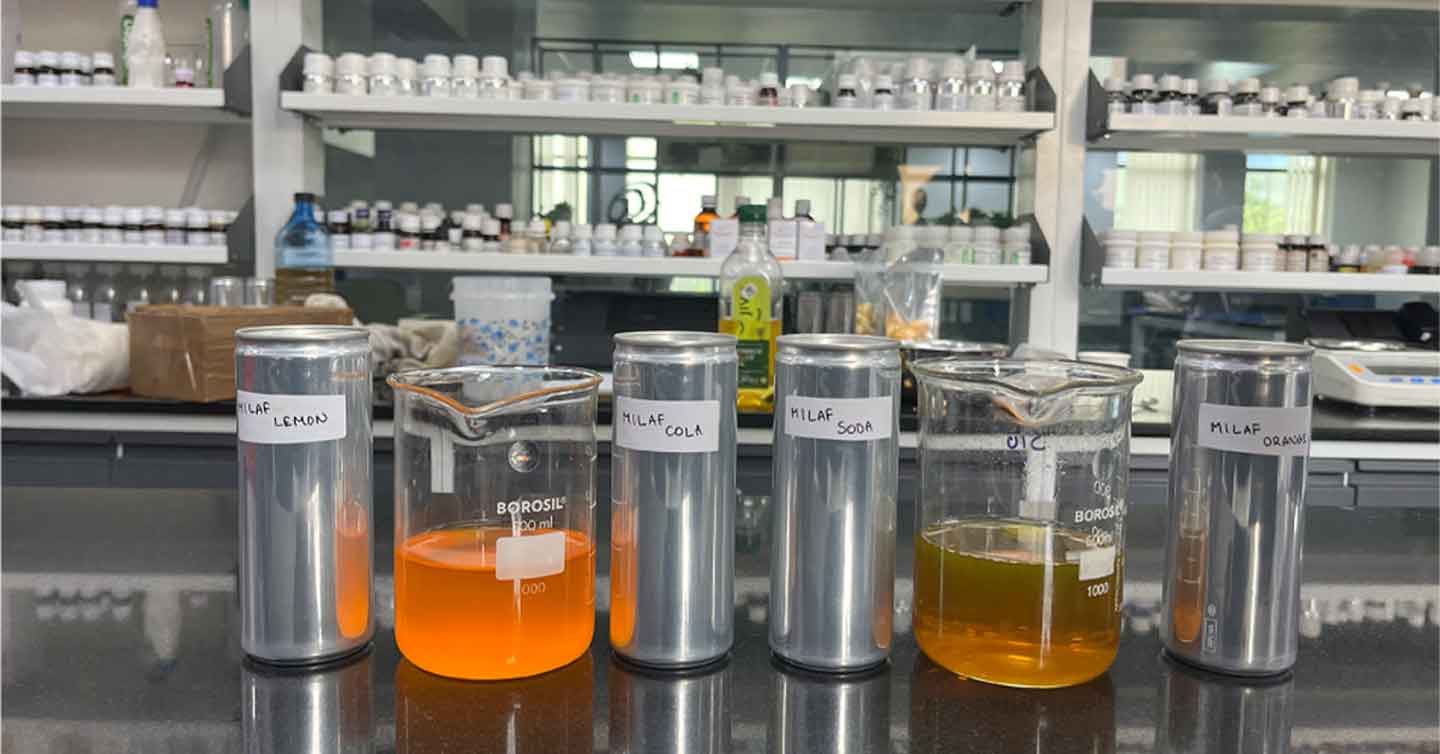
A successful Classic Energy Drink is not an easy task since it demands expertise in formulating the product through dosage, carbonation, and compliance to regulations. All elements from balancing the right doses of caffeine, taurine, B-vitamins, to energy drinks need to be in balance to meet both the performance and FSSAI guidelines. Foodsure can assist you in all of that with their services for energy drinks in terms of formulations, ingredients, dosages, and full compliance as per the FSSAI complete compliance checklist for the energy drink brand India launch guide. Should you be interested in building up a successful product based on an energy drink formulation guide for ingredients and dosing process India FSSAI 2026, Foodsure will help you do just that with the use of their energy drink manufacturing process India guide.
FAQs
What is a Classic Energy Drink?
Classic energy drinks are beverages that contain caffeine, taurine, and B vitamins, which are responsible for providing immediate energy, alertness, and performance benefits.
List of the most important energy drink ingredients according to FSSAI, India?
The most important ingredients for an energy drink formulation, according to FSSAI, India, are caffeine, taurine, B vitamins, sweetening agents, acidulants, and carbonation systems.
How should I use the caffeine taurine B vitamins energy drink?
To use caffeine taurine B vitamins energy drink correctly, you need to balance its stimulating properties while keeping in mind the maximum amount of caffeine per day.
How to develop classic energy drink formulations based on FSSAI 320mg caffeine content in India?
In order to learn how to develop classic energy drinks based on the FSSAI 320mg caffeine content in India, brands will need to maintain low caffeine content, follow labeling regulations, and achieve consistent results.
What is the energy drink manufacturing process India?
The energy drink manufacturing process India includes mixing ingredients, regulating pH level, carbonation, filling bottles, packaging the products, and conducting tests to make sure the drinks are stable, safe, and scalable.
What influence do pH and carbonation have on formula development?
The energy drink carbonation process using acidulants for managing pH level for formulation India guarantees proper carbonation preservation, protection from microbes, and a balanced flavor profile of a Classic Energy Drink.
What is the FSSAI complete compliance checklist for launching energy drink brand India?
The FSSAI complete compliance checklist for launching energy drink brand India includes caffeine limits, labeling requirements, ingredients approval, and mandatory warnings.