Have you ever stood and thought before you discarded the peels of fruit, grains that were spent, or vegetable trimmings, and said to yourself, ” Is this really waste, or is it just the value we have not yet discovered? The same question is being asked by current consumers today. What was previously cast off is currently being reconsidered as the new wave of innovation in the food industry.
As a matter of fact, the upcycled food product development ceases to be a niche idea; it is emerging as a potential business opportunity. With sustainability ceasing to be a buzzword and becoming a purchasing decision driver, brands that are able to convert food waste to high-value products are gaining consumer confidence and market share.
What is Upcycled Food Product Development?
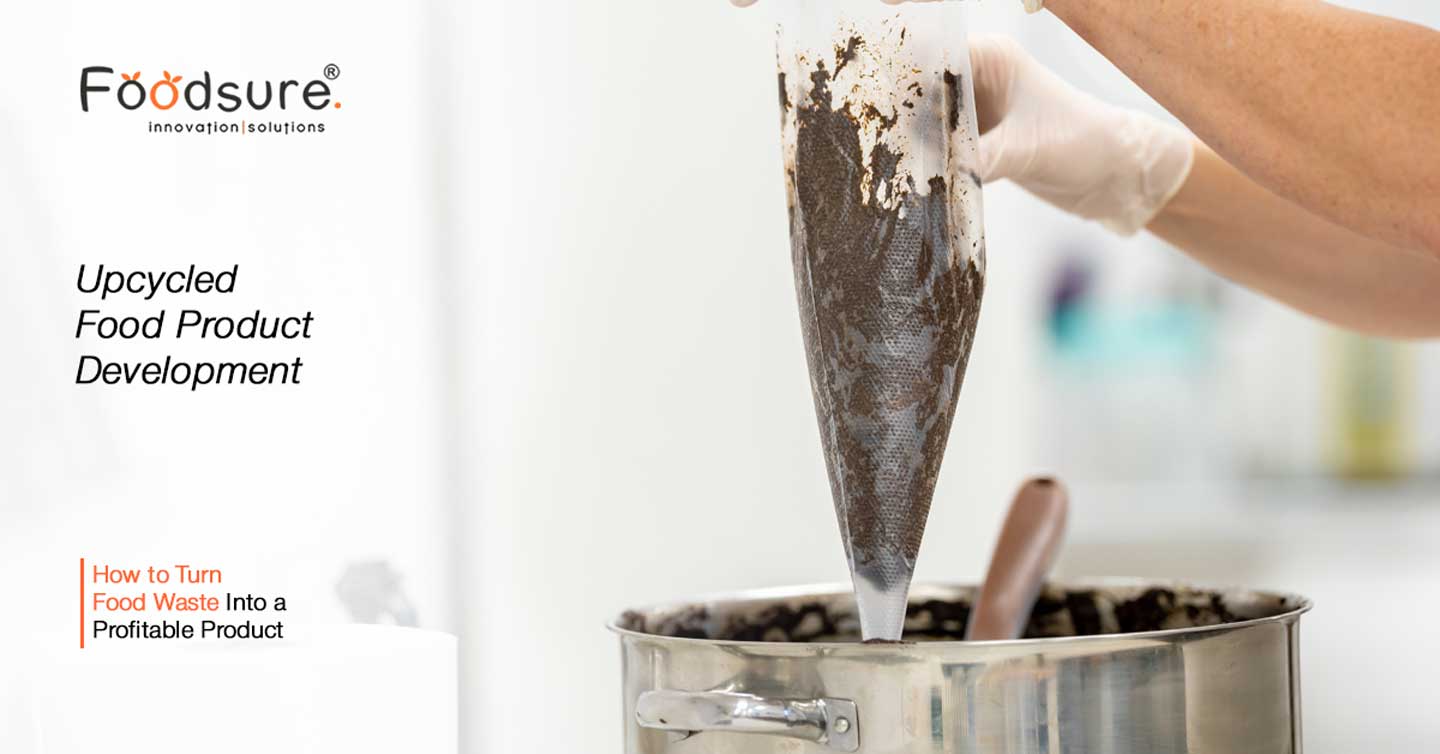
The development of food products is known as upcycled food product development, which is the transformation of food by-products, surplus, or waste streams into safe, nutritious, and marketable food products.
Rather than disposing of materials such as:
- Fruit peels
- Brewer’s spent grains
- Fractured grains or pulses
- Vegetable trims
They are now being transformed by the brands into:
- Functional flours
- High-fiber snacks
- Nutrient-rich powders
- Clean-label ingredients
Not only does this method lower wastage, but it also generates new sources of revenue, which is why it is one of the cornerstones of the circular economy food startup India ecosystem.
Why Upcycled Foods Are Booming in India
The UNEP estimates the quantity of food waste generated in India to be about 68 million tonnes per year. Simultaneously, there is a rapid growth of the Indian sustainable food market.
The cause of the surge is the following:
1. Conscious Consumer Shift
According to a 2024 report by IMARC, more than 84% of urban Indian consumers would give preference to brands that exhibit sustainability. This has augmented the level of sustainable food product India innovation.
2. Brand Optimization of Costs.
The by-products would significantly decrease the price of raw materials. For example:
- Spent grain is half or two-thirds the cost of refined flour.
- Fruit waste decreases the sourcing addiction.
3. Government & ESG Push
Another promising project of food waste to product India is the increased interest of India in waste management and compliance with the regulations of the ESG.
4. Export Opportunities
Upcycled ingredients are actively being imported in the global markets such as the US and Europe, and this presents an opportunity for the growth of the upcycled food ingredient India brand.
Types of Upcycled Ingredients You Can Use
Upcycling is not a multi-category food that transcends through a range of segments.
Fruit & Vegetable Waste
- Pectins, Orange peels, Fiber powders.
- Peels of banana fruit: bakery flour
- Extracts prepared using tomato peels to extract lycopene.
Grain & Pulse By-products
- Gluten-free flour, Broken rice.
- Pulse husk – fortification of proteins and fibers
Dairy & Beverage Waste
- Whey – protein beverages
- Brewer eats on grains, granola.
Oilseed Residues
- Cold-pressed cake. Cake flour is high in protein.
The upcycled ingredient food strategies of all the food brands in India adopt these contributions.
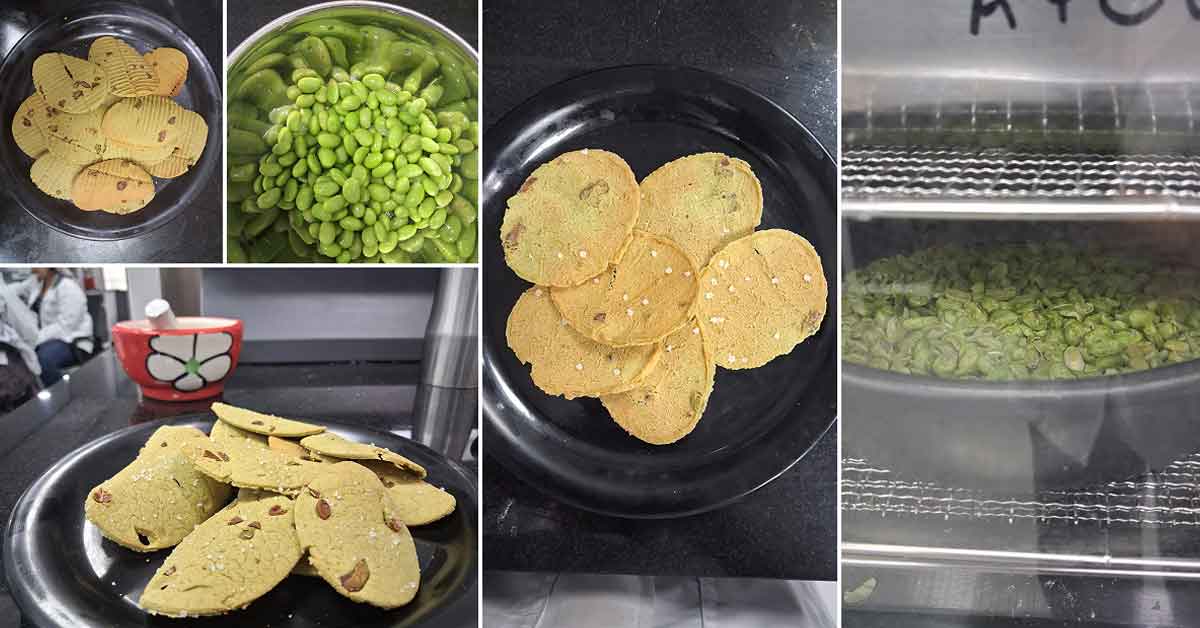
Pipeline of Upcycled Food Product Development
The process of the waste-to-product conversion must be implemented systematically:
1. Select viable sources of waste.
Wastes cannot all be useful. Evaluate:
- Nutritional value
- Risk of damage and contamination.
- Availability and consistency
2. Stabilization & Processing
The wastes are normally perishable. Techniques include:
- Drying
- Fermentation
- Cold processing
3. Functional Evaluation
Test for:
- Texture
- Taste
- Water absorption
- Shelf stability
4. Product Formulation
Create applications including:
- Snack bars
- Bakery products
- Nutraceutical powders
5. Compliance & Safety
Ensure adherence to:
- FSSAI regulations
- Labeling norms
- Shelf-life validation
6. Branding & Positioning
People cannot purchase rubbish; they purchase:
- Sustainability
- Nutrition
- Innovation
Affordable Designs: Eco-sustainable products
The following categories are highly potential in case of exploring the opportunities of the circular economy food startup India:
1. High-Fiber Snacks
Making with the peels of fruits and the leftovers of grain:
- Chips
- Crackers
- Extruded snacks
2. Functional Flours
Combining recycled resources into:
- Gluten-free mixes
- Protein-rich atta
3. Nutraceutical Ingredients
- Antioxidant powders
- Fiber supplements
4. Beverages
- Fermented drinks
- Whey-based protein beverages
5. Clean-Label Additives
- Natural colorants
- Flavor enhancers
These are the innovations that are defining the future of sustainable food product innovation in India.
Challenges in Upcycled Food Product Development
The opportunity is very big, but the practical challenges are:
- Consumer Perception: There is a hesitation that the waste-based food can cause. It is essential to be smart.
- Supply Chain Problems: The unpredictable supply of waste streams may have an effect on production.
- Technical Complexity: Upcycled ingredients often affect texture and taste and require formulation skills.
- Clarity in Regulation: India is yet to develop a policy on the labeling of upcycled food.
Market Trends & Analytics You Should Know
- The global upcycled food market will reach $97 billion by 2031, with a CAGR of 6.2%.
- The sustainable food market in India is projected to reach an 18 – 20% CAGR in the future, which is 5 years.
- India models Startups dealing with food waste to products are gaining more and more VC attention, particularly in plant-based nutrition, functional foods, and clean-label products.
Also, Google trend search reveals that the number of queries with sustainable and upcycled food in India has increased by 40% year-on-year.
How to Build a Successful Upcycled Food Brand
To make upcycled food product development successful, pay attention to:
1. Storytelling
Your brand must say:
- Environmental impact
- Ingredient journey
- Sustainability metrics
2. Clean Label Positioning
Consumers prefer:
- No artificial additives
- Transparent sourcing
3. Strong R&D Backbone
Upcycled products require:
- Stability testing
- Sensory optimization
4. Premium Yet Purpose-Driven Branding
Consumers are ready to pay more for sustainability, though taste and quality should be as expected.
The Future of Upcycled Food in India
India is ideally placed to dominate in this space because of:
- High agricultural output
- Massive food production industry
- Growing startup ecosystem
With increased awareness, the models of food brands in India will no longer be niche but mainstream, since it is a re-packaged ingredient foods using upcycled ingredients.
Expect to see:
- Upcycled foods stocked on retail shelves
- Increased exports
- Stronger regulatory frameworks
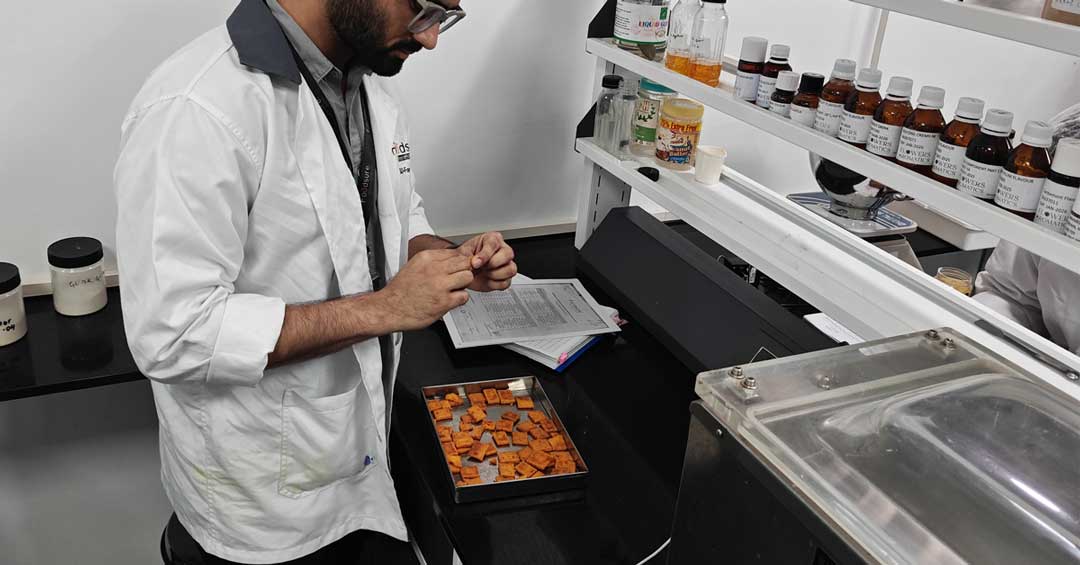
Call Foodsure for Professional Food & Beverage Product Development
Execution is all when you are intending to venture into the upcycled food industry. Between establishing potential waste streams and developing marketable formulations, the process needs technical expertise and regulatory clarity.
Foodsure is important in facilitating the success of brands in the development of upcycled food products since it provides:
- End-to-end product formulation
- Ingredient optimization
- Stability test/shelf- life test.
- Regulatory compliance support
- Go-to-market strategy
Be Ready to Build Your Upcycled Food Brand?
Transform your idea into a scalable, compliant, and consumer-readable product.
Contact Foodsure and begin your path of waste to wealth.
Upcycled Food Product Development
Develop innovative upcycled food products using food by-products, surplus ingredients, and sustainable processing solutions. Create market-ready formulations with improved nutrition, better shelf stability, regulatory compliance, and attractive packaging designed for modern retail, health-conscious consumers, and export-focused food businesses.
FAQs
What is the development of upcycling of food products?
It involves the transformation of food waste or by-products into useful, harmless, and marketable food products.
Can food be used as an upcycled product?
Yes, when processed in accordance with the proper food safety standards and the regulatory techniques, such as FSSAI.
What do we know about upcycled food products in India?
As examples, there are banana peel flour, spent grain snacks, fruit fiber powders, and beverages containing whey.
How profitable is the food waste-to-produce business in India?
It is also very lucrative as the costs of raw materials are low and there is an increasing demand for sustainable products.
What is problematic with the development of upcycled food?
The main problems are the perception of the consumers, the reliability of supply, and the complications of technical formulations.
What is the best way to launch an upcycled ingredient food brand in India?
The first step is to recognize the waste stream, come up with formulations, enforce compliance, and create a powerful brand narrative.
Do consumers accept the upcycled foods?
Yes, particularly urban consumers, who are concerned with sustainability, health, and clean label products.