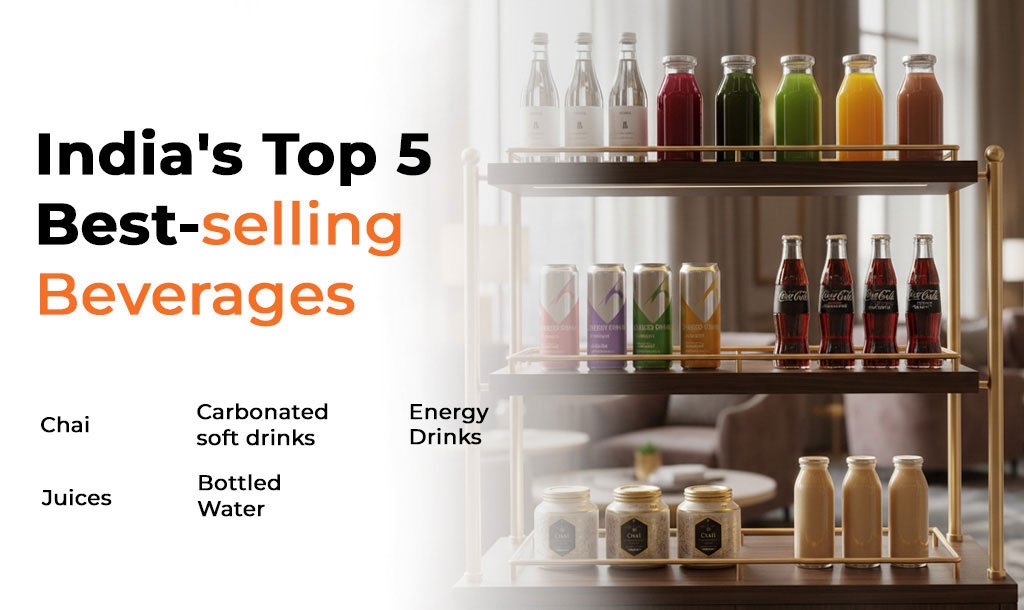
Only a few drinks succeed in maintaining their position as market leaders despite the presence of many competing products. The success of cold drinks and soft drinks depends on five factors, which include consumer trust, taste familiarity, pricing, distribution reach and changing market preferences. The blog analyses the top 5 best-selling beverages in India because it explains the reasons behind their sales success both in 2026 and in their future success within the fast-evolving beverage industry.
Disclaimer:
This blog explores the diverse beverage landscape in India, highlighting some of the best-selling drinks in 2026. While beverages vary by taste and preference, this blog focuses on the popular choices that have captured the hearts of millions. Please note that some of the details provided are based on market trends and may change over time.
1. Chai: India’s Timeless Beverage
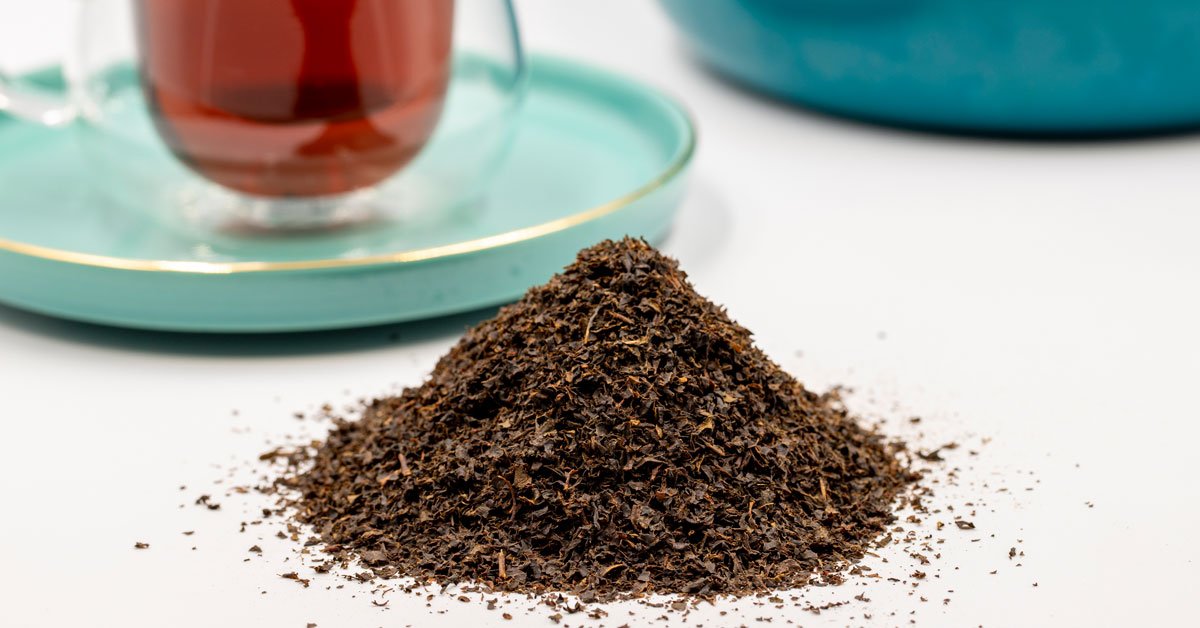
Indians use chai as their main beverage because it provides both economic benefits and emotional value to their daily life. The beverage maintains its popularity because people can find it at street vendors and home kitchens throughout the country and because they feel a personal connection to it.
Popular chai varieties:
- Adrak Chai: Ginger-infused tea known for warmth, digestion, and immunity.
- Masala Chai: Strong, spiced tea with cardamom, ginger, cinnamon, and cloves.
- Kashmiri Kahwa: A light green tea with saffron and spices, popular in premium segments.
What’s changing in 2026:
Chai transforms into ready-to-drink products that contain low sugar content and provide functional benefits because brands can now combine traditional methods with modern convenience while keeping authentic flavour.
Ready to Innovate Your Beverage Brand?
Looking to create a one-of-a-kind beverage that stands out? Whether it’s carbonated drinks, energy boosters, or functional teas, we specialise in crafting custom **beverage formulations** that capture market attention. Get in touch with our experts now!
2. Carbonated Soft Drinks: India’s Favourite Refreshment
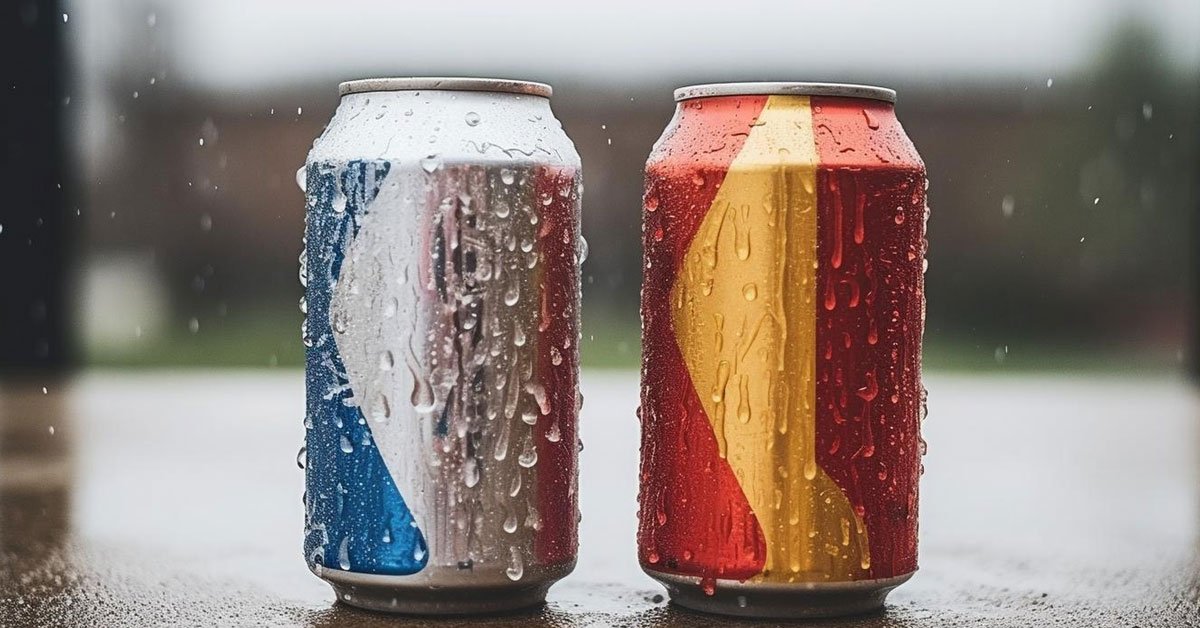
Soft drinks, which people in India call cold drinks, have become a preferred beverage choice for people who drink them with their meals, at social events and during their daily relaxation times. The carbonated soft drinks in India maintain their strong presence because they provide immediate refreshment, their familiar tastes and their wide distribution throughout the country.
Leading CSD brands in India:
- Coca-Cola India: The company produces three drinks, Coca-Cola, Sprite and Maaz, while it develops new low-sugar products, which include Sprite Zero.
- PepsiCo India: The company offers four drinks, Pepsi, Mountain Dew, Mirinda and 7UP, which appeal to a wide audience
- Parle Agro: The company provides two drinks, Appy Fizz and Frooti, which serve as fruity carbonated drink options.
2026 trend:
The beverage industry is developing new products that contain no sugar and few calories while maintaining their traditional taste.
Foodsure assists companies in creating innovative carbonated soft drink recipes that meet the preferences of modern consumers.
3. Energy Drinks: The Alertness Boost Category
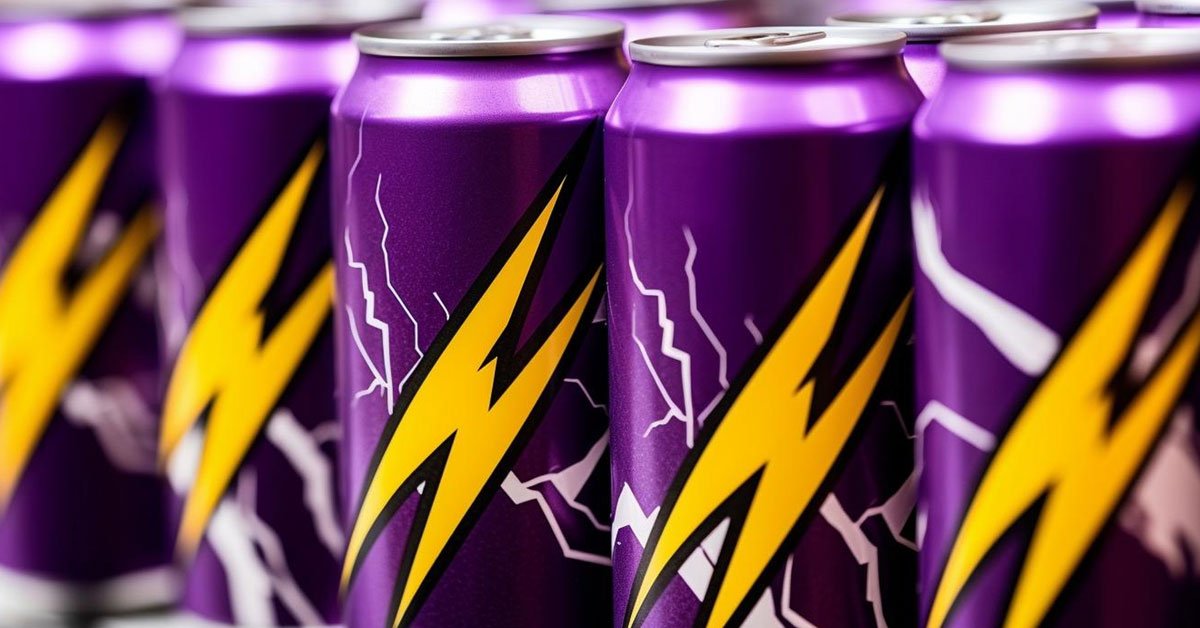
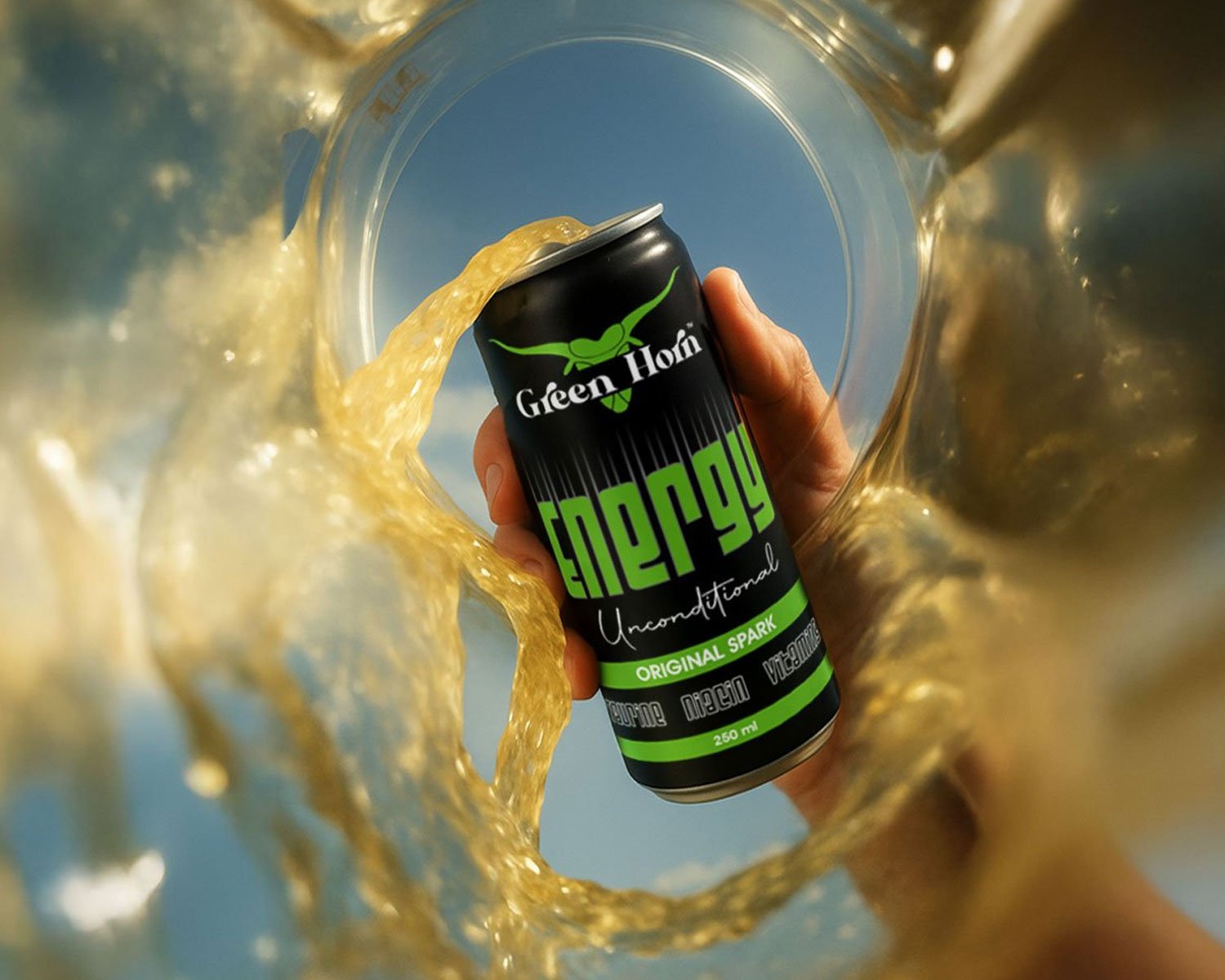
Students, athletes and working professionals choose energy drinks because these beverages deliver instant energy and improved mental focus. The beverages that contain caffeine and taurine, and other functional ingredients, have become top-selling products because they meet the needs of people who live fast-paced lives and require performance solutions.
The leading energy drink brands in India include:
- Red Bull: The brand leads its market category because of its strong performance and instant brand recognition.
- Monster Energy: The company offers various flavours through its Ultra, Java and Juice product lines.
- Hell Energy: The brand distinguishes itself in the can-format market by using eye-catching designs and offering different taste choices.
What’s changing in 2026:
People now know about the risks from consuming too much caffeine, which leads them to seek low-caffeine products that contain no sugar and provide energy without causing side effects.
4. Fruit Juices: Everyday Nutrition in a Glass
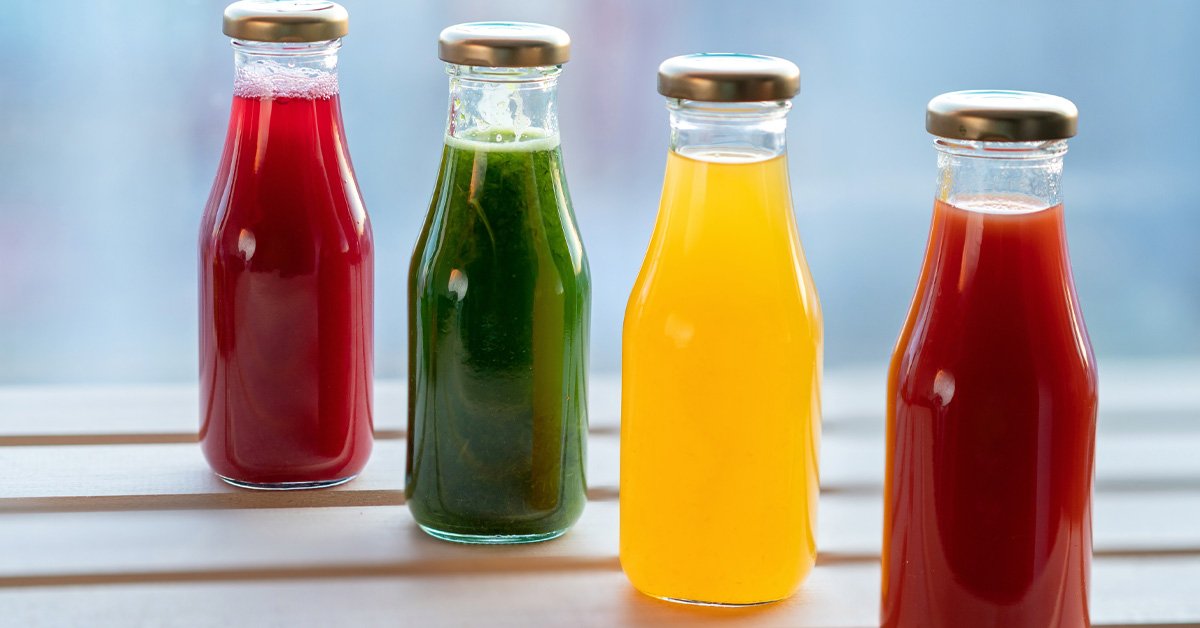
People have enjoyed juices as a basic drink throughout history because they provide a tasty drink that contains natural ingredients and people think is good for their health. The different juice options from fresh home juice preparation to packaged products continue to draw customers who belong to every age demographic.
Leading fruit juice brands in India:
- Tropicana: The company offers an extensive product range that promotes health benefits through its natural fruit blend beverages.
- Real: The company provides budget-friendly products, which include no-sugar-added drinks and packs designed for children that deliver nutritional value.
- Paper Boat: The company distinguishes its products by offering authentic Indian flavors which create strong customer loyalty through nostalgic memories.
What’s changing in 2026:
The rise of health-conscious consumers who track their sugar intake has created market demand for juices that contain low sugar and produce functional benefits and feature clean-label ingredients.
Indian consumers still prefer to drink sugarcane juice, mosambi juice, lime juice, orange juice and cranberry juice.
5. Bottled Water: India’s Largest Beverage Segment
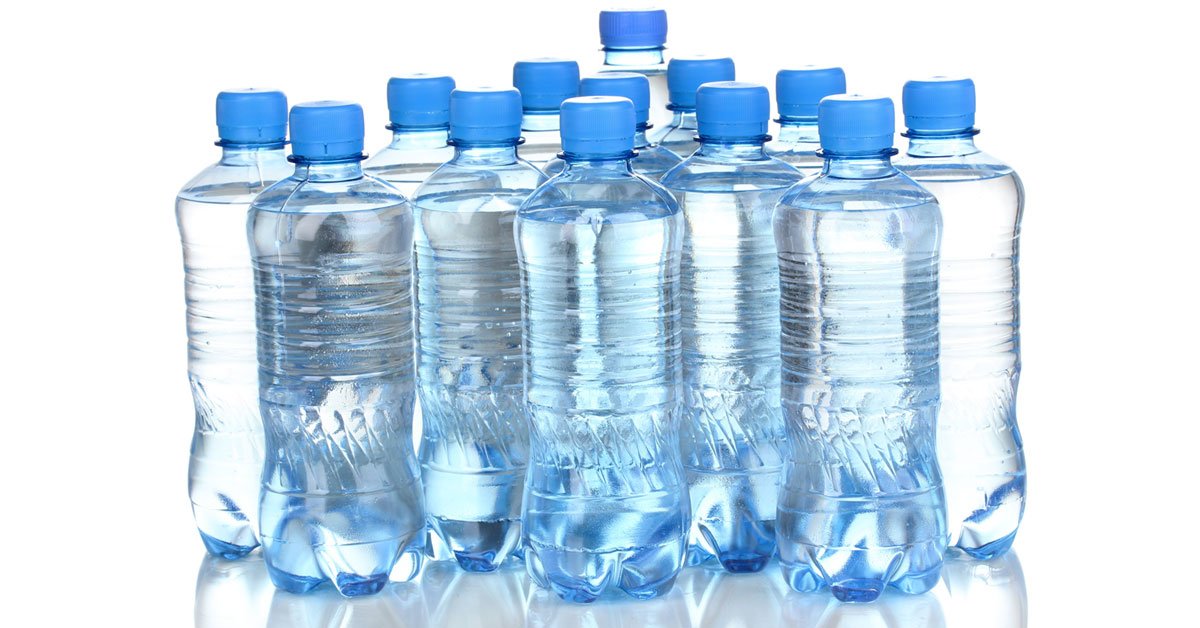
The bottled water segment stands as one of the major components in the Indian beverage market, which has grown because people have become more health-conscious and started drinking water through their urban-based drinking habits and because of the efficient distribution systems that exist in India. The product became a top-selling drink because people used it daily and found it trustworthy, especially in cities and small towns.
Major bottled water companies in India include:
- Bisleri: The company holds the top market position because it operates throughout India, while customers believe in its product quality.
- Kinley, Aquafina & Bailey: These brands dominate urban and regional markets through scale, accessibility, and brand trust.
What’s changing in 2026:
Consumers now show a preference for drinking water that contains both alkaline and mineral content while also drinking flavoured water. The current innovation process aims to enhance product freshness while extending shelf life and developing functional benefits, which will keep product purity intact.
You May Also Like: India's Top 10 Best Selling Food Products
Case Study 1: HAKI Probiotic Drink — Functional Wellness Goes Mainstream
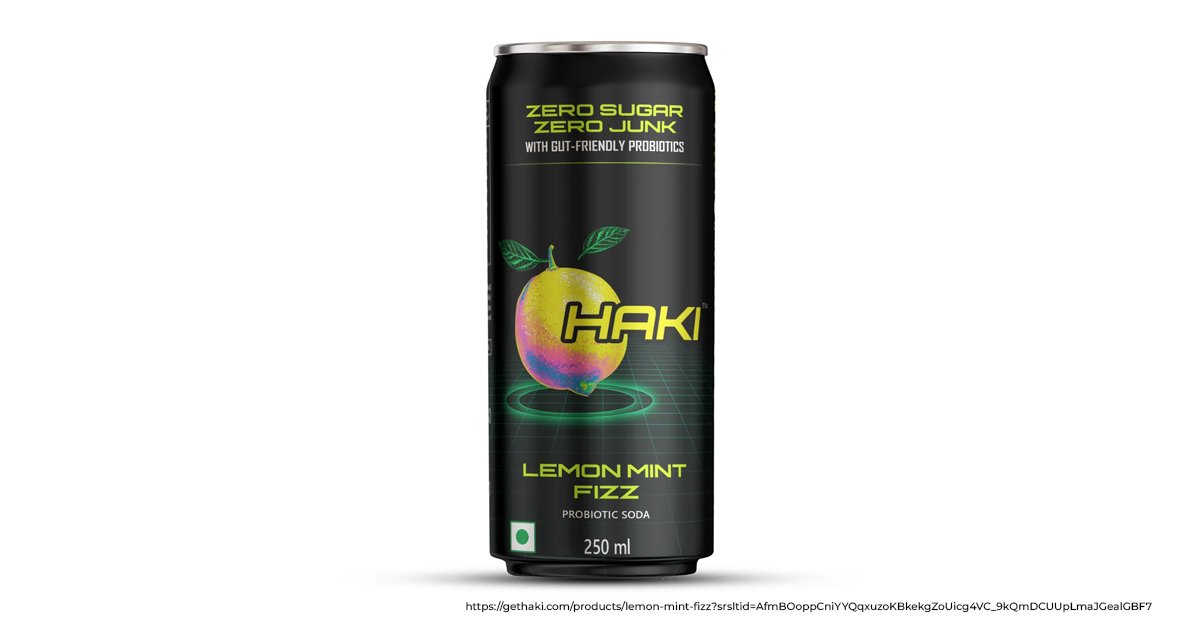
Brand focus: Gut health & daily wellness
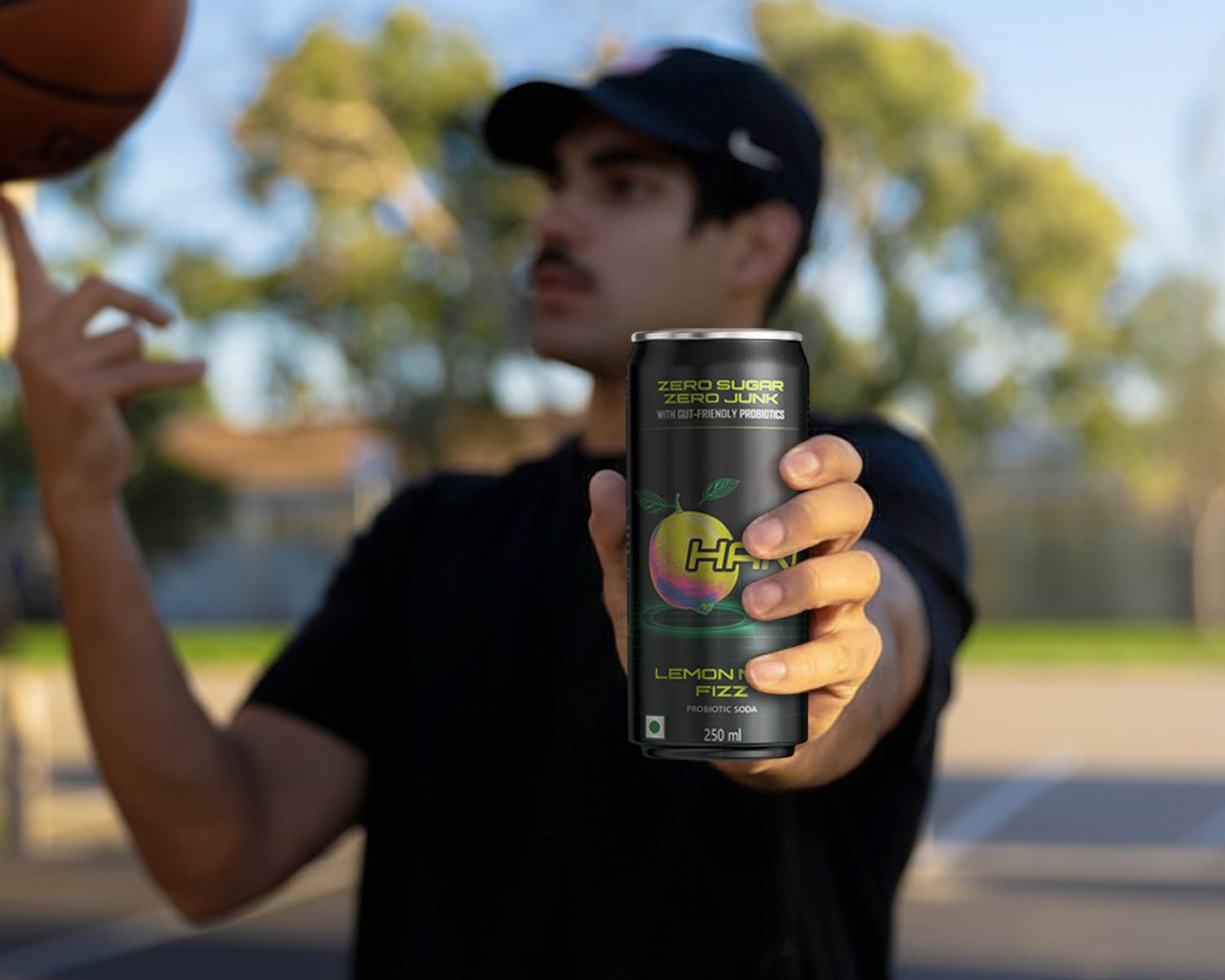
HAKI entered the Indian beverage space by tapping into the rising demand for functional, low-sugar alternatives to traditional cold drinks. The brand established its identity through three health benefits, which included digestive health, immunity protection and daily wellness to make probiotics available for regular use.
Why it works:
- The product provides a specific functional advantage that improves gut health.
- The product promotes health benefits through its low-sugar and health-focused product design.
- The product attracts health-conscious urban customers who prefer non-alcoholic beverages instead of fizzy soft drinks.
What this shows for 2026:
Probiotic and functional beverages are growing faster than traditional cold drinks because people want to prevent health issues, and they prefer beverages with clean label product information.
Case Study 2: FLUKE Clean Energy Drink — Rethinking Energy Without Excess
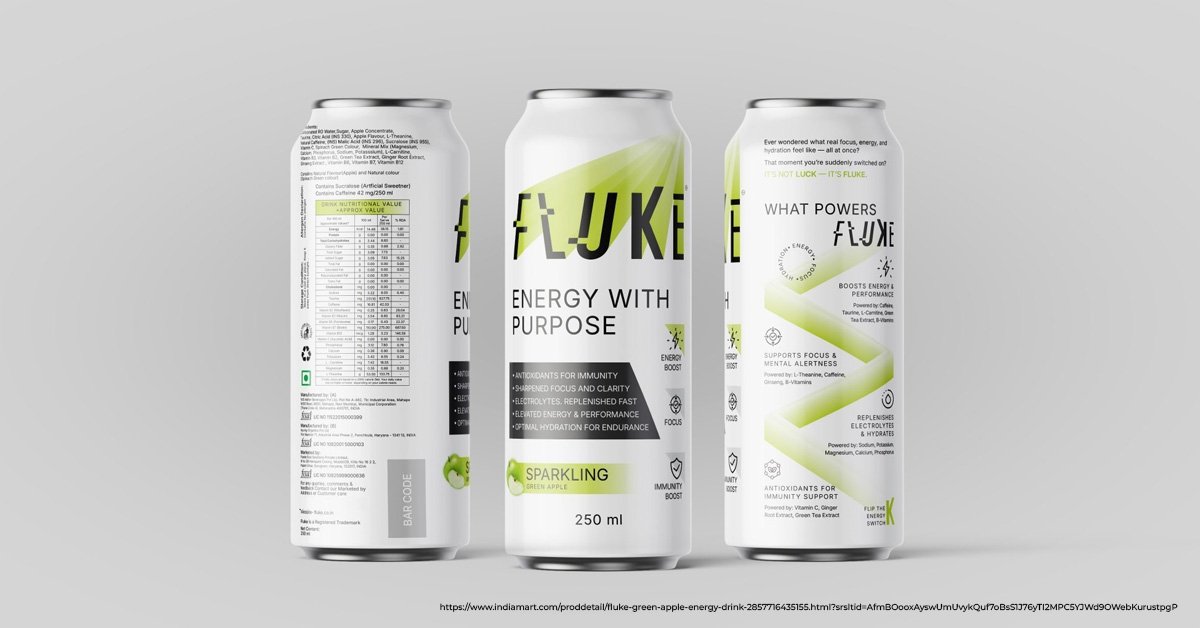
Brand focus: Clean energy & mindful performance
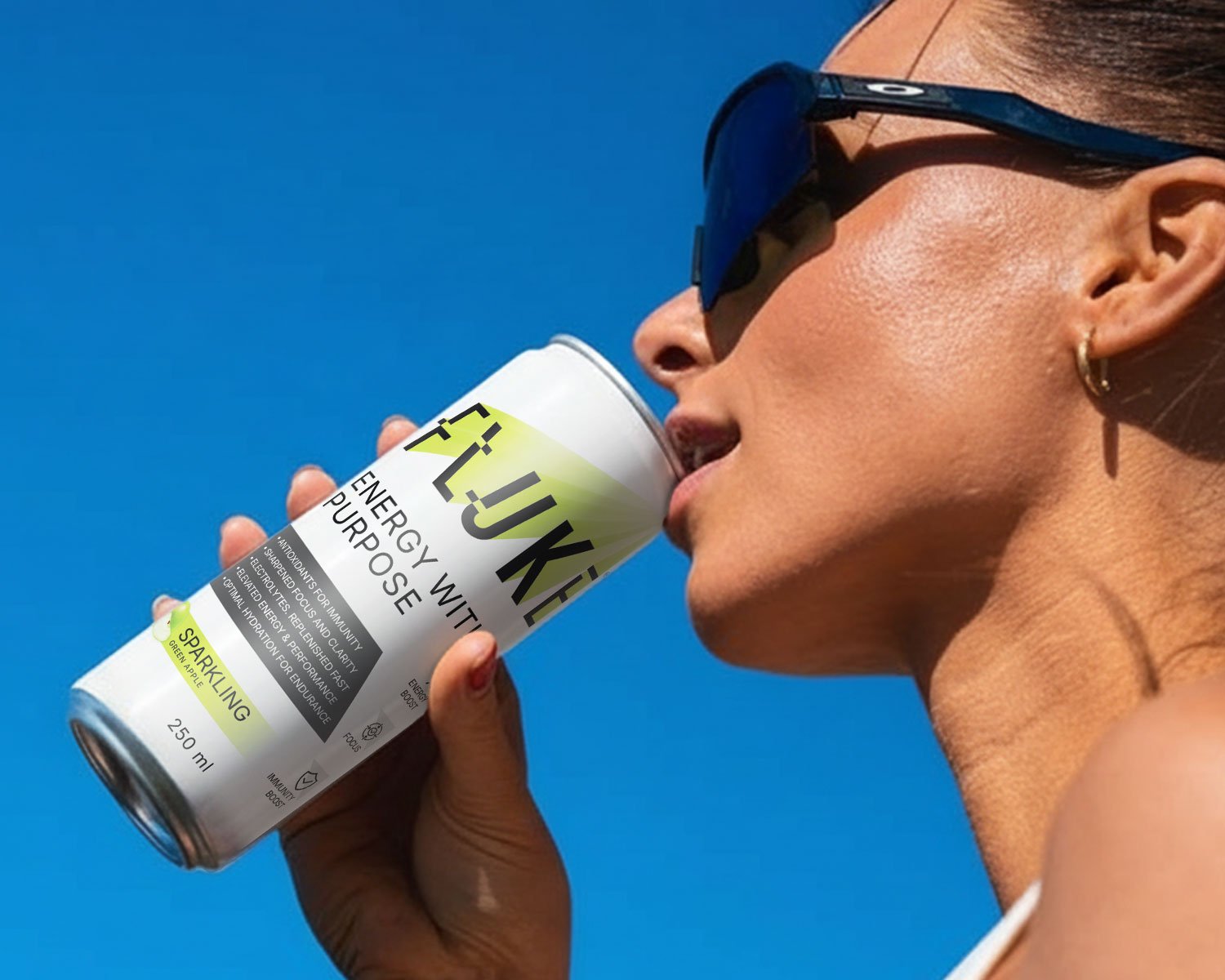
FLULE introduced a clean-label energy drink that contains reduced caffeine and plant-based functional ingredients and no excessive sugar to challenge the standard energy drink market. The brand targets professionals and fitness-focused consumers who want sustained energy without crashes.
Why it works:
- Differentiation from high-caffeine energy drinks
- Clean ingredient story aligned with modern lifestyles
- Strong appeal among Gen Z and millennial consumers
What this shows for 2026:
Energy drinks now proceed toward low-caffeine and sugar-free functional energy formats, which demonstrate that performance and health can exist together.
What’s Growing Faster Than Traditional Cold Drinks in 2026 (functional & low-sugar beverages)
In 2026, functional and low-sugar beverages are outpacing traditional sodas.
The main trends of the market include the following points:
- Functional Beverages: Drinks with added health benefits like immunity, gut health, or mental focus.
- Prebiotic & Probiotic Sodas: Sparkling drinks that support gut health, with less sugar.
- Low-/Zero-Sugar Drinks: Refreshing options without the high sugar content.
- Functional Energy & Sports Drinks: Natural energy boosters with vitamins and adaptogens.
- Enhanced Hydration: Fortified waters with electrolytes, minerals, and botanicals.
The current situation demonstrates that consumers today choose drinks that provide health advantages beyond basic thirst satisfaction.
What’s the difference between ‘beverage’ and ‘drink’?
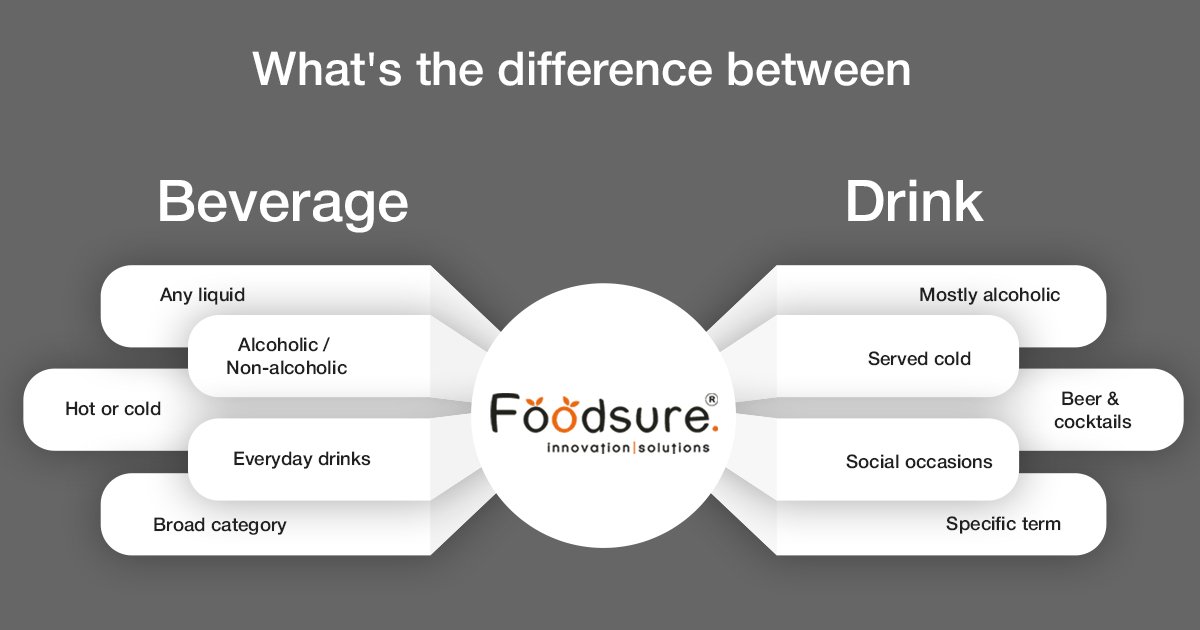
The words “beverage” and “drink” seem similar, but they are not always used in the same way. Their meaning can change depending on whether we are speaking casually or talking about the beverage industry.
1. Basic Meaning
A drink is any liquid that people can consume. It covers water, tea, coffee, milk, juice, and even homemade liquids. It is a simple word that people use in daily life without thinking much about it.
2. Commercial Use
A beverage is a more formal word. It is mostly used in business and retail. The term usually describes products that are prepared, packed, and sold in the market, such as soft drinks, energy drinks, bottled water, dairy-based drinks, and ready-to-drink juices.
3. Industry Context
In the food and beverage sector, companies prefer the word “beverage” when discussing product types, production, branding, and market growth. For example, when people talk about the best selling beverage in India, they are referring to popular packaged products like carbonated drinks, branded juices, or bottled water.
4. Brand Image
The word “drink” feels casual and everyday. “Beverage” sounds more business-focused and product-oriented.
To sum up, every beverage is a drink, but in the market and industry, the word beverage is used for products that are made and sold commercially.
Conclusion
The best-selling beverages in India show a strong combination of traditional values and consumer trust, and modern changes. The beverage category achieves success because it maintains familiar elements while adapting to the new lifestyle patterns of customers. The beverage industry will experience a major transformation in 2026 as it moves toward products that contain less sugar, provide functional benefits, display their ingredients and serve specific purposes. The upcoming leaders of India’s beverage sector will emerge from brands that comprehend the reasonsbehind beverage success and create new products based on their findings.
After reading this, are you ready to see your brand featured among India’s best-selling beverages? Creating a standout product starts with a winning beverage recipe formulation—but success doesn’t happen by chance. It requires the right blend of market insight, functional innovation, taste precision, and scalable formulation expertise.
FROM INSIGHT TO EXECUTION
Want Your Beverage Brand to Join India’s Best-Sellers?
Successful beverages are built on strong formulation, market insight, and scalable production. Foodsure helps brands transform ideas into market-ready beverage formulations aligned with 2026 consumer trends.
Frequently Asked Questions
Q1. What is a beverage?
A beverage is any liquid that people drink for hydration, taste, energy, or nutrition. It includes water, juice, milk, tea, coffee, soft drinks, and energy drinks. Beverages can be hot or cold, carbonated or non-carbonated, and alcoholic or non-alcoholic. In simple terms, if it is a drinkable liquid, it is a beverage.
Q2. What is cold drink?
A cold drink is a chilled, ready-to-drink beverage, usually sweet and flavored. Most cold drinks are carbonated and contain sugar, flavoring, water, and sometimes caffeine. Common examples include soda and fizzy soft drinks. Some cold drinks are non-carbonated, like iced tea or fruit beverages.
Q3. What is soft drink?
A soft drink is a non-alcoholic beverage that usually contains carbonated water, sweeteners, and flavoring. It may also include caffeine, preservatives, and food color. Soft drinks are commonly known as soda or fizzy drinks and are widely consumed worldwide.
Q4. What is the difference between cold drink and soft drink?
Cold drink is a general term for any chilled beverage, while soft drink specifically refers to non-alcoholic carbonated drinks. All soft drinks can be cold drinks when served chilled, but not all cold drinks are soft drinks.
Q5. Are soft drinks bad for health?
Soft drinks can be harmful if consumed frequently because they contain high amounts of sugar and calories. Regular intake may increase the risk of obesity, diabetes, and tooth decay. Drinking them occasionally in moderation is generally safer than daily consumption.
Q6. What is energy drink?
An energy drink is a beverage designed to boost energy and alertness. It usually contains caffeine, sugar, vitamins, and stimulants like taurine. Energy drinks are popular among students and athletes but should be consumed in limited quantities.
Q7. What is the difference between energy drink and sports drink?
Energy drinks contain caffeine and stimulants to increase alertness, while sports drinks focus on hydration and electrolyte replacement. Sports drinks are usually used during physical activity, whereas energy drinks are consumed for mental and physical stimulation.
Q8. What is carbonated drink?
A carbonated drink is a beverage that contains dissolved carbon dioxide gas, which creates bubbles and fizz. The carbonation gives the drink a tangy taste and sparkling effect. Soda and sparkling water are common examples.
Q9. What is the healthiest beverage?
Water is considered the healthiest beverage because it hydrates the body without calories, sugar, or additives. Other healthy options include fresh fruit juice (in moderation), coconut water, and unsweetened herbal tea.
Q10. What is the difference between soda and soft drink?
Soda and soft drink are often used interchangeably, but there is a small difference. Soda usually refers to carbonated water that may or may not contain flavor and sugar, such as club soda or sparkling water. A soft drink is a sweetened, flavored, non-alcoholic carbonated beverage like cola or orange soda. In simple terms, all soft drinks are soda-based, but not all sodas are sweet soft drinks.