The Indian beverage industry is rapidly growing at an unprecedented pace. Consumers in today’s world not only want their beverages to quench their thirst but also look forward to functionality, wellness, convenience, flavor innovation, and premium experience from these products. Such developments have created great scope for brands which plan on entering product categories such as energy drinks, hydration beverages, functional sodas, protein beverages, collagen beverages, botanical beverages, and nootropic beverages. However, it has also become increasingly difficult to launch a new beverage brand due to the complexity involved. In today’s era, it becomes imperative for a Beverage Consultant firm to deal with formulation, sourcing of ingredients, shelf-life of the product, packaging, regulations, scaling up production, and marketing.
What is Beverage Contract Manufacturing?
Key services and infrastructure
| Category | What the manufacturer provides | Why it matters |
|---|---|---|
| Formulation & R&D | Recipe formulation, taste test trials, incorporating functional ingredients | Ensures product stability, taste, and regulatory alignment |
| Testing & Validation | Stability studies, microbial inactivation test, shelf-life evaluation | Confirms shelf life and safety before launch |
| Pilot & Scale-up | Small scale pilot production, process validation, large scale production | De-risks scale transition and validates costs |
| Filling & Packaging | Aseptic/hot/cold filling, can closing, bottle forming, packaging sourcing | Matches format to shelf life, branding, and cost |
| Quality & Compliance | FSSAI guidance, HACCP/ISO implementation, lab quality control | Ensures regulatory approvals and consistent quality |
| Logistics & Warehousing | Cold storage, stock keeping, order dispatch, distribution planning | Simplifies fulfillment and reduces lead times |
Reasons to opt for contract manufacturing
Who stands to gain the most
Mainly the benefit extends to Direct-to-Consumer beverage brands, startups producing functional and nutraceutical products, sports nutrition brand companies, big firms in the FMCG sector who are planning to expand their portfolio to drinks, and operators in the hospitality and private-label sectors.
Choosing a suitable partner
One should ensure the firm has experience in the category, check for appropriate certifications (FSSAI, HACCP/ISO/BRC), evaluate the packaging choices, determine their MOQ and lead times, review clauses on IP protection (NDA and ownership), confirm fair pricing, and finally consider the geographical location of the partner vis–vis the markets and suppliers.
Why Beverage Contract Manufacturing is Growing in India
Rising Demand for Functional Beverages
Consumers today want beverages that offer health benefits in addition to taste.
This has increased demand for:
- Energy drinks
- Electrolyte beverages
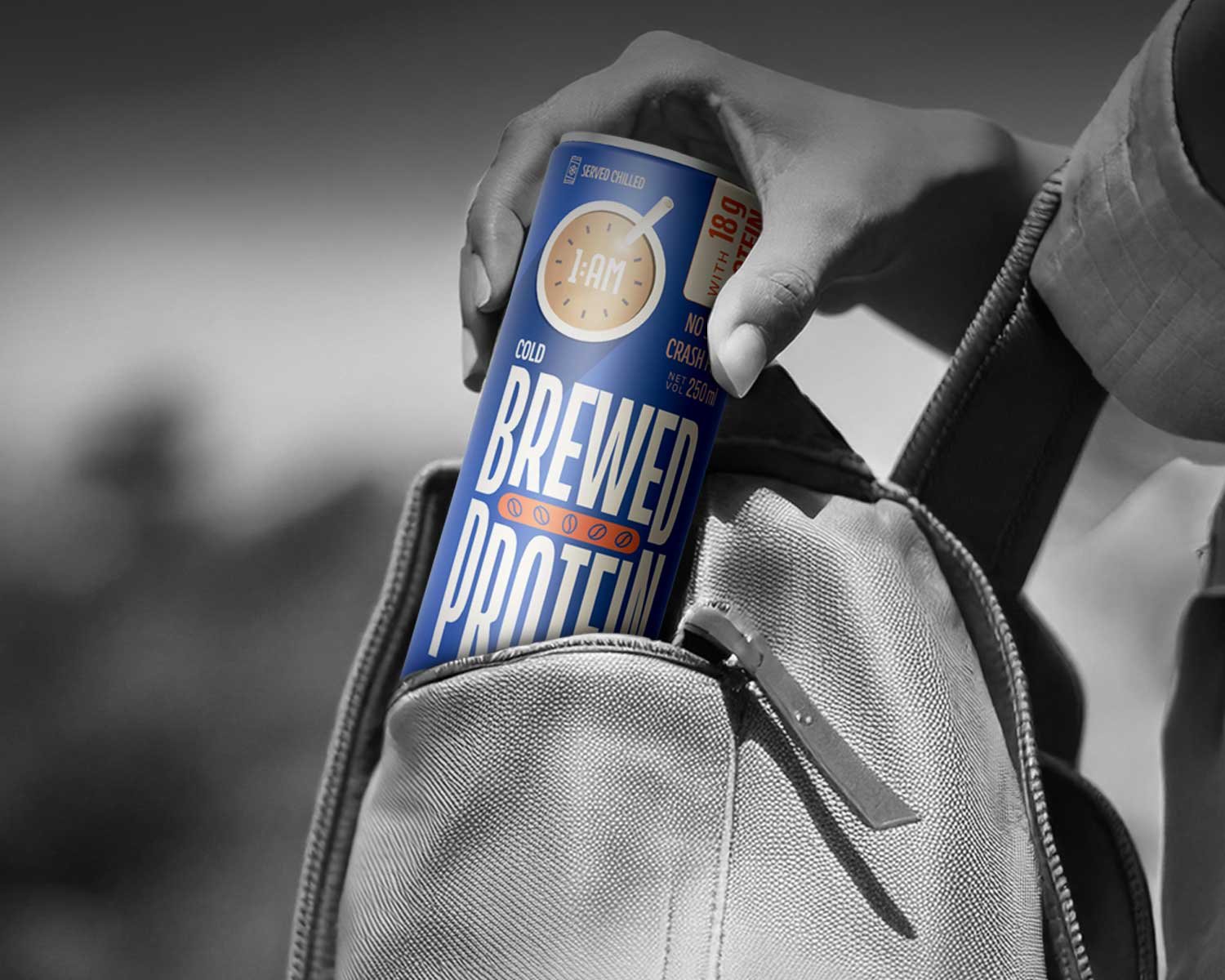
- Protein beverages
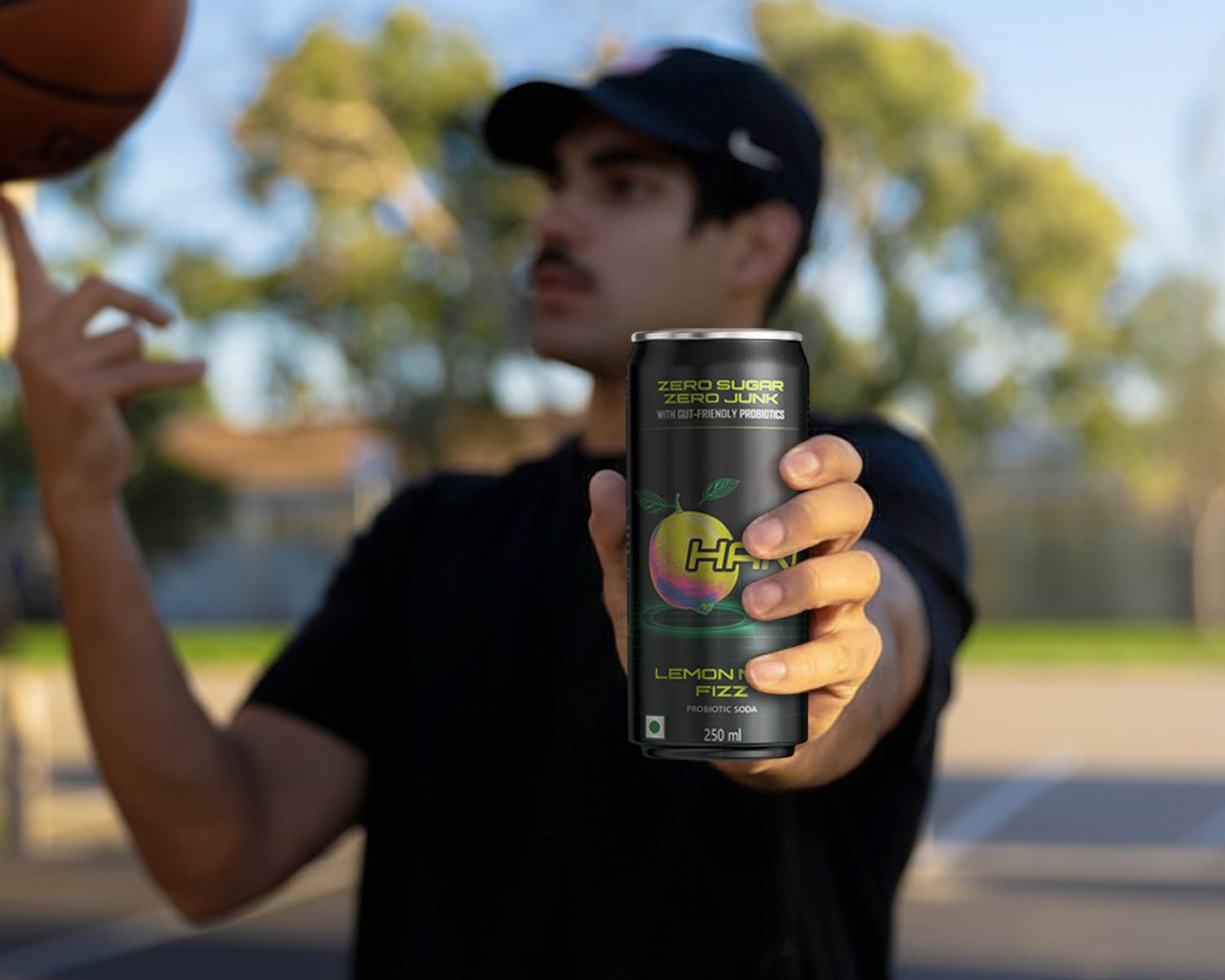
- Gut-health drinks
- Botanical beverages
- Collagen drinks
- Nootropic beverages
Unlike traditional soft drinks, these products require advanced beverage formulation expertise and specialized manufacturing systems. This is one of the main reasons why brands are partnering with functional beverage manufacturers.

Growth of D2C Beverage Brands
The rise of various factors like :
- E-commerce
- Quick commerce
- Health-focused marketplaces
- Gym retail channels
This allows brands to:
- Launch faster
- Reduce capital expenditure
- Test products quickly
- Scale gradually
Faster Product Commercialization
In today’s competitive market, speed matters. Building an in-house beverage manufacturing facility can take years because of:
- Machinery procurement
- Plant setup
- Regulatory approvals
- Hiring technical teams
Lower Financial Risk
Starting a beverage company entails a number of risks such as :
- unsuccessful product
- low sales
- difficulty in managing inventory
- largely setup costs
These all factors leas to financial risks because brands avoid investing heavily in infrastructure.
Types of Beverage Categories Foodsure Supports
Current beverage development is not just about carbonated soft drinks any more. Present-day consumers like:
- RTD Coffee
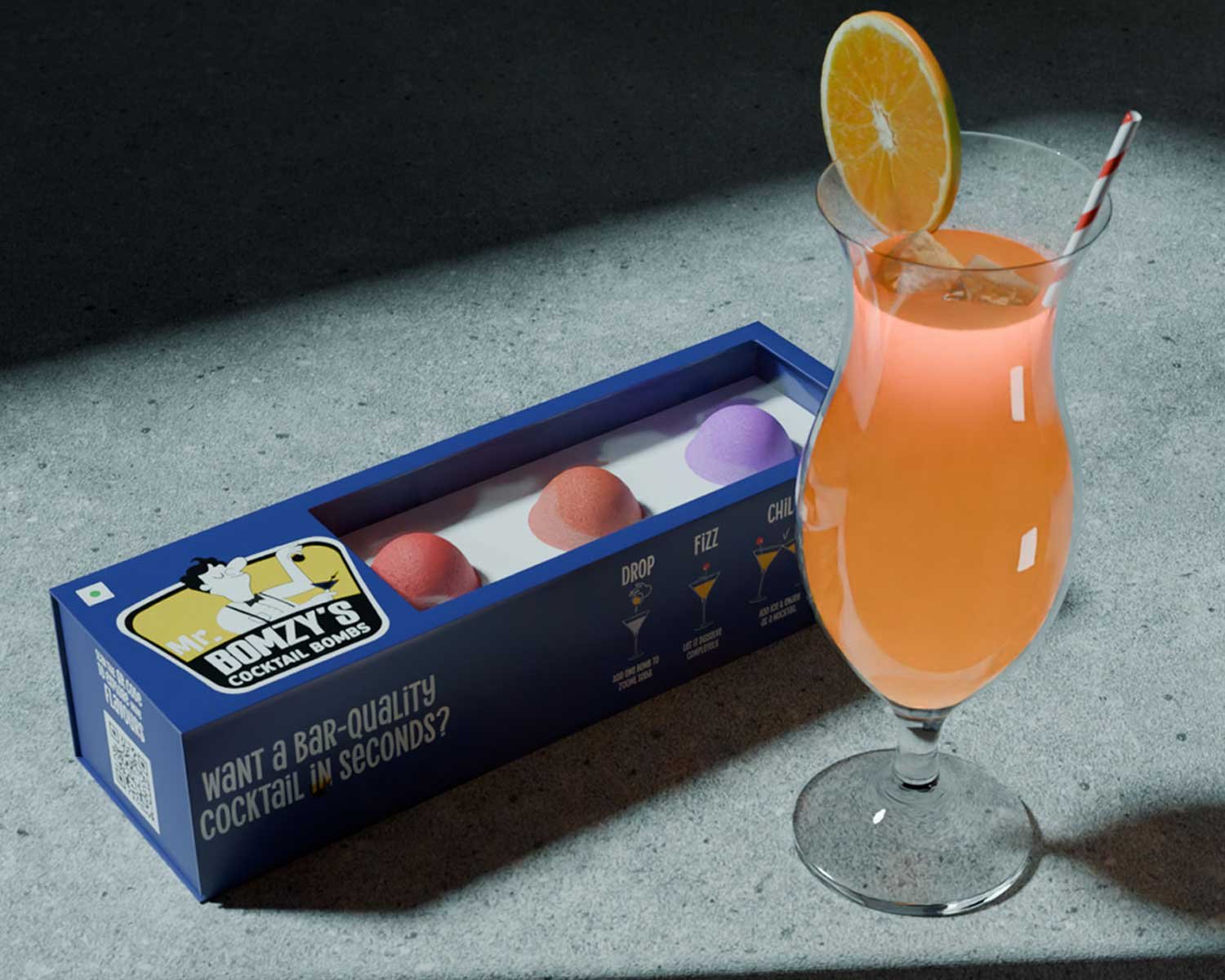
- Mocktails
- Non-Alcoholic Beverages
- Functional Shots
- Sparkling Waters

Foodsure is engaged in the development of a very diverse range of beverage categories, including commercial and functional segments. You can get support from a beverage third party manufacturing company that is reliable in case of any issues or a partner to scale your RTD beverage manufacturing operations. You may want to develop carbonated drinks with a soda manufacturing company or you may be looking for flexible beverage canning services and slim can manufacturing solutions. Working with an experienced beverage co-packer will help you to streamline production, packaging, and compliance.
| Category | Primary benefits | Common ingredients/components | Key formulation & manufacturing challenges | Consumer trends |
|---|---|---|---|---|
| Energy Drinks | Boost energy, alertness, performance, focus | Caffeine, taurine, B vitamins, adaptogens, electrolytes, amino acids | Managing stimulant levels, taste masking, stability, sugar/zero-sugar systems | Natural caffeine, zero-sugar options, cleaner labels, functional hydration are in-demand |
| Functional Sodas | Healthier alternative to carbonates, wellness positioning | Prebiotics, low-calorie systems, natural sweeteners, botanical extracts, functional actives | Low-sugar carbonation stability, flavor balance with botanicals, shelf life | Preference for reduced sugar, premium branding, wellness claims |
| Protein Drinks | Muscle support, recovery, weight management | Whey, plant proteins, casein, milk protein, collagen peptides | Protein solubility, mouthfeel, sedimentation, heat/pH stability, taste masking | Growth in RTD protein, demand for smooth texture and clean labels |
| Hydration Drinks | Electrolyte balance, rehydration, recovery | Sodium, potassium, magnesium, chloride, coconut water concentrate | Flavor optimization (electrolyte bitterness), isotonic/osmolar balance, microbiological stability | Mainstream use for daily wellness travel summer hydration |
| Sports Drinks | Recovery, endurance, hydration, performance | Electrolytes, carbohydrates, amino acids, functional minerals | Balancing osmolality, carbohydrate type/level, flavor and stability during exertion | Athlete market, performance-orientated consumers; highlighting performance claims is crucial. |
| Electrolyte Waters | Low-calorie premium hydration, cleaner labels | Low electrolyte blends, mineral salts, flavored water bases | Maintaining subtle electrolyte taste, microbial control, packaging to preserve freshness | consumer interest in healthy living, control on calorie intake and desire for clear labelling. |
| Nootropic Drinks | Cognitive enhancement, focus, clarity | L-theanine, natural caffeine, mushroom extracts, adaptogens, herbs | Taste masking (bitter botanicals), dosing consistency, regulatory claims | More people are getting attracted towards brain health, as well as the use of natural products. |
| Beauty Beverages/Drink | Skin health, hair wellness, anti-aging | Collagen peptides, biotin, hyaluronic acid, antioxidants | Collagen stability (clarity, viscosity), ingredient interactions, shelf life | More people looking for their beauty from the inside, clinical angle, clean formulation are some of the reasons fuelling this trend. |
Beverage Product Development Process: Idea to Commercialization
One of the biggest misconceptions in the beverage industry is that developing a beverage is simple. In reality, successful beverage commercialization involves multiple technical and commercial stages.
| Step | Process Stage | Key Focus |
|---|---|---|
| Step 1 | Market Research & Concept Validation | Competitor analysis, consumer trends, pricing, and product positioning. |
| Step 2 | Ingredient Selection | Ingredient compatibility, stability, compliance, and shelf life. |
| Step 3 | Beverage R&D | Flavor balancing, sweetness, carbonation, and formulation trials. |
| Step 4 | Sensory Evaluation | Taste, aroma, texture, aftertaste, and consumer acceptance. |
| Step 5 | Stability Testing | pH, micro testing, carbonation retention, and shelf-life validation. |
| Step 6 | Pilot Batch Manufacturing | Small-scale production to validate manufacturing feasibility. |
| Step 7 | Commercial Production | Large-scale manufacturing with QA and process consistency. |
| Step 8 | Packaging & Dispatch | Filling, labeling, packaging, warehousing, and product dispatch. |
Energy Drink Contract Manufacturing in India
Formats & packaging considerations
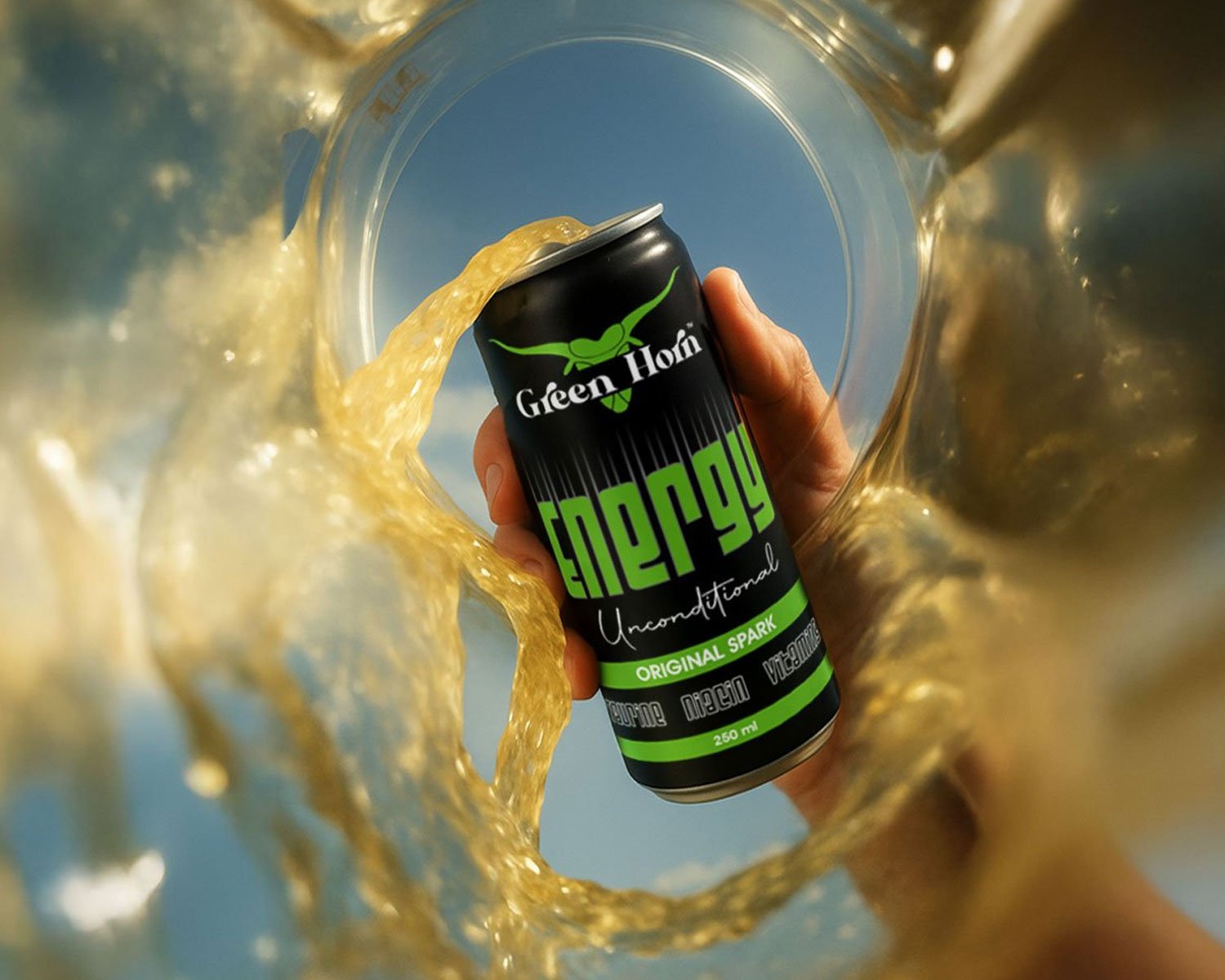
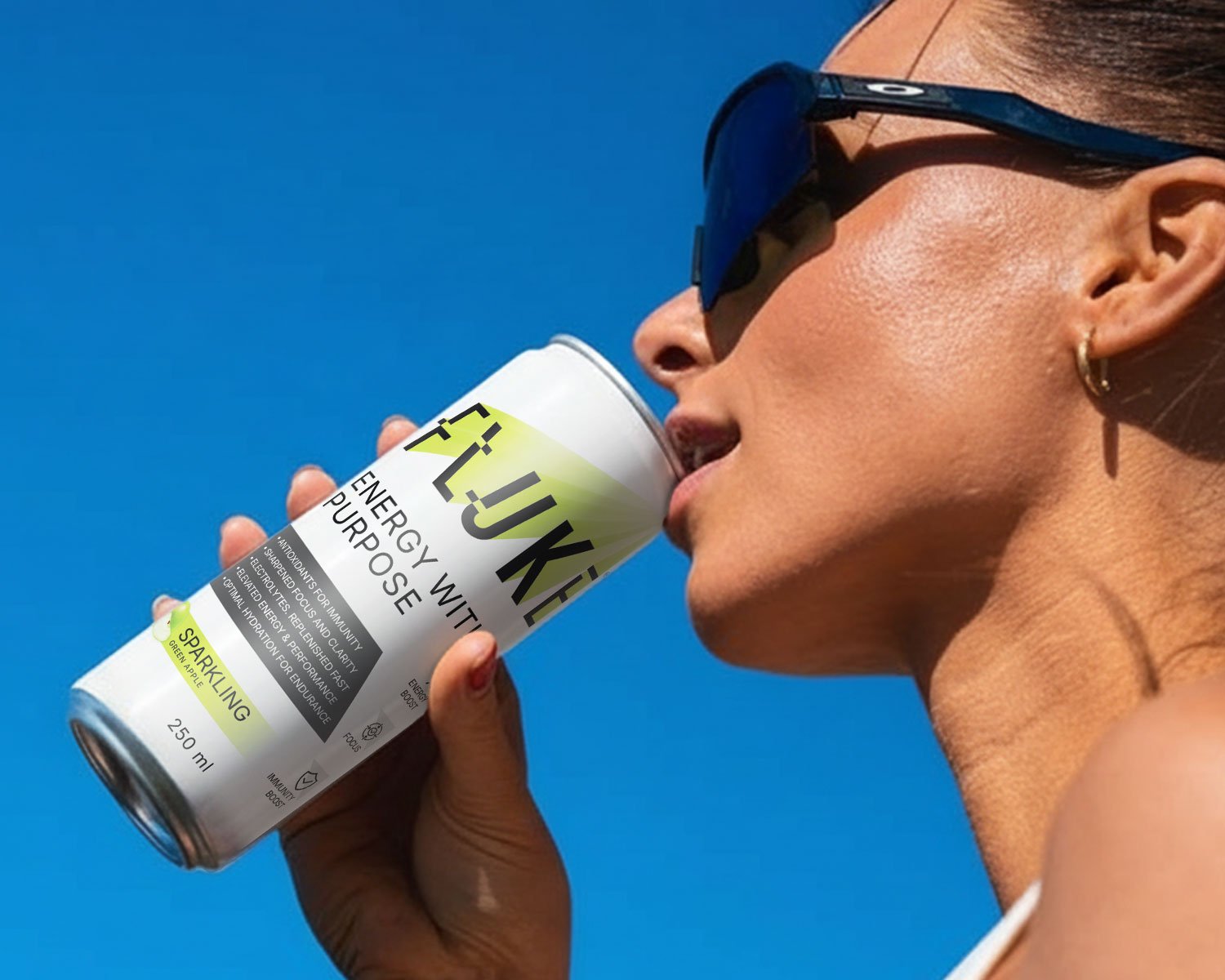
- 250 ml slim cans: a popular format for premium energy drinks. Their major advantages include the product’s appearance as a premium offering, excellent carbonation retention, very limited space for branding, and the perception of being modern. The manufacture of slim-can SKUs takes can-seaming lines and carbonation/pressure control systems; sealing and headspace control are essential factors to prevent CO₂ from escaping or the cans from deforming.
- PET bottles : typically tied to larger-volume packs and mass-market positioning. PET brings a lower packaging cost, lighter logistics, and the possibility of flexible pack sizes (300-1000 ml). Since they are usually filled with a lower carbonation level or non-carbonated systems, alcoholic beverages made in PET require a filling line that is PET-compatible, bottle-blowing capability (or purchase of preforms), and shelf-life considerations for oxygen-scavenging.
Ingredient & formulation trends
- Natural caffeine solutions: Green coffee bean extract guarana tea extracts, and yerba mate are making a comeback as consumers are looking for “natural” stimulants and cleaner labels. These extracts differ in caffeine level and also introduce flavour/tannin components that require taste balancing during product development.
- Zero-sugar recipes: It is no wonder that low-calorie energy drinks are among the segments posting the fastest growth. To be successful, zero-sugar products have to be based on a precise sweetener combination (sucralose, stevia glycosides erythritol allulose, or mixtures) to give a sugar-like sweetness with very little aftertaste. Flavour-masking, acidity-modifying and mouthfeel-improving agents (polydextrose, glycerol) are usually necessary.
- Functional enhancements: Firms are adding adaptogens (ashwagandha, ginseng) to the list, with nootropic aids (L-theanine), amino acids and functional mushrooms, as ways of helping people maintain their focus over time, de-stress and recover. Every additional ingredient is related to certain effects on stability solubility sensory profile and the kind of claims that can be legally made in India.
Technical challenges & manufacturing needs
- Stimulant dosing and safety: It is critically important to provide the right dose and establish the clear safety limits for caffeine and other active substances, together with batch-level traceability and laboratory testing. The total amount of combined stimulants should meet the standards set by the authorities and be marketed responsibly.
- Taste and stability: Natural extracts and functional active ingredients often bring bitterness, astringency or even cause the product to be hazy. Flavor systems encapsulation bitterness blockers and homogenization techniques are used to help create a nice taste and visual clarity.
- Carbonation control: Highly dissolved CO2, proper managing of the headspace and pressure rated packaging are very important for carbonated energy drinks. Fillers should be equipped to accurately control both temperature and pressure of the filling points to maintain a consistent level of carbonation.
- Preservatives and microbiological safety: In dependence on pH and water activity, preservative systems or thermal processing may be required for shelf life preservation. Stability studies (accelerated and real-time) corroborate the product’s integrity under different storage conditions.
- Regulatory and labeling: Adhering to FSSAI regulations about caffeine permissible levels, health claims allowed and ingredient approvals is a must. Usually, contract manufacturers help with formulation dossiers, label checking and claim substantiation.
Why use a contract manufacturer for energy drinks
- Specialized filling lines access (can and PET), carbonation know-how and QC labs without investing in CAPEX.
- Speedier scale-up from small pilot runs to commercial production with verified processes and ability to trace.
- Recipe help for clean-label, zero-sugar and functional types, also including sensory improvement and stability testing.
- Packaging material procurement and designing assistance to harmonize brand image with packaging format decision.
- Legal advice to ensure that claims, ingredients, and labels conform to the Indian laws.
Functional Beverage Manufacturing Trends in India
The future of India’s beverage industry is heavily focused on functionality and wellness. Several beverage trends are growing aggressively.
Gut Health Drinks
Consumers increasingly understand the importance of gut health. This has increased demand for:
- Prebiotic beverages
- Fiber-enriched drinks
- Digestive wellness beverages
Gut-health beverage formulation is becoming a major innovation category.
Collagen Beverages
Beauty-from-within beverages are growing rapidly. Consumers are actively looking for beverages supporting:
- Skin wellness
- Hair support
- Anti-aging positioning
Collagen drinks are especially popular among premium urban consumers.
Mushroom Beverages
Functional mushroom beverages are becoming highly popular globally. Ingredients like:
- Lion’s mane
- Reishi
- Cordyceps
They are increasingly being used in:
- Focus beverages
- Wellness drinks
- Cognitive beverages
Botanical Beverages
Botanical beverage systems use:
- Herbs
- Plant extracts
- Adaptogens
- Natural flavors
Consumers increasingly prefer botanical drinks because they align with clean-label and wellness trends.
Beverage Stability & Shelf-Life Testing
Shelf-life testing is a key thing in beverage commercialization. If products are not tested properly, they may lose in the market, although the formulation may have initially been successful. Stability testing of beverages is a great way for the manufacturers to check:
- Whether the product is safe
- If the flavor stays the same
- How the packaging works
- If it’s microbiologically stable
Some of the main testing factors are:
- pH
- Level of carbonation
- How the product lasts
- Effectiveness of the preservative
- Temperature stability
Beverage QA systems are a vital part of a production line to ensure that the product quality is stable and consistent between commercial batches
FSSAI & Beverage Regulatory Compliance
Regulatory compliance is critical in India’s beverage industry. Different beverages may fall under:
- Proprietary food regulations
- Nutraceutical regulations
- Functional beverage guidelines
Compliance areas include:
- Ingredient approvals
- Label claims
- Preservative limits
- Nutritional declarations
Claims such as:
- Sugar-free
- High protein
- Immunity boosting
- Energy enhancing
Must comply with FSSAI guidelines. Working with an experienced FSSAI beverage consultant helps reduce launch delays and regulatory risks.
Beverage Manufacturing Cost in India
Beverage manufacturing cost depends on multiple technical and commercial factors.
Raw Material Cost (RM)
Ingredients significantly impact beverage COGS.
Functional ingredients such as:
- Adaptogens
- Proteins
- Botanicals
- Imported extracts
can increase product cost substantially.
Packaging Material Cost (PM)
Packaging is often one of the largest cost contributors.
This includes:
- Slim cans
- PET bottles
- Closures
- Labels
- Cartons
Premium packaging formats generally increase product cost.
Conversion Cost
Conversion cost includes:
- Processing
- Filling
- Utilities
- Labor
- Quality testing
Manufacturing complexity directly impacts conversion cost.
Freight & Logistics
Beverages are heavy products, making transportation expensive.
Freight planning becomes especially important for:
- Pan-India distribution
- Cold-chain products
- Glass bottle systems
Final Thoughts
FAQs
What is beverage contract manufacturing?
How much does beverage manufacturing cost in India?
The production cost of beverages in India varies based on the type of ingredients used, packaging options, size of the batch, level of processing, and complexity of the product.
What is MOQ for beverage production?
The minimum order quantity (MOQ) required for the production of beverages depends largely on the packaging format selected, the type of ingredients to be used, machinery requirements, and overall manufacturing capabilities of the facility.
How long does beverage product development take?
The development time of a beverage product is usually between four to twelve weeks where different stages of product development such as trials, testing, and obtaining compliance approvals are accomplished.
Can Foodsure help in beverage formulation?
Foodsure offers a wide array of services to assist brands in formulation of beverages, flavor creation, enhancement of product stability, and providing scalable manufacturing solutions.
Does Foodsure support pilot beverage batches?
Foodsure is able to offer support in producing pilot beverage batches which be a means of testing various factors like product quality stability compatibility with packaging, and gauging consumer response.
What packaging formats are available?
Some of the packaging formats for beverages are PET bottles cans glass bottles pouches sachets, and Tetra Pak solutions.
Can Foodsure support energy drink manufacturing?
Foodsure offers support for energy drink manufacturing which covers areas like formulation, ingredient balancing processing packaging, and ensuring compliance with regulations.
What is the shelf life of functional beverages?
The shelf life of functional beverages can vary according to factors like the types of ingredients used, presence of preservatives packaging as well as the processing methods employed during production.
Can Foodsure help with FSSAI beverage compliance?
Foodsure is able to provide support for FSSAI beverage compliance which includes assistance with labeling documentation ingredient approvals, and regulatory consultation services.