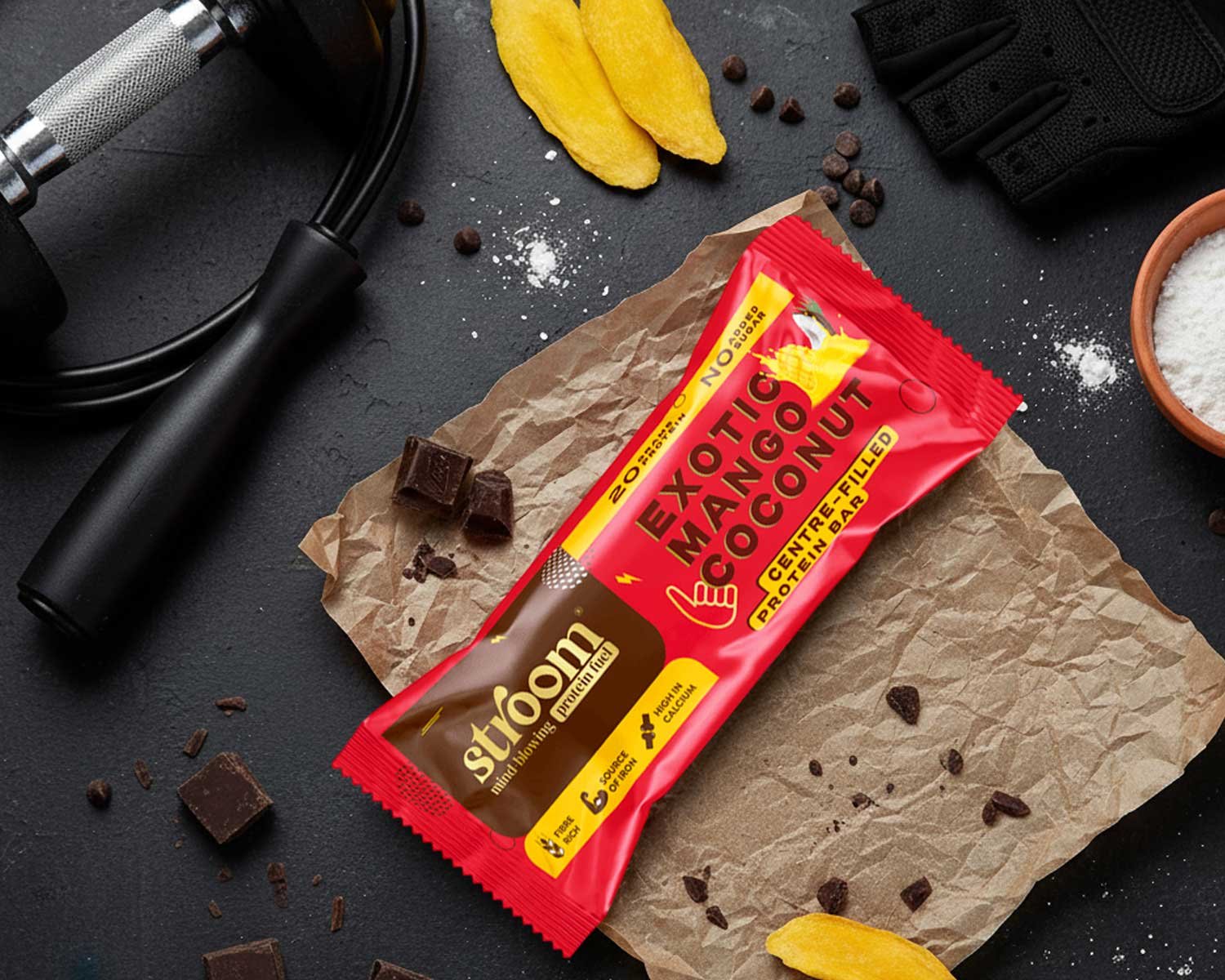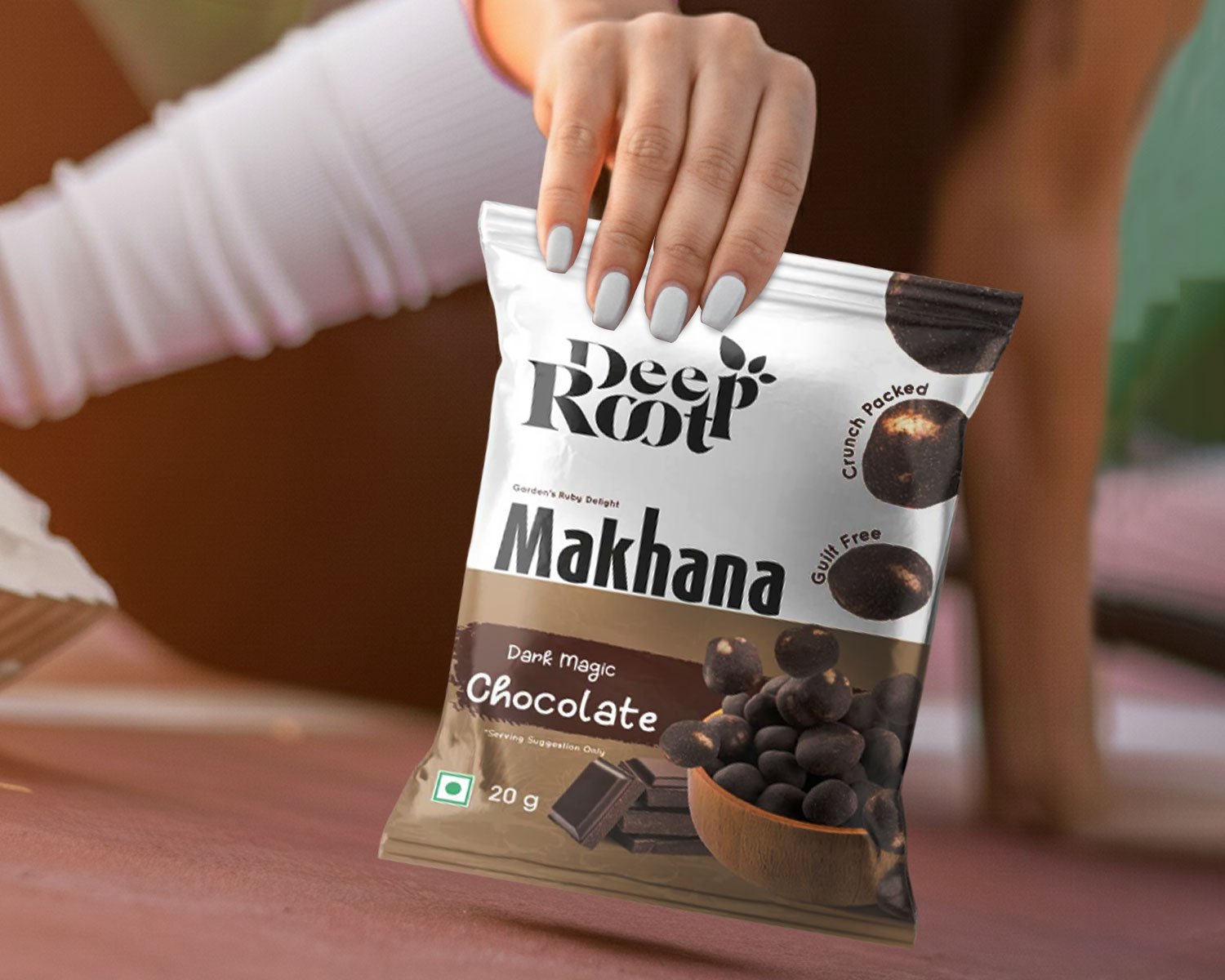
There is an increasing need for nutritious indulgences. The functional chocolates segment is one of the fastest-growing segments as a result of the need for high-quality chocolate with the inclusion of some functional ingredients. There are various functional chocolates, ranging from proteins, vitamins, minerals, plant extracts, or any other ingredients that can bring benefits to people. There is a lot more involved when making a functional chocolate bar than putting some ingredients in the chocolate. There is scientific selection of ingredients, balance of nutrition, optimized sensory attributes, stabilization of the ingredients and the product, shelf-life test, and many others. A professional formulation of chocolate ensures that the product has good flavor, functionality, and commercial feasibility.
Foodsure helps food brands transform innovative chocolate concepts into market-ready products through scientific product development, laboratory validation, manufacturing support, and commercial scale-up.
What is Functional Chocolate Recipe Formulation?
Formulation of functional chocolate bars is the scientific process involved in formulating chocolate products made from high-quality cocoa and functional ingredients with good flavour, structure, stability and acceptability.
Unlike conventional chocolate manufacturing processes, functional chocolate formulation takes into account the aspects of nutrition, ingredient interaction, processability and quality.
In this process, the objective is to formulate the following:
- Balanced nutritional profile
- Ingredient compatibility
- Excellent chocolate flavour
- Smooth texture
- Functional ingredient stability
- Consumer acceptance
- Shelf stability
- Regulatory compliance
- Commercial scalability
The aim of professional recipe development for chocolate is to develop novel chocolates that meet both the consumer demands and the production needs.
Growing Demand for Functional Chocolate Products in India
Indian consumers are increasingly choosing foods that combine indulgence with wellness. Functional foods have become popular among fitness-conscious consumers, working professionals, and premium food buyers looking for healthier alternatives.
Market Growth Drivers
| Consumer Trend | Market Impact |
| Health-conscious snacking | High |
| Premium chocolate demand | High |
| Functional nutrition | Growing |
| Protein-enriched foods | High |
| Clean-label products | Growing |
| Convenient wellness foods | High |
Nowadays, consumers look for chocolates that can provide nutrition along with flavor.
Understanding Consumer Psychology
Today’s buyers take several aspects into consideration before buying functional chocolates.
Usually, they prefer chocolates that are:
- Made with premium cocoa
- Nutritionally balanced
- Rich in natural ingredients
- Easy to consume
- Pleasant in taste
- Free from unnecessary additives
- Supported by scientific development
- Suitable for everyday consumption
Those manufacturers who know these requirements will be able to create highly marketable products.
Understanding the Product Development Process
A good functional chocolate formulation requires going through a defined product development process.
Foodsure Development Process
Market Research
↓
Consumer Understanding
↓
Product Concept Development
↓
Ingredient Selection
↓
Chocolate Recipe Development
↓
Laboratory Trials
↓
Nutritional Testing
↓
Sensory Evaluation
↓
Shelf Life Testing
↓
Commercial Scale-Up
Every step ensures that the final product of chocolate satisfies the nutritional and other goals.
Choosing the Right Product Positioning
The brand needs to determine its target market and positioning before starting the formulation process.
These can be classified into:
- Premium functional chocolate bars
- High-protein chocolates
- Botanical chocolates
- Fibre-enriched chocolates
- Energy chocolates
- Functional wellness chocolates
- Sugar-conscious chocolates
- Everyday nutrition chocolates
Proper positioning will help determine ingredients, packaging, pricing, and formulation strategies.
Types of Functional Chocolate Products

Functional chocolate bar innovations may exist in various product categories, allowing brands to develop products for different consumer needs.
Chocolate Bars
Examples include:
- Protein chocolate bars
- Fibre-enriched bars
- Wellness chocolate bars
- Botanical chocolate bars
- Nutrient-fortified bars
Filled Chocolates
Examples include:
- Nut-filled chocolates
- Seed-filled chocolates
- Functional cream centres
- Fruit-based fillings
Chocolate Snacks
Examples include:
- Chocolate bites
- Chocolate clusters
- Coated nuts
- Functional chocolate pieces
Beverage Chocolate Products
Examples include:
- Drinking chocolate
- Functional cocoa mixes
- Chocolate nutrition beverages
Types of Chocolate
Depending on the objectives of formulation, different kinds of chocolates can be chosen.
Some of them are:
- Dark chocolate
- Milk chocolate
- White chocolate
- Ruby chocolate
- Couverture chocolate
- Compound chocolate
Selecting the proper chocolate type affects the flavor, performance and nutritional value.
Top Chocolate Brands
The analysis of existing companies allows brands to know about the changing tastes and expectations of customers.
Here are some popular chocolate brands:
- Amul
- Cadbury
- Lindt
- Ferrero Rocher
- Hershey’s
- Nestlé
- Toblerone
- Ghirardelli
Product differentiation is supported by market research over imitation.
Chocolate Flavor Development
Chocolate flavor development is one of the key areas of formulation.
Food scientists formulate the following:
- Cocoa intensity
- Sweetness balance
- Aroma
- Creaminess
- Mouthfeel
- Ingredient compatibility
- Aftertaste
The use of functional ingredients without affecting the true taste of chocolate involves formulation.
Recipe Formulation Process
Professional recipe formulation of chocolate involves balancing functionality with sensory appeal.
This process involves:
- Defining nutritional objectives
- Selecting suitable cocoa ingredients
- Choosing compatible functional ingredients
- Optimizing sweetness
- Improving texture
- Laboratory trials
- Nutritional analysis
- Consumer sensory testing
Scientific development produces commercially successful products instead of depending on trial-and-error recipes.
Selecting Ingredients for Functional Chocolate Formulation
Selection of ingredients affects nutrition, taste, processability, and stability.
Ingredients can be:
- Cocoa liquor
- Cocoa butter
- Milk solids
- Plant proteins
- Dietary fibre
- Nuts
- Seeds
- Botanical extracts
- Vitamins
- Minerals
- Natural sweeteners
Ingredients are evaluated for:
- Nutritional value
- Safety
- Functional properties
- Compatibility
- Cost
- Processing stability
- Supply consistency
Ingredient visibility is especially crucial for high-end food products
Clean Label Functional Chocolate Development
Consumers are leaning towards foods and beverages that have ingredients that can be easily recognized.
Clean label formulation concentrates on the following:
- Simple ingredient declarations
- Natural ingredients
- Minimal additives
- No artificial colours
- No artificial flavours
- Transparent nutritional information
- Consumer trust
Clean label innovation ensures sustainable brand credibility.
Chocolate Covered Strawberries
Chocolates covered in strawberries inspire innovation for premium chocolates through the blending of high-quality chocolate with natural flavors of fruits.
Main features include:
- A combination of chocolate richness with fresh fruit notes
- Inspiration for premium functional chocolate bar flavours
- Use of fruit inclusions and natural flavour systems
- Development of unique chocolate experiences for consumers
- Opportunity to create innovative fruit-based chocolate products
Nutritional Optimization
Nutritional balance is still an important component of product development.
Formulations can include:
- Protein quality
- Fibre content
- Healthy fats
- Micronutrients
- Energy balance
- Ingredient functionality
Scientific nutrition optimization helps to make a product more valuable and increase consumer confidence in it.
Texture & Sensory Development
Texture is an important quality characteristic in the manufacture of chocolate.
Some problems that could occur might be:
- Fat bloom
- Graininess
- Poor snap
- Ingredient separation
- Inconsistent melting behaviour
Food scientists optimize:
- Texture
- Appearance
- Aroma
- Mouthfeel
- Consumer acceptance
Sensory testing will help improve the product before commercial production begins.
Shelf Life Testing
Stability testing is required for chocolate products in commercialization.
Shelf life testing includes the following:
- Fat bloom
- Moisture migration
- Oxidative stability
- Microbial safety
- Packaging performance
- Nutritional stability
- Texture changes
Storage recommendations and product quality can be assured through a proper testing process.
Food Safety & FSSAI Compliance
Safety of food is an important aspect in the production of chocolates.
The quality systems consist of the following:
- Raw material testing
- Hygiene monitoring
- Batch traceability
- Packaging verification
- Microbiological testing
- Nutritional validation
Commercial Scale-Up
Process optimization is essential in moving from laboratory production to manufacturing.
Some important points to consider are the following:
- Ingredient mixing
- Chocolate tempering
- Equipment selection
- Batch consistency
- Packaging systems
- Production validation
Scale up will assist in ensuring that all the functional chocolate bars produced commercially will be consistent in terms of quality and stability.
Future Trends in Functional Chocolate
The chocolate industry is still developing because of the new ingredients and changes in consumer tastes.
Some of the new trends in the industry are:
- Plant-based chocolate
- Protein-enriched chocolates
- Botanical chocolates
- Premium indulgence
- Functional nutrition
- Sustainable packaging
- Clean-label innovation
Consumers desire products that are fun to consume and nutritious through science.
Role of Foodsure as Chocolate Recipe R&D Company
Foodsure works as a specialized chocolate recipe R&D company that assists different brands in creating unique chocolate products.
These include:
- Chocolate bar Recipe Formulation Services
- Functional chocolate product development
- Ingredient selection
- Nutritional optimization
- Laboratory trials
- Sensory evaluation
- Shelf Life Testing
- FSSAI Compliance
- Regulatory Consulting
- Manufacturing support
- Commercial scale-up
Whether developing premium chocolate bars or wellness-focused products, Foodsure provides scientific expertise throughout the product development journey.
In a Nutshell
There are immense possibilities of innovation in the developing market of functional foods with respect to designing unique chocolates. In the case of the development of functional chocolate bars, the right scientific formulation, formulation of the ingredients, nutrition, senses, quality assurance, and regulations need to be taken into consideration. In such a structured product development process, the brands would be able to design products that have the ability to strike a balance between indulgence, nutrition, and profits.
FAQs
How to create chocolate?
Chocolate is made by selecting quality cocoa ingredients, developing the recipe, optimizing taste and texture, testing the product, and scaling it for production.
What is the formula for functional chocolate?
Functional chocolate combines premium chocolate with carefully selected functional ingredients while maintaining taste, texture, and quality.
What is the cost of functional chocolate formulation?
The cost depends on ingredients, product complexity, testing, packaging, and production requirements.
What is the shelf life of chocolate?
Most chocolates have a shelf life of 6–12 months, depending on ingredients, packaging, and storage conditions.
How to make high quality chocolate?
Use premium cocoa, quality ingredients, proper tempering, and strict quality control to achieve the best results.