
Nutraceutical and functional food is no longer an industry that is considered niche. Instead, it is one of the fastest growing industries in the food industry. This is because of the paradigm shift that is occurring in the way that people view the food that they are consuming.
Today, It is no longer just about consuming food, but also about protecting themselves, curing themselves, and even optimizing themselves. This is where the innovation in functional food is becoming the new edge for brands to last longer.
This blog is about where the industry is going, the technology that is driving the industry, and what functional food innovation means to product developers, founders, and brands.
What Is Functional Food Innovation?

Innovation in functional foods can be described as the process of developing food and beverage products that have a particular health benefit. It is aside from the basic nutritional value of the food product, and this can be vitamins, minerals, probiotics, adaptogens, plant-based bioactives, etc.
It is not just the addition of an ingredient to a food product. Innovation in functional foods means the understanding of the interaction between bioavailability and conditions, and this is done simultaneously.
| Traditional Food Product | Functional Food Innovation |
| Delivers basic nutrition | Delivers targeted health benefit |
| Ingredient driven by taste | Ingredient driven by function |
| Shelf life is primary concern | Bioavailability is primary concern |
| Standard R&D timeline | Extended clinical and validation |
| Label is compliance-driven | Label is benefit-driven |
Key Trends Shaping the Future of Functional Food Innovation
1. Personalised Nutrition Trends
One of the biggest changes in the personal nutrition market is the concept of personalised nutrition. Consumers are no longer looking at generic claims , they want products that have been specifically formulated based on their individual biology, such as gut microbiome, metabolic types, genetic information, and even lifestyle.
Companies looking to launch in this space of personalized nutrition are moving to a subscription based model for real time health data.
This is a completely new concept for product formulation, including the concept of modular formulation platforms to allow for ingredient substitution without impacting stability and taste.
2. Smart Food Tech Integration
The entry of smart food technology is enabling the creation of a new category of products that can be connected to consumers and farmers through data. These range from AI based formulation systems that can predict flavor function compatibility, biosensor packaging that can identify spoilage or nutrient degradation, and precision fermentation that can manufacture rare bioactives.
For product developers, smart food technology means faster-to-market, reduced costs of trial and error, and meeting high demands for nutrition without compromising taste and texture.
3. Gut Health and Microbiome-Targeted Products
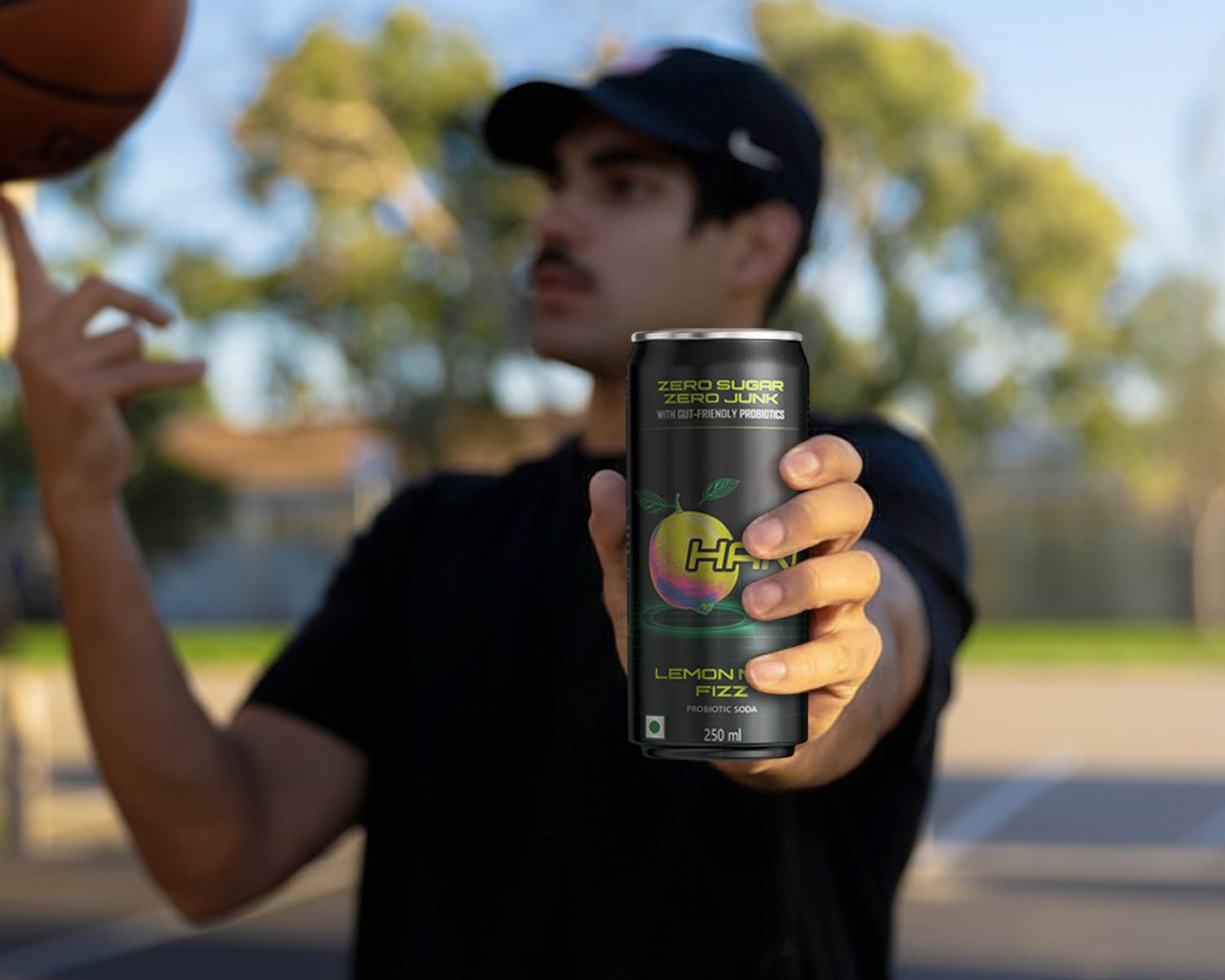
One of the fastest-growing segments in functional food development is gut health products. Products that offer prebiotics, postbiotics, and probiotics in one product format are being heralded as the next big thing in wellness products. The problem is maintaining live cultures throughout the process, packaging, and stability of the finished product, all of which require high-level formulation expertise.
4. Adaptogens and Botanical Actives
Ashwagandha, lion’s mane, tulsi, and other Ayurvedic herbals are moving away from supplements and into food and beverage products. The formulation challenge in this category is high, as it requires finding a product that tastes good, is accurate, and meets regulatory requirements for a product that consumers will like.
5. Future Wellness Products for Active and Aging Populations
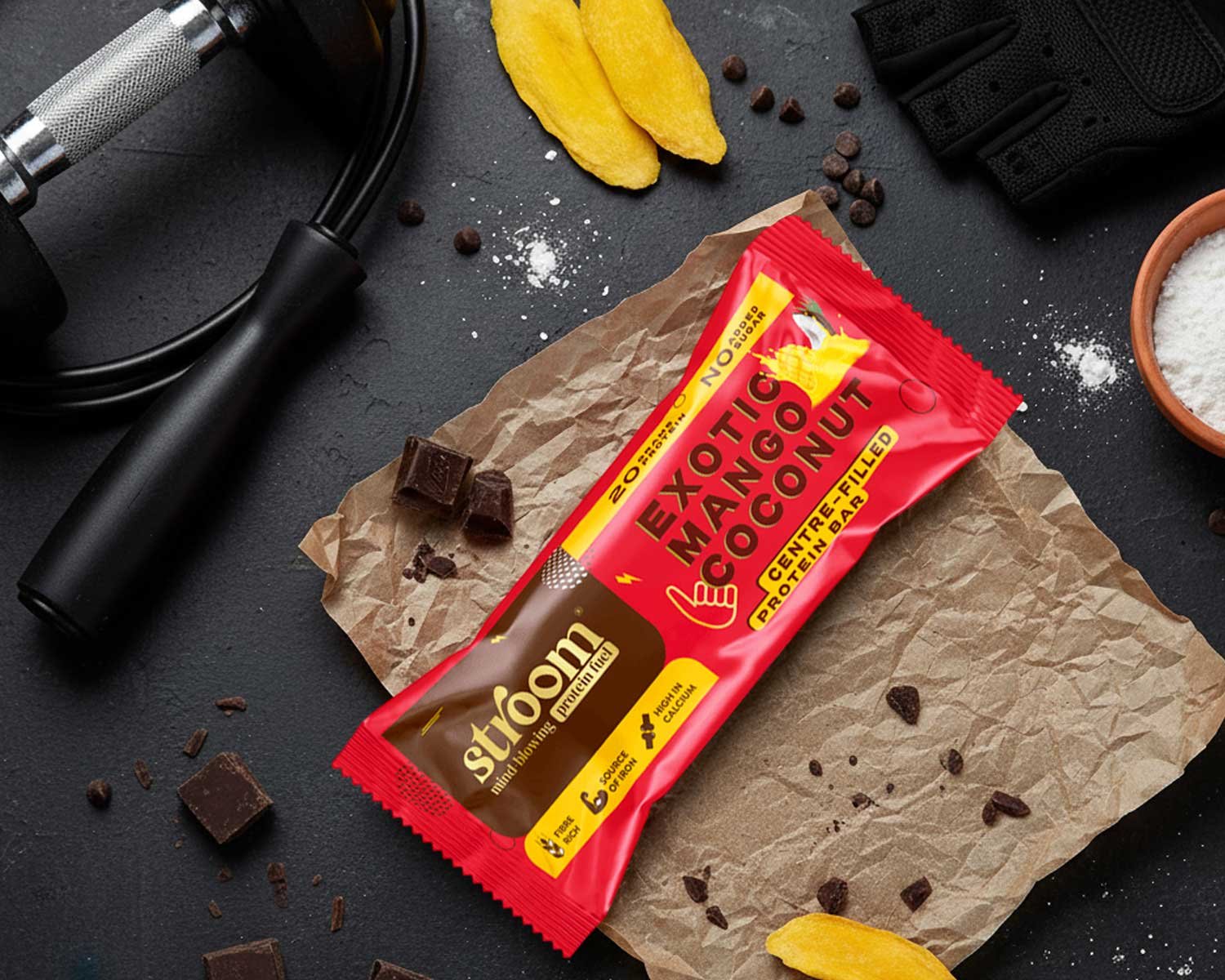
There are two demographic trends that are fueling significant potential for future wellness product demand. These are the increasing number of young consumers with a focus on fitness and the aging population with issues. Muscle recovery, cognitive function, bone health, and metabolic function are entering the market with food products such as bars, beverages, snack bars, and ready to eat meals at an increasingly fast rate.
Functional Food Categories With the Highest Innovation Potential
Innovations in the realm of functional foods are proliferating in various forms, each with its own set of challenges and consumer groups.
| Category | Key Innovation Opportunity | Primary Consumer Segment |
| Protein enriched snacks | Clean label, high digestibility | Fitness & sports |
| Probiotic beverages | Multistrain, heat stable delivery | Gut health seekers |
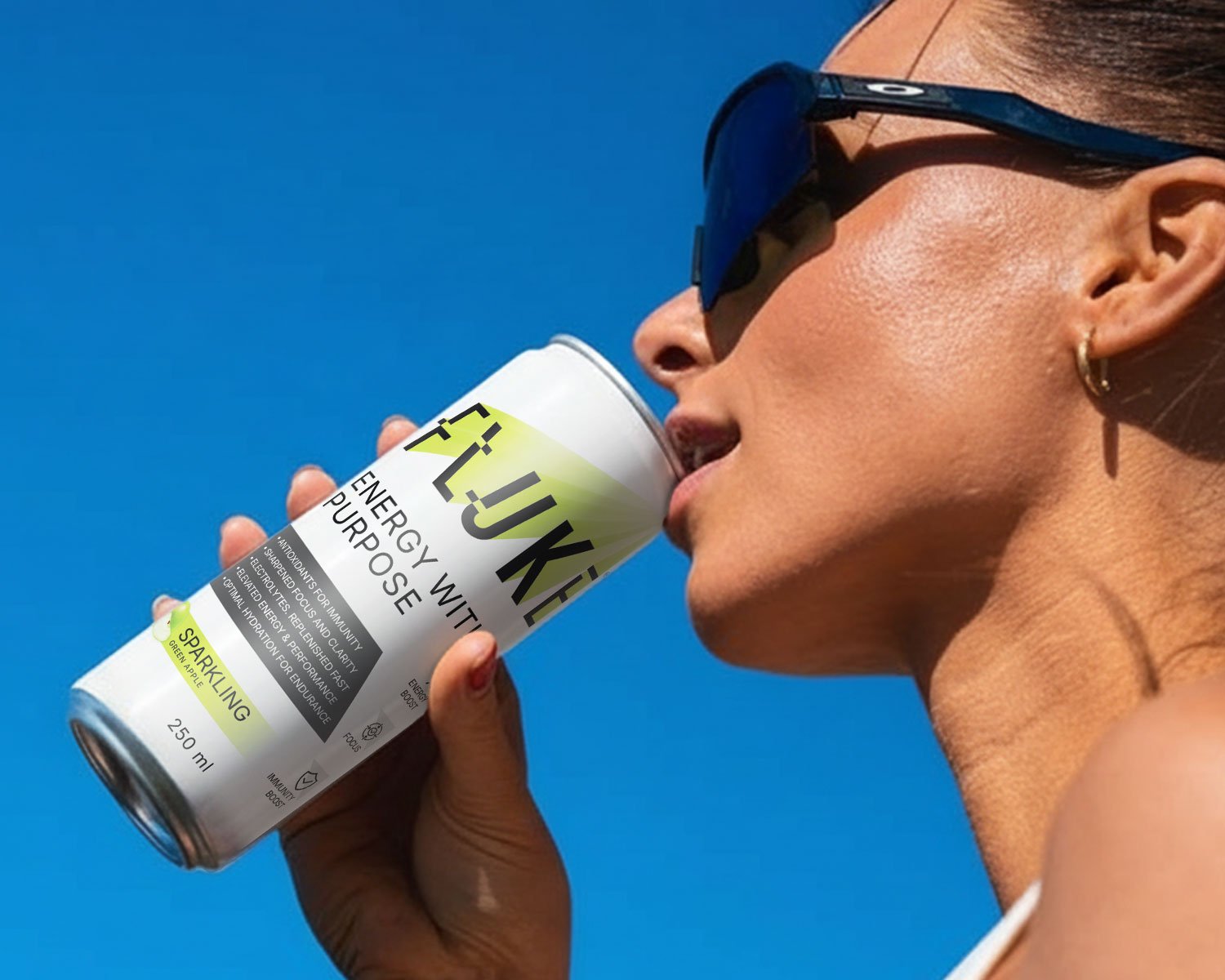
| Adaptogen infused drinks | Taste masking, dosing accuracy | Stress & wellness |
| Fortified dairy alternatives | Bioavailability of added nutrients | Vegan & lactose free |
| Cognitive function foods | Nootropic blends, flavour compatibility | Professionals, students |
| Senior nutrition formats | Easy to digest, high nutrient | Aging population |
Each form requires a unique technological solution, ranging from encapsulation and bioavailability to taste masking and heat-stable delivery systems.
Challenges in Functional Food Innovation

However, the opportunity is still being misunderstood by most brands, who underestimate the challenge of the process. Indeed, functional food innovation is more than just formulation, it is the marriage of science, regulation, manufacturing, and consumer behavior.
Ingredient Stability
In general, bioactive ingredients are temperature stable, photo stable, or pH stable. Formulation of these ingredients into a processed food product, without compromising the bioactive efficacy of the ingredients, is a very technical process.
Regulatory and Label Compliance
It is important that claims on the label of food products are scientifically correct and comply with food safety regulations. If failed to stand with food regulations will result in rejection of food products and lawsuits. FSSAI regulations apply to food products in India.
Taste and Consumer Acceptance
Generally, bioactive ingredients possess undesirable sensory characteristics, such as unappetizing taste, bitterness, and an earthy taste. Overcoming undesirable taste without compromising on the incorporation of artificial ingredients in the formulation is the biggest challenge faced in the formulation of functional food products.
Scale-Up from Lab to Commercial Production
While the formulation works well in the lab, it does not necessarily mean that it will work when scaled up to commercial levels due to differences in temperature, shear rates, homogenization, filling speeds, etc. Many brands do not plan for commercial scale formulation, which can result in costly mistakes in the process.
The Role of Food Technology in Driving Innovation
Modern food technology is the backbone of functional food innovation. It enables precision in ingredient selection, processing design, and quality control that was not possible a decade ago.
| Technology | Role in Functional Food Innovation |
| Microencapsulation | Protects bioactives through processing and digestion |
| Precision fermentation | Produces rare functional ingredients at scale |
| AI assisted formulation | Predicts ingredient compatibility and sensory outcomes |
| Cold press and HPP | Preserves heat sensitive nutrients in beverages |
| 3D food printing | Enables personalised nutrition formats and dosing |
| Bioavailability mapping | Optimises ingredient absorption in the body |
Key Takeaways
- For functional food innovations, it is science first, not just ingredients added.
- Personalised nutrition trends are driving brands to develop modular and data connected formulation
- Smart food technology is speeding up food formulation accuracy.
- Gut health, adaptogens, and future wellness products have the highest growth.
- Companies that prioritize formulation, stability, and regulatory work will deliver products that will be around in the future.
Innovation in functional foods has become less a trend and more a future direction in which the food industry, in general, will be moving. Companies that prioritize formulation, rather than an afterthought, will be those companies that will win the trust of the consumer, and therefore win in the marketplace. The window of opportunity to win in the nutraceutical and functional food marketplace is now.
Top Trending Guide:- Focus Drink Contract Manufacturing for Modern Brands in 2026
Ready to Perfect Your Functional Food Innovation?
From R&D to sensory optimisation & FSSAI compliance—Foodsure brings your food product from concept to shelf-ready.
5000+ Recipes Formulated
FSSAI & Export Compliance
FAQ’s (Frequently Asked Questions)
Q1. What is functional food innovation and how is it different from regular product development?
Innovation in functional foods is the development of a food product that has a specific scientifically proven health benefit, which is different from the normal food innovation, which does not include bioavailability, clinical substantiation, stability under processing conditions, and regulatory requirements concerning claims.
Q2. What are the most important personalized nutrition trends shaping product development?
The major trends in the domain of personalized nutrition are microbiome based nutrition formulations, metabolic type specific nutrition, DNA based ingredient selection, and subscription based adaptive nutrition formulations. The above trends need modular product architecture, which facilitates the modification of ingredients according to the health details of the individual.
Q3. How does smart food tech improve the functional food development process?
Smart food technology helps to reduce formulation time through AI powered ingredient compatibility tools, improve quality control through real time process sensors, and deliver precision fermentation for rare bioactives. It also offers predictive shelf life modelling, helping to reduce time and cost for stability testing.
Q4. What are the biggest formulation challenges in functional food innovation?
The biggest challenges revolve around maintaining bioactivity stability under conditions of heat and processing, delivering off notes without using unnatural ingredients, scaling up benchtop products to commercial manufacturing processes without sacrificing performance, and ensuring all claims are substantiated before launch.
Q5. Which functional food categories have the highest growth potential?
The areas which are very promising are probiotics and gut health drinks, adaptogen based drinks, high protein clean label snacks, cognitive function foods, which have a high potential for growth. The products need highly skilled expertise to formulate the product, and the product must be effective as well as satisfy the sensory acceptability requirements.
Q6. What future wellness products are expected to lead the market?
The future products that are expected to perform well in the wellness space are nootropic snacks or beverages, postbiotic functional foods, metabolic health drinks, plant protein meal replacements, and fortified functional snacks targeting different life stages, such as active aging and sports recovery.
Q7. How long does it typically take to develop and launch a functional food product?
The normal timeframe for a functional food product development process ranges bw 16 and 28 weeks and normally covers the following aspects: the concept of the product, the assessment of the product’s ingredients, bench trials, stability, and lastly, the process of manufacture. However, some product concepts may cover longer periods depending on substantiation aspects and adaptation of the process with regard to innovative ingredients and systems of manufacture.