Instead of using drugs, what if your stomach contains the key to better immunity, more energy, and even happier moods?
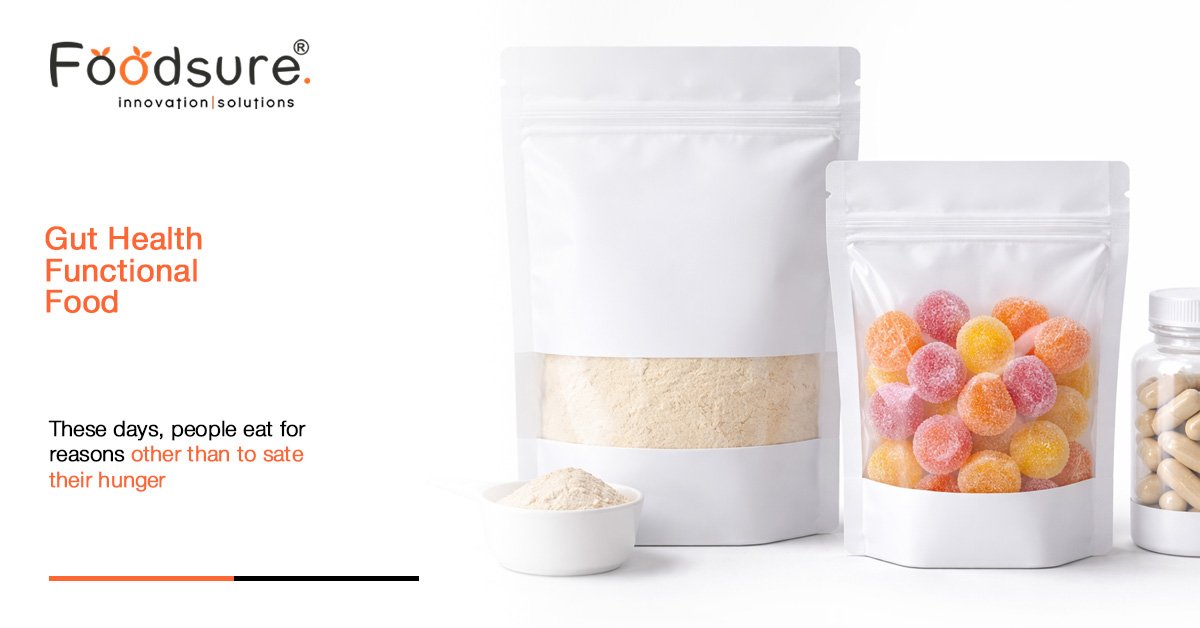
These days, people eat for reasons other than to sate their hunger. They are eating on purpose. It is no coincidence that gut health functional foods are becoming more and more popular for intestinal health. People’s curiosity, pain (such as bloating, acidity, or IBS), and growing awareness that the stomach functions as the body’s command center are the reasons for this.
These days, people are changing their diets more frequently for reasons other than taste, like how food makes them feel. Instead of eating high fiber foods like cereals in the morning, they are moving to digestive wellness snacks at night.
The Emerging Field Transforming Food Innovation: Gut Health Functional Food

Functionality is starting to take precedence above nutrition in the food industry.
- With a compound annual growth rate of almost 10%, the Indian functional food market is projected to reach a valuation of $25.3 billion by 2030.
- Global demand for dietary fiber is predicted to reach $22 billion by 2034, and it is emerging as a crucial functional element.
- Approximately 40% of the world’s fiber is currently used in functional meals and drinks.
Why did this modification occur?
Considering that many currently consider food to be:
- The equilibrium of the gut microbiome’s
- support for the immune system
- Preventing long-term illnesses
- The gut-brain axis and mental health
As a result, a variety of meals that provide more than just nourishment are now available.
The Science of Fiber and Gut Health
The most crucial component of gut health is dietary fiber.
Fiber Types and How They Operate
| Fiber Type | Function | Food Applications |
| Soluble Fiber | It produces gel and feeds gut flora. | Drinks containing pectin, inulin, and oats |
| Insoluble Fiber | Facilitates bowel movements | Whole grains and bran |
| Prebiotic fiber | Promotes the development of beneficial microorganisms. | FOS, resistant starch, and GOS |
According to scientific studies:
- By increasing the variety of gut bacteria, soluble fibers like inulin and FOS function as prebiotics.
- 48% of the fiber consumed worldwide comes from grains and cereals.
In addition to improving bodily functions, fiber nourishes the beneficial bacteria in your stomach.
Market Opportunity: Foods High in Fiber Are No Longer a Niche
Fiber is undergoing a silent revolution in India.
A Snapshot of the Market
| Segment | Market Insight |
| Indian cuisine high in fiber | $244.7 million in 2024 and $470.32 billion in 2033 |
| An increase in functional foods | 7.54% CAGR |
| the prebiotic fibers industry worldwide | 6.8% CAGR globally |
| cereal and snack bar | Convenience is driving the $414M+ |
Crucial Elements
- Growing Diabetes and Digestive Issues
- A preventive approach to healthcare
- Plant-based eating, simple cooking, and city life
- Trends in clean labeling
People are buying health benefits in addition to things.
Opportunities for the Development of Gut Health Functional Food Products
Cereals high in fiber
The breakfast market is changing.
Why it works:
- he regular eating routine
- Simple fiber delivery format
- Able to grow and assist a large number of individuals
Ideas for new things:
- Cereals made from millet (for India)
- High-fiber blends and low-GI
- cereals with prebiotics
Digestive wellness snacks
These days, munching is not sinful but rather advantageous.
New forms:
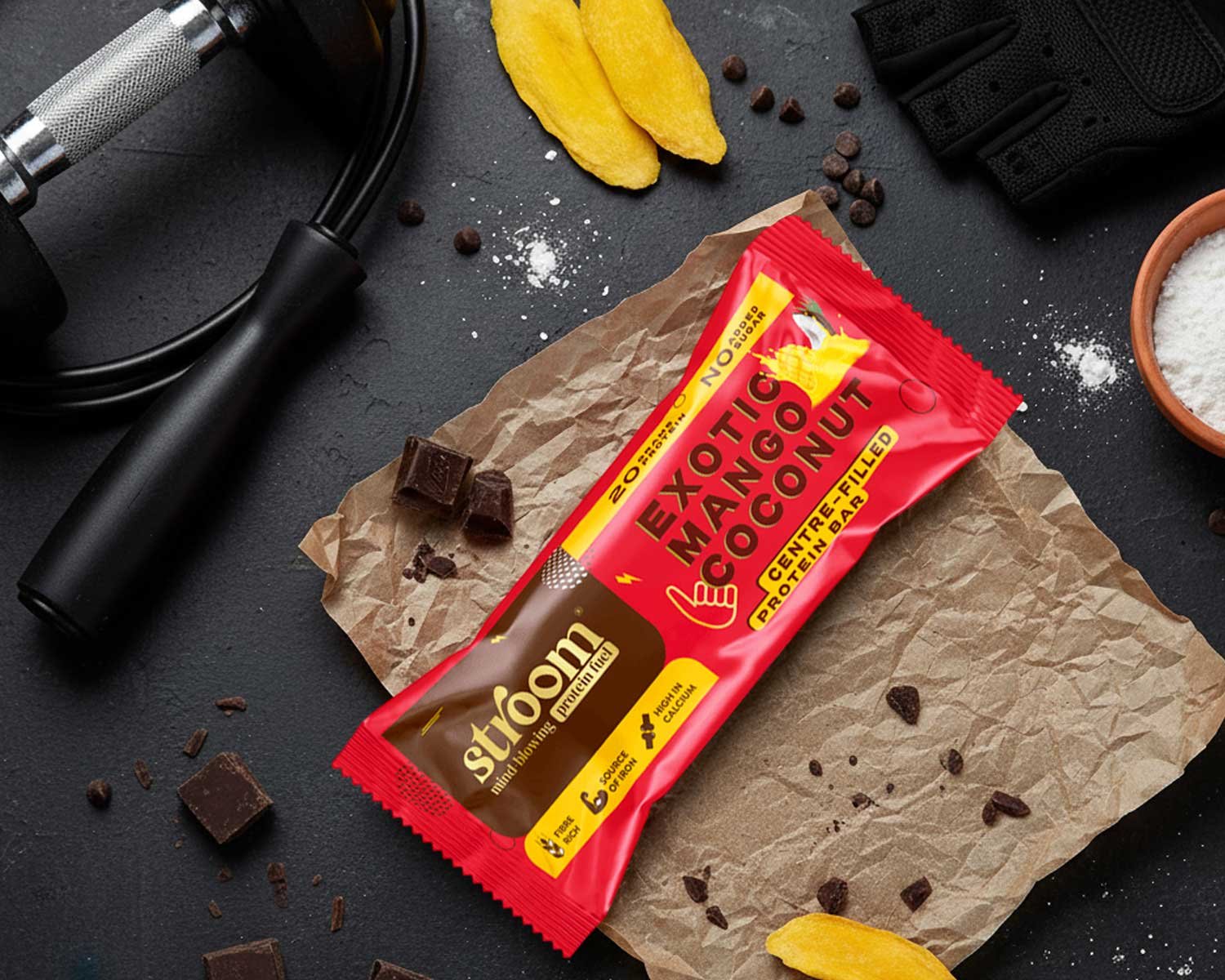
- Protein bars with lots of fiber
- combinations of toasted seeds
- Namkeen is good for your digestive system and contains a lot of fiber.
What customers are drawn to:
- On-the-go digestive support
- Feeling content and losing weight
- Combinations with high fiber and low sugar
Functional Drinks Made with Fiber
The usage of drinks to improve intestinal health is growing.
- Sodas with prebiotic ingredients
- RTD beverages to aid in digestion
- Fiber-enriched smoothies
- This is consistent with the growing trend of “fibermaxxing,” in which people intentionally ingest excess fiber by using handy products.
Bakery and Traditional Food
Improvement opportunities unique to India.
- Atta has a lot of fiber.
- Biscuits with extra fiber
- Mixtures of poha and upma are good for your digestive system.
- Many people use it when functional placement is combined with standard forms.
Crucial Prebiotic Elements Used in the Development
Items Often Used
| Ingredient | Source | Function |
| Inulin | Chicory | strengthens intestinal microbes. |
| FOS stands for fructooligosaccharides. | Vegetables and fruits | improve digestion |
| GOS | Dairy-based | supports the immune system |
| Starch that is resistant | Maize and unripe bananas | improves the health of the gut |
| Husk of Psyllium | Plantago seeds | Seeds, Laxation, and Gut Balance |
These substances are frequently used because:
- They have undergone clinical testing.
- Easy to incorporate into a variety of formats
- Make it easy to make powerful marketing promises
Obstacles in the Development of Gut Health Functional Food
It is difficult, but there is a chance.
Trade-off between Taste and Function
- Fiber is subject to change:
- Experience
- Taste
- Mouthfeel
Claims and Regulation
- FSSAI compliance for statements regarding an item’s effectiveness
- The necessity of scientific proof
The Education Gap in Consumers
- Many people still:
- Unaware of the various types of fiber
- Mix together probiotics and prebiotics.
Stability and Shelf Life
- Fiber interactions have an impact on:
- Water-related activities
- The product’s stability
- Expert formulation is crucial in this situation.
Trends Influencing Gut Health Foods’ Future
Customized Nutrition
- Consumers desire goods created specifically for them:
- gut type
- Health-related objectives
- manner of living
Sources of Clean Label Fiber
- Synthetic additions are inferior to natural fibers.
- Being transparent is crucial.
Nutrition that is hybrid
- Protein and fiber mixtures
- Setting up for immunity and digestion
Innovation Based on Microbiomes
- Items created specifically for:
- Feed specific kinds of gut bacteria
- Improve your gut’s diversity over time
For expert food and beverage product development, contact Foodsure.
It takes more than just adding fiber to create functional foods that are beneficial to gut health. Clear guidelines, a method for increasing production, and a scientific formulation are also necessary.
At Foodsure, we assist you:
- Make digestible, high-fiber cereals and snacks.
- Choose the appropriate prebiotic components.
- Verify that your claims are accurate and that you are adhering to FSSAI regulations.
- Boost shelf life, flavor, and mouthfeel
- Take your product from concept to laboratory to market.
We can assist you with transforming your concept for a cereal, drink, or snack for gut health into a finished product that is suitable for retail sales.
To launch your next functional food brand, give Foodsure a call right now!
FAQs
Which functional foods are beneficial to gut health?
Foods that have been supplemented with fiber, probiotics, and prebiotics to support gut microbiota and digestion.
How does fiber affect the health of your digestive system?
Fiber improves digestion, nourishes beneficial bacteria, and prevents chronic illnesses.
Could you list a few cereals that are high in fiber?
Oats, millet, bran flakes, and fortified grain mixtures are used to make cereals.
What components of food are prebiotic?
Among the components that support the growth of beneficial bacteria include inulin, FOS, and resistant starch.
Are digestive-friendly foods effective?
Indeed, when they contain fiber and prebiotics, they aid in digestion and satiety.
What is the recommended daily intake of fiber?
You should consume 25 to 35 grams of this daily, depending on your age and condition.
What distinguishes prebiotics from probiotics?
Prebiotics are fibers that support the growth of probiotics, which are living bacteria.