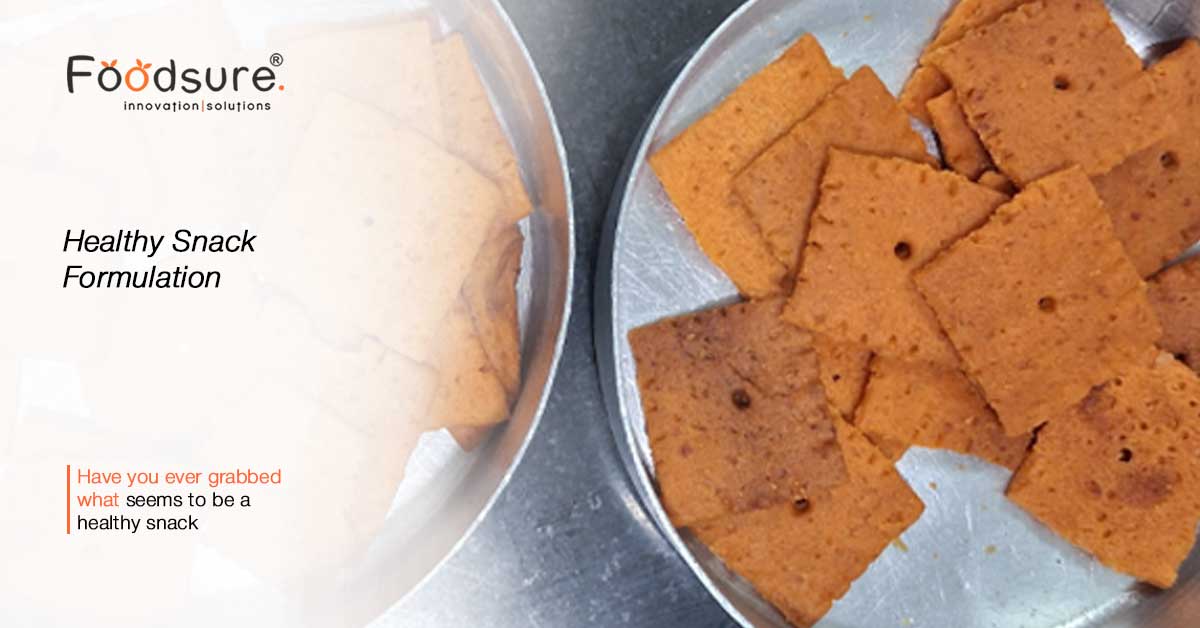
Have you ever grabbed what seems to be a healthy snack, promising a lot, a low sugar content, high protein content, clean label, and then one bite and experience disappointment? The thing is that consumers do not simply eat to get nourished, they eat to experience. And the experience is enhanced by the taste, the touch and the emotional satisfaction, which is why Healthy snack formulation plays such a crucial role in delivering both nutrition and enjoyment.
The most critical issue in formulating a healthy snack is not about nutrition, but rather about creating a snack that is healthy and tasting good. The contemporary consumer desires to have a guilt-free pleasure and brands that fail to offer in taste and texture fail.
Healthy Snack Formulation: The Balance Between Nutrition & Indulgence
The healthy snacks market is increasing, and along with the growth, expectations increase. The Indian market alone was over USD 4,419.4 million in 2025 and projected to be over USD 8,183.3 million of 8.1% CAGR in 2033.
But, with this growth, there is one significant lesson that can be seen:
- Among the consumers, 58% give priority to taste instead of health claims.
This will mean that the healthiest product will not perform should it not satisfy the sensory appeal.
The Core Challenge
In case manufacturers reduce sugar, salt, or fat, they will be replacing:
- Flavor intensity
- Mouthfeel
- Moisture retention
- Shelf stability
For example:
- Reduction in sugar affects adhesiveness and pain
- Dry textures are caused by low fat
- Removing additives impacts creaminess and consistency
The advanced taste optimization, texture enhancement and flavor masking techniques are found here.
Why Taste and Texture Drive Consumer Behavior
Food is emotional. A close correlation is observed between texture and taste, satisfaction, and repeat purchase.
Key Sensory Drivers:
- Crunchiness: freshness perception
- Creaminess: indulgence
- Chewiness: satiety
- Sensory perception: instant satisfaction
Studies have shown that juiciness, tenderness, and aftertaste contribute significantly to liking scores in both Plant-based and functional foods.
Market Insight:
- More than 64% of consumers are very active in seeking nutrient-rich snacks, yet insist on great taste.
- There is an upward trend in clean-label foods, and the majority of customers are ready to have less than 5 ingredients.
The takeaway? Health need is present. The distinguishing factor is taste.
Flavor Masking Techniques: Making Healthy Ingredients Palatable
The issues of healthy ingredients are usually:
- Protein: bitterness
- Stevia: lingering aftertaste
- Vitamins/minerals: metallic notes
- Extracts of plants: dry tastes.
Effective Flavor Masking Techniques:
1. Natural Flavor Pairing
With off-notes counteracted by complementary flavours.
- Cocoa + plant protein
- Citrus + bitterness
- Vanilla + stevia
2. Encapsulation Technology
Spraying bitter materials in order to control the discharge in the mouth.
3. Use of Sweet Modulators
Natural sweeteners such as monk fruit or erythritol are used to lessen the bitter taste, while still being sweet.
4. Salt and Fat Balancing
Micro-adjustments do not provide additional unhealthy materials and add to the overall perception of the flavour.
5. Layered Flavor Profiles
Complicating to make sure that a single note does not dominate.
The resultant product is therefore an indulgent product, which may be nutritionally optimized.
Texture Improvement: Engineering the Perfect Bite
One of the widely held misconceptions is that texture is not one of the major success factors in the making of healthy snacks, but it is one of the most crucial ones.
Common Texture Challenges:
- Severity of protein bars.
- Solidness of low-fat snacks
- Stickiness due to movement of moisture
- Lack of crunchiness in baked substitutes
Texture Improvement Strategies:
- Hydrocolloids & Binders: Structural and moisture retention polymers like guar gum, pectin, and xanthan are employed.
- Fat Replacers: Replacing the creaminess with other ingredients like inulin or nut pastes.
- Aeration Techniques: Added air to make light textures in baked products.
- Multi-Texture Layering: The crunchy + creamy + chewy mix makes it more sensual.
- Controlled Moisture Systems: Water activity balancing guarantees stability on the shelf and texture.
Industry Insight: A 30% sugar cut can radically alter the texture and moisture balance, and can require 6 -12 months to re-formulate.
Taste Optimization: The Science of Cravings
Optimization of taste extends beyond sweetness or saltiness, and the entire idea is to make it a pleasing experience.
The 5 Pillars of Taste Optimization:
- Sweetness Calibration: This involves the adjustment of natural and other sweeteners to prevent aftertaste.
- Umami Enhancement: Adding natural sources of umami (yeast extracts, mushrooms) to enhance flavor.
- Aroma Engineering: Aroma is up to 80% of the perceived flavor.
- Temporal Flavor Release: Creating the way flavors change from the initial bite to the aftertaste.
- Mouthfeel Synchronization: The association of texture and flavor, such as creamy texture and sweet flavor.
Clean Label vs Sensory Experience: The Modern Dilemma
Consumers today demand:
- No preservatives
- No artificial flavors
- Minimal ingredients
Indeed, half of Indian consumers are fond of snacks that do not contain preservatives.
However, eliminating additives poses difficulties:
- Reduced shelf life
- Poor texture stability
- Limited flavor enhancement
This is the reason why the contemporary healthy snack formulation is based on:
- Functional natural ingredients
- Advanced processing technologies
- Iterative sensory testing
Innovation Trends in Healthy Snack Development
The future of healthy food is science and sensory delight.
Key Trends:
- The innovations are dominated by plant-based snacks (48% of new launches)
- The popularity of millet-based snacks in India is on the rise
- Probiotics, omega-3, and vitamin functional foods
- Low-carb & keto-friendly formulations
- D2C brands with a premium sensory experience
Yet, despite innovation:
- Approximately 2 in 5 new snack products fail taste test
This outlines the significance of intense product development.
The Role of R&D and Sensory Testing
The products that are successful pass through several stages:
- Concept development
- Ingredient selection
- Prototype formulation
- Sensory trials
- Shelf-life testing
- Scale-up validation
Already at that time, the transition between lab production and mass production could lead to a 10% loss in yield, as a result of variation in texture.
How Foodsure Helps in Taste & Texture Optimization
The development of a successful health food product takes more than a mere idea; it takes a lot of technical know-how.
Foodsure is very important as it provides:
- High level of Healthy Snack formulation support
- Individual flavor masking methods
- Scientific improvement of textures
- Pilot and scale-up support
- Maximization of shelf-life and stability
- Compliance and regulatory support
Between the initial idea and commercialization, Foodsure can guarantee that your product not only passes the health test but also passes the taste test.
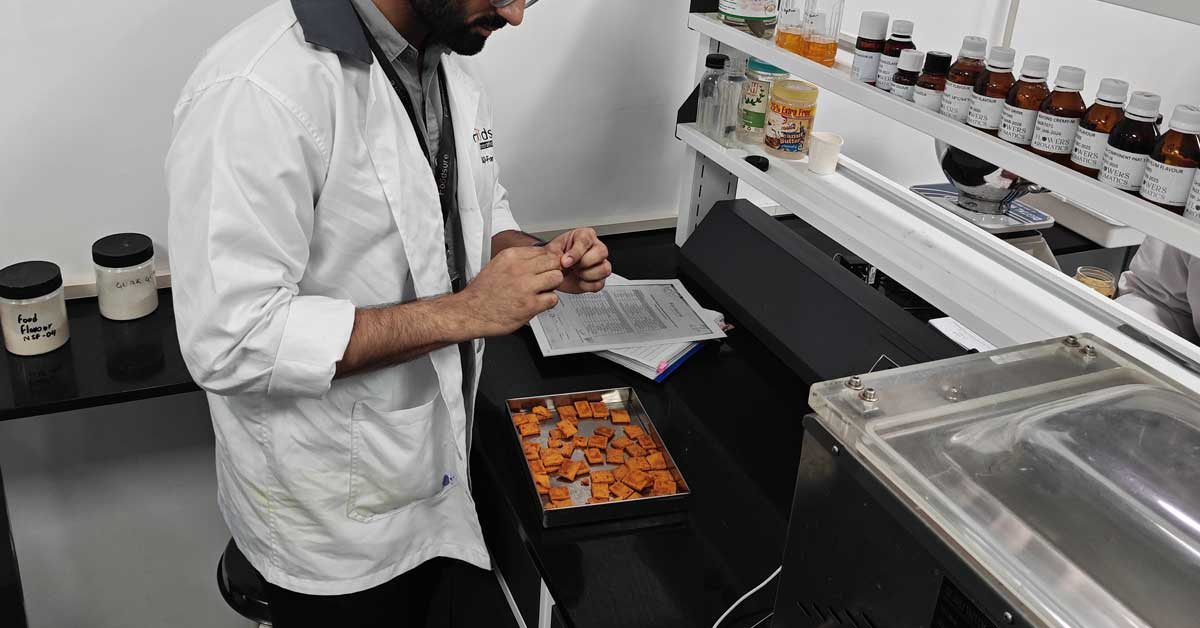
Call Foodsure for Professional Food & Beverage Product Development
As long as you need to develop a unique product within the healthy snacking environment, Foodsure can assist you in closing the gap between healthy and luxury.
It could be a matter of taste optimization, texture enhancement, or flavor masking methods, but in any case, collaborate with professionals who comprehend both science and consumer psychology.
Contact Foodsure now and make your idea a market success.

FAQs
What is a healthy snack formulation?
Healthy snack formulation is the process of creating snacks that are balanced in terms of nutrition, without sacrificing taste, texture, and shelf stability.
Why is taste optimization important in healthy foods?
More than half of consumers are more concerned with taste, even in the selection of healthy products.
What are the methods of flavor masking?
They are means of masking bad flavors (such as bitterness in protein or stevia) with flavors, encapsulation, or sweeteners.
What can be done to improve the texture of snacks?
With the help of hydrocolloids, fat replacers, moisture control and processing methods such as aeration.
Why are healthy snacks always not as good as regular snacks?
Sugar, fat and salt reduction influence the intensity of flavor and texture, and complicate the formulation.
What are the largest obstacles in the development of healthy snacks?
Retaining taste, texture and shelf life without compromising on clean-label and nutrition needs.
What is the duration of creating a healthy snack product?
Normally, 6 -12 months due to several reformulations, testing and scaling difficulties.