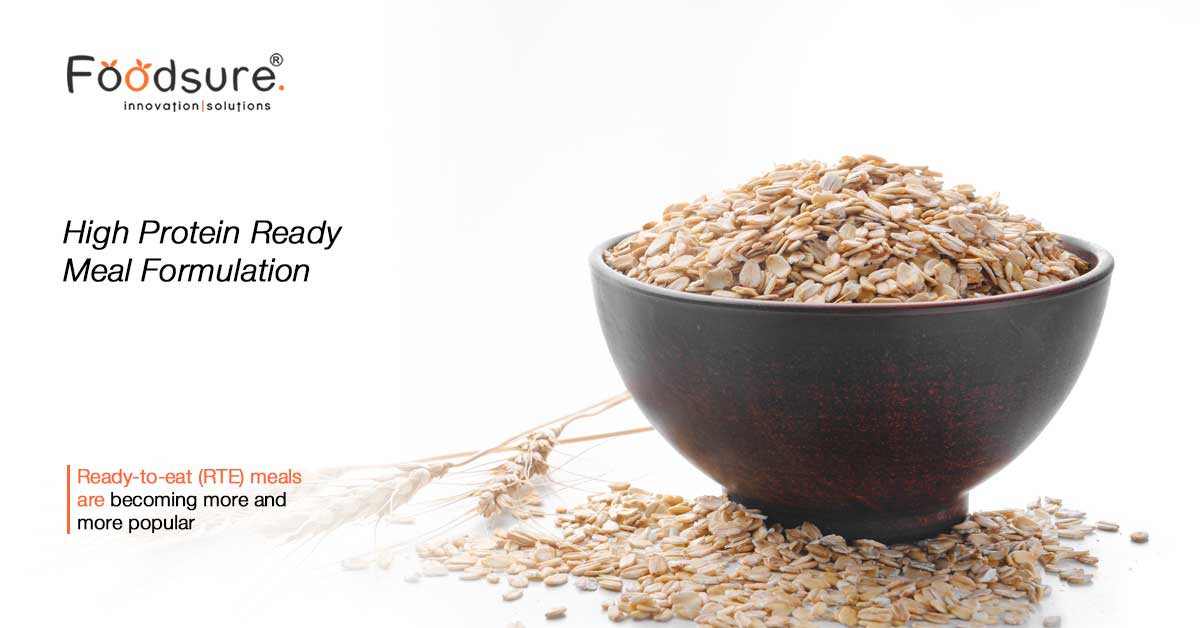
Ready-to-eat (RTE) meals are becoming more and more popular as people look for quick and easy meals that fit into their busy lives. Most ready-made meals, on the other hand, are made for convenience rather than nutrition. A lot of the time they have high carbohydrates, excess fats, and limited protein, which makes them less appealing to people who care about fitness. This has led to a high demand for high protein ready meal formulation that helps with muscle recovery, weight control, and getting the right amount of food the useful aspects of protein RTE product development and how food companies are coming up with new healthy ready meals.
Protein-Enriched Ready Meal Formulation
Creating a successful high protein ready meal formulation needs to balance macronutrients while keeping taste and shelf life. Ready meals have more than just protein snacks or shakes. Multiple components, like grains, sauces, vegetables, and sources of protein.
Here are some common combinations of high protein ready meal formulation:
- Chicken grilled with rice and veggies
- Bowls of protein made with paneer or tofu
- High-protein curries made with lentils
- Meal trays with eggs or meat
Each part must add to the final protein target per serving while making sure the food stays tasty and filling.
One of the hardest things is making sure the meal stays stable during storage and reheating.
Nutrient-Dense Protein RTE Product Development
During protein RTE product development, Choosing the right protein sources is important for both nutrition and taste.
Some common protein ingredients found in ready meals are:
Chicken and Lean Meat
Natural sources of complete protein are often used in meal products for people who want to get fit.
Panner And Dairy Proteins
Common in vegetarian recipes and have a taste that people are used to.
Soy and Plant Protein
A lot of vegan ready meals use them because they are high in protein.
Lentils and Legumiles
Give protein from plants along with fibre and small amounts of other nutrients.
The goal of formulation is to make meals that deliver balanced protein levels without compromising taste or texture.

Micronutrient-Fortified Ready Meal Product Development
Natural ingredients alone may not be enough to reach the desired protein levels in many cases. This is where fortified ready meal recipe development becomes helpful.
Formulators might add ingredients that are high in protein, like:
- Concentrates or isolates of protein
- Grains with a lot of protein
- Plant proteins that work
- Blends of dairy proteins
Adding protein to cooked meals, on the other hand, makes things harder, such as:
- Textures that are dry or thick
- Degradation of protein during heating
- Imbalance in flavour
- To keep a pleasant eating experience.
Advanced Muscle Gain Meal Formulation
Many brands that focus on fitness specifically target people who are looking for muscle gain meal formulation. These meals are meant to give you more protein while keeping your carbs and fats in check.
Some common things about ready-to-eat meals that help you gain muscle are:
- 25 to 40 grams of protein in each serving
- Sources of carbohydrates that are balanced, like rice or quinoa
- Lean protein foods
- Levels of fat that are controlled
These meals are often sold to:
- People who go to the gym
- Sportspeople
- People who love fitness
- People who eat a lot of protein
Taste is still very important because people expect these meals to be both nutritious and enjoyable.
Athlete Gym Nutrition RTE Product Development
Another growing category is gym diet RTE development, where easy access meets structured meal planning.
People who are into fitness often eat pre-made meals because they:
- Save time cooking meals
- Keep an eye on your portions.
- Help make sure you get enough protein every day.
When making ready meals for the gym, you need to pay attention to:
- Balance of calories
- Density of protein
- Size of the part
- Performance when reheating
Packaging also helps keep the product safe and stable during distribution.
Case Insight from Product Development
The team working on a fitness meal startup’s development project wanted to make a high-protein ready meal with grilled chicken, vegetables, and a light sauce. The first batch showed a dry texture after microwave reheating.
The problem happened because the protein parts lost moisture when they were heated.
The formulation team fixed the problem by changing:
- What goes into the sauce
- How much moisture is in the meal
- How to cook the protein part
After optimization, the product maintained better texture and flavor even after reheating. Challenges like this are common in high protein ready meal manufacturing formulation India where food has to stay good while being stored and reheated by the customer.
Cost Considerations in Protein RTE Food Development
Making ready meals that are high in protein can cost more to make than regular ready meals.
There are a number of things that affect protein RTE food development cost, including:
- The quality of the protein ingredients
- Size of the serving and level of protein
- Technology for packaging
For new businesses, planning costs early on is important to make sure the final product stays affordable for the target market.

Key Takeaways for Food Startups
Companies that want to get into the ready meal market should focus on practical ways to grow:
- Choose protein ingredients that work well when stored and heated.
- Find a balance between taste, texture, and nutrition.
- Run pilot tests to find the best way to structure meals.
These steps make it more likely that high protein ready meal products are in the market.
Conclusion
People today, especially those who are interested in fitness and health, are putting a lot of importance on foods that are easy to find and good for them. Brands can make ready meals that taste good and are healthy if they choose the right ingredients and process them correctly with high protein content and great taste with the expert support of Foodsure.
If you are planning protein RTE product development or exploring gym diet ready meal concepts, expert formulation advice from Foodsure can make it easier to choose ingredients, run tests, and scale up.
High Protein Ready Meals for Fitness and Functional Food Brands
Develop high protein ready meals with balanced nutrition, superior taste, and convenient meal formats for fitness and functional food consumers. Create retail-ready and export-friendly products using advanced protein ingredients, shelf-stable processing systems, clean-label formulations, and scalable manufacturing solutions designed for modern health-focused food brands.
FAQs
What is high protein ready meal formulation?
High protein ready meal formulation focuses on designing ready-to-eat meals with higher protein content while maintaining taste, texture, and shelf stability.
What ingredients are commonly used in protein RTE product development?
Chicken, paneer, tofu, soy protein, lentils, and plant protein isolates are commonly used to increase protein levels in ready meals.
What challenges occur during fortified ready meal recipe development?
Common challenges include texture changes during reheating, moisture loss, protein degradation, and maintaining balanced flavor.
Who are the target consumers for muscle gain meal formulation?
Muscle gain ready meals are typically designed for gym-goers, athletes, fitness enthusiasts, and consumers following high-protein diets
What factors affect protein RTE food development cost?
Protein ingredient quality, portion size, packaging technology, processing methods, and shelf-life testing influence the overall development cost.