
A big transformation is underway in India’s health and wellness scene. The change from “sick-care” to “preventive healthcare” has made the Indian nutritional supplement market a gold mine for businesses as we go toward 2026. What was supposed to be a tiny market for basic multivitamins has evolved into a $200 billion+ sector with a 10.3% CAGR. People worry more about living longer than just getting by now.
You can’t just put powder in a jar anymore if you want to establish a nutraceutical business in 2026. You have to work in a high-tech, computerised, and very regulated setting. At the heart of every successful supplement brand today is perfect nutraceutical formulation, the science of combining the right ingredients, dosages, and delivery formats to create products that actually work and meet regulatory standards.
The FSSAI estimates that the nutraceutical industry will eventually develop ten times faster than the pharmaceutical industry. This means that now is the best time ever to start a nutraceutical business in India. Whether you want to launch clean label herbs, high performance functional drinks, or custom nutraceutical formulations built for specific health outcomes, this is the ideal way to start a supplement business that follows the rules, can grow, and makes money.
How to Start a Nutraceutical Business?
The nutraceutical market India has developed so much that “mediocre” products can’t stay in business anymore. To do well in 2026, you need to make sure that your vision is in line with what is happening in the market right now. D2C (Direct-to-Consumer) e-commerce is one example. It is expanding swiftly and is now a big part of sales in semi-urban and rural areas.
1. Market Research: Finding a Niche That Will Make You Money
Before you file any papers, you need to learn about how the nutraceutical industry in India works. As of 2026, the following parts are developing at an amazing rate:
- Preventive Nutrition: specific ways to help with NCDs (Non-Communicable Diseases) like diabetes and heart health.
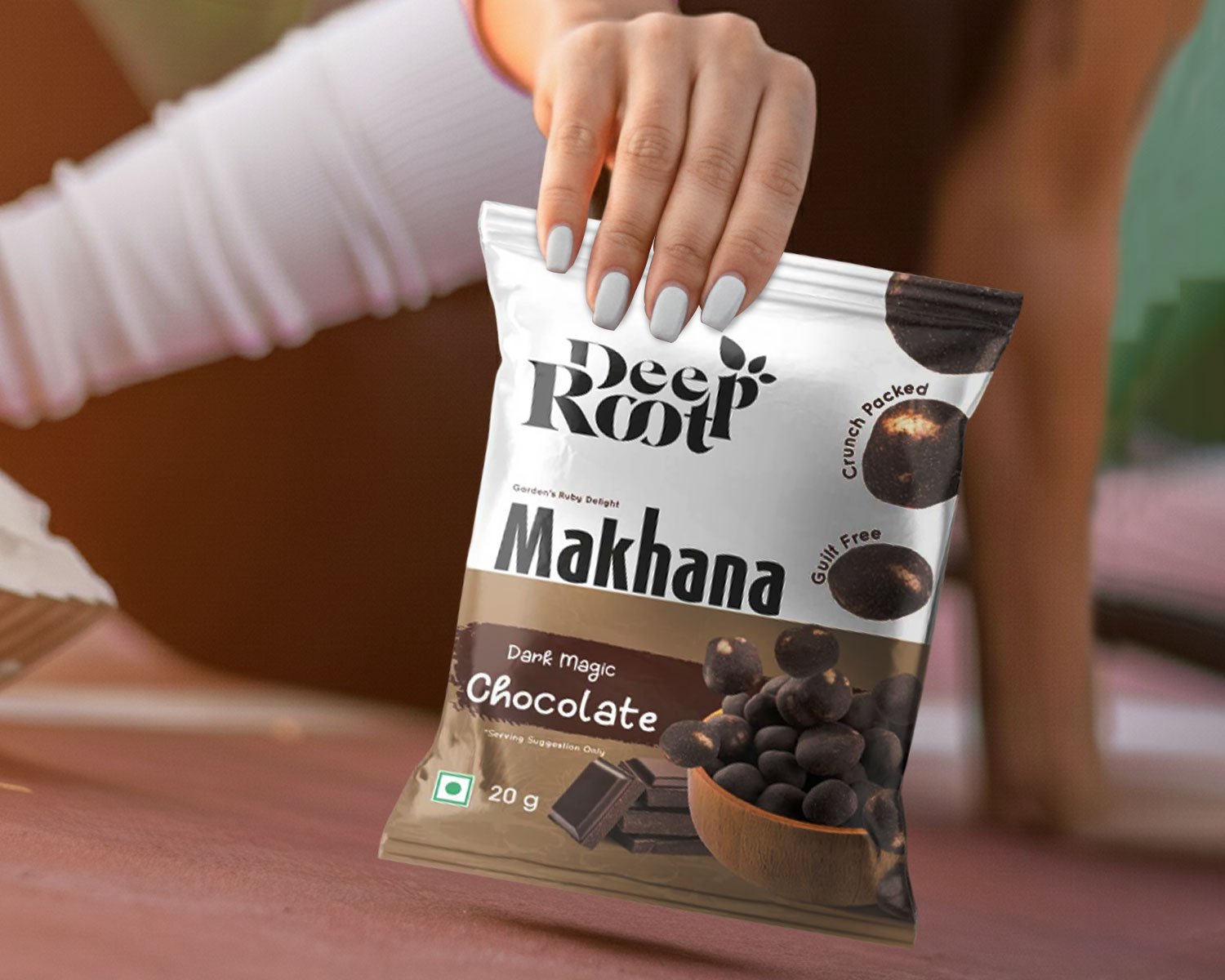
- Plant-Based & Clean Label: A record 9% of Indians now say they are vegan. This has led to more demand for “clean” products like Ashwagandha, Moringa, and pea protein.
- Personalised wellness: memberships that are based on tests of your blood or DNA.
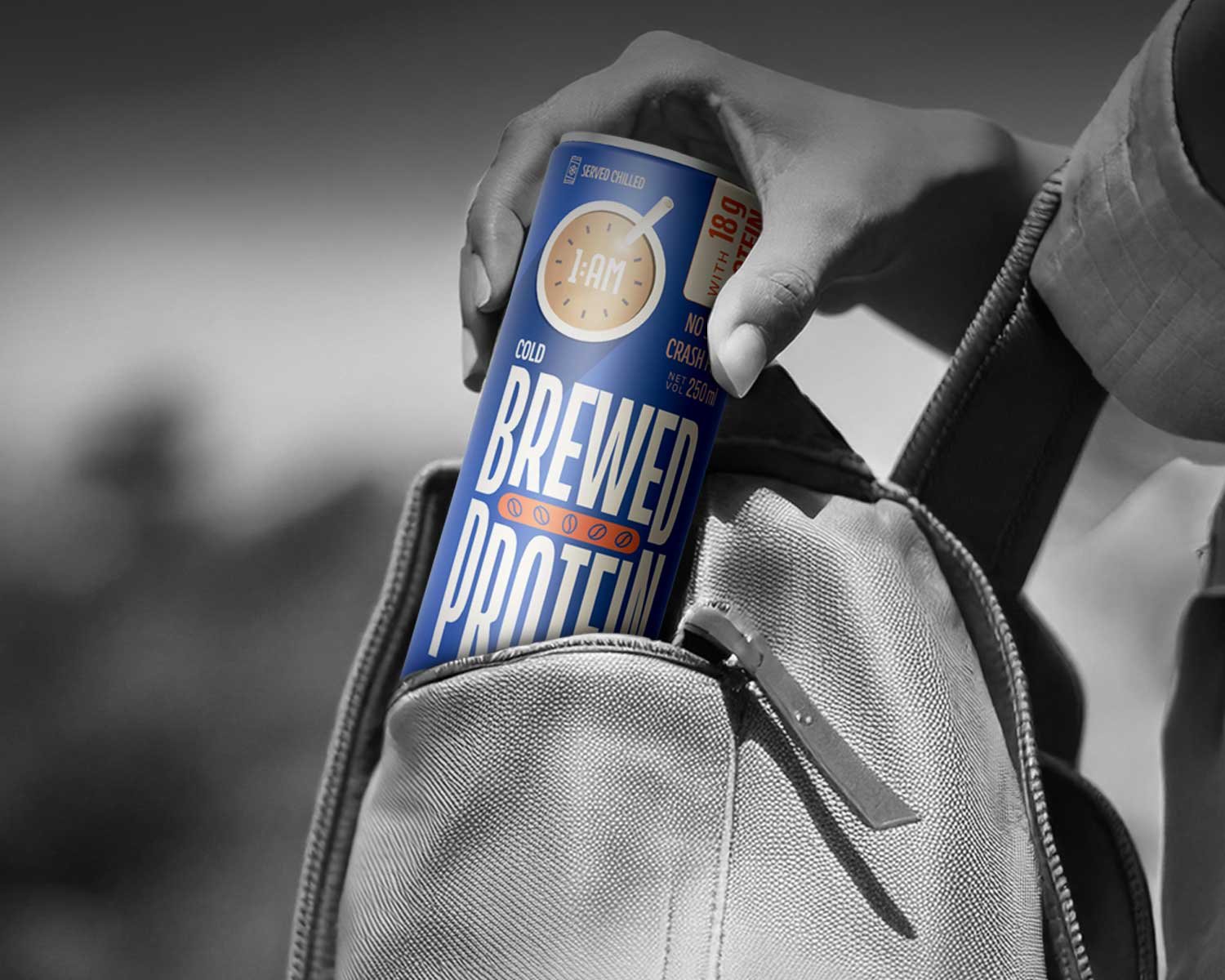
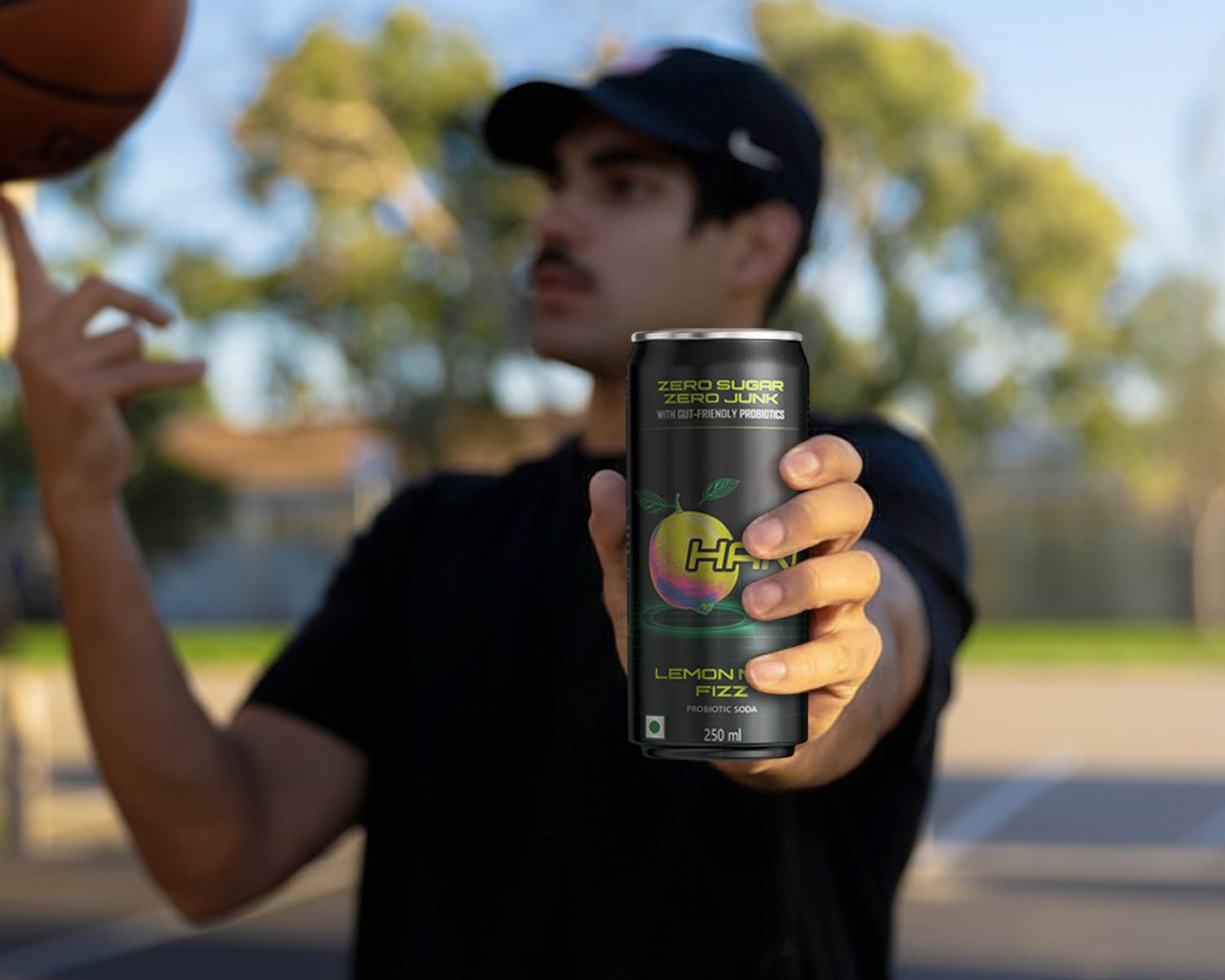
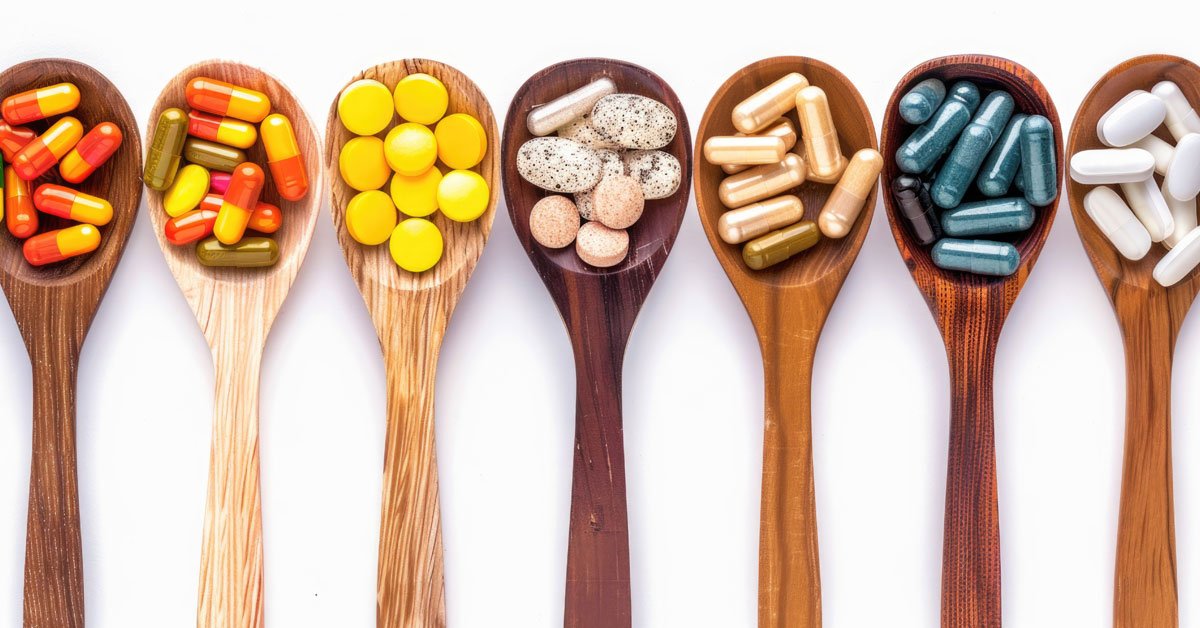
- Modern Formats: Instead of regular pills, people are using gummies, effervescent tablets, and RTD (Ready-to-Drink) liquids.
2. Creating Your “Hero” Product
You need to use science to start a health supplement business India. Your formula needs to work and follow FSSAI’s updated lists of ingredients from 2026 to the letter.
- Picking Ingredients: Make sure that the vitamins, minerals, and plants you buy originate from companies that are GMP-certified.
- Stability Testing: New standards for 2026 say that shelf life and stability must be shown in order to stop “label claim” failures during random audits.
3. The Compliance Pillars: The Rules and Laws That Must Be Followed
The FSSAI (Food Safety and Standards Authority of India) made it harder for Indian supplement firms to do business in 2026. You must follow the rules.
Step 1: Business Incorporation
Register your firm as a Private Limited Company or an LLP to get the trust of investors and distributors.
Step 2: Getting an FSSAI license (Central vs. State)
Most of the time, nutraceuticals need a Central FSSAI License. Even if your nutraceutical business doesn’t produce much money, the “Nutraceutical” category is considered high-risk and needs to be monitored by a central authority.
- FSSAI Registration: Only for small stores, not for factories.
- FSSAI License: Required for making, bringing in, or “relabeling” (making for someone else).
Step 3: Other Important Registrations
- If you want to sell things across state lines, you need to register for GST.
- You need an Import Export Code (IEC) if you want to buy things from other nations or deliver your finished items to other countries.
- Register your trademark early to keep your brand name safe. Your intellectual property is the most valuable thing you own in a crowded market.
4. Setting Up Manufacturing: Your Own Plant or a Third Party
Most nutraceutical companies in India start by having someone else make their products for them. You can spend less on setting up a manufacturing and more on marketing and building your brand.
- Some of the benefits for third parties are access to research and development labs, a lower initial cost, and pre-certified GMP facilities.
- Self-Manufacturing: You require a lot of money, but you are in charge of the whole supply chain.
5. Learning the requirements for labelling in 2026
There are new restrictions for “Nutraceutical” labels in the FSSAI 2026 update. Without these, products may need to be recalled right away:
- Declaration Required: “Nutraceutical” should be easy to read.
- All items must include the warning labels “NOT FOR MEDICINAL USE” and “Keep out of reach of children.”
- RDA Limits: The ingredients in each serving must not have more than 1 RDA (Recommended Dietary Allowance).
- You can’t say that you can “cure” or “prevent” a disease. You can only use “functional” claims that have been approved, such as “Supports immunity.”
Market research and surveys for 2026
Reports from the industry in early 2026 suggest a dramatic change:
- The “Tenfold” Growth Vision: The head of the FSSAI said not long ago that the nutraceutical business will develop ten times faster than the pharmaceutical industry since it helps people stay healthy every day.
- Ways to Make Money: The Union Budget for 2026 allocated more than ₹100 crore for Biopharma and MSME startups. New brands can take advantage of the Section 80-IAC Tax Holiday for three years in a row. This means they can keep all of their profits.
How to Market Your Supplement Brand

To be effective, your marketing for your supplement brand in India needs to build trust and get people to buy.
- D2C and E-commerce: Put your goods on Amazon, Flipkart, and specialist sites like HealthKart.
- Influencer marketing: Work with certified nutritionists and fitness experts.
- Content Authority: Use search engine-friendly blogs to enlighten your readers about the science behind your ingredients.
Now is the time to start building your wellness empire.
The nutraceutical business can be very profitable, but it also has a number of legal issues that can be hard to deal with. Following all the requirements, from FSSAI Central Licensing to GST and Trademarking, is the greatest approach to protect your investment.
Are you ready to launch your brand?
Our group of lawyers and regulatory experts helps new nutraceutical companies learn about the FSSAI ecosystem.
Call us right now for a free consultation, and let’s make your dream of becoming a market leader come true!
FAQs
How much cash do you need to start a nutraceutical business in India?
If you want someone else to create your products, you can start with an investment of ₹2 Lakhs to ₹5 Lakhs for a small line of products. Setting up your own unit can cost anywhere from ₹50 Lakhs to many crores.
Can you sell supplements online without a license from the FSSAI?
No way. If you run a food company (FBO), you need a valid FSSAI license, whether you sell food on your own website or on a site like Amazon.
Do nutraceuticals need a main FSSAI license?
Yes, the Central Licensing Authority is in charge of creating and bringing in nutraceuticals, health supplements, and functional foods because they are high-risk. The changes for 2022 and 2026 are the same.
How long does it take to get a nutraceutical product ready to sell?
It normally takes three to nine months. This includes creating the product, checking its stability, securing an FSSAI license, and coming up with a design for the packaging.
Is it okay to put health claims like “Cures Diabetes” on my label?
No way. The FSSAI will only accept “Health Claims” or “Nutritional Claims.” You can’t say anything about medicine (like that it cures, eases, or prevents something), and doing so could get you into a lot of trouble.
What kinds of tax benefits will a nutraceutical startup India get in 2026?
Section 80-IAC specifies that qualifying startups can earn a full tax discount on their profits for three years in a row, as long as the DPIIT approves them.
Do I need a pharmacy degree to start a business that sells supplements?
No, you don’t need a certain degree to run the business. But if you’re creating something, your technical team ought to have the necessary degrees in Food Technology, Chemistry, or Pharmacy, as the FSSAI says they should.