The debate between innovation and imitation in food product development is shaping the future of the food industry. As consumer demand shifts toward healthier and sustainable choices, brands must decide whether to focus on innovation in food development by creating entirely new concepts or refine existing strategies by improving what already works. While launching identical products may feel safer, true innovation in food can create stronger differentiation and long-term market growth.
In 2026, the balance between breakthrough ideas and smarter improvements to existing products will define success. Understanding how innovation and imitation influence product development will determine which strategy drives sustainable growth in a competitive market.
What Is Innovation In Food Product Development?
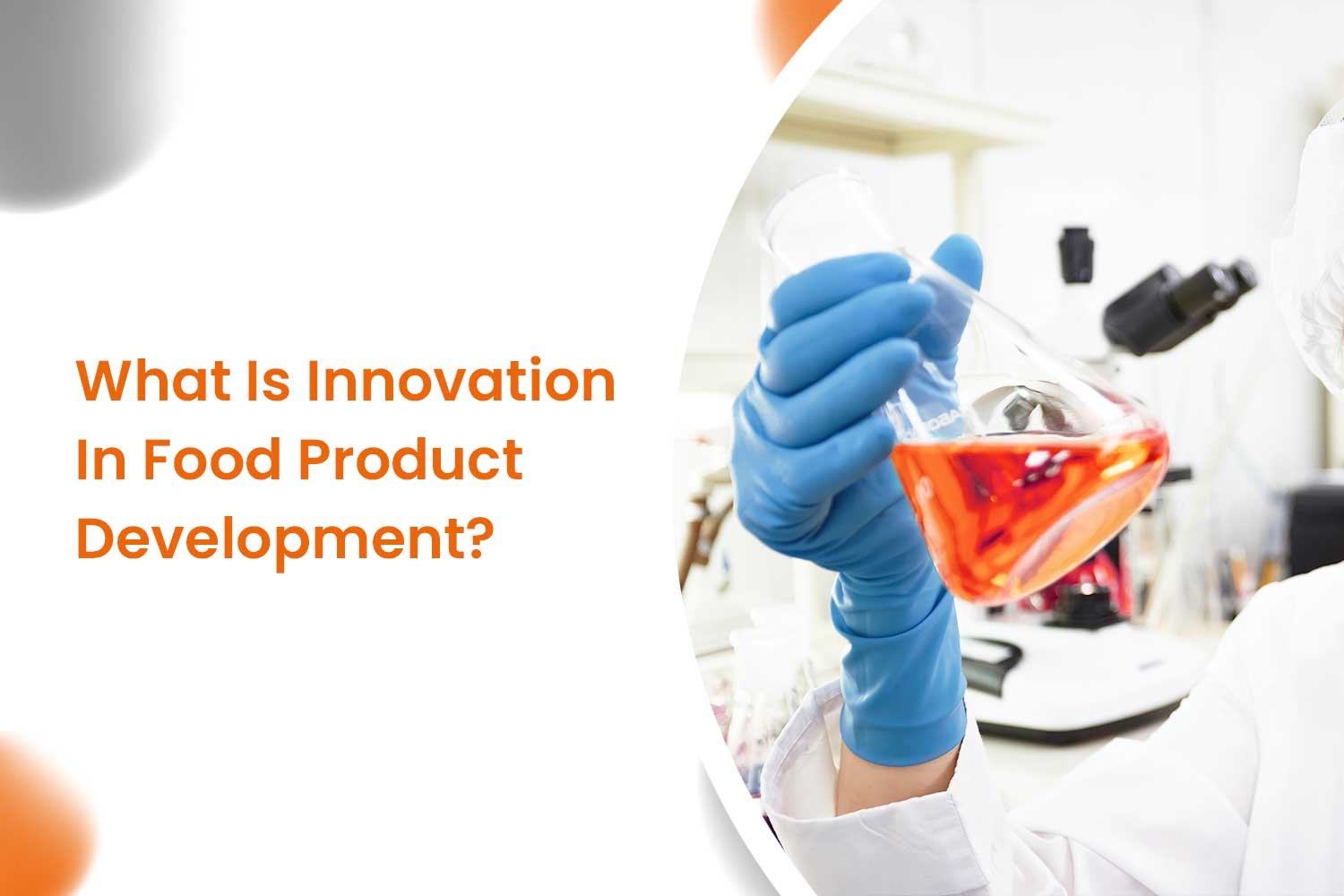
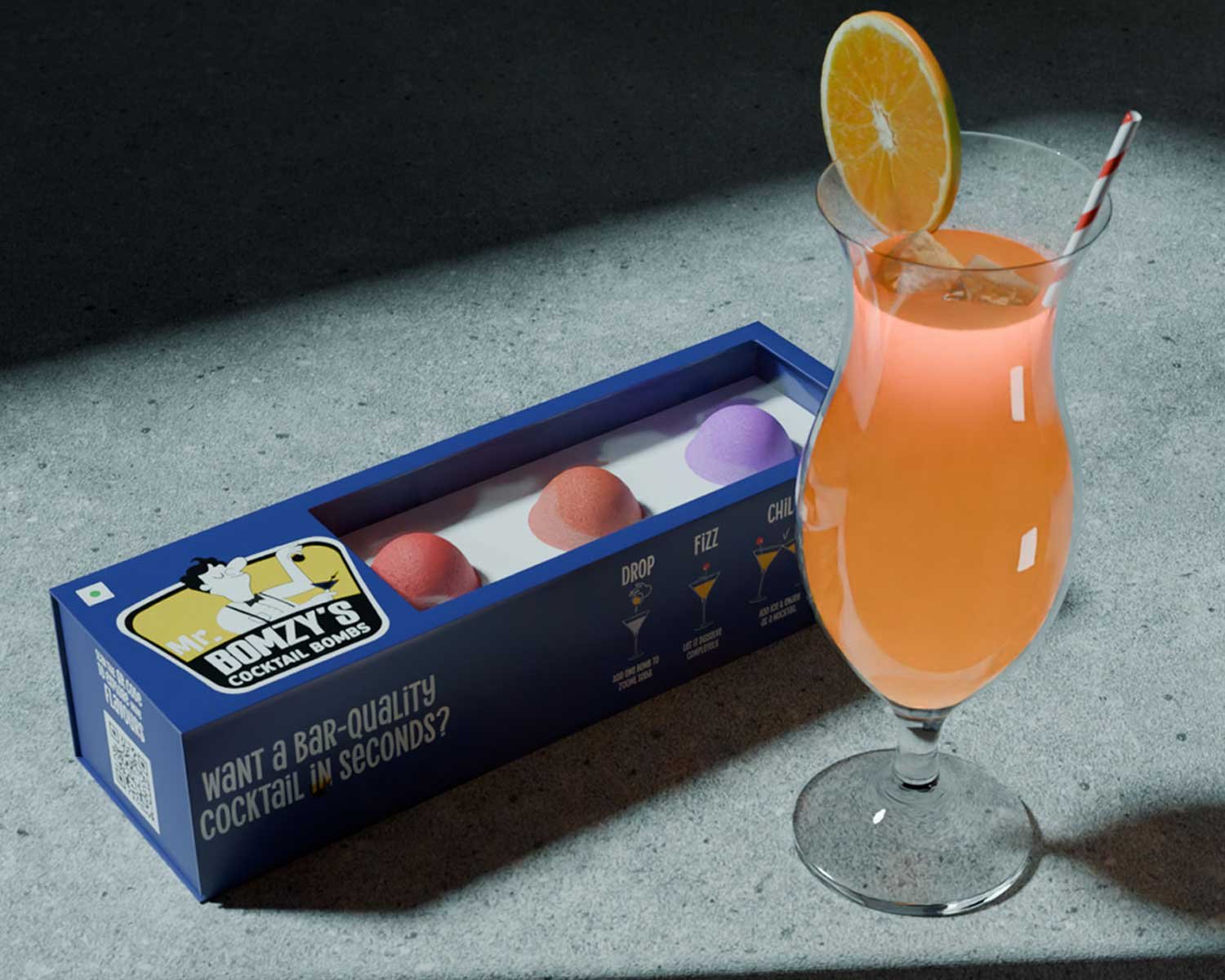
Innovation is the process of creating new food products or making big improvements to old ones. It includes using new ingredients, better methods of production, or food technology to create food that helps to meet consumer needs or solves problems. Innovative food products aim to bring new experiences to the market through new flavours, nutritional benefits, or more eco-friendly food production methods.
Examples Of Innovation In Food Recipe Development
- Plant-Based Meat: A key example of innovation in food development, offering sustainable alternatives that mimic real meat, moving beyond identical products in traditional product development.
- Lab-Grown Meat: Advanced innovation in food that reduces environmental impact and ethical concerns, redefining existing food development strategies.
- Smart Packaging: Enhances food safety and reduces waste, showing how food innovation adds value beyond simply launching identical products.
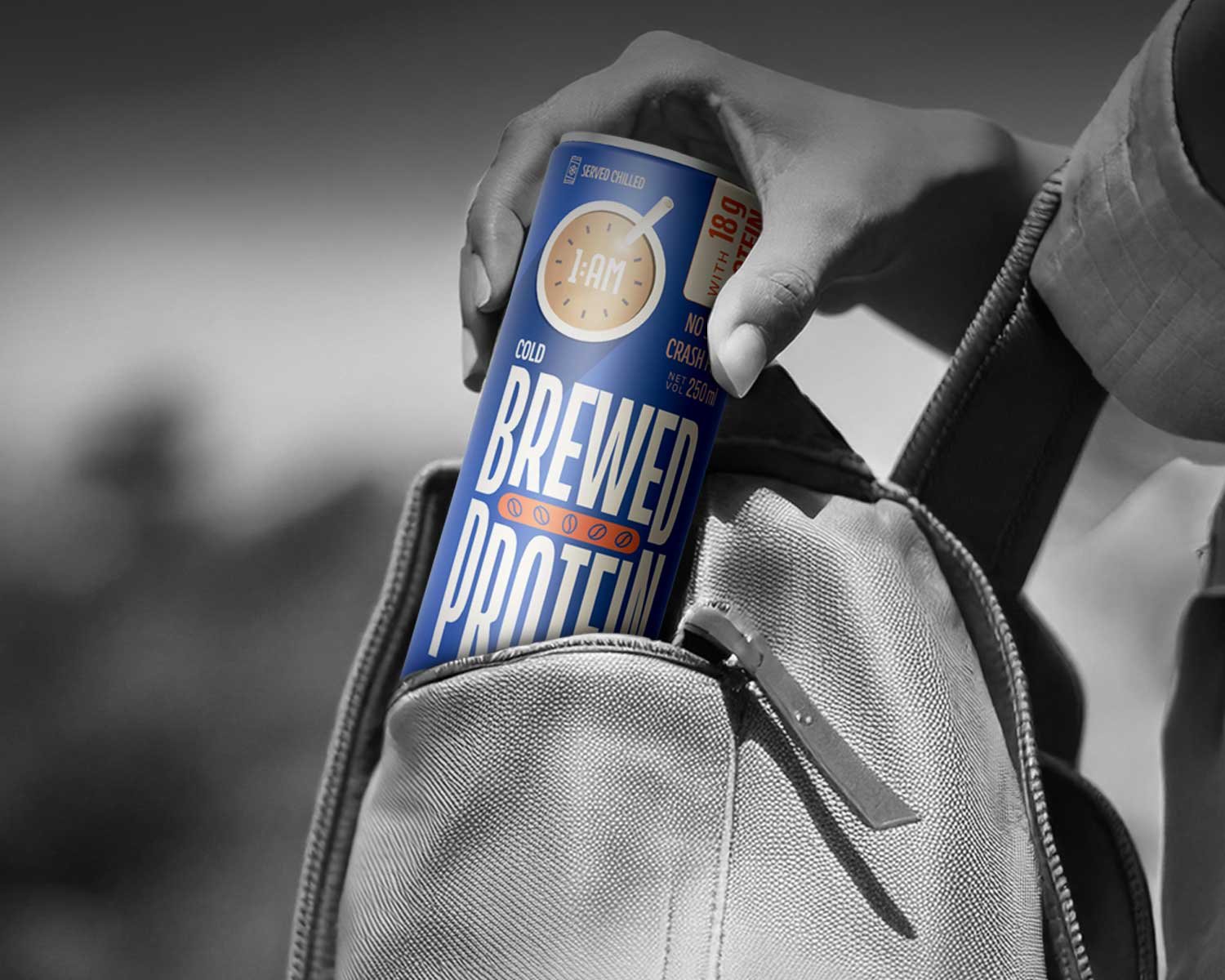
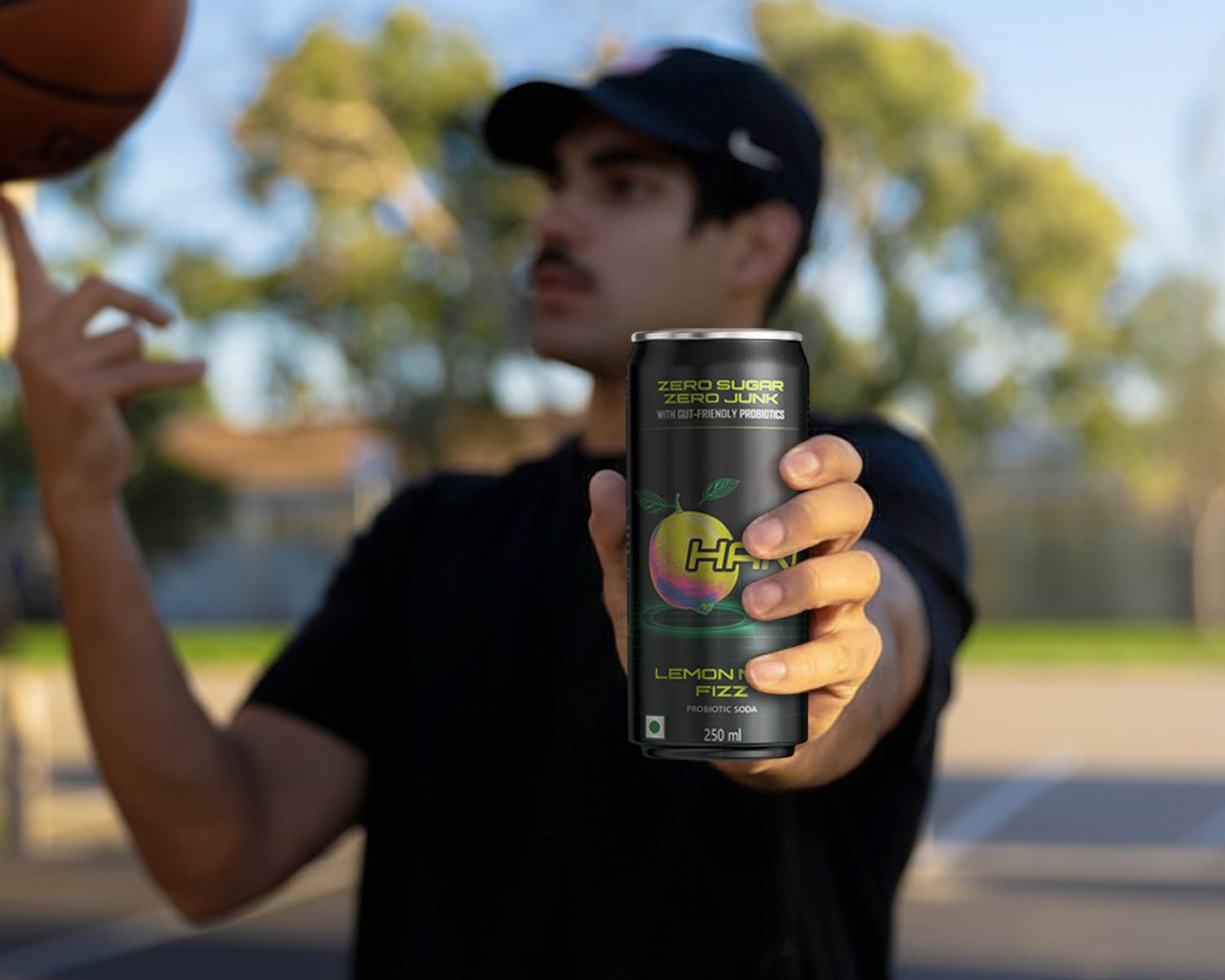
- Fortified Foods: Improves public health by adding vitamins and probiotics, demonstrating how food product development can evolve rather than rely only on existing food product development models
What Is Imitation In Food Product Development?
Imitation in food product development means making or copying the existing successful food products with small changes or improvements to them. Instead of creating something new from scratch, companies take the food product that is already liked by the consumers and modify it to make it more appealing or affordable for the consumers. Imitation helps food companies to meet the demand of consumers quickly and make it budget-friendly.
Examples Of Imitation In Food Recipe Development
- Store-Brand Products: A common approach in existing food product development where retailers create identical products at lower prices, focusing on cost advantage rather than food innovation.
- Copycat Snacks: Brands replicate popular protein bars or snack items with slight variations, showing how product development often relies on modifying identical products instead of true innovation in food development.
- Replicating Fast-Food Items: Chains adapt successful menu concepts with minor changes, reflecting existing product development strategies that prioritise imitation over breakthrough innovation in food.
How Innovation Is Making The Future Of Food?
Innovation in food development is playing a major role in the future of food, especially as consumer demands shift toward healthier, more sustainable, and convenient options.
1. Healthier Foods For Consumers
As people have now become more aware of their health, they are choosing foods that are low in calories, fat, and sugar. Many food companies are responding by introducing healthier options, like:
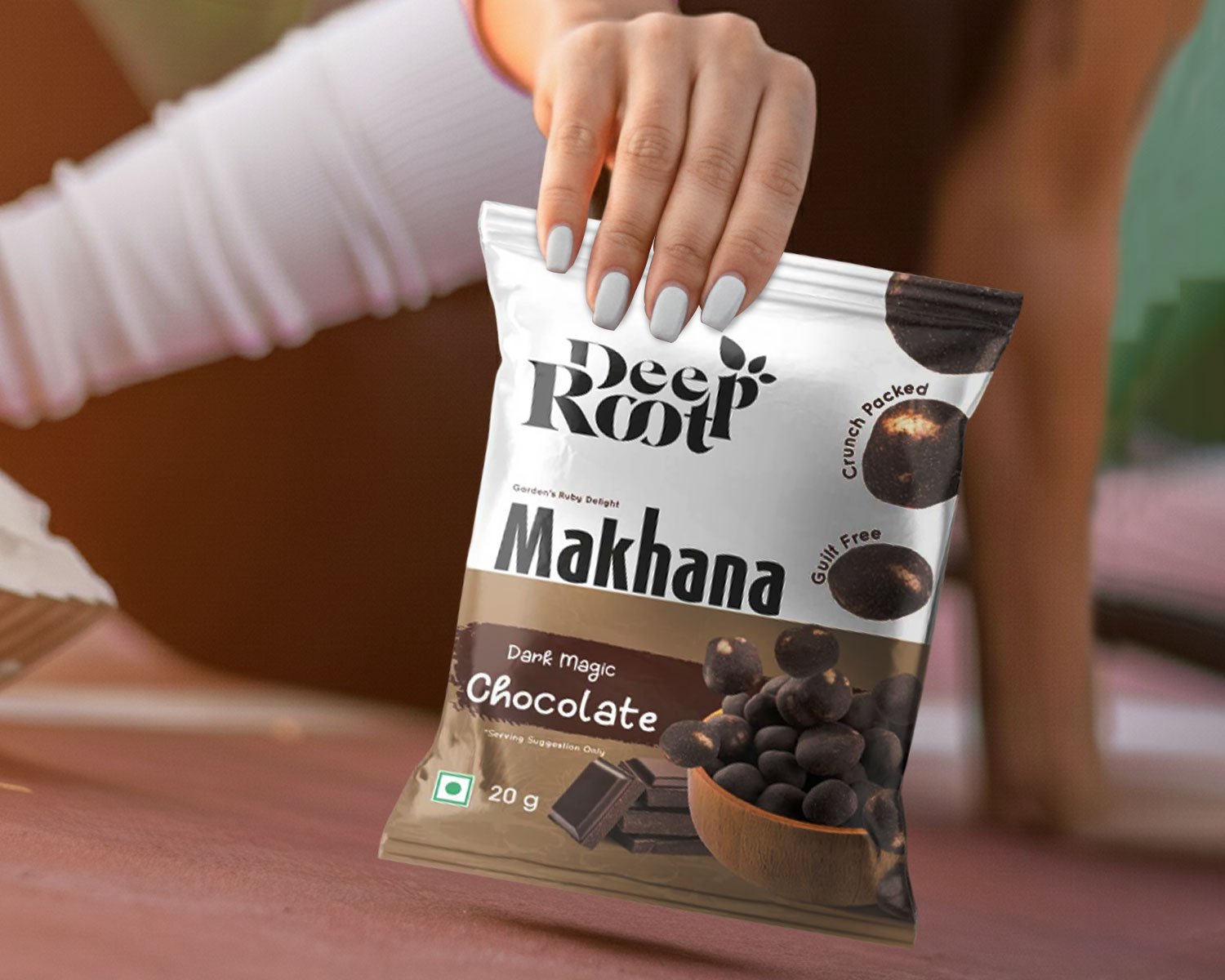
- Low-sugar and low-fat products: Food companies are developing sugar-free snacks and low-fat meals to meet the growing demand for healthier food choices.
- Gluten-free and plant-based options: People are increasingly intaking gluten-free or vegan diets, and food brands are creating products that meet these needs, like gluten-free bread or plant-based milks.
2. Making Food More Sustainable
Sustainability is an important concern for both consumers and food producers. Consumers have become more concerned with environmental issues, and so, food companies are creating eco-friendly products that reduce waste and improve sustainability. Innovations in this area are:
- Alternative proteins: Plant-based proteins, as well as insect-based proteins, are gaining popularity as more sustainable alternatives to traditional meat.
- Eco-friendly packaging: Some brands are developing packaging that is biodegradable or recyclable and reduces plastic waste.
3. How Technology Is Changing the Food Industry?
Technological advancements have changed the food industry. New food technologies help to improve food recipe production, safety, and distribution. Some main innovations are:
- 3D Food Printing: An advanced step in food product development that supports true innovation in food development, enabling customisation and reducing waste instead of producing identical products through existing food product development methods.
- Artificial Intelligence (AI): Drives innovation in food by predicting trends, creating new flavours, and improving processes beyond traditional existing food product development strategies.
The Power Of Imitation In Food Development
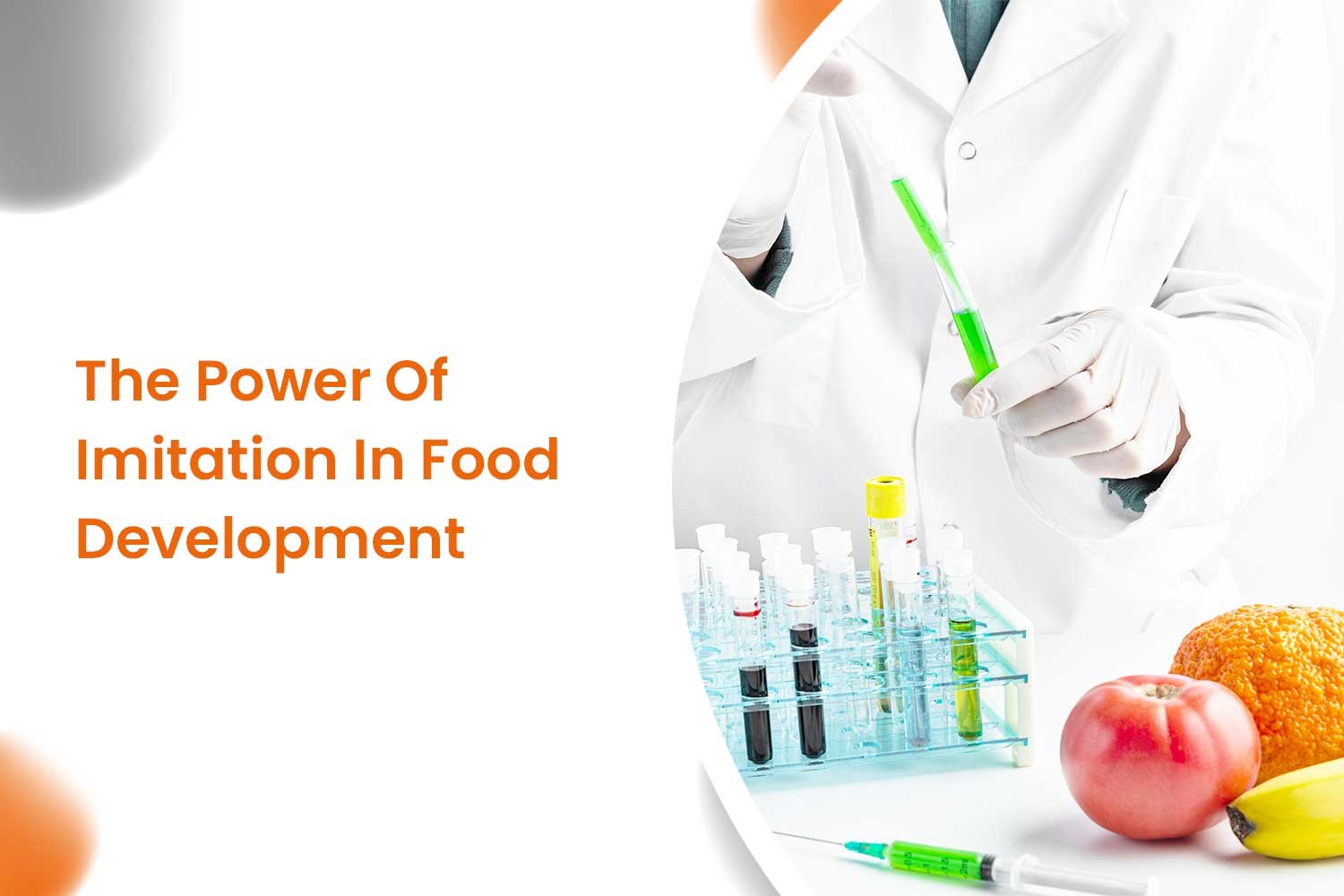
Imitation is a cost-effective and low-risk strategy. Instead of investing heavily in innovation in food development, companies refine identical products through existing product development models and launch them faster.
- Cost-Effective & Safe: Brands replicate proven concepts, reducing R&D costs and market risk.
- Lower Risk, Faster Returns: Working with successful formats increases acceptance and speeds up launch timelines.
- Meeting Consumer Demand: Companies quickly adapt trends (like plant-based foods) by creating similar versions, rather than focusing solely on breakthrough innovation in food.
When Innovation Wins Big!
Innovation in food products wins when consumers are looking for new solutions or fresh ideas. It is successful in markets where consumer preferences are rapidly changing. Innovation is also important when companies need to solve problems that affect a large number of people, like:
- Health concerns: Food products like plant-based meat and dairy alternatives meet consumers who want healthier options.
- Sustainability: New solutions, like lab-grown meat and sustainable packaging, address growing concerns about the environment.
- Personalised nutrition: Advances in health data have made it possible to create food that is customised to the specific dietary needs of individuals.
When Imitation Wins!
Imitation in food products is powerful when food companies want to enter the market quickly or when consumer loyalty is important. Imitation works well when:
- There is already high demand for a food product, and food companies can quickly meet that demand with a similar item at a lower price.
- The market is saturated, and food companies need to make small improvements to existing food products to stand out.
- Food companies want to test the market with products that consumers already recognise.
Lead The Food Revolution: Innovation Or Imitation: Make Your Move!

Both innovation and imitation are essential in product development. Innovation drives new ideas, solves market challenges, and meets evolving consumer demands. Imitation helps brands respond quickly to trends and create cost-effective alternatives to popular products. Successful food brands balance both strategies to build scalable, market-ready products.
Looking for expert support in food recipe formulation, new product development, and D2C food brand consulting?
Call our experts at 8130404757 today and claim your free consultation.
FAQ’s
Q1. What is the difference between innovation and imitation in product development?
Innovation introduces unique concepts, ingredients, or technologies, while imitation improves or adapts existing successful products.
Q2. Why is innovation important for modern food brands?
Innovation helps brands stand out, meet evolving customer expectations, and stay competitive in a crowded food market.
Q3. What limits innovation in food product development?
R&D costs, regulatory approvals, long testing cycles, consumer acceptance issues, and a lack of advanced technology.
Q4. What are the biggest challenges in launching innovative food products?
High production cost, ingredient sourcing, scaling prototypes, and meeting FSSAI and global regulatory standards.
Q5. Why do many food brands prefer imitation over innovation?
It is faster, cheaper, and reduces market risk by copying proven, high-demand products.
Q6. How can a food company reduce innovation risk?
By using consumer insights, rapid prototyping, pilot batches, and early-stage sensory trials.
Q7. What types of food innovations are growing fastest today?
Plant-based foods, clean label products, functional beverages, gut-health foods, and sustainable packaging.
Q8. How does consumer demand affect food innovation?
Consumer interest in health, sustainability, and convenience directly influences the direction and success of food innovation strategies.
Q9. Can a brand use both innovation and imitation strategies?
Yes, many brands successfully combine both to reduce risk while maintaining a steady pipeline of new product offerings.
Q10. What factors decide whether innovation will succeed in product development?
Success depends on product quality, timing, pricing, regulatory compliance, R&D capability, and consumer acceptance.