A lifespan of a century is no longer just a fantasy — modern science confirms it is an achievable reality. While genetics lay the foundation, research reveals that nutrition accounts for up to 70% of how we age. The Indian diet, rooted in Ayurvedic wisdom, is already aligned with longevity science and is home to some of the most powerful longevity foods in the world. Fiber rich foods like dal, chickpeas, bajra, jowar, and ragi feed beneficial gut bacteria, reduce chronic inflammation, stabilize blood sugar, and lower cardiovascular risk — all critical drivers of healthy ageing. Bioactive compounds like turmeric’s curcumin, amla’s Vitamin C, and fermented foods like idli and kanji further support cellular health and a diverse gut microbiome.
This is where food product development finds its greatest opportunity. Innovators are harnessing these time-tested ingredients — improving bioavailability and delivering them as functional snacks, nutraceutical beverages, and fortified staples — to proactively support a 100-year life, rooted in nature and validated by science.
Understanding Longevity Foods in the Indian Context
These longevity foods are foods rich in nutrients that research shows help people live longer and stay free from diseases. In India, people have been enjoying longevity foods all along without even knowing what they were. Starting from the curries laced with turmeric to the fermented rice preparations of South India, our food culture contains everything that centenarians eat around the world.
But the idea is not a novel one either. The study of blue zones, places where people tend to live beyond 100 years of age, showed remarkable resemblance to the traditional Indian diet habits. Such societies follow a mostly plant-based diet, limit consumption of processed foods, and naturally limit themselves in terms of calories through intermittent fasting.
Science-Backed Longevity Foods Common in Indian Cuisine
Pulses and Legumes: The Ultimate Longevity Foods
It’s not just comfort food; it is one of the strongest foods for increasing your life span. According to studies, eating legumes daily can decrease your chances of death by 8%. Indian cuisine already has moong dal, chana, rajma, and masoor dal in their diet, which contain high amounts of plant proteins, fibre, and polyphenols that help prevent cellular ageing.
According to research conducted at Loma Linda University, individuals who consumed legumes four times a week were 22% less likely to develop heart disease than those who consumed it less than once a week. It would be easy for Indians to consume it daily by having it in their meals.
Turmeric: India’s Golden Anti-Aging Secret
Turmeric, specifically its active ingredient known as ‘curcumin’, may well be India’s most scientifically studied gift to foods for anti-ageing diets. Curcumin has been proved to possess anti-inflammatory, brain-protective, and even anti-ageing abilities. The haldi doodh, or turmeric milk, that our mothers raved about when we were young? Science confirms its anti-inflammatory and immune-boosting effects.
What makes turmeric so potent? The fact that it is taken in conjunction with black pepper and fat by Indians boosts curcumin bioavailability by up to 2000%.
Leafy Greens and Cruciferous Vegetables as Longevity Foods
These plants provide nutrients which activate longevity genes and shield the DNA from any form of harm. According to the study published in the Journal of Epidemiology, one’s consumption of leafy vegetables on a daily basis could delay cognitive decline by up to 11 years. The Indian style of cooking the vegetables ensures that all the nutrients remain intact and increase their health benefits as longevity-promoting foods.
Fermented Foods: The Probiotic Longevity Foods
Consumption of fermented food is an important part of blue zones diets, and India offers a wide range of products like idli, dosa, kanji, curd, pickles and others. All these foods have probiotics, and gut health is linked to longevity by recent studies. Healthy gut microbiome affects immunity, inflammation control and mental health.
Longevity in Koreans and Japanese is owed to fermented foods, which can provide the same benefit to the Indian population when consumed regularly.
Nuts, Seeds, and Healthy Fats
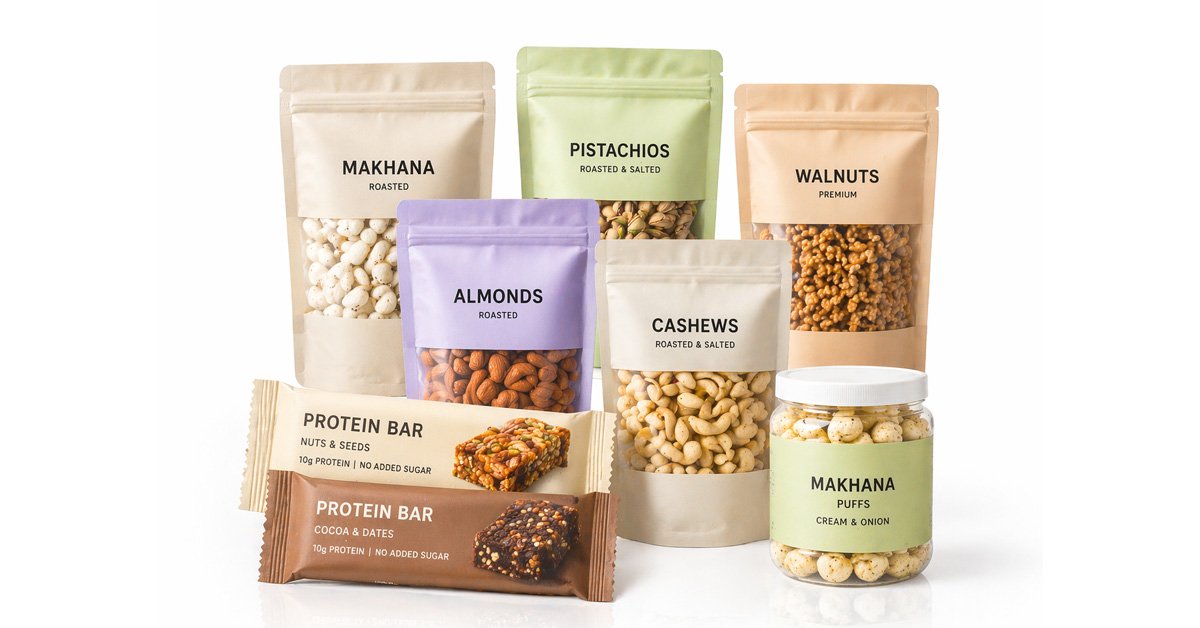
Almonds, walnuts, flaxseeds, and sesame seeds are among the Indian snacks and garnishes that can be considered superfoods for longevity. According to the According to the Adventist Health Study, people who consume nuts five times per week tend to live two to three more years than those who do not consume nuts.
This can be achieved by adding these nuts to the diet in the form of chikki, ladoo, or just snacks during evenings.
Creating Your Indian Longevity Foods Plate
Constructing an Indian meal designed for longevity does not necessitate major shifts. You can begin by incorporating whole grains (brown rice, millets, and whole wheat), followed by a hearty dose of dal or legumes, two preparations of vegetables (green and coloured), and finally a modest portion of fermented foods such as buttermilk or pickles.
What do the oldest people in blue zones consume? Mainly plant-based foods (95%), some fish or dairy products, and hardly any meat. This pattern of diet perfectly coincides with the traditional vegetarian diets consumed in India, making us inherently adept in the game of longevity.
Consistency and diversity are the fundamentals. Switch up your dal, try out vegetables from diverse regions, play around with millets, and do not neglect traditional methods used by our forefathers.
Longevity Foods to Limit or Avoid
While paying attention to what you should consume, don’t forget about eliminating items that lead to rapid ageing. Such ultra-processed foods as refined sugar, flour, trans fats, etc., have been left out of the Blue Zone menu for a reason since they increase the risk of inflammation and metabolic issues.
Nowadays, an Indian diet is full of packaged items, sugary drinks, and refined oils. Choosing the food consumed during ancient times will significantly affect your lifespan.
Key Takeaways
- Longevity foods from traditional India such as turmeric, lentils, and leafy vegetables are scientifically proven to increase lifespan.
- Adhering to the same principles that govern the blue zone diet could increase your life expectancy by 10-15 years.
- Foods rich in plant proteins and fermentation are crucial longevity foods in Indian cuisine.
- Seasonal eating is vital in making the most out of superfoods for longevity.
- Simple dietary modifications can greatly affect your lifespan.
Foodsure Takeaway
At Foodsure, we do not think that longevity is about harsh dieting or fancy supplements; it is about going back to basics and making use of the age-old foods that have been scientifically shown to work wonders. The knowledge possessed by our forefathers was immense because food is medicine.
The longevity foods mentioned here are neither rare nor costly. You will find them easily in your local markets, and they will taste good too. The problem is not that these foods work. It is whether you will be able to incorporate them into your everyday diet or not.
Conclusion
The road to longevity is not filled with fad diets or wonder drugs. Instead, it consists of meals made of longevity foods that have been scientifically proven and revered through tradition. Indian cuisine provides an excellent template for longevity—we only need to understand it, preserve it, and follow it.
Start immediately. Add some extra dal, switch from white rice to millet, increase your consumption of greens, and indulge in some fermented foods. Contact us at +91-8826313121. and start your product development journey today.
FAQs
What are the most effective longevity foods in India?
Some longevity foods which have been scientifically tested and are easily available in India include lentils, turmeric, vegetables, fermented foods, nuts, and whole grains.
What is the blue zone diet, and can Indians adopt this diet?
The blue zone diet is based on consuming more plants, legumes, and whole grains and avoiding processed food items, all of which are common practices among Indian vegetarians.
What foods do centenarians consume regularly?
Centenarians mostly consume plants (95%), legumes daily, whole grains, nuts, very little meat, and sometimes seafood or dairy products.
What are some Indian superfoods for longevity?
Some Indian superfoods known to boost longevity include turmeric, amla, moringa, tulsi, ginger, garlic, flax seeds, walnuts, and different kinds of lentils.
What are the best foods to delay ageing?
Foods that contain antioxidants, omega-3 fatty acids, and polyphenols such as berries, fatty fish, nuts, leafy greens, legumes, and fermented foods help reduce ageing.