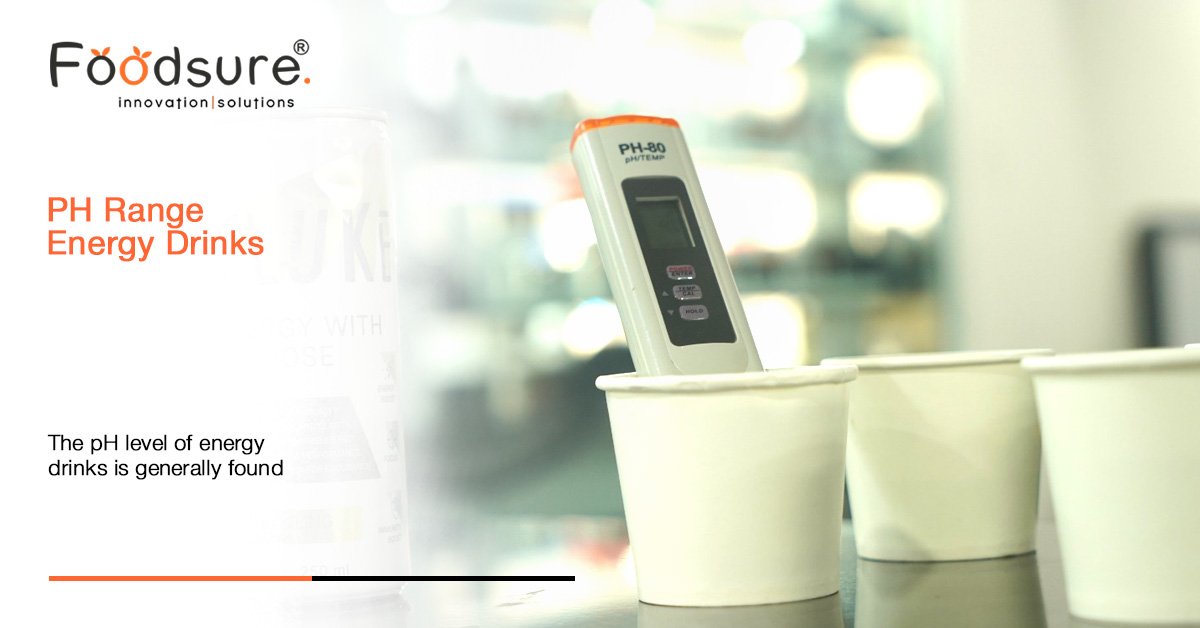
The pH level of energy drinks is generally found to lie within a range of 2.5 to 4.0, thereby categorizing them as acidic in nature. The acidic nature is significant in terms of taste, storage, etc. Whether you are a consumer wanting to know more about your beverage or an entrepreneur wanting to know more about your product, it is significant that you know more about the pH level found in energy drinks. The pH level is basically a measure that states whether a given liquid is acidic or basic in nature. The lower the pH level, the more acidic is the liquid. Most carbonated drinks, such as energy drinks, are found to possess a low pH level. This makes understanding the pH range energy drinks essential for both consumers and manufacturers.
Want to Launch a Stable & Scalable Energy Drink?
From pH optimization to preservative balance and carbonation stability, get expert support to develop energy drinks that meet safety standards and perform well in the market.
Why pH Matters in Energy Drinks

Understanding the pH range energy drinks helps explain these key functional properties.
The pH range of energy drinks does not simply represent a chemical property; instead, it significantly affects several characteristics of the energy drink:
Taste Profile
The pH level of energy drinks plays a role in the strong, tangy taste of the drink. The addition of citric acid beverage pH regulators helps to improve the flavor of the drink and provides the refreshing kick.
Preservation and Safety
The pH level of energy drinks helps to prevent the growth of harmful microorganisms. This makes the importance of acidity control in beverage formulation quite significant.
Ingredient Stability
The pH level of energy drinks helps to stabilize the formulation of the drink, thus ensuring the efficacy of the active ingredients of the energy drink.
Carbonation Efficiency
The pH level of energy drinks helps to improve the carbonation efficiency of the drink, making the soft drink pH range quite suitable for carbonation purposes.
Typical pH Level in Energy Drinks
The pH level in these energy drinks normally falls in the following range:
The pH range energy drinks typically fall within specific acidic limits depending on formulation.”
- 2.5 – 3.3: Highly acidic, as in the case of cola-based soft drinks
- 3.3 – 4.0: Moderately acidic, as in the case of fruit-flavored energy drinks
For comparison, the following are the pH levels in some common items:
- Water: 7 (neutral)
- Orange Juice: ~3.5
- Cola: ~2.5
As indicated, the pH level in soft drinks matches the pH level in the case of energy drinks. Manufacturers adjust the pH level in these energy drinks using acids
Key Ingredients That Influence pH
Citric Acid
Being one of the most used acidulants in the beverage industry, citric acid beverage pH is one of the most important factors in controlling the acidity and taste of the beverage.
Phosphoric Acid
Being one of the most important ingredients in cola-based drinks, it adds a sharper taste and lower pH value.
Carbonic Acid
As the name suggests, it is formed when carbon dioxide is dissolved in water. It adds to the acidity and carbonation of the beverage.
Malic Acid
Being used in fruit-flavored drinks, it adds a smooth taste and lingering sour taste.
Ideal pH for Carbonated Energy Drinks
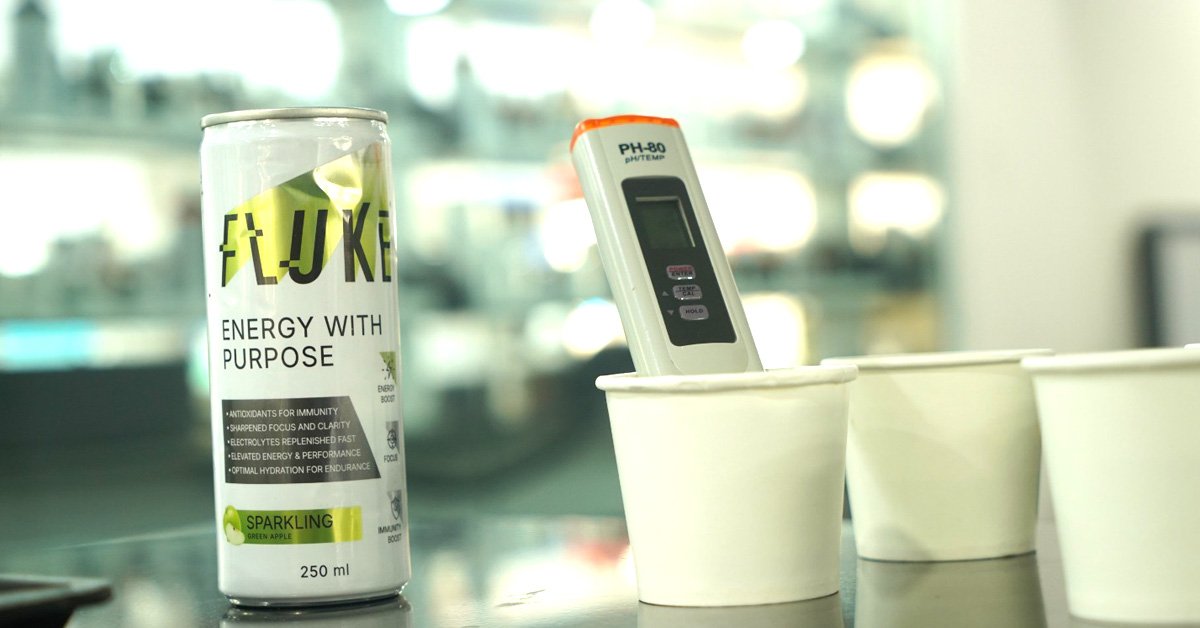
The ideal pH range energy drinks for carbonated beverages is between 2.8 and 3.5. The reason this is the ideal pH is that it:
- Prevents microbial growth
- Maintains the stability of the carbonation
- Improves the flavor balance
- Increases the compatibility of the ingredients
When the pH is too low, the energy drink may taste sour, while if the pH is too high, the energy drink may not be safe for consumption, hence the importance of maintaining the pH level of energy drinks as an exact science.
Beverage Acidity Control in Manufacturing
Control of the acidity of the beverage is an important aspect of the manufacturing process, with advanced techniques used by manufacturers to ensure the following:
- pH Meters & Sensors: Monitoring the drink during the production process
- Buffer Systems: Ensuring the drink has the right pH despite the ingredients used
- Controlled Ingredient Dosing: The right amount of acids is used
- Quality Testing: Verifying the drink batch-wise
The right pH stability of the drink formulation is important to ensure that the taste of the drink is the same in every can.
How pH Affects Beverage Shelf Life
The pH range energy drinks plays a critical role in determining shelf life and product safety . The optimal pH level that should be found in carbonated energy drinks is 2.8 to 3.5. The reason why this is the optimal pH level is that it:
- Prevents microbial growth
- Maintains stability in carbonation
- Improves flavor balance
- Enhances compatibility
When the pH level is low, the energy drink will taste sour, but when it is too high, it is not safe for consumption, that is why it is essential that we take note that the pH level of energy drinks is an exact science.
Regulatory Considerations in India
In India, beverage products must adhere to FSSAI guidelines, and these guidelines indirectly affect acidity levels. Although there is no specific pH value that beverage products must adhere to, there are other requirements that must be fulfilled, including:
- Microbial safety
- Ingredient limits
- Ingredient transparency
Proper beverage acidity management is essential for brands looking to remain compliant and provide their customers with a consistent product.
Challenges in Maintaining pH Stability
Although this pH range energy drinks’ energy level is seemingly simple, sustaining this pH range is difficult because of:
- Ingredient variability
- Temperature variability
- Carbonation loss
The pH stability of energy drinks is always monitored during their formulation.
Practical Tips for Beverage Entrepreneurs
When launching an energy drink, the following is recommended:
- Target the ideal pH for carbonated energy drinks, which is between 2.8 and 3.5.
- Use citric acid beverage pH control.
- Invest in the right acidity control system.
- Constantly check the pH level of energy drinks during the manufacturing process.
- Make sure the drink formulation has good pH stability.
- The right pH range is what makes or breaks the quality of energy drinks.
Conclusion
The pH range energy drinks is a fundamental aspect of drink formulation, which has a direct bearing on taste, safety, and longevity. Usually, the pH range is maintained between 2.5 and 4.0, which is crucial for microbial protection, taste enhancement, and formulation stability. Starting from citric acid beverage pH control to drink formulation pH stability, every step in the production of energy drinks is all about pH.
For all those interested in energy drinks, as consumers or entrepreneurs, the pH level in energy drinks is a key area that offers crucial information on what goes into these drinks, making them not only safe, refreshing, and long-lasting but also successful in terms of branding.
OPTIMIZE pH FOR STABLE ENERGY DRINKS
Develop Shelf-Stable Energy Drinks with Ideal pH & Acidity Control
The right pH range is critical for taste, microbial safety, and preservative efficiency. Build scientifically balanced formulations with optimal acidity, carbonation compatibility, and longer shelf life.
FAQs
What is the pH range energy drinks?
Typically between 2.5 and 4.0.
What is the ideal pH for carbonated energy drinks?
Around 2.8 to 3.5 for optimal stability and taste.
How does pH affect beverage shelf life?
Lower pH increases shelf life by preventing microbial growth.
Which ingredient controls pH in energy drinks?
Citric acid is the most commonly used acidulant.
Is the pH level in energy drinks similar to soft drinks?
Yes, the soft drink pH range is very similar to energy drinks.
Why is beverage acidity control important?
It ensures safety, taste consistency, and product stability.