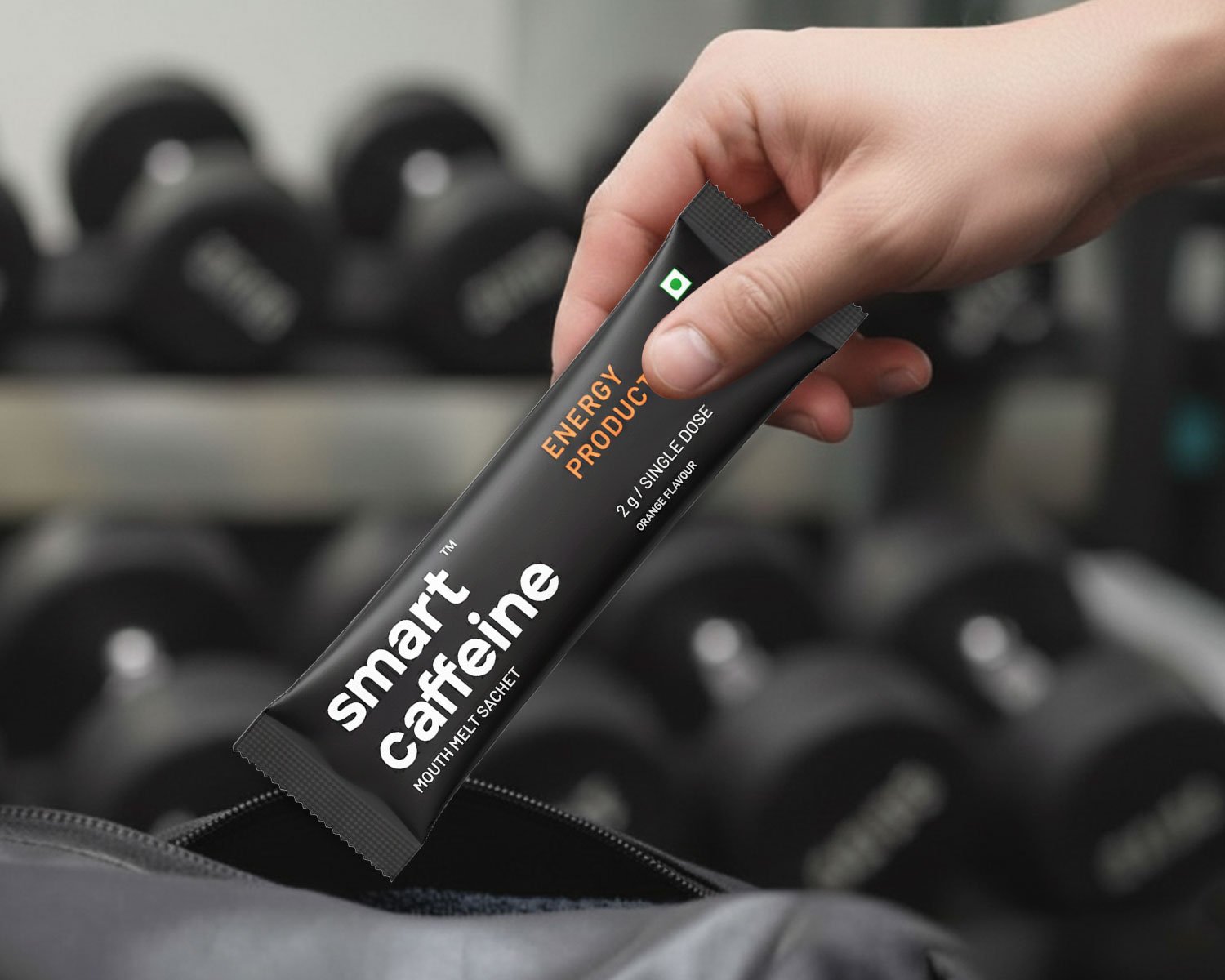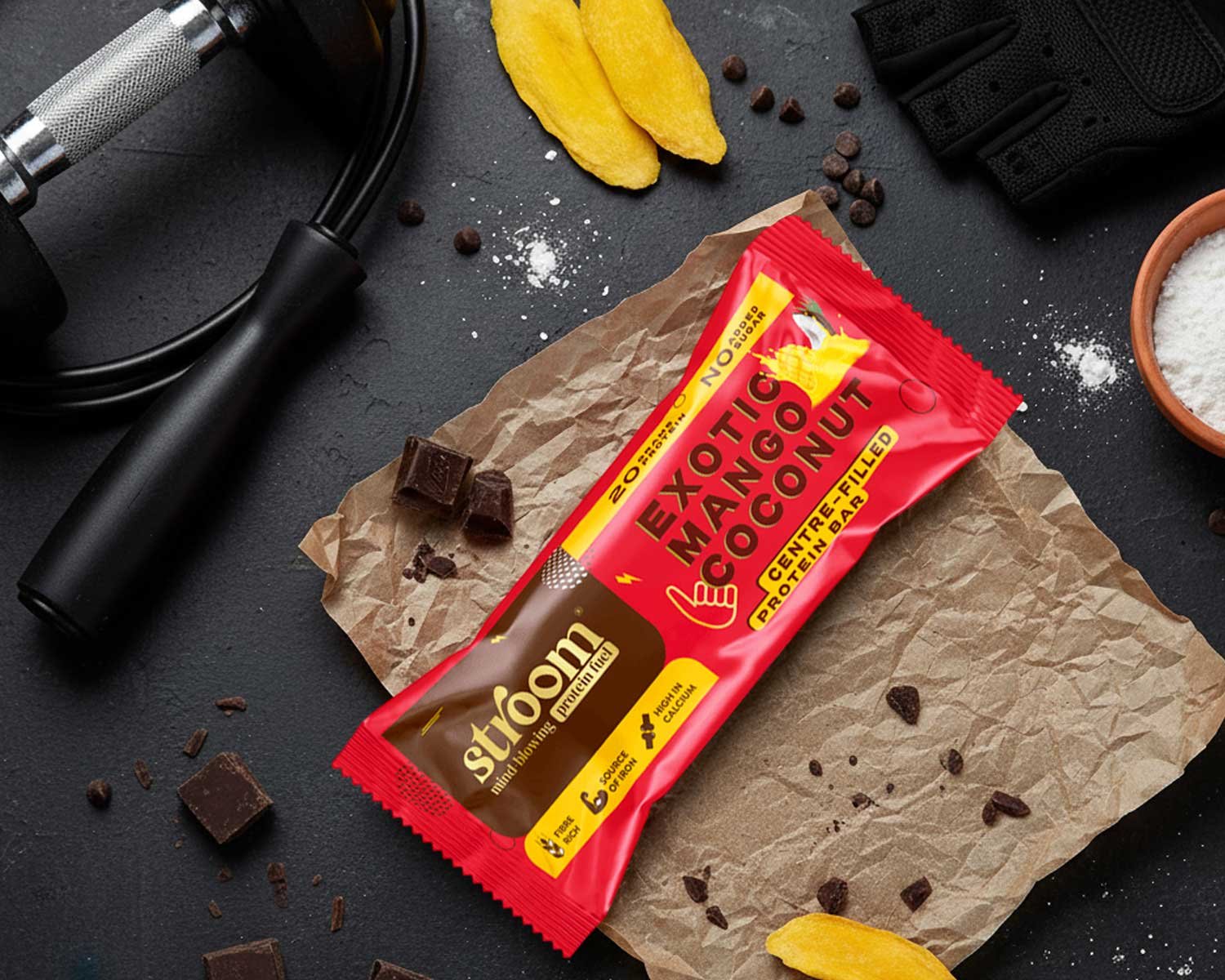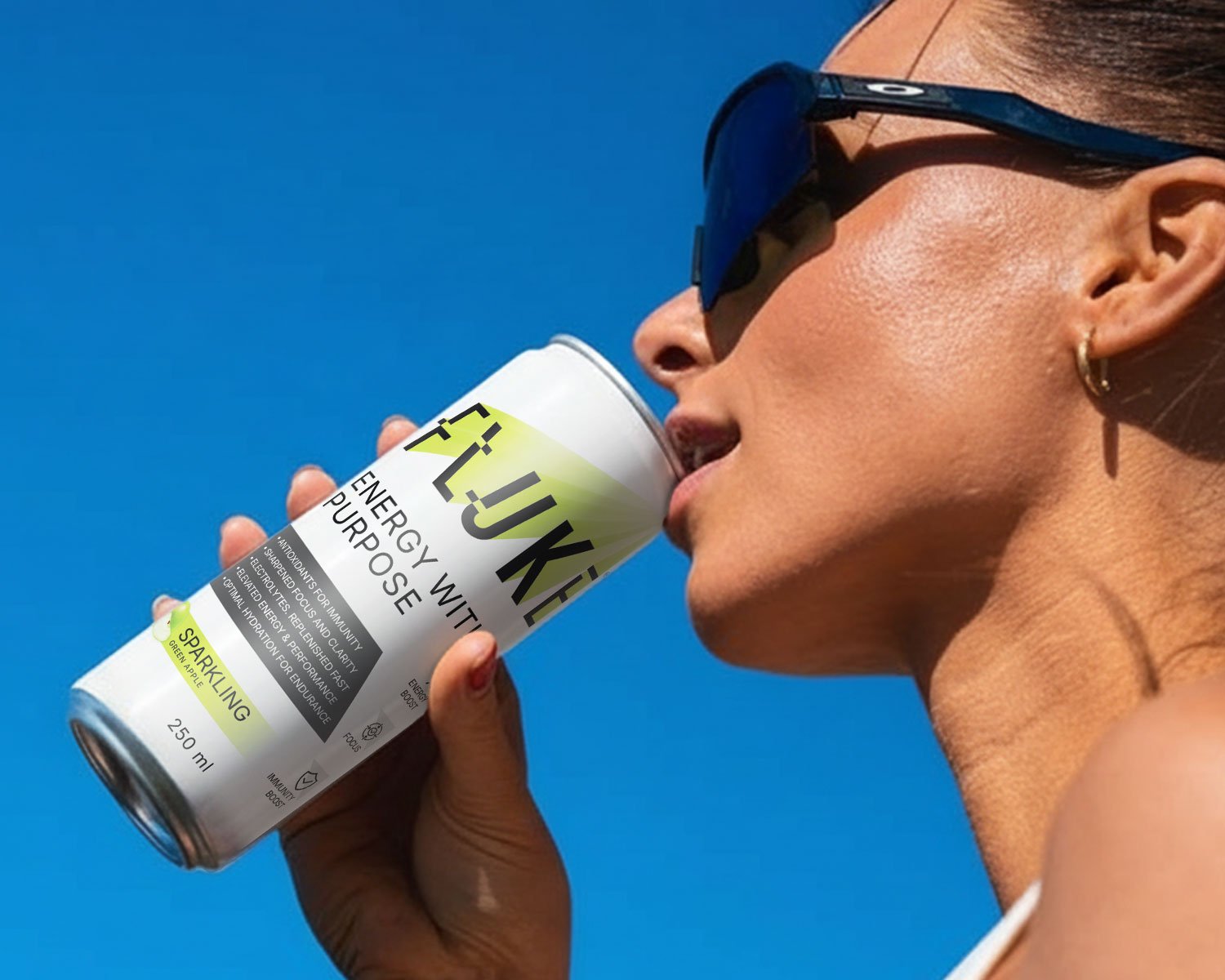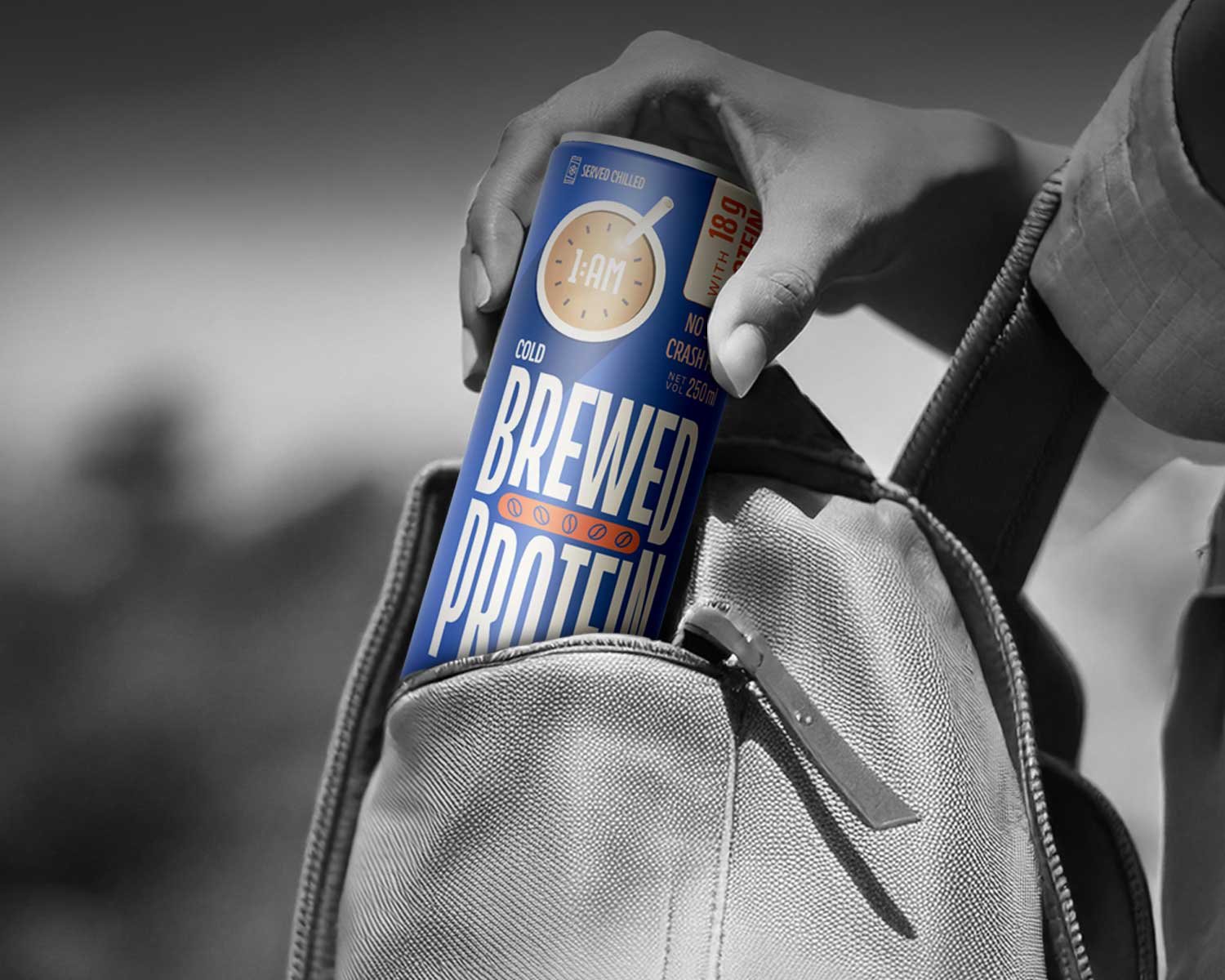
Has it ever struck you how people nowadays don’t simply pick up a meal to satisfy their stomach, but they are trying to make the most out of it, an optimal lifestyle? Protein bar at a meeting, fortified beverages at the end of the workout, or instant meals at the end of a long day, food is no longer like a food, it is convenience functionality rolled into a pack.
It is this change that has seen the rise and the boom of Ready to eat health Foods. Consumers desire to eat healthy, grow delicious and fast, without compromising their wellness. And in the case of founders, this is not a fad, but a huge opportunity to be created.
What Are Ready-to-Eat Nutraceutical Foods?
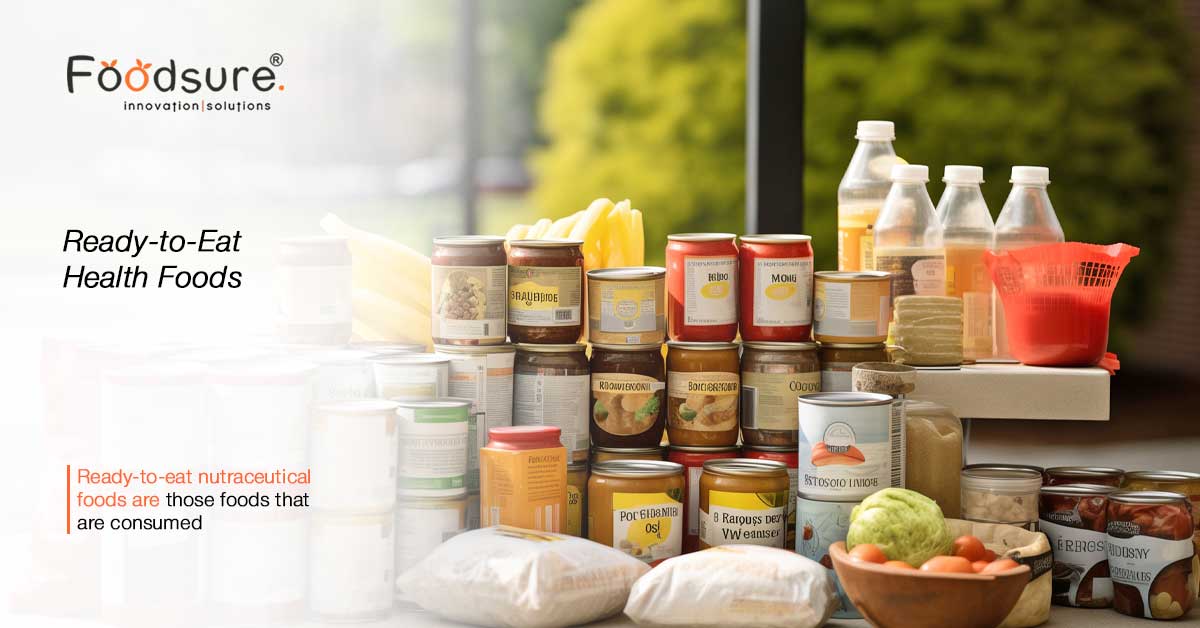
Ready-to-eat Nutraceutical foods are those foods that are consumed immediately yet provide extra health benefits that have to be beyond normal nutritional value. These include:
- Rich source of protein, instant meal sample, and protein supplements.
- Vitamin-or probiotic- or adaptogen-containing functional snacks.
- Snacks, enriched with immunity or energy supplements, when you are on the road.
- Ready bowls, soups, and bars are such convenient, nutritious foods.
As compared to conventional packaged food items, the products are designed to achieve specific health benefits, such as gut health and weight management.
Why the Market is Booming (Backed by Data)
The emergence of the ready-to-take nutraceuticals is not a cause incident, but is supported rather by some powerful macro trends:
- The ready-to-eat meals market in India was valued at $0.62 billion in 2024 due to the urbanized lifestyles and the need to access Ready-to-eat health Foods.
- India is projected to have a massive innovation potential with ready-to-mix and instant foods projected to grow by 16.41% CAGR in the next five years, till 2030.
- On a worldwide scale, the annual capacity and consumption of ready-to-eat dishes is over 50 billion meals per year and is a demonstration of scale and acceptance.
- Asia-Pacific is the most rapidly developing region because of urbanization and the use of higher amounts of disposable income.
The combination of health + convenience + portability is resulting in a new type of product, nutraceutical-ready meals.
Understanding Consumer Psychology
To create a successful product, you need to decipher what the consumer of the day really desires:
- Healthy but Simple: People desire to eat healthily,y but not to have to spend time and energy.
- Guilt-Free Convenience: Consumers are willing to indulge in snacks and meals that are justified in terms of their nutritional value.
- Functional Benefits: The functional purchase drivers include Energy, immunity, gut health, and protein.
- On-the-Go Consumption: The products will have to be able to fit the lifestyle of travel, work, and fast-paced living.
Key Product Formats to Explore
1. Instant Meal Packs
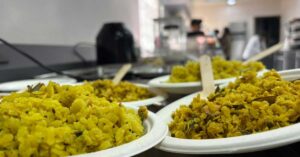
- Ready khichdi, bowls of millet, protein rice dishes
- Freeze-dried or retort solutions
- Good shelf life + rapid heating
2. Travel Snacks
- Snacks, Protein Bars, trail mixes, roasted snacks
- Compact, non-perishable, nutrient-dense
3. Convenience Nutrition Foods
- Ready soups, gourmet drinks, and shakes
- Added functional micronutrient beverages
4. Therapeutic & Functional Foods
- Diabetic-friendly meals
- Keto, vegan, gluten-free

Step-by-Step Product Development Process
| Step | Stage | Key Focus |
|---|---|---|
| 1 | Functional Need | Define health benefit (protein, immunity) |
| 2 | Ingredients | Select nutraceutical-rich inputs |
| 3 | Format & Processing | Choose format and shelf-life technique |
| 4 | Nutrition Balance | Optimize macro and micronutrients |
| 5 | Taste Testing | Ensure appealing flavor and texture |
| 6 | Packaging | Portable, safe, and sustainable |
| 7 | Compliance | Follow FSSAI and labeling requirements |
Key Challenges in Product Development
- Finding a Middle-Ground between Taste and Nutrition. Fancy foods may sacrifice taste, such as high-protein foods.
- Shelf-Life Stability: Function,s Ingredients, Stabilizers. These ingredients can lose their functionality over time.
- Cost vs Value Perception: Studies on high-end ingredients add cost, and there should be a reasonable relationship between cost and what is added.
- Consumer Education: There is still a lack of awareness by many consumers about the benefits of nutraceuticals.


Trends Shaping the Future
- Personalized Nutrition: Tailored prepared dishes, according to health objectives.
- Clean Label Movement: The absence of preservatives and artificial additives.
- Plant-Based Innovation: vegan ready-to-eat healthy foods and sustainable.
- Hybrid Products: Food + supplements/ Supplements + Probiotics (e.g., protein meal with probiotics)
- E-commerce & D2C Growth: Online categories are increasing the adoption of the category.
Go-To-Market Strategy for Founders
- Niche start (e.g., diabetic-friendly instant meals)
- Concentrate on a single hero product
- Digital-first method of launch
- Develop a solid branding on the concept of functional benefit
Call Foodsure for Professional Food & Beverage Product Development
Introducing Ready-to-eat health Foods is not merely a matter of product-making, but a matter of the establishment of a scientifically tested, scalable, and market-fit solution.
Foodsure helps you:
- Develop nutraceutical formulations
- Make decisions in favor of taste and nutrition.
- Choose the appropriate processing & packaging.
- Ensure regulatory compliance
- Scoring concept to commercialization.
Your new concepts are put into a product that can be sold in the market, whether you want to prepare instant meal packs, travel snacks,s or convenience nutrition foods. Foodsure makes it possible.
Need to take a next-generation product to the market? Become connected with Foodsure.

FAQs
What are the ready-to-eat nutraceutical foods?
They are packaged, ready-made meals that have enhanced functional ingredients that provide health benefits other than simple nutrition.
Do healthy foods that are prepared to eat sell in India?
Yes, the segment has good growth rates of double digits and a growing demand with good scalability and margins.
How long do the packs of instant meals have a shelf life?
Processing will give it a shelf life of 6 months to 18 months.
Are nutraceutical foods made using what ingredients?
Some of the most frequently used include proteins, vitamins, minerals, probiotics, omega-3, and plant extracts.
What is the start-up cost of a ready-to-eat health foods company?
Start with the product concept, formulation, testing, compliance,ce and then proceed to manufacturing and branding.
What are the best packaging options for ready-to-eat health foods?
Popular are retort pouches, vacuum, and microwave-safe containers.
What are the trends in convenience nutrition foods?
Major trends include clean-label products, plant-based meals, personalized nutrition, and functional snacking.