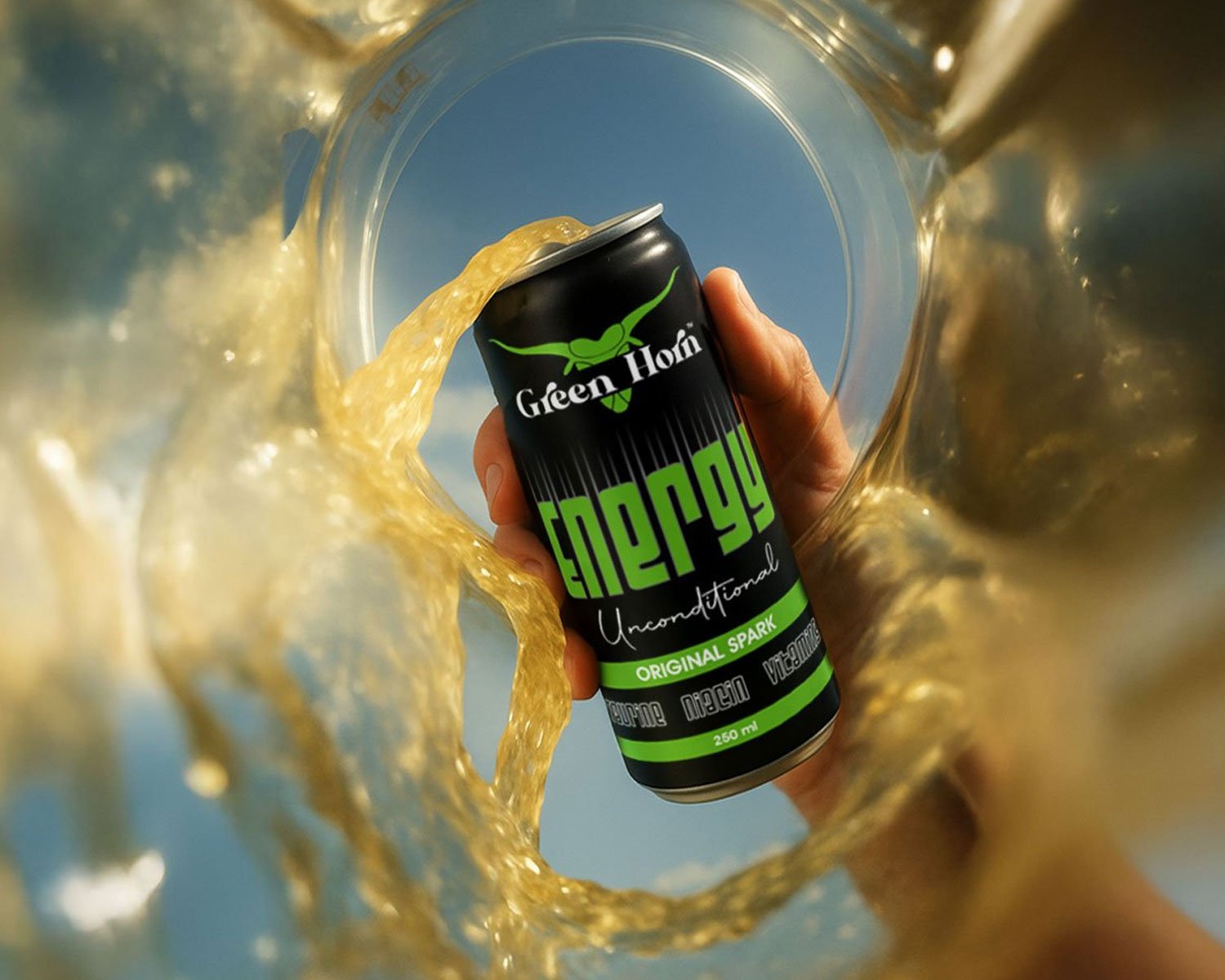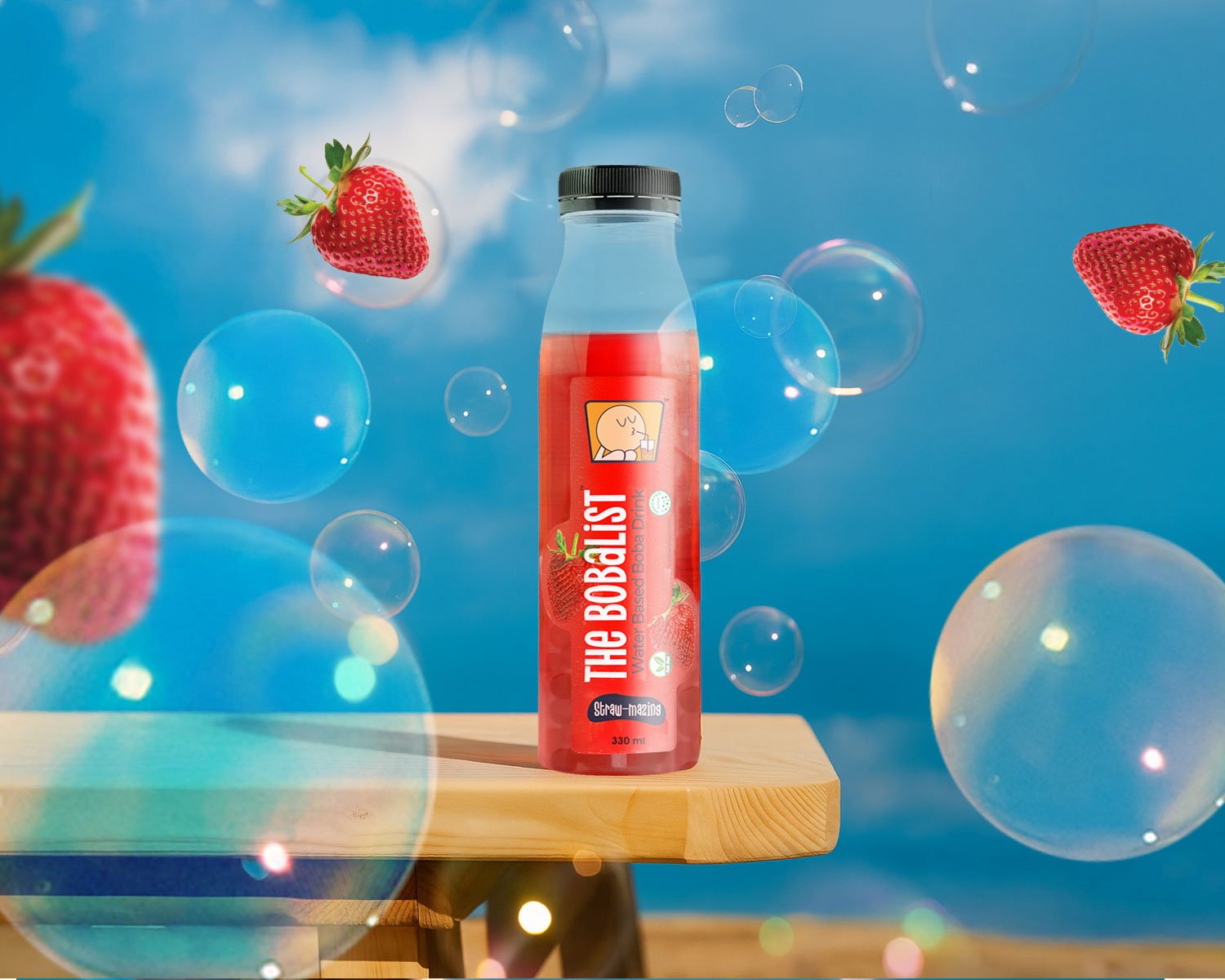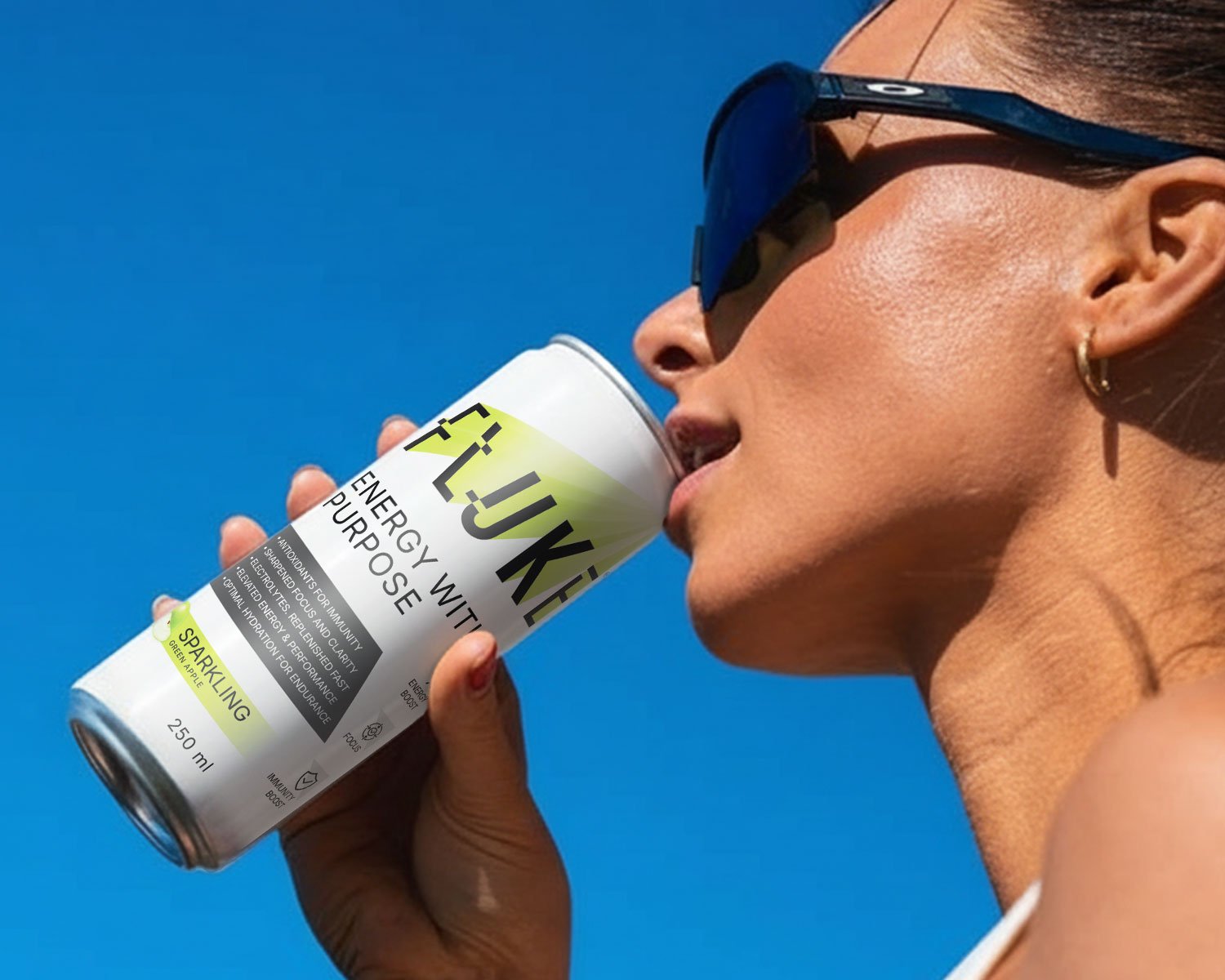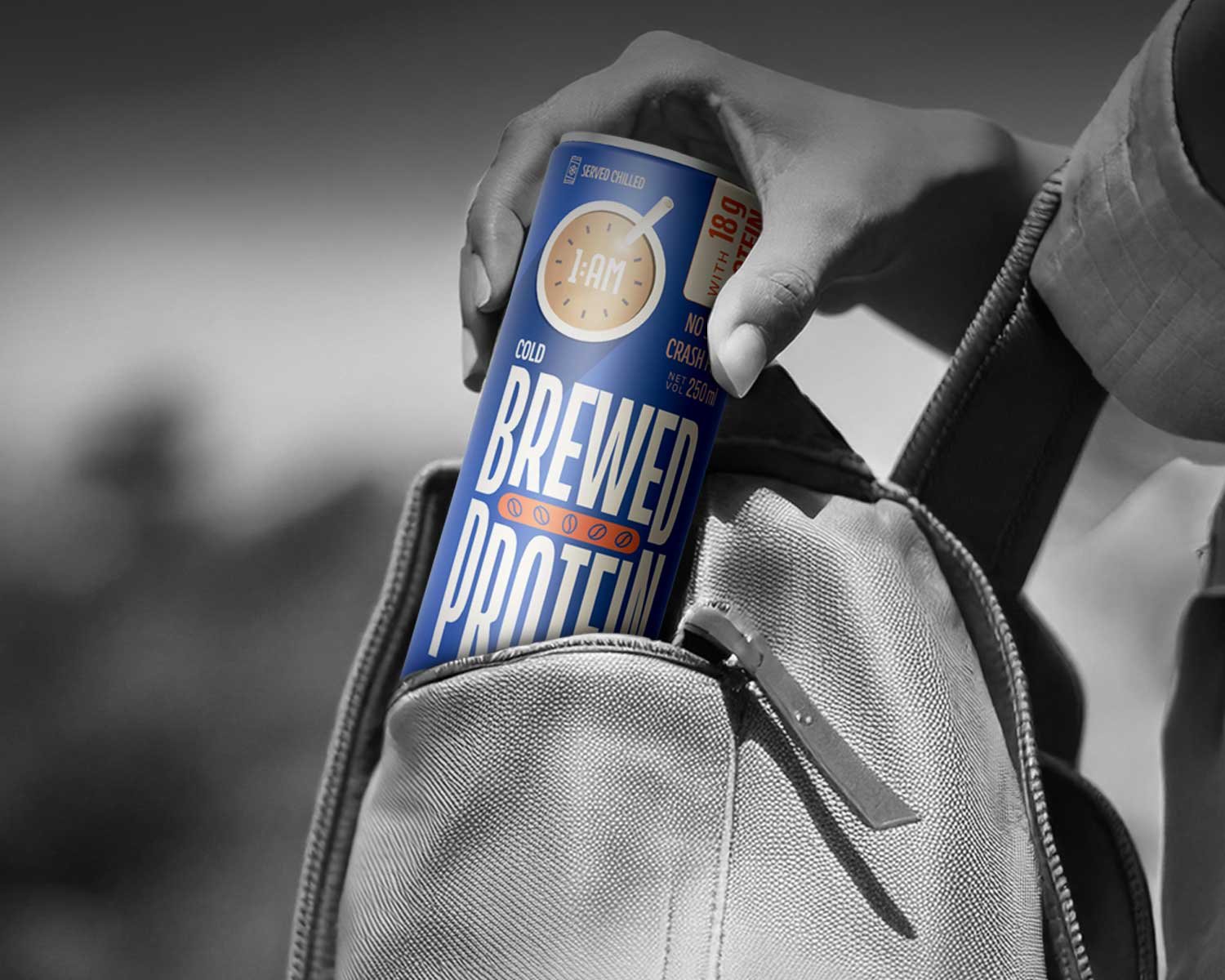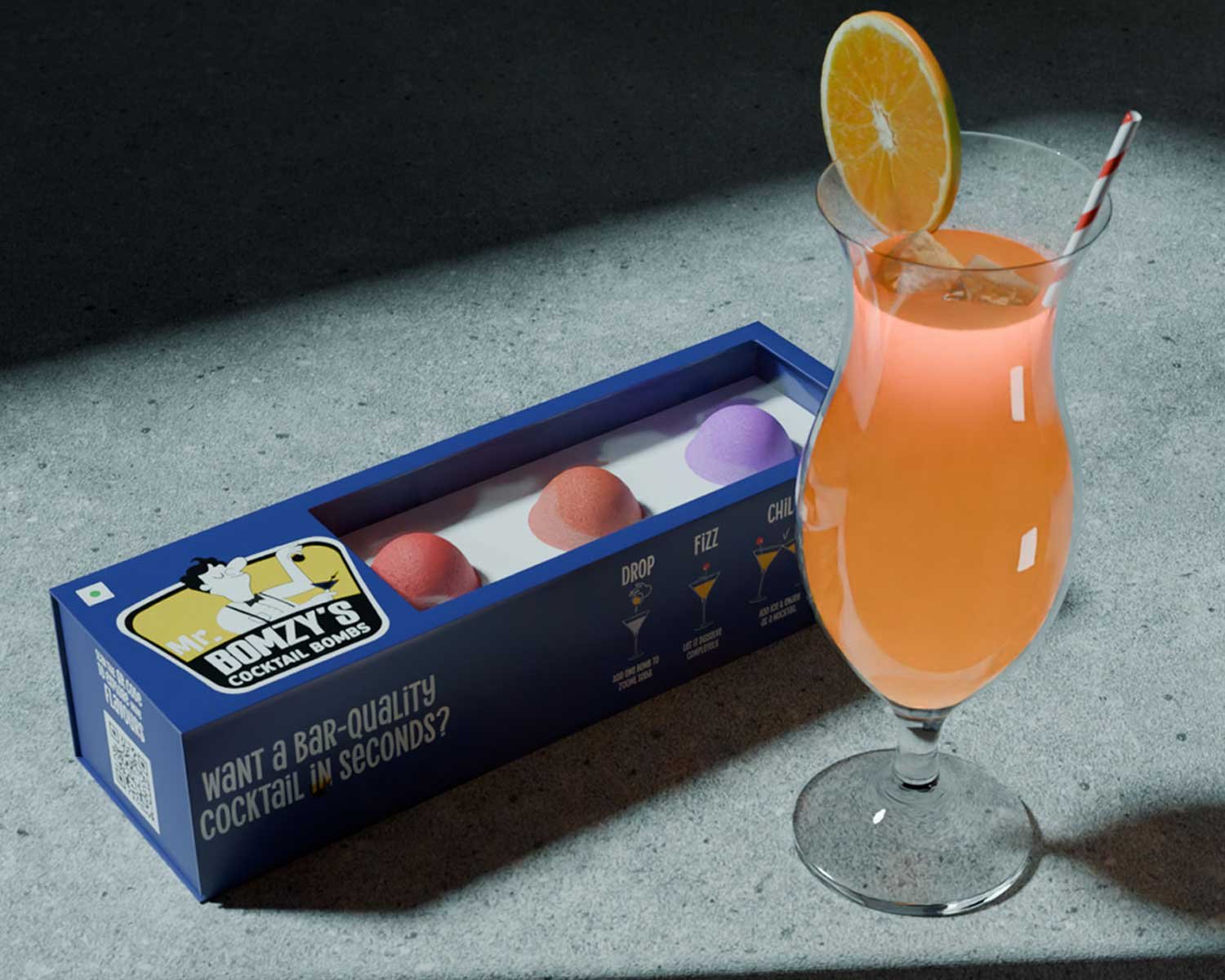
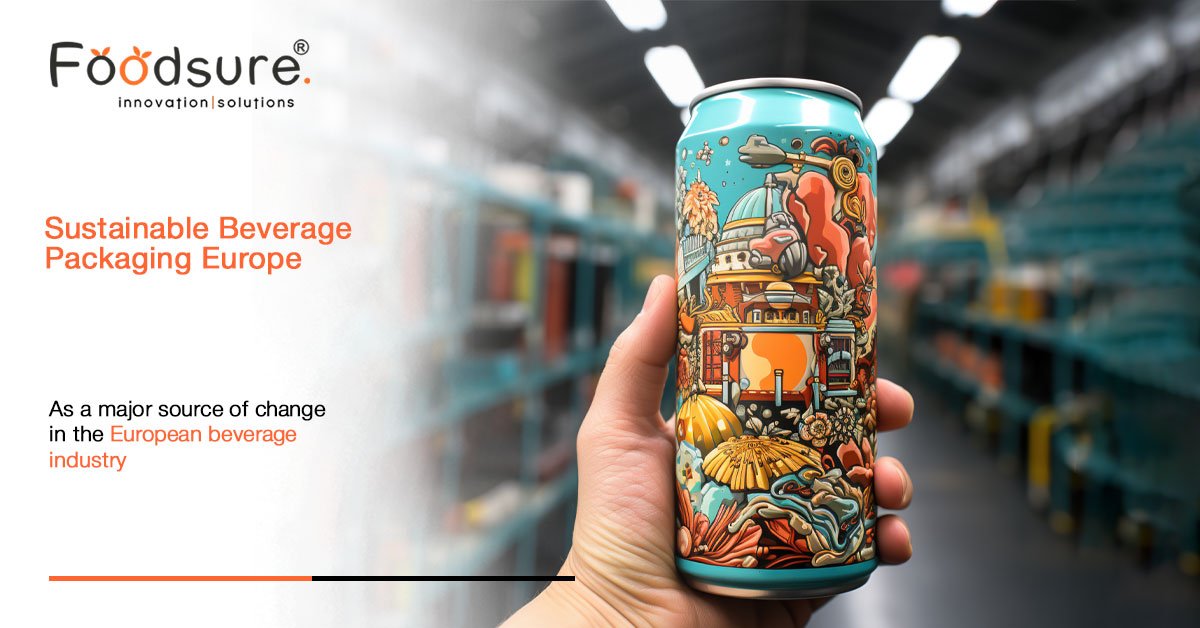
As a major source of change in the European beverage industry, sustainability is a key driver. Government, retailers, and consumers are expecting packaging solutions that can minimize the impact on the environment while still ensuring product quality. Consequently, sustainable beverage packaging Europe is attracting a great deal of attention from beverage manufacturers and startups. For example, several companies are switching to packaging formats like aluminium cans, lightweight bottles, and recyclable drink packaging in order to be more in line with environmental expectations.
In this blog, the top packaging innovations influencing the European beverage industry are discussed, and beverage brands are advised on how they can make packaging decisions that are appropriate to the factors of cost, sustainability, and market positioning.
The Shift Toward Sustainable Beverage Packaging Europe
| FACTOR | EXPLANATION |
| Brand Perception | Packaging now shapes how consumers view beverage brands, influencing trust, quality perception, and brand positioning. |
| Shelf Visibility | Modern packaging formats help products stand out on crowded retail shelves. |
| Sustainability Expectations | Consumers increasingly prefer eco-friendly drink packaging that supports recycling and reduces environmental impact. |
| Retailer Requirements | Many retailers encourage brands to adopt recyclable drink packaging to meet sustainability targets. |
| Operational Efficiency | Packaging choices affect logistics, transportation costs, and supply chain efficiency. |
Why Packaging Matters Today
- Packaging plays a crucial role in how a brand is perceived and whether consumers feel they can trust it.
- Eco-friendly drinks packaging is part of the support that retailers give to the products they sell.
- Recyclable drink packaging is one of the things that brands are increasingly focusing on in order to meet their sustainability goals.
- As a result, sustainable beverage packaging is gaining more and more popularity in Europe.
PLAN YOUR SUSTAINABLE BEVERAGE BRAND
Choose The Right Sustainable Packaging For Your Beverage
Get expert guidance on eco-friendly packaging, cost comparison, and compliance for Europe beverage markets.
Key Challenges in Sustainable Beverage Packaging Europe
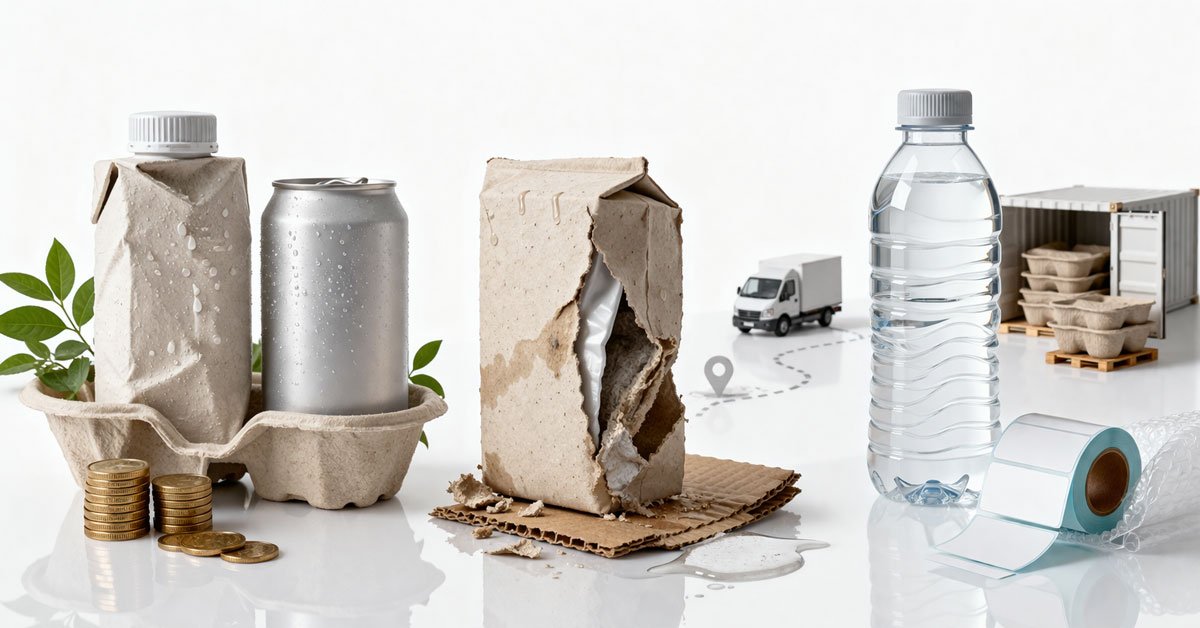
Selecting the right packaging format in the European beverage sector can be very challenging. Beverage entrepreneurs will have to weigh sustainability objectives, production compatibility, pricing efficiency, and, at the same time, compliance with regulations and expectations of consumers. Beverage brands face several common challenges when selecting packaging and entering the European market.
- Understanding the distinctions in PET and other packaging formats used across European countries and deciding on the one that matches the product category.
- Researching waste management systems in different European countries when introducing recyclable drink packaging.
- Controlling manufacturing expenses while switching to environmentally friendly drinks packaging.
- Making sure that the packaging does not affect the drink quality during storage and delivery.
- Searching for dependable suppliers who offer green packaging materials.
- Matching the packaging format to the brand image and the product’s position on the retail shelf.
- Complying with the environmental packaging standards and related regulatory requirements.
Understanding the Practical Side of Sustainable Packaging
The idea of sustainability in beverage packaging might seem complicated at times, but the main point is very simple. Organisations are working towards minimizing their negative effects on the environment at the same time they are fulfilling product requirements and optimizing costs. In the European beverage industry, this approach usually focuses on three areas:
- Increasing the use of recyclable drink packaging
- Reducing plastic usage where possible
- Improving packaging materials to support circular recycling systems
PET vs Can Europe Packaging Comparison for Beverage Brands
| FACTOR | PET BOTTLES | ALUMINIUM CANS |
| Weight | Very lightweight | Lightweight |
| Recyclability | Recyclable but system-dependent | Highly recyclable |
| Shelf Appeal | Traditional look | Premium modern look |
| Production Setup | Flexible bottling systems | Requires canning equipment |
| Product Protection | Moderate | Excellent |
Recyclable Drink Packaging and Circular Economy Goals
An important goal of sustainable beverage packaging Europe is the growth of the use of recyclable drink packaging. Recycling infrastructure across Europe is gradually getting better, which means that materials like aluminium and PET can be recycled and made into new products.
Examples of recyclable drink packaging include:
- Aluminium beverage cans
- Glass bottles
- Recyclable PET containers
- Carton-based beverage packaging
Companies that use recyclable drink packaging will be able to get their work in line with the main circular economy activities, which plan to limit waste and have materials being used again.
Sustainable Packaging Trends for Drinks Europe
Important sustainable packaging trends for drinks Europe include:
- Lightweight aluminium packaging
- Reduced plastic content in bottles
- Development of plant-based materials
- Improved recycling technologies
These sustainable packaging trends for drinks Europe are guiding beverage companies to design effective packaging systems, as well as eco-friendly. It’s very much necessary for firms that plan to launch new products to understand these trends.
Evaluating Cost Comparison of Sustainable Drink Packaging
Beverage companies often conduct a cost comparison sustainable drink packaging before selecting packaging formats.
| FACTOR | AVERAGE COST |
| PET Bottle | €0.07 – €0.14 per unit |
| Aluminum Can | €0.12 – €0.20 per unit |
| PET Filling Cost | ≈ $0.04 per unit |
| Can Filling Cost | ≈ $0.03 per unit |
| Aluminum Scrap Value | ≈ $1,400 per ton |
| PET Scrap Value | ≈ $300 per ton |
How Strategic Packaging Decisions Support Beverage Growth
For beverage companies that want to get into the European market, a packaging strategy is going to be one of the biggest factors in their long-term success. If a company chooses to operate with sustainable beverage packaging Europe, not only will the company be able to satisfy the demands of regulators, but the brand will also be able to appeal to consumer preferences.
Key strategies include:
- Adopting eco-friendly drinks packaging solutions
- Studying slim can trends in Europe for product positioning
- Prioritizing recyclable drink packaging materials
- Conducting a cost comparison of sustainable drink packaging before production
By following these strategies, beverage companies can align their products with modern sustainable packaging trends for drinks Europe. Most beverage entrepreneurs find it difficult to choose packaging, coordinate suppliers, and meet sustainability requirements in the absence of industry knowledge. Foodsure is a partner for beverage companies, helping them to select the right packaging, supplier, and regulatory compliance with sustainable European packaging of beverages.
Final Takeaway
The European beverage market is a great place for companies that choose sustainable packaging to grow their business. Still, being successful with such a project is about more than having the right choice of materials for the packaging. Packaging companies in the beverage sector need to implement their sustainability initiatives in a way that is not only compatible with their packaging formats, which must be efficient, but also with their supply chains, which must be reliable, and compliance, which must be up to the latest regulations.
BUILD A SCALABLE BEVERAGE BRAND
Launch Sustainable Drinks With The Right Packaging & Cost Model
From PET vs cans to recyclable formats, we help you choose the right packaging for cost, compliance, and scalability in Europe.
✔ Sustainable Packaging Strategy
✔ Cost Comparison (PET vs Can)
✔ Compliance & Label Guidance
✔ Scale-Ready Beverage Planning
FAQs
What is Sustainable Beverage Packaging Europe?
Sustainable beverage packaging Europe means environmentally-friendly packaging options that lessen the usage of waste and help recycling in the beverage sector in Europe.
Why is eco-friendly drink packaging important for beverage brands?
Eco-friendly drinks packaging supports brands in lowering their environmental footprints, complying with the law, enhancing their public image, and winning over sustainability-conscious European customers.
What are the latest slim can trends in Europe?
Already slim can trends in Europe point to a rising deployment of featherweight aluminium tin cans in energy drinks, functional beverages, and upscale ready-to-consume products.
What is recyclable drink packaging in the beverage industry?
Recyclable beverage packaging indicates products made of materials such as aluminum cans, glass bottles, and PET that are capable of being collected and converted into new items.
How do companies decide between PET vs can in Europe?
When choosing PET vs can Europe, brands mainly consider recyclability, along with product protection, shelf appeal, logistics, and manufacturing compatibility.
What are the sustainable packaging trends for drinks Europe?
Along with recyclable materials and lightweight packaging, the trend of decreasing the plastic content and the usage of novel packaging formats are some of the patterns of sustainable packaging for drinks in Europe.
Why is it important to do a cost comparison of sustainable drink packaging?
To put it briefly, cost comparison sustainable drink packaging gives beverage companies the ability to weigh production costs, material expenses, and logistics efficiency simultaneously before deciding on the packaging types/formats.