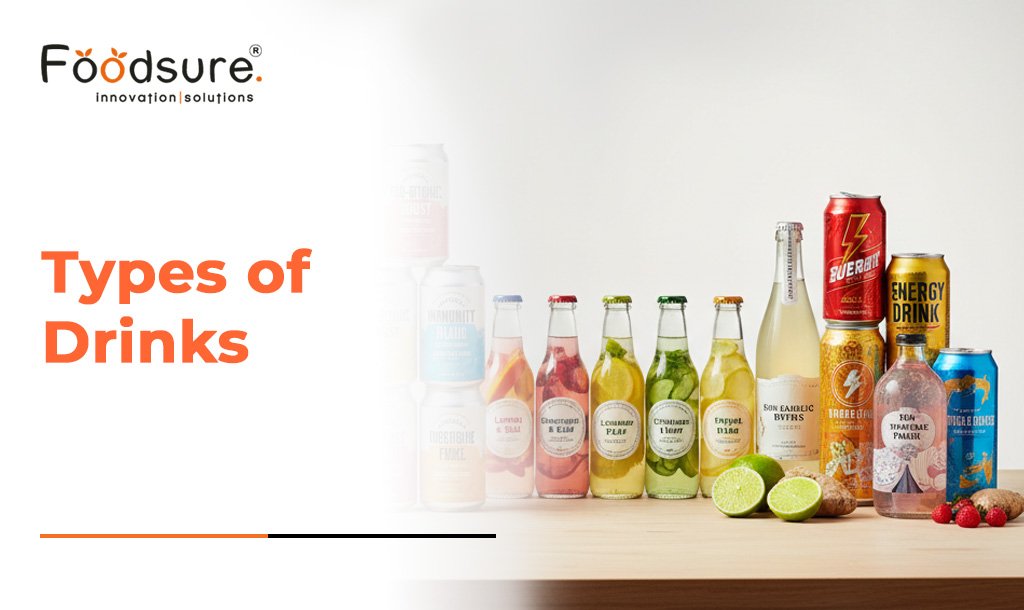
Let’s talk about types of drinks, not the sugar-loaded ones that spike and crash, but drinks that genuinely deliver value. Across modern categories of drinks, consumers are increasingly looking beyond empty calories toward beverages that support hydration, sustained energy, sharper focus, or a subtle mood lift. With a crowded drinks list and no shortage of bold claims, not every option earns its place. This breakdown of drink types highlights the types of drinks beverage consumers should pay attention to, based on real benefits, not marketing noise.
Water: The unsung champion
Water remains the gold standard for hydration, calorie-free, sugar-free, and essential across all types of drinks for nearly every bodily function. That said, plain water can feel monotonous for many consumers. Within modern categories of drinks, flavoured waters address this gap by adding subtle taste without excessive sugar. These drink types enhance everyday hydration while maintaining a clean, health-forward profile, making them a growing part of the types of drinks trends landscape. In types of drinks in India, brands such as True Elements and Paper Boat offer lightly flavoured options that expand the drinks list with simple, functional drink names built around wellness and trust.
Coconut Water: The electrolyte from nature
Coconut water is more than a social media trend; it is a naturally functional option within modern types of beverages, rich in electrolytes such as potassium and magnesium. As one of the more effective drink types for rehydration, it supports fluid balance after workouts or during dehydration. Within evolving types of drink trends, coconut water has earned a place across multiple categories of drinks focused on wellness. While brands like Tropicana and Paper Boat have expanded availability in the types of drinks in India market, label scrutiny remains essential, as some products in the wider drinks list include added sugars that reduce their overall health value.
Coffee: Your daily boost
Coffee is more than a daily ritual; it is a proven performance booster within several types of drinks. Its caffeine content supports focus, alertness, and even physical performance, making it one of the most relied-on drink types globally. However, how coffee is consumed matters. Within evolving types of drink trends, skipping sugar-heavy lattes in favour of black coffee or coffee with a small amount of milk helps preserve its functional benefits. In the expanding types of drinks in India landscape, speciality brands like Blue Tokai and Third Wave Coffee Roasters elevate the experience, adding premium drink names to the wider drinks list while reinforcing coffee’s role across key categories of drinks.
Tea: So much more than a cosy sip
Tea is far more versatile than a simple wind-down option, spanning multiple types of drinks and wellness needs. Depending on the variety, this classic drink type can deliver antioxidants, a gentle caffeine lift, or digestive and calming benefits. Within modern categories of drinks, green tea is commonly linked to metabolic support, while herbal options such as chamomile are widely recognised for relaxation. In the growing types of drinks in India market, established drink names like Tata Tea and Tetley contribute to an expanding drinks list, offering formats that suit different moods, routines, and wellness goals.
Plant milks: A dairy-free option
Plant-based milks have become reliable alternatives within modern types of beverages for consumers who are lactose intolerant, vegan, or exploring dairy-free options. These drink types, including almond, soy, oat, and coconut milk, now feature prominently across categories of drinks due to their versatility in coffee, smoothies, and everyday cooking. As part of evolving types of drinks trends, brands such as Oatly, Alpro, and VeganDukan have expanded the drinks list with well-known drink names, offering formulations that balance taste, nutrition, and functionality for contemporary lifestyles.
Energy Drinks: Caution is needed
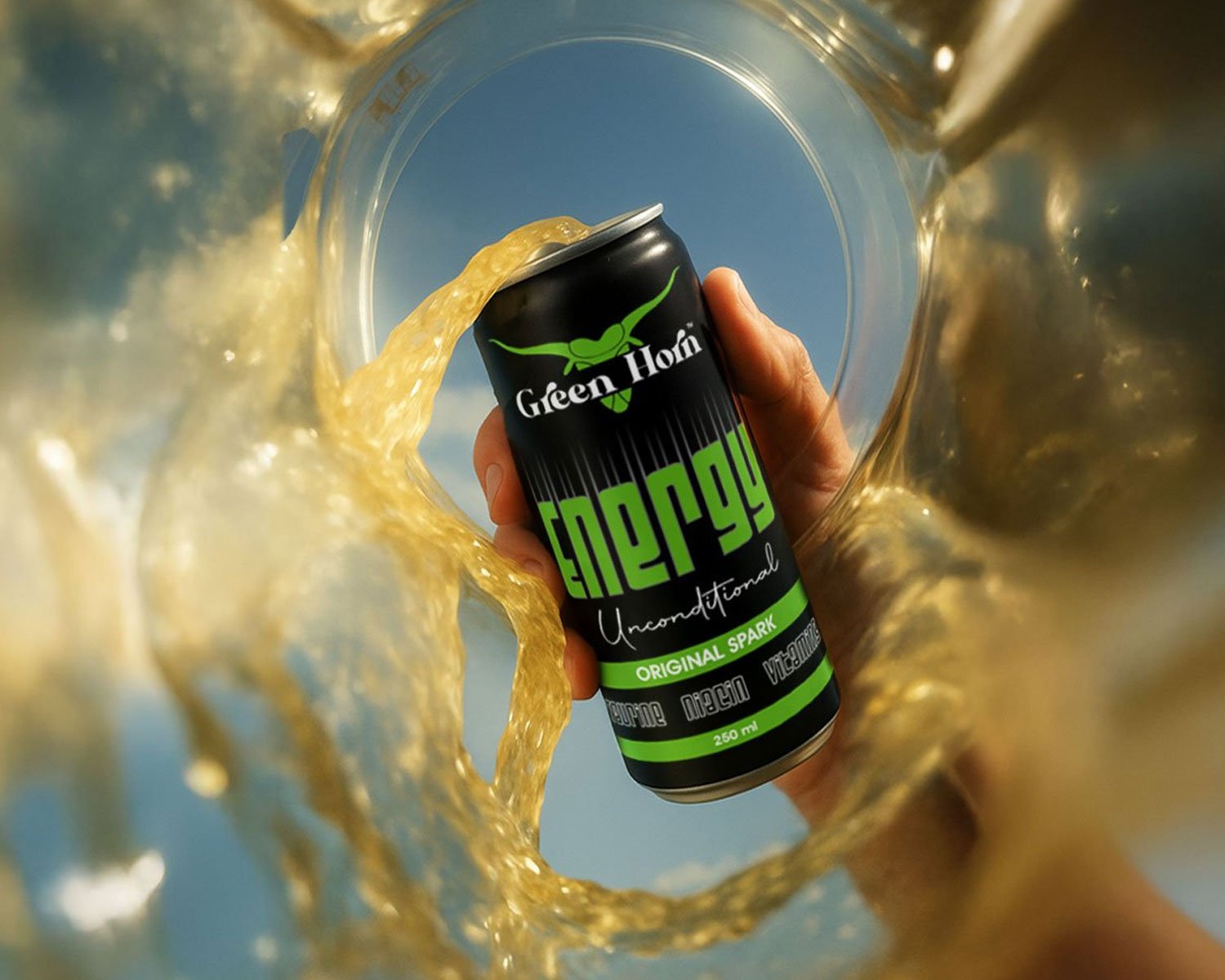
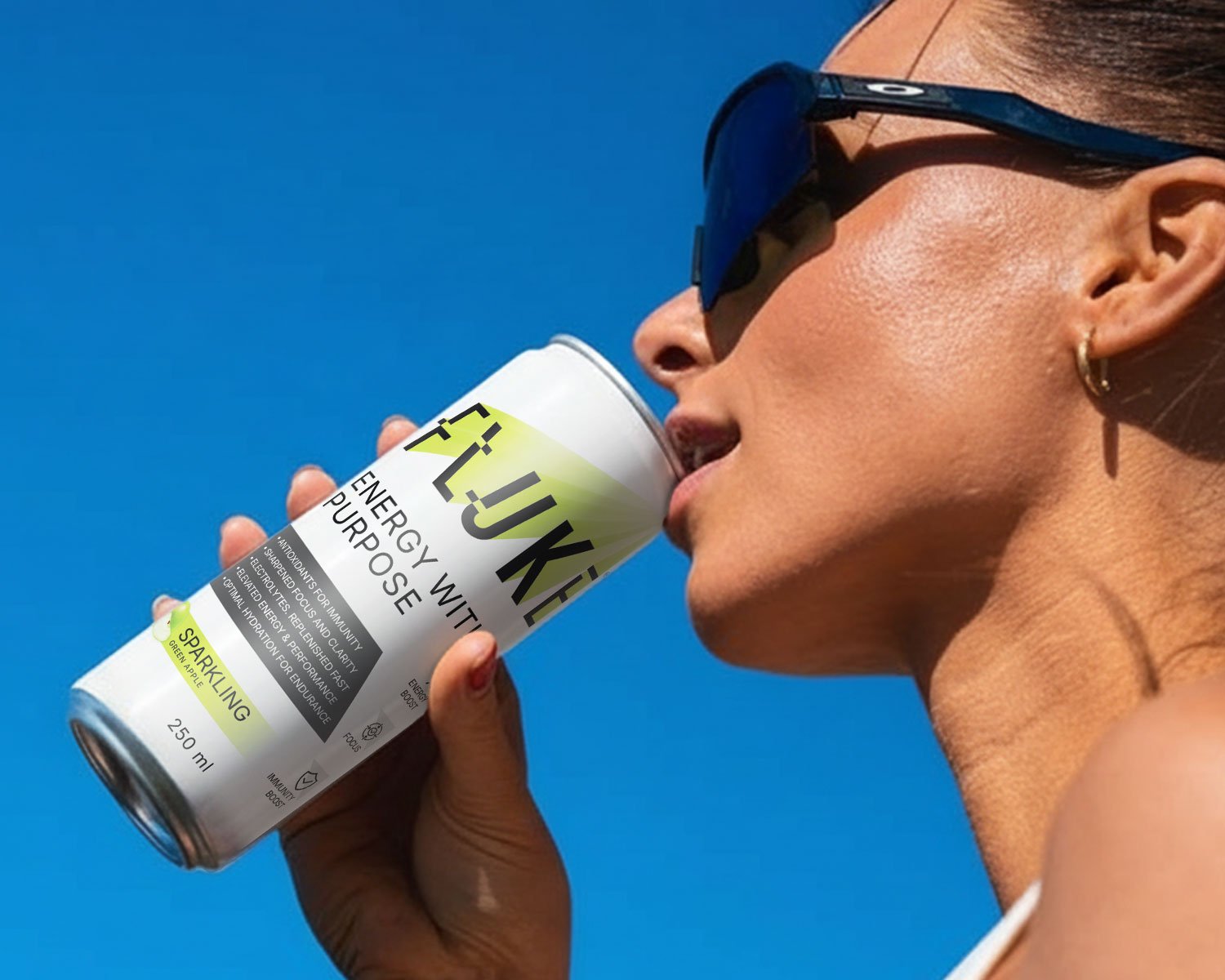
Energy drinks can be a double-edged sword within the broader types of drinks ecosystem. While these popular drink types deliver quick stimulation, excessive caffeine or sugar can trigger jitters and an eventual energy crash. As types of drinks trends evolve, informed consumption and smarter types of drinks formulation have become critical, especially when brands prioritise speed-to-market over balance. Choosing trusted manufacturers and carefully reviewing labels is essential, particularly in the context of types of drinks in India, where formulations and sugar levels can vary widely.
From a brand and industry perspective, this highlights the importance of a responsible type of drinks manufacturing guide that addresses caffeine limits, sugar reduction, and transparent labelling. Popular drink names alone are not indicators of quality, as many entries in the expanding drinks list remain heavily sweetened. Ultimately, understanding how to develop types of beverage drinks responsibly matters because the impact of these categories of drinks extends well beyond the moment of consumption.
Functional Drinks: The new wave
Functional drinks are gaining momentum because they go beyond basic hydration. Designed with specific health outcomes in mind, these beverages may support immunity, digestion, sustained energy, or overall wellness, depending on their formulation and intended use. Unlike conventional drinks, functional beverages are purpose-driven and often tailored to defined consumer needs.
At Foodsure, we develop functional beverages across categories—from energy and fibre-enriched drinks to plant-based formulations. Our focus is on creating products that taste great while delivering real nutritional value and supporting clear health goals. If you’re looking to bring a functional beverage concept to life, connect with us to begin your formulation journey.
Smoothies: The meal in a glass
Smoothies are more than a convenient breakfast choice—they can serve as effective meal replacements when thoughtfully prepared. By combining fruits, vegetables, protein, and healthy fats, they offer a balanced nutrient profile in a single serving. Brands like Raw Pressery and Smooothie add convenience with ready-to-drink options, while homemade smoothies allow complete control over ingredients and customisation to individual dietary needs.
Juices: The sweetness of nature
Freshly squeezed juices can be an excellent source of vitamins and minerals when consumed mindfully. Opt for 100% fruit juices with no added sugar to retain their natural nutritional value. Brands like Paper Boat and Bovonto highlight traditional Indian flavours, while Minute Maid and Tropicana offer a wide range of fruit-based options. That said, natural sugars can accumulate quickly, so moderation remains key.
Alcoholic Beverages: Mindful consumption
When consumed responsibly, alcoholic beverages can fit into a balanced lifestyle. Wine, beer, or cocktails can be enjoyed socially, but moderation is essential. Alcohol can contribute to dehydration, so pairing drinks with adequate water intake helps maintain balance and reduce its impact on the body.
Case Study: Supernova Drinks
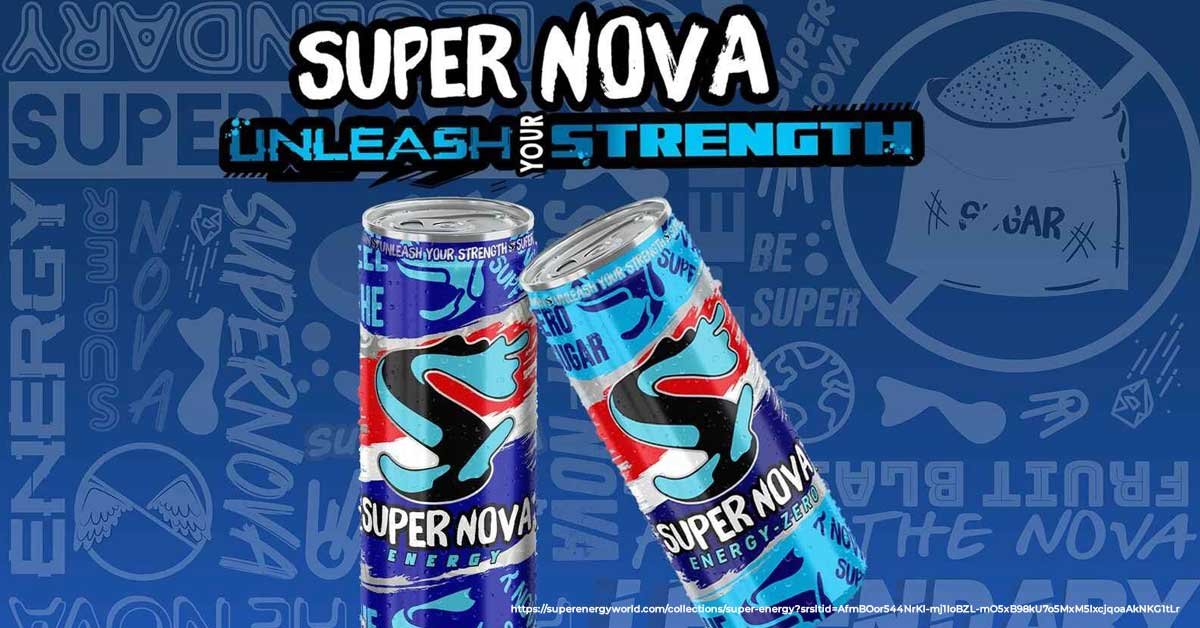
Supernova is a name used by multiple energy drink lines, but at its core, it represents a classic example of how a drink type can evolve within the broader types of beverage drink category. In ready-to-drink energy segments like the Emerge Supernova line, the brand offers carbonated energy drinks formulated with caffeine, taurine, and B-vitamins, positioning them as functional picks for alertness and performance.
Functional Positioning & Market Role
As a functional drink type, Supernova sits within the larger categories of drinks focused on stimulation and performance enhancement. Energy drinks like these are designed to reduce tiredness and improve focus and concentration — traits that have historically driven growth across types of drinks trends in athleisure and active lifestyles.
The brand’s lineup typically includes:
- Super Nova Energy: The Original: A caffeinated energy option with B-vitamins aimed at everyday performance outcomes. (Super Energy World)
- Super Nova Energy Zero Sugar: A sugar-free version targeting health-minded consumers within energy drink segments. (Super Energy World)
- Super Nova Unchained: Caffeine-free and taurine-free variants that broaden the appeal to those seeking flavour over stimulant impact. (Super Energy World)
This portfolio illustrates how types of drink development can span from traditional functional drinks toward softer sensory experiences without the classic stimulant load.
Consumer & Formulation Insights
Supernova’s varied formulations highlight key planning decisions in types of drink formulation: balancing stimulation (caffeine, taurine) with consumer expectations around sugar, energy delivery, and overall experience. For example, the Zero Sugar variant aligns with growing consumer scrutiny on added sugars and cleaner labels, part of broader types of drinks trends prioritising transparency and health-forward positioning.
While strong performance claims can make products stand out, they also underline why label literacy matters; not every drink name on the expanding drinks list is equally effective or appropriate for all consumers. Reviewing ingredients and understanding functional intent is crucial before selecting a product within the energy category.
Strategic Takeaways for Beverage Innovators
- Portfolio breadth matters: Offering caffeinated, zero-sugar, and stimulant-free options allows energy drink brands to compete across multiple drink types and consumer needs.
- Clear formulation goals: Aligning ingredients with their claimed functional effects helps maintain credibility as part of broader types of beverage strategies.
- Consumer education: Transparency in formulation and claims builds trust, especially as patterns in types of drinks trends shift toward lower sugar and cleaner profiles.
- Reference point for development: Studying iterations like Supernova provides insight into how brands adapt basic functional offerings to capture varied consumer segments.
In sum, Supernova’s evolution within the types of drinks sector demonstrates how traditional energy products can expand into diversified formulations and experiences, showing not just how to launch a drink, but how to position and adapt it within an increasingly complex beverage landscape.
Things you should keep in mind if you are starting a new beverage brand

Choose your category wisely based on scale, regulation, and cost
- Non-alcoholic beverages typically face fewer regulatory barriers and benefit from simpler production and distribution processes.
- Alcoholic drinks require licensing, attract higher taxation, and are subject to stricter quality controls and more complex distribution regulations.
Health and wellness matter
- Reduced sugar and clean, natural ingredients are key purchase drivers
- Functional benefits, such as electrolytes and added nutrients, increase appeal
- Alternative milks are gaining wider acceptance and demand
- Natural fruit juices are preferred over heavily processed drinks
- Herbal and botanical blends are more attractive now than in previous years
Packaging and convenience drive consumer choice
- Ready-to-drink formats support convenience and on-the-go consumption
- Smaller pack sizes encourage trial and portion control
- Portable and resealable packaging improves usability and repeat purchase
- Clean, natural-looking design builds trust and clarity
- Premium packaging enhances value perception and supports higher pricing
Regional/cultural flavours & traditional drinks offer an opportunity
- India has awideh variety of traditional beverages (e.g., chaas, regional fermented and distilled drinks) that remain under-commercialised
- Many local drink formats have strong cultural familiarity and trust
- Modernising traditional recipes can increase mainstream appeal
- Regional flavour preferences offer clear opportunities for differentiation
- Leveraging heritage narratives can help brands build niche yet loyal audiences
Trends you should watch if you’re entering the space
- Premiumisation is rising, with consumers willing to pay more for quality and experience
- Ready-to-drink (RTD) format, including hard seltzers, is seeing rapid growth
- Sustainable packaging and ethical, low-carbon sourcing influence purchase decisions
- Customisation and novelty, such as seasonal or limited-edition flavours, drive engagement
Related Blogs for Beverage Founders
- Types of Beverages
- Types of RTD Drinks
- Functional Beverages in 2025
- Carbonated vs Non-Carbonated Functional Drinks
- Beverage Industry Trends
Final Thoughts
Today’s beverage landscape is no longer about quenching thirst alone; it’s about delivering purpose, experience, and trust across evolving types of drinks. Consumers are actively choosing drink types that align with their health goals, lifestyle values, and taste preferences—whether that means lower sugar, functional benefits, cultural familiarity, or premium experiences. This shift is reshaping categories of drinks and influencing long-term types of drinks trends worldwide.
For new beverage brands, success lies in making intentional choices: selecting the right types of drinks beverage category, investing in thoughtful types of drinks formulation, designing convenient yet aspirational packaging, and staying aligned with how markets evolve—especially within types of drinks in India. Brands that understand how to develop types of drinks beverage responsibly, balancing functionality, flavour, and authenticity, won’t just compete in a crowded drinks list, they’ll build lasting relevance in a rapidly transforming market.
Do you think your idea has potential? Let’s turn that spark into something that people crave and keep coming back to. Call Foodsure for the best consultancy for your brand. What do you have to do? Just give us a call at +91 8130404757. Get all the information and services you need to make your brand the first choice for all. Book your free consultation now.
formulation feasibility, shelf-life stability, cost control, and compliance.
Getting clarity early saves time and money later.
FAQs
What defines a functional drink?
A beverage designed to deliver specific health benefits beyond hydration, such as energy, digestion, or relaxation.
Are low-sugar drinks really better?
Yes. Reduced sugar supports better metabolic health and prevents energy crashes.
Do plant-based milks offer enough nutrition?
Most are nutritionally balanced and often fortified, making them suitable dairy alternatives.
Is coconut water better than sports drinks?
For light to moderate activity, yes—when it has no added sugar.
Are energy drinks safe to consume daily?
Only if caffeine and sugar levels are moderate and clearly understood.
What makes RTD beverages so popular?
Convenience, portability, and consistent portion control.
Can traditional Indian drinks be commercialised successfully?
Yes, especially when modernised with clean labels and consistent quality.
Why is packaging so important?
It affects shelf life, convenience, brand perception, and pricing power.
Is premium pricing sustainable in beverages?
Yes, when backed by quality ingredients, clear benefits, and strong branding.
What should new beverage brands prioritise first?
Category selection, regulatory clarity, and a clear consumer value proposition.